
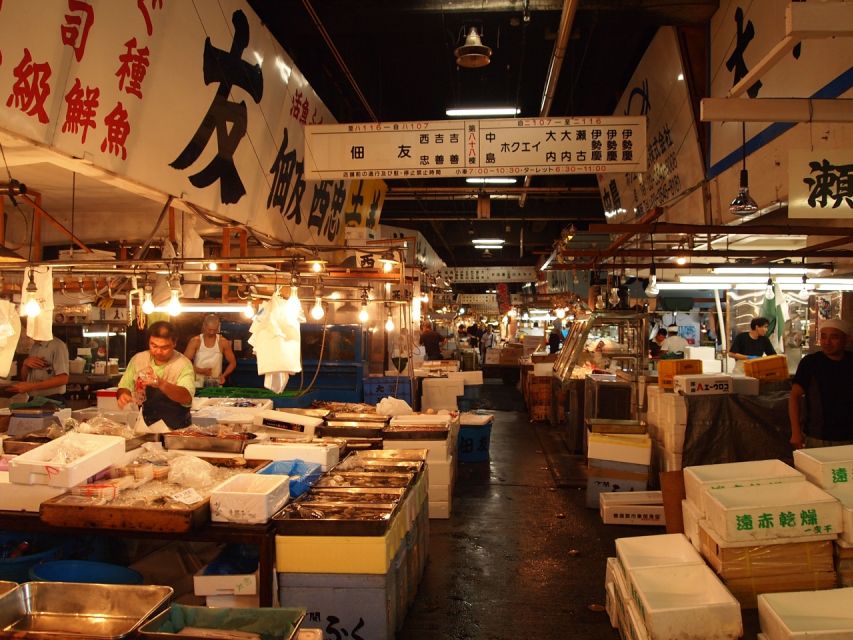
Reviewed · TOKYO TOURS
Tokyo: Off the Beaten Path Private Guided Tour
Tokyo’s best moments are often found away from the giant crossings and glossy towers. This private six-hour tour takes you into older neighborhoods such as Shibamata, Yanaka, Nezu, and Fukagawa, where small shops, local food, temples, and residential streets give you a better feel for daily life.
I like two things right away: you get a licensed local guide with formal training in Japanese history and culture, and you can shape the day around your own interests. Guides An, Naoko, Yoko, and Kei have adjusted routes for food, shopping, residential areas, and extra sights. The main drawback is that food, admission fees, and transportation cost extra, and your guide is not fully confirmed until they contact you.
Key points to know before booking
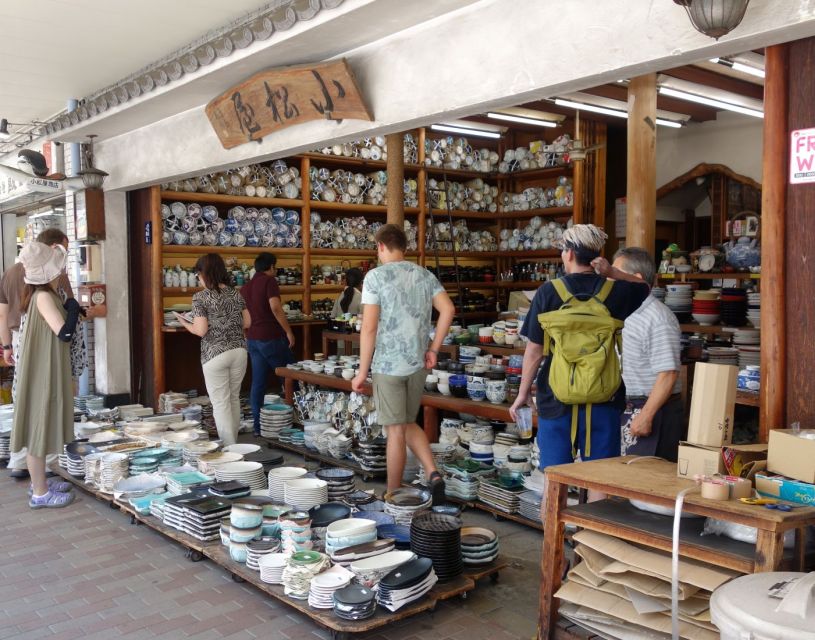
- Shibamata brings old Tokyo to life: Sample senbei rice crackers and chewy rice snacks along a street lined with long-running shops.
- Yanaka Ginza feels local and low-key: Browse small stores, ceramics, handicrafts, food stalls, and even the practical 100-yen shops.
- Your guide can change the route: You can request specific neighborhoods, shopping stops, residential areas, or cultural sights.
- The guide qualification matters: Each guide holds Japan’s nationally licensed Tour Guide-Interpreter certification.
- You pay local costs separately: Public transport or taxis, food, and entrance fees are not part of the $151 price.
- The six-hour length favors depth over speed: You can see several districts, but you will need to choose carefully if you want time to stop and eat or shop.
Why this private Tokyo tour feels different
Many first days in Tokyo follow a familiar path: Asakusa, Shibuya, Meiji Shrine, and perhaps the Imperial Palace. Those places have their place, but Tokyo is too large and varied to understand through major sights alone.
This experience gives you a guide for the parts of the city that are easier to miss. The emphasis is on backstreets, older shopping streets, local neighborhoods, and places where you can ask questions as you go. You are not tied to a fixed group route, so you can spend more time on food, history, shopping, architecture, or ordinary residential streets.
The private format is especially useful in Tokyo because the city can feel confusing at first. A guide can help you move between districts by public transportation or taxi, explain what you are seeing, and adjust the plan if a certain area interests you more than expected.
You meet your guide in your hotel lobby or at a requested train station, provided the location is within a reasonable walking distance for the included pickup. The guide waits about 10 minutes before the scheduled start, and the day begins on foot from there.
A few more Tokyo half-days to weigh up
- Mt Fuji and Hakone 1-Day Bus Tour Return by Bullet Train
★ 5.0 · 26,383 reviews - 1-Day Tokyo Bus Tour
★ 5.0 · 14,250 reviews - Tokyo: TOKYO SKYTREE® Admission ticket
★ 4.5 · 11,192 reviews
Shibamata and its century-old shopfronts
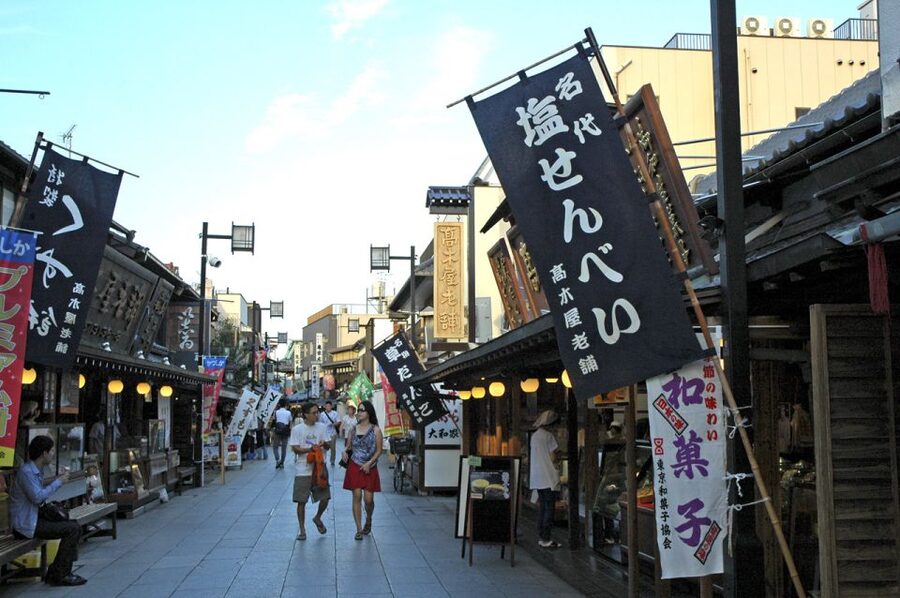
Shibamata is a strong opening choice if you want a neighborhood with a slower pace and a traditional feel. The area is known for historical shops, some of which have operated for more than 100 years. That detail matters because the appeal is not simply looking at old buildings. You get to see how food shops and small businesses still shape the street.
This is also a good place to begin with Japanese snacks. You might try senbei, crisp rice crackers flavored with soy sauce, or chewy rice-based treats. Food is not included, so you should budget separately, but the ability to stop at a small shop gives the walk a useful purpose.
I like Shibamata for the way it connects culture with ordinary life. Your guide can explain what you are eating, how the shops fit into the neighborhood, and why the area feels different from central Tokyo. If you prefer department stores and major attractions, though, Shibamata may seem too quiet.
The district also takes time to reach from many parts of Tokyo. Since the tour uses public transport or private taxis, you pay those fares separately. Ask your guide to balance travel time with the number of areas you want to see.
Yanaka Ginza and old Tokyo atmosphere
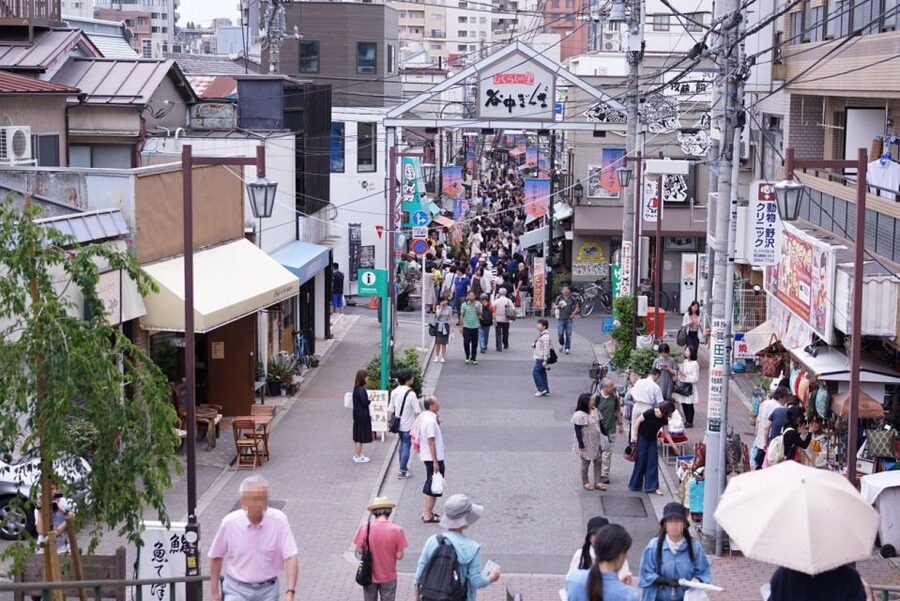
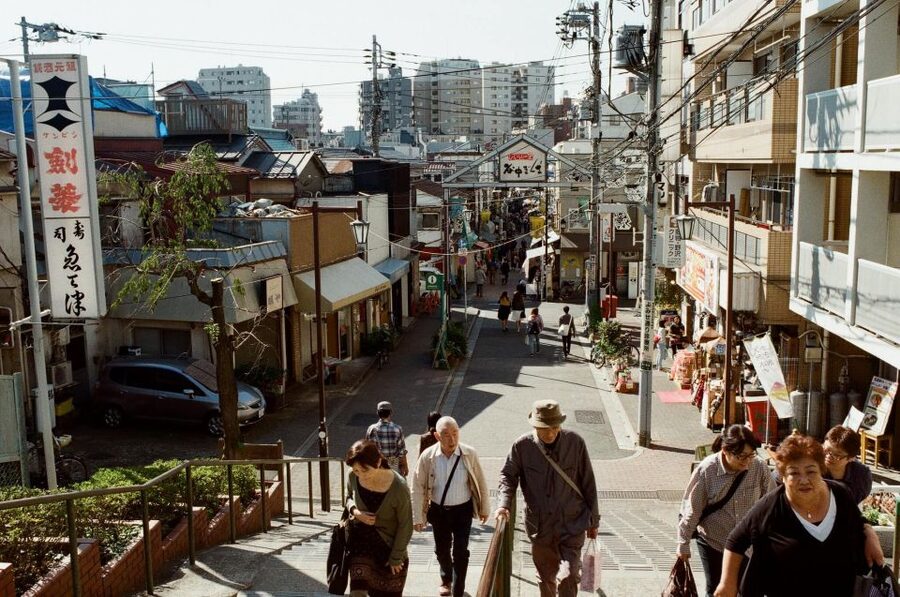
Yanaka Ginza is one of the most appealing choices for anyone who wants a traditional shopping street without spending the entire day at a major attraction. Edo-era shopfronts and small restaurants line the street, while newer businesses, including 100-yen shops, sit alongside handicraft, ceramic, and food stores.
That mix is part of the charm. You are not walking through a preserved museum set. You are seeing an older style of neighborhood adapted to present-day life. Your guide can point out the difference between a tourist-oriented stop and a shop serving local needs.
Yanaka works well for browsing. You might find ceramics, small crafts, snacks, or household goods to take home. It is also a useful area for visitors who want photos and conversation without spending the whole day in a formal temple or museum.
The street is compact, so six hours gives you time to combine it with nearby Nezu or Sendagi. Still, do not treat every stop as a quick photo opportunity. The value comes from pausing, asking questions, and letting your guide explain the details. If you want to cover a long list of famous Tokyo sights, you may find the pace too relaxed.
Nezu and Sendagi for a residential side of Tokyo
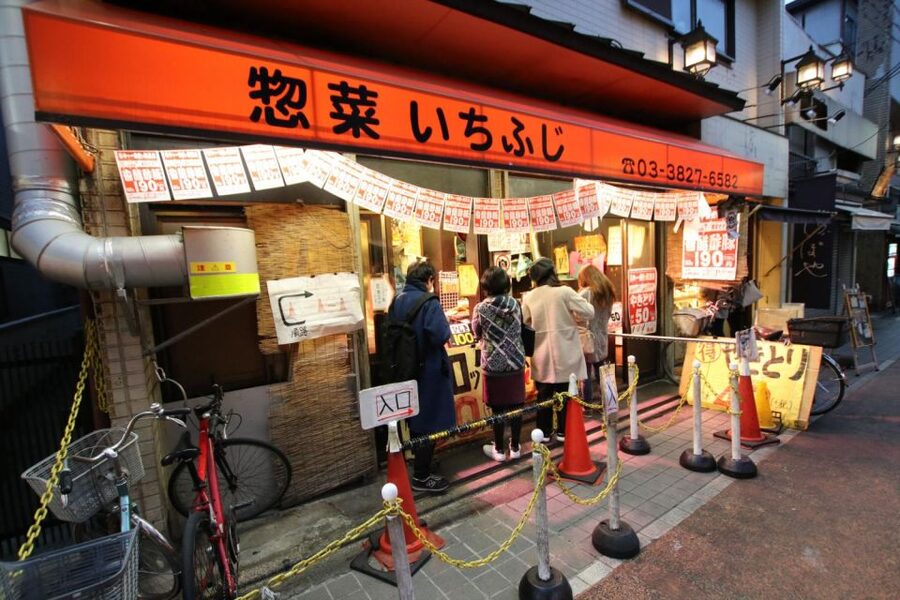
Nezu and Sendagi are recommended for a closer look at quieter Tokyo neighborhoods. The route can include local streets and residential areas, which is useful if you want to see how the city feels beyond its shopping centers and landmark districts.
One traveler specifically wanted residential areas and found this focus well suited to the day. That is an important point when you book. Tell the guide clearly if you care more about daily life than major sights. The private format gives you room to make that request.
These districts pair naturally with Yanaka Ginza because they offer a wider view of the same older part of the city. You can move from a small shopping street into calmer streets, asking your guide about the history and culture of the area as you walk.
You should also be realistic about what this means. Residential streets are not a formal attraction with a checklist of sights. Their value is in observation and context. This part of the tour is best for curious walkers who enjoy seeing how Tokyo works at street level.
Same base, a completely different sort of day:
- Tokyo: teamLab Planets TOKYO Digital Art Museum Entry Ticket
★ 4.6 · 9,779 reviews - Mt Fuji & Hakone Cruise, Drum Show Bullet Train 1 Day from Tokyo
★ 4.0 · 7,413 reviews - Tokyo: Sumo Show Experience with Chicken Hot Pot and a Photo
★ 4.8 · 6,678 reviews - Tokyo: Shinjuku Food Tour (13 Dishes at 4 Local Eateries)
★ 5.0 · 6,603 reviews
Kappabashi Street and the fun of Japanese kitchen shopping
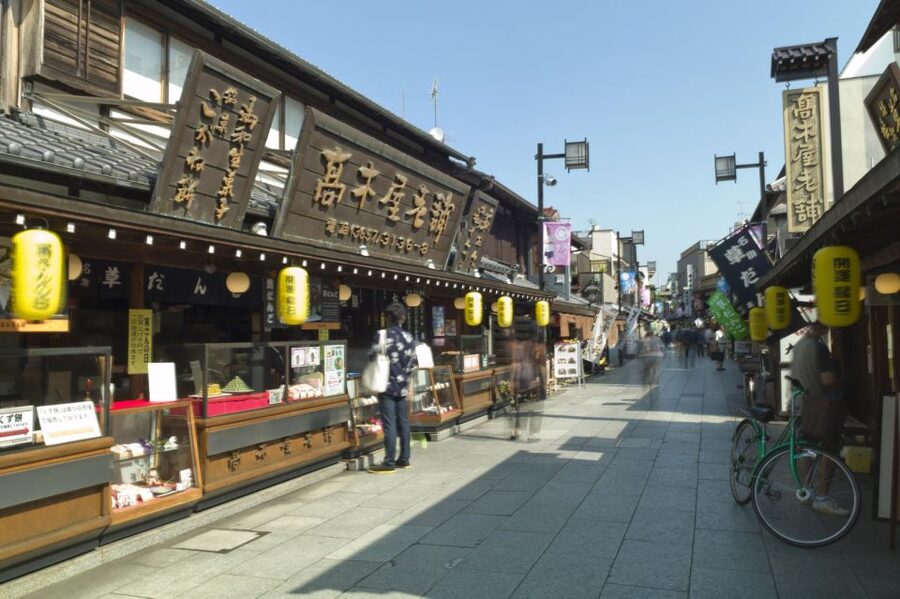
Kappabashi Street is the clearest choice for food lovers, home cooks, and anyone who wants a useful souvenir. The long shopping street is lined with kitchen stores selling equipment for preparing or serving Japanese food. You can also find kitchen clothing and the famous plastic food displays used outside restaurants.
The attraction here is practical. Instead of buying another generic souvenir, you can look for something connected to cooking, dining, or Japanese restaurant culture. The guide can help you understand what the shops sell and offer suggestions if you are unsure what is useful to pack home.
Kappabashi is also a good example of why a private guide can help. A long street of specialist shops can become tiring if you do not know what you are looking for. Tell your guide in advance if you want knives, tableware, cooking tools, restaurant items, or food models, though the supplied information does not promise that every requested item will be available.
Allow room in your luggage and budget for purchases. Shopping is not included in the tour price, and the six-hour clock continues while you browse. If Kappabashi is your priority, ask for enough time rather than trying to squeeze it between too many distant districts.
Asakusa, with a more personal look
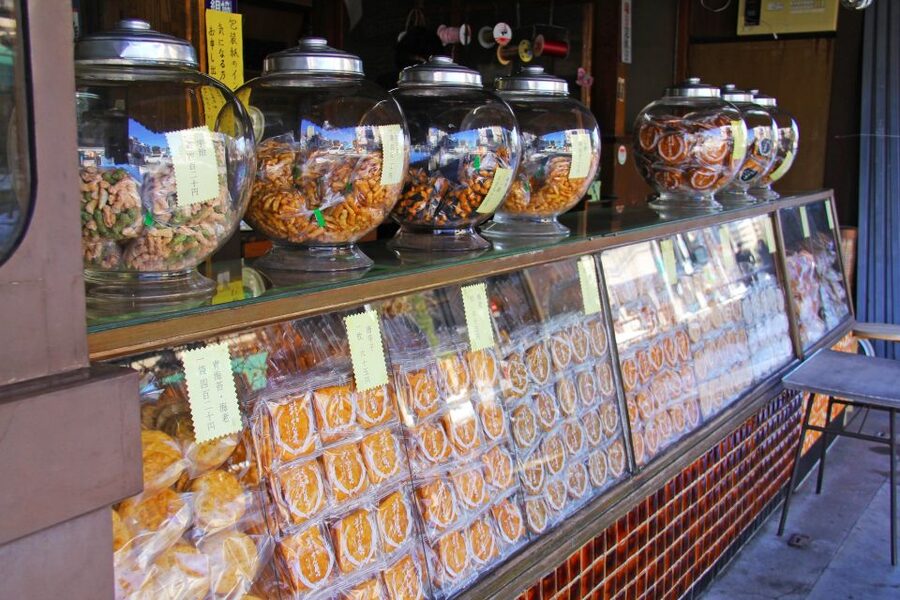
Asakusa is one of Tokyo’s major sightseeing areas, but it can still work well on a private route. The difference is the way you experience it. Instead of treating Asakusa as a quick stop, you can ask your guide to connect its better-known sights with nearby streets, food, and local customs.
Asakusa is a sensible choice if this is your first visit and you want at least one major Tokyo district included. It also pairs well with Kappabashi because the two areas are close enough to make a practical day in eastern Tokyo.
The tradeoff is focus. Asakusa is more familiar and generally more visited than Shibamata, Yanaka, or residential Nezu. If you have already seen the district, use your private day for places you missed. If you are new to Tokyo, tell the guide how much time you want for major sights versus quieter neighborhoods.
Fukagawa Edo Museum and a history-focused option
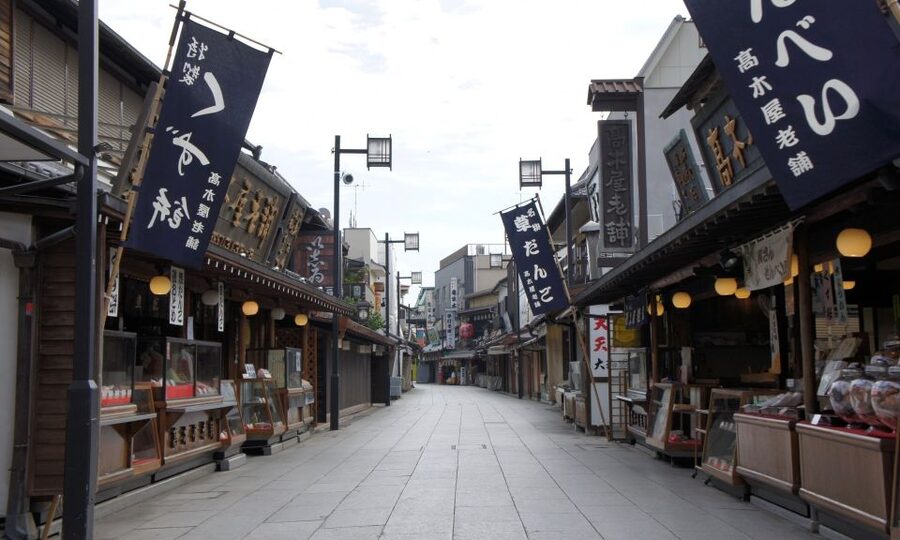
The Fukagawa Edo Museum offers a more structured way to learn about Tokyo’s past. While neighborhood walks show you the city through streets and shops, a museum visit can give you a clearer setting for understanding earlier urban life.
This choice suits you if Japanese history is a priority or if you want a break from walking and shopping. Admission is not included, so you pay the entrance fee separately. Confirm the current fee and opening details with the local partner before the day, since those details are not provided here.
Fukagawa can also be combined with a broader east Tokyo route, but you should avoid cramming too much into six hours. A museum visit, several neighborhoods, food stops, and shopping can quickly become too much. Tell the guide which two or three elements matter most.
How the customization works in real life
The private format is the tour’s biggest strength, but customization works best when you give useful direction. Do not simply say you want to see Tokyo. Explain what you want from the day.
You might request:
- Older neighborhoods and traditional streets
- Residential Tokyo and daily life
- Japanese snacks and food shops
- Ceramics, handicrafts, or kitchen goods
- A history-focused day
- Asakusa combined with less familiar areas
- Specific stops in Yanaka, Nezu, Sendagi, Shibamata, Fukagawa, or Kappabashi
The guide can also take responsibility for planning if you do not know where to begin. An prepared a route around a visitor’s interests that included Shibamata, Yanaka, Nezu, and Asakusa. Naoko changed the plan when extra places were requested, while Yoko spent time preparing around her group’s wishes. Kei was also praised for answering wider questions about Japan during the day.
These examples show what you should expect from the private setup: an adjustable route, not a guaranteed fixed list of stops. The exact guide matters, and the operator does not confirm the experience until a guide contacts you. Most guides contact you within seven days, but the search can continue until 24 hours before the tour if no guide has accepted it.
That uncertainty is worth considering before you build an entire vacation around this day. If the guide has not confirmed, keep a backup plan. You can cancel without a fee up to 24 hours before the start if the arrangement does not work for you.
The value of $151 per person
At $151 per person, this is not a cheap way to get from one Tokyo sight to another. You are paying for six hours of private guiding, route planning, cultural explanation, and flexibility.
The value improves if you are traveling with two or more people, since the private guide cost buys personal attention for your group rather than a seat on a large bus. It also makes more sense if you want help with areas that are not easy to organize on your own.
Remember to add public transportation or taxi fares, food, and entrance fees. Those costs can stay modest if you rely mainly on trains and choose free neighborhood walks, but the final price depends on your route and choices.
I would not book this mainly for transportation. Tokyo’s rail system can take you to many major districts on your own. Book it for the questions you want answered, the local areas you want interpreted, and the time saved by having someone shape the day around you.
Walking, transport, weather, and comfort
The tour is six hours and starts on foot from your hotel lobby or requested train station. You should expect walking between shops, streets, and stations, with public transportation or a private taxi used between areas.
Transportation is not included, so carry a way to pay for your own fares. Food and drinks are also separate, which is useful because you can decide how much to snack and where to stop.
The experience runs rain or shine. Tokyo’s weather can change the feel of a walking day, so practical shoes and suitable clothing are sensible. The tour is listed as wheelchair accessible, but you should discuss your exact needs with the local partner before the start, particularly because the day includes walking and public transportation.
English and Japanese guiding are available. The guide qualification is issued by the Japanese government and requires a good understanding of Japanese culture and history. That does not mean every guide will have the same personality or specialty, so use the pre-tour contact to explain your interests and communication needs.
Who should book this experience
I would choose this tour if you have already seen Tokyo’s headline sights, or if you prefer small streets and local shops to a packed list of landmarks. It is also a good fit for families or small private groups who want to set their own pace.
Food-focused visitors should ask for Shibamata and Kappabashi. People interested in traditional neighborhoods should consider Yanaka, Nezu, Sendagi, and residential areas. History fans may prefer Fukagawa Edo Museum, with Asakusa added if time allows.
You may want to skip it if you are happy planning your own train routes and do not need a guide for neighborhood walks. You should also think twice if your main goal is to cover every famous Tokyo sight in one day. Six hours disappears quickly once you add train rides, meals, shopping, and museum time.
Should you book the Tokyo offbeat private tour?
Book it if you want Tokyo explained rather than simply photographed. The strongest reason to go is the chance to ask for a day built around your interests, whether that means old shopping streets, Japanese snacks, residential neighborhoods, kitchen goods, or local history.
Before paying, decide on your top two priorities and mention them when the guide contacts you. Keep a third option in reserve in case travel time or weather changes the plan. For $151 per person plus local costs, the experience offers good value to visitors who want personal guidance and a more ordinary side of Tokyo, but less value to independent planners who only need a list of famous sights.
FAQ
How long is the Tokyo private tour?
The tour lasts six hours.
What is the price?
The price is $151 per person.
Is the tour private?
Yes. It is offered as a private group experience.
Which languages are available?
Guiding is available in English and Japanese.
Is hotel pickup included?
Pickup is included on foot if your accommodation is within a reasonable distance. The guide can also meet you at a requested train station.
Who provides the guide?
The experience is provided by JGA Inc. Guides hold Japan’s nationally licensed Tour Guide-Interpreter certification.
Are food and drinks included?
No. You pay separately for all food and drinks.
Are transportation costs included?
No. Public transportation or private taxi fares during the tour are paid separately.
Are entrance fees included?
No. Any entrance fees are separate from the tour price.
Can I choose the places I visit?
Yes. You can request specific places and interests, or let the guide plan the route. Possible areas include Shibamata, Yanaka, Nezu, Sendagi, Kappabashi, Fukagawa, and Asakusa.
Is the tour wheelchair accessible?
Yes, the activity is listed as wheelchair accessible. Since the route involves walking and public transportation, discuss your specific needs with the local partner before the tour.
When is the guide confirmed?
The tour is not confirmed until a guide contacts you. Most guides contact you within seven days, but a guide search may continue until 24 hours before the start.
Can I cancel the tour?
Yes. You can cancel up to 24 hours before the start for a full refund.
Just added around Tokyo
- Private Arrival Transfer : Narita International Airport to Central Tokyo City★ 4.5 · 12 reviews
- Narita Airport(NRT): Private Transfer to Tokyo/Yokohama 1-9pax★ 5.0 · 47 reviews
- Private Transfer from Narita Airport to Yokohama Port and City★ 4.5 · 17 reviews
- [Narita Airport Terminals 1, 2] 40-60km Sawara Itako Historic Bike Tour★ 5.0 · 13 reviews
- 3 Day Japan Highlights Tour: Tokyo, Mt.Fuji, Nara, Kyoto, Osaka★ 5.0 · 22 reviews
- Small Town in the Big City: Tasting Tokyo’s Kichijoji★ 5.0 · 195 reviews
- Small Town in the Big City: Tasting Tokyo’s Kichijoji★ 5.0 · 16 reviews
- The 10 Tastings of Tokyo With Locals: Private Street Food Tour★ 5.0 · 48 reviews
Tokyo Tours, compared.

Mt Fuji and Hakone 1-Day Bus Tour Return by Bullet Train
Read our review →

teamLab Planets TOKYO Digital Art Museum Entry Ticket
Read our review →
Mt Fuji & Hakone Cruise, Drum Show Bullet Train 1 Day from Tokyo
Read our review →
Sumo Show Experience with Chicken Hot Pot and a Photo
Read our review →
Shinjuku Food Tour (13 Dishes at 4 Local Eateries)
Read our review →
Tokyo Mt Fuji 5th St & Hakone Cruise Bus Tour w/Bullet Train
Read our review →