
Reviewed · TOKYO TOURS
Tokyo: Private City Highlights Tour with Local Guide
Tokyo is easiest to enjoy when someone helps you connect its far-flung neighborhoods. This private, customizable tour lets you choose the sights that matter most, then pairs you with a nationally licensed guide who can adjust the day as you go. I like the chance to see famous places such as Senso-ji and Meiji Jingu while also getting local advice on ramen, gardens, shrines, and daily life.
I also like that the guide meets you at your hotel and teaches you how to handle Tokyo’s train network, a skill you can use for the rest of your trip. The main drawback is simple: this is a walking and public-transport tour, not a private-car sightseeing day, so you need good shoes, yen for fares, and enough energy for a long day.
Key points to know before booking
- Your itinerary is built around your interests: Choose major sights, food areas, gardens, shopping streets, or quieter neighborhoods.
- You get a nationally licensed guide: The Japanese government certification requires study of Japanese culture and history.
- The tour can teach you Tokyo’s transit system: Guides regularly help visitors understand the metro and train network.
- Popular stops cover many sides of the city: Asakusa, the Imperial Palace, Tsukiji, Meiji Jingu, Harajuku, Shinjuku, and Akihabara are all possible.
- The pace can change during the day: Guides such as Lance, Tako, and Sam have adjusted routes for children, heat, shade, and rest stops.
- The $106 starting price does not cover everything: Your own transport, food, entrance fees, and personal spending are extra.
Why a private day works well in Tokyo
Tokyo is not one compact sightseeing district. Its major sights are spread across a huge city, and each neighborhood has its own character. Asakusa feels rooted in old temple traditions, Harajuku leans youthful and playful, Shinjuku is a high-rise entertainment center, and the Imperial Palace area offers quiet gardens in the middle of it all.
A private guide helps you make sense of those contrasts. Instead of following a fixed route, you can explain what you want from the day. You might focus on history and religion, build the day around food, look for family-friendly stops, or combine the major sights with areas that feel more local.
I think this is especially useful on your first full day in Tokyo. A guide can help you get oriented, show you how to buy or use train tickets, and point out restaurants or neighborhoods for later. Tachi-san, for example, helped a visitor who had already spent three weeks in Japan still find new cultural details. That is a good sign for repeat visitors too, not just first-timers.
The format is also useful for families and mixed-age groups. Yumi helped one family see the main sights while explaining everyday Japanese life to the children. Lance adjusted the route for two young children and built in pauses when the heat and walking became tiring. You still need to expect plenty of time on your feet, but the private setup gives the guide room to respond.
A few more Tokyo half-days to weigh up
- Mt Fuji and Hakone 1-Day Bus Tour Return by Bullet Train
★ 5.0 · 26,383 reviews - 1-Day Tokyo Bus Tour
★ 5.0 · 14,250 reviews - Tokyo: TOKYO SKYTREE® Admission ticket
★ 4.5 · 11,192 reviews
Starting at your hotel and finding your rhythm
Your guide meets you at your hotel, then the day begins on foot. There is no private vehicle included, so you will walk to stations and use public transport or local taxis between districts. The exact transport cost depends on the route you choose, and you should carry Japanese yen for those fares.
This arrangement has a real advantage. You see how Tokyo works instead of watching it pass through a car window. Guides have helped visitors use their phones for train access, understand subway routes, and navigate large stations with less stress.
Tokyo’s rail system can feel confusing at first, especially when several lines serve the same area. A guide such as Atsushi or Koji can help you use the network efficiently, then leave you with practical confidence for the rest of your trip. That may be worth as much as the sightseeing itself.
Tell your guide before the day begins what you care about most. Several guides contact visitors in advance to discuss priorities and adjust the route. Communication before the tour matters because four hours and eight hours are very different experiences in a city this spread out.
Asakusa and Senso-ji, Tokyo’s traditional opening
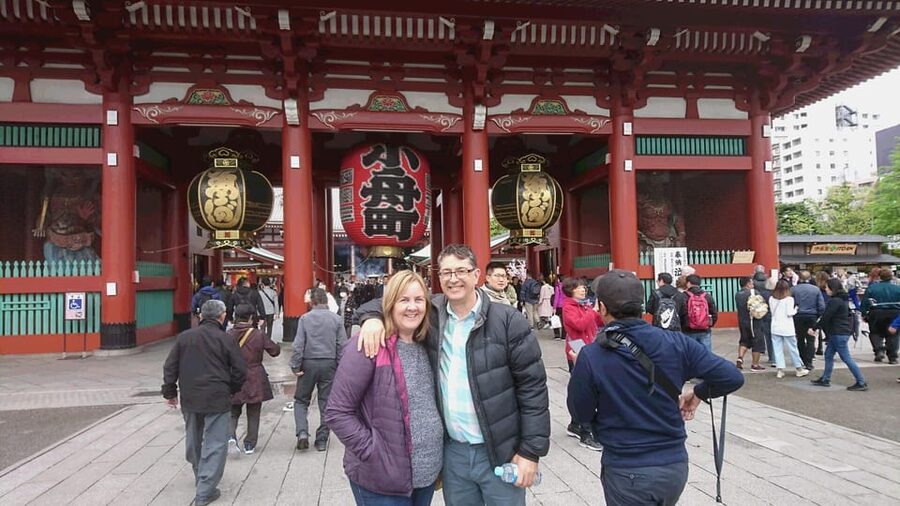
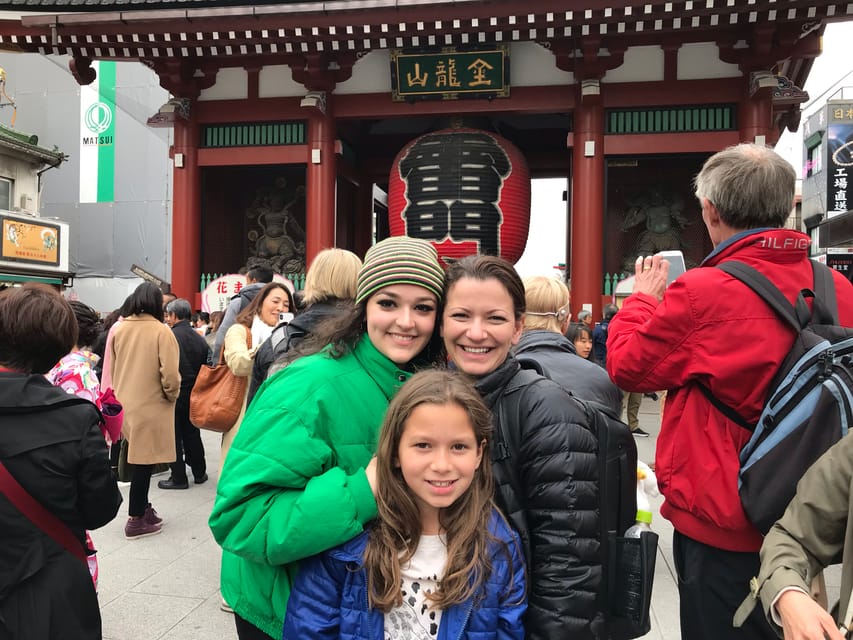
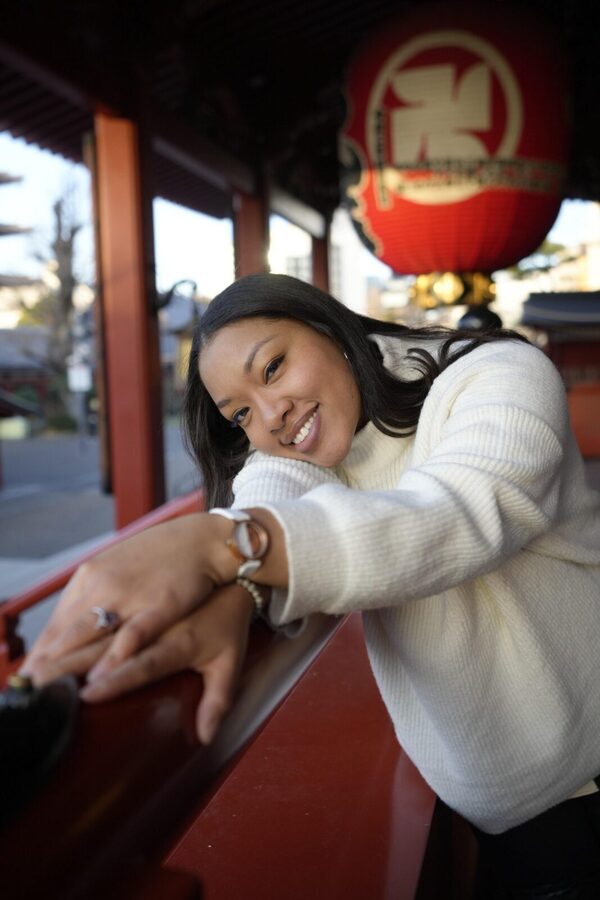
Asakusa is a strong starting point if you want Tokyo’s historic and religious side. Senso-ji Temple is the area’s main draw, with the famous approach through Nakamise-dori. The route gives you a clear introduction to Buddhist temple customs, souvenirs, snacks, and the visual symbols that visitors often associate with old Tokyo.
A guide can explain what you are seeing rather than leaving you with a quick photo stop. The cultural details make the temple visit more rewarding, particularly if you are unfamiliar with Japanese religious traditions.
Asakusa is also a good place to ask questions. You can learn about shrine and temple etiquette, the meaning of worship rituals, and how historic areas fit into modern Tokyo. If you have an interest in cooking, your guide might also suggest Kappabashi, the nearby district known for kitchen goods. Kenji made sure to include it for a hobby cook, showing how the private format can accommodate specific interests.
The limitation is time. Asakusa can easily fill several hours if you browse shops, stop for food, and explore side streets. If you also want Meiji Jingu, Tsukiji, Shibuya, and the Imperial Palace in one day, you will need to keep moving.
The Imperial Palace area and its quiet gardens
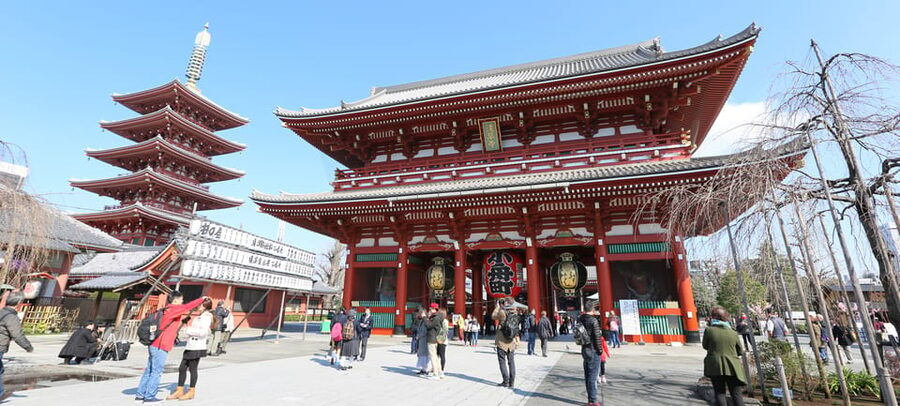
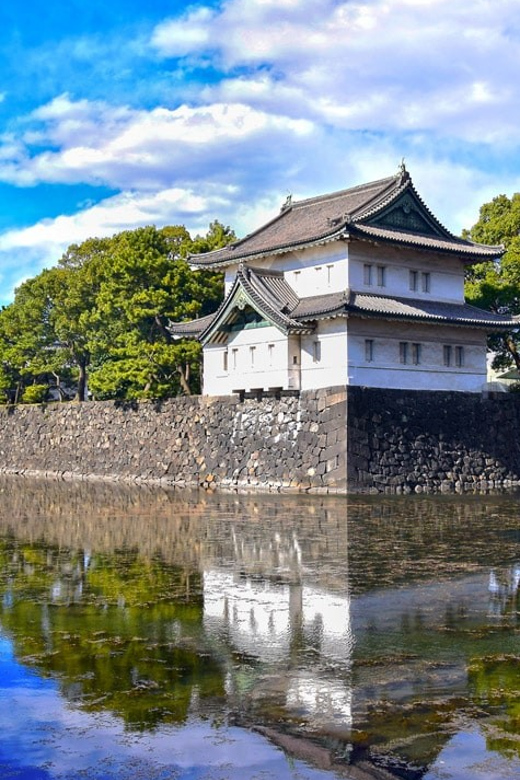
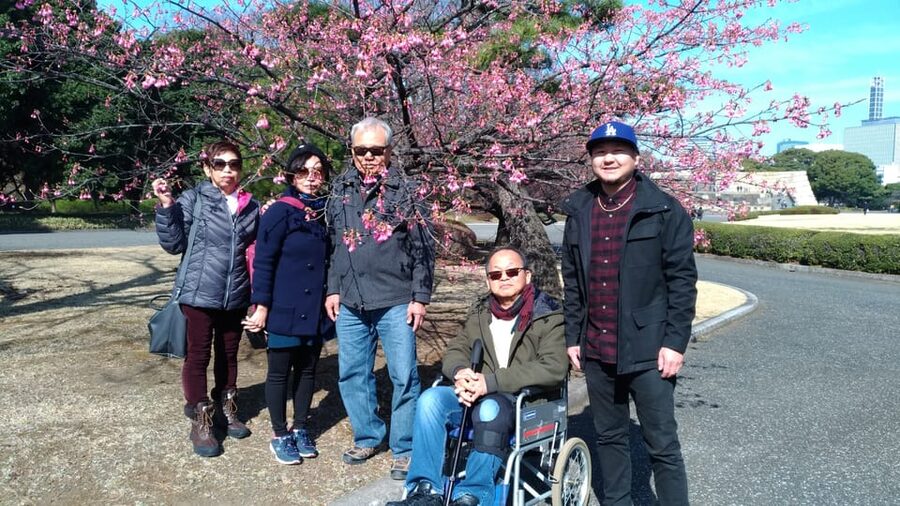
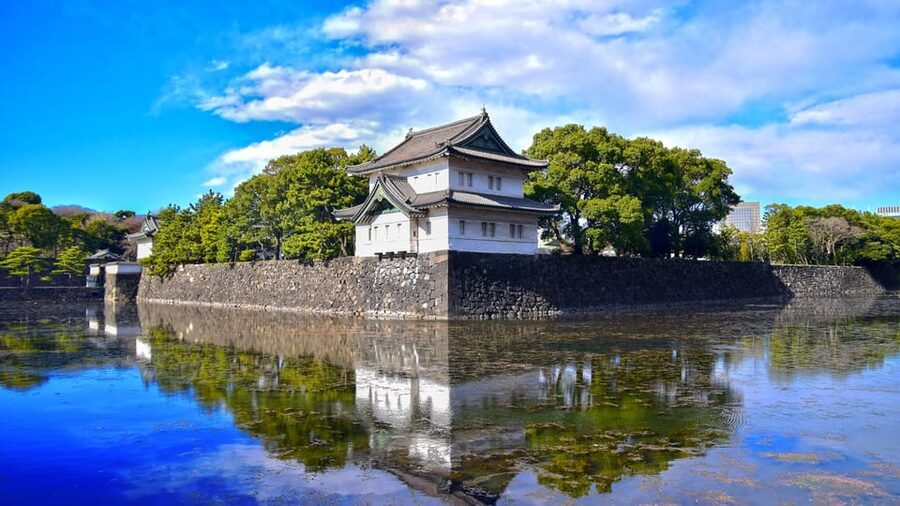
The Imperial Palace provides a change of pace. Its outer garden and East Gardens offer open space and greenery in the center of the capital. The contrast with the city streets is part of the appeal: after crowded stations and bright commercial districts, you can slow down and talk about Japan’s imperial tradition, gardens, and seasonal customs.
Access to certain palace grounds can depend on timing and special openings. Kenji explained that entering some areas is allowed only at specific times, so do not assume every palace visit includes every section. Your guide can help you understand what is open during your tour.
The gardens are more than a break between city neighborhoods. They give you a chance to notice Japanese design, seasonal foliage, ponds, and quiet walking paths. One guide showed a visitor special koi in a garden, turning a general sightseeing stop into a more personal observation.
Plan for walking on uneven or open paths, and remember that the palace area may not be the best place for a long lunch stop. It works well as part of a route linking Asakusa, Tsukiji, or Harajuku rather than as the only focus of the day.
Same base, a completely different sort of day:
- Tokyo: teamLab Planets TOKYO Digital Art Museum Entry Ticket
★ 4.6 · 9,779 reviews - Mt Fuji & Hakone Cruise, Drum Show Bullet Train 1 Day from Tokyo
★ 4.0 · 7,413 reviews - Tokyo: Sumo Show Experience with Chicken Hot Pot and a Photo
★ 4.8 · 6,678 reviews - Tokyo: Shinjuku Food Tour (13 Dishes at 4 Local Eateries)
★ 5.0 · 6,603 reviews
Tsukiji Market for food and street-level Tokyo
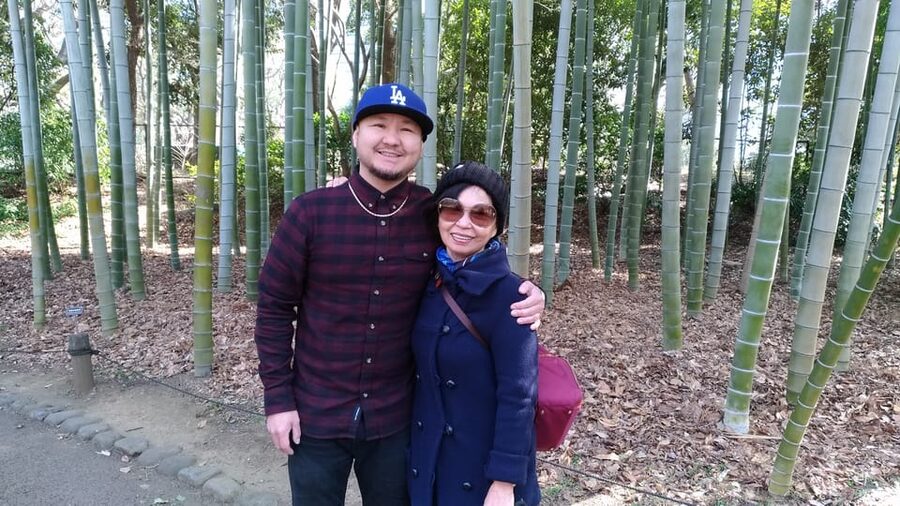
Tsukiji is a practical choice if food is central to your trip. You can look for seafood, prepared dishes, snacks, and small food stalls, with your guide helping you understand what you are seeing and where to pause.
Lunch is not included, but that gives you freedom to choose what suits your group. One guide directed a mixed-preference group to a food-stall setting where everyone could find something different. Other guides have included ramen lunches and local coffee stops.
I would not treat Tsukiji as a formal sit-down market tour unless your guide confirms the plan. The experience is better understood as a food and neighborhood stop within a wider Tokyo day. You may spend a short time tasting and browsing, or longer if your group is especially interested in Japanese food.
Because food areas can be crowded and meals take time, tell your guide how important lunch is before the route is finalized. A food-focused day will naturally include fewer major sights than a fast city overview.
Meiji Jingu, Harajuku, and Takeshita Street
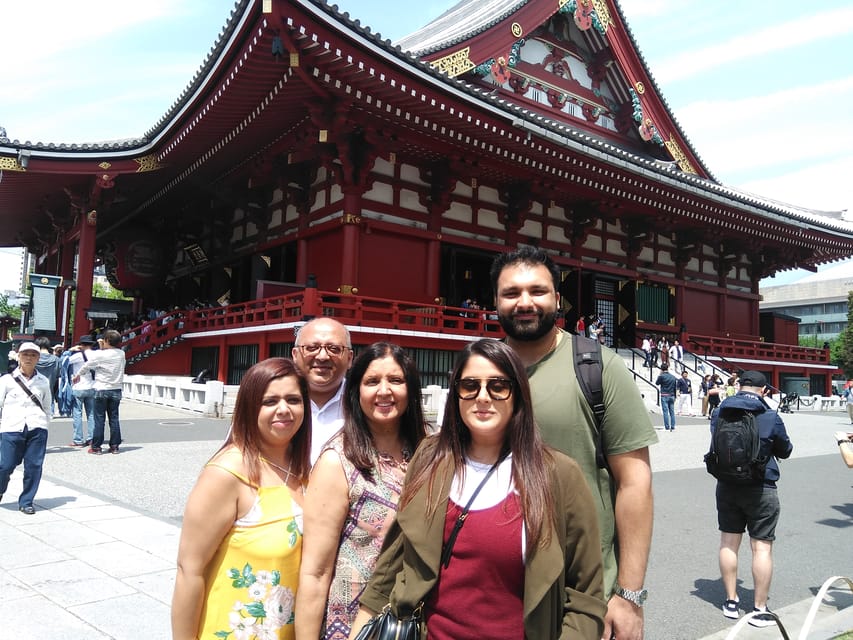
Meiji Jingu gives you one of the clearest contrasts in Tokyo. The shrine sits in a forested setting between the busy Harajuku and Shinjuku areas, so the approach feels calmer than the city blocks nearby.
Your guide can explain Shinto customs, the shrine’s role, and the traditions behind what you see. Neil’s guide introduced the use of goshuin books and stamps, which became a favorite souvenir. This is the sort of useful cultural detail that is easy to miss when you visit alone.
After the shrine, Harajuku changes the mood. Takeshita Street is associated with youth fashion, playful shops, and the kawaii side of Japanese pop culture. It is a good lunch or browsing area if your group wants something colorful and modern.
The district can be crowded, and shopping time can quickly expand. You may need to choose between a leisurely look at shops and visiting another neighborhood. A private guide can help you make that call rather than forcing you through a fixed timetable.
Shinjuku, Golden Gai, and the city after dark
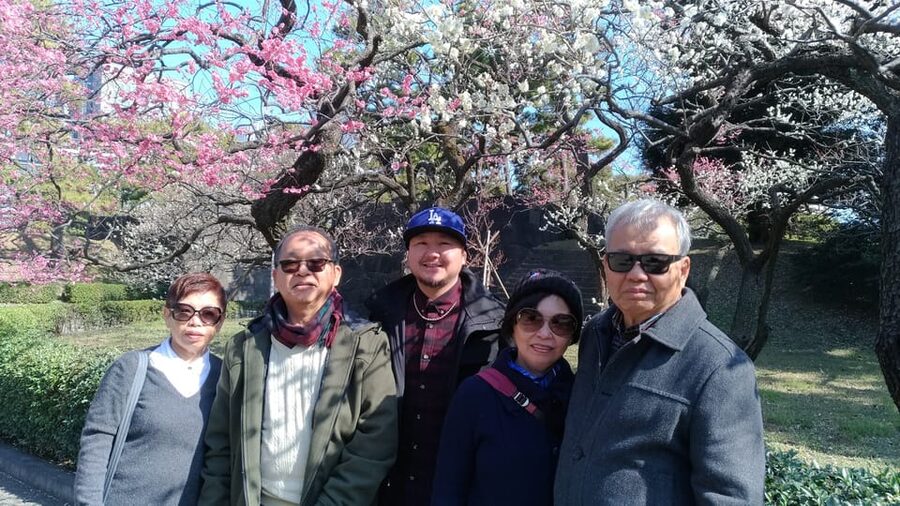
Shinjuku offers a different picture of Tokyo: major stations, tall buildings, shopping, nightlife, and dense entertainment streets. Shinjuku Golden Gai, with its tiny bars and narrow lanes, is especially distinctive, though a daytime visit will not have the same atmosphere as an evening outing.
The area is useful for understanding Tokyo’s modern social life, but it can be loud and crowded. One visitor’s route changed when a protest made Shinjuku uncomfortable, and the guide shifted the group to the calmer Meiji Jingu area. That is a good example of why flexibility matters in a large city.
You can also finish near Shibuya and see the famous crossing. The crossing itself is brief, but it gives you a memorable view of Tokyo’s scale and energy. Guides have also pointed visitors toward themed ramen experiences and other places for dinner afterward.
If your priority is nightlife, say so in advance. If your priority is temples and gardens, Shinjuku Golden Gai may not deserve a place in the day. The private format works best when you make those choices clearly.
Akihabara, Nezu, and quieter alternatives
Akihabara suits visitors interested in anime, electronics, games, and Japanese pop culture. It is a specialized stop, so it may be a better choice for fans than for someone visiting Tokyo for traditional sites.
Nezu offers a quieter neighborhood feel and a chance to see smaller shrines and local streets. One food-focused day included Nezu Shrine and an area with several shrines, alongside coffee and food stops. That combination shows how the tour can move beyond the standard checklist.
You can also ask for less familiar areas. Ted designed an off-the-beaten-path route for a visitor who wanted to see where locals go. The important point is to state that preference early. A guide cannot build a local-feeling day if you only name major landmarks at the last minute.
Four hours or eight hours?
The advertised duration ranges from four to eight hours. Four hours is enough for a focused morning or afternoon, perhaps Asakusa and the Imperial Palace, or Meiji Jingu, Harajuku, and Shibuya. It is also a sensible choice if you want help getting oriented without spending the entire day walking.
Six hours gives you a more useful city overview. Visitors have fit combinations such as Asakusa, Nakamise-dori, the Imperial Palace East Gardens, Tsukiji, and Meiji Jingu into that length, though the pace remains active.
Eight hours works best when you have a long wish list or special interests. You can cover more districts, stop for lunch, add shopping, and allow time for questions. Even then, Tokyo’s size means you cannot see everything properly in one day.
I would choose the shorter option for a hot day, families with small children, or anyone who dislikes rushing. Choose eight hours if this is your only Tokyo sightseeing day and you want a broad introduction. Regular breaks still matter. Several guides have adjusted for heat, shade, and rest, but the tour remains a walking day.
What the $106 price really buys
At $106 per person, the value depends heavily on your group size and your goals. The price includes a private nationally licensed guide, hotel pickup and drop-off, and free photos. It does not include your transport fares, lunch, entrance fees, personal expenses, or a private vehicle.
For one person or a couple, the price is a reasonable way to buy orientation and local help in a complicated city. For a family or small group, the cost of a private guide can compare favorably with several separate activities, especially if the guide saves time and helps you avoid transit mistakes.
The strongest value is not simply the number of sights. It is the ability to ask questions, change direction, get food advice, and learn skills you can use later. Visitors have received help planning the rest of their holiday, finding shopping areas, and understanding the metro system.
The weaker value comes if you want a ride between every stop or a formal tour with all admission and meals covered. This is not that product. You are paying for personal planning and guidance, then covering your own day-to-day costs.
Who will enjoy this tour most?
I would recommend it most to first-time Tokyo visitors, families, older groups who want the route adjusted, and anyone uneasy about using Japanese trains. It also suits visitors with a clear interest in food, gardens, religion, anime, shopping, or local neighborhoods.
The tour is a particularly good fit for people who want cultural explanation without a lecture-heavy group setting. Guides such as Kenji, Nori, Elly, Atsushi, and Fumiko have been praised for explaining history and customs in a friendly, easy-to-follow way.
It may not suit you if you prefer to wander alone, dislike public transport, or want a relaxed day with little walking. You should also be realistic about how many districts can fit into one day. A private guide can improve the route, but cannot shrink Tokyo.
The tour is wheelchair accessible, though you should discuss your preferred route and transport needs with the guide before the day. Accessibility can depend on the specific combination of stations, streets, gardens, and attractions.
Booking, communication, and cancellation
Your reservation is not final until the guide contacts you. Most guides make contact within seven days, and this conversation is important because the itinerary is built around your preferences. If no guide is available, the activity provider will contact you.
You can cancel up to 24 hours before the start time for a full refund. The reserve-now, pay-later option also helps if you are still arranging a Japan itinerary.
Guides speak English or Japanese. Since transport, lunch, and admission fees are separate, ask about the proposed route and likely transport costs before setting off. Bring Japanese yen, wear comfortable shoes, and keep some flexibility in your schedule.
Should you book this Tokyo private tour?
Book it if you want to make Tokyo feel manageable quickly. The best use is at the start of your stay, when a guide can introduce major districts, explain cultural customs, and show you how to use the trains. The ability to tailor the day is the feature that gives this tour its real worth.
I would choose six to eight hours for a first visit, with a clear list of priorities and one or two areas left flexible. Choose four hours if you want a focused introduction or need to conserve energy.
Skip it if you want an all-inclusive vehicle tour or prefer to set your own pace without a guide. For everyone else, this is a practical, personal way to connect Tokyo’s temples, gardens, markets, and modern neighborhoods in one well-planned day.
FAQ
How long does the Tokyo private highlights tour last?
The tour lasts between four and eight hours. You can check available starting times when booking.
Is the tour private?
Yes. It is offered for a private group, so the itinerary can be adjusted around your interests.
Which Tokyo sights can I visit?
Possible stops include Asakusa, Senso-ji Temple, the Imperial Palace, Shinjuku Gyoen National Garden, Tsukiji Fish Market, Meiji Jingu Shrine, Akihabara, Hama Rikyu Gardens, Harajuku, Takeshita Street, Nezu, and Shinjuku Golden Gai.
Does the guide meet me at my hotel?
Yes. Hotel pickup and drop-off are included, and the guide meets you on foot because a private vehicle is not included.
Is transportation included in the price?
No. You pay your own public-transport or local-taxi fares. The tour uses public transport and walking, and you should carry Japanese yen.
Are lunch and entrance fees included?
No. Lunch, personal expenses, and entrance fees for you are separate from the tour price.
What languages are available?
The tour is offered with a live guide in English or Japanese.
Can I cancel for a full refund?
Yes. You can cancel at least 24 hours before the tour starts for a full refund.
Just added around Tokyo
- Private Arrival Transfer : Narita International Airport to Central Tokyo City★ 4.5 · 12 reviews
- Narita Airport(NRT): Private Transfer to Tokyo/Yokohama 1-9pax★ 5.0 · 47 reviews
- Private Transfer from Narita Airport to Yokohama Port and City★ 4.5 · 17 reviews
- [Narita Airport Terminals 1, 2] 40-60km Sawara Itako Historic Bike Tour★ 5.0 · 13 reviews
- 3 Day Japan Highlights Tour: Tokyo, Mt.Fuji, Nara, Kyoto, Osaka★ 5.0 · 22 reviews
- Small Town in the Big City: Tasting Tokyo’s Kichijoji★ 5.0 · 195 reviews
- Small Town in the Big City: Tasting Tokyo’s Kichijoji★ 5.0 · 16 reviews
- The 10 Tastings of Tokyo With Locals: Private Street Food Tour★ 5.0 · 48 reviews
Tokyo Tours, compared.
Mt Fuji and Hakone 1-Day Bus Tour Return by Bullet Train
Read our review →
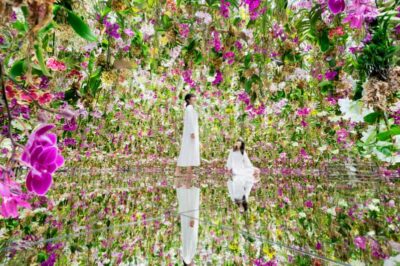
teamLab Planets TOKYO Digital Art Museum Entry Ticket
Read our review →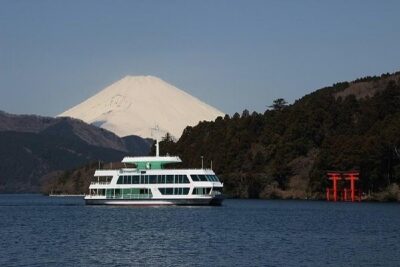
Mt Fuji & Hakone Cruise, Drum Show Bullet Train 1 Day from Tokyo
Read our review →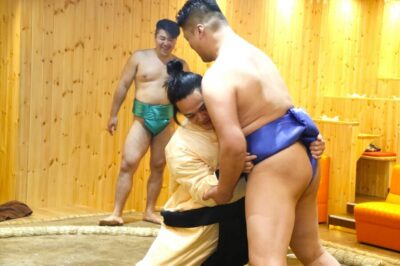
Sumo Show Experience with Chicken Hot Pot and a Photo
Read our review →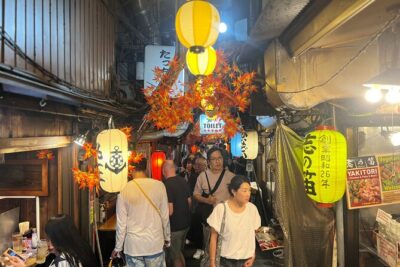
Shinjuku Food Tour (13 Dishes at 4 Local Eateries)
Read our review →
Tokyo Mt Fuji 5th St & Hakone Cruise Bus Tour w/Bullet Train
Read our review →
Flagship 2-Hours Official Street Go-Kart Tour – Tokyo Bay Shop
Read our review →Browse the lists this tour appears in