
Reviewed · TOKYO TOURS
Tokyo Professional Sushi Chef Experience
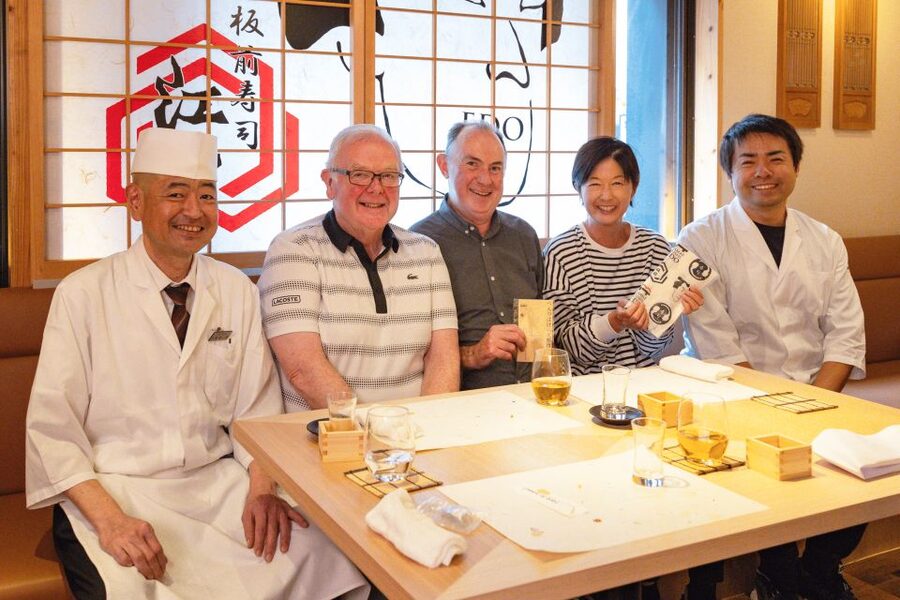
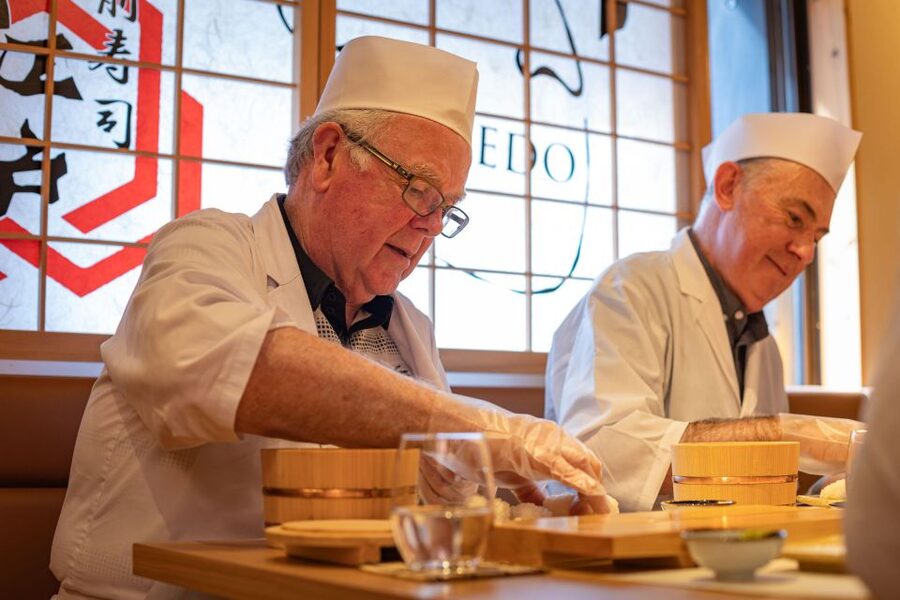
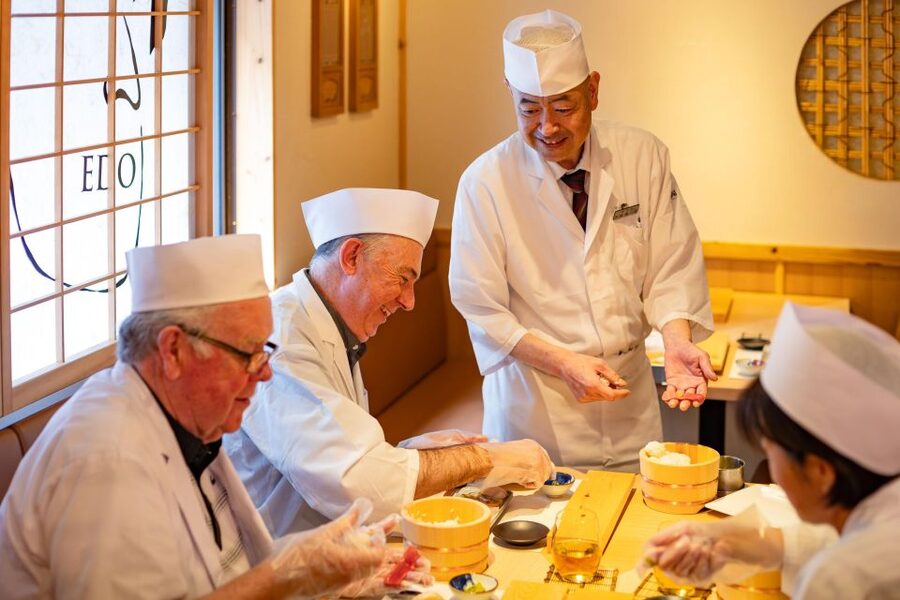
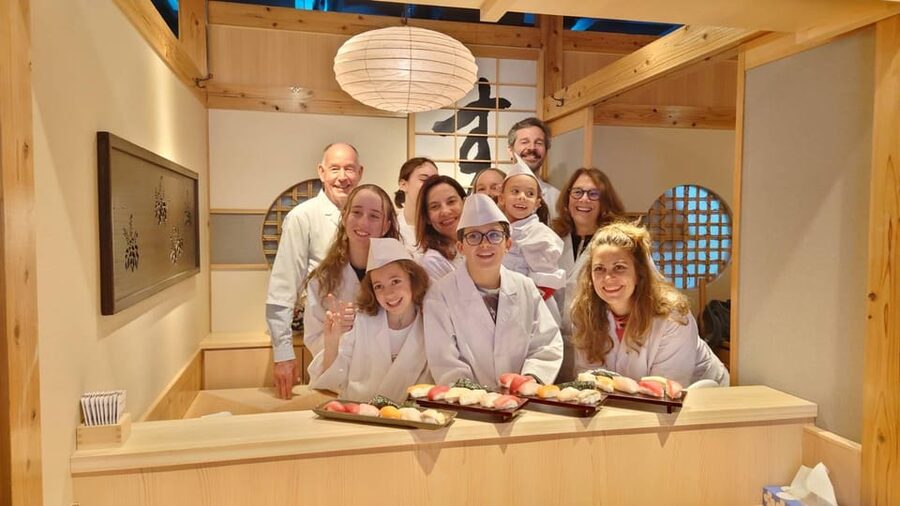
Tokyo sushi is not just raw fish placed on rice. It is knife work, rice texture, seasoning, timing, and restraint. This two-hour class lets you work through those details with an itamae who has 30 years of experience, rather than simply watching a chef behind a counter. You will grate fresh wasabi, prepare sushi rice, form nigiri, and eat what you make in a working Tokyo restaurant.
I like two things right away: the small group of up to eight keeps the instruction personal, and the menu gives you a broad taste of sushi, from akami and chutoro to uni and kuruma-ebi. The English interpretation also makes the technical parts easier to follow. The main consideration is price. At $161 per person, this is not a casual budget lunch, and the drink arrangement can vary by option, so check exactly what is included when you book.
Key details before you book
- A 30-year itamae leads the class: You learn from a working master sushi chef, not only from a general cooking instructor.
- Fresh wasabi is part of the lesson: You grate real wasabi and taste its cleaner, more distinctive flavor.
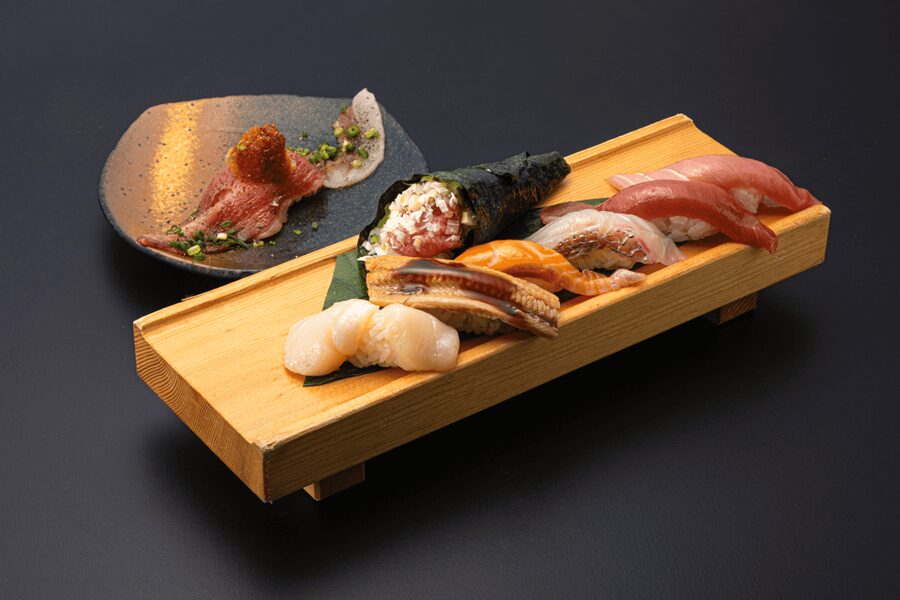
- You handle several prized sushi ingredients: The class includes uni, negitoro, hirame, kuruma-ebi, chutoro, and akami.
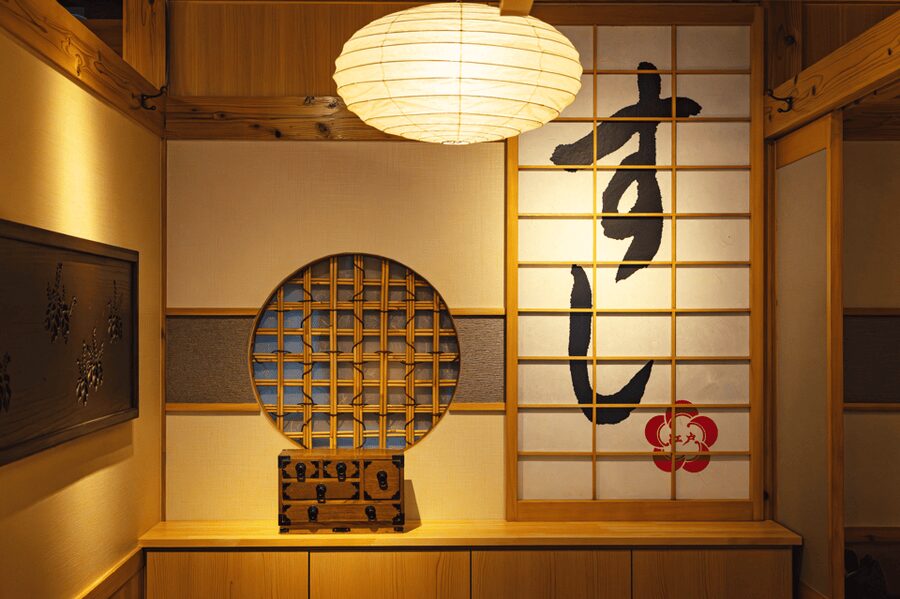
- The setting is a real Tokyo sushi restaurant: This gives the lesson a stronger connection to Japanese food culture than a standard tourist kitchen.
- The group is limited to eight people: That matters when you are learning delicate rice and fish techniques.
- Vegetarian and allergy-friendly choices are available: Tell the provider about your needs before the class.
Why this sushi class feels different
Many cooking activities give you a recipe, a workstation, and a finished plate. This one is built around the habits of a sushi restaurant. You learn how the rice is prepared, how fish is handled, and how the chef brings several parts together in a small piece that looks simple but is not.
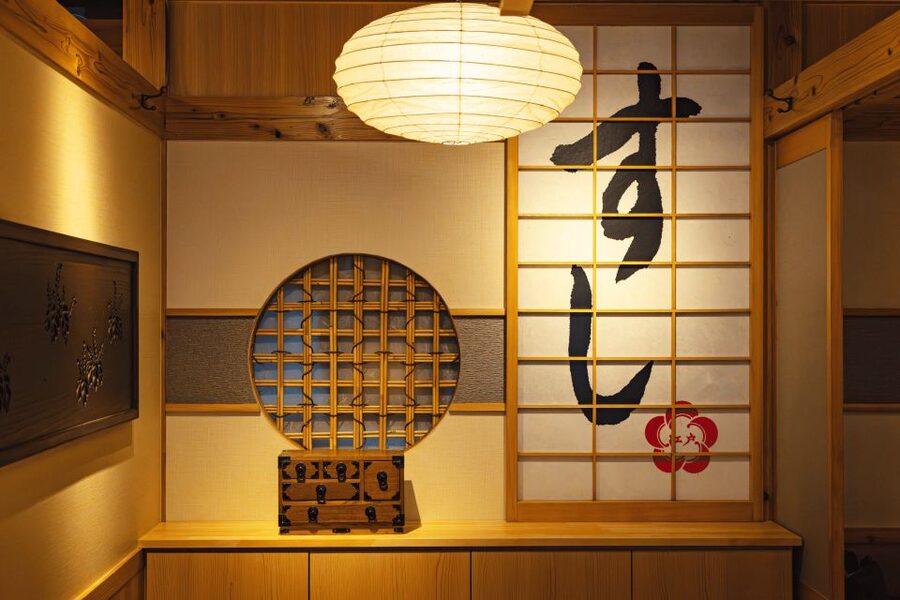
That setting matters. You are not practicing only in a generic classroom. You are working in a real Tokyo restaurant, with tools, ingredients, and techniques tied to professional sushi service. The class still has a friendly teaching style, though. Feedback describes the staff as warm, patient, amusing, and very good at explaining each step.
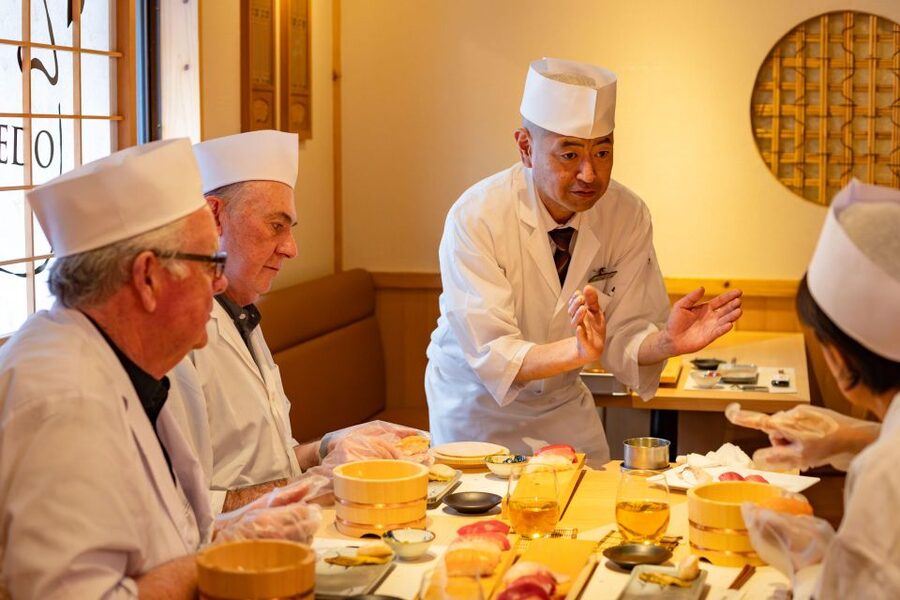
The English support is useful for more than basic instructions. Sushi technique often depends on small corrections: how firmly to shape rice, how to use nori, and how to handle a piece without crushing it. A class capped at eight people gives the instructor a fair chance to watch what you are doing and help you adjust.
This is also a food lesson with cultural value. The word itamae refers to a sushi chef whose work involves much more than assembling ingredients. By learning directly from someone with three decades in the craft, you get a clearer sense of why sushi rewards precision and practice.
A few more Tokyo half-days to weigh up
- Mt Fuji and Hakone 1-Day Bus Tour Return by Bullet Train
★ 5.0 · 26,383 reviews - 1-Day Tokyo Bus Tour
★ 5.0 · 14,250 reviews - Tokyo: TOKYO SKYTREE® Admission ticket
★ 4.5 · 11,192 reviews
Starting with rice, wasabi, and the chef’s craft
The class begins with the building blocks of sushi. You prepare the sushi rice, known as shari, and learn what gives it the right balance for nigiri and rolls. The details of perfect shari are among the most useful parts to take home, since rice is often the part that home cooks find hardest to get right.
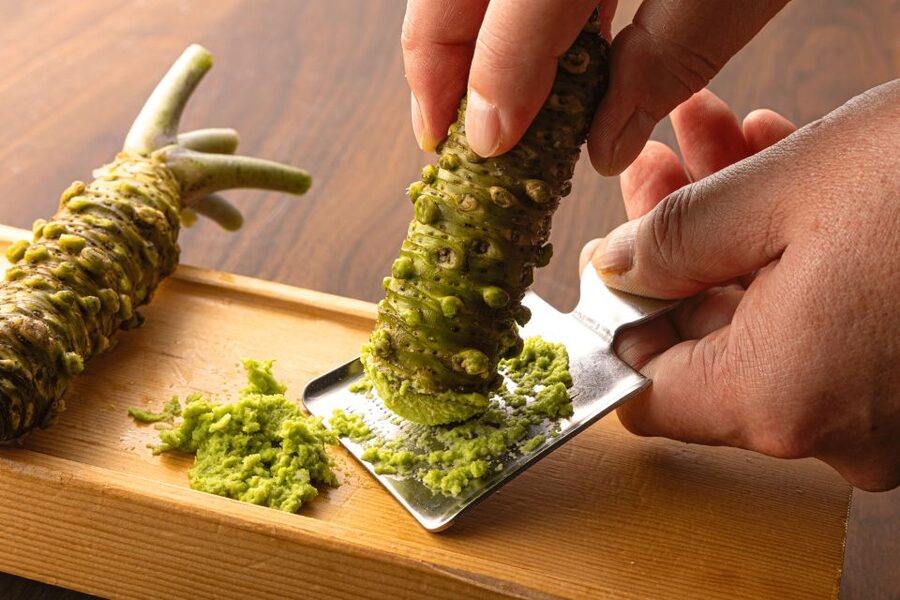
You also grate real wasabi. This is not just a quick condiment stop. Freshly grated wasabi has a different character from the familiar prepared paste served in many restaurants. You get to taste the flavor for yourself and understand why chefs treat wasabi as part of the balance of a sushi piece, not as something to pile on heavily.
The chef demonstrates professional preparation and sushi technique before asking you to try the work yourself. That sequence is important. You can watch the motion first, then copy it with guidance instead of guessing from a printed recipe.
A useful tip is to pay attention to the chef’s hands rather than only to the finished sushi. Small movements often explain more than a long speech. Notice how the rice is handled, how much pressure is used, and how the ingredients are placed. Those are the details that help you later when you try the technique at home.
Forming hand-rolled sushi with premium nori
The hands-on portion includes making hand-rolled sushi with premium nori. This gives you a different task from forming nigiri and helps show how seaweed, rice, and fillings need to work together.
Nori can quickly lose its texture if it is handled poorly or exposed to moisture for too long. That makes the timing of a hand roll part of the lesson. You will not simply assemble a roll and walk away. You are learning how to work with a delicate ingredient and how to eat it while it has the texture the chef intended.
For families, this is likely one of the more approachable parts of the class. Children old enough to follow instructions can take part in shaping and rolling, though the experience is not suitable for children under 10. Elementary school students and older children are allowed, and the minimum booking requirement is two participants.
The course suits adults who want more than a photo opportunity, too. If you already enjoy sushi, the appeal is learning why one roll holds together while another falls apart. If you are new to sushi-making, the instructor’s demonstration gives you a clear place to start.
Tasting six different styles of sushi
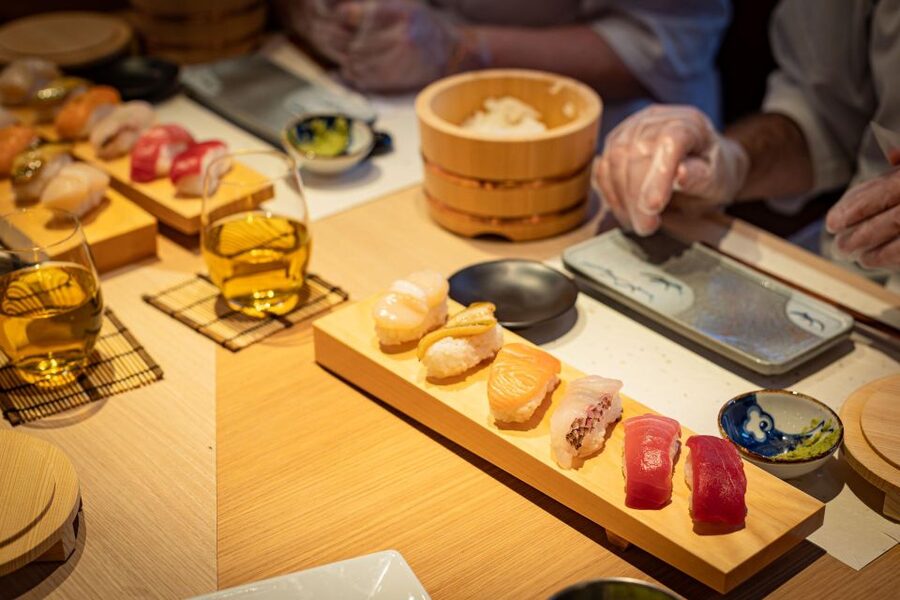
The ingredient list is a strong part of the value. You will try making and tasting several types of sushi, including uni, negitoro, hirame, kuruma-ebi, chutoro, and akami.
Each item brings a different texture and flavor:
- Uni introduces the soft, sea-scented character of sea urchin.
- Negitoro combines minced tuna with green onion for a softer, richer bite.
- Hirame is a delicate white fish often appreciated for its clean texture.
- Kuruma-ebi gives you a chance to work with premium prawn.
- Chutoro offers a balance between lean tuna and the fattier otoro cuts.
- Akami shows the firmer, leaner side of tuna.
The point is not to turn you into a professional chef in two hours. It is to help you compare ingredients and understand how the same basic rice can support very different sushi. Making the pieces yourself also changes the way you taste them. You become more aware of rice-to-topping balance, nori texture, and how much pressure went into the shaping.
Some of these ingredients may be unfamiliar if you normally order a short list of salmon, tuna, and shrimp. That is part of the appeal, but it also means you should tell the provider about allergies or dietary restrictions before the session. Vegetarian and allergy-friendly options are available, but the exact substitutions are not specified.
Same base, a completely different sort of day:
- Tokyo: teamLab Planets TOKYO Digital Art Museum Entry Ticket
★ 4.6 · 9,779 reviews - Mt Fuji & Hakone Cruise, Drum Show Bullet Train 1 Day from Tokyo
★ 4.0 · 7,413 reviews - Tokyo: Sumo Show Experience with Chicken Hot Pot and a Photo
★ 4.8 · 6,678 reviews - Tokyo: Shinjuku Food Tour (13 Dishes at 4 Local Eateries)
★ 5.0 · 6,603 reviews
A meal that goes beyond the sushi pieces
The experience includes a special wakame udon as well as the sushi you prepare. That gives the meal a warm, comforting element and adds variety to a menu built mostly around rice, fish, and seafood.
The drink details need a little care. The experience information refers to a complimentary choice of beer, sake, cola, or green tea, while the booking details also say beverages may be available separately from a drink menu. Since the meeting point and options can vary, check the exact package you select before assuming a drink is included.
This is a useful detail for budget planning. At $161 per person, you are paying for tuition, food, tools, equipment, interpretation support, and the chance to work with premium ingredients. The cost makes more sense if you value instruction and a memorable meal together. It makes less sense if you mainly want to eat sushi, since Tokyo offers many cheaper ways to do that.
What the two-hour format means
Two hours is long enough to cover several techniques without turning the activity into an all-day commitment. You can fit it into a Tokyo itinerary before or after another neighborhood visit, provided you leave time to reach the meeting point listed for your selected option.
The pace is likely to feel active. You will move from demonstration to preparation, then to shaping, tasting, and eating. Feedback describes the time as passing quickly, which fits the format: there is little room for long pauses when you are learning rice, wasabi, rolls, and several kinds of sushi in one session.
The short length also means you should keep your expectations realistic. You will leave with useful methods and a better understanding of sushi, but not the ability to reproduce every restaurant technique perfectly. Sushi rewards repetition. The value here is having a chef show you the correct starting point and giving you practical skills to practice at home.
The limited group size helps offset the tight schedule. With no more than eight participants, the chef can keep the lesson moving while still offering corrections. A much larger class would make delicate tasks such as rice shaping less satisfying.
Who will get the most from this experience
I would recommend this class to food lovers who want to understand what they are eating in Japan. It is also a good fit for couples, families with children aged 10 and above, and small groups looking for an activity with a meal built in.
You will get the most from it if you are willing to handle the ingredients yourself. This is not a demonstration where you sit back and take photographs. Expect to prepare, shape, taste, and listen closely.
The class also works well for people who want a souvenir that costs nothing extra to pack. You take home new sushi-making skills and a better sense of how to prepare rice, use wasabi, and form rolls and nigiri. You may still need practice, but you will have something more useful than another food photograph.
Vegetarians and people with allergies should not assume that every listed ingredient applies to them. The experience offers vegetarian and allergy-friendly options, so share your requirements when arranging the booking and confirm the available version.
Smokers should note that smoking is not allowed indoors. Strong fragrances are also prohibited. That rule is practical in a food setting, since perfume and other heavy scents can interfere with the smell and taste of sushi.
Is $161 a fair price?
The price is high compared with an ordinary Tokyo meal, but the comparison is not quite fair. You are paying for a two-hour lesson, professional guidance, ingredients, tools, equipment, restaurant use, and interpretation support. The included fish selection also gives you more range than a simple sushi lunch.
I see this as a good value for someone who would otherwise book both a cooking class and a special sushi meal. You get the meal as part of the instruction, plus skills you can use at home. It is less attractive for a strict budget traveler or anyone who does not care about learning the process.
The small group is another reason the price may be worthwhile. Personal attention matters when a chef is teaching you to shape rice or handle delicate toppings. A cheaper large-group class might give you the same basic ingredients but less help when your pieces do not look quite right.
Before paying, check two points carefully: the meeting point for your chosen option and whether the drink is included in that version. The activity data gives different drink wording, so this is one detail worth confirming rather than guessing.
Practical booking advice for Tokyo
The minimum number of participants is two, so solo visitors cannot assume the class will run as a one-person booking. The maximum group size is eight, which keeps the format fairly intimate.
The instructor language is English, with interpretation support. That makes the class suitable for English-speaking visitors who want technical explanations rather than a silent demonstration.
You can cancel for a full refund up to three days in advance. That is helpful in Tokyo, where weather, jet lag, and changing plans can affect a tightly packed schedule. Check availability for the starting times, since the class lasts two hours and the exact meeting point can vary by option.
Plan to arrive ready to participate. Avoid strong fragrances, and do not smoke indoors. If you have an allergy, dietary restriction, or a child in your group, provide that information before the class rather than waiting until the chef has prepared the ingredients.
Should you book the Tokyo Professional Sushi Chef Experience?
Book it if you want sushi to be more than a meal. The combination of a real restaurant, a 30-year itamae, fresh wasabi, premium ingredients, and a small group gives you a close look at the craft behind familiar Japanese food.
I would especially choose it for a food-focused day in Tokyo, a family activity for children aged 10 and up, or a memorable experience you can continue at home. The warm teaching style and clear English support make the class approachable, while the range of sushi keeps it from feeling basic.
Skip it if you are only looking for the cheapest lunch or if you prefer not to handle seafood. At $161, the price depends on your interest in instruction. For the right participant, the lasting value is not just the sushi you eat in Tokyo. It is knowing how to prepare better rice, use fresh wasabi, and shape a piece with more care.
FAQ
How long does the sushi experience last?
The experience lasts two hours.
How much does the experience cost?
The listed price is $161 per person.
How many people can join the class?
The group is limited to eight participants.
Is the class taught in English?
Yes. The instructor language is English, and interpretation support is provided.
What sushi ingredients will I make and taste?
The experience includes uni, negitoro, hirame, kuruma-ebi, chutoro, and akami sushi.
Are vegetarian and allergy-friendly options available?
Yes. Vegetarian and allergy-friendly options are available.
Can children join the experience?
Elementary school students and older can participate, but the experience is not suitable for children under 10.
What is included in the price?
Tuition, food, tools, equipment, and other items needed for the experience are included. Drink arrangements can vary by option, so check the details when booking.
Can I cancel for a full refund?
Yes. You can cancel up to three days in advance for a full refund.
Just added around Tokyo
- Private Arrival Transfer : Narita International Airport to Central Tokyo City★ 4.5 · 12 reviews
- Narita Airport(NRT): Private Transfer to Tokyo/Yokohama 1-9pax★ 5.0 · 47 reviews
- Private Transfer from Narita Airport to Yokohama Port and City★ 4.5 · 17 reviews
- [Narita Airport Terminals 1, 2] 40-60km Sawara Itako Historic Bike Tour★ 5.0 · 13 reviews
- 3 Day Japan Highlights Tour: Tokyo, Mt.Fuji, Nara, Kyoto, Osaka★ 5.0 · 22 reviews
- Small Town in the Big City: Tasting Tokyo’s Kichijoji★ 5.0 · 195 reviews
- Small Town in the Big City: Tasting Tokyo’s Kichijoji★ 5.0 · 16 reviews
- The 10 Tastings of Tokyo With Locals: Private Street Food Tour★ 5.0 · 48 reviews
Tokyo Tours, compared.

Mt Fuji and Hakone 1-Day Bus Tour Return by Bullet Train
Read our review →

teamLab Planets TOKYO Digital Art Museum Entry Ticket
Read our review →
Mt Fuji & Hakone Cruise, Drum Show Bullet Train 1 Day from Tokyo
Read our review →
Sumo Show Experience with Chicken Hot Pot and a Photo
Read our review →
Shinjuku Food Tour (13 Dishes at 4 Local Eateries)
Read our review →
Tokyo Mt Fuji 5th St & Hakone Cruise Bus Tour w/Bullet Train
Read our review →