
Reviewed · TOKYO TOURS
Tokyo: Sumo Tournament with Guide & Assigned Reserved Seat
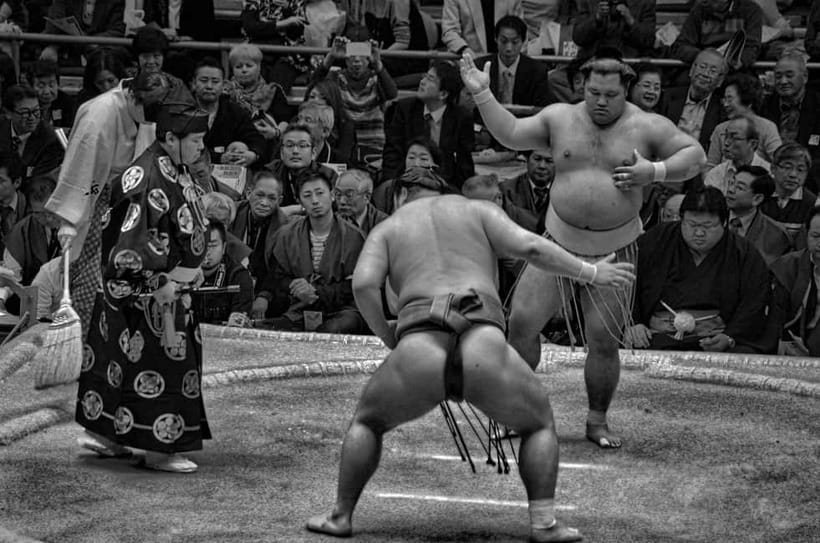
Live sumo is one of Tokyo’s best chances to see Japanese tradition in action, not behind glass or on a screen. At Ryogoku Kokugikan, you watch wrestlers perform formal rituals, size up their opponents, and explode into bouts that may last only seconds. I especially like the expert explanation of rankings and ceremonies and the fact that your seat is secured in advance.
The main drawback is price. At $209 per person, this costs far more than the face value of some tournament seats, and you cannot select the exact location. You are paying for access, organization, and a guide, not just for the chair itself.
Key points to know before you book
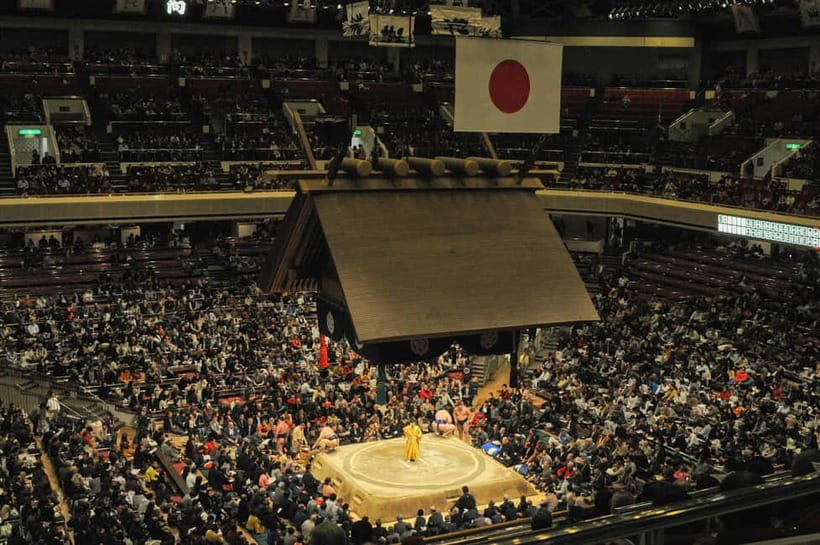
- Official tournament at Ryogoku Kokugikan: You watch live sumo in Tokyo’s best-known sumo venue.
- A guide makes the action easier to follow: English-speaking guides such as Jorge, Lily, Cesar, Miki, and Erik explain rituals, rankings, and rules.
- Reserved B or C-class seating: Your ticket is on the second floor, with the exact seat assigned rather than chosen from a map.
- Four to five hours at the venue: The tour includes about 30 minutes of guided orientation, followed by roughly four hours inside the arena.
- A useful option when tickets are scarce: The higher price may make sense if official sales are sold out or difficult to use from overseas.
- Plan for a large group and no refreshments: Some groups have been sizable, and food and drinks are not included or allowed.
Why a sumo afternoon is worth your time
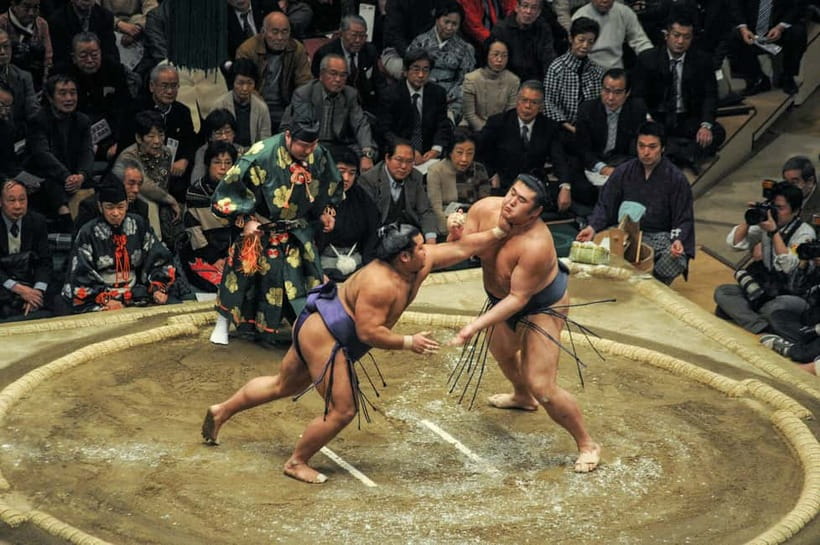
Sumo can look simple at first: two large wrestlers face one another, then one is pushed or thrown out of the ring. The live event quickly shows how much more is happening.
The wrestlers follow set movements before each bout. Salt is thrown into the ring. Feet stamp. Arms rise. The staring contest stretches out. These actions are not filler. They reflect the discipline and ritual that give sumo its special character.
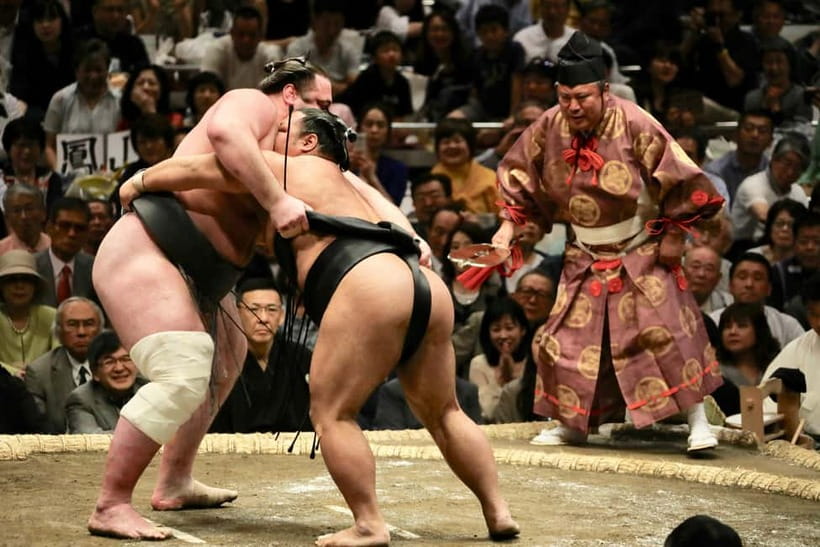
The actual fight may be over almost before you understand that it has begun. That is part of the thrill. A bout can turn on balance, timing, grip, or a sudden burst of force. With a guide beside you, those details become easier to spot.
I would not book this simply because you want to see a Japanese sporting event. Book it because you want to understand the ceremony around the sport. The guide turns a string of short matches into a story about rank, technique, custom, and status.
More Sumo Experiences in Tokyo
- Tokyo: Sumo Show Experience with Chicken Hot Pot and a Photo
★ 4.8 · 6,678 reviews - Tokyo: Sumo Show and Dining Experience
★ 4.8 · 2,742 reviews - the SUMO show
★ 5.0 · 1,960 reviews
Meeting in Tokyo’s sumo district
The experience has two possible starting locations listed at Matsuura-Bungo Mansion Site. Your exact meeting point depends on the option you book, so read the confirmation carefully rather than assuming you can walk straight to the stadium.
The meeting area is close to the Ryogoku district, where sumo is part of the local identity. Some tour groups have also made short stops near a temple, cemetery, or garden before entering the arena. These extra sights can help you get a feel for the neighborhood, though they are not the main event.
One practical point matters here: the first talk may take place outdoors. A guide may need to speak on a noisy street, which can make it hard to catch every word when the group is large. If you have trouble hearing, move closer to the guide and ask questions early.
This opening period is where you learn the basic vocabulary. You may hear about the ranking system, the structure of the tournament, and the meaning of the pre-match rituals. Guides such as Jorge, George, Lily, Cesar, Miki, and Erik have been singled out for clear English, humor, and strong command of the subject.
The 30-minute introduction at Ryogoku Kokugikan
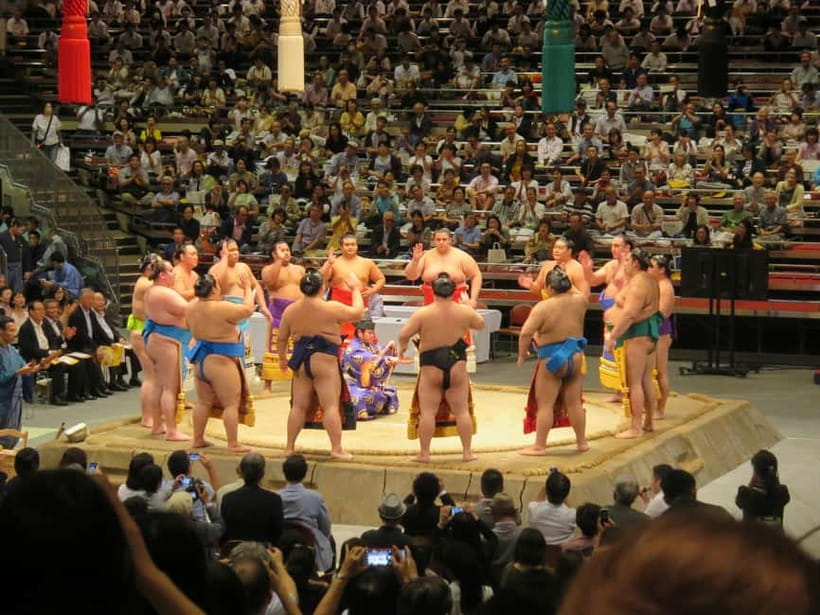
The first formal portion at Ryogoku Kokugikan lasts about 30 minutes. Think of it as a lesson before the main show begins.
A good guide will explain how wrestlers advance, why rank matters, and what to watch before the referee signals the start. You should also get help with the basic rules, including how a wrestler wins and why a match can finish so quickly.
This explanation is especially useful if sumo is new to you. Without it, you can still enjoy the noise, movement, and ceremony, but some of the meaning will pass you by. You may see a wrestler lose and not understand whether the deciding move was a push, a throw, a grip, or a loss of balance.
The guides receive the strongest praise for making the sport approachable. Jorge is described as funny and highly informed, while Lily is praised for her energy, kindness, and clear English. Cesar is noted for answering questions and explaining the names and traditions connected with the bouts. Miki has also been praised for attentive care from the meeting point through the tournament.
There is one limitation. The introduction may spend time on local buildings or the area’s past when you would rather focus on wrestling technique. If your main interest is the sport, ask your guide specifically about the rules, winning moves, and differences between wrestling styles.
Inside the arena for four hours
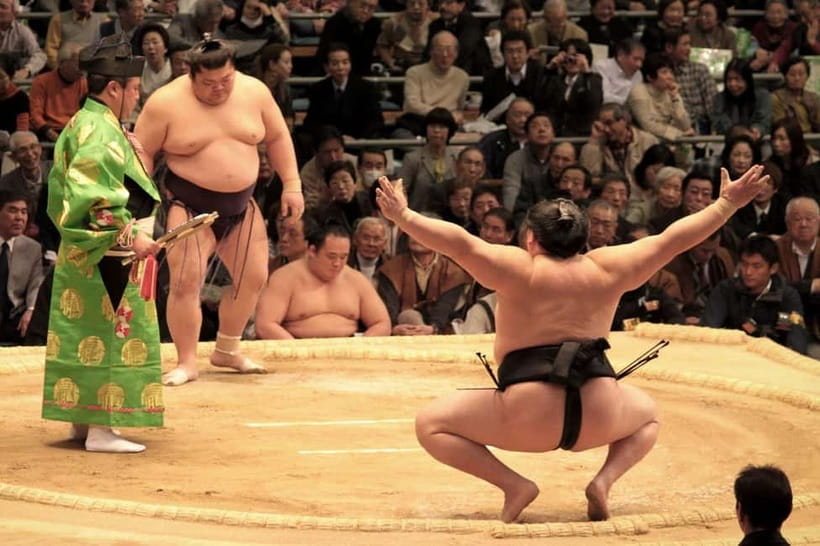
The main visit lasts about four hours. You sit in an assigned B or C-class seat on the second floor and watch the tournament unfold around you.
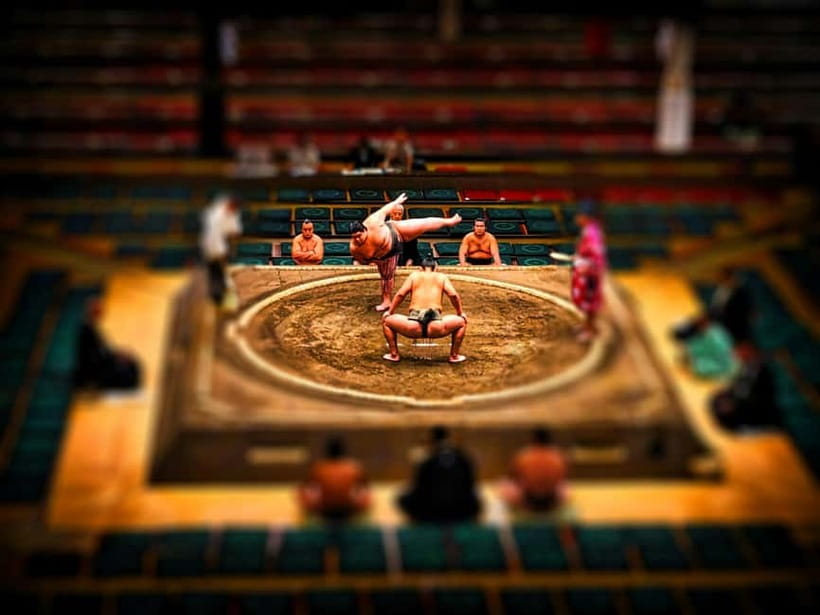
Second-floor seating gives you a broad view of the ring. You may not have the close-up feel of a ringside position, but the higher angle can help you follow the movement and see the full ritual before each bout. Several participants have described the view as clear and the seats as well placed.
You should not expect to choose your exact seat. The ticket is assigned, and groups may not always sit together. One person specifically noted that seats were random and sometimes split up, although the guide worked hard to speak with people throughout the event.
That point matters if you are traveling with friends or family. You receive a reserved place, but not a personalized seating plan. If sitting together is essential, ask about the arrangement before booking, because the supplied details do not promise adjacent seats.
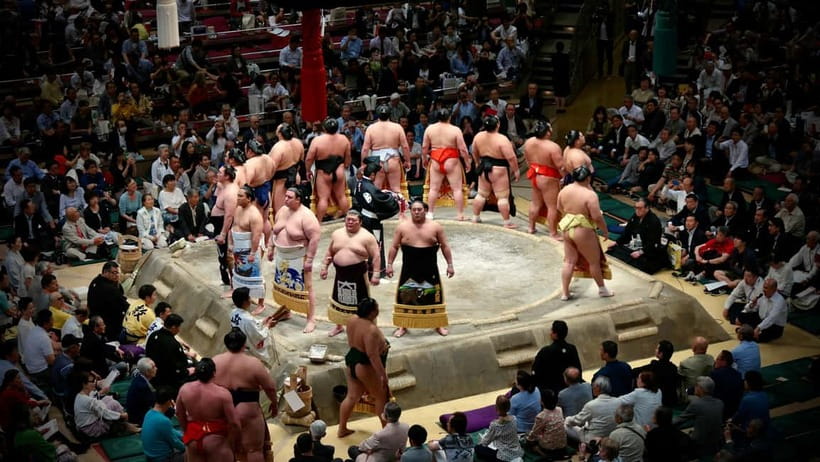
The tournament itself has a measured rhythm. There are periods of waiting, ritual, and preparation, followed by sudden bursts of action. The crowd reacts to a strong charge or clever throw, and the short bouts become easier to appreciate once you know what the wrestlers are trying to do.
Your guide may continue explaining the action during the event. This is valuable, but it has a tradeoff. In a larger group, it can be difficult for everyone to hear at once, especially inside a noisy sports venue. Stay near the guide when possible and use the quieter pauses to ask questions.
More sumo mornings and shows:
- Tokyo Shinjuku Sumo Show & Experience with Photo
★ 5.0 · 1,750 reviews - Tokyo: Sumo Show and Experience in Shinjuku
★ 4.8 · 1,001 reviews - Tokyo: Sumo Tournament Tour with Chair Seat Tickets
★ 4.6 · 753 reviews - Tokyo:Luxury Sumo Show Experience & Japanese cuisine & Drink
★ 4.7 · 577 reviews
What the guide adds to the ticket
The guide is the heart of this experience. A ticket alone gets you into the building, but it does not necessarily explain the ranking ladder, the referee’s role, the rituals, or the techniques that decide a bout.
Guides have been praised for different strengths. Jorge and George are described as entertaining and clear. Lily is repeatedly noted for her friendly approach and attention to the group. Cesar is valued for knowing the wrestlers, traditions, and tournament details. Erik is praised for explaining the sport while also pointing out nearby sights.
That consistency is a real benefit for a first-time audience. You do not need to arrive as a sumo fan. You can ask basic questions without feeling out of place, then gradually begin to recognize the wrestlers and anticipate the action.
Still, the quality of the experience depends partly on the guide assigned to your group. The names mentioned above are examples, not a promise that you will receive a particular person. Also, the guide may not be able to provide a continuous private commentary if more than ten people are attending.
I would treat the guide as a helpful interpreter, not a personal commentator sitting beside you for every match. The best value comes from the explanations before the tournament and the answers you get during key moments.
Is $209 a fair price?
The listed cost is $209 per person. That is a serious sum for an afternoon, particularly because food and drinks are not included and the seat is in B or C class on the second floor.
Some attendees have compared the tour price with official ticket prices of roughly ¥5,000 to ¥6,000. That makes the markup easy to notice. If you can buy directly through the official sumo system, you may find a much cheaper seat, though the supplied information also indicates that official tickets can be very difficult to obtain.
So the value depends on your situation. If you are flexible, comfortable with Japanese booking systems, and able to buy early, this package may feel overpriced. If you have one chance to see a tournament during a short Tokyo visit, guaranteed entry and English guidance may be worth the premium.
The price also buys convenience. You do not have to work out the ranking system alone, wonder what the rituals mean, or risk arriving with no ticket after a sold-out tournament. For a once-only visit, that peace of mind has a real value.
My honest view is simple: do not call this a bargain. It is a specialist access package. You are paying heavily for the chance to attend a popular event and have someone make sense of it for you.
Timing, comfort, and practical limits
The total duration is four to five hours, with starting times varying by date and availability. That is long enough to feel like a major part of your Tokyo day, so avoid placing another fixed appointment immediately afterward.
Food and drinks are not included, and the activity information says they are not allowed. Plan accordingly, since you should not count on eating during the tour. The supplied details do not provide a meal stop or refreshment arrangement.
Mobility is another concern. The activity is not suitable for people with mobility impairments. The information does not describe the exact amount of walking, stairs, or distance between the meeting point and seating, so ask before booking if you need specific assistance.
The tour is offered in English with a live guide. That makes it a strong choice for an English-speaking visitor who wants context without reading up on sumo in advance.
Booking early is sensible. Several attendees stressed that tournament tickets can sell out or be difficult to secure, and one person advised avoiding late booking because prices may rise. The assigned-seat system is convenient, but the lack of a seat map means you should accept some uncertainty about your precise view.
Who will enjoy this most
I would recommend the experience to you if:
- You have never seen a live sumo tournament.
- You want cultural context, not just admission.
- You are visiting Tokyo on a tight schedule.
- You value guaranteed seating more than the lowest possible price.
- You are comfortable with an assigned second-floor seat.
- You enjoy asking questions and learning as you watch.
It is less suitable if your first priority is saving money. It is also a weaker choice if you need seats together, want to choose a precise location, or already know sumo well enough to follow every detail yourself.
Families and mixed-interest groups may find the guide especially useful because the rules can otherwise be hard to follow. Dedicated sumo fans, on the other hand, may prefer buying directly and using the difference in price for better seating or another Tokyo activity.
Should you book the Tokyo sumo tournament tour?
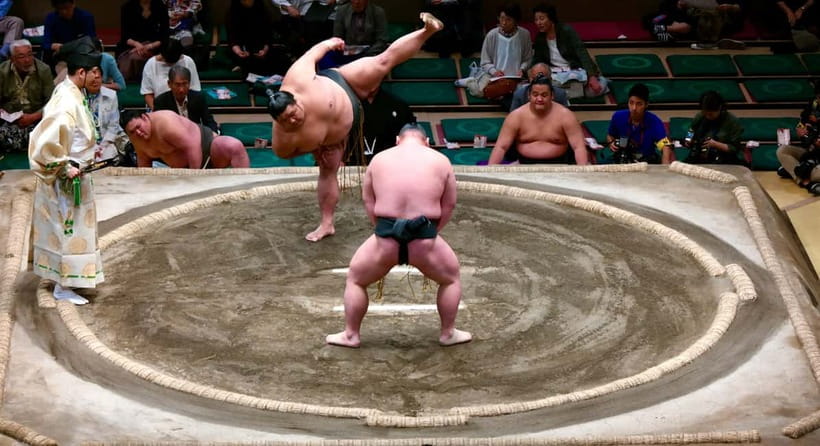
Book it if attending a live tournament is a top priority and you want a reserved seat with an English-speaking guide. The combination of access and explanation turns an unfamiliar event into something you can follow and remember.
Skip it if $209 feels out of proportion to a second-floor seat, or if you can secure official tickets on your own. The tour is not cheap, and the price criticism is fair.
For most first-time visitors, I would make the decision based on ticket access. If the tournament date is fixed and official seats are gone, this package can save your Tokyo plans. If tickets are still available through the official route, compare the prices carefully before paying the premium.
FAQ
Where does the sumo tournament take place?
The tournament takes place at Ryogoku Kokugikan in Tokyo, one of Japan’s leading sumo venues.
How long does the activity last?
The experience lasts about four to five hours. The itinerary includes a 30-minute guided portion at Ryogoku Kokugikan and about four hours visiting the venue.
What type of seat is included?
The ticket includes an assigned B or C-class seat on the second floor.
Can I choose my exact seat?
No. The seat is assigned, and the activity does not promise exact seat selection or a seat map.
Is a guide included?
Yes. An English-speaking live guide explains sumo traditions, rituals, rules, rankings, and cultural meaning.
Are food and drinks included?
No. Food and drinks are not included, and the activity information says they are not allowed.
Where is the meeting point?
There are two starting location options listed at Matsuura-Bungo Mansion Site. The exact meeting point may vary according to the option booked.
Is the tour suitable for people with mobility impairments?
No. The activity is listed as unsuitable for people with mobility impairments.
Just added around Tokyo
- Private Arrival Transfer : Narita International Airport to Central Tokyo City★ 4.5 · 12 reviews
- Narita Airport(NRT): Private Transfer to Tokyo/Yokohama 1-9pax★ 5.0 · 47 reviews
- Private Transfer from Narita Airport to Yokohama Port and City★ 4.5 · 17 reviews
- [Narita Airport Terminals 1, 2] 40-60km Sawara Itako Historic Bike Tour★ 5.0 · 13 reviews
- 3 Day Japan Highlights Tour: Tokyo, Mt.Fuji, Nara, Kyoto, Osaka★ 5.0 · 22 reviews
- The 10 Tastings of Tokyo With Locals: Private Street Food Tour★ 5.0 · 48 reviews
- Small Town in the Big City: Tasting Tokyo’s Kichijoji★ 5.0 · 195 reviews
- Small Town in the Big City: Tasting Tokyo’s Kichijoji★ 5.0 · 16 reviews
Tokyo Tours, compared.

Mt Fuji and Hakone 1-Day Bus Tour Return by Bullet Train
Read our review →

teamLab Planets TOKYO Digital Art Museum Entry Ticket
Read our review →
Mt Fuji & Hakone Cruise, Drum Show Bullet Train 1 Day from Tokyo
Read our review →
Sumo Show Experience with Chicken Hot Pot and a Photo
Read our review →
Shinjuku Food Tour (13 Dishes at 4 Local Eateries)
Read our review →
Tokyo Mt Fuji 5th St & Hakone Cruise Bus Tour w/Bullet Train
Read our review →
Flagship 2-Hours Official Street Go-Kart Tour – Tokyo Bay Shop
Read our review →Browse the lists this tour appears in