

Reviewed · TOKYO TOURS
Tokyo:Celebrate Unique Japanese New Year Tradition Festivity
Tokyo’s Oji Fox Parade turns New Year’s Eve into something far stranger and more memorable than a standard city countdown. More than 200 people in fox masks and traditional clothing carry glowing lanterns toward Oji Inari Shrine, recreating an old tale shown in famous ukiyo-e prints. I especially like the reserved viewing area and the chance to begin the night with local izakaya food and a drink.
The main caution is organization. The reserved position can give you an excellent view, but the guiding may feel light, with limited explanations and some waiting before midnight. This suits adults and older children who care more about folklore and a rare local event than polished tour production.
Key details before you book
- The fox procession happens only on New Year’s Eve, making this a once-a-year event rather than a regular Tokyo sightseeing stop.
- A permitted reserved viewing zone helps you see the procession without fighting through the biggest crowds.
- The three-hour option includes an izakaya stop, snacks, and one drink before the shrine visits and parade.
- Otonashi Water Park and Oji Shrine add a quieter local setting before the midnight gathering.
- English and Chinese guiding are available, but the amount of live explanation may be limited.
- Comfortable shoes and warm clothing matter, since the tour includes walking and outdoor waiting in winter.
Why the Oji Fox Parade feels different from a Tokyo countdown
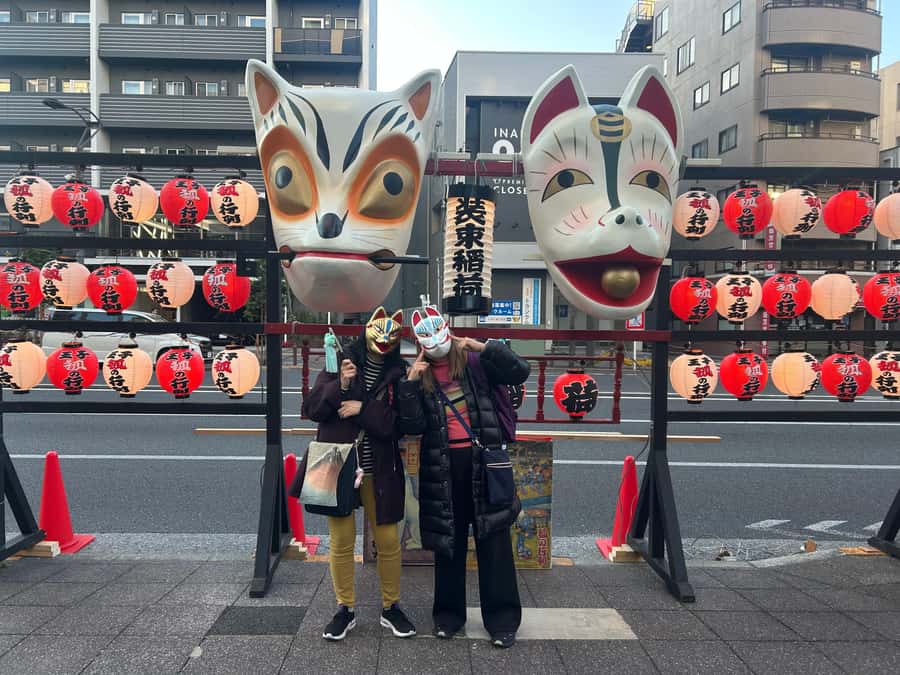
Most New Year’s Eve plans in Tokyo focus on packed entertainment districts, train stations, or a major temple visit. Oji offers a more unusual story. According to local folklore, foxes from across the Kanto region gathered on New Year’s Eve beneath a large tree before visiting Oji Inari Shrine. The legend was later captured in ukiyo-e prints, giving the procession a strong link to Japanese art as well as local belief.
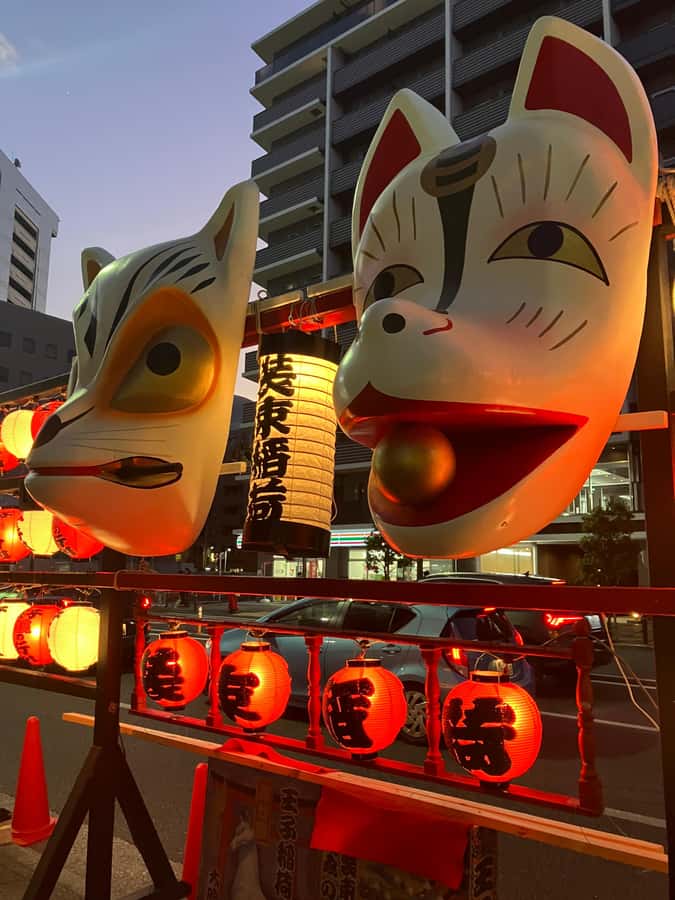
The modern event brings that story into the streets. Participants wear fox masks and kimono-style clothing, and lanterns create the impression of kitsunebi, or foxfire. The effect is more atmospheric than loud. You are not simply watching a parade pass by. You are watching a community act out a supernatural tale at the exact time of year when old customs carry special weight.
I like this setting because it gives you a side of Tokyo that is easy to miss. The event is not built around a famous landmark viewed in daylight. It is tied to a neighborhood shrine, local folklore, and the symbolic start of a new year.
A few more Tokyo half-days to weigh up
- Mt Fuji and Hakone 1-Day Bus Tour Return by Bullet Train
★ 5.0 · 26,383 reviews - 1-Day Tokyo Bus Tour
★ 5.0 · 14,250 reviews - Tokyo: TOKYO SKYTREE® Admission ticket
★ 4.5 · 11,192 reviews
Starting at JR Oji Station
The meeting point is the north entrance of JR Oji Station on the Keihin-Tohoku Line. You can also reach Oji on the Tokyo Metro Namboku Line. If you arrive by Metro, use Exit 3 and walk to the ground-level north entrance of the JR station.
The guide is identified by a fox mask, which is useful at a crowded station. Still, give yourself enough time to find the correct entrance. Oji has both JR and Metro access, and a last-minute station search on New Year’s Eve is not how you want to begin the evening.
No individual guide names are provided, and the guiding is offered in English or Chinese. The experience is therefore best approached as a hosted route through the celebration, not as a lecture-heavy cultural seminar. You should be ready to ask questions if you want more detail about the shrines, masks, or New Year customs.
The izakaya option: food, one drink, and a practical warm-up
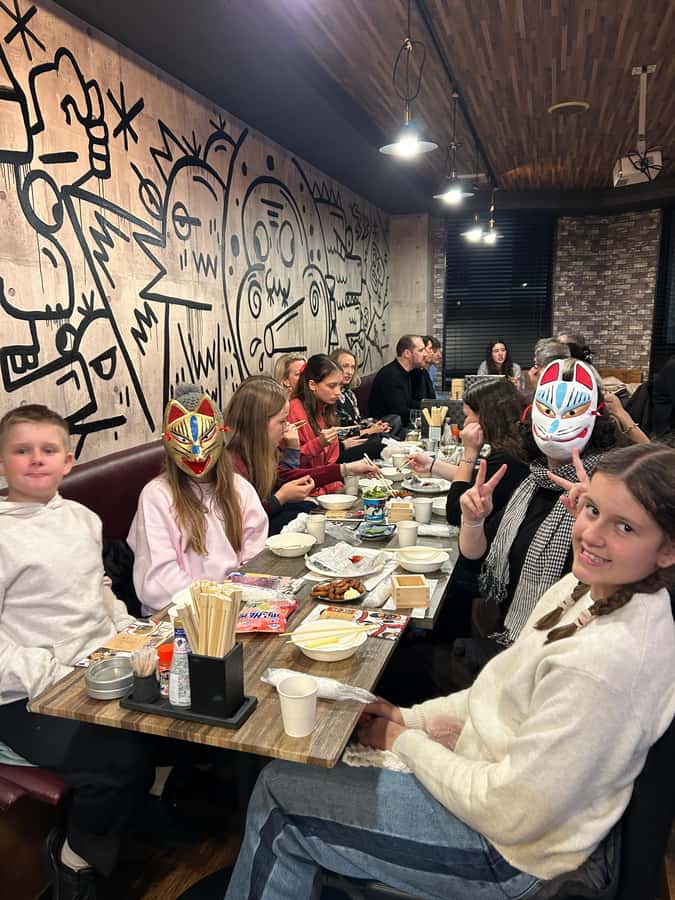
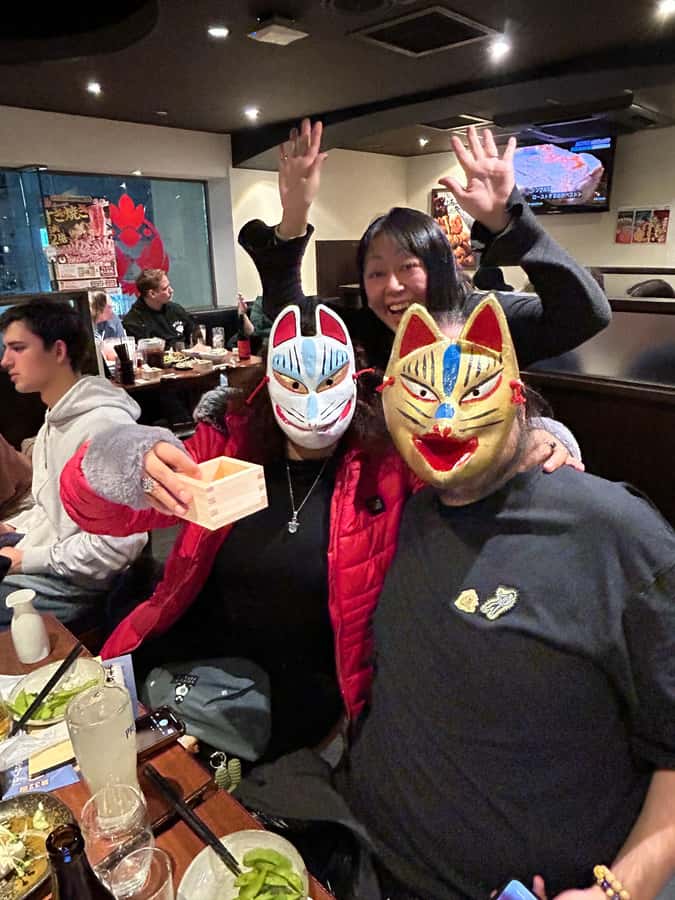
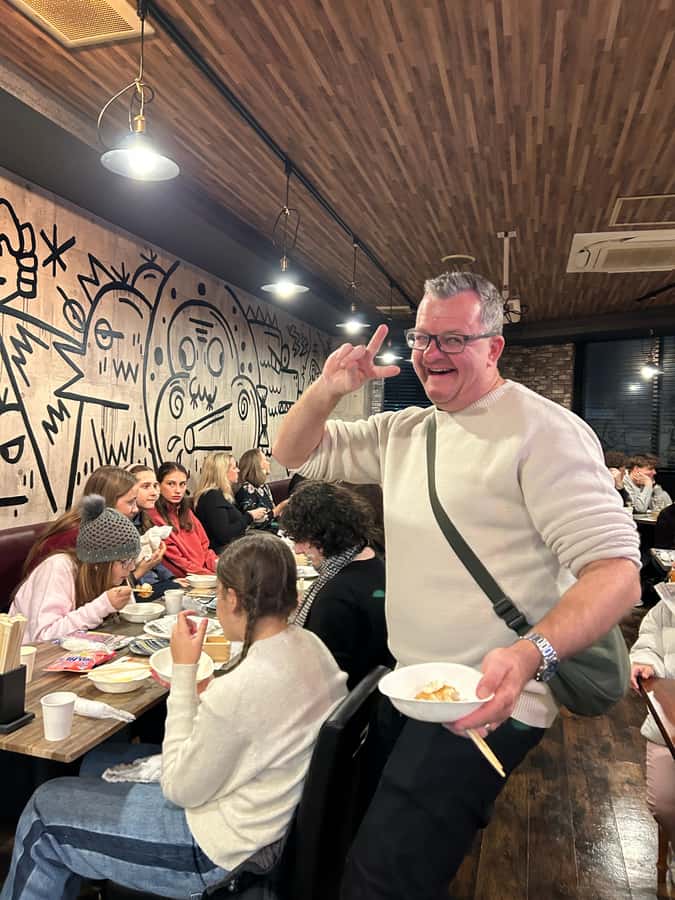
The three-hour version begins with about an hour at a local bar or izakaya. It includes local snacks and one drink, with beer, wine, or another available drink choice listed among the offerings. The meal is described as generous, and the hosts at the bar are friendly.
This stop is one of the strongest reasons to choose the longer option. An izakaya gives you time to sit down, warm up, and eat before standing outdoors near midnight. It also makes the evening feel more social than a simple station-to-viewpoint transfer.
Do not expect a formal tasting menu or a detailed food lesson. The dishes are suitable for sharing, but explanations of what you are eating may be brief. If you are curious about a particular snack, ask directly. The value here is the relaxed local setting, enough food, and a drink before the procession, not specialist culinary instruction.
The three-hour price is listed as JPY 15,000 per person, while the two-hour viewing-only option is JPY 10,000. The headline price may also appear as about $64, so check the currency and current exchange rate when booking. The longer option costs more because it includes food, one drink, and extra time, but the food stop is not essential if your main goal is the parade.
Otonashi Water Park and the walk toward the shrines
After the bar, the group visits Otonashi Water Park for roughly 15 minutes. This is a short stop, so think of it as part of the route rather than a major sightseeing visit.
The park helps connect the evening to Oji’s local setting. You get a pause from the station and bar before the main shrine visits begin. Since the stop is brief, it is unlikely to satisfy anyone looking for an extended park walk, but it adds a little breathing room to the schedule.
Winter darkness and the New Year’s Eve crowds shape the experience. Wear shoes that are comfortable for walking and standing, and keep your coat on hand even if the izakaya is warm. The tour is not suitable for wheelchair users, and people with back, heart, or other serious medical conditions should take the walking and outdoor wait into account.
Same base, a completely different sort of day:
- Tokyo: teamLab Planets TOKYO Digital Art Museum Entry Ticket
★ 4.6 · 9,779 reviews - Mt Fuji & Hakone Cruise, Drum Show Bullet Train 1 Day from Tokyo
★ 4.0 · 7,413 reviews - Tokyo: Sumo Show Experience with Chicken Hot Pot and a Photo
★ 4.8 · 6,678 reviews - Tokyo: Shinjuku Food Tour (13 Dishes at 4 Local Eateries)
★ 5.0 · 6,603 reviews
Oji Shrine and the meaning of the night
The route continues to Oji Shrine, with about 45 minutes set aside for the visit. The shrine is important to the story of the fox gathering and gives the evening a proper spiritual setting.
Japanese New Year traditions often center on shrine visits, prayers, and the hope for a good year ahead. Visiting Oji Shrine during this particular celebration lets you connect the parade to that wider custom. The event is not just a costume display. The shrine, the masks, the lanterns, and the midnight timing all point back to older ideas about protection, luck, and the turning of the year.
The guide is meant to explain the shrines and local folklore, but the amount of information may vary. On some departures, the guide may mainly lead the group from one point to the next. If cultural background is a major reason you are booking, keep your expectations measured and prepare a few questions of your own.
The reserved viewing area is the tour’s biggest practical advantage
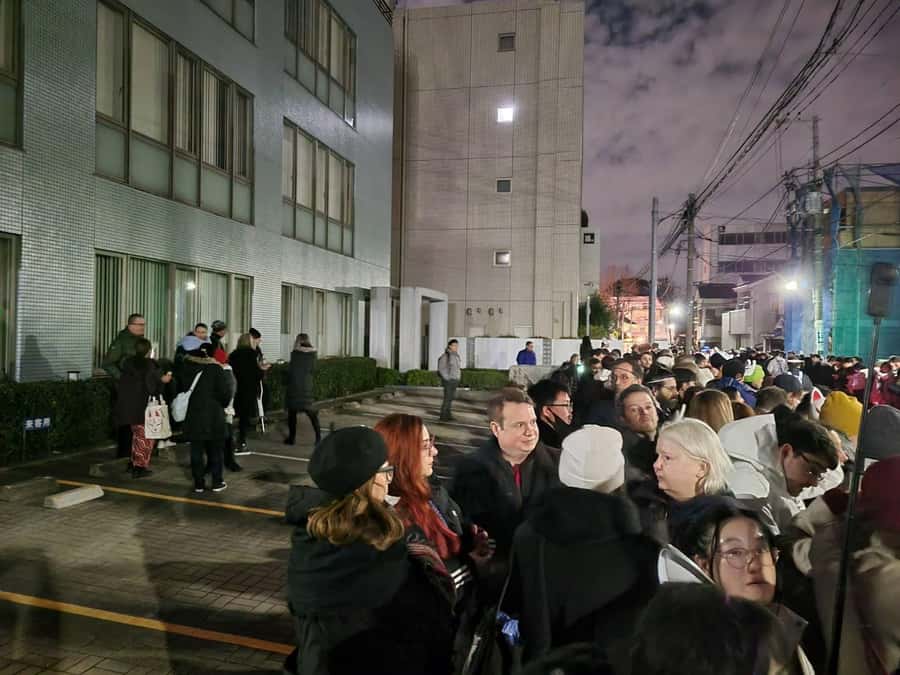
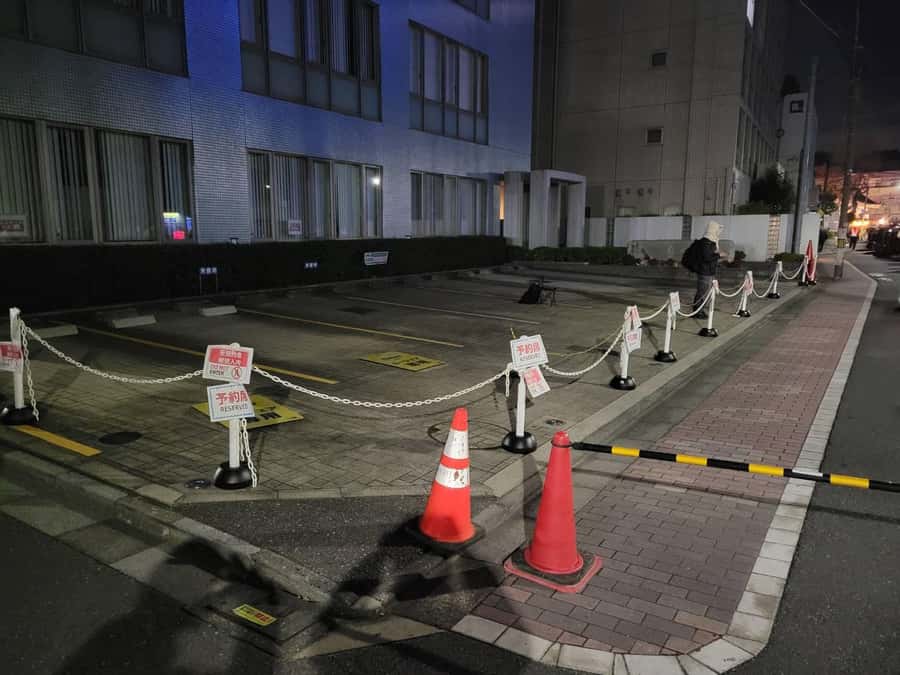
The parade is popular, and standing in the wrong place can mean looking over shoulders or seeing only fragments of the procession. This experience includes access to a government-permitted reserved viewing zone. That is the clearest practical benefit of booking rather than trying to handle the night on your own.
The viewing area is designed to provide a front-row sightline for the procession. You should be able to see the lanterns, masks, and participants more clearly than from an ordinary public position. For families with older children, photographers, or anyone who dislikes dense crowds, that placement can make a real difference.
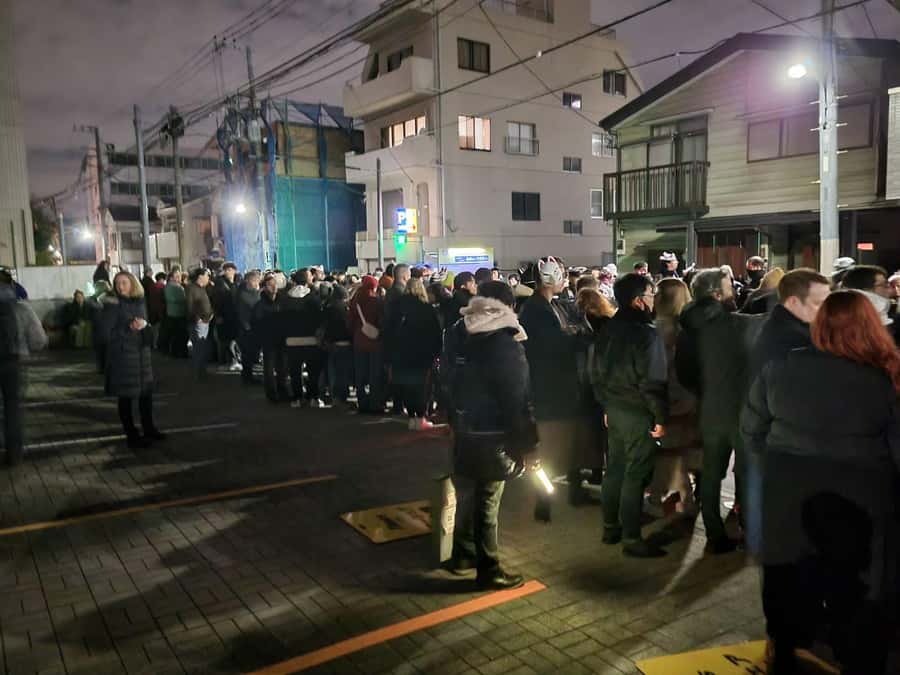
There is a catch. The group may wait around 20 minutes at the viewing area before the midnight countdown. That pause can feel improvised, especially if nobody explains what is happening or how long the wait will last. Bring patience, warm clothing, and a camera with flash turned off. Flash photography is not allowed, and the lantern light is part of what makes the scene special anyway.
What you actually see in the procession
The central spectacle is the line of more than 200 participants in fox masks and traditional dress. Their lanterns represent foxfire, creating a glow that is softer and more mysterious than the bright lights of central Tokyo.
This is a visual event first. The procession gives you strong photo opportunities, but the instructions specifically ask you not to use flash. A camera or phone that performs well in low light will be more useful than a powerful flash. Keep your equipment ready before the parade begins, since the viewing period may move quickly after the long wait.
The mood is surreal without needing elaborate stage effects. Lanterns, masks, shrine buildings, and the midnight hour do most of the work. I like that the event remains tied to its local legend rather than turning into a generic New Year party.
The experience will not suit someone expecting a large-scale fireworks show, a countdown concert, or constant entertainment. It is quieter, more symbolic, and sometimes less polished.
How much guidance should you expect?
The tour promises local cultural context, including the history of the shrines and the meaning of Japanese New Year traditions. That is useful because the fox procession can otherwise be beautiful but confusing. A little explanation helps you understand why the masks matter and why the event takes place at this time.
In practice, the guiding may be uneven. The route can include several guides, but the handoffs and schedule may not always be clearly explained. At the izakaya, you may receive little information about the food. Before the parade, you may wait without much commentary. Once the procession begins, the reserved spot does the practical work, but the guide may not add much interpretation.
That is the main weakness to weigh against the price. If you want someone to provide a detailed running explanation, ask questions early and confirm the plan at each stop. If you mainly want access, company, and a secure place to watch, the limited commentary may bother you less.
Is JPY 10,000 to JPY 15,000 fair value?
The two-hour option costs JPY 10,000 and includes the procession viewing and shrine visit. The three-hour option costs JPY 15,000 and adds the izakaya, snacks, and one drink.
The viewing zone is the key value. You could visit Oji on your own, but finding a good place for a popular midnight event may be difficult. The tour also removes some of the pressure of navigating the station, shrine route, and viewing area during a crowded holiday night.
The value is weaker if you expect a full cultural tour with polished scheduling. The basic experience is a short guided route with limited sightseeing time, and the event itself is the main attraction. The higher-priced option makes the most sense if you want a warm meal and drink before the procession. The shorter option is better for a focused evening and leaves you to arrange dinner elsewhere.
The overall rating is 3.9 out of 5 from 20 ratings, which fits the experience well. The memorable parade, generous food stop, and strong viewing position are real benefits. The weak points are communication, waiting, and a feeling that some parts of the route are improvised.
Who should book this New Year’s Eve experience?
I would recommend it to adults and families with children aged 12 or older who enjoy folklore, shrines, unusual cultural events, and night photography. It is especially useful if you want to see the procession without spending the evening searching for a viewing position.
Choose the three-hour version if you appreciate a sit-down break, local snacks, and one drink. Choose the two-hour version if the parade is your priority and you would rather keep dinner plans separate.
I would not book it for children under 12, wheelchair users, or anyone who needs a highly accessible route. It is also a poor fit if you dislike outdoor waiting, winter cold, or loosely managed schedules.
The event is once a year, so there is no easy second chance if the night does not suit you. Check the starting time carefully, wear warm layers, and treat the guide as a helpful escort rather than your only source of cultural interpretation.
Final verdict: book it for the viewing spot and the atmosphere
The Oji Fox Parade is a rare Tokyo experience with a strong sense of place. The reserved viewing area is the best reason to book, while the izakaya stop makes the longer version more comfortable and sociable.
I would book this if you want a strange, beautiful alternative to the usual New Year’s Eve crowd. I would skip it if you want a tightly timed tour with constant explanations. The parade itself is distinctive enough to reward the effort, but your enjoyment will depend on accepting some waiting and taking a little responsibility for asking questions.
Free cancellation is available up to 24 hours before the activity, and you can reserve now while paying later. That flexibility is useful for a holiday plan, but the more important decision is choosing between food and drink or a shorter parade-focused visit.
FAQ
Where does the Oji Fox Parade tour meet?
Meet at the north entrance of JR Oji Station on the Keihin-Tohoku Line. The guide will show a fox mask. You can also reach Oji Station on the Tokyo Metro Namboku Line by using Exit 3 and walking to the JR station’s north entrance at ground level.
How long does the experience last?
You can choose a two-hour option with the procession viewing and shrine visit, or a three-hour option that also includes snacks and one drink at a local bar.
What does the three-hour option include?
It includes the Fox Procession viewing, a shrine visit, snacks, and one drink at a local izakaya-style bar. Beer, wine, and local snacks are listed among the offerings.
What languages are available?
Live guiding is available in English and Chinese.
Is the parade viewed from a reserved area?
Yes. The experience includes access to a government-permitted reserved viewing zone intended to provide a clear view of the procession.
What should I bring?
Bring comfortable shoes, warm clothing, and a camera. Flash photography is not allowed.
Is the tour suitable for children and wheelchair users?
Children under 12 are not permitted, and the experience is not suitable for wheelchair users. It is also not recommended for people with back problems, pregnant people, heart problems, or other serious medical conditions.
Just added around Tokyo
- Private Arrival Transfer : Narita International Airport to Central Tokyo City★ 4.5 · 12 reviews
- Narita Airport(NRT): Private Transfer to Tokyo/Yokohama 1-9pax★ 5.0 · 47 reviews
- Private Transfer from Narita Airport to Yokohama Port and City★ 4.5 · 17 reviews
- [Narita Airport Terminals 1, 2] 40-60km Sawara Itako Historic Bike Tour★ 5.0 · 13 reviews
- 3 Day Japan Highlights Tour: Tokyo, Mt.Fuji, Nara, Kyoto, Osaka★ 5.0 · 22 reviews
- Small Town in the Big City: Tasting Tokyo’s Kichijoji★ 5.0 · 195 reviews
- Small Town in the Big City: Tasting Tokyo’s Kichijoji★ 5.0 · 16 reviews
- The 10 Tastings of Tokyo With Locals: Private Street Food Tour★ 5.0 · 48 reviews
Tokyo Tours, compared.

Mt Fuji and Hakone 1-Day Bus Tour Return by Bullet Train
Read our review →

teamLab Planets TOKYO Digital Art Museum Entry Ticket
Read our review →
Mt Fuji & Hakone Cruise, Drum Show Bullet Train 1 Day from Tokyo
Read our review →
Sumo Show Experience with Chicken Hot Pot and a Photo
Read our review →
Shinjuku Food Tour (13 Dishes at 4 Local Eateries)
Read our review →
Tokyo Mt Fuji 5th St & Hakone Cruise Bus Tour w/Bullet Train
Read our review →