
Reviewed · TOKYO TOURS
Tokyo:Mt.Fuji,Kawaguchiko Oishi Park,Arakurayama Sengen Park
Mt. Fuji is the star, but this 10-hour day trip gives you more than a single lookout. You move from the famous Chureito Pagoda view to Lake Kawaguchi, flower-lined Oishi Park, and a restored thatched-roof village. It is a smart way to see several Fuji-area sights without piecing together trains and buses yourself.
I like the variety, especially the shift from postcard views to local food and old-style village buildings. I also like the practical value: at $54 per person, with transport, a guide, and village admission included, the day covers a lot of ground for less than many private excursions. The tradeoff is simple: this is a long, tightly timed day, and traffic or clouds can reduce your time or hide Fuji altogether.
Key points to know before booking
- Four distinct Fuji viewpoints: See the mountain from a pagoda, lakeside, flower park, and traditional village.
- 398 steps to the classic photo: Arakurayama Sengen Park rewards the climb with Chureito Pagoda and Mt. Fuji in one frame.
- Seasonal scenery changes the experience: Cherry blossoms, lavender, autumn kochia, maple leaves, and snow each give the route a different look.
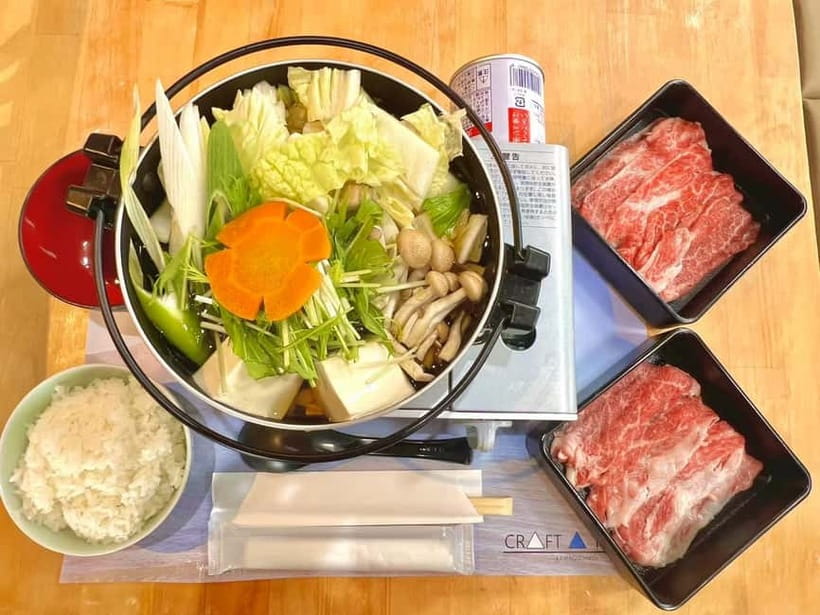
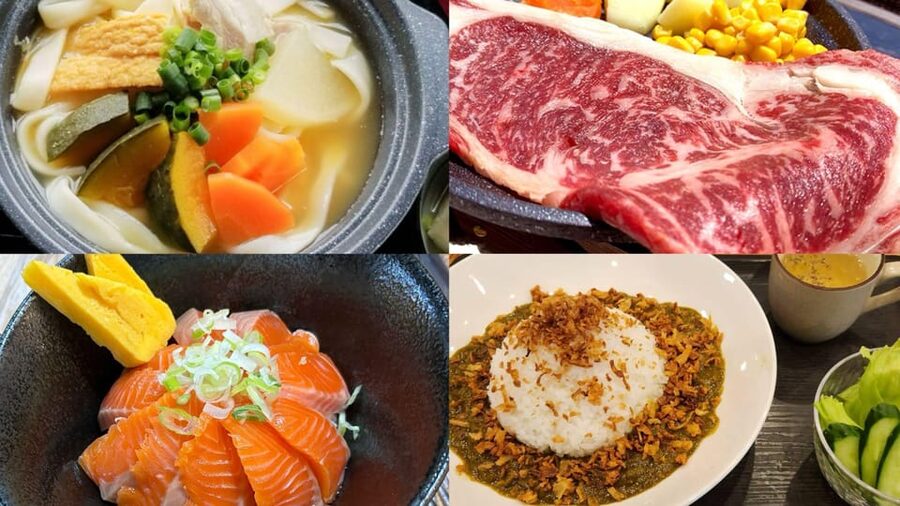
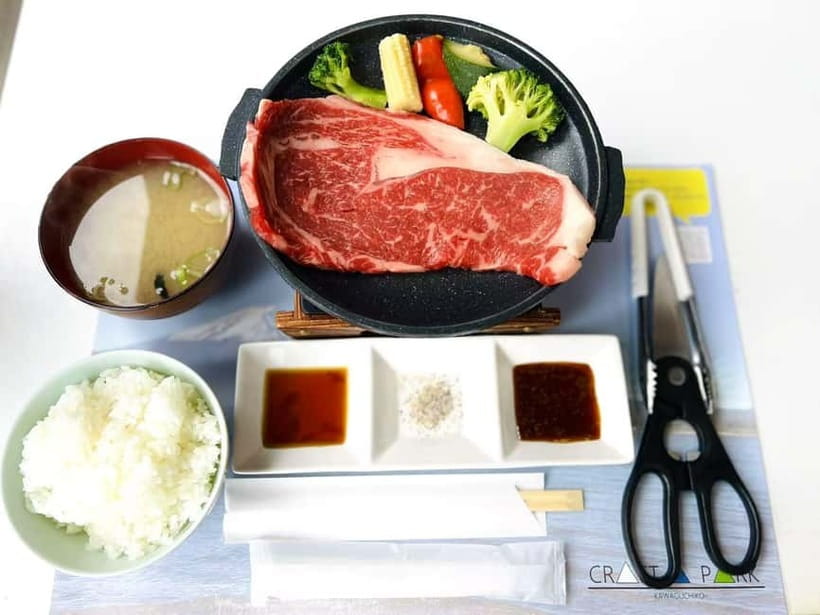
- Lunch is optional: Choose Kobe beef shabu-shabu, Koshu wine beef steak, or local Houtou noodles if you select the meal plan.
- Strong guide service: Guides including Koji, Omar, George, Eric, and Jorge are praised for clear instructions, humor, and care.
- Expect a full day: The bus leaves Tokyo, visits several places around the Fuji Five Lakes area, and returns to Shinjuku.
Why this Fuji day trip works from Tokyo
A trip to Mt. Fuji can be awkward to arrange. The mountain is not beside Tokyo, and the best views are spread around Yamanashi Prefecture. This tour solves that problem with air-conditioned bus transport, a live guide, and a route that links several worthwhile stops.
You begin at one of two Tokyo meeting points, depending on the option booked. The listed locations are the LOVE sculpture by Robert Indiana and the Kokuyo Tokyo Shinagawa office. The day ends at Shinjuku Station, which is useful if you want to continue exploring Tokyo after returning.
The schedule runs for about 10 hours. That sounds generous, but the Fuji region is subject to traffic, especially on the road back into Tokyo. Several people have enjoyed the day while warning that it involves a lot of travel. I would treat this as a sightseeing sampler, not a slow countryside retreat.
The tour has operated for more than 10 years, and the 4.4 rating from 2,682 reviews suggests a dependable experience overall. Its strongest feature is organization. Guides give clear meeting times and directions, and the numbered seats and clear bus speakers have helped make the day easier to follow.
More Mt Fuji Tours in Tokyo
- Mt Fuji and Hakone 1-Day Bus Tour Return by Bullet Train
★ 5.0 · 26,383 reviews - Mt Fuji & Hakone Cruise, Drum Show Bullet Train 1 Day from Tokyo
★ 4.0 · 7,413 reviews - Tokyo Mt Fuji 5th St & Hakone Cruise Bus Tour w/Bullet Train
★ 4.4 · 5,024 reviews
Arakurayama Sengen Park and the 398-step climb
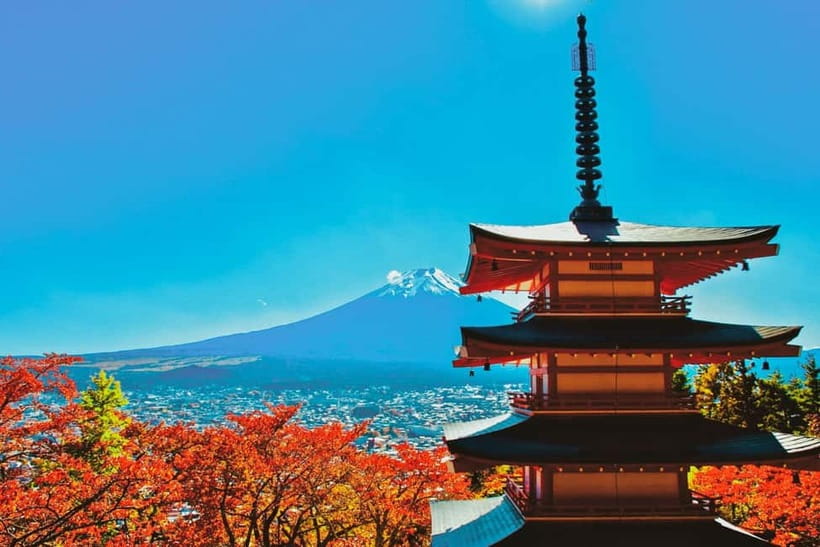
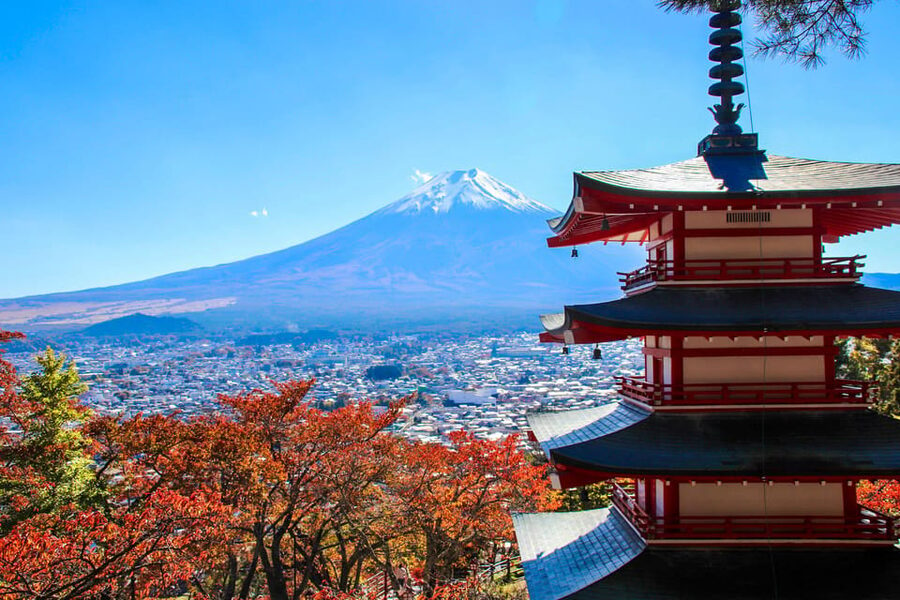
The first major stop is Arakurayama Sengen Park, home to the view many people picture when they think of Japan: Mt. Fuji rising behind the red Chureito Pagoda, with trees framing the scene.
Reaching the observation deck means climbing 398 stone steps from the park entrance. The stairs are manageable for many people, but they are still a real effort early in a long day. A slope option is available, which helps if you have mobility concerns, though you should still expect walking and uneven outdoor paths.
The reward is a wide view across Fujiyoshida and toward Mt. Fuji. In late March and mid-April, roughly 650 cherry trees can flower here, and the park holds its annual Cherry Blossom Festival. Autumn brings red and gold leaves around the vermilion pagoda. Winter can offer the clearest contrast between the snow-capped mountain and the town below.
Your allotted time here is about 70 minutes. That includes walking from the entrance, visiting the shrine area, climbing or using the slope, taking photos, and returning to the bus. If the mountain is clear, you will want every minute.
Hikawa Clock Shop and Arakura Fuji Sengen Shrine
The stop near Hikawa Clock Shop offers a very different Fuji photo. Here, Mt. Fuji appears at the end of a narrow street, creating the impression that the mountain rises directly above the town.
This is a quick photo-oriented visit rather than a long shopping session. Follow the guide closely and respect local traffic and residents, since the appeal comes from an ordinary neighborhood setting rather than a purpose-built viewing deck.
Arakura Fuji Sengen Shrine adds a cultural pause to the route. The shrine connects the scenery with the spiritual side of Mt. Fuji, a mountain long linked with worship and pilgrimage. You have free time to look around, take photos, and hear the guide explain the area before moving on.
The two stops work well together. Hikawa gives you a town view, while the shrine gives the day a sense of place. The downside is that time is limited, so anyone interested in shrine architecture or photography may wish for a slower visit.
Lake Kawaguchi, local food, and the Maple Corridor
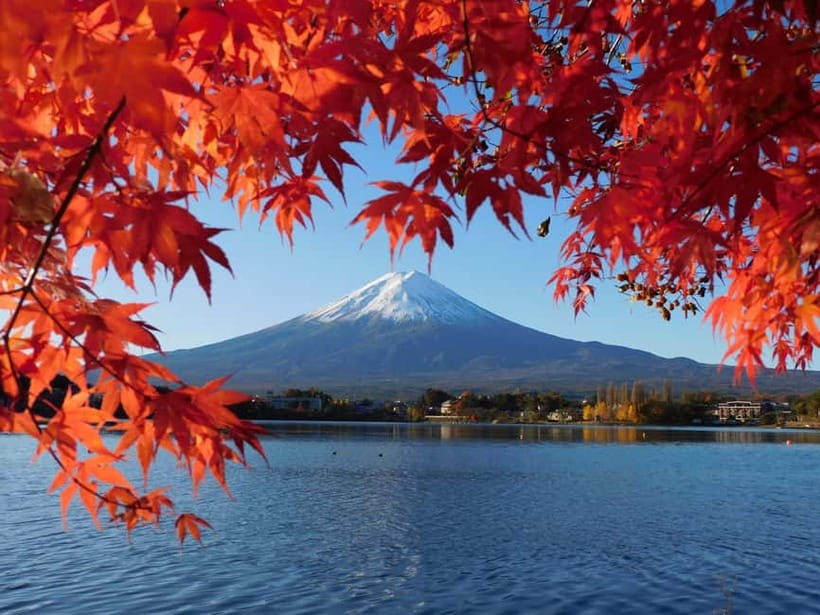
Lake Kawaguchi is the main base for the middle part of the day. The lake’s northern shore offers open views across the water toward Mt. Fuji, and the two-hour stop gives you more room to walk and eat than the shorter photo stops.
On a clear day, the mountain reflected in the lake is the scene to wait for. Clouds can gather around Fuji without warning, though, so take photos whenever the summit appears. Several people have found that Fuji only revealed itself later in the day, which is a useful reminder not to give up after a cloudy morning.
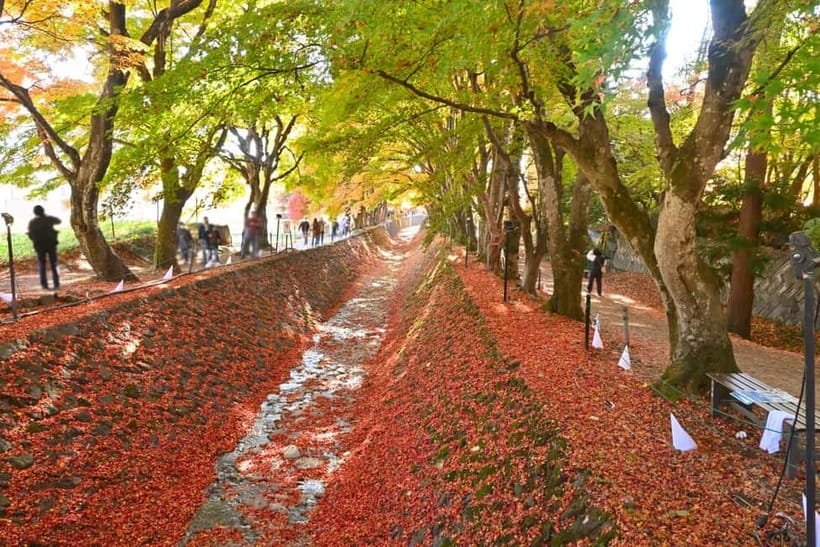
The nearby Maple Corridor is especially appealing in autumn, when the trees turn red and gold. In spring, lakeside paths offer cherry blossoms instead. The exact look depends on the date, and the tour does not guarantee any particular seasonal display.
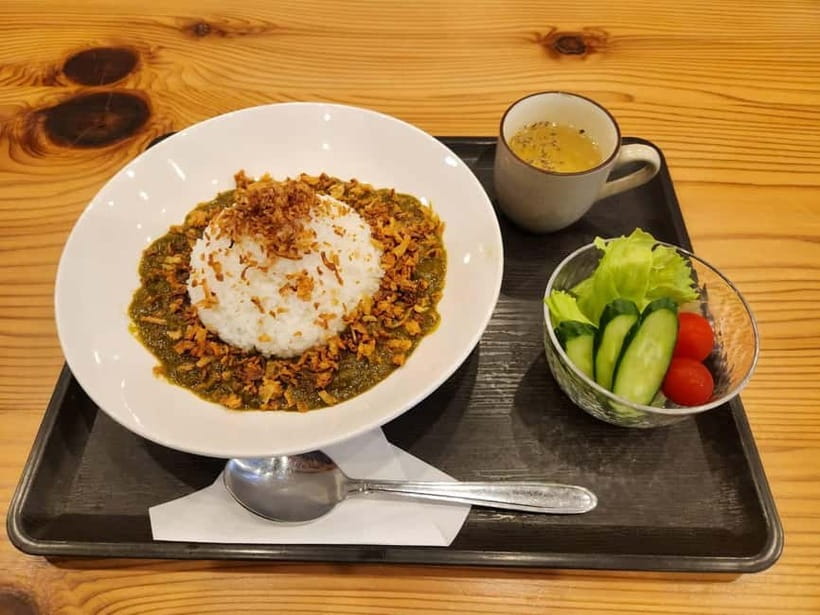
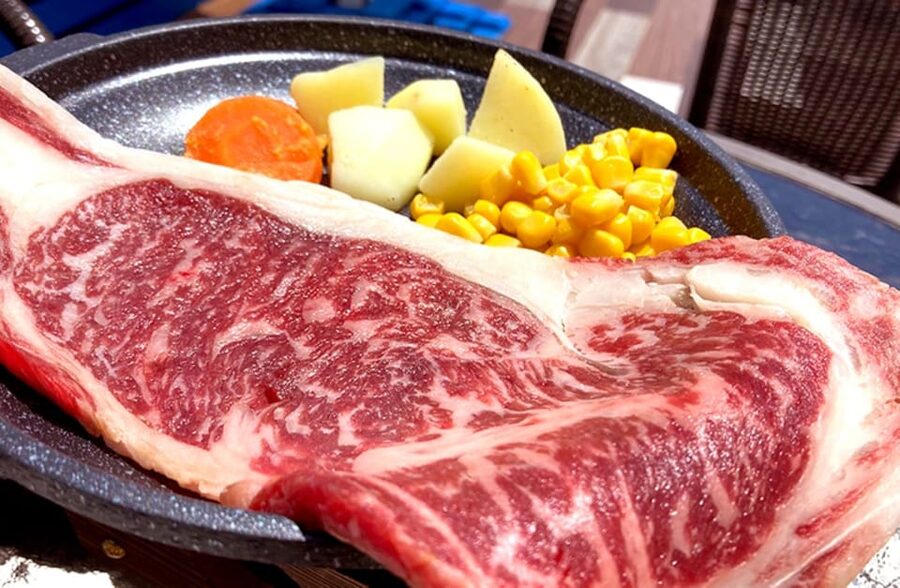
Kawaguchiko is also the place to try regional food. If you choose lunch, the options include A5-grade Japanese black Wagyu in Kobe beef shabu-shabu, Koshu wine beef steak, and Houtou noodles. Houtou is the most distinctly local choice: broad noodles simmered in miso broth with vegetables and chicken.
The meal has received especially warm praise, including from people who chose the noodles. A vegan lunch option has also been available on at least one departure, but dietary requests should be confirmed before booking rather than assumed. One traveler had difficulty getting a clear answer about gluten-free food from the office, so this is worth checking in advance.
A few more Tokyo half-days to weigh up
- 1-Day Tokyo Bus Tour
★ 5.0 · 14,250 reviews - Tokyo: TOKYO SKYTREE® Admission ticket
★ 4.5 · 11,192 reviews - Tokyo: teamLab Planets TOKYO Digital Art Museum Entry Ticket
★ 4.6 · 9,779 reviews - Tokyo: Sumo Show Experience with Chicken Hot Pot and a Photo
★ 4.8 · 6,678 reviews
Kawaguchiko Craft Park for lunch and souvenirs
Kawaguchiko Craft Park sits near the lake and combines food, workshops, and shopping. It is a useful practical stop because you can eat, browse, and get close to the water without adding another transfer.
The dining areas include indoor seating and open-air areas with Fuji views. The souvenir shop carries local specialties and limited-edition goods, so this is a sensible place to buy gifts if you do not want to shop in Tokyo later.
The lakeside is only a few minutes away on foot. You can use that time for a short walk and look for Fuji reflections. The park is also near seasonal sights such as the Maple Corridor, though the amount of time at the craft facility may vary with the day’s traffic and group schedule.
The tour description lists the craft park as a workshop stop, but it does not specify a fixed workshop duration. Think of it primarily as the lunch, lake, and shopping portion of the route unless your guide gives different instructions.
Oishi Park and the Flower Road
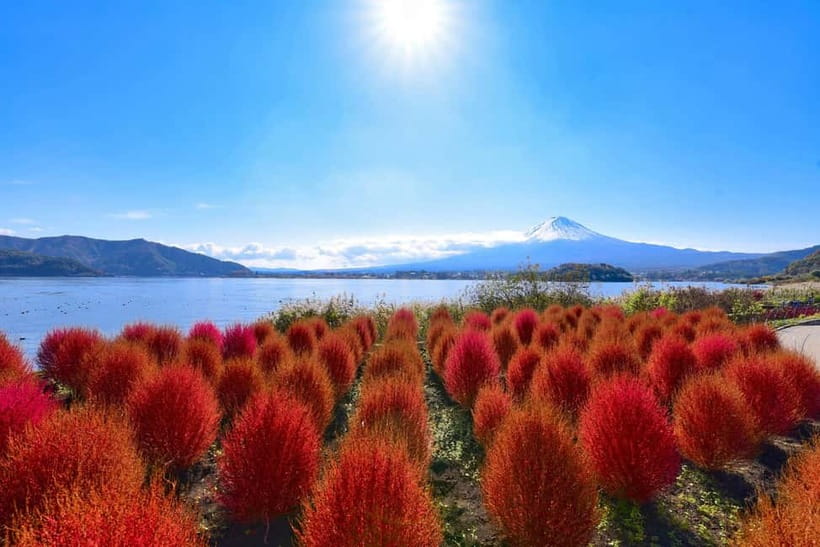
Oishi Park is one of the best stops for a broad, uncomplicated view of Mt. Fuji and Lake Kawaguchi. A 350-meter Flower Road runs along the lakeside, with different plants appearing through the year.
Spring brings tulips. Summer is known for lavender, especially during the Kawaguchiko Herb Festival from late June to mid-July. Autumn brings kochia, the rounded broom grass that turns red before winter.
The park stop lasts about 30 minutes. That is enough for photos and a short walk, but not enough for a long lakeside wander. If you are visiting during the lavender festival, the flowers may be your main focus. If Fuji is clear, position yourself so the mountain and lake share the frame.
This stop is easy to enjoy because it requires less effort than Arakurayama. There are no 398 stairs to negotiate, and the open setting makes it a good reset before the final cultural stop.
Saiko Iyashi-no-Sato Nenba, a restored village by Lake Saiko
Saiko Iyashi-no-Sato Nenba is the most distinctive stop for travelers who want more than mountain photos. This restored village contains about 20 thatched-roof houses modeled on the traditional style associated with Shirakawa-go.
The buildings now serve as craft studios, souvenir shops, and places to eat. Their heavy thatched roofs and mountain setting give the visit a strong sense of rural Japan, even though the site is arranged for sightseeing.
You can dress in a kimono or ninja outfit and take photos with Mt. Fuji behind you. Seasonal details add to the visit: cherry blossoms and carp streamers in spring, green foliage in summer, autumn leaves later in the year, and snowy scenes in winter.
Admission to Saiko Iyashi-no-Sato Nenba is included. The scheduled visit is about 50 minutes, which is enough to walk through part of the village and take photos. It may feel short if you want to enter several houses, shop, try a craft, and change into traditional clothing. Plan your priorities before leaving the bus.
Several people have wished for more time here. I agree that this is the stop most likely to leave you wanting another half hour, but its inclusion is still a major strength. Many cheaper Fuji outings focus on one observation point or a shopping center. This one gives you a real regional culture stop.
How the guides shape the day
The guide can make a large group outing feel either smooth or frustrating. Here, guide quality appears to be one of the tour’s best features.
Koji is praised for humor, clear instructions, and keeping people involved. Omar is described as friendly, funny, and helpful, while George is noted for clear explanations and kind service. Eric and Jorge have also been praised for making the route easy to follow.
That matters because the day involves repeated departures. At each stop, you need to know where the bus is, when to return, and how much walking is involved. A good guide prevents small errors from becoming major delays.
Guides also explain local myths, spiritual beliefs, and cultural details during the bus ride. The level of explanation can vary by guide and language. English and Chinese tours are offered, and passengers booked in different languages may sometimes share the same vehicle.
If a guide adjusts the timing to avoid traffic or crowds, that can improve the day. But no guide can control cloud cover, road congestion, or a late return from a stop. Arrive at every meeting point at least 10 minutes early. The bus leaves on time.
The $54 price and what you get
At $54 per person, this is good value if you want several Fuji-area stops in one day. The price includes air-conditioned transport, a live guide, and admission to Saiko Iyashi-no-Sato Nenba. Lunch is included only when you select the lunch option.
You are paying for convenience as much as sightseeing. Reaching Arakurayama, Lake Kawaguchi, Oishi Park, and Lake Saiko independently would require several transport connections and careful timing. The bus also lets you cover places that are not all equally simple to reach from Tokyo.
The value drops if you want a quiet, unhurried day. You may spend a large part of the day on the road, and each stop has a set window. A private tour would give you more control, but it would cost much more.
The coach is air-conditioned, and the bus has been described as comfortable, with numbered seats and clear speakers. Traffic on the return to Tokyo is the main practical risk. The tour may adjust stop times if roads are slow, and your return to Shinjuku could run later than planned.
Weather, seasons, and the Fuji problem
Mt. Fuji is not guaranteed to appear. Rain and clouds have hidden the mountain on some departures, including in months when visitors expected a snow-covered summit. Other days have brought clear views from all four main viewing areas.
For the best chance of seeing the mountain, keep your expectations flexible and take advantage of every viewpoint. Fuji can appear after noon even when the morning looks hopeless.
Each season offers a different reason to go:
- Spring: Cherry blossoms at Arakurayama and along Lake Kawaguchi, plus carp streamers at the village.
- Summer: Lavender at Oishi Park, with the Herb Festival from late June to mid-July.
- Autumn: Maple Corridor foliage, red kochia at Oishi Park, and colorful trees around the pagoda.
- Winter: Snowy village scenes and, on clear days, a crisp snow-capped Mt. Fuji.
The tour remains worthwhile in poor weather because the village, shrine, food, shops, and town views do not depend entirely on the summit. Still, book this trip mainly for the chance to see Fuji, not as a guarantee.
Who should book this day trip
I would recommend it to first-time visitors to Japan who want a broad introduction to the Mt. Fuji region without renting a car. It also suits solo visitors, couples, and families who value a ready-made route and free time at each stop.
It is a good match if you want photography, seasonal flowers, local noodles, shrine scenery, and traditional buildings in one day. The optional lunch makes the planning easier, especially if you want to try Houtou noodles.
I would hesitate if you dislike bus rides, stairs, fixed departure times, or crowded photo spots. People who want deep time at one lake or one village should choose a slower independent visit instead.
Cancellation is free up to 24 hours before departure, and you can reserve now and pay later. That helps if the forecast is uncertain, though weather flexibility is still more useful than a last-minute guarantee of clear skies.
FAQ
How long does the Mt. Fuji tour last?
The tour lasts about 10 hours, including travel from Tokyo, sightseeing around the Fuji area, and the return to Shinjuku Station.
Where does the tour start?
There are two possible starting locations, depending on the option you book: the LOVE sculpture by Robert Indiana or the Kokuyo Tokyo Shinagawa office.
Where does the tour finish?
The tour finishes at Shinjuku Station.
Is lunch included?
Lunch is included only if you select the lunch option. Choices include Kobe beef shabu-shabu, Koshu wine beef steak, and Houtou noodles.
What food is available at lunch?
The listed choices are A5-grade Japanese black Wagyu shabu-shabu, Koshu wine beef steak, and Houtou noodles cooked in miso broth with vegetables and chicken.
Is admission to Saiko Iyashi-no-Sato Nenba included?
Yes. Entry to Saiko Iyashi-no-Sato Nenba is included in the tour price.
How many steps are there at Arakurayama Sengen Park?
There are 398 stone steps from the park entrance to the observation deck. A slope option is also available.
What languages are offered?
Live guides are available in English and Chinese. Passengers booked in different languages may sometimes travel in the same vehicle.
Is Mt. Fuji guaranteed to be visible?
No. Visibility depends on weather and cloud cover. Rain or clouds may hide the mountain, even though the tour still visits the viewing locations.
What should I do if I want to leave the tour early?
Tell the guide in advance on the day and complete the required departure form before leaving the group.
Should you book it?
Book this tour if you want the most varied Fuji day you can reasonably fit into one Tokyo outing. The pagoda, lake, flower park, and thatched village each offer a different view of the region, and the $54 price is hard to dismiss when transport and village admission are included.
Go in with realistic expectations. You will walk, climb, follow a schedule, and spend time on the road. If you can accept that pace, choose a clear-weather date when possible, arrive early, and consider the Houtou lunch, this is a practical and memorable way to meet Mt. Fuji.
Just added around Tokyo
- Private Arrival Transfer : Narita International Airport to Central Tokyo City★ 4.5 · 12 reviews
- Narita Airport(NRT): Private Transfer to Tokyo/Yokohama 1-9pax★ 5.0 · 47 reviews
- Private Transfer from Narita Airport to Yokohama Port and City★ 4.5 · 17 reviews
- [Narita Airport Terminals 1, 2] 40-60km Sawara Itako Historic Bike Tour★ 5.0 · 13 reviews
- 3 Day Japan Highlights Tour: Tokyo, Mt.Fuji, Nara, Kyoto, Osaka★ 5.0 · 22 reviews
- The 10 Tastings of Tokyo With Locals: Private Street Food Tour★ 5.0 · 48 reviews
- Small Town in the Big City: Tasting Tokyo’s Kichijoji★ 5.0 · 195 reviews
- Small Town in the Big City: Tasting Tokyo’s Kichijoji★ 5.0 · 16 reviews
Tokyo Tours, compared.
Mt Fuji and Hakone 1-Day Bus Tour Return by Bullet Train
Read our review →
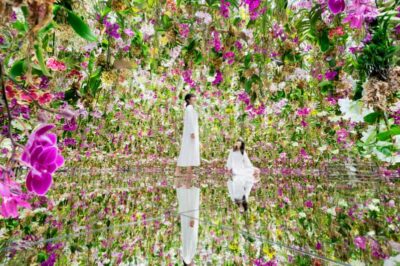
teamLab Planets TOKYO Digital Art Museum Entry Ticket
Read our review →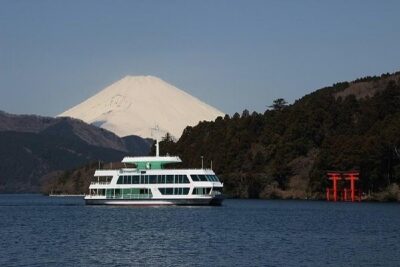
Mt Fuji & Hakone Cruise, Drum Show Bullet Train 1 Day from Tokyo
Read our review →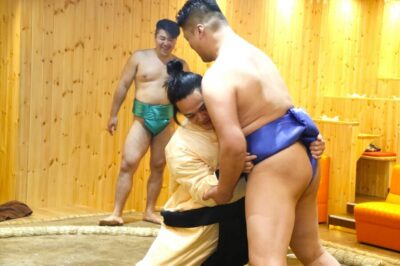
Sumo Show Experience with Chicken Hot Pot and a Photo
Read our review →
Shinjuku Food Tour (13 Dishes at 4 Local Eateries)
Read our review →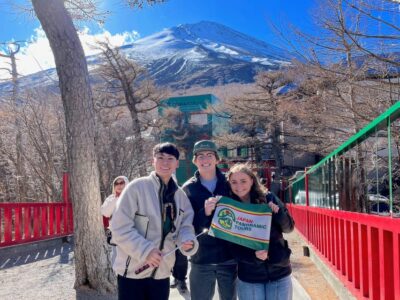
Tokyo Mt Fuji 5th St & Hakone Cruise Bus Tour w/Bullet Train
Read our review →
Flagship 2-Hours Official Street Go-Kart Tour – Tokyo Bay Shop
Read our review →Browse the lists this tour appears in