
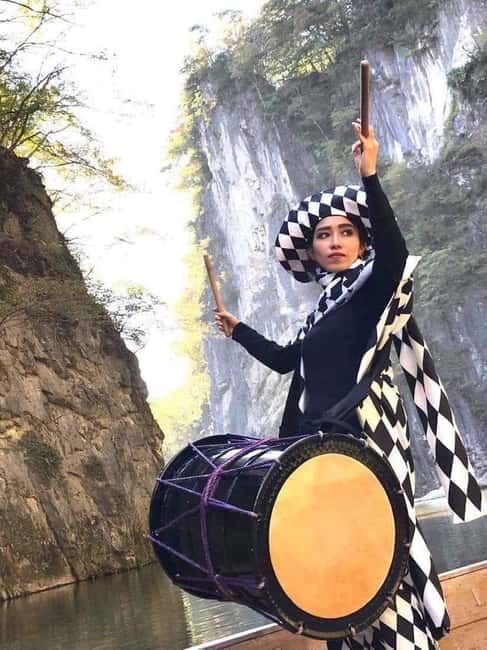
Reviewed · TOKYO TOURS
Tokyo’s Authentic and Finest Taiko Drumming Experience
Tokyo’s taiko drums are not quiet background music. They are loud, physical, and precise, and this 90-minute workshop with Eva Kestner gives you a real taste of that discipline. You will learn how to hold the sticks, shape your body, follow several rhythms, and perform pieces rather than simply bang on a drum for a few minutes.
I like two things right away: Eva teaches in English and brings serious artistic experience, and the session includes both cultural context and active practice. You also receive a personalized video, which gives you a useful record of your form and a fun memory to take home.
The main caution is physical. Several parts involve movement, strong arm action, poses, and steady concentration. The studio can get warm, so wear light, comfortable clothing and expect this to feel more like an energetic class than a passive cultural show.
Key points to know before booking
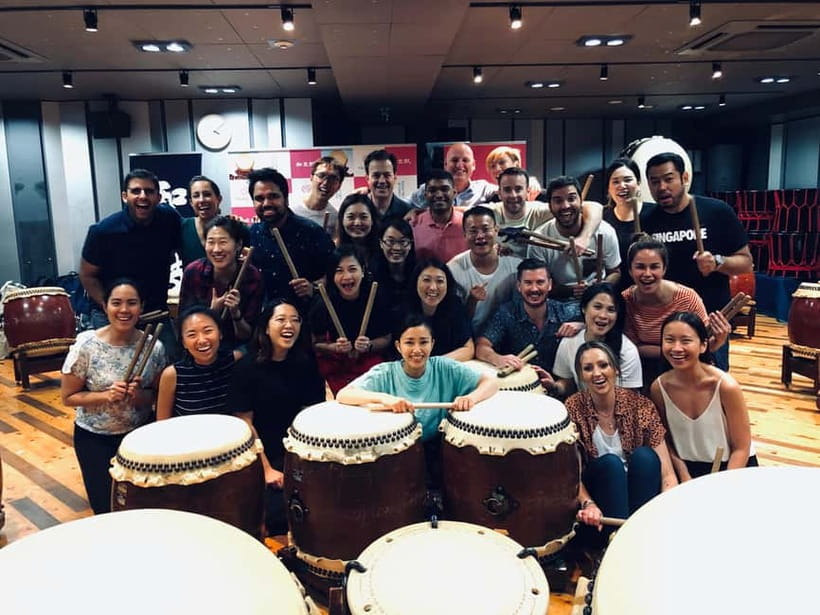
- A real lesson, not a quick photo stop: You learn technique, rhythm, posture, and complete musical sections.
- Eva Kestner leads the class: She is a professional taiko performer, teacher, composer, and former founder of Cornell University’s taiko group.
- Two musical styles are included: The workshop covers a traditional piece and a contemporary piece.
- Expect a workout: Your arms may feel tired afterward, and the room can become warm during active playing.
- Your performance is recorded: A personalized video gives you a private record for practice and keepsake use.
- No previous experience is needed: The class begins with basic stick handling and foundation training.
Why this taiko class feels different from a tourist show
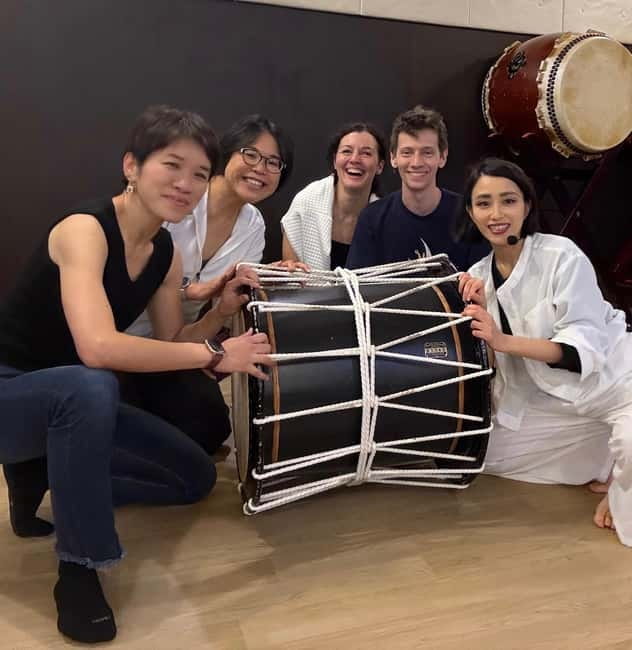
Many cultural activities let you watch a skilled performer and then try the art for a few minutes. This one gives you more time with the method behind the performance. You are not simply shown how taiko sounds. You are taught how the player stands, moves, strikes, counts, and works with other drummers.
That distinction matters. Taiko is not just a matter of hitting a large drum as hard as possible. Your posture, arm position, timing, visual cues, and body movement all help create the sound and shape of the performance. The class makes those details visible from the beginning.
Eva Kestner brings a strong musical background to the teaching. She founded and served as the first musical director of Cornell University’s Taiko Drumming group. She also received an excellence award in the Tokyo University of the Arts New Artists Competition, and her original music has been published by Harper Collins and Cambridge International Curriculum.
You do not need to know any of that to enjoy the class, but it helps explain the high level of instruction. Eva is not presenting a generic activity borrowed from a performance tradition. She is an accomplished artist teaching the form she performs.
A few more Tokyo half-days to weigh up
- Mt Fuji and Hakone 1-Day Bus Tour Return by Bullet Train
★ 5.0 · 26,383 reviews - 1-Day Tokyo Bus Tour
★ 5.0 · 14,250 reviews - Tokyo: TOKYO SKYTREE® Admission ticket
★ 4.5 · 11,192 reviews
The first minutes: sticks, stance, and foundation training
The workshop starts with the basics. You learn how to hold the taiko sticks, how to position your body, and how to make the first controlled strikes. This early work may feel simple, but it sets up everything that follows.
Expect Eva to pay attention to form, not just sound. Taiko performance uses deliberate poses and full-body movement, so your arms are only part of the job. You will likely find yourself standing with more intention than expected, using your legs and core as you learn the basic motions.
This is a good opening for beginners because there is no prior drumming requirement. You do not need to read music or understand Japanese musical terms before arriving. The instruction is given in English and Japanese, and the class builds from simple actions toward more demanding combinations.
The pace is active. You are not sitting through a long lecture before touching the drums. The brief cultural explanation is paired with practice, which makes the background easier to understand. Once you hear and perform a rhythm yourself, the structure of taiko becomes much clearer.
Rhythm training turns simple beats into teamwork
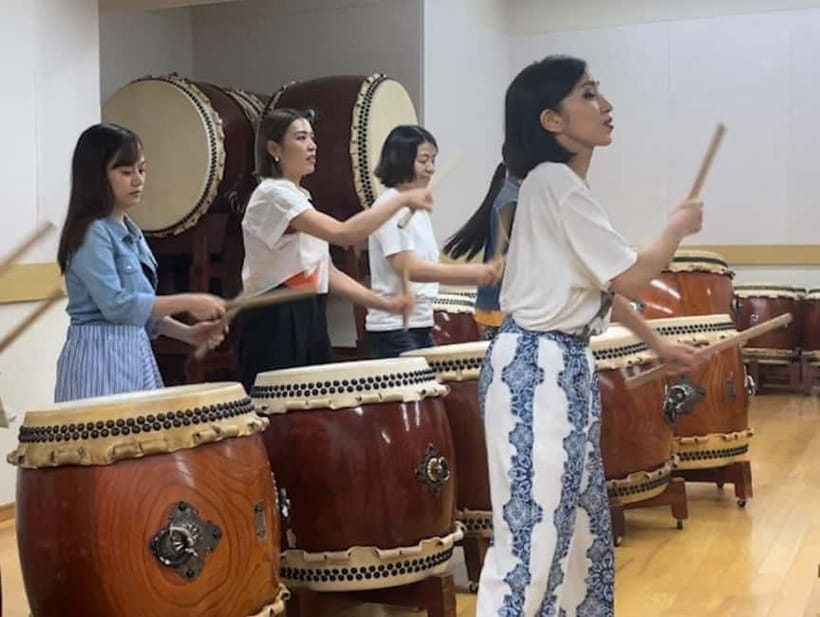
After the foundation work, the class moves into rhythm training. This is where the experience becomes more than a solo exercise. You learn different beat patterns and begin to coordinate your playing with the rest of the group.
Some exercises involve changing rhythms, poses, or turns. One reported class included paired playing, with two people handling different beats and movements. Another activity involved switching on and off the drum. Those changes keep the session moving and require you to listen as carefully as you strike.
I like this part because it shows why group taiko can feel so powerful. The sound comes from several people following the same pulse while adding different accents and movements. Even a short exercise can teach you that timing matters more than simply playing loudly.
It can also be the hardest part for beginners. You may understand a rhythm when Eva demonstrates it, then lose the pattern once you begin playing. That is normal. The class is structured to let Eva break the movement down and guide you through it, but you should expect to concentrate closely.
Traditional and contemporary pieces give the class substance
The workshop includes a traditional taiko piece and a contemporary piece. This pairing is one of its strongest features because it shows that taiko is both a long-standing Japanese art and a living form that continues to develop.
The traditional material may draw on a regional style. One session taught a piece associated with Miyake Island, one of the Izu Islands near Tokyo. The exact piece may vary, so you should not book expecting a guaranteed Miyake composition, but the class can introduce you to the regional character of traditional taiko.
The contemporary material gives you a different sense of how the drums can be arranged and performed today. Together, the pieces help you hear the difference between a traditional pattern and a newer musical approach.
Learning a complete section also gives the 90 minutes a satisfying shape. You are not left with a collection of disconnected beats. You work toward a performance, and that goal makes the earlier stance and rhythm drills useful.
Do not expect to master taiko in one session. The pieces can be challenging, especially once the patterns, poses, and group timing come together. The reward is not perfection. It is the feeling of managing a real piece of music after beginning with only the basic grip and first beat.
Same base, a completely different sort of day:
- Tokyo: teamLab Planets TOKYO Digital Art Museum Entry Ticket
★ 4.6 · 9,779 reviews - Mt Fuji & Hakone Cruise, Drum Show Bullet Train 1 Day from Tokyo
★ 4.0 · 7,413 reviews - Tokyo: Sumo Show Experience with Chicken Hot Pot and a Photo
★ 4.8 · 6,678 reviews - Tokyo: Shinjuku Food Tour (13 Dishes at 4 Local Eateries)
★ 5.0 · 6,603 reviews
Eva’s demonstration puts the lesson in context
At some point, Eva performs a demonstration. This is more than a brief show added to fill time. It lets you see the standard toward which the exercises are pointing.
A skilled taiko performance combines force with control. The sound is bold, but the movement is carefully shaped. Watching Eva after trying the basics yourself should make the difference between beginner technique and professional performance easier to appreciate.
Her role as both performer and teacher is important here. A strong performer is not always a clear instructor, but the class is designed around direct explanation, step-by-step practice, and repeated rhythm work. The available feedback describes Eva as patient, energetic, and clear, which are exactly the qualities that help when a sequence feels fast.
You also get a short explanation of taiko’s place in Japanese culture and some background on the drums. The history segment is brief rather than an extended lecture. That is a good choice for a 90-minute activity, since most of your time is spent making music.
The personalized video is a useful extra
At the end, you receive a personalized video of yourself playing taiko. This adds value in two ways. First, it gives you a record of the experience that is more distinctive than a standard group photograph. Second, it lets you review your form and rhythms later.
The recording is not a promise of a polished professional film. Think of it as a personal class record. You can use it to remember the sequence, notice your posture, or practice the movements at home.
That practical feature has been especially useful for people who want to continue working on the basics after leaving Tokyo. It also means family members and friends who did not attend can see what you learned.
Ask about the exact delivery method when you meet the instructor if you need that information for your plans. The activity includes the video, but no specific delivery format is stated in the details provided.
The physical side: prepare to sweat a little
You should treat this as light-to-moderate physical activity, not as a seated demonstration. The class involves repeated drumming, standing, movement, and performance poses. Several people found it tiring, and one described it as an unexpected workout.
Your arms may feel sore afterward. The studio may also become warm during the session, so shorts or other light clothing can be more comfortable. Bring water, as recommended, and avoid arriving in clothing that restricts your shoulders or arms.
The intensity will depend on your group and how strongly you play. You can enjoy the class without being highly athletic, but you should be ready to keep moving and focus for the full session. Anyone with physical concerns should consider that repeated arm and shoulder action is central to the activity.
This physical demand is also part of the appeal. Taiko makes Japanese musical form feel bodily and immediate. You learn with your ears, eyes, arms, legs, and sense of timing at once.
Who will get the most from the $120 price
At $120 per person, this is not the cheapest cultural activity in Tokyo. Its value depends on what you want from the hour and a half.
You are paying for direct instruction from an accomplished artist, use of the drums and sticks, foundation and rhythm training, two pieces, a demonstration, cultural background, and a personalized recording. If you only want to hear taiko, a performance ticket may be a better fit. If you want to understand how the sound is made and take part in it, the workshop offers much more than a short trial lesson.
I think the price makes the most sense for people who value a small, focused class and personal instruction. It is also a good choice for families, couples, and friends who want an activity they can do together rather than another sightseeing stop.
The format is available as a private group, which can make the session more comfortable for people who prefer to learn with their own party. For groups larger than 20 people, contact Eva directly at [email protected] to coordinate arrangements.
Location, meeting details, and timing
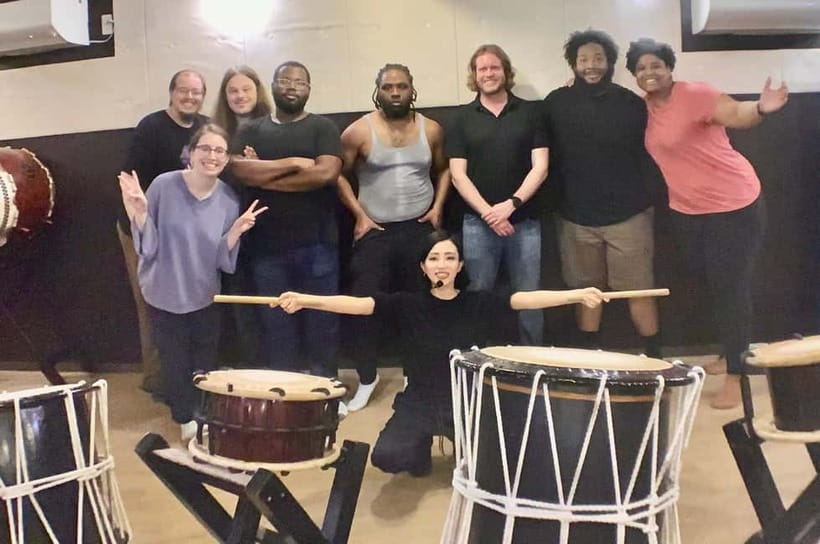
The activity takes place in Tokyo on Honshu, with the meeting point varying according to the option booked. Check the exact location before setting out, since the provided information does not give one universal meeting address.
For large groups, the studio is described as about 20 minutes from Shibuya by train. That gives you a useful planning reference, but it does not mean every booking uses the same meeting point. Leave enough time to find the studio and arrive ready to begin.
The class lasts 90 minutes, and starting times depend on availability. Since the session has a clear progression from basics to performance, arriving late could mean missing the foundation work that makes the later pieces easier. Plan your route carefully, especially if you are fitting this between other Tokyo activities.
Taiko is loud by nature, so you may want to avoid scheduling a quiet, restful activity immediately afterward. On the other hand, the physical energy can make this a welcome change from several hours of temples, museums, and train rides.
Families, beginners, and experienced musicians
No prior taiko experience is required. That makes this a friendly introduction for first-time drummers, and the structure should also suit people who have tried another rhythm or movement class.
Families can enjoy the shared goal of learning a piece, though parents should consider the physical effort and the ages of their children. The activity information does not specify a minimum age, so ask before booking if that matters for your family.
Experienced musicians may appreciate the form and regional context, but should not expect an advanced masterclass in one 90-minute session. The workshop is designed to give newcomers a solid first contact with taiko. Your musical background may help with rhythm, but it will not remove the need to learn the posture and movement style.
Couples and small groups may find the paired exercises particularly fun. You can encourage each other, compare rhythms, and enjoy the slightly comic experience of trying to remember beats and poses at the same time.
Booking flexibility and what to bring
The activity offers free cancellation up to 24 hours before the scheduled start for a full refund. It also has a reserve-now, pay-later option, which helps if your Tokyo plans are still shifting.
Bring a water bottle and wear comfortable clothing. Choose something that lets you move your shoulders and arms freely, and consider lighter clothes because the studio can feel warm.
Drums and drumsticks are supplied, so you do not need to bring equipment. The workshop is taught in English and Japanese. A private group is available, and large parties should contact the provider directly before booking.
Should you book this taiko workshop?
Book it if you want an active cultural experience led by a real taiko artist, not just a short tourist demonstration. Eva’s background, the step-by-step teaching, the traditional and contemporary material, and the personal video give the session unusual substance for 90 minutes.
Think twice if you are looking for a quiet activity, dislike repetitive arm movement, or want a polished performance with little participation. This class asks you to work, listen, and keep trying when the rhythm gets tricky.
For most first-time visitors who want to take part in Japanese culture rather than only observe it, I would put this high on the Tokyo activity list. Wear comfortable clothes, bring water, and arrive ready to make some noise with purpose.
FAQ
How long does the taiko drumming workshop last?
The workshop lasts 90 minutes.
How much does the experience cost?
The price is $120 per person.
Do I need previous taiko drumming experience?
No. The workshop is designed for beginners and starts with foundation training, including how to hold the drumsticks.
Who teaches the class?
The instructor is Eva Kestner, a professional taiko drummer, composer, and teacher. She founded and served as the first musical director of Cornell University’s Taiko Drumming group.
What will I learn during the session?
You will learn basic taiko form, rhythm exercises, and a traditional and contemporary taiko drumming piece. The session also includes a brief history of taiko.
Is the class taught in English?
Yes. The listed instructor languages are English and Japanese.
Are drums and drumsticks provided?
Yes. Taiko drums and taiko drumsticks are provided as part of the workshop.
What should I bring and wear?
Bring water and wear comfortable clothing that allows you to move freely. The class can be physically demanding, and the room may become warm.
Just added around Tokyo
- Private Arrival Transfer : Narita International Airport to Central Tokyo City★ 4.5 · 12 reviews
- Narita Airport(NRT): Private Transfer to Tokyo/Yokohama 1-9pax★ 5.0 · 47 reviews
- Private Transfer from Narita Airport to Yokohama Port and City★ 4.5 · 17 reviews
- [Narita Airport Terminals 1, 2] 40-60km Sawara Itako Historic Bike Tour★ 5.0 · 13 reviews
- 3 Day Japan Highlights Tour: Tokyo, Mt.Fuji, Nara, Kyoto, Osaka★ 5.0 · 22 reviews
- Small Town in the Big City: Tasting Tokyo’s Kichijoji★ 5.0 · 195 reviews
- Small Town in the Big City: Tasting Tokyo’s Kichijoji★ 5.0 · 16 reviews
- The 10 Tastings of Tokyo With Locals: Private Street Food Tour★ 5.0 · 48 reviews
Tokyo Tours, compared.

Mt Fuji and Hakone 1-Day Bus Tour Return by Bullet Train
Read our review →

teamLab Planets TOKYO Digital Art Museum Entry Ticket
Read our review →
Mt Fuji & Hakone Cruise, Drum Show Bullet Train 1 Day from Tokyo
Read our review →
Sumo Show Experience with Chicken Hot Pot and a Photo
Read our review →
Shinjuku Food Tour (13 Dishes at 4 Local Eateries)
Read our review →
Tokyo Mt Fuji 5th St & Hakone Cruise Bus Tour w/Bullet Train
Read our review →