Reviewed · TOKYO TOURS
TokyoSumoShow, ChickenHotPot, and Mochi-Pounding by Pro Wrestlers
The big draw here is simple: former top-division wrestlers perform only a few feet away, then invite you to try mochi pounding and step into the ring yourself. The show is supervised by the 63rd Yokozuna, and it gives you a lively introduction to sumo without requiring a tournament ticket.
I especially like the mix of real athletic skill and good-natured audience participation. I also like that the chicken chanko hot pot gives the program a taste of sumo life, rather than leaving you with a stage show alone. The trade-off is clear: this is polished entertainment for visitors, not a morning practice session or official tournament.
Key points to know
- Former top-division wrestlers perform the demonstrations and bouts, giving the show more sporting weight than a simple costume performance.
- Chicken chanko hot pot is included, with vegetarian and vegan meals available if requested at least two days ahead.
- Mochi pounding and the sumo challenge are hands-on, although participation may be limited or decided by lottery when many people want to join.
- The program works well for families, with children welcome for both mochi pounding and the ring challenge.
- Seats are assigned by the venue, so you cannot select a particular table or position.
- Ryogoku Station is only a short walk away, making this an easy addition to a day around sumo country, Asakusa, or Tokyo Skytree.
What SUMOLAND gives you that a tournament cannot
Tokyo’s official sumo tournaments are serious sporting events with fixed schedules, formal rules, and a crowd focused on competition. SUMOLAND offers something different. It explains the sport, lets you see wrestlers at close range, and makes the audience part of the action.
That difference matters. If you already understand sumo and want the most traditional setting, this attraction may feel theatrical. If you are new to the sport, the format is much easier to follow than a full tournament, where dozens of bouts can pass before you understand what you are watching.
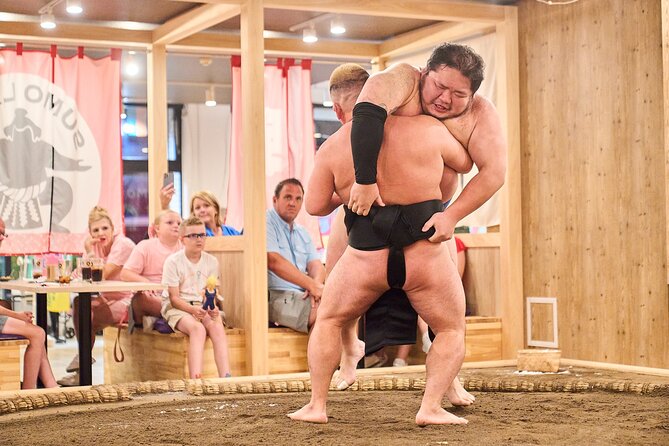
The performers are former professional wrestlers, including athletes who competed at a high level. Their demonstrations show the force, balance, footwork, and timing behind sumo. Short bouts near the end of the meal give you a better sense of what happens when the show becomes physical.
I like this balance. The program has humor and photo opportunities, but it does not depend only on dressing up or pushing people into a photo line. You get a useful look at the sport’s techniques and traditions, along with plenty of showmanship.
A few more Tokyo half-days to weigh up
- Mt Fuji and Hakone 1-Day Bus Tour Return by Bullet Train
★ 5.0 · 26,383 reviews - 1-Day Tokyo Bus Tour
★ 5.0 · 14,250 reviews - Tokyo: TOKYO SKYTREE® Admission ticket
★ 4.5 · 11,192 reviews
Arriving in Ryogoku and finding the venue
SUMOLAND Tokyo Ryogoku is at 1F Takashima Ryogoku Mansion, 4-32-19 Ryogoku, Sumida City. The venue is a short walk from Ryogoku Station and is marked by a large sumo wrestler sign and flags.
You should allow a few extra minutes to find the entrance. The program starts on time, so arriving early is sensible, especially if you are traveling with children or coming from another part of Tokyo.
Ryogoku makes a practical base for a wider sightseeing day. The neighborhood is associated with sumo, and the venue is also within reach of popular areas such as Asakusa, Akihabara, Nihombashi, and Tokyo Skytree. You could schedule SUMOLAND as a midday activity, then continue exploring rather than building an entire day around it.
The ticket is mobile, which keeps arrival simple. Confirmation is sent within 48 hours of booking, subject to availability, so do not leave a last-minute reservation until the day before if your Tokyo schedule is tight.
Chicken chanko hot pot sets the tone
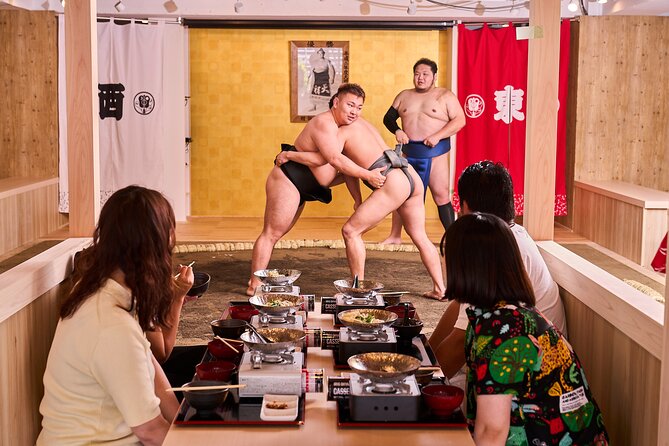
The meal begins with chicken chanko hot pot, a dish closely linked with sumo stables. Chanko is the kind of hearty, shared food associated with feeding wrestlers, and it gives the show a stronger connection to sumo culture than a standard restaurant lunch would.
The food receives mixed but generally positive attention. I would set your expectations correctly: the meal supports the program, but it is not the main reason to book. Several parts of the event are more memorable than the dinner itself. At the same time, many people enjoy the hot pot, particularly the broth, and some find it healthy and satisfying.
The structure also works well. You have something to eat while the staff prepares the next part of the program, so the meal helps keep the event moving without long stretches of waiting. A mochi dessert is included as part of the wider food and activity sequence, and it is a highlight for many families.
Alcoholic drinks and bottled water are not included. Vegetarian and vegan meals can be arranged if you request them at least two days in advance. Gluten-free and halal meals are not available, though you may bring your own food. That is important information for anyone with strict dietary needs.
The ring entrance ceremony brings the room to attention
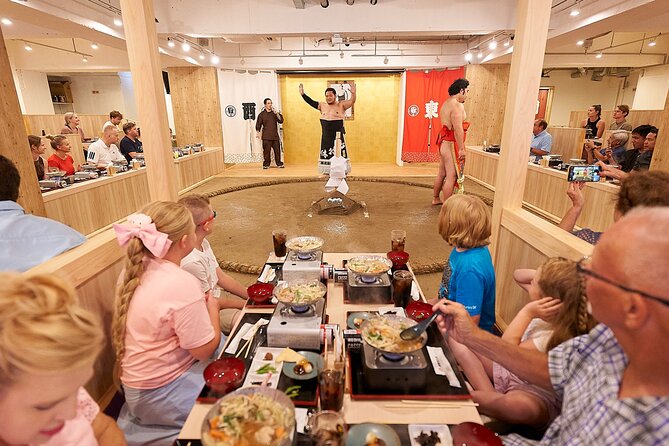
The show begins with a ring entrance ceremony. Former top-division wrestlers make a formal and powerful entrance, giving you a first look at the scale and presence of the athletes before the demonstrations begin.
This opening is useful even if you know little about sumo. It creates a clear change from lunch to performance and gives the room a sense of ceremony. Sumo can look slow or simple on a screen until you see the size of the wrestlers and the controlled force in their movements.
The presentation is designed for an international audience. The staff introduces Japanese sumo terms with translations and has the audience practice saying some of them. That small detail helps you follow the show and gives children an easy way to take part without needing prior knowledge.
One limitation is that the amount of historical explanation may not satisfy a serious sumo student. The program covers the basics and gives context, but it is not a full lecture on tournament rankings, stable life, or the long history of the sport. For most first-time visitors, that lighter approach keeps the event fun. For experts, it may feel brief.
Same base, a completely different sort of day:
- Tokyo: teamLab Planets TOKYO Digital Art Museum Entry Ticket
★ 4.6 · 9,779 reviews - Mt Fuji & Hakone Cruise, Drum Show Bullet Train 1 Day from Tokyo
★ 4.0 · 7,413 reviews - Tokyo: Sumo Show Experience with Chicken Hot Pot and a Photo
★ 4.8 · 6,678 reviews - Tokyo: Shinjuku Food Tour (13 Dishes at 4 Local Eateries)
★ 5.0 · 6,603 reviews
Mochi pounding is the most family-friendly activity
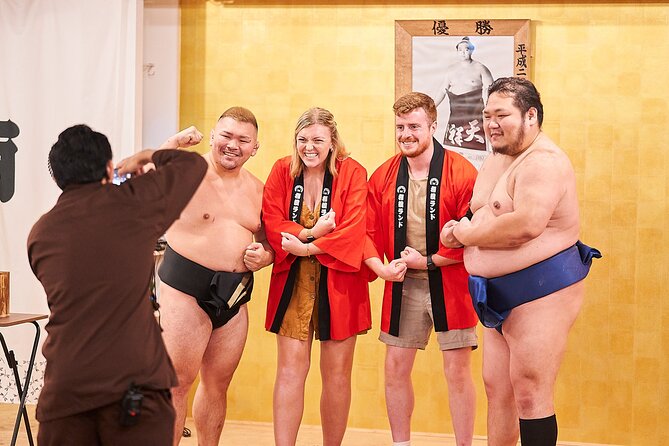
The mochi-pounding challenge is a traditional Japanese food-making activity, presented here as a hands-on group moment. The wrestlers demonstrate the process, then invite people to have a turn. Children are welcome.
This is one of the best parts for families because it changes the pace. You are not only watching large athletes perform. You are also doing something simple, funny, and distinctly Japanese. The finished mochi provides a sweet reward, and the activity creates easy photo opportunities.
There is a practical catch. If many people want to participate, the venue may limit the activity to one person per group or choose participants by lottery. You should not promise every child a turn before arriving. The same rule can apply to the sumo challenge.
The activity is also a good example of what this program is and is not. It gives you a guided taste of Japanese tradition, but it is presented for entertainment. You are not entering a working sumo stable or learning the full craft of mochi production.
Sumo demonstrations explain why the sport is difficult
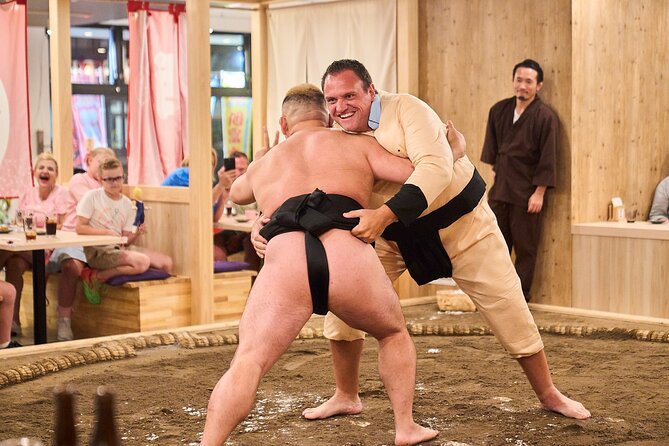
The main show uses former professional wrestlers to demonstrate techniques, strategies, and the physical demands of sumo. The athletes show how different movements work, explain basic ideas, and perform short bouts.
I appreciate that the entertainment does not ignore the athletic side. The wrestlers are not simply there to pose for photos. Their movements show how much balance, timing, strength, and control the sport requires. A family with teenagers or older children can come away with a better respect for the work behind each match.
The humor is part of the appeal. Wrestlers interact with the audience and make the demonstrations approachable. The performers are described as having strong personalities, and the staff keeps the room involved without making the audience feel overwhelmed.
You should expect a show rather than a competition. The bouts are arranged as part of the program, and the entire event is supervised by the 63rd Yokozuna. That makes it a friendly introduction to sumo, not a substitute for seeing a sanctioned tournament at Ryogoku Kokugikan.
The ring challenge turns you into part of the show
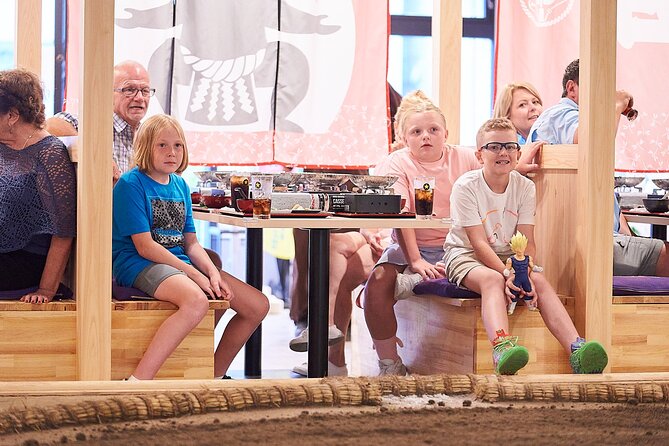
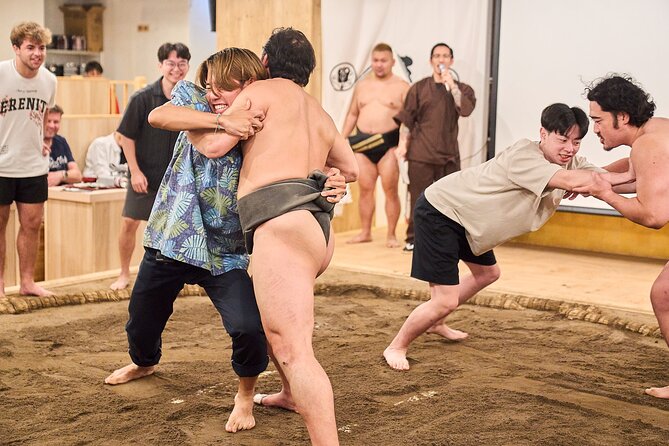
The sumo bout challenge invites selected audience members into the ring to face a real sumo wrestler. Children are welcome, and this is often the moment that gets the biggest reaction from families.
The appeal is obvious. You feel the size and presence of the wrestler at close range, and everyone else gets to enjoy the comedy and suspense. Even when you are not selected, watching other people try is part of the entertainment.
Participation is not guaranteed. If many people volunteer, the venue may limit participation to one person per group or use a lottery. Keep that in mind when planning the event around a child who is determined to wrestle.
The activity also comes with a seating note that families should take seriously. Standard seats are not considered safe for holding a child on your lap during the program, so reserve a ticket for every person. Box seats can hold up to six people and are considered safe for holding a child on your lap.
Photo time is a major part of the value
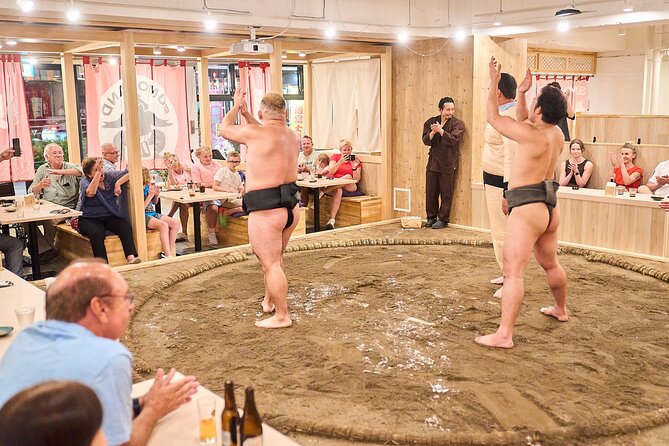
The program includes time for photos with the wrestlers. This is not a rushed glimpse from across a room. The show is built around close interaction, and the athletes remain accessible to the audience.
For many people, this is the most lasting souvenir. You can capture the scale difference between you and a professional wrestler, take family photographs, and preserve the memory of the ring challenge or mochi activity.
Seat locations are assigned by the venue, and you cannot choose them in advance. That means you should not book expecting a particular side of the room or a guaranteed front-row position. The format is arranged so the audience can follow the show, but exact sightlines are outside your control.
Is the $106.12 price good value?
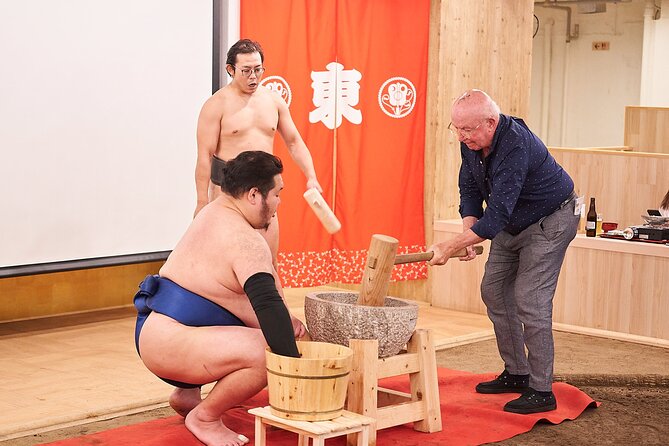
At $106.12 per person, SUMOLAND is not a cheap meal with a short performance attached. It is a packaged cultural attraction that combines food, live demonstrations, audience participation, photos, and a mobile ticket.
The value is strongest if you would otherwise pay separately for a meal and a Tokyo activity. You receive a substantial program lasting about 1 hour 30 minutes to 2 hours, and the event keeps changing pace: eating, watching, learning, trying an activity, and taking photos.
I would be less enthusiastic about the price if your only goal is to watch serious sumo. An official tournament gives you the real competitive setting, while SUMOLAND gives you explanation and access. You are paying for convenience and interaction as much as for the wrestling itself.
For a family, the price can make sense because several people can participate in one shared event. Children are not expected to sit quietly through a long lecture, and adults get enough sporting context to make the show worthwhile. For a solo visitor or a couple already planning to attend a tournament, compare the cost with your priorities before booking.
Who should book this sumo experience?
I would recommend it most strongly to:
- Families with children or teenagers
- First-time visitors who want an easy introduction to sumo
- People who value audience participation and photographs
- Visitors who want a scheduled meal and show in one stop
- Anyone unable to fit an official tournament into the Tokyo itinerary
It is also a good choice if you want to learn a few basic Japanese sumo words in an informal setting. The English-friendly explanations make the program accessible, and the performers use demonstrations rather than relying only on spoken information.
I would hesitate if you want a quiet meal, a formal cultural presentation, or a fully traditional sumo setting. The room is interactive and theatrical. That is its purpose, and it will appeal to some people far more than others.
Booking details that matter
Free cancellation is available if you cancel at least 24 hours before the experience starts. Within 24 hours, you will not receive a refund, and changes made during that period are not accepted. Cutoff times use Tokyo local time.
Most people can participate, but the ring challenge and mochi pounding may be limited if demand is high. Reserve the correct number of seats, particularly when bringing a child.
Souvenirs may change with the season. The included souvenir is not specified in detail, so treat it as a pleasant extra rather than a reason to book.
Should you book SUMOLAND Tokyo Ryogoku?
Book it if you want a friendly, interactive introduction to sumo rather than a formal sporting event. The close-up performances, former top-division athletes, hot pot, mochi pounding, and photo time create a full program with plenty for children and adults to enjoy.
Skip it if your main goal is a tournament, a stable visit, or a deep study of sumo rules. For everyone else, especially families with limited time in Tokyo, the combination of food and live action makes this a useful and memorable Ryogoku stop. Just arrive early, request special meals two days ahead, and remember that participation and seat location cannot be guaranteed.
FAQ
Where is SUMOLAND Tokyo Ryogoku?
It is located on the first floor of Takashima Ryogoku Mansion at 4-32-19 Ryogoku, Sumida City, Tokyo 130-0026, Japan. The venue is a short walk from Ryogoku Station and is marked by a large sumo wrestler sign and flags.
How long does the experience last?
The experience lasts approximately 1 hour 30 minutes to 2 hours.
What food is included?
Chicken chanko hot pot is included in the admission price. Alcoholic beverages and bottled water are not included.
Are vegetarian or vegan meals available?
Yes. Vegetarian and vegan meals are available if requested at least two days in advance.
Are gluten-free or halal meals available?
No. Gluten-free and halal meals are not available. You may bring your own food.
Can children participate?
Yes. Children are welcome to join the mochi-pounding activity and the sumo challenge. Participation may be limited or decided by lottery if many people want to take part.
Can I choose my seat?
No. Seat locations are assigned by the venue and cannot be selected in advance.
Can a child sit on my lap?
In standard seats, holding a child on your lap is considered dangerous, so you should reserve a ticket for each person. Box seats can hold up to six people and allow a child to sit on an adult’s lap.
Can I cancel for a full refund?
Yes, if you cancel at least 24 hours before the experience start time. Cancellations or changes made within 24 hours are not accepted for a refund.
Just added around Tokyo
- Private Arrival Transfer : Narita International Airport to Central Tokyo City★ 4.5 · 12 reviews
- Narita Airport(NRT): Private Transfer to Tokyo/Yokohama 1-9pax★ 5.0 · 47 reviews
- Private Transfer from Narita Airport to Yokohama Port and City★ 4.5 · 17 reviews
- [Narita Airport Terminals 1, 2] 40-60km Sawara Itako Historic Bike Tour★ 5.0 · 13 reviews
- 3 Day Japan Highlights Tour: Tokyo, Mt.Fuji, Nara, Kyoto, Osaka★ 5.0 · 22 reviews
- Small Town in the Big City: Tasting Tokyo’s Kichijoji★ 5.0 · 195 reviews
- Small Town in the Big City: Tasting Tokyo’s Kichijoji★ 5.0 · 16 reviews
- The 10 Tastings of Tokyo With Locals: Private Street Food Tour★ 5.0 · 48 reviews
Tokyo Tours, compared.

Mt Fuji and Hakone 1-Day Bus Tour Return by Bullet Train
Read our review →
teamLab Planets TOKYO Digital Art Museum Entry Ticket
Read our review →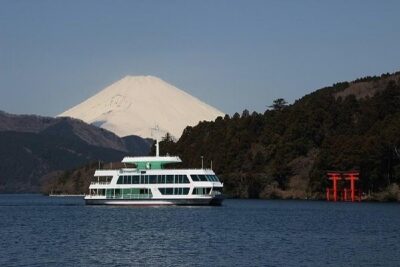
Mt Fuji & Hakone Cruise, Drum Show Bullet Train 1 Day from Tokyo
Read our review →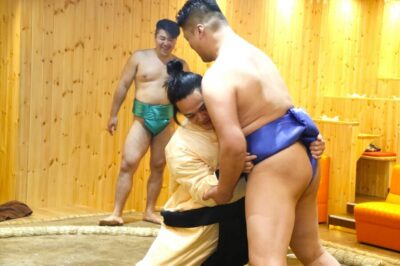
Sumo Show Experience with Chicken Hot Pot and a Photo
Read our review →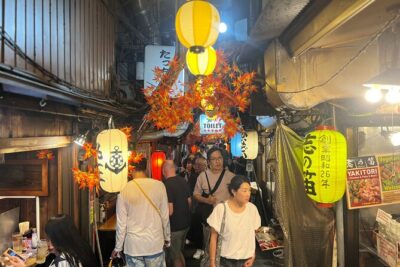
Shinjuku Food Tour (13 Dishes at 4 Local Eateries)
Read our review →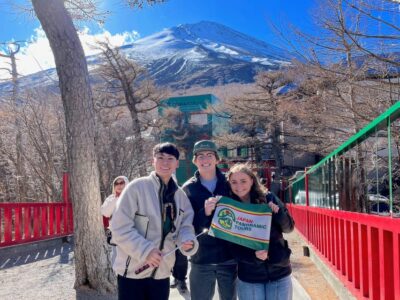
Tokyo Mt Fuji 5th St & Hakone Cruise Bus Tour w/Bullet Train
Read our review →