

Reviewed · OSAKA TOURS
Ultimate Osaka Walking Tour: Castle, Dotonbori & Hidden Gems
Osaka reveals itself best on foot, and this tour links its big sights with the city corners you could easily miss alone. You’ll move from the samurai-era story of Osaka Castle to neon Dotonbori, old lanes, food stalls, youth fashion, and the retro streets of Shinsekai.
I like the wide range packed into one day, and I like the guides’ strong focus on history, food, and ordinary city life. Tim, Kenzo, Scott, Daniel, Adam, and Andy are among the guides praised for clear English, humor, local insight, and a flexible pace. The catch is simple: this is a real walking workout, often around 5 miles or 15,000 steps, and Osaka Castle is viewed from outside rather than entered.
Key points at a glance
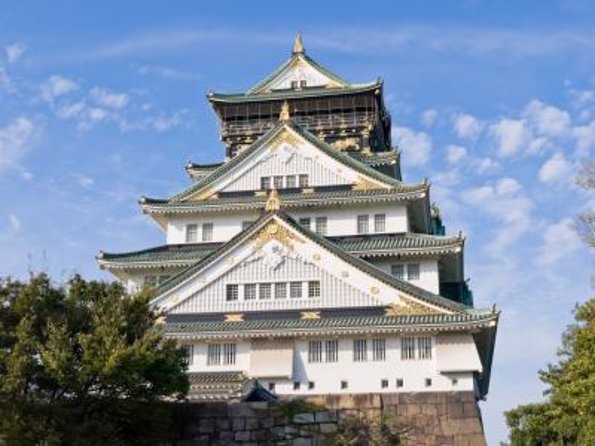
- Osaka Castle from the outside: Get the story and photo opportunities without an included visit inside the castle.
- A food-centered route: Lunch with Osaka-style street food and a drink is included, with Kuromon Market and Dotonbori adding more tempting stops.
- Old Osaka beside modern Osaka: Hozenji Yokocho and Hozen-ji Temple offer a quiet contrast to Amemura, Shinsaibashi, and the neon canal district.
- Two short train rides: The route covers more ground than a purely central walking tour, but fares of ¥240 and ¥190 are extra.
- Small groups or private guiding: Group tours hold no more than 11 people, while private tours allow more control over pace and questions.
- Best for active first-time visitors: Wear comfortable shoes and expect a full day of walking, with history and cultural context along the way.
What this Osaka walking tour really covers
This is less a museum checklist than a moving introduction to Osaka. In five, six, or seven hours, you cross several parts of the city and see how Osaka shifts from castle town to shopping center, food capital, nightlife district, and retro neighborhood.
The route begins at Osaka-jokoen Station and ends somewhere different, depending on the day’s route. Two short train rides help connect the districts. You pay those fares yourself, ¥240 and ¥190, so keep a little cash or a suitable transit payment method ready.
You can book a group tour or a private personalized tour. Group outings have a maximum of 11 people, a useful limit in crowded shopping arcades and narrow lanes. Hotel pickup is offered only for private bookings, not group tours.
The guides are a major part of the experience. Tim is praised for Japanese history, culture, and life as an expatriate. Kenzo brings an easy manner and strong affection for Osaka’s past. Scott is noted for clear English and candid discussion of Japanese society. Daniel is praised for keeping the day relaxed and fun, while Adam is a strong choice for a private tour if you want a flexible pace and photo stops.
Guide assignments can change, so you should not book on the assumption that one specific person is guaranteed. Still, the repeated pattern is clear: expect explanation, conversation, and plenty of chances to ask questions rather than a silent march between landmarks.
More Hidden Gems Walks in Osaka
- Osaka Kickstart: Hotspots & Hidden Gems Tour
★ 5.0 · 1,306 reviews - Osaka: Hotspots & Hidden Gems Walking Tour Private or Group
★ 4.9 · 1,300 reviews - Private Osaka Walking Tour: Highlights & Hidden Gems
★ 5.0 · 569 reviews
Osaka Castle: a grand start without an interior visit
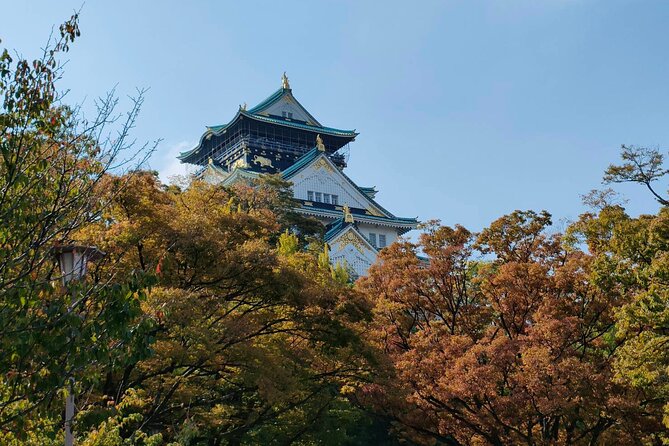
The opening stop lasts about 90 minutes and focuses on Osaka Castle, one of the city’s main symbols. The castle played an important role in Japan’s unification during the samurai era of the 16th century, so it gives the tour a useful historical anchor before the day turns toward shopping and food.
You do not enter Osaka Castle. Admission is not included, and the stop is about the grounds, exterior views, history, and photographs. This matters because the castle interior contains exhibits that some visitors may expect to see. If you want the indoor museum and upper-level views, plan a separate visit.
I see the outdoor-only approach as both a limit and a practical choice. It keeps the group moving and leaves time for much more of Osaka, but it will disappoint anyone who wants a full castle visit. Guides such as Adam and Daniel have been praised for explaining the castle and its surroundings well, which helps make the exterior stop feel substantial rather than rushed.
Allow extra energy for the long day ahead. Osaka Castle is not the only walking you’ll do, and the opening stop sets the tone: history is explained while you move, not delivered in a seated lecture.
Amemura and Shinsaibashi: Osaka’s modern side
After the castle, the tour shifts toward Amerika-mura, usually called Amemura. This compact area is tied to Osaka’s youth culture, with narrow streets and shops aimed at urban clothing and hip-hop fashion.
You’ll spend roughly 30 minutes here. The stop is free, and its value is less about one famous building than about seeing a current, youthful Osaka. It breaks the usual temple-and-castle pattern and shows how the city’s style changes from one neighborhood to the next.
Next comes Shinsaibashi-suji Shopping Street, a covered 600-meter arcade that has served as one of Osaka’s main shopping areas for about 400 years. Hundreds of shops line the route, making this a good place to observe Japan’s love of retail, from everyday purchases to fashion and food.
The arcade is useful on hot or wet days, though the crowds can make walking slower. You may want time to browse, but the scheduled stop is about 30 minutes, so do not expect a full shopping expedition. The guide’s role here is to explain the area and help you understand its place in Osaka, not to escort you into every store.
Dotonbori: neon, canal views, and a serious food stop
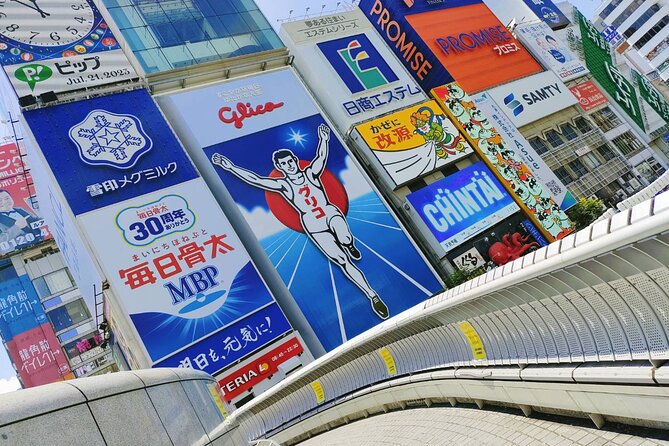
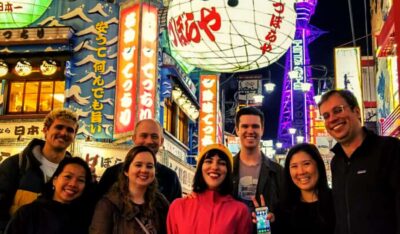
Dotonbori is Osaka’s most famous entertainment district, built along the canal and packed with bright signs, restaurants, nightlife, and street food. You’ll have about 30 minutes here, enough to take in the famous visual overload and get oriented before continuing through the older lanes nearby.
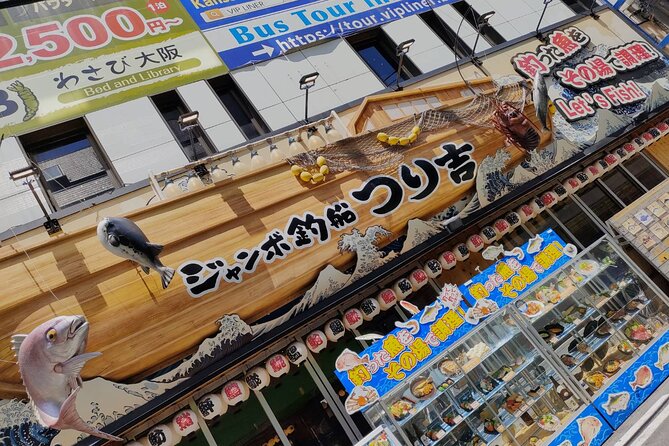
The tour describes Dotonbori Tsuribori as a stop, but the wider Dotonbori area is the main attraction. Expect a busy setting, especially at popular times. Keep your group in sight and allow time for photos without blocking the narrow walking routes.
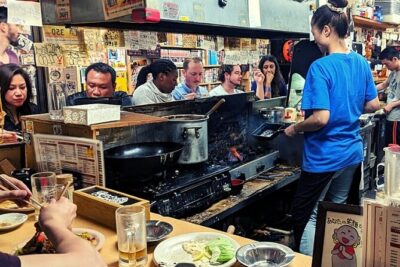
This is also one of the places where Osaka’s food culture becomes clear. The included lunch features Osaka-style street food with a drink at a local restaurant. The exact dishes are not specified, so you should treat the meal as a local-style introduction rather than a fixed tasting menu.
The food element adds real value to a long walking day. You are not only looking at restaurants and signs; you get a chance to eat something associated with Osaka while the guide explains the city’s food habits. If you need vegan or gluten-free food, take note: those diets cannot be catered for at lunch.
More off-the-list walks in Osaka:
- Osaka: Highlights & Hidden Gems Private Walking Tour
★ 4.7 · 38 reviews - Kyoto Geisha Walking Tour: Gion District & Hidden Gems
★ 4.7 · 3,273 reviews - Private Kyoto Tour with a Local, Highlights & Hidden Gems, Personalised
★ 5.0 · 1,543 reviews - 3h Tokyo E-Bike Tour: Hidden Gems, and Local Life with guide
★ 5.0 · 670 reviews
Hozenji Yokocho and Hozen-ji Temple
A short turn from the bright canal district brings you to Hozenji Yokocho, a narrow lane with traditional lanterns and cobblestones. It preserves an older feel that can be easy to miss if you stay on Dotonbori’s main streets.
The contrast works well. One moment you are surrounded by large signs and crowds; soon after, you are in a quieter passage with a more traditional atmosphere. The stop lasts around 30 minutes and is free.
The nearby Hozen-ji Temple is a small Buddhist temple dating from the 17th century and dedicated to Fudo Myoo, one of Buddhism’s Five Wisdom Kings. It is another 30-minute stop, also free.
These two stops are especially useful for understanding Osaka’s mix of old and new. They are not grand temple complexes, and that is precisely the point. You get a small, local-feeling place rather than another major monument. Stay attentive to the guide here, since the setting is compact and the story matters more than the size of the site.
Kuromon Market, Osaka’s food counter
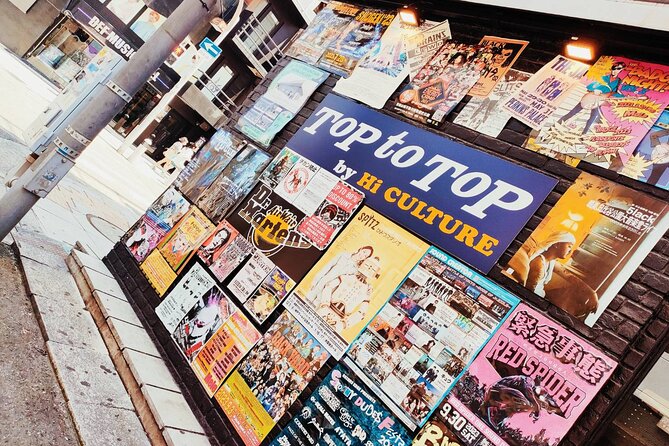
Kuromon Market has operated for more than 200 years and is known as Osaka’s Kitchen. The covered market is associated with fresh seafood and food stalls, making it one of the strongest stops for anyone interested in how Osaka eats.
The planned visit lasts about 30 minutes. That is enough to walk through and sample something if the tour timing allows, but it is not enough for a slow, stall-by-stall food crawl. The included lunch and market visit work together: one gives you a set meal, while the other lets you see the variety and energy of a traditional food market.
There is an important booking detail here. The schedule specifies Kuromon Market for day and private tours only. If you choose a shorter group option, confirm exactly how this stop applies to your selected departure before paying.
Market crowds and food prices can vary, and additional tastings are not stated as included. Bring an appetite, but do not assume every item you see is covered by the tour price. This is also a good place to ask the guide what to try and how local shoppers use the market.
Shinsekai and Osaka’s retro character
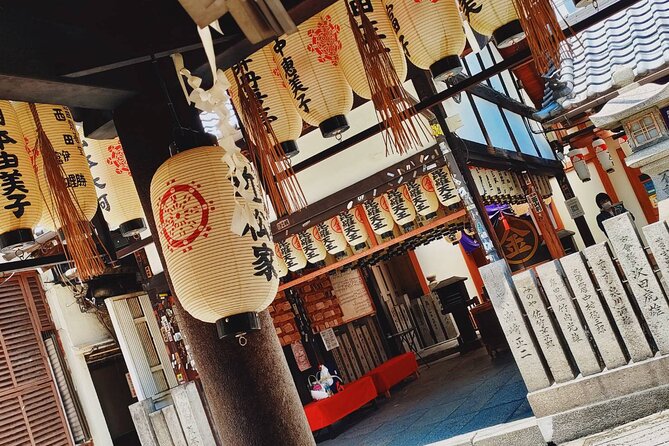
The final listed district is Shinsekai, developed before World War II and associated with Tsutenkaku Tower. Its nostalgic signs and retro feel offer another change of pace from the polished shopping streets and canal-side nightlife.
The stop lasts around 30 minutes and is free. Shinsekai gives the day a strong ending because it shows a less glossy side of Osaka. You are still in a popular district, but the visual mood is older and more playful.
The full route makes sense as a story. Osaka Castle introduces power and national history. Amemura and Shinsaibashi show modern style and commerce. Dotonbori and Kuromon explain the city’s food identity. Hozenji supplies a quiet traditional pause, and Shinsekai closes with nostalgia.
How hard is the walking?
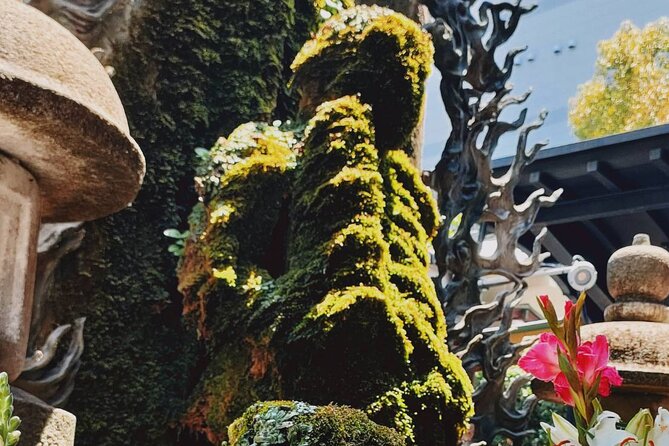
You should prepare for a moderate physical effort. The tour is mainly on foot, and several people have estimated the full route at roughly 5 miles or 15,000 steps.
That distance may not feel severe if you are used to city sightseeing, since the route is broken into frequent stops. Still, you will spend much of the day standing, crossing streets, walking through arcades, and keeping up in crowded districts. Comfortable shoes are essential. A water bottle, weather protection, and a small bag that leaves your hands free are sensible choices.
The pace is intended to be manageable. Guides are praised for keeping the walk relaxed and for adjusting the speed on private tours. A group outing has less flexibility, so tell the guide early if you need a short pause.
The tour requires good weather. If poor weather causes cancellation, you are offered another date or a full refund. That is helpful, but you should still avoid scheduling this as the only possible way to see Osaka if your trip is very short.
Is $73.29 good value?
At $73.29 per person, the price is fair if you want a structured overview rather than a simple castle visit. You receive five to seven hours of guiding, lunch with a drink, access to local context, and a route connecting several districts that would take planning to arrange alone.
The value is strongest for a first day in Osaka. A guide saves you from working out the neighborhood order, the train connections, and the significance of small places such as Hozenji Yokocho. You also get recommendations while you are standing in front of food markets and restaurant streets, when that advice is most useful.
The price does not include castle admission or the two train fares. Extra food at Kuromon Market is also not stated as included. Add roughly ¥430 for the listed train fares, plus any personal purchases and snacks.
A private tour should offer the best value for families, couples, and small groups that want to set the pace or ask many questions. A group tour is likely the better budget choice for solo visitors and anyone who enjoys meeting people while walking. Hotel pickup is not offered with group tours.
Who should book this tour?
I would choose this for a first visit, a short Osaka stay, or a day trip from Kyoto. It gives you a broad sense of the city quickly and helps you decide which districts deserve a return visit.
It also suits solo visitors. A small group gives you company, while the guide provides a clear plan and helps you avoid spending your limited time figuring out where to go next.
Families with older children and teenagers should find plenty of variety, especially in Amemura, Dotonbori, the market, and Shinsekai. The tour is less suited to anyone who dislikes long walks, needs a fully accessible route, or wants to spend most of the day inside museums and monuments.
Food restrictions need careful thought. Vegan and gluten-free meals cannot be accommodated at lunch, so this tour may not fit your needs unless you can arrange around that limitation.
Cancellation is free up to 24 hours before the start time for a full refund. Changes or cancellations inside that window are not accepted or refunded.
Should you book the Ultimate Osaka Walking Tour?
Book it if you want one active day that explains Osaka as a city, not just a list of famous stops. The combination of castle history, street food, shopping arcades, quiet temple lanes, and Shinsekai gives you a useful first picture of Osaka’s character.
Skip it if entering Osaka Castle is your main goal, if five miles of walking sounds tiring, or if you need vegan or gluten-free lunch. For the best experience, choose a private tour if you want your own pace and can share the cost. Choose the group option if you value company, a smaller social setting, and a lower per-person price.
Wear good shoes, check whether Kuromon Market is included in your chosen tour, and keep about ¥430 aside for the train rides. With those details clear, this is a practical way to get your Osaka bearings fast and leave with a list of places worth exploring more slowly.
FAQ
How long does the Osaka walking tour last?
You can choose a tour lasting approximately 5, 6, or 7 hours.
Does the tour enter Osaka Castle?
No. The tour views Osaka Castle from the outside, and castle admission is not included.
Is lunch included?
Yes. The tour includes lunch featuring Osaka-style street food and a drink at a local restaurant.
Can the lunch accommodate vegan or gluten-free diets?
No. Vegan and gluten-free diets cannot be catered for at lunch.
Are train fares included?
No. Two short train rides are required, and the listed fares are ¥240 and ¥190.
Is hotel pickup available?
Hotel pickup is offered for private tours. It is not offered for group tours.
How many people can join a group tour?
The tour has a maximum group size of 11 travelers.
More Walking Tours in Osaka
- Osaka Local Foodie Walking Tour in Dotonbori and Shinsekai
★ 5.0 · 985 reviews - Osaka Bar Hopping Night Walking Tour in Namba (3 bars, 6 tastes)
★ 5.0 · 958 reviews - Osaka: Deep Backstreets Walking Tour with Dinner Option
★ 4.9 · 902 reviews - Osaka: Main Sights and Hidden Spots Guided Walking Tour
★ 4.9 · 702 reviews
Just added around Osaka
- Discover Real Osaka: A Cultural Walk with Food & Drink★ 5.0 · 13 reviews
- Osaka 6hr Private Walking Tour with Government Licensed Guide★ 5.0 · 174 reviews
- Private Airport transfer Kansai Intl. Airport(KIX) to OSAKA CITY★ 4.5 · 12 reviews
- From Osaka/Kyoto: Kyoto & Nara Day Trip with Optional Lunch★ 4.5 · 79 reviews
- Osaka: Namba Local Food Walking Tour (Taste 15 Dishes)★ 5.0 · 20 reviews
- Osaka Delights: Traditional Japanese Food Tour★ 4.5 · 33 reviews
- Badminton in Osaka & Kyoto with Locals!★ 5.0 · 15 reviews
- From Osaka or Kyoto: Kyoto and Nara 1-Day Bus Tour★ 3.5 · 141 reviews
Osaka Tours, compared.
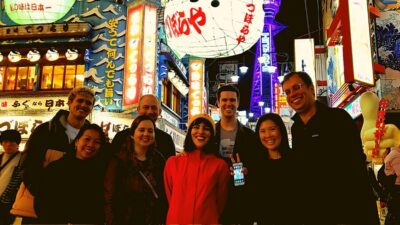
Shinsekai Food Tour with 13-15 Dishes at 5 Eateries
Read our review →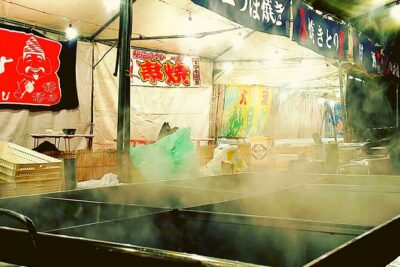
Osaka Food Tour: 13 Dishes at 5 Local Eateries
Read our review →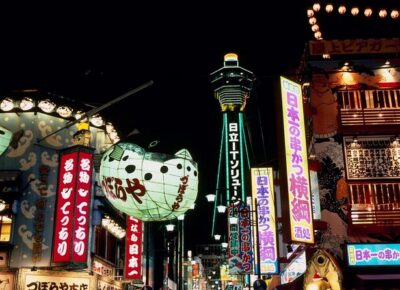
Hungry Osaka Street Food Tour:15 Tastings & 3 Drinks with a Local
Read our review →
Hotspots & Hidden Gems Walking Tour Private or Group
Read our review →Browse the lists this tour appears in