
Reviewed · NAGOYA TOURS
1-Day Tour from Nagoya: Hiking the Historic Nakasendo Trail
The best part of this day is the 8-kilometer walk between Tsumago and Magome, two old post towns linked by Japan’s Nakasendo highway. You move from quiet forest and small streams into wooden villages that still feel tied to the road’s Edo-era past. I like the combination of a real country walk and a guided history lesson, and I like that the small group, limited to 14 people, keeps the day personal. The main drawback is simple: this is a long, hilly hike, not a gentle sightseeing trip.
I also like the easy Nagoya pickup and comfortable round-trip bus, especially when train connections to the Kiso Valley would take more planning. Guides including Kim and Mir have brought strong historical detail and adjusted the walking pace for older hikers. You must bring your own lunch, though, and summer heat can make the trail much harder than the distance suggests.
Key points to know before booking
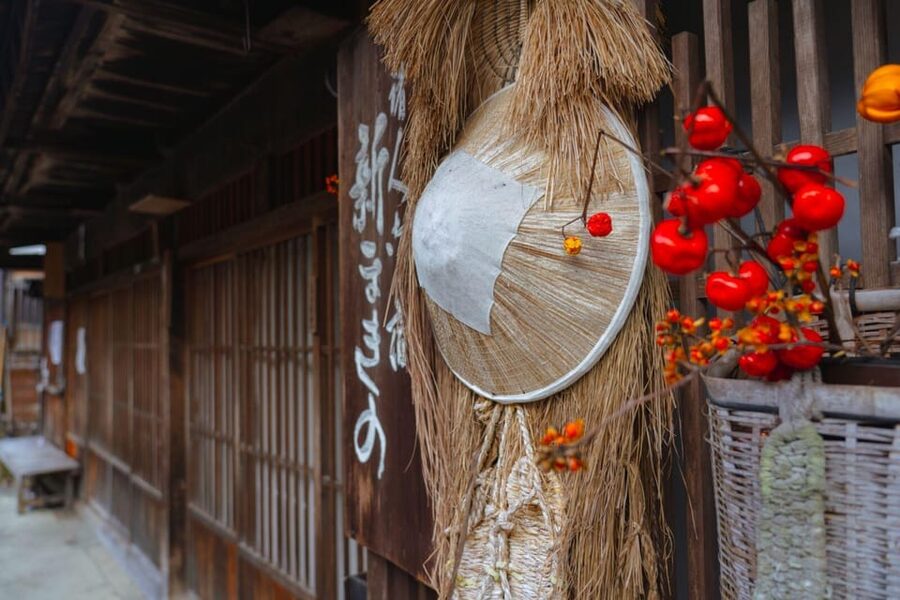
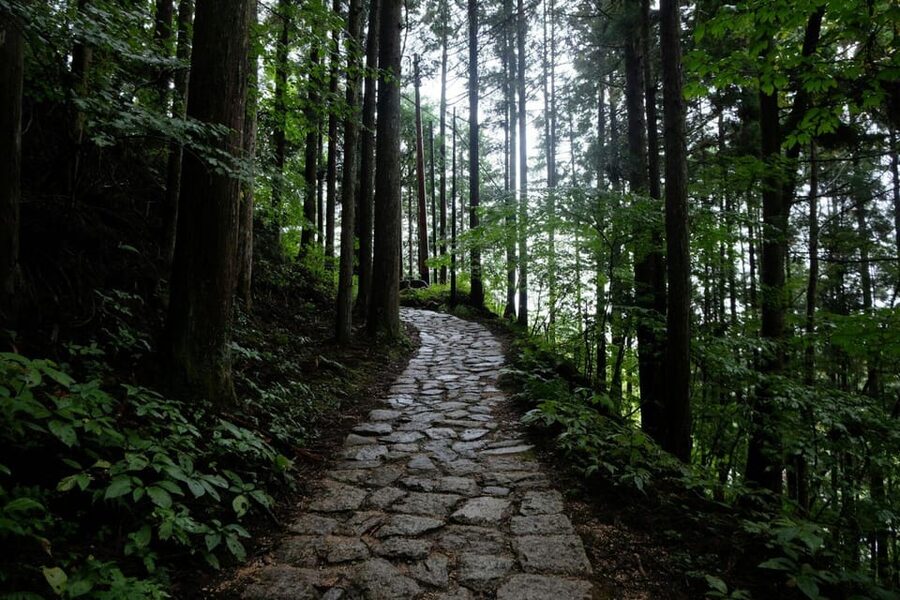
- The historic route runs from Tsumago to Magome: You walk in the direction that includes forest paths, streams, waterfalls, and mountain scenery before reaching Magome.
- Tsumago is the quieter first stop: Its preserved wooden buildings and traditional streets offer the clearest sense of an old post town.
- The hike is manageable but not flat: Expect more than 8 kilometers of walking, hills, mud, slippery rocks, and changes in elevation.
- The group is capped at 14 people: That gives the guide room to answer questions and slow the pace when needed.
- Lunch is your responsibility: Buy a bento box or other food in Nagoya before departure, since meal choices along the trail are limited.
- The non-hiking option changes the day: You can explore both towns without walking between them, with free time in Tsumago and Magome.
Why this old road makes a fine day from Nagoya
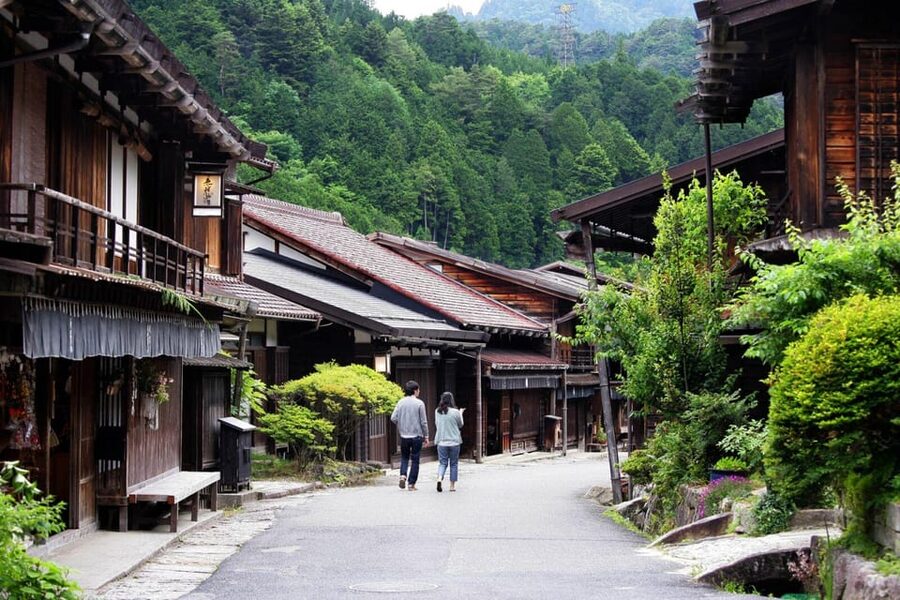
The Nakasendo was one of the major routes linking Tokyo and Kyoto during the Edo era. It crossed the mountains rather than following the coast, and its post towns gave samurai, merchants, officials, and ordinary travelers places to rest.
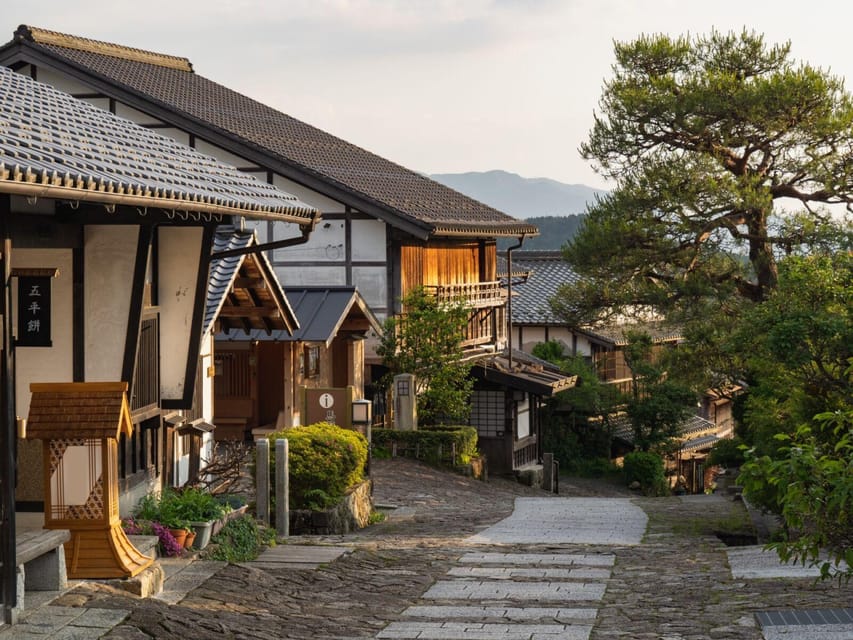
Today, the Tsumago to Magome section is one of the most approachable ways to experience that old road. You are not simply looking at a museum display. You are walking the route itself, under trees, beside water, and through small settlements that preserve the road’s older scale.
This tour works well because the two ends are different. Tsumago feels especially quiet and carefully preserved. Magome has more shops and places to stop, with a more polished visitor experience. The contrast gives you something to notice rather than two nearly identical stops.
You pay $189 per person for an eight-hour day. That is not cheap, but the price covers the long-distance bus from Nagoya, the guide, and the convenience of handling a remote route without changing trains or arranging a taxi. For a first visit to central Japan, I see the value in that simplicity. A self-guided trip may cost less, but it asks you to manage connections, local transport, timing, and the return journey yourself.
More walks and treks around Nagoya:
- Hiking the Historic Nakasendo Trail [1 Day Tour from Nagoya]
★ 5.0 · 104 reviews - Fushimi Inari Hidden Hiking Tour (Private Option Available)
★ 5.0 · 1,750 reviews - Kyoto: 3-Hour Fushimi Inari Shrine Hidden Hiking Tour
★ 4.9 · 270 reviews
Meeting the guide at Nagoya Station
The morning starts at 9:30 A.M. at the base of the Silver Clock tower inside Nagoya Station, near the Shinkansen gates. If you arrive by Shinkansen, the clock should be directly in front of you as you leave the gates.
Coming from a regular JR line takes a little more care. Follow signs toward the Taiko-Dori Gate. The Silver Clock is inside the station just before that exit. If you enter from outside through the Sakura-Dori side, which has the Gold Clock, walk through the station toward Taiko-Dori.
Nagoya Station is large and crowded, so arrive early. Look for the guide holding a Snow Monkey Resorts tour sign. This is not the moment to cut things close with a last-minute coffee or a station snack. Buy your lunch before meeting the group, then use the waiting time to get settled.
The drive to the trail takes about two hours, with a bathroom stop along the way. That is a meaningful part of the day. You spend a good stretch seated on the bus before the walking begins, so bring water and plan for a slower morning. The return drive is about one and a half hours, depending on road conditions and traffic.
Tsumago: wooden streets and Edo-era atmosphere
After the bus ride, you spend about 45 minutes touring Tsumago-juku with the guide. This old post town is the strongest cultural opening to the day. Its wooden buildings line the road in a way that helps you picture how travelers once moved through the Kiso Valley.
The guide’s role matters here. A row of traditional buildings can look pleasant but vague if you do not understand what you are seeing. Your guide explains how the post towns functioned and what life was like for people using the Nakasendo during the Edo period.
You also enter historical buildings, rather than only photographing the street from outside. That gives the stop more substance. You can look at the scale and layout of the old interiors and better understand the difference between a working post town and a modern shopping street dressed up in traditional style.
Tsumago is also a good place to slow down before the hike. The guided portion is brief, so you should listen closely and save detailed browsing for later if you plan to walk the full route. The town is preserved, but the goal is not to spend the whole morning there. The trail is the main event.
The 8-kilometer walk through the Kiso Valley
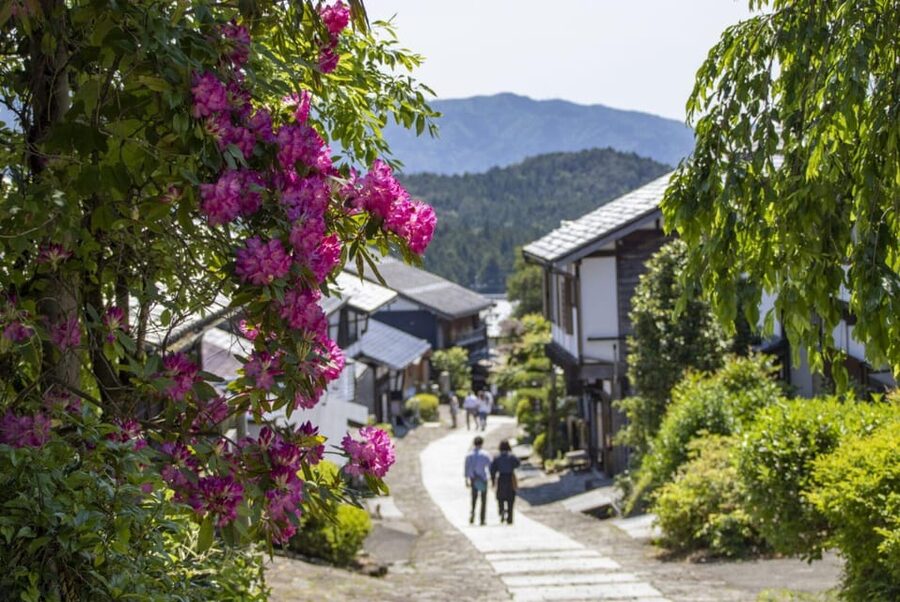
The hike takes roughly three hours, including the guided walk and time to pause along the route. You follow the old road from Tsumago toward Magome, passing through forests and mountain scenery rather than a continuous built-up area.
Expect a mix of surfaces. There can be mud and slippery rocks, along with noticeable rises in elevation. The route is described as not especially difficult, but that does not mean effortless. Eight kilometers on a damp, hilly path asks more from your legs than eight kilometers on a city sidewalk.
Wear proper walking shoes or boots with a firm sole. This is the one packing choice I would not treat casually. Loose sandals, smooth-soled sneakers, or shoes you do not want to get dirty are poor matches for the trail.
The setting is the reward. You see clear streams, waterfalls, wildlife, and long forest sections where the modern world feels far away. The occasional trail bells are part of the experience, and you may notice them near the path. The route has a rural calm that is difficult to find on a standard city excursion.
You will have time to eat during the walk, but do not expect a full restaurant lunch in the middle of the route. Buy a bento box or other food before departure. The limited lunch choices are one of the few practical weak points of the tour, but they are easy to manage if you prepare in Nagoya.
The guides add value by explaining details you might otherwise miss. Past participants have singled out Kim and Mir for clear explanations and a friendly pace. One guide, described as a student of Japanese history and culture, adjusted the speed for two hikers in their mid and late 60s. That suggests a useful strength of a small group: the guide can respond to the people actually walking rather than forcing everyone into a rigid pace.
Still, be honest with yourself. The tour is not suitable for small children according to the activity information, and it may not suit anyone with mobility issues unless you choose the non-hiking option. One family managed the route with a two-year-old in a baby carrier, but that is a special case and not a reason to assume the walk is family-friendly for every child.
More history-led days in Nagoya:
- Nagoya Endoji Food and Cultural Tour
★ 5.0 · 12 reviews - World Heritage Shirakawa-go and Experience Tours from Kanazawa
★ 5.0 · 4,049 reviews - Tokyo: Imperial Palace and Shogun Historical Walking Tour
★ 5.0 · 2,251 reviews - World Heritage Kyoto & Nara Uji Authentic Matcha Experience
★ 5.0 · 1,573 reviews
Magome: a lively finish to the trail
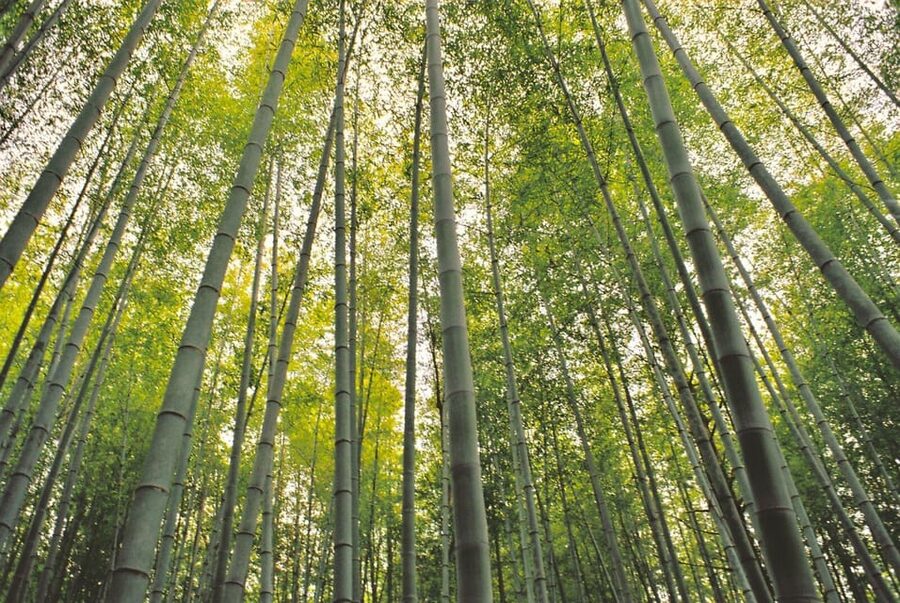
You arrive in Magome-juku after the main hike and have about 45 minutes for a guided visit and free time. The town climbs along a paved section of the old road, with wooden buildings, shops, food, and handmade crafts.
Magome feels more commercial than Tsumago, but that is not necessarily a fault. After several hours in the forest, you may appreciate a place where you can buy a snack, browse souvenirs, and sit down for a moment. The town also gives you a final look at how the Nakasendo route connects scenery, commerce, and settlement.
Use this time sensibly. You can window-shop, sample local fare, or take pictures, but the stop is not long. If you want a leisurely meal, do not count on fitting one into the hiking version of the day. The bus schedule and group meeting time keep the visit moving.
The views around Magome add a pleasant finish. The town looks out toward the valley, and the old road’s uphill layout gives it a different feel from Tsumago. I like ending here because the day progresses from preserved streets to wooded trail to a more active post town.
A bus ride that earns its place
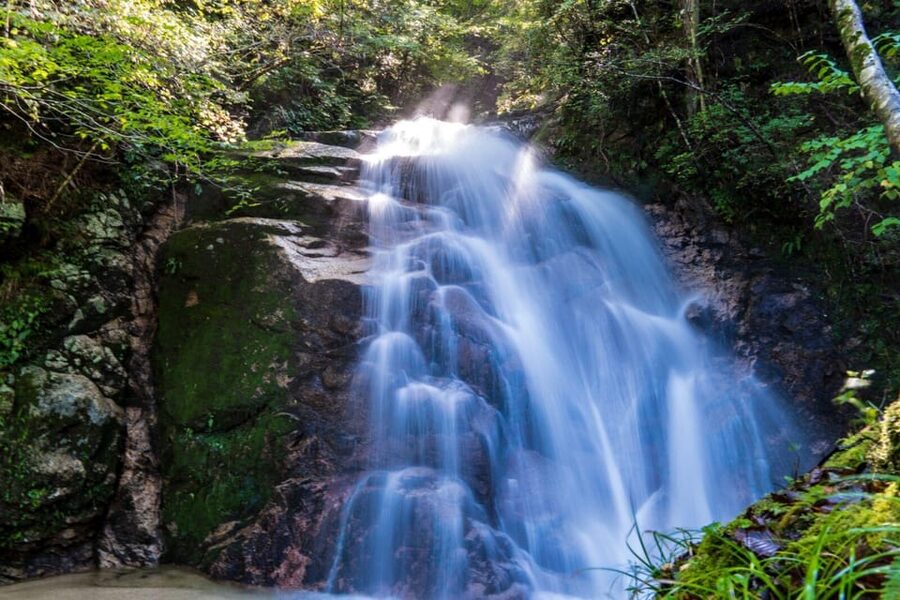
The bus is not the glamorous part of the experience, but it is one of the reasons the tour makes sense. Tsumago and Magome are in the Kiso Valley, well outside central Nagoya. Round-trip transport removes the need to work out regional trains, local buses, and the connection between the two post towns.
The transport is described as comfortable, and the group size is limited to 14 participants. That is a good balance for a full-day outing. You are not packed into a large coach with a microphone-heavy sightseeing routine, but you also are not paying for a private vehicle.
The long first drive is the trade-off. You spend about two hours getting to the trail, so this is not an eight-hour hike. It is an eight-hour day with substantial travel time. I would choose it for convenience and access, not for maximum time on foot.
The small group also helps the guide manage the route. Paula and Kim have led some departures, while Mir has been praised for bringing historical detail to the trail. Driver Iwasaki-san has also been noted for smooth, careful driving. Names and staff can vary by departure, but the pattern is clear: good guiding and steady transport are central to the experience.
Weather, fitness, and what to carry
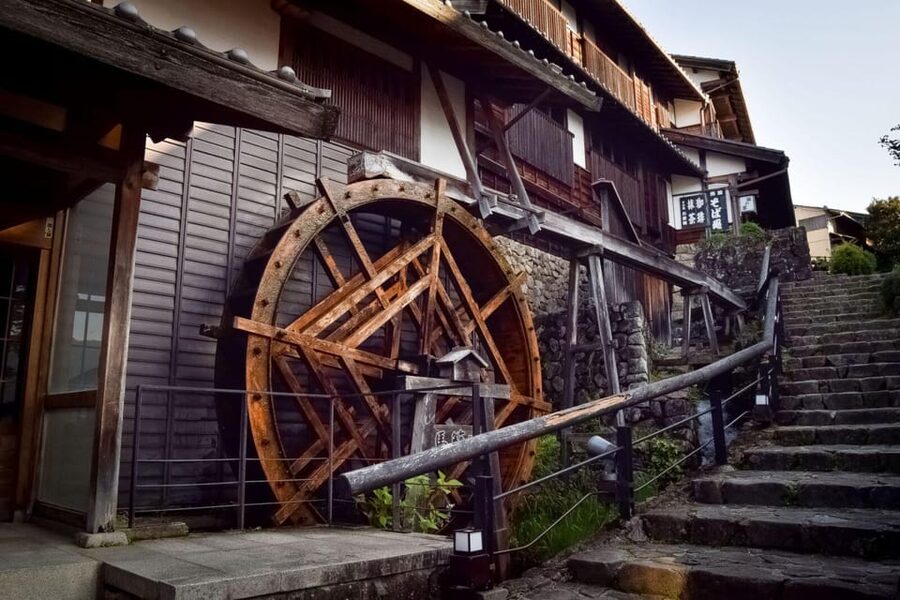
Season can change the character of the walk. In summer, temperatures can reach 35 C or higher, with heavy humidity. Wear light, breathable clothing, protect yourself from the sun, and bring enough water. Heatstroke is a real concern on a hilly trail, even when the route itself is not technically difficult.
Spring and autumn are likely to feel more comfortable for walking, but the supplied information does not promise particular foliage or weather conditions. Check the forecast and dress for the actual day rather than the season printed on your itinerary.
Your basic kit should include:
- A packed bento or other lunch
- Water
- Sturdy walking shoes or boots
- Light, breathable clothing in hot weather
- Sun protection
- Clothing suited to rain or damp trail conditions
The route can include slippery rocks and mud. A walking pole is not listed as required, so I would not treat it as essential, but anyone who normally uses one may find it helpful. The important point is to respect the distance and elevation instead of treating this as a village stroll.
The non-hiking choice for a slower day
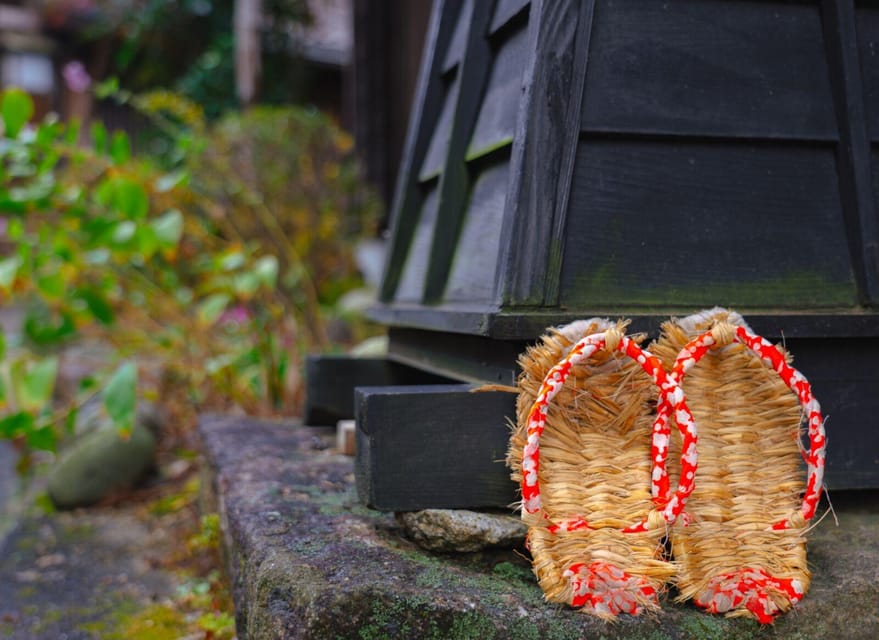
You can select a non-hiking version at checkout. This is not simply a shortened tour. It lets you visit both Tsumago and Magome while avoiding the trail between them.
The day still begins at Nagoya Station at 9:30 A.M. Your guide tours Tsumago and explains life along the old road. After that, you have about an hour to explore Tsumago on your own while the hikers continue on foot.
You then meet the driver and continue to Magome. There, you have time for lunch at a local restaurant, regional food, or handmade souvenirs before rejoining the guide and hikers at 4:30 P.M. for the return trip.
This option makes better sense for families with small children, people with mobility issues, or anyone who prefers time in historic towns over a demanding walk. You lose the forest section, waterfalls, and feeling of traveling the old road under your own power, but you gain a more relaxed schedule and better access to meals and shops.
If an ankle injury or another physical problem appears before the day, contact the company as soon as possible. A previous departure adjusted the plan by offering more time in Tsumago and Magome, along with a traditional Japanese lunch. Do not assume every change can be arranged, but the example shows why early communication matters.
Who should book this Nakasendo day
I would book this tour if you want rural Japan, historic roads, and guided context in one day from Nagoya. It is a strong choice for couples, solo visitors, and small families with older children who can handle several hours of walking.
It also suits older hikers who are active but prefer a guide and transport arranged in advance. The pace has been adjusted for people in their 60s, which is encouraging, though you still need to judge your own fitness.
I would skip the hiking version if you want a relaxed photo stop, dislike long bus rides, or prefer to choose your own restaurants. I would also avoid it in severe summer heat unless you are comfortable walking in high humidity.
At $189, the price is justified mainly by access and organization. The tour gives you a guide in English, Spanish, or French, round-trip transport, a small group, and a route that is awkward to connect independently in a single day. It does not include lunch, hotel pickup, or accommodation, so budget and plan for those separately.
The tour offers free cancellation up to 24 hours before departure and a reserve-now, pay-later option, which helps if your Japan schedule is still shifting.
Should you book it?
Book the hiking version if the Nakasendo is one of your Japan priorities and you want more than a quick look at Tsumago and Magome. The mix of old post towns, forest walking, waterfalls, and clear historical explanation gives the day real substance.
Choose the non-hiking option if you want the architecture and atmosphere but not the physical demand. Either way, arrive early at the Silver Clock, bring lunch for the hiking version, and wear shoes that can handle mud and hills. For a convenient escape from Nagoya’s urban pace, this is a well-balanced choice, provided you understand that the bus ride and the hike are both substantial parts of the day.
FAQ
Where does the tour meet in Nagoya?
The meeting point is at the base of the Silver Clock tower inside Nagoya Station, near the Shinkansen gates. The guide will hold a Snow Monkey Resorts tour sign.
What time does the tour start?
The guide meets the group at 9:30 A.M. Arriving early is recommended because Nagoya Station can be crowded and confusing.
How long is the Nakasendo hike?
The hiking route from Tsumago-juku to Magome-juku is 8 kilometers. The guided hiking portion takes about three hours.
Is lunch included?
No. Lunch is not included, and choices along the trail are limited. Buy a bento box or other food before the tour starts and bring it with you.
How difficult is the trail?
The trail is not described as especially difficult, but it includes more than 8 kilometers of walking, elevation changes, mud, and slippery rocks. Appropriate shoes or boots are required.
Is there a non-hiking option?
Yes. The non-hiking option lets you tour Tsumago, then continue by vehicle to Magome. You receive free time in both towns without walking between them.
Is the tour suitable for small children?
The hiking tour is not considered suitable for small children because of the long walking distance. The non-hiking option is recommended for families with small children.
How long is the drive from Nagoya?
The drive to the Nakasendo trail takes about two hours, with a bathroom stop along the way. The return drive takes about one and a half hours.
What languages are available?
Guides are available in English, Spanish, and French. live tour guide availability depends on the selected departure.
More 1-Day Tours in Nagoya
- Ghibli Park 1-Day Bus Tour from Nagoya
★ 4.5 · 277 reviews - Magome-juku, Tsumago-juku & Ena-kyo 1d Bus Tour from Nagoya
★ 4.6 · 75 reviews - Day Trip for Shirakawago ,Takayama & gujo hachiman from Nagoya
★ 4.0 · 28 reviews - Mt Fuji and Hakone 1-Day Bus Tour Return by Bullet Train
★ 5.0 · 26,383 reviews
Just added around Nagoya
- Walking Small-Group Nagoya City Tour★ 5.0 · 13 reviews
- Nagoya Endoji Food and Cultural Tour★ 5.0 · 12 reviews
- Pub Crawl in Nagoya★ 5.0 · 15 reviews
- Sumo Tournament Experience in Nagoya★ 5.0 · 12 reviews
- Nagoya Street Food Walking Tour of Osu★ 5.0 · 28 reviews
- Nagoya: 2026 Hida Takayama Shirakawa-go Light-up Winter Tour★ 3.5 · 16 reviews
- Private Full-day Nagoya City Tour★ 5.0 · 22 reviews
- Specialties of Nagoya Food Tour★ 5.0 · 12 reviews
Nagoya Tours, compared.


![Hiking the Historic Nakasendo Trail [1 Day Tour from Nagoya]](https://media3.thejapanesetraveller.com/wp-content/uploads/hiking-the-historic-nakasendo-trail-1-day-tour-from-nagoya-400x267.jpg)
Hiking the Historic Nakasendo Trail [1 Day Tour from Nagoya]
Read our review →
Nagoya Highlight Tour guided by a friendly local
Read our review →
Japanese Traditional Sweets making and Tea Ceremony
Read our review →
Magome-juku, Tsumago-juku & Ena-kyo 1d Bus Tour from Nagoya
Read our review →
Nagoya Full-day Private Custom Tour with National Licensed Guide
Read our review →Browse the lists this tour appears in