
Reviewed · IMPERIAL PALACE TOURS
Tokyo: Imperial Palace and Shogun Historical Walking Tour
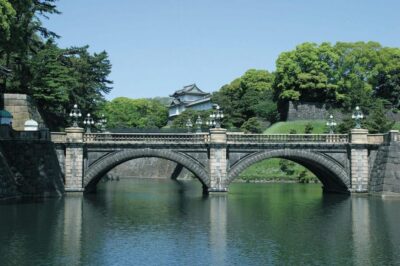
Tokyo’s Imperial Palace East Gardens give you a rare mix of open green space, massive castle walls, quiet ponds, and the remains of Edo Castle’s old keep. The most useful part of this two-hour walking tour is the guide who explains how shoguns, emperors, and modern Tokyo fit together.
I like the small maximum of 15 people, which makes it easier to hear the guide and ask questions. I also like the focus on details you could easily miss alone, from the stone gates and castle foundations to the design of Ninomaru Garden. The main drawback is that the tour depends heavily on the individual guide. Some guides, including Jim, Tony, Miguel, and Izzy, receive especially strong praise, while one departure was criticized for weak communication and another for thin historical detail.
Key points to know before booking
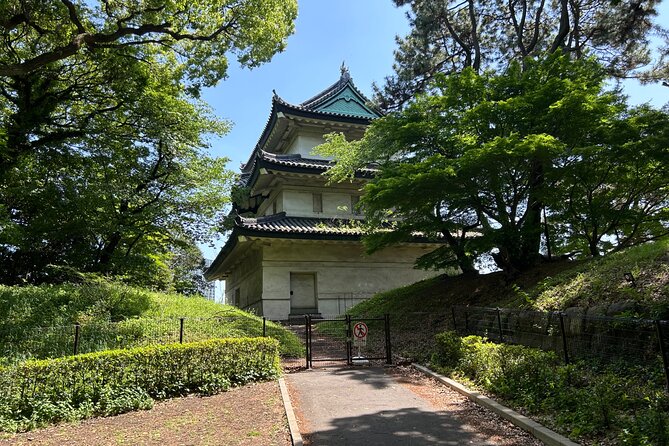
- The tour centers on Edo Castle ruins: You will see old gates, huge stone walls, and the foundation of the former castle keep.
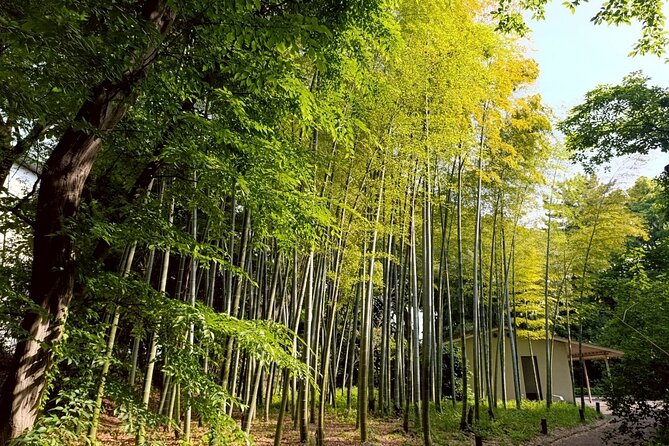
- Ninomaru Garden adds a calmer side: Ponds and seasonal flowers show the refined garden style of the Edo period.
- Guide quality matters: Jim, Tony, Miguel, Blake, Miguel, Lasse, Dylan, and Izzy are among the guides praised for clear stories and useful context.
- The group stays small: The maximum is 15 people, a practical size for a walking tour with questions.
- Expect slopes and steady walking: The tour is not a bus ride or a short photo stop, and some paths rise and fall.
- The gardens are free to visit: You are paying mainly for the explanation, historical setting, and help noticing what you would otherwise pass by.
Why the East Gardens are the right place to learn Tokyo’s past
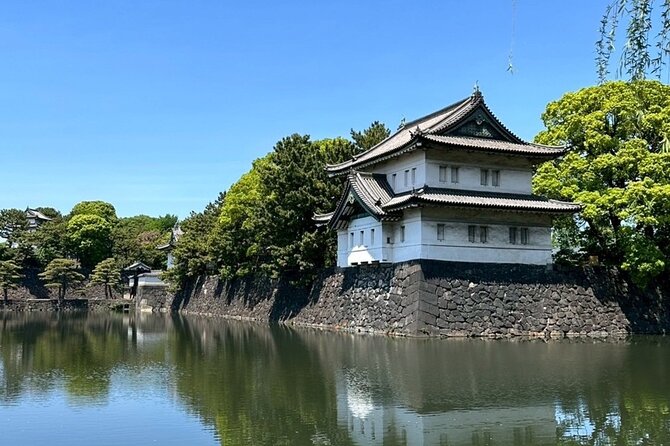
Many first-time visitors see Tokyo as a city of trains, towers, neon, and shopping streets. The Imperial Palace East Gardens give you a different starting point. Here, the modern capital rests on the former grounds of Edo Castle, the political heart of Japan during the shogun era.
That change in setting matters. Instead of hearing about samurai government in a museum room, you can walk through the same broad area where castle gates controlled movement and powerful lords once arrived. The gardens are peaceful now, but the stonework keeps the old power structure visible.
I find this kind of place easier to understand with a guide. A castle foundation can look like a pile of stones if you do not know what once stood there. A guide can turn it into the base of a tower, explain why the walls were built so thick, and connect the site to the larger story of Edo, the shogunate, the emperor, and present-day Tokyo.
The gardens themselves also keep the tour from becoming a nonstop history lecture. You move between formal stonework, open paths, ponds, and planted areas. That contrast gives the walk a relaxed pace, even when the subject turns to politics, war, or the changing role of Japan’s imperial family.
More Imperial Palace visits:
- Tokyo: Imperial Palace Japanese History Walking Tour
★ 4.9 · 987 reviews - Tokyo: Imperial Palace and Shogun Walking Tour
★ 4.9 · 935 reviews - Imperial Palace East Garden and Edo Castle Walking Tour in Tokyo
★ 5.0 · 510 reviews
Meeting at Wadakura Fountain Park
The tour begins at Starbucks Coffee in Kokyo Gaien Wadakura Fountain Park, at 3-1 Kōkyogaien in Chiyoda City. The meeting point is near public transportation, but you should still allow time to reach it. Tokyo’s central districts are easy to navigate once you are oriented, yet large parks and broad palace approaches can take longer to cross than the map suggests.
The activity ends back at the same meeting point. That is useful if you want to continue around the palace area afterward, but it also means you should not plan a tight connection immediately after the walk. A two-hour tour can run close to its stated length, especially when the guide pauses for questions or keeps the group together.
You receive confirmation at booking and use a mobile ticket. The experience is open to most people, though the supplied details do not promise a completely step-free route. Since you will be walking through historic grounds with some slopes, comfortable shoes are the sensible choice.
Stone gates and Edo Castle’s remains
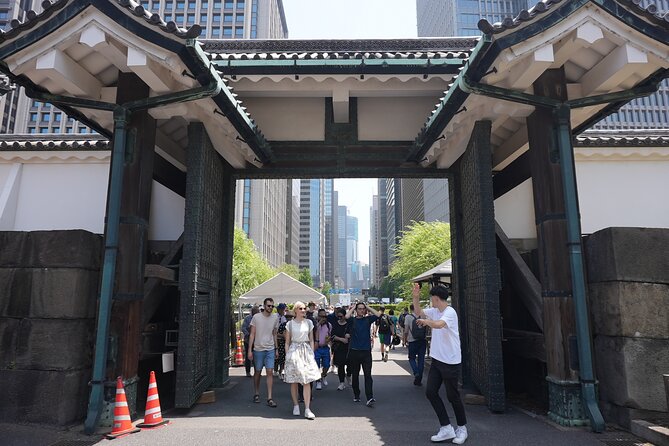
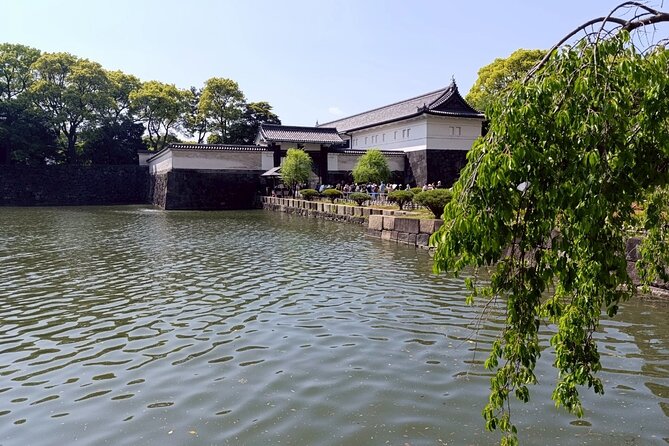
The first major part of the route takes you through imposing stone gates and along the remains of Edo Castle. These are not decorative ruins placed in a separate historical park. They are part of the old castle grounds, woven into the gardens and paths you are exploring.
The scale of the stones helps explain the strength of the former castle. You can see how gates and walls shaped the movement of people, controlled access, and projected authority. The guide’s commentary gives those features a purpose. Without it, you might admire the masonry but miss the political message behind it.
This is also where the tour earns its price for many people. Entry to the East Gardens is free, so the $22 fee is not buying admission to an exclusive monument. You are paying for a person to set the scene, point out the important remains, answer questions, and connect the physical site to Japanese history.
The best guides make those links in a clear, human way. Jim is praised for answering questions patiently and for bringing the perspective of someone who has lived in Japan for many years. Tony is praised for explaining the Edo period, the shogunate, the emperor, and the imperial family. Blake is described as engaging and friendly, while Miguel is noted for combining history, modern Tokyo, and small facts that make the gardens easier to read.
Guide assignments can change, so you should not book on the assumption that one named guide will lead your departure. Still, the repeated praise for several guides gives you a useful sense of the tour’s strongest feature: good storytelling tied to a real place.
Standing on the old castle keep foundation
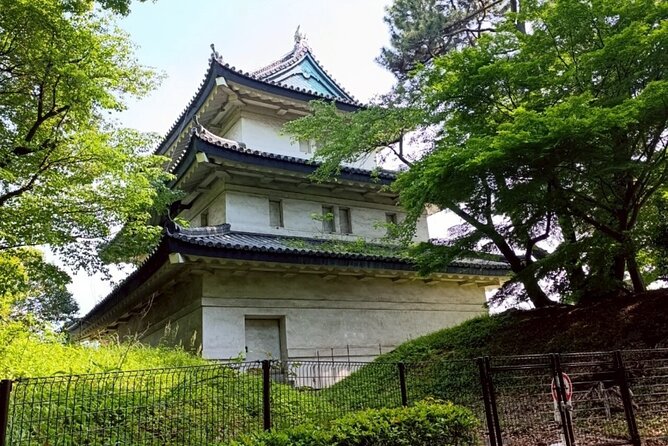
The castle keep foundation is one of the clearest moments on the walk. You stand on the base of what was once the castle’s most important tower and look across grounds that now feel open and calm.
That physical viewpoint helps you picture Edo Castle as more than a name in a textbook. The foundation shows the size and importance of the structure, while the surrounding walls and gates give it a broader setting. A guide can explain what you are seeing and why the keep mattered during the age of shoguns and feudal lords.
This stop may appeal most to you if you enjoy history that is anchored in buildings, streets, and ruins. It is less suited to someone looking only for a grand palace interior. The tour does not promise entry into the private imperial residence or a visit to rooms used by the imperial family. Its focus is the East Gardens and the former castle grounds.
That distinction is worth understanding before you book. You are exploring a public garden with historical remains, not touring the full working palace complex. The experience is about reading the site and its layers, not seeing every part of the imperial compound.
More history-led days in Tokyo:
- Yanaka Walking Tour: Historic and Traditional District of Tokyo
★ 5.0 · 530 reviews - Tokyo: Shinjuku Historical Walking Tour & Secret Backstreets
★ 5.0 · 530 reviews - Mt. Fuji Heritage Tour: Traditional Villages, Lakes & Shrine
★ 4.5 · 509 reviews - From Tokyo: Nikko World Heritage Site Private Full-Day Trip
★ 4.9 · 243 reviews
Ninomaru Garden and the softer side of the walk
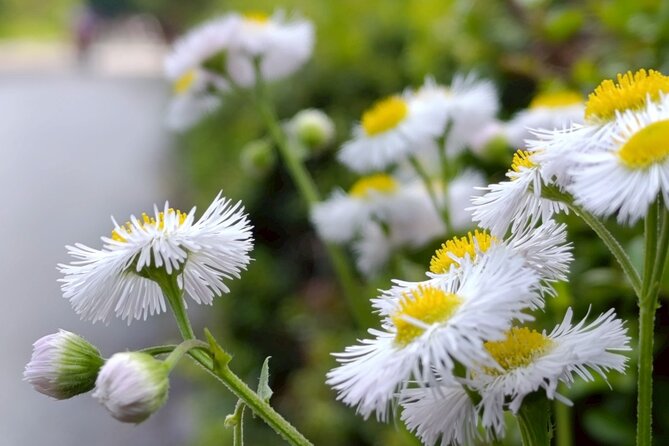
After the castle remains, Ninomaru Garden provides a shift in mood. Ponds and seasonal flowers reflect the careful garden design associated with the Edo period. The setting is quieter and more refined than the heavy gates and defensive walls.
I like this part because it shows that the old castle grounds were not only about military power. Japanese garden design uses water, planting, spacing, and controlled views to create a sense of order. Your guide can explain how these elements fit the period and the culture, rather than leaving you to take a few photographs and move on.
The garden also makes the tour appealing to people in a mixed group. A history fan can focus on the shogunate and castle remains, while someone more interested in plants, ponds, and quiet corners gets a rewarding change of pace.
Do not expect a long, leisurely garden stroll with unlimited time at each pond. The full activity lasts about two hours, and one section of the stated route is about 1 hour 30 minutes. Some guides spend a long time at individual stops. That can be useful if you want detail, but one guest found the explanations repetitive and felt that the pauses became too long.
How much history will you hear?
This is a history-focused walk, not a casual orientation with only a few facts. You can expect discussion of the Edo period, the shogunate, castle life, the emperor, the imperial family, Japanese culture, and the way old Tokyo relates to the modern city.
Several guide styles appear in the available feedback. Jim is praised for weaving architecture, history, and culture into one story. Tony is praised for placing the palace grounds within the story of the shoguns and emperors. Lasse is described as passionate about Japanese history, and Izzy receives praise for clear explanations.
One practical tip: arrive ready to listen. You do not need to study Japanese history beforehand, but basic familiarity with the words shogun, emperor, Edo, and imperial family may help you follow the story. One comment specifically advises visitors to be prepared for a history class. That is a fair description, especially if your guide likes detail.
The upside is real context. You learn why the site matters instead of simply checking the Imperial Palace off your list. The downside is that the experience may feel too academic if you want a fast-paced walk with brief commentary. Ask questions if you prefer a more conversational style, and keep in mind that the amount of detail depends on who leads your group.
Small-group size, walking pace, and comfort
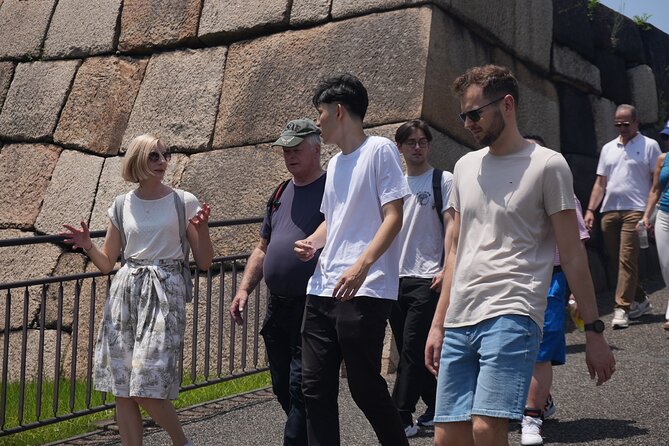
The maximum group size is 15. That is small enough for a guide to gather everyone at each stop and answer questions without needing a microphone. Tony is specifically praised for making sure the group was together before moving on, an important habit in a large city.
A smaller group also helps at gates, viewpoints, and narrow garden paths. You are less likely to spend the whole tour trying to keep sight of a guide at the front. Still, the group size is a maximum rather than a promise that every departure will feel intimate.
This is a walking tour in the plainest sense. You will cover historic grounds on foot, encounter some slopes, and spend time standing while the guide explains the site. The pace is described as easy by one person, but another advises you to be prepared for walking and inclines.
I would choose this tour early in a Tokyo visit if you want a framework for later sightseeing. It can also work near the end of your stay, when you have seen the modern city and want to understand its political and historical foundations. Wear shoes you can walk in comfortably and avoid booking it when you need to rush to another appointment.
Is $22 a good value?
At $22 per person, this is a modestly priced guided experience for central Tokyo. The East Gardens themselves can be visited for free, so the value depends on how much you want explanation rather than simple access.
I think the fee is reasonable if you want help with the castle remains, a guide who can answer questions, and a clear account of the site’s place in Japanese history. It is especially useful for a first visit, when the difference between Edo Castle, the imperial palace, the shogunate, and the modern imperial family may not yet be clear.
If you already know Japanese history well, you may prefer to walk the gardens independently. You can set your own pace, linger at the ponds, and skip long explanations. The guided option is better for you if you want the setting to make sense and enjoy learning from a person on site.
The 99 percent recommendation rate and 5 out of 5 rating from 2,251 reviews point to strong overall satisfaction, but they should not erase the practical warning about guide variation. One person had a serious meeting-point communication problem and missed part of the site after being redirected. Another felt a newer guide lacked historical detail. Those are not the usual outcome suggested by the overall score, but they show why you should double-check the meeting instructions and arrive early.
Free cancellation is available if you cancel at least 24 hours before the start time. Changes or cancellations inside that window are not accepted for a refund, and the cut-off follows Tokyo local time.
Who should book this Imperial Palace walk?
I would recommend it to you if you enjoy history, architecture, gardens, and guided walks that explain what you are looking at. It is a good match for first-time Tokyo visitors who want an introduction to the city’s older political story without committing to a full-day museum program.
Families and mixed-age groups may also like the manageable length, provided everyone is comfortable walking and standing. The small group makes it easier to ask a question without interrupting a large crowd.
You may want to skip it if you want access to the palace interiors, a private imperial-family visit, or a quick photo stop. You should also think twice if you dislike long historical explanations. The tour’s strongest quality is its commentary, so that same strength becomes a weakness if you want to explore in silence.
Final verdict: book it for context, not palace access
Book this tour if you want the East Gardens to tell you a story. The stone gates, castle foundation, walls, and Ninomaru Garden are pleasant to see on their own, but a strong guide makes the connections clear. Jim, Tony, Miguel, Blake, Lasse, Dylan, and Izzy are all praised for different versions of that strength, from patient answers to lively stories and modern cultural advice.
At $22, you are paying for interpretation rather than admission. For most visitors interested in Tokyo’s past, that is a fair trade. Just arrive early at the Wadakura Fountain Park meeting point, expect real walking and some slopes, and understand that the tour covers the grounds rather than the palace interiors.
FAQ
How long does the Imperial Palace and Shogun Historical Walking Tour last?
The experience lasts approximately two hours. The East Gardens and Edo Castle section is listed as about 1 hour 30 minutes, with the remaining time allowing for walking and the guided experience.
Where does the tour meet?
The meeting point is Starbucks Coffee in Kokyo Gaien Wadakura Fountain Park, at 3-1 Kōkyogaien, Chiyoda City, Tokyo 100-0002, Japan.
Where does the tour finish?
The activity ends back at the same meeting point.
What does the tour include?
The tour includes guided access to the Imperial Palace East Gardens, the Edo Castle ruins, castle gates and walls, the former keep foundation, and Ninomaru Garden. Commentary covers Japanese history, the shogunate, the emperor, and the imperial family.
How large is the group?
The group has a maximum of 15 travelers.
Do I need to prepare for much walking?
Yes. This is a walking tour through the palace gardens and former castle grounds. The route includes some slopes, so comfortable walking shoes are advisable.
Can I cancel for a full refund?
Yes, if you cancel at least 24 hours before the experience begins. Cancellations or changes made less than 24 hours before the start time are not accepted for a refund.
More Walking Tours in Tokyo
- Tokyo Tsukiji Fish Market Food and Culture Walking Tour
★ 5.0 · 3,184 reviews - Tokyo: Shinjuku Local Bar and Izakaya Guided Walking Tour
★ 4.9 · 1,794 reviews - Tokyo: Tsukiji Fish Market Food and Walking tour
★ 5.0 · 1,724 reviews - Tokyo: Asakusa Walking Tour with Sensoji Temple Visit
★ 4.8 · 1,583 reviews
Just added around Tokyo
- Private Arrival Transfer : Narita International Airport to Central Tokyo City★ 4.5 · 12 reviews
- Narita Airport(NRT): Private Transfer to Tokyo/Yokohama 1-9pax★ 5.0 · 47 reviews
- Private Transfer from Narita Airport to Yokohama Port and City★ 4.5 · 17 reviews
- [Narita Airport Terminals 1, 2] 40-60km Sawara Itako Historic Bike Tour★ 5.0 · 13 reviews
- 3 Day Japan Highlights Tour: Tokyo, Mt.Fuji, Nara, Kyoto, Osaka★ 5.0 · 22 reviews
- Small Town in the Big City: Tasting Tokyo’s Kichijoji★ 5.0 · 195 reviews
- Small Town in the Big City: Tasting Tokyo’s Kichijoji★ 5.0 · 16 reviews
- The 10 Tastings of Tokyo With Locals: Private Street Food Tour★ 5.0 · 48 reviews
Imperial Palace Tours, compared.
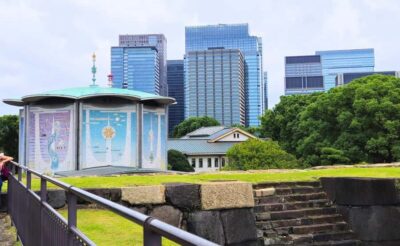

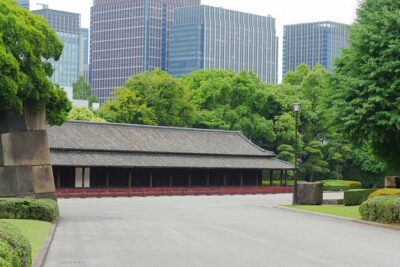
Imperial Palace East Garden and Edo Castle Walking Tour in Tokyo
Read our review →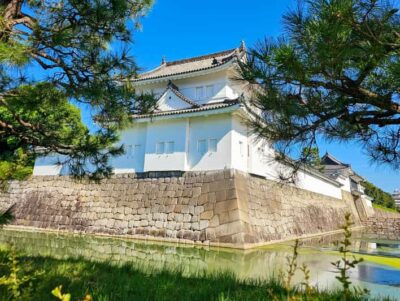
Imperial Palace & Nijo Castle Guided Walking Tour
Read our review →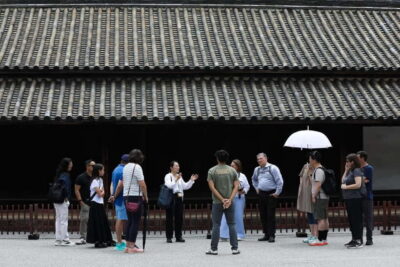
Imperial Palace, Sensō-ji Temple, & Tokyo Tower Tour
Read our review →
Tokyo Castle, Imperial Palace, Shogun & Garden Walking Tour
Read our review →
Edo Castle & East Garden of the Imperial Palace Tour
Read our review →Browse the lists this tour appears in