
Reviewed · TOKYO TOURS
Tokyo: Asakusa Walking Tour with Sensoji Temple Visit
Asakusa gives you Tokyo at its most immediately recognizable: a giant red lantern at Kaminarimon, or Thunder Gate, a straight approach lined with souvenir shops, and the smoke and sweeping rooflines of Sensoji Temple. This two-hour walk also takes you beyond the main photo stops, into Hoppy Street and the Shin-Nakamise shopping arcade.
I like the way the tour links Buddhist and Shinto sites rather than treating Asakusa as one big temple complex. I also like the practical food advice, since guides such as Aya, Keiko, Hiroko, and Polina have pointed visitors toward places to eat after the tour. The main drawback is that Asakusa can be crowded, and two hours gives you a useful introduction rather than time for a slow, detailed look at every shop and building.
Key points at a glance
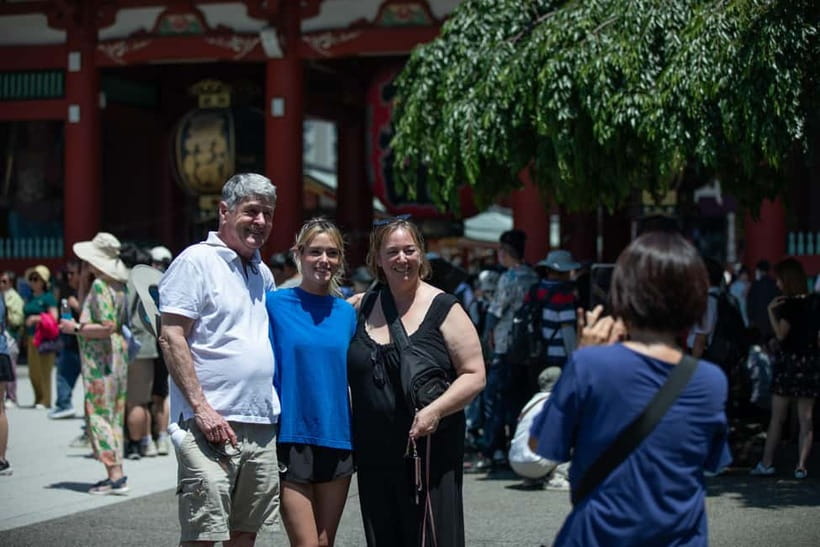
- Kaminarimon sets the scene: Meet beside the enormous Thunder Gate lantern, one of Tokyo’s clearest visual introductions.
- Nakamise Street connects the gate and temple: Browse one of Japan’s oldest shopping streets while your guide explains the area.
- Sensoji is the main event: Expect time for photos, a guided visit, free time, and an explanation of incense-burning customs.
- Asakusa Shrine adds a second tradition: The route helps you understand the difference between Buddhist and Shinto places.
- Food streets finish the walk: Hoppy Street and Shin-Nakamise offer useful ideas for lunch and local snacks.
- The price is modest: At $22 per person, the tour is good value if you want context and orientation, not just photographs.
Why Asakusa is a smart first stop in Tokyo
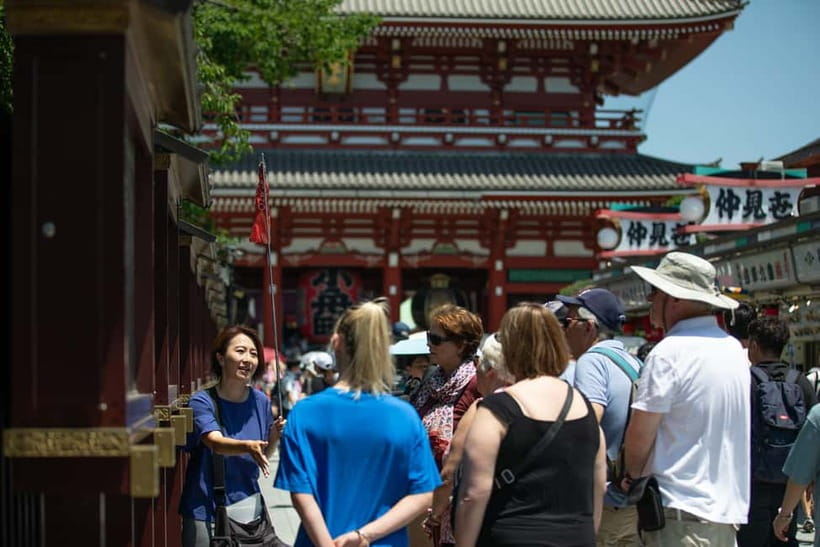
Tokyo can feel enormous and hard to read when you first arrive. Asakusa is easier to grasp. The route is compact, the major sights are close together, and the guide gives you a framework for understanding what you are seeing.
The district also shows a side of Tokyo that feels different from the tall buildings and neon associated with places such as Shibuya or Shinjuku. Here, the focus is on temple gates, religious customs, old shopping streets, traditional crafts, and small food businesses. You still see modern Tokyo around you, but the old district gives the walk a clear identity.
I especially value this kind of introduction early in a Japan trip. A guide can explain how to approach a temple, what the incense is for, and why a shrine visit feels different. You do not need prior knowledge of Japanese religion to follow along, and the explanations help you look at later temples and shrines with more confidence.
The tour is conducted in English and lasts two hours. That is long enough to cover the central sights without turning the morning into an exhausting march. It is also short enough to pair with lunch in Asakusa, which is one reason the finish point near Azuma Bridge works well.
More walking tours in Tokyo:
- Tokyo Tsukiji Fish Market Food and Culture Walking Tour
★ 5.0 · 3,184 reviews - Tokyo: Imperial Palace and Shogun Historical Walking Tour
★ 5.0 · 2,251 reviews - Tokyo: Shinjuku Local Bar and Izakaya Guided Walking Tour
★ 4.9 · 1,794 reviews
Meeting at the Thunder Gate
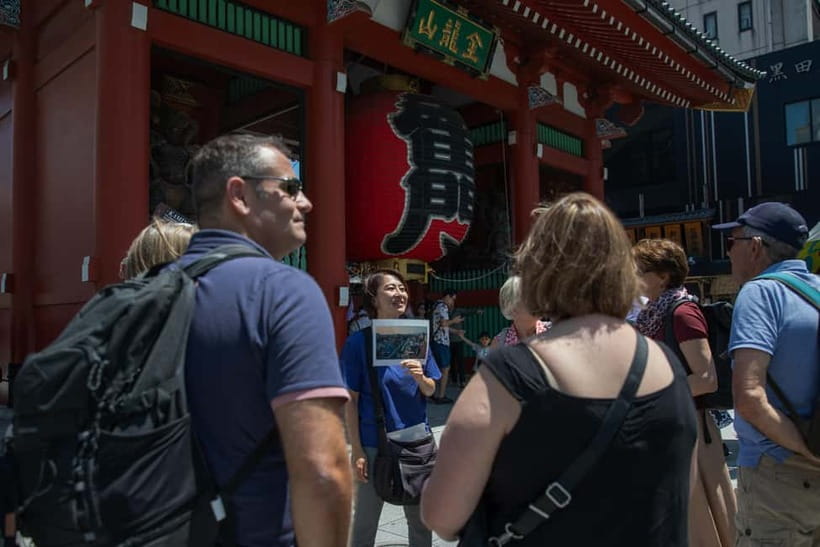
The tour begins in front of Kaminarimon Gate, on the left side near Tokiwado Kaminari-okoshi Honpo. Your guide holds a sign, so the meeting point should be clear once you are in front of the gate.
Arrive early. The instructions are direct about late arrivals, and the guide cannot hold up the group for long. This matters at Kaminarimon because the area is busy, the gate is large, and several nearby streets can look similar if you are hurrying.
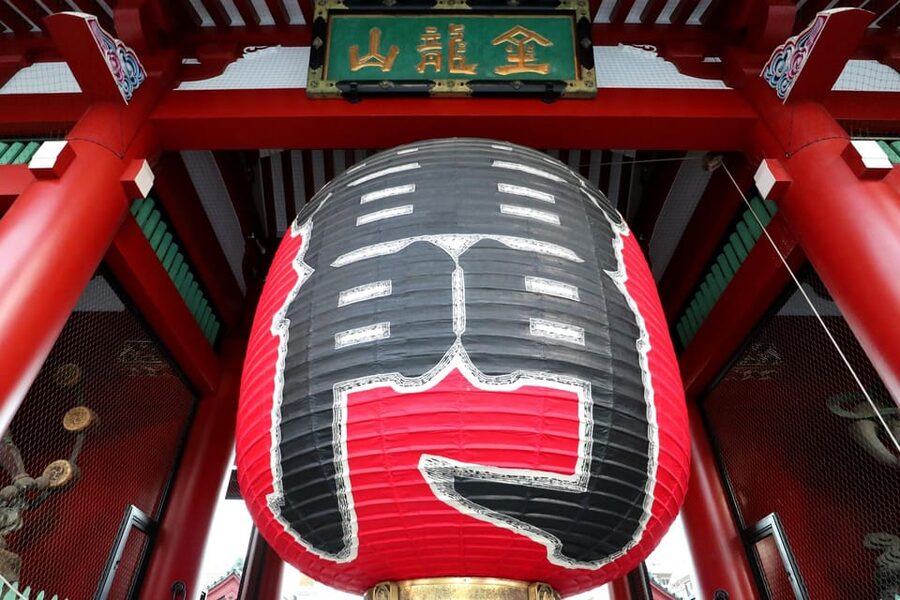
The gate itself deserves a few minutes before the walk moves on. Its huge lantern gives you the classic Asakusa photograph, but the guide adds the useful layer: this is not simply a decorative entrance. It marks the approach to Sensoji and sets the religious tone of the district.
The first guided stop lasts about 10 minutes. That may sound brief, but it is a sensible opening. You get the basic story and orientation without standing in one place while the crowd gathers around you.
Nakamise Street, Japan’s old shopping approach
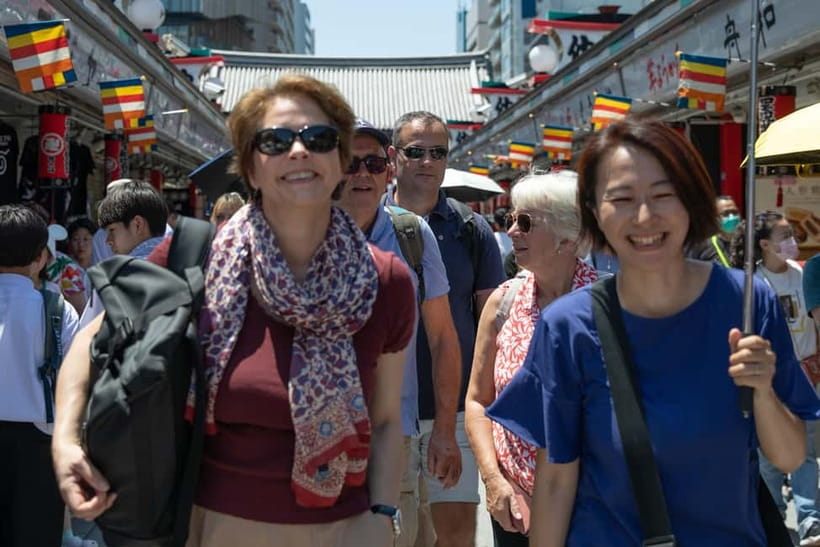
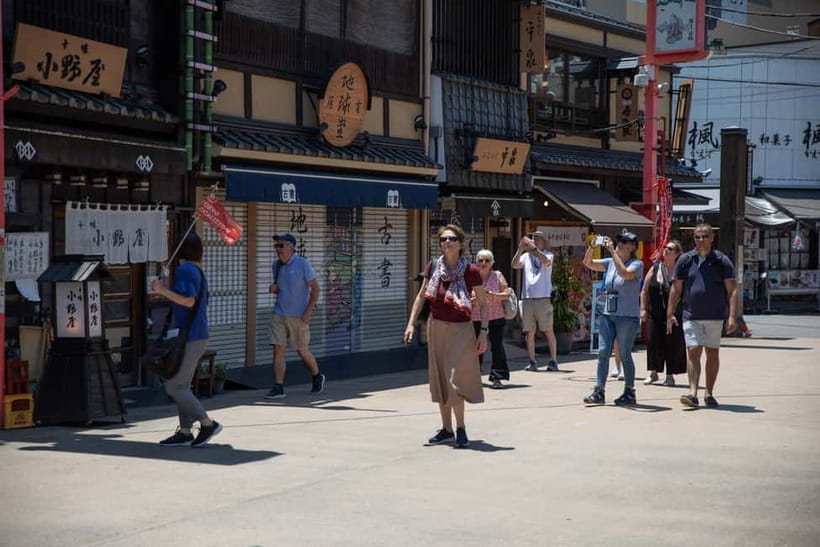
From Kaminarimon, you walk along Nakamise Shopping Street. The street leads toward Sensoji and is one of the oldest shopping centers in Japan.
This is where a guide earns the $22 fee quickly. On your own, you might see rows of colorful shops and assume they are simply aimed at tourists. With explanations, you can pay closer attention to traditional crafts, small gifts, sweets, and the way the street functions as part of the approach to the temple.
The official guided time here is about 15 minutes. That is enough to understand the street and note shops you may want to revisit later. It is not enough for a serious shopping session, so keep your wallet and shopping list for after the walk.
You should also expect a crowded pedestrian setting. Nakamise is one of Asakusa’s main draws, and the walk is not a quiet backstreet stroll. Stay close enough to hear the guide, especially if you are traveling with children or anyone who walks more slowly.
Sensoji Temple and the incense ritual
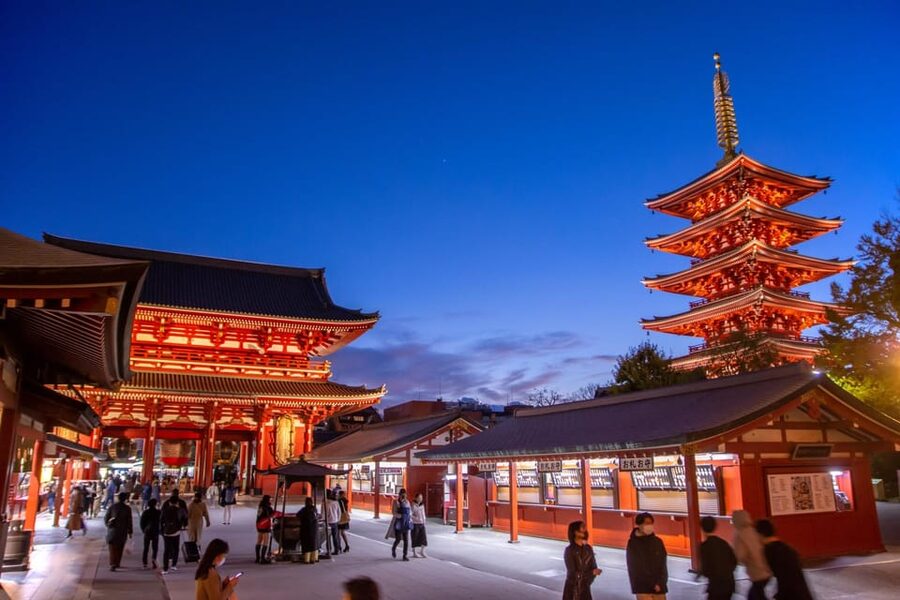
Sensoji, also called Asakusa Kannon, is the heart of the tour. It is described as Tokyo’s oldest Buddhist sanctuary, and the temple’s scale and ornate details make it the stop where the district’s past feels most visible.
You receive a guided visit, a photo stop, and free time here, with roughly 30 minutes allocated. That balance is important. The guide can explain the temple’s cultural and spiritual meaning, then you have a moment to look around at your own pace instead of being hurried from one explanation to the next.
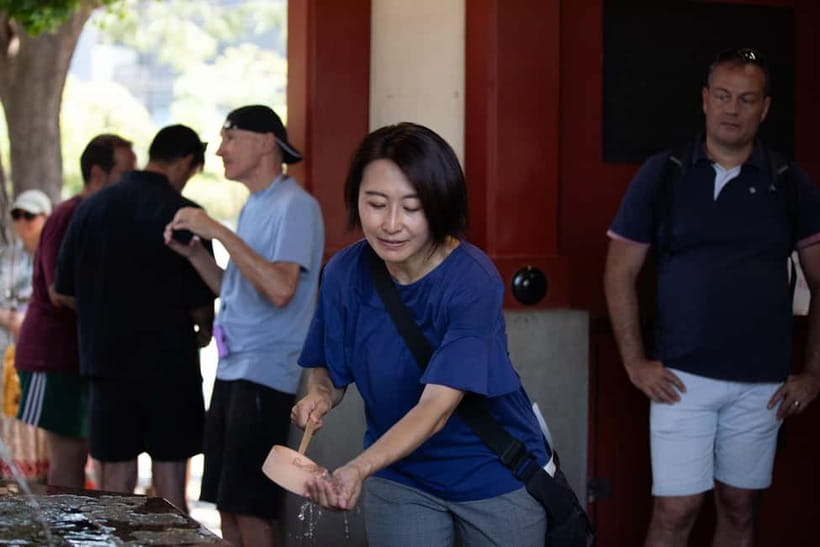
One detail worth paying attention to is the incense-burning ritual. Your guide explains how to take part, giving you more than a quick photograph of smoke rising near the temple. This is a small but valuable part of the experience because it lets you engage with the site respectfully rather than treating it only as scenery.
The temple visit also gives you room to ask questions. Guides including Aya, Hiroko, Keiko, and Polina have been praised for explaining architecture, traditions, stories, and local customs in clear English. Several guides are also described as patient with questions and attentive to the pace of the group.
Do not expect a full temple study tour. Thirty minutes passes quickly, and Sensoji has many details. If you want more time for photographs, quiet observation, or shopping along Nakamise, plan to return after the guided walk.
A few more Tokyo half-days to weigh up
- Mt Fuji and Hakone 1-Day Bus Tour Return by Bullet Train
★ 5.0 · 26,383 reviews - 1-Day Tokyo Bus Tour
★ 5.0 · 14,250 reviews - Tokyo: TOKYO SKYTREE® Admission ticket
★ 4.5 · 11,192 reviews - Tokyo: teamLab Planets TOKYO Digital Art Museum Entry Ticket
★ 4.6 · 9,779 reviews
Asakusa Shrine and the difference between Buddhist and Shinto sites
The next major stop is Asakusa Shrine, with about 20 minutes for a visit, photos, and guided explanation.
This is one of the best features of the route. Seeing Asakusa Shrine after Sensoji lets you compare two religious traditions in one compact area. The guide can point out the cultural differences and explain why both sites matter to Asakusa.
The stop also prevents the tour from becoming a single-sight temple visit. You are not just shown the most famous gate and main hall, then sent away. Instead, you get a broader sense of how religious places fit into the district.
The exact amount of free time can feel limited if you are taking many photos. Still, the 20-minute allocation gives the guide enough room to explain the shrine and answer questions, while keeping the overall walk within two hours.
If you are traveling with children or a teenager, this is a useful point to keep the visit engaging. Guides have been praised for adjusting explanations for younger participants and pointing out details that hold their attention.
Hoppy Street and the everyday side of Asakusa
After the temple and shrine, the route turns toward Hoppy Street for about 10 minutes.
This part shows Asakusa as a place where people eat, meet, and spend time, not just a historic district built for sightseeing. The street is associated with casual food and drinking spots, and your guide can help you notice the difference between the formal temple approach and the more relaxed atmosphere nearby.
The visit is short, so think of Hoppy Street as an introduction rather than a food crawl. Food and drinks are not listed as included, and the tour price covers the walk and guide only. If you want to eat here, save the details and return after the tour.
This is also where the guide’s local recommendations become practical. Several guides have offered suggestions for restaurants and things to do later in the day. Since the walk finishes around lunchtime for some departures, you can use the final advice immediately.
Shin-Nakamise for shops and lunch ideas
The final shopping stop is Shin-Nakamise Shopping Street, also called 浅草新仲見世商店街. The guided visit lasts about 10 minutes.
This arcade adds another layer to Asakusa’s shopping scene. Nakamise is the famous temple approach, while Shin-Nakamise gives you another set of shops and food options to consider. The short stop helps you get your bearings without asking you to spend the rest of the day following a fixed route.
I would pay attention to the guide’s recommendations here. The most useful part may not be a specific shop name, but learning which streets to revisit when you are ready for lunch, snacks, or small souvenirs.
The tour ends at Azuma Bridge. That is a useful finish because you are no longer tied to the temple entrance. You can continue exploring, return to a shop you noticed earlier, or look for a restaurant in the surrounding area.
What the guides add to the experience
The guide is the main reason to choose this walk instead of simply following a map around Asakusa. The route itself is easy to identify, but the meaning behind the places is less obvious.
The guide roster includes Aya, Keiko, Hiroko, Polina, Glenda, Miyu, Mei, Loc, Rio, and others. The strongest pattern in the feedback is not one single personality or scripted style. It is the repeated praise for clear English, cultural explanations, patience, humor, and useful advice beyond the planned route.
Aya is often described as attentive and especially good at explaining temple traditions, architecture, stories, and nearby places to eat. Keiko is noted for keeping everyone within hearing distance, responding to questions, and making children feel included. Hiroko is praised for patience, good English, and an entertaining approach.
Other guides bring different strengths. Glenda is described as energetic and strong on Japanese history and culture. Rio used extra charts and information during one tour. Polina combined historical explanation with modern food suggestions.
That range means the exact feel may depend on who leads your departure. Still, the repeated strengths point to what you can reasonably expect: a friendly English-speaking guide who helps you understand the district and offers ideas for the rest of your Tokyo stay.
Is two hours long enough?
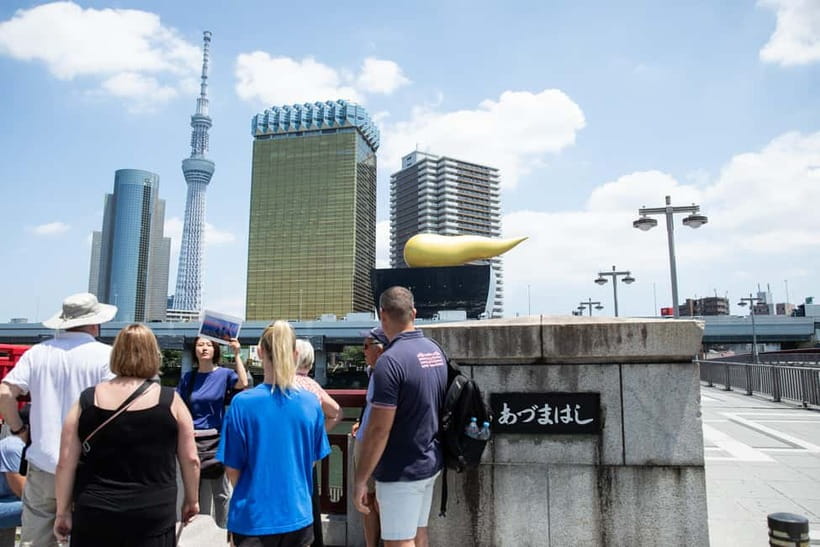
Two hours is enough for a first look at Asakusa, but not enough to see everything in depth.
The schedule gives about 10 minutes at Kaminarimon, 15 minutes on Nakamise Street, 30 minutes at Sensoji, 20 minutes at Asakusa Shrine, 10 minutes on Hoppy Street, and 10 minutes at Shin-Nakamise. That leaves time for walking between stops and for questions.
The pace appears designed to be comfortable, with opportunities for photographs and free time at Sensoji. Even so, the district can be crowded, and moving as a group may take longer than walking alone.
I would book this as an orientation tour, then decide what deserves a second visit. If you want a slow photographic morning or a long shopping session, explore independently afterward. If you want someone to explain the religious and cultural setting, two hours is a well-judged length.
Price, cancellation, and practical value
At $22 per person, this is an inexpensive guided introduction to one of Tokyo’s essential districts. The price includes the walking tour and English-speaking guide, but not food, drinks, transport, or shopping.
The value is strongest if you are new to Tokyo, unsure how to approach Buddhist and Shinto sites, or interested in local context rather than a list of photo stops. The guide’s restaurant suggestions can also save time when the walk ends.
You can cancel up to 24 hours in advance for a full refund, and the reserve-now, pay-later option keeps the booking flexible. The activity is wheelchair accessible, though the provided details do not explain the exact route surface or any access arrangements at each site, so ask the operator if you need specific mobility information.
Wear comfortable shoes and arrive early at Kaminarimon. Bring water, keep your camera ready, and leave some room in your schedule for lunch or a return visit to the shops.
Who should book this Asakusa walk?
I recommend it for first-time visitors to Tokyo, couples who want a short cultural outing, families looking for a manageable introduction, and anyone who prefers to understand a place before exploring it alone.
It is also a good choice if you have only half a day in Asakusa. You see the major religious sites, two shopping areas, and a food street without committing to a full-day tour.
You may prefer independent exploring if you dislike group pacing, want to shop for hours, or already know Sensoji and Asakusa well. The route is straightforward enough to repeat on your own, and the free time at the main temple is limited.
Should you book the Tokyo Asakusa walking tour?
Book it if you want strong cultural context at a low price. The tour turns Kaminarimon, Nakamise, Sensoji, Asakusa Shrine, Hoppy Street, and Shin-Nakamise from a sequence of attractive sights into a connected story.
I would especially choose it near the start of a Japan trip. The guide’s explanations of customs, religious places, and local food give you useful habits for the days ahead. Just remember that this is an introduction, not a slow archaeological or food tour.
For $22 and two hours, it offers a practical way to get oriented, ask questions, and leave with a better plan for the rest of your time in Asakusa.
FAQ
Where does the Asakusa walking tour start?
The tour starts in front of Kaminarimon Gate, on the left side near Tokiwado Kaminari-okoshi Honpo. The guide will be holding a sign.
Where does the tour finish?
The walk finishes at Azuma Bridge.
How long does the tour last?
The tour lasts two hours.
What language is the tour offered in?
The live guided tour is offered in English.
What sights are included?
The route includes Kaminarimon, Nakamise Shopping Street, Sensoji Temple, Asakusa Shrine, Hoppy Street, and Shin-Nakamise Shopping Street.
Is Sensoji Temple included in the tour?
Yes. The visit includes a guided tour, photo opportunities, and free time at Sensoji Temple. The schedule allows about 30 minutes there.
Is the tour wheelchair accessible?
Yes, the activity is listed as wheelchair accessible.
What is included in the $22 price?
The price includes the walking tour and guide. Food, drinks, shopping, and other personal expenses are not listed as included.
Just added around Tokyo
- Private Arrival Transfer : Narita International Airport to Central Tokyo City★ 4.5 · 12 reviews
- Narita Airport(NRT): Private Transfer to Tokyo/Yokohama 1-9pax★ 5.0 · 47 reviews
- Private Transfer from Narita Airport to Yokohama Port and City★ 4.5 · 17 reviews
- [Narita Airport Terminals 1, 2] 40-60km Sawara Itako Historic Bike Tour★ 5.0 · 13 reviews
- 3 Day Japan Highlights Tour: Tokyo, Mt.Fuji, Nara, Kyoto, Osaka★ 5.0 · 22 reviews
- Small Town in the Big City: Tasting Tokyo’s Kichijoji★ 5.0 · 195 reviews
- Small Town in the Big City: Tasting Tokyo’s Kichijoji★ 5.0 · 16 reviews
- The 10 Tastings of Tokyo With Locals: Private Street Food Tour★ 5.0 · 48 reviews
Tokyo Tours, compared.

Mt Fuji and Hakone 1-Day Bus Tour Return by Bullet Train
Read our review →
teamLab Planets TOKYO Digital Art Museum Entry Ticket
Read our review →
Mt Fuji & Hakone Cruise, Drum Show Bullet Train 1 Day from Tokyo
Read our review →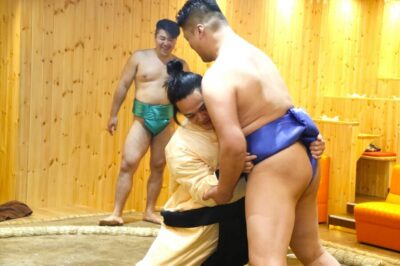
Sumo Show Experience with Chicken Hot Pot and a Photo
Read our review →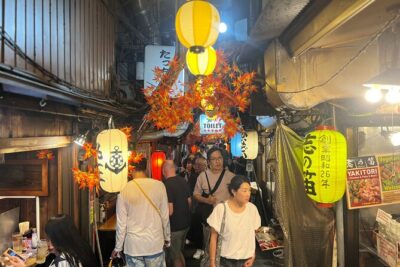
Shinjuku Food Tour (13 Dishes at 4 Local Eateries)
Read our review →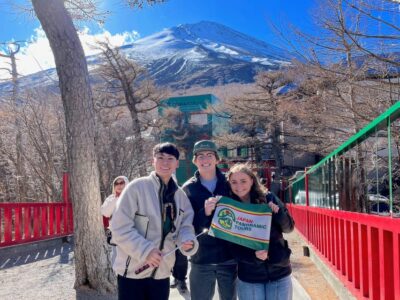
Tokyo Mt Fuji 5th St & Hakone Cruise Bus Tour w/Bullet Train
Read our review →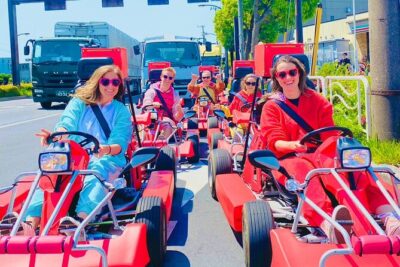
Flagship 2-Hours Official Street Go-Kart Tour – Tokyo Bay Shop
Read our review →Browse the lists this tour appears in