
Reviewed · IMPERIAL PALACE TOURS
Tokyo Castle, Imperial Palace, Shogun & Garden Walking Tour
Tokyo’s Imperial Palace is not a single grand palace waiting behind open doors. It is a huge historic compound where Edo Castle ruins, stone walls, gardens, and quiet paths tell much of the story. This two-hour walk takes you through the East Gardens, where a guide explains what you are seeing and fills in the gaps left by the buildings that no longer exist.
I like the small-group format, with the booking information stating a maximum of 10 people, and I like the way the tour links samurai-era power to modern Tokyo. Guides including Mika, Natsumi, Lakki, and Nicolas are praised for clear English, useful maps and images, and good photo help. The main drawback is simple: you do not enter the Emperor’s private palace, and some visitors may find the remaining ruins less impressive than expected.
Key points at a glance
- Edo Castle’s stone foundations: See the surviving base of a palace destroyed centuries ago.
- Ōtemon Gate and guardhouse ruins: Enter through the historic gateway and learn how the castle was defended.
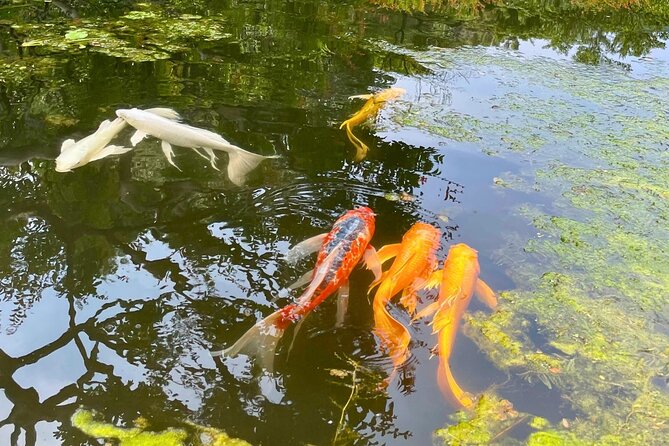
- Ninomaru Garden and koi ponds: Enjoy a calm garden pause amid central Tokyo.
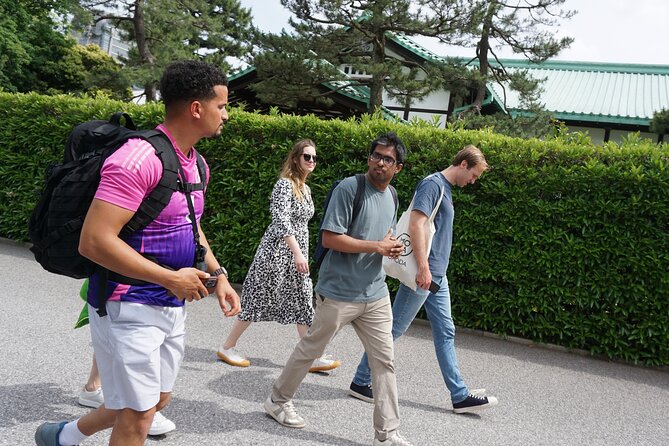
- Small group of up to 10 people: Easier to hear the guide and ask questions than on a large city tour.
- History brought to life: The walk connects shoguns, emperors, Edo, and modern Tokyo.
- Two hours for $31.84: A fair price if you want context, less so if you only want grand buildings.
What this Imperial Palace walk really shows you
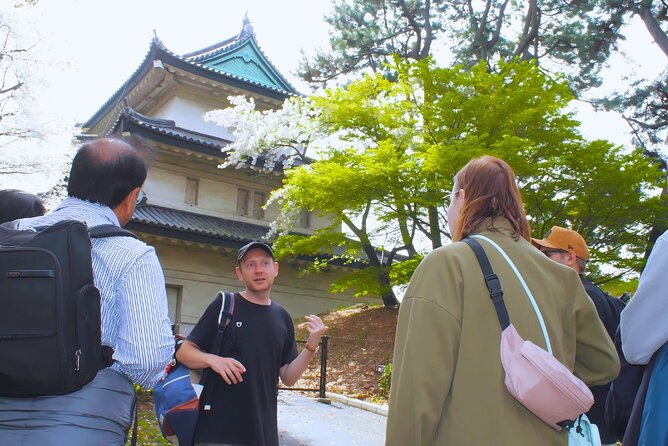
This tour is best understood as a guided history walk, not a palace-interior visit. You see the public East Gardens of the Imperial Palace, built on the former grounds of Edo Castle, and learn how the site changed from the seat of shogun power to the home of Japan’s imperial family.
That distinction matters. The Imperial Palace itself is not open to the public, and the main palace buildings are not part of this experience. The tour instead visits Ōtemon Gate, old guard facilities, castle defenses, stone ramparts, garden paths, and the remaining base of Edo Castle.
I think a guide adds real value here. Without explanation, a broad stone platform can look like little more than a large wall and a patch of grass. With maps, photographs, and stories about the Edo period, you can picture the castle that once occupied the site. The walk also gives you a practical route through a large compound where it would be easy to lose time or miss the most useful viewpoints.
More Imperial Palace visits:
- Tokyo: Imperial Palace and Shogun Historical Walking Tour
★ 5.0 · 2,251 reviews - Tokyo: Imperial Palace Japanese History Walking Tour
★ 4.9 · 987 reviews - Tokyo: Imperial Palace and Shogun Walking Tour
★ 4.9 · 935 reviews
Meeting at Wadakura Fountain Park
The tour begins at the Starbucks Coffee in Wadakura Fountain Park, at 3-1 Kōkyogaien, Chiyoda City. This is a practical meeting spot near public transportation, and the tour ends back at the same place.
You should arrive with enough time to find the café and identify your guide. A mobile ticket is provided, and booking confirmation arrives at the time of purchase. Since the palace grounds are extensive, meeting in the park before entering helps the group get organized before the walking begins.
The route is outdoors, so wear comfortable shoes and prepare for the day’s weather. You will be walking on a mix of paved paths and garden routes, with stops for explanations and photographs. The walk is described as suitable for most people, but heat, cold, and rain can affect how pleasant it feels. One useful practical point from the tour details is that poor weather can lead to cancellation, with a choice of another date or a full refund.
Ōtemon Gate sets the scene
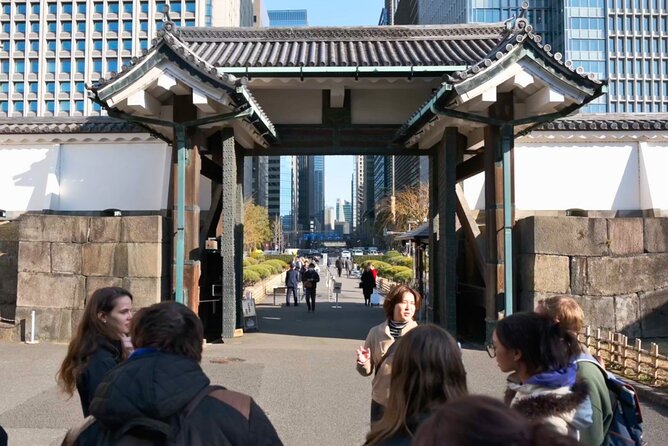
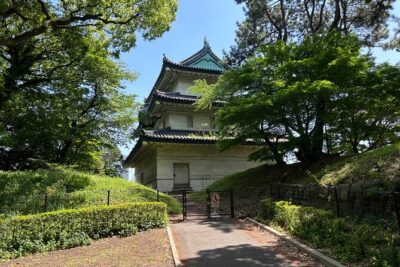
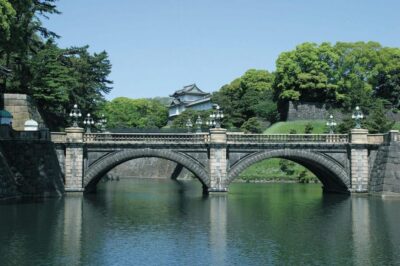
From Wadakura Fountain Park, you walk toward Ōtemon Gate, the grand entrance to the former castle grounds. This is more than a photo stop. The gate helps you understand the scale and defensive planning of Edo Castle.
Your guide explains how people entered, how the castle was protected, and why gateways were built with multiple layers of control. The old guardhouse ruins add another piece to the picture. You are not simply walking into a garden. You are following the route into what was once one of Japan’s most important political centers.
This is also where a guide can help with orientation. The palace grounds cover a large area and are divided into distinct sections. A guide keeps the walk moving in a sensible order and points out details that are easy to pass without noticing.
Edo Castle’s surviving stone base
The strongest historical moment comes at the Edo Castle ruin. The castle buildings were destroyed, including by fire, and were not rebuilt in their former form. What remains is largely the stone foundation and defensive structure.
That can disappoint anyone expecting a complete Japanese castle with timber towers and dramatic interiors. It can also be rewarding if you approach it as an archaeological and historical site. The size of the base gives you a sense of the building that once stood there, while the guide supplies the missing visual details.
Several guides use maps or images to help you understand the original layout. This is especially useful for families and first-time visitors who may find it hard to reconstruct a vanished castle from stones alone. The tour’s stories cover Edo-period power, the samurai era, the shoguns, and the changing role of the emperor.
I would pay close attention here to the difference between shogun and emperor. The tour uses the castle grounds to explain how military government and imperial authority interacted, and how Tokyo became the center of national leadership. That historical framework is one of the walk’s main benefits.
More walking tours in Tokyo:
- Tokyo Tsukiji Fish Market Food and Culture Walking Tour
★ 5.0 · 3,184 reviews - Tokyo: Shinjuku Local Bar and Izakaya Guided Walking Tour
★ 4.9 · 1,794 reviews - Tokyo: Tsukiji Fish Market Food and Walking tour
★ 5.0 · 1,724 reviews - Tokyo: Asakusa Walking Tour with Sensoji Temple Visit
★ 4.8 · 1,583 reviews
Ninomaru Garden offers a quiet change of pace
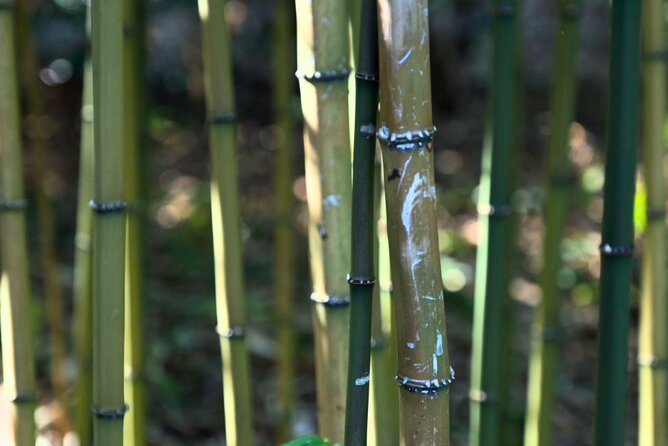
After the castle remains and defensive structures, the route leads into Ninomaru Garden. This section provides the visual relief many people want after a history lesson. Expect carefully arranged greenery, calm paths, water, and koi ponds.
The garden is attractive in several seasons. Spring brings cherry blossoms, while summer can make the gardens feel lush and green. Winter is quieter and less colorful, but the garden still offers a peaceful break from Tokyo’s fast pace. Rain can also give the grounds a reflective, subdued mood, though you will need suitable clothing.
Ninomaru Garden is a good place to slow down and ask questions. Guides are happy to point out photo locations, and some have taken pictures for people in the group. The best photo moments are not limited to one famous viewpoint. You may find attractive angles along the paths, near the water, and around the old stonework.
The koi are a small but memorable part of the stop. They add life to the garden and give children something concrete to look for while the guide discusses history.
How the guides shape the experience
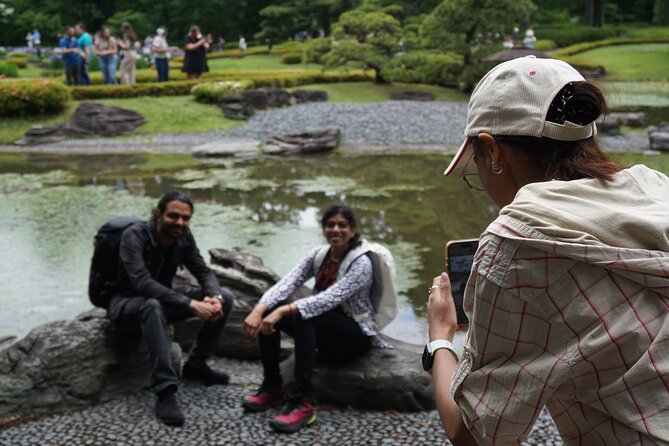
The quality of this tour depends heavily on the individual guide. The strongest feedback centers on guides who speak clear English, explain Japanese history in an approachable way, and invite questions rather than delivering a nonstop lecture.
Mika is praised for keeping children aged 11, 13, and 15 interested with historical references and an engaging manner. Natsumi is noted for explaining the Edo period, the relationship between shoguns and emperors, and the way the palace grounds shaped modern Tokyo. Lakki is described as especially strong on shogun history and as an entertaining guide in rainy weather.
Nicolas, also called Nicola in one account, is praised for explaining the meaning of the gardens and historical eras. Guides may also offer practical suggestions about local restaurants and shrines, though those extras depend on the person leading your walk.
There is one caution. At least one experience was weakened by a guide who was difficult to understand and did not provide enough historical detail. That is not the usual pattern, but it is worth remembering. A walking tour is partly a conversation, and communication matters as much as the route.
What you will not see

The most important limitation is access. You do not enter the Inner Palace or see the Emperor’s private residence. The main palace area remains restricted, and this tour focuses on the public East Gardens and former Edo Castle grounds.
You also should not expect a preserved castle interior, a reconstructed keep, or a long list of intact buildings. Much of the original palace was destroyed, leaving stone foundations, walls, gates, and smaller historic structures.
For some people, that is exactly why a guide is useful. The tour turns an open garden and ruined base into a readable historical site. For others, the lack of complete buildings may make the experience feel short or light on sights.
I would not make this your top priority if you have only a few hours in Tokyo and mainly want spectacular architecture. I would consider it a better choice if you enjoy history, want to understand Japan before visiting Kyoto or Nara, or prefer a calm outdoor walk to a crowded attraction.
Is two hours enough?
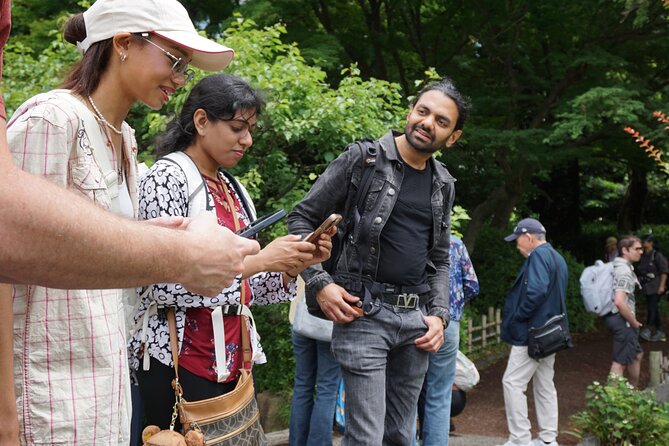
Two hours is a sensible length for a first look at the East Gardens. It gives you time to pass through Ōtemon Gate, see the guardhouse remains and Edo Castle base, visit Ninomaru Garden, and stop for photographs without turning the visit into an exhausting half-day march.
The short format also works well on a travel day. You can fit it into a morning before lunch or use it during your last day in Tokyo. Since the activity returns to the meeting point, you are not left at an unfamiliar part of the city.
The tradeoff is that the guide has to cover a lot of history quickly. If you ask many questions or stop for photographs, some subjects may receive only a brief explanation. People wanting a longer, more academic account of the shogunate may find the two-hour format limited.
Walking conditions and what to bring
There is no dress code, and tattoos are welcome. The activity is outdoors, so comfortable footwear is more important than formal clothing.
Bring water and weather protection, especially in summer or winter. The grounds are large, and walking in strong heat or cold can be uncomfortable if you are not prepared. Rain has not stopped every tour from being enjoyable, but the weather can affect the route and the overall mood.
The tour requires good weather and may be canceled if conditions are poor. In that case, you can choose another date or receive a full refund. For ordinary changes, cancel at least 24 hours before the start time for a full refund. Cancellations within 24 hours are not refunded, and last-minute changes are not accepted.
Who gets the best value for $31.84?
At $31.84 per person, this is reasonably priced for a small-group, guided walk in central Tokyo. You are paying for the guide’s historical interpretation, route planning, and help with photos, not for entry to a museum or a restored palace.
The value is strongest if you would otherwise walk through the gardens without knowing what the stone platforms and gates represent. It is also good for families, since a lively guide can turn a difficult history subject into a story about samurai, castle defenses, shoguns, and emperors.
The value is weaker if you are comfortable reading signs, researching Edo Castle in advance, and exploring at your own pace. The gardens themselves can be visited without an admission charge, so the fee is mainly for the human explanation.
The small group helps justify the cost. With a maximum of 10 people stated in the practical information, you should have a better chance to hear the guide and ask questions than on a large bus tour. The overview also refers to a limit of 15, so check the final booking details for the exact group size on your date.
Families, history fans, and first-time visitors
Families can do well on this tour, particularly when the guide uses maps, images, and stories to explain what is no longer standing. The children’s experience described above suggests that the subject can hold the attention of older school-age kids and teenagers when presented well.
History fans will appreciate the link between the physical site and Japan’s political past. You can examine how a castle was defended, where the shogun’s authority was centered, and how the imperial role fits into the story of modern Japan.
First-time visitors should think about priorities. If your main goal is to enter the Imperial Palace, this is not the right booking. If your goal is to understand the place and see the public gardens without getting lost, it is a useful introduction.
Repeat visitors may find it especially worthwhile. One strong use of the tour is on a second Tokyo trip, when you have already seen the major city sights and want more historical context. The walk is calm, informative, and different from Tokyo’s neon districts and shopping streets.
Should you book the Imperial Palace walking tour?
Book it if you want a friendly guide to explain the East Gardens, Edo Castle ruins, samurai-era defenses, and the relationship between shoguns and emperors. The two-hour route is manageable, the meeting point is convenient, and the small group should make questions and photographs easy.
Skip it if you expect to tour the Emperor’s palace interiors or see a fully rebuilt castle. Those things are not part of the experience, and the surviving structures can feel sparse without an interest in history.
For most people, the deciding question is simple: do you want a guided story attached to the stones and gardens? If yes, $31.84 is a fair price. If you only want impressive buildings, spend your limited Tokyo time elsewhere.
FAQ
Where does the tour start?
The tour starts at Starbucks Coffee in Wadakura Fountain Park, at 3-1 Kōkyogaien, Chiyoda City, Tokyo 100-0002, Japan.
Where does the tour end?
The activity ends back at the meeting point in Wadakura Fountain Park.
How long does the tour last?
The walking tour lasts approximately two hours.
What parts of the Imperial Palace grounds are included?
The route includes Ōtemon Gate, guardhouse ruins, the East Gardens, Ninomaru Garden, and the Edo Castle ruin.
Can I enter the Inner Palace?
No. Access to the Inner Palace is not included, and that area is not open to the public.
Is the group small?
Yes. The practical information states a maximum of 10 participants, while the overview describes a limit of 15. Check the final booking details for the group size on your date.
Is there a dress code?
No. The tour has no dress code, and tattoos are welcome.
Is the tour suitable for most people?
Yes. The information states that most people can participate. You should still be ready for an outdoor walk through extensive palace grounds.
What is the cancellation policy?
You can cancel at least 24 hours before the start time for a full refund. Cancellations or changes within 24 hours are not accepted or refunded. If poor weather causes the operator to cancel, you can choose another date or receive a full refund.
Just added around Tokyo
- Narita Airport(NRT): Private Transfer to Tokyo/Yokohama 1-9pax★ 5.0 · 47 reviews
- Private Transfer from Narita Airport to Yokohama Port and City★ 4.5 · 17 reviews
- Private Arrival Transfer : Narita International Airport to Central Tokyo City★ 4.5 · 12 reviews
- [Narita Airport Terminals 1, 2] 40-60km Sawara Itako Historic Bike Tour★ 5.0 · 13 reviews
- 3 Day Japan Highlights Tour: Tokyo, Mt.Fuji, Nara, Kyoto, Osaka★ 5.0 · 22 reviews
- Small Town in the Big City: Tasting Tokyo’s Kichijoji★ 5.0 · 195 reviews
- Small Town in the Big City: Tasting Tokyo’s Kichijoji★ 5.0 · 16 reviews
- The 10 Tastings of Tokyo With Locals: Private Street Food Tour★ 5.0 · 48 reviews
Imperial Palace Tours, compared.
Imperial Palace and Shogun Historical Walking Tour
Read our review →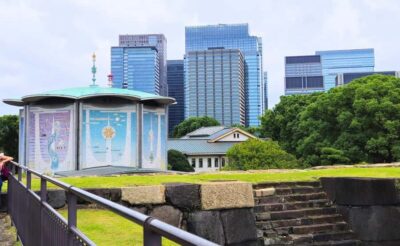

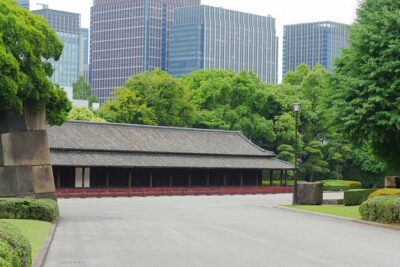
Imperial Palace East Garden and Edo Castle Walking Tour in Tokyo
Read our review →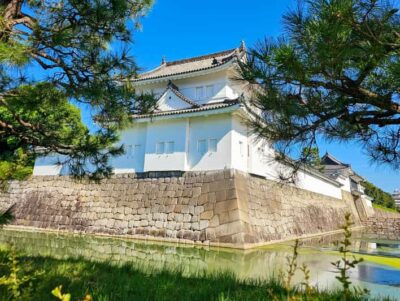
Imperial Palace & Nijo Castle Guided Walking Tour
Read our review →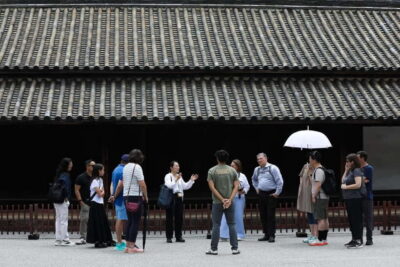
Imperial Palace, Sensō-ji Temple, & Tokyo Tower Tour
Read our review →
Edo Castle & East Garden of the Imperial Palace Tour
Read our review →Browse the lists this tour appears in