

Reviewed · IMPERIAL PALACE TOURS
Tokyo: Imperial Palace and Shogun Walking Tour
The most revealing part of this $16 Imperial Palace walking tour is that it takes you beyond the postcard view. You are walking through the former grounds of Edo Castle, where Tokugawa shoguns controlled Japan for more than two centuries. The stone walls, gates, moats, and guardhouses make the old power structure easy to picture.
I like the route’s mix of serious history and peaceful gardens, especially Ninomaru Garden and its koi-filled ponds. I also like the guides’ practical style. Tony, Blake, Jim, Embla, Miguel, and others are praised for answering questions, explaining modern Tokyo, and offering useful suggestions for the rest of your visit.
The main limitation is simple: this is an outdoor East Gardens tour, not an inside look at the Imperial Palace itself. You will walk for two hours, and the experience depends somewhat on the guide assigned to your departure and on the weather.
Key points to know before you book
- Edo Castle gives the tour its real sense of place: You see the former center of Tokugawa power rather than only hearing dates in a museum.
- Ninomaru Garden is the quiet reward: Seasonal planting, ponds, and koi provide a welcome pause after the heavier castle history.
- The guides add much of the value: Tony, Blake, Jim Allen, Embla, Miguel, and several others are praised for clear explanations and friendly conversation.
- The route is compact but full: In two hours, you cover gates, a guardhouse, a watchtower, ruins, and the East Gardens.
- The price is unusually low for a guided Tokyo experience: At $16, the tour costs little more than a casual meal, while supplying context you would likely miss alone.
- Come prepared for an outdoor walk: Comfortable shoes and weather protection matter, though the activity is listed as wheelchair accessible.
Why Edo Castle matters more than the palace name suggests
Many people arrive in this part of Tokyo expecting a grand palace building. The working attraction here is different. The Imperial Palace is the modern residence of Japan’s imperial family, but the East Gardens occupy ground once dominated by Edo Castle, the political headquarters of the Tokugawa shogunate.
That distinction makes the tour useful. You are not simply admiring a royal property. You are tracing the shift from a military government led by shoguns to the modern imperial state. A good guide can connect the surviving stonework with the political changes that shaped Japan.
The opening view at Kokyo Gaien Wadakura Fountain Park helps you get oriented. Meet in front of the Starbucks at 35.6830391, 139.7614181. This is a practical starting place in central Tokyo, but give yourself enough time to locate the correct Starbucks and your guide before the walk begins.
The tour returns to the same spot after two hours. That makes it easy to pair with another central Tokyo activity, though you should avoid booking something that requires a tight transfer immediately afterward. Walking tours rarely end with the precision of a train timetable.
More Imperial Palace visits:
- Tokyo: Imperial Palace and Shogun Historical Walking Tour
★ 5.0 · 2,251 reviews - Tokyo: Imperial Palace Japanese History Walking Tour
★ 4.9 · 987 reviews - Imperial Palace East Garden and Edo Castle Walking Tour in Tokyo
★ 5.0 · 510 reviews
Ote-Mon Gate: the right place to begin
The first major stop is Ote-Mon Gate, where the guide spends about 10 minutes. This was one of the principal entrances to Edo Castle, and it gives you an immediate sense of how carefully access was controlled.
Look closely at the scale of the approach. Castle gates were not built merely to look impressive. They were part of a security system, and the route through them could slow, separate, and inspect people entering the compound. The huge stone blocks nearby reinforce the same message: this was a fortified seat of government.
I find this kind of explanation far more useful than simply photographing an old gate. Without context, the walls can look like attractive remnants in a public garden. With context, their size becomes political. They tell you who had power, who needed permission to enter, and how the shogunate protected its authority.
The palace grounds and the missing castle

The next section covers the Imperial Palace area for about 15 minutes. Do not expect access to the imperial residence or a tour of palace interiors. The value here is the relationship between the current palace grounds and the former castle compound around them.
The guide helps you separate the eras. Edo Castle belonged to the Tokugawa military government. The Imperial Palace represents the later imperial period and modern Japan. Those layers occupy the same central Tokyo setting, which gives the walk its unusual character.
This is also where a good storyteller earns the fee. Several guides, including Tony, Blake, Jim Allen, and Embla, receive repeated praise for making political history understandable without turning the walk into a lecture. Their best contribution is connecting past decisions with the way Tokyo is organized today.
Hyakunin Bansho Guardhouse and the logic of control
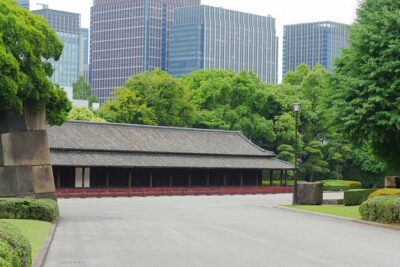
The route then reaches Hyakunin Bansho Guardhouse for roughly 10 minutes. This stop adds human scale to the grand castle story. Instead of focusing only on rulers and battle strategy, you get a sense of the guards who monitored movement inside the compound.
The name refers to a guard post associated with a large force, and the stop helps explain the layers of security around the shogun’s residence. Your guide may use the guardhouse to discuss samurai service, rank, and the rules governing access to the castle.
This is one of the places where asking questions improves the experience. The tour is conducted in English, and the guides are described as approachable and willing to explain points beyond the planned script. If you are curious about daily life under the shoguns, this is a good moment to ask.
More walking tours in Tokyo:
- Tokyo Tsukiji Fish Market Food and Culture Walking Tour
★ 5.0 · 3,184 reviews - Tokyo: Shinjuku Local Bar and Izakaya Guided Walking Tour
★ 4.9 · 1,794 reviews - Tokyo: Tsukiji Fish Market Food and Walking tour
★ 5.0 · 1,724 reviews - Tokyo: Asakusa Walking Tour with Sensoji Temple Visit
★ 4.8 · 1,583 reviews
Fujimi-yagura and the castle’s high points

Fujimi-yagura receives about 15 minutes. This traditional watchtower is one of the most striking surviving structures connected with the old castle grounds. The name is associated with views of Mount Fuji, though visibility depends on the day.
The tower also shows how defense and ceremony overlapped. A watchtower had a practical military role, but structures around the castle also communicated order and status. The guide can help you read the building as part of a larger system rather than as an isolated photo stop.
Keep your expectations measured. This is a sightseeing stop within the grounds, not a climb into a fully furnished tower. You are seeing the exterior setting and learning what it meant within Edo Castle.
East Gardens: a quiet break in central Tokyo
The tour spends about 30 minutes in the Imperial Palace East Gardens. This is the point where the pace shifts. After gates, guards, and military power, you move through a carefully maintained garden with seasonal beauty, open space, and water.
I like this contrast. The East Gardens are not only a pleasant place to walk; they show how the former seat of power has been given a calmer public role. Stone foundations and castle remnants remain, but the atmosphere is now gentle and unhurried.
The gardens can also make the historical material easier to absorb. Guides such as Blake are praised for using imaginative descriptions to bring the grounds to life, while others keep the pace steady and make sure the group can hear. That matters in an open area where it would be easy to lose the thread of the story.
A short pause may be included along the way. One family appreciated having time to sit and buy a drink from a vending machine, and another guide was praised for lending an umbrella. These details suggest a human, flexible approach, though you should still bring your own water and rain protection.
Ninomaru Garden and the koi ponds
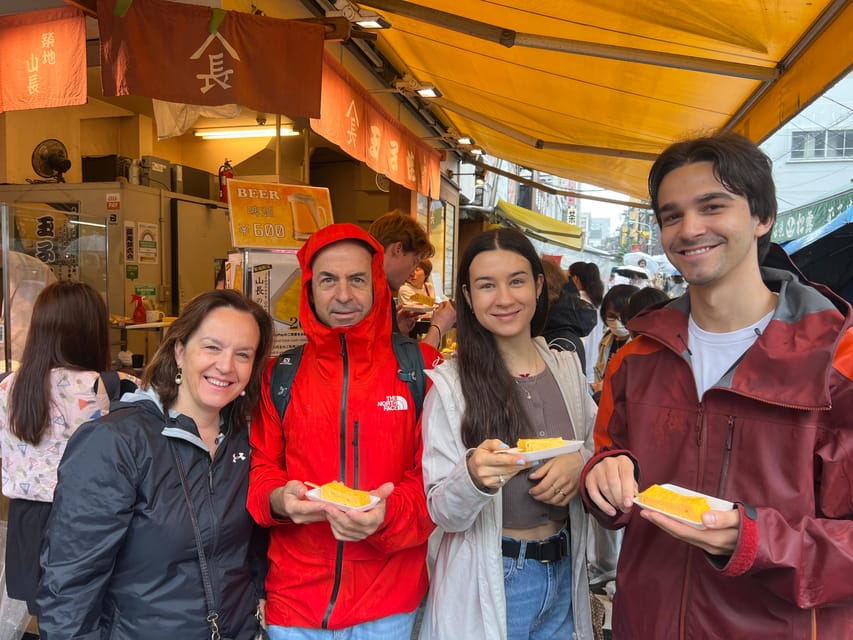
Ninomaru Garden is given about 30 minutes, making it the longest single stop. This was the shogun’s inner garden, and it is the tour’s most restful section.
Expect carefully arranged plantings, seasonal color, ponds, and koi moving through the water. The fish are more than a pleasant distraction. They provide a simple, memorable contrast to the military setting you have just been studying. In a place once designed around rank and control, the garden now invites you to slow down.
The seasonal aspect is important. The garden will not look identical throughout the year, so the visual appeal changes with the calendar. The tour description does not promise a particular bloom or foliage display, so book it for the history and setting first, then enjoy whatever the season provides.
This is also a good spot for photographs, but listen before you reach for your phone. The guide’s explanation of how the inner garden fit into castle life gives the ponds and paths more meaning. Without that context, you might see a beautiful Japanese garden. With it, you can picture how controlled space, ceremony, and private retreat worked inside the shogun’s compound.
How much the guide affects the experience
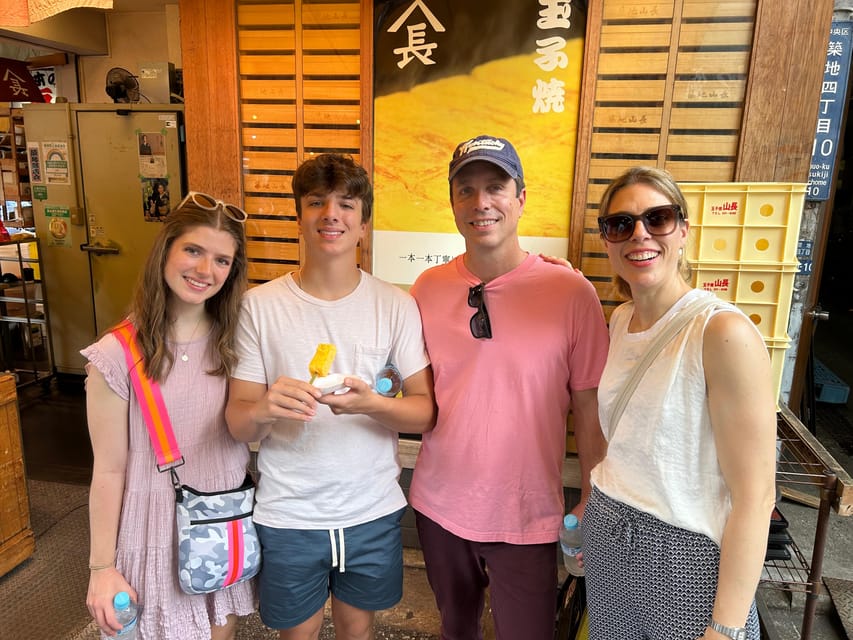
At this price, the guide is the main reason to book rather than walk through the East Gardens alone. The surviving structures are easy enough to find, but their significance is not always obvious.
The strongest feedback centers on clear speech, patience, warmth, and the ability to answer questions. Tony is repeatedly praised for linking Japanese history with Tokyo’s modern street plan and everyday life. Blake is described as friendly, interactive, and good at maintaining a comfortable pace. Jim Allen is praised for keeping teenagers engaged and adding unusual details. Embla, Miguel, Thomas, Dylan, Lasse, Manny, Michi, and others are also singled out for thoughtful explanations and a relaxed manner.
You cannot choose your guide from the information provided, so do not book on the promise of one particular person. The wider pattern is more useful: the operation appears to use guides who do more than recite a timeline. Several also offer suggestions for food, nearby sights, weekend plans, and activities outside Tokyo.
That practical advice can be especially valuable at the beginning of a Japan trip. A two-hour conversation about the palace can help you understand later visits to temples, castles, museums, and old neighborhoods.
Is $16 good value in Tokyo?
Yes, provided you want historical explanation. The price is $16 per person for two hours with an English-speaking guide. That is a modest outlay in Tokyo, especially for a central activity that combines sightseeing with a structured introduction to Japanese political history.
The tour does not include transportation, a meal, palace interior access, or a special entry behind normally closed doors. Its value comes from interpretation. You pay to understand what you are seeing, keep a sensible route, ask questions, and connect Edo-era power with present-day Tokyo.
For a first visit, I consider that a strong deal. For a repeat visitor who already knows Edo Castle and Japanese history well, the gardens alone may not justify booking a guided walk. In that case, you may prefer to visit independently and spend longer in the areas that interest you most.
Pace, access, and practical preparation
The activity lasts two hours and is listed as wheelchair accessible. Still, this is an outdoor route through historic grounds, so ask the operator directly if you need precise information about surfaces, slopes, or rest points for your particular needs.
Wear shoes suited to steady walking. The schedule includes several stops of 10 to 30 minutes, but it is still a walking tour rather than a seated talk. Tokyo weather can change, and the route has limited shelter, so carry rain protection and water. One guide helped a family with an umbrella, but you should not rely on that being available.
The meeting point is in front of Starbucks at Kokyo Gaien Wadakura Fountain Park. Since the tour returns there, you can leave larger plans for after the walk. The reserve-now, pay-later option and free cancellation up to 24 hours before departure also make it easier to fit into a changing Tokyo schedule.
Who will get the most from this walk?
I would recommend it to first-time visitors who want a quick introduction to Japan before tackling more complicated historical sites. Families can benefit too, especially when the guide uses stories and questions to keep younger minds involved. A parent specifically praised Jim for holding teenagers’ attention.
History fans will appreciate the castle foundations, guardhouse, watchtower, and discussion of the Tokugawa shogunate. Photographers will enjoy the contrast between monumental stonework and Ninomaru Garden’s ponds and planting.
It is less suitable if you want to enter the Imperial Palace, see lavish interiors, or spend a full day exploring every corner of the gardens. The route is focused and efficient. That is a strength for a short Tokyo stay, but a restriction for anyone who prefers slow, unstructured visits.
Should you book the Imperial Palace and Shogun Walking Tour?
Book it if you want the Imperial Palace East Gardens to make sense. At $16, the cost is low, the route is central, and the two-hour format gives you a useful historical foundation without taking over your day.
I especially recommend it near the start of your Tokyo visit. You will see where shoguns governed, how the castle defended itself, how the grounds changed, and how old power still shapes the city around you. Just remember that the main attraction is the former Edo Castle site and its gardens, not an interior tour of the modern palace.
If you prefer exploring independently or already know the history, you can visit the East Gardens on your own. For most first-time visitors, though, the guide turns gates, stones, ponds, and ruins into a story worth remembering.
FAQ
Where does the Imperial Palace and Shogun Walking Tour meet?
The meeting point is in front of Starbucks Kokyo Gaien at Kokyo Gaien Wadakura Fountain Park. The listed coordinates are 35.6830391, 139.7614181.
How long does the tour last?
The walking tour lasts two hours. Starting times vary, so you need to check availability when booking.
What language is the tour conducted in?
The tour is conducted in English with a live English-speaking guide.
Does the tour enter the Imperial Palace?
The experience visits the Imperial Palace East Gardens and former Edo Castle grounds. The provided information does not include entry into the imperial residence or palace interiors.
What are the main sights on the route?
The route includes Ote-Mon Gate, the Imperial Palace grounds, Hyakunin Bansho Guardhouse, Fujimi-yagura, the Imperial Palace East Gardens, and Ninomaru Garden.
Is the tour wheelchair accessible?
Yes. The activity is listed as wheelchair accessible. For detailed information about the route’s surfaces or accessibility needs, contact the provider before booking.
Just added around Tokyo
- Private Arrival Transfer : Narita International Airport to Central Tokyo City★ 4.5 · 12 reviews
- Narita Airport(NRT): Private Transfer to Tokyo/Yokohama 1-9pax★ 5.0 · 47 reviews
- Private Transfer from Narita Airport to Yokohama Port and City★ 4.5 · 17 reviews
- [Narita Airport Terminals 1, 2] 40-60km Sawara Itako Historic Bike Tour★ 5.0 · 13 reviews
- 3 Day Japan Highlights Tour: Tokyo, Mt.Fuji, Nara, Kyoto, Osaka★ 5.0 · 22 reviews
- Small Town in the Big City: Tasting Tokyo’s Kichijoji★ 5.0 · 195 reviews
- Small Town in the Big City: Tasting Tokyo’s Kichijoji★ 5.0 · 16 reviews
- The 10 Tastings of Tokyo With Locals: Private Street Food Tour★ 5.0 · 48 reviews
Imperial Palace Tours, compared.
Imperial Palace and Shogun Historical Walking Tour
Read our review →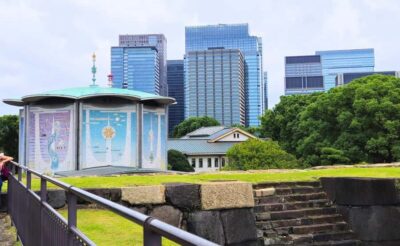
Imperial Palace East Garden and Edo Castle Walking Tour in Tokyo
Read our review →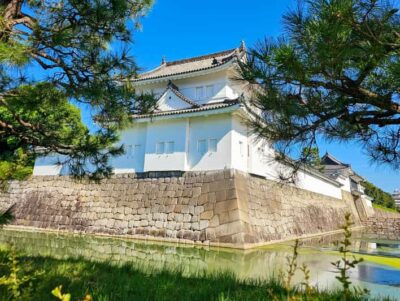
Imperial Palace & Nijo Castle Guided Walking Tour
Read our review →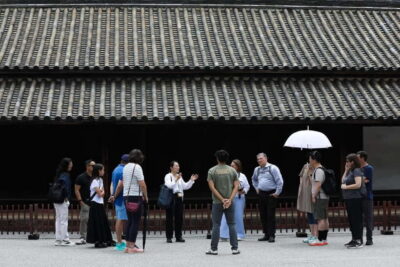
Imperial Palace, Sensō-ji Temple, & Tokyo Tower Tour
Read our review →
Tokyo Castle, Imperial Palace, Shogun & Garden Walking Tour
Read our review →
Edo Castle & East Garden of the Imperial Palace Tour
Read our review →Browse the lists this tour appears in