
Reviewed · IMPERIAL PALACE TOURS
Tokyo: Imperial Palace East Gardens Walking Tour
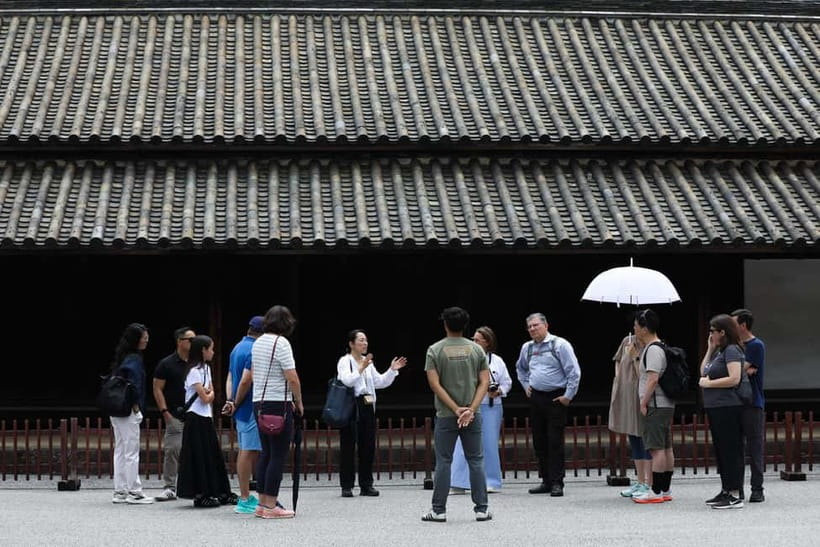
The most rewarding part of this $19 walking tour is the sharp switch from modern Tokyo to the grounds of old Edo Castle. In one stretch, you are near Tokyo Station and the broad avenues of the capital. Soon after, you are looking at castle foundations, guard houses, defensive walls, and carefully arranged gardens that once belonged to the Tokugawa shoguns.
I like the way the tour joins military history with garden design, rather than treating the East Gardens as only a pretty park. I also like the steady stream of practical explanation from guides such as Mei, Kei, Wakana, and Tatsie, who are praised for making the past easy to follow. The main consideration is simple: this is not a palace interior tour. You visit the East Gardens and former Edo Castle grounds, not the Imperial Palace itself.
Key points to know before you book

- Edo Castle beneath the gardens: See the Honmaru area, castle foundations, gates, walls, guard houses, and other traces of the old stronghold.
- Ninomaru Garden’s calm design: Enjoy ponds, bridges, stone lanterns, clipped trees, shrubs, and bonsai in a traditional Japanese setting.
- A useful history lesson: Learn how the shoguns, emperors, samurai, and modern Imperial family fit into Japan’s changing story.
- English-speaking guidance: Guides including Mei, Kei, Wakana, Loc, Midori, and Tatsie are praised for clear explanations, humor, patience, and helpful travel advice.
- Good value at $19: Two and a half hours of guided walking costs little compared with a private guide, especially if castle architecture is new to you.
- Seasonal appeal: Cherry blossoms add color in spring, while late November and fall bring red and gold foliage to the gardens.
From Wadakura Fountain Park to old Edo Castle
The meeting point is near the Starbucks Coffee at Kokyo Gaien Wadakura Fountain Park, at approximately 35.6829933, 139.7611971. You meet your guide nearby, then set off on foot toward the East Gardens.
That starting point matters because it gives you a useful first look at the setting. The area around the Imperial Palace is open and formal, with broad spaces that make the scale of the royal and military precinct easier to grasp. Tokyo can feel packed and noisy, but the palace grounds create a notable pause in the center of the city.
You return to the same general meeting point after the 150-minute tour. That makes this an easy half-day addition to a Tokyo Station visit, though you should allow a little extra time to find the exact meeting spot and your guide.
The walk is the heart of the experience. You are not simply being led from one photo stop to another. The guide helps explain why the remains are scattered, how the old castle was arranged, and how the site changed over time.
More Imperial Palace visits:
- Tokyo: Imperial Palace and Shogun Historical Walking Tour
★ 5.0 · 2,251 reviews - Tokyo: Imperial Palace Japanese History Walking Tour
★ 4.9 · 987 reviews - Tokyo: Imperial Palace and Shogun Walking Tour
★ 4.9 · 935 reviews
Honmaru: reading a castle from its ruins
The Honmaru area was once the main compound of Edo Castle. It was the center of power during the Edo period, when Tokugawa shoguns ruled Japan. Today, much of the original building work is gone, so the value of this stop comes from learning how to read the remaining foundations and defensive features.
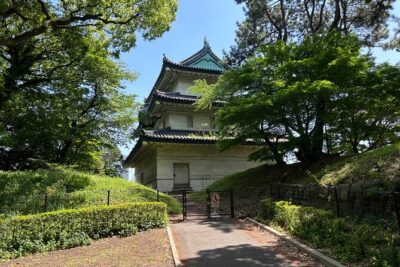
You can see the ruins of the castle’s foundation, along with gates and structures linked to defense. Stone walls, guard houses, and watch towers help show how people controlled movement through the compound. The site does not give you a complete castle rising above the trees. Instead, you piece together the old layout from what remains.
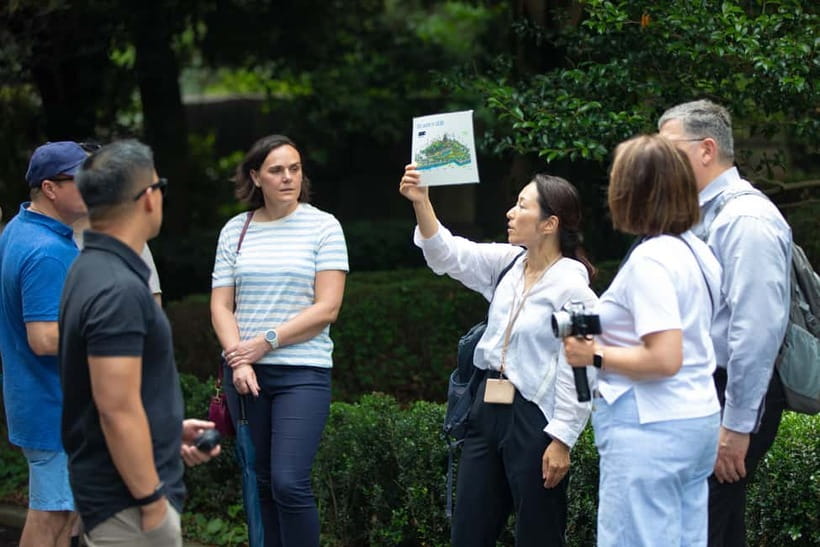
That is where a guide earns the $19 fee. Without context, a large stone base can look like a large stone base. With a map or a visual aid, you can picture the scale and purpose of the buildings that once stood there. Mei has used printed and laminated maps and historic images to make the missing structures easier to understand, a useful touch at a site where the ruins alone do not tell the whole story.
I especially like this part for anyone interested in samurai government or military architecture. You learn that Edo Castle was not just a residence. It was a working center of authority, built around access, protection, rank, and ceremony.
The drawback is that the physical remains can feel modest if you arrive expecting a complete Japanese castle. The story is bigger than the surviving structures. Go for the setting and explanation, not for towering keeps or lavish interiors.
Ninomaru Garden and the art of restraint
The Ninomaru Garden offers a different mood. After the defensive walls and castle foundations, you move into a more peaceful setting shaped by water, plants, bridges, stone lanterns, and carefully pruned trees.
Traditional Japanese garden design often relies on balance and controlled views rather than a crowded display of color. Here, the arrangement gives you places to pause and look closely. The ponds and bridges create changing views as you walk, while the clipped shrubs and bonsai show the care given to even small details.
I like that the tour does not treat the garden as decoration added after the history. The garden helps explain the life of the ruling class in a different way. The castle protected political power, while spaces such as Ninomaru provided order, ceremony, and quiet.
You should plan to slow down here. Guides such as Wakana and Meiko are praised for giving visitors time to take in the surroundings, and some tours allow personal time in the Japanese garden near the end. That balance is important. A garden is hard to appreciate if you are hurried from one fact to the next.
The East Gardens are particularly attractive in spring, when cherry blossoms brighten the paths. Fall brings another strong season, with colorful foliage that gives the ponds, stonework, and old walls a warmer frame. A December visit can still be worthwhile, especially in late November and early winter, but the garden’s appearance will depend on the timing of your visit.
The old and new Tokyo contrast
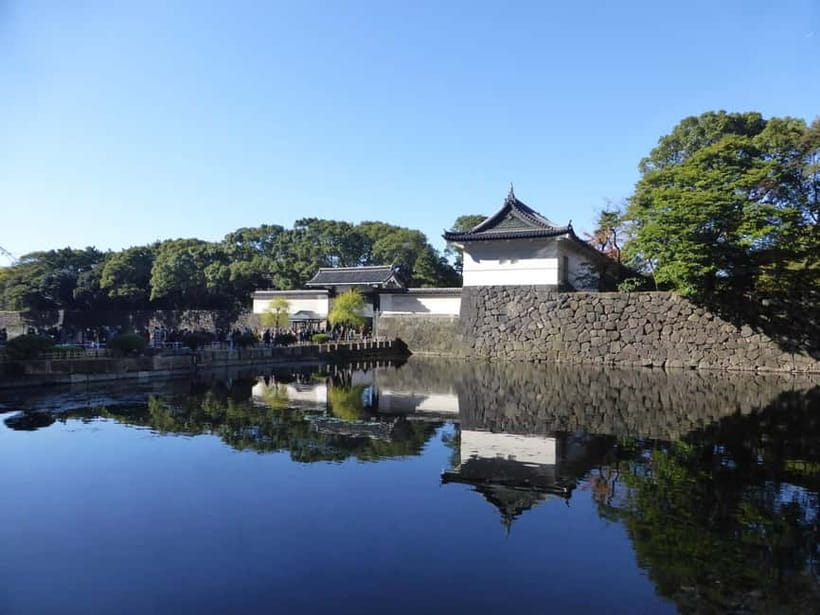
One reason this tour works well early in a Tokyo visit is the contrast it gives you. The Imperial Palace sits in the middle of a modern capital, but the East Gardens preserve a strong sense of the earlier city of Edo.
Your guide connects the shoguns and the castle to the emperors and the modern Imperial family. Several guides are also praised for explaining Japanese customs and present-day culture, so the conversation does not stop in the feudal period.
That broad time line is more useful than a list of dates. You begin to understand that Japan’s political center was not always defined by the emperor in the way many first-time visitors assume. The shogunate, samurai class, castle government, imperial restoration, and present Imperial household all form part of the story you are seeing on the ground.
Guides bring different personalities to the experience. Mei is repeatedly described as warm, funny, patient, and generous with extra Tokyo tips. Kei is praised for answering questions and explaining the site clearly. Wakana is noted for excellent English and a friendly manner, while Tatsie is appreciated for presenting history and customs in a light, accessible way.
Loc is another guide praised for enthusiasm and a strong grasp of Japanese history. Midori has been singled out for personalizing the walk despite poor weather. The exact guide will depend on the date, but the pattern is clear: the quality of the experience depends heavily on the person leading it.
More walking tours in Tokyo:
- Tokyo Tsukiji Fish Market Food and Culture Walking Tour
★ 5.0 · 3,184 reviews - Tokyo: Shinjuku Local Bar and Izakaya Guided Walking Tour
★ 4.9 · 1,794 reviews - Tokyo: Tsukiji Fish Market Food and Walking tour
★ 5.0 · 1,724 reviews - Tokyo: Asakusa Walking Tour with Sensoji Temple Visit
★ 4.8 · 1,583 reviews
What the 150-minute pace feels like
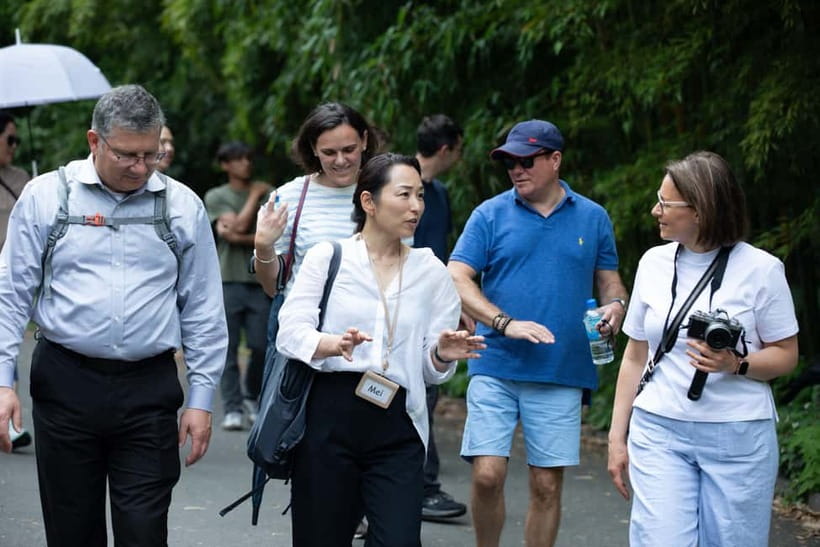
Two and a half hours is long enough to cover the main historical and garden areas without turning the visit into an exhausting full-day program. The walk has room for explanation, photographs, questions, and pauses in the garden.
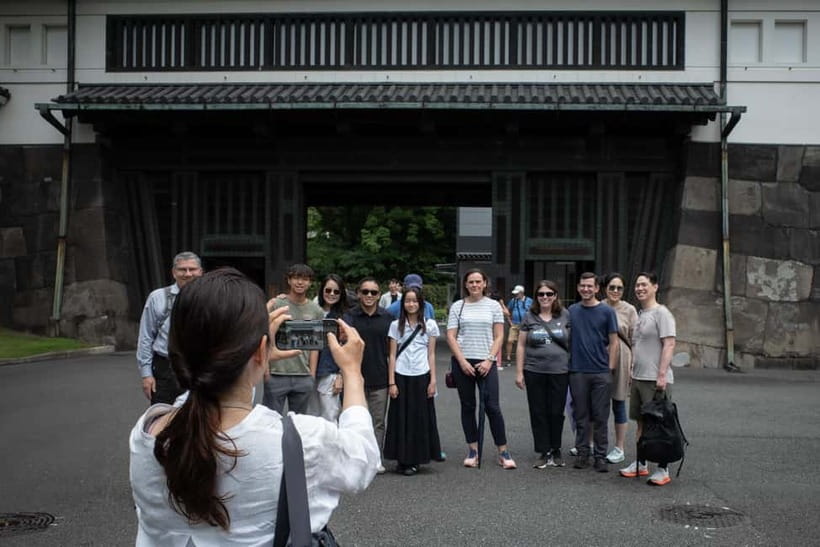
The strongest feedback about the pacing is that it feels measured rather than rushed. That is especially helpful for families and older visitors who want time to look around. One family found the explanations and visual aids useful, while another visitor appreciated a guide who offered to take photographs and suggested good picture spots.
Still, this is a walking tour. You should expect to spend the full 150 minutes on your feet, moving between outdoor areas. The activity is listed as wheelchair accessible, but the exact comfort of every path or surface is not detailed, so anyone with specific mobility needs should confirm current conditions before booking.
Rain does not automatically ruin the visit. Guides such as Miko and Midori have been praised for keeping the group engaged in poor weather. Even so, the experience is more enjoyable with suitable shoes and weather protection, since the main attraction is outdoors.
How much value do you get for $19?
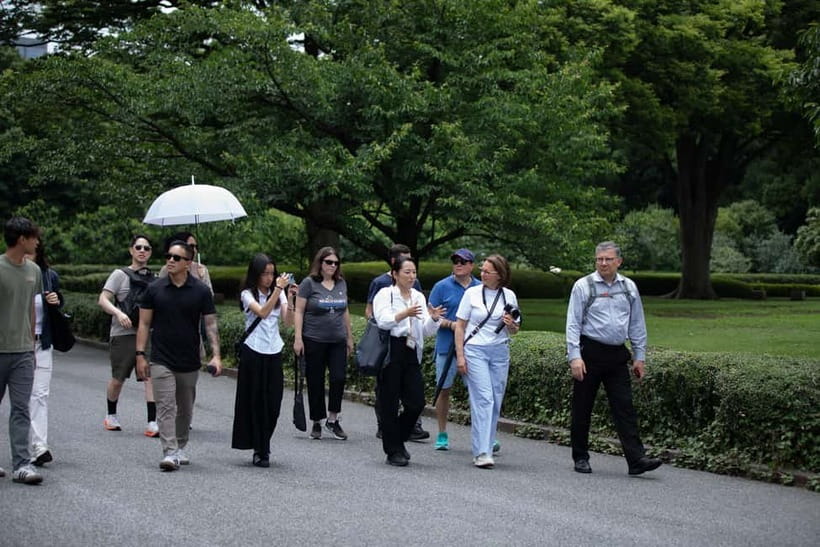
At $19 per person, this is an inexpensive way to add structure to a palace-area visit. You could walk through the East Gardens independently, but you would need to bring your own background on Edo Castle, the shoguns, the Honmaru compound, and garden design.
The fee pays for more than directions. It gives you an English-speaking guide who can explain why a wall was built in a certain way, how the castle was organized, and what the garden’s details suggest about Japanese taste and power.
I see the best value for first-time visitors who want history but do not want a full museum lecture. The walk makes the facts visible. You hear about the castle while standing beside its foundations, then move into the garden and see how a different part of elite life was arranged.
The value is lower if you mainly want to wander alone in silence or take a quick set of garden photographs. The tour follows a guided structure, and the historical commentary is the main reason to book. You may get some personal time, but this is not a flexible photography outing.
Entry to the Imperial Palace is not included, and the tour does not go inside it. That point should be clear before you reserve. The experience is focused on the East Gardens and the former Edo Castle grounds.
Free cancellation is available up to 24 hours before the activity for a full refund. You can also reserve now and pay later, which is handy when you are still arranging a Tokyo schedule.
Who will enjoy this walk most?
I would recommend the tour to first-time Tokyo visitors who want an easy introduction to Japanese political history. It is also a good fit for anyone who looks at castle ruins and wants help imagining what is no longer there.
Families can benefit from the guides’ stories, humor, and visual aids. A dry list of shoguns might lose younger attention, but a story about gates, guards, power, and palace life gives the site a clearer shape.
The tour also suits visitors who want a quieter break from shopping districts and major commercial areas. The East Gardens offer greenery, ponds, old stonework, and room to pause, all within central Tokyo.
You may want to skip it if you have limited mobility and cannot comfortably manage an outdoor walking route, though the activity is listed as wheelchair accessible. You should also choose another experience if your priority is entering the Imperial Palace or seeing preserved castle buildings from the inside.
Practical tips for making the most of it
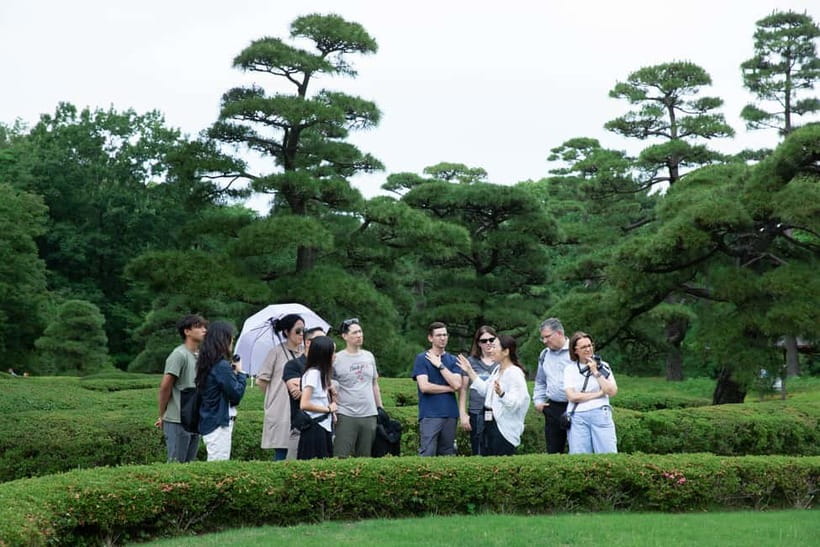
Wear comfortable shoes. The tour lasts 150 minutes, and the experience makes most sense when you can stop near the ruins, walk through the garden, and keep up without distraction.
Arrive with the meeting location saved on your phone. Your guide waits nearby the Starbucks Coffee at Wadakura Fountain Park, and a central Tokyo meeting area can be busy with people coming and going.
Bring a camera, but do not make every stop a photo stop. The most useful moments come when you compare the visible stones, walls, and garden features with the guide’s explanation of what stood there before.
If you are visiting in spring or fall, allow time for your own photographs. Cherry blossoms and fall foliage can change the feel of the gardens, but the exact display depends on the season and timing.
Ask questions. The guides are described as patient and willing to discuss Japanese customs, the Imperial family, samurai history, restaurants, temples, and other parts of your trip. That extra conversation can make the walk more useful than a fixed speech.
Should you book the Imperial Palace East Gardens tour?
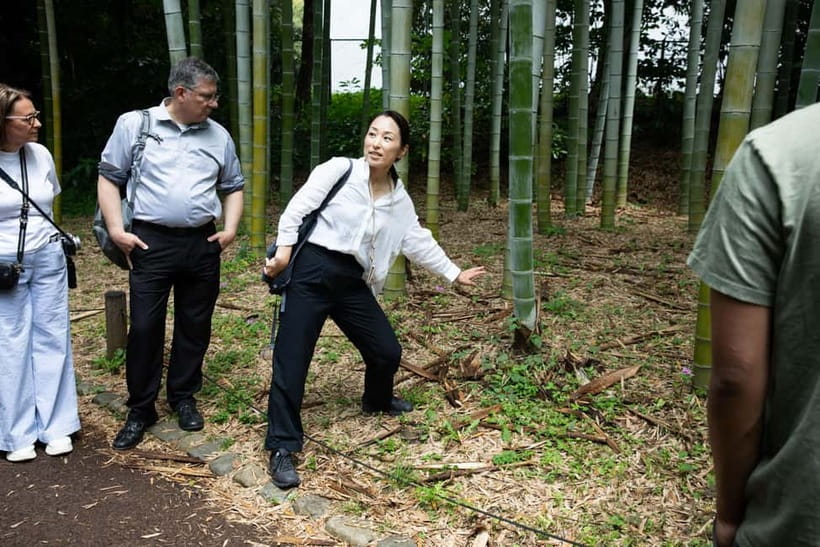
Book it if you want the story behind the stones. For $19, you get a 150-minute English walking tour through one of central Tokyo’s most important historic areas, with gardens to enjoy and castle remains to interpret.
I would especially choose it for a first or second day in Tokyo, when you are still building a sense of how old Edo and modern Japan fit together. Guides such as Mei, Kei, Wakana, Loc, Tatsie, and Midori have a strong record of making the walk friendly, clear, and lively.
Skip it if you expect access to the Imperial Palace interior or a fully preserved castle. The East Gardens are about ruins, design, nature, and explanation. For the right visitor, that combination is exactly the appeal.
FAQ
Where does the tour begin?
The meeting point is near the Starbucks Coffee at Kokyo Gaien Wadakura Fountain Park. The listed coordinates are 35.6829933, 139.7611971.
How long does the tour last?
The guided walking tour lasts 150 minutes, or two and a half hours.
How much does the tour cost?
The listed price is $19 per person.
Does the tour enter the Imperial Palace?
No. The tour does not go inside the Imperial Palace. It visits the East Gardens and the former Edo Castle grounds.
What language is the tour offered in?
The tour is offered in English with a live English-speaking guide.
What is included in the price?
The price includes the walking tour and a guide.
Is entry to the Imperial Palace included?
No. Entry to the Imperial Palace is not included, and the tour does not go inside the palace.
Can I cancel or pay later?
You can cancel up to 24 hours in advance for a full refund. You can also reserve now and pay later, so no payment is required at the time of booking.
Just added around Tokyo
- Private Arrival Transfer : Narita International Airport to Central Tokyo City★ 4.5 · 12 reviews
- Narita Airport(NRT): Private Transfer to Tokyo/Yokohama 1-9pax★ 5.0 · 47 reviews
- Private Transfer from Narita Airport to Yokohama Port and City★ 4.5 · 17 reviews
- [Narita Airport Terminals 1, 2] 40-60km Sawara Itako Historic Bike Tour★ 5.0 · 13 reviews
- 3 Day Japan Highlights Tour: Tokyo, Mt.Fuji, Nara, Kyoto, Osaka★ 5.0 · 22 reviews
- The 10 Tastings of Tokyo With Locals: Private Street Food Tour★ 5.0 · 48 reviews
- Small Town in the Big City: Tasting Tokyo’s Kichijoji★ 5.0 · 195 reviews
- Small Town in the Big City: Tasting Tokyo’s Kichijoji★ 5.0 · 16 reviews
Imperial Palace Tours, compared.
Imperial Palace and Shogun Historical Walking Tour
Read our review →

Imperial Palace East Garden and Edo Castle Walking Tour in Tokyo
Read our review →
Imperial Palace & Nijo Castle Guided Walking Tour
Read our review →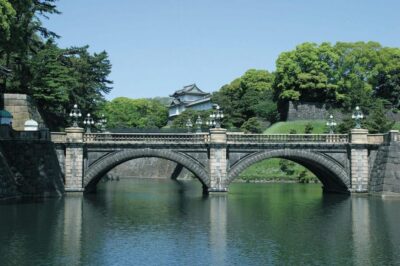
Imperial Palace, Sensō-ji Temple, & Tokyo Tower Tour
Read our review →
Tokyo Castle, Imperial Palace, Shogun & Garden Walking Tour
Read our review →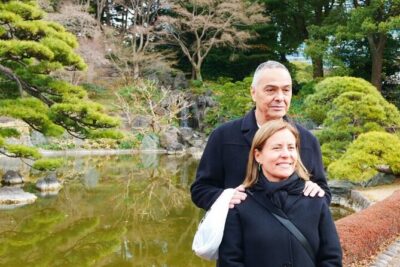
Edo Castle & East Garden of the Imperial Palace Tour
Read our review →Browse the lists this tour appears in