
Reviewed · TOKYO TOURS
Yanaka Walking Tour: Historic and Traditional District of Tokyo
Yanaka gives you a side of Tokyo that neon districts cannot. In three and a half hours, you walk through temple grounds, quiet residential lanes, a vast cemetery, old wooden buildings, and Yanaka Ginza, a shopping street where local snacks matter more than souvenir chains. The shift from modern Tokyo to old Shitamachi life is the main attraction.
I especially like two things here: the guide-led explanation of temple and shrine customs, and the chance to see ordinary neighborhood details that are easy to miss alone. Guides such as Charlotte, Michiko, Mana, Kiyo, and Muchan have helped visitors understand everything from the last shogun to local sweets. The main drawback is simple: this is a long walking tour, and the 40-minute cemetery visit may feel too lengthy if graves and memorial customs are not your interest.
- A quieter side of Tokyo: Explore Yanaka’s low-rise streets, temples, homes, and old neighborhood atmosphere.
- Tennoji and Yanaka Cemetery: See a 1274 Buddhist temple and one of Tokyo’s largest historic cemeteries.
- A guide who explains daily customs: Learn how Shinto shrines differ from Buddhist temples and how to behave at each.
- Optional local stops: Add a tatami tea ceremony, Shitamachi museum, or other cultural visits when available.
- Afternoon-only art: The afternoon route may include SCAI The Bathhouse and Edokoro Alan West.
- A snack-friendly finish: Browse Yanaka Ginza and try local sweets or other small foods at your own cost.
Why Yanaka Feels Like Old Tokyo
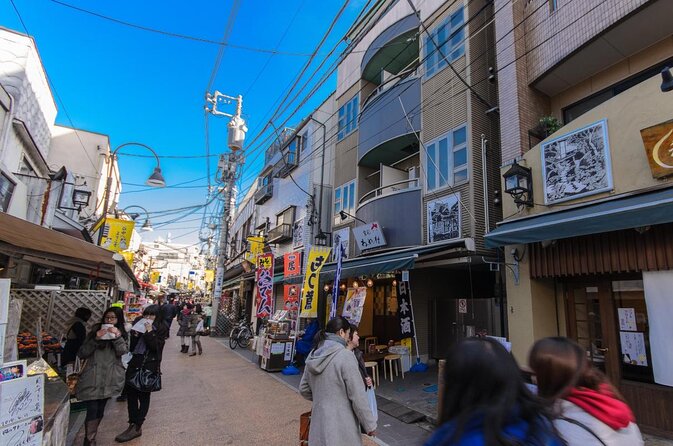
Tokyo is huge, fast, and often vertical. Yanaka is a useful correction. Its streets are lined with temples, small shops, modest houses, cemeteries, and gardens. The area survived much of the destruction that changed other parts of the city, so the walk gives you a clearer sense of older Tokyo than you get around Shibuya or Shinjuku.
The tour begins at Nippori Station, a practical meeting point near public transportation. From there, your guide leads you into Yanaka rather than leaving you to decode a map of winding lanes and temple alleys.
The first part is less about checking off monuments and more about getting your bearings. Your guide can point out the way buildings, religious sites, and residential streets fit together. That matters in Yanaka, where the pleasure comes from the connections between places rather than from one grand sight.
The experience has earned a 4.9 rating from 530 reviews, with 99 percent recommending it. That high score makes sense if you want a personable introduction to local history and culture, though it should not obscure the physical demands of the walk or the fact that the tour is not centered on major museum collections.
Tennoji Temple and the Meaning of Yanaka Cemetery
Tennoji Temple is one of the clearest historical anchors on the route. This Buddhist temple dates to 1274 and sits behind an old wooden gate at the edge of Yanaka Cemetery. Its garden setting gives you a calm start, and the grounds include a bronze Buddhist statue said to date from the Edo period.
Your guide can explain what you are looking at instead of leaving you with a quick photograph and a name. This is one of the strongest parts of the tour for first-time visitors to Japan, especially if you are still sorting out the difference between Buddhist temples and Shinto shrines.
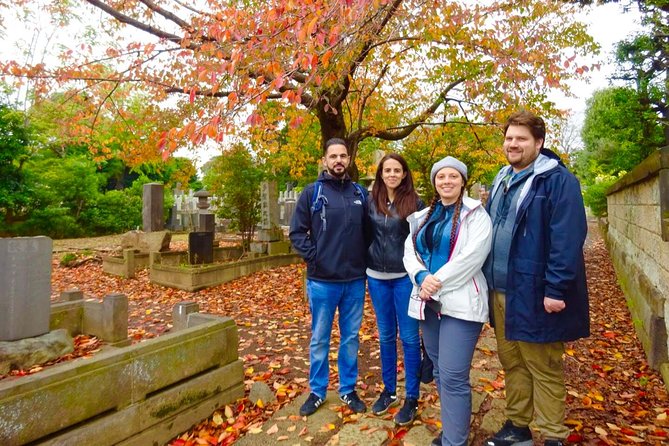
The cemetery takes about 40 minutes, a substantial portion of a three-and-a-half-hour walk. Yanaka Cemetery covers about 100,000 square meters and contains more than 7,000 graves. It is not a gloomy detour. Its lanes, trees, memorial stones, and religious details form part of Yanaka’s daily setting, with people moving through it as they would through a park or quiet neighborhood street.
Still, your interest level matters. One person may find the cemetery fascinating because it connects religion, politics, and family memory. Another may feel that 40 minutes is too much time among graves, especially after visiting several temples. One direct assessment called the cemetery segment a little long, so you should know this is not a brief pass-through.
The area also has links to the last shogun and his family grave site. Guides have used that story to explain the close of the shogunate and the transition into modern Japan. If you enjoy political history, the cemetery gives the walking route more weight than a simple architecture stroll.
More history-led days in Tokyo:
- Tokyo: Imperial Palace and Shogun Historical Walking Tour
★ 5.0 · 2,251 reviews - Tokyo: Imperial Palace Japanese History Walking Tour
★ 4.9 · 987 reviews - Tokyo: Shinjuku Historical Walking Tour & Secret Backstreets
★ 5.0 · 530 reviews
Small Streets, Old Buildings, and Local Conversation
The best sections of Yanaka are often the least dramatic. You may walk past homes, workshops, old walls, narrow lanes, and businesses that have remained part of the neighborhood for decades. The experience is designed to slow you down and help you notice how people live in this part of Tokyo.
That is where the guide makes the greatest difference. A guide such as Mana has interpreted conversations with local shopkeepers and helped visitors enter old Yanaka buildings they would not have found or understood alone. Kaori has adjusted the pace for questions, refreshments, and rest stops. These details point to an experience that can feel personal even when other people are in the group.
The operator limits the activity to a small group, with the stated maximum listed as eight people. Another booking note says a maximum of 10 people per booking, so I would confirm the actual group size when reserving. Either way, this is not designed as a large coach excursion.
Photos of tour participants are included. Several guides, including Michiko, Mana, and Muchan, have taken pictures so everyone can appear in the frame. That is a small benefit, but a welcome one for solo visitors or couples who otherwise have to ask strangers for every photograph.
Tea, Art, and the Afternoon Route
The route can include several optional or time-dependent stops. These are worth understanding before you book because they are not all guaranteed on every departure.
At Gallery Okubo, you may have the option to experience a Japanese tea ceremony on tatami mats. The tea costs ¥1,000 and is not included in the tour price. This is a useful add-on if you want a short, guided look at tea-room etiquette and traditional seating, but it is not part of the base cost.
The Shitamachi Customs Museum and Exhibit Hall offers another optional stop. Its purpose is to preserve and explain the culture of Shitamachi, Tokyo’s old downtown districts. The objects on display were actually used in daily life, which gives this visit a practical focus. If you prefer household artifacts and local customs to a string of temple exteriors, this could be one of the more useful additions.
SCAI The Bathhouse is available on afternoon tours only. It is a contemporary art gallery housed in a former public bath, a fitting Yanaka setting where old neighborhood character meets newer creative work. The gallery visit is listed as free, but opening schedules and the afternoon-only condition make it wise to confirm what your departure includes.
Edokoro Alan West is also an afternoon-only stop. The studio occupies what was once an auto body garage and is now described as the only operating traditional Japanese painting studio of its kind in the area. The combination of Buddhist temples, an old garage, and an active art studio gives the afternoon route more variety.
One hot-weather account described stops at air-conditioned places, a trendy cafe in a former bathhouse, an art gallery, an old liquor house, and shops. Treat these as possible guide-led additions rather than promises for every group. Guides may adjust the route to the day, weather, opening hours, and your interests.
Nezu Jingu and the Religious Side of Tokyo
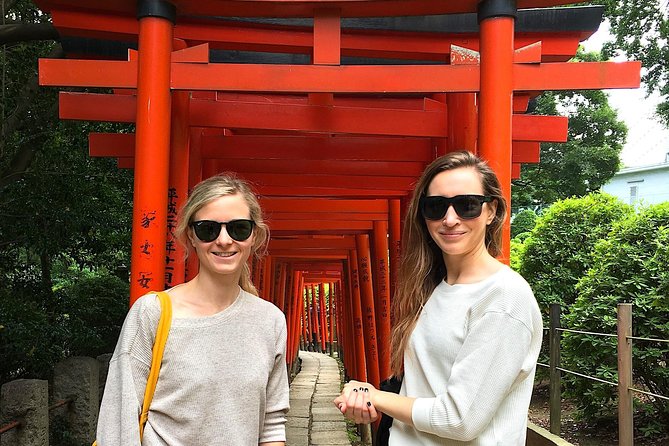
The route also includes one of Japan’s oldest and most striking shrines, set among large trees, azalea shrubs, ponds, paths, and colorful wooden structures. This is Nezu Jingu, identified by the tour experience as one of the major stops.
Nezu Jingu gives you a strong contrast with Tennoji. Tennoji is Buddhist, while Nezu Jingu is Shinto. Seeing both with a guide is more valuable than visiting either one in isolation because you can ask about rituals, symbols, purification, worship, and appropriate conduct as you go.
Several guides have used the shrine stop to explain how Shinto and Buddhism shape Japanese life. That instruction is especially handy early in a Japan trip, when you may visit many religious sites but remain unsure which customs belong to which tradition.
The setting is also one of the route’s most attractive. Seasonal azaleas and ponds add color, while old trees and wooden structures create a sense of separation from the city. Spring cherry blossoms are another seasonal draw in Yanaka, though the exact timing depends on your visit.
This is still a walking tour, not a formal religious lesson. The value comes from connecting the places to local life, architecture, and history. If you already have a strong background in Japanese religion, you may find some explanations introductory. For most first visits, that is an advantage rather than a problem.
More walking tours in Tokyo:
- Tokyo Tsukiji Fish Market Food and Culture Walking Tour
★ 5.0 · 3,184 reviews - Tokyo: Shinjuku Local Bar and Izakaya Guided Walking Tour
★ 4.9 · 1,794 reviews - Tokyo: Tsukiji Fish Market Food and Walking tour
★ 5.0 · 1,724 reviews - Tokyo: Asakusa Walking Tour with Sensoji Temple Visit
★ 4.8 · 1,583 reviews
Yanaka Ginza: Finish With Snacks and Shops

Yanaka Ginza Shopping Street is the natural finale. This is one of Tokyo’s better local shopping streets for seeing the old Shitamachi mood in action. It is a place to browse small businesses, look for traditional goods, and sample local snacks.
Food and drinks are not included, so carry some yen if you want to try sweets or other small bites. Guides have pointed out bakeries, rice-cake shops, local treats, cafes, and shops selling clothing made with geisha fabric. The exact purchases are up to you, but this final stop gives the tour a more lively ending than another quiet temple.
You may want to save room for a snack. The street works best when you can pause, ask what something is, and decide on the spot. Some guides have also stopped for sake tasting or refreshments, though those experiences should be viewed as possible extras rather than fixed inclusions.
The shopping street can be busy at times, but it feels different from Tokyo’s large commercial centers. You are seeing a local retail district rather than a polished department store. That makes it a good place to buy a small food item or practical souvenir instead of something imported for visitors.
How Much Walking and What to Wear
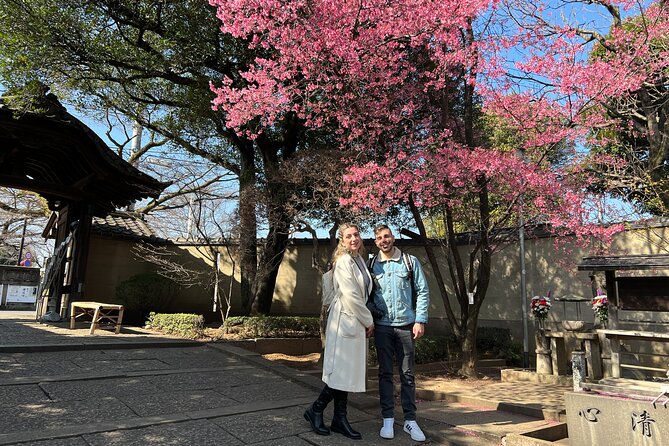
The tour lasts about three hours and 30 minutes and requires a moderate level of physical fitness. You will walk through streets, temple grounds, cemetery lanes, and shrine paths, with periods of standing while your guide explains what you are seeing.
Comfortable walking shoes are essential. One visitor specifically advised wearing them, and that advice is easy to accept. Tokyo distances can look short on a map but add up quickly when you are stopping at several sites.
Weather changes the experience. Rain does not automatically cancel the tour, and one person completed it in wet conditions, finding it memorable despite the weather. Another booking was affected by severe wind and rain, with the operator refusing a date change. That is an important practical point: do not assume poor weather will let you shift your reservation.
Summer can be hot and humid. A guide named Muchan brought bug spray and cooling spray on an especially hot day, and made stops in air-conditioned places. That kind of care depends on the guide and conditions, so bring water and dress for the forecast rather than counting on it.
If you need regular rest breaks, tell the guide at the start. The route can be adjusted to your pace, and Kaori was specifically praised for stopping when needed. The tour is active, but it does not have to be a race.
The Guides Make the Difference
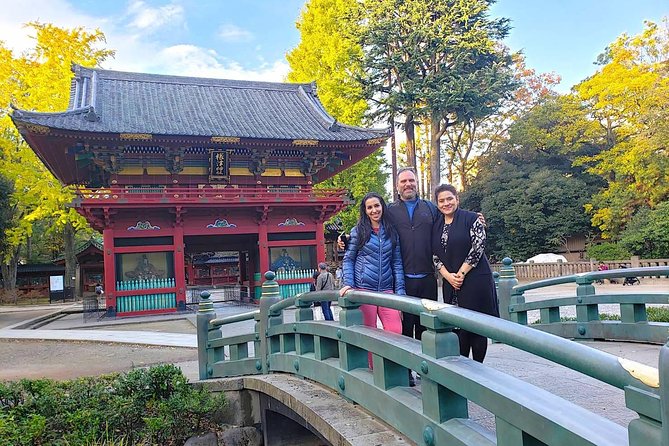
The strongest feature of this experience is the guide-led interpretation. Names that appear repeatedly in the tour’s feedback include Charlotte, Michiko, Mana, Kiyo, Kaori, Muchan, Mutsuko, Masa, Toshi, Ken, Fumiko, Satsuki, and Ryan.
Charlotte has been praised for clear English, safety awareness, and explanations of local ways. Michiko has helped visitors navigate stations and understand old buildings, temples, sweets, and neighborhood stories. Mana has answered detailed questions and made the experience feel almost private when the group was small.
Other guides bring different strengths. Ken has adjusted the pace to suit the group. Mutsuko has been described as warm and engaging. Fumiko has provided an informative afternoon in clear English. Satsuki has ended a hot day with a cafe stop and matcha milk.
Guide quality can never be guaranteed by name alone, but the pattern is useful. This tour is built around conversation, questions, and local interpretation, not a fixed audio script. If you like asking why a custom exists or how a neighborhood changed, you are likely to get more from it than someone who only wants a fast photo stop.
Price, Group Size, and What You Get
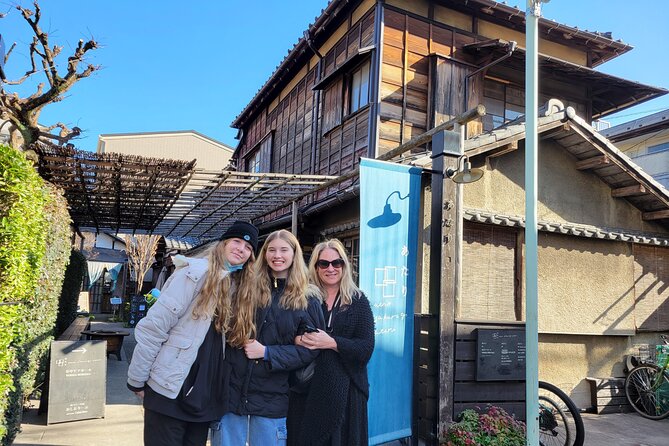
The cost is $72.96 per person. That is not bargain pricing for a neighborhood walk, but the value depends on how much guidance you want.
You are paying for an English-speaking guide, all listed fees and taxes, photographs of participants, and a small-group format. Food, drinks, the ¥1,000 tea experience, and optional extras cost more. Hotel pickup and drop-off are not included, though pickup may be available for an additional fee.
I see the price as reasonable for a first or second day in Tokyo if you want cultural context and a planned route through an area you might otherwise skip. It is less compelling if you are already comfortable navigating Yanaka, reading Japanese signs, and researching religious sites on your own.
A useful benefit is the option to extend the tour for ¥3,000 per group, per hour, payable in cash. Ask about this in advance if you want extra time for shopping, a cafe, or a museum. The experience normally starts at 9:00 a.m. or 2:00 p.m., and you need to provide your preferred starting time when booking.
The tour ends back at Nippori Station, so you are not left trying to find your way back from an unfamiliar neighborhood. The mobile ticket is convenient, and confirmation is sent at booking.
Who Should Book This Walk
I would choose this tour for a first visit to Tokyo, especially if you want a gentle introduction after arriving from a long flight. Several people have used it on their first day, and the combination of orientation, local customs, train guidance, food suggestions, and neighborhood history can help the rest of your trip make more sense.
It also suits you if you have already seen Tokyo’s headline districts and want a slower half-day. Yanaka offers temples, shrines, cemetery lanes, galleries, old homes, and a food street without the scale and speed of central Tokyo.
Families and older visitors should consider the walking length and heat. The route can be adjusted, but you still need moderate fitness. People who dislike cemeteries may want to ask how much time will be spent there or decide that this is not the right match.
Art lovers should favor an afternoon departure if SCAI The Bathhouse and Edokoro Alan West appeal to you. Museum fans should ask whether the Shitamachi Customs Museum can be included. None of these additions should be assumed as fixed on every tour.
Cancellation is free up to 24 hours before the start time. Changes made less than 24 hours in advance are not accepted, so be cautious about booking far ahead during a period of uncertain weather.
Should You Book the Yanaka Walking Tour?
Book it if you want old Tokyo explained by a local guide, not just photographed. The combination of Tennoji Temple, Yanaka Cemetery, Nezu Jingu, small streets, possible art stops, and Yanaka Ginza gives you a broad look at neighborhood life.
Skip it if you prefer major landmarks, indoor museums, or a short and easy stroll. The cemetery takes real time, the walk can be hot or wet, and optional tea, food, and drinks add to the cost.
For most visitors, I would choose the morning for cooler conditions and a quieter start, or the afternoon if the art studios and former bathhouse gallery are the priority. Bring comfortable shoes, water, and curiosity. Yanaka rewards the person who is willing to slow down.
FAQ
How long does the Yanaka Walking Tour last?
The tour lasts approximately three hours and 30 minutes.
Where does the tour begin and end?
It begins at Nippori Station at 2 Chome-19 Nishinippori, Arakawa City, Tokyo. The activity ends back at the meeting point.
What starting times are available?
The stated starting times are 9:00 a.m. and 2:00 p.m. You should provide your preferred starting time when booking.
Is food included in the price?
No. Food and drinks are not included. The optional tea ceremony at Gallery Okubo costs ¥1,000 and is paid separately.
Is the tour suitable for people with limited fitness?
The tour requires a moderate level of physical fitness and includes a substantial amount of walking. Comfortable walking shoes are recommended.
What is the cancellation policy?
You can cancel at least 24 hours before the local start time for a full refund. Cancellations or changes made less than 24 hours before the tour are not accepted.
Just added around Tokyo
- Private Arrival Transfer : Narita International Airport to Central Tokyo City★ 4.5 · 12 reviews
- Narita Airport(NRT): Private Transfer to Tokyo/Yokohama 1-9pax★ 5.0 · 47 reviews
- Private Transfer from Narita Airport to Yokohama Port and City★ 4.5 · 17 reviews
- [Narita Airport Terminals 1, 2] 40-60km Sawara Itako Historic Bike Tour★ 5.0 · 13 reviews
- 3 Day Japan Highlights Tour: Tokyo, Mt.Fuji, Nara, Kyoto, Osaka★ 5.0 · 22 reviews
- Small Town in the Big City: Tasting Tokyo’s Kichijoji★ 5.0 · 195 reviews
- Small Town in the Big City: Tasting Tokyo’s Kichijoji★ 5.0 · 16 reviews
- The 10 Tastings of Tokyo With Locals: Private Street Food Tour★ 5.0 · 48 reviews
Tokyo Tours, compared.

Mt Fuji and Hakone 1-Day Bus Tour Return by Bullet Train
Read our review →
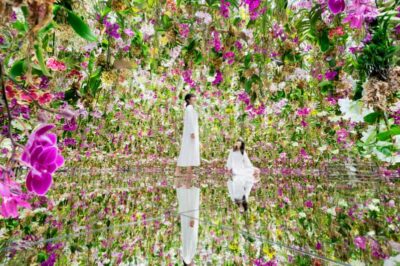
teamLab Planets TOKYO Digital Art Museum Entry Ticket
Read our review →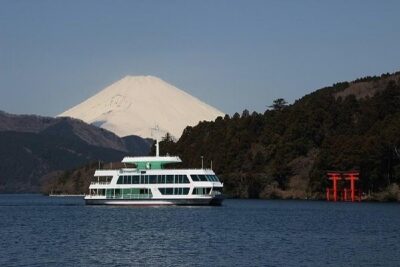
Mt Fuji & Hakone Cruise, Drum Show Bullet Train 1 Day from Tokyo
Read our review →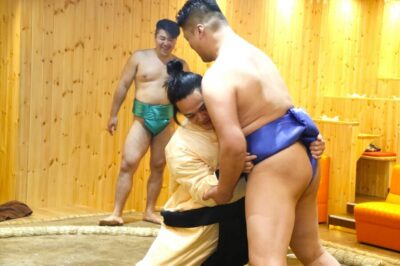
Sumo Show Experience with Chicken Hot Pot and a Photo
Read our review →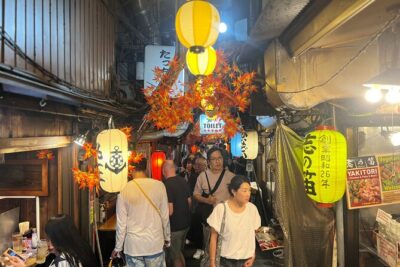
Shinjuku Food Tour (13 Dishes at 4 Local Eateries)
Read our review →
Tokyo Mt Fuji 5th St & Hakone Cruise Bus Tour w/Bullet Train
Read our review →
Flagship 2-Hours Official Street Go-Kart Tour – Tokyo Bay Shop
Read our review →Browse the lists this tour appears in