
Reviewed · OSAKA TOURS
Osaka: Kendo Workshop Experience
The best thing about this Osaka activity is that it treats Kendo as a martial art, not a quick samurai dress-up stunt. You learn the bow, the rules, the basic movement, and the correct way to strike before facing a partner or instructor. I like the quiet dojo setting and the sharp sound of bamboo swords meeting. I also like that Yamasaki sensei has been praised for clear English, good humor, and careful corrections.
The main consideration is physical comfort. You will change clothes, handle a bamboo sword, wear a face protector called a Men, and practice strikes. The session is not suitable for children under nine, pregnant women, wheelchair users, or people with mobility impairments, and the small format is basically arranged for two participants.
Key points at a glance
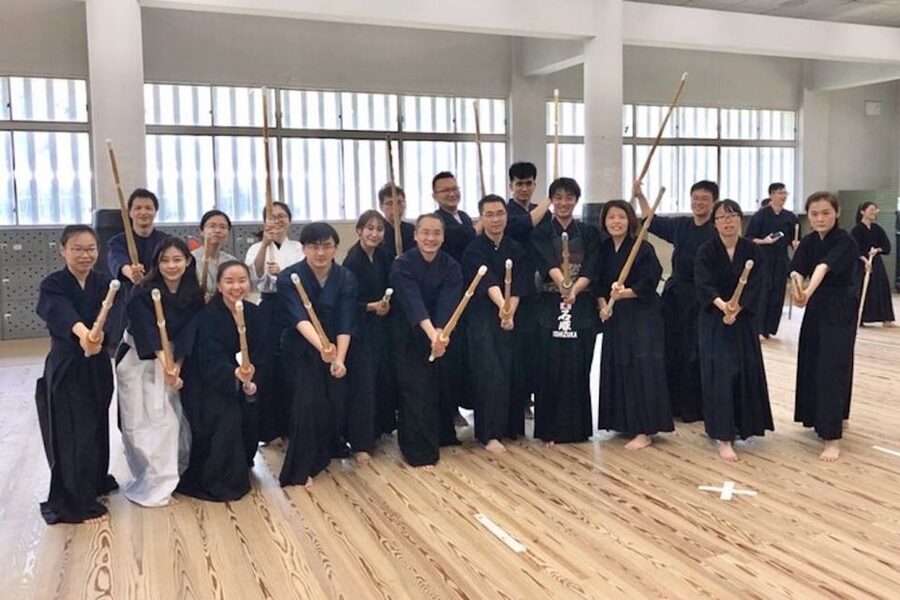
- A real Kendo lesson: Learn etiquette, posture, sword handling, strikes, and the meaning behind the practice.
- A compact two-hour format: The program moves from preparation to practice, a mini-game, demonstrations, photos, and changing clothes.
- Personal instruction: The small group is limited to two participants, allowing close attention from the instructor.
- National-level demonstrations: Watch advanced Kendo techniques performed at close range.
- Equipment included: Rental armor and equipment, mineral water, and a special Japanese hand towel are provided.
- A useful Osaka pairing: Afterward, you can visit an izakaya and try the optional special Samurai meal mentioned for the experience.
Why this feels like Kendo, not a costume photo
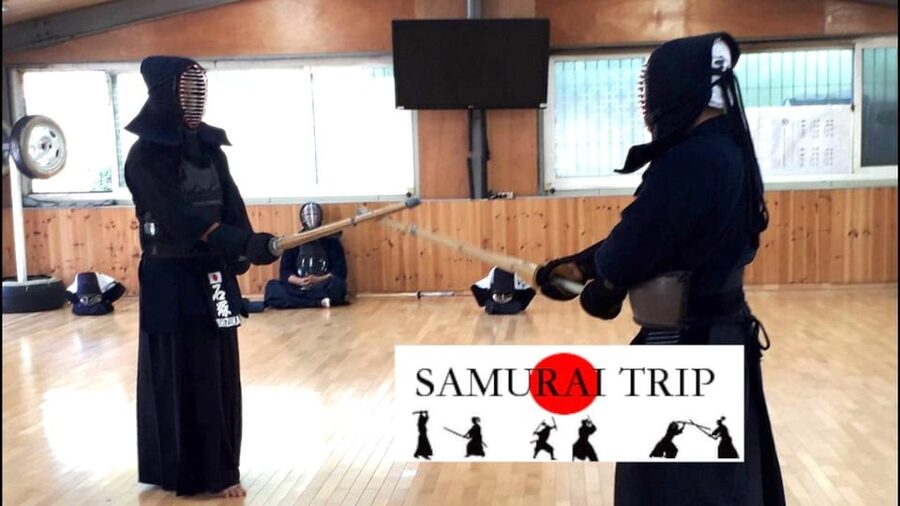
Osaka offers plenty of ways to sample Japanese culture, but many are short, polished, and made mainly for pictures. This session takes a different path. You may get a memorable photo at the end, but the heart of the two hours is practice inside a dojo.
Kendo means the way of the sword. Modern Kendo uses bamboo swords, called shinai, along with protective armor. The aim is not simply to swing hard. You are learning control, timing, posture, focus, and respect. The opening and closing manners matter as much as the strikes.
That is why the sound of the session is part of its appeal. The dojo is quiet between instructions. Then comes the call from the instructor, the movement of feet, and the crack of bamboo meeting armor. It gives the activity a sense of order that a staged samurai performance cannot easily reproduce.
I also appreciate the way the program joins physical practice with Kendo culture. At intervals, the instructor explains the history of Kendo and its manners as a martial art. You are not left to copy movements without knowing why they matter.
More hands-on workshops in Osaka:
- Sushi Making Osaka Roll and Authentic Japanese Sushi Class
★ 5.0 · 1,220 reviews - Matcha Making Class in Osaka with Authentic Japanese Sweets Set
★ 5.0 · 509 reviews - Osaka: Ramen and Gyoza Cooking Class in Dotonbori
★ 5.0 · 378 reviews
Arriving at Shigino Kaikan
The meeting point is 鴫野会館, also written as Shigino Kaikan hall. You are responsible for reaching the hall yourself because hotel pickup and drop-off are not included.
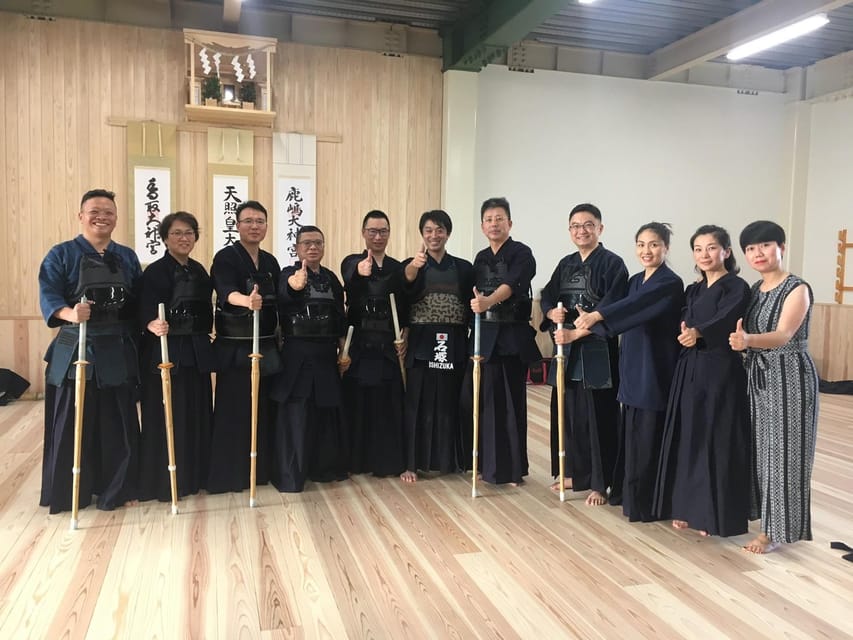
Once inside, the session begins with changing clothes. Rental armor and equipment are included, so you do not need to arrive with Kendo gear. A special Kendo towel is also provided. You use it when putting on the Men, the protective face covering worn during Kendo practice, and you can keep it as a practical reminder of the session.
The setting matters here. A dojo is not just a room with equipment. It has an expected order, and the first lesson is how to behave in that space. The instructors guide you through the opening etiquette before asking you to pick up a bamboo sword.
English and Japanese instruction are available. If you do not speak Japanese, that should not stop you from booking, but listen closely and copy the instructor’s demonstrations. Kendo movements are visual, and the early lesson is designed for beginners.
Learning the manners before the strikes
The first practical stage covers etiquette and basic instruction. You learn how to stand, how to hold the bamboo sword, and how to move with control. The exact Japanese terms may be new, but the instructor breaks the process into manageable pieces.
This is one of the strongest parts of the program for a first-timer. Kendo can look simple from the outside: two people face each other and strike. In practice, your hands, feet, eyes, posture, and timing all need to work together.
The emphasis on manners also keeps the session from becoming a noisy sword fight. You are taught to respect the person in front of you, follow the structure of the practice, and treat the sword and dojo properly. That focus is central to the idea of lifelong Kendo, where improvement and discipline matter beyond one afternoon.
The instructors appear to keep the mood friendly without making the lesson careless. Yamasaki sensei has received especially strong praise for teaching in clear English, adding humor, and giving precise corrections. That combination is useful: you can relax, but you still understand that the details matter.
Striking with a bamboo sword
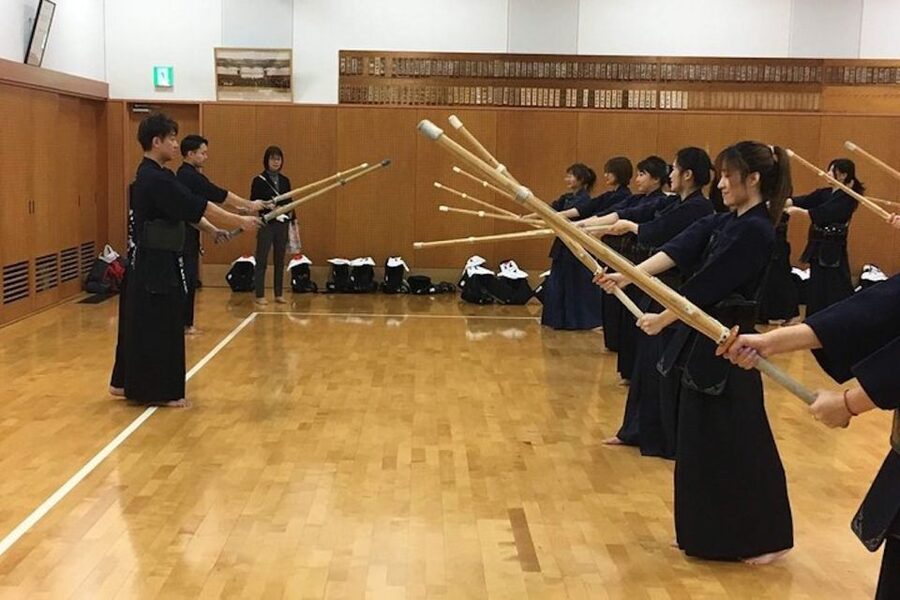
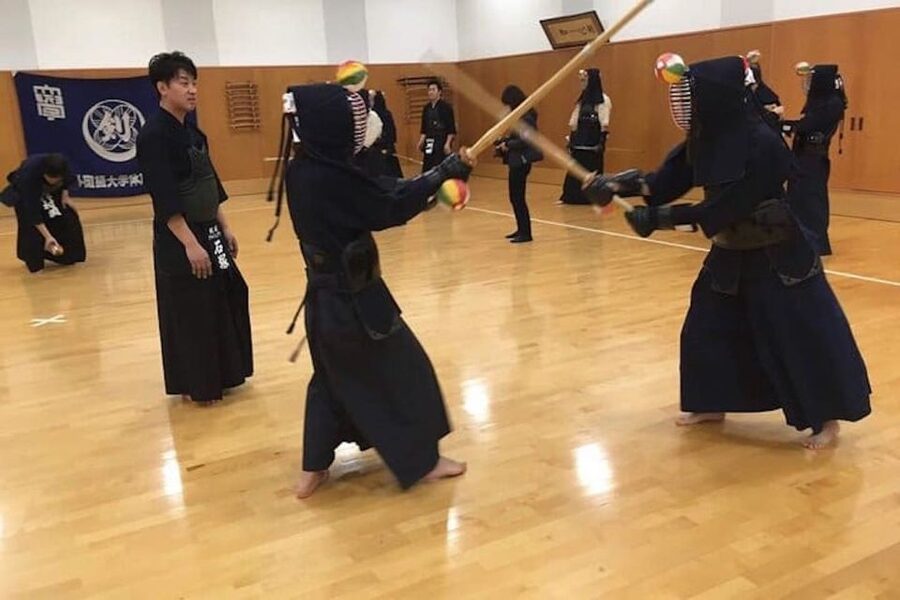
Once you have the basic movements, you begin hitting with the shinai. The instructor shows you how to make a controlled strike and where the target is. You will practice the action before moving into more demanding work.
The point is not to hit with all your strength. A proper Kendo strike involves form, spirit, and accuracy. The instructor watches your position and adjusts the movement so you do not simply wave the sword around.
This close coaching is where the small group makes a difference. With a maximum of two participants, the instructor can watch each person more carefully than in a large class. A past participant described the corrections as sharp and specific, which is exactly what you want when learning a martial art for the first time.
You may also practice striking the instructor. This is a memorable step because it gives you a clear target and lets you feel the rhythm of a real drill. The instructor controls the exercise, so the activity stays safe while still feeling more serious than a basic demonstration.
Some people will find the repeated movements demanding. You are standing, stepping, gripping, and concentrating at close range. The session lasts two hours, so it is short enough for a cultural outing but long enough to require real attention.
A few more Osaka half-days to weigh up
- Osaka Go Karting Tour with Funny Costume
★ 5.0 · 2,658 reviews - Osaka Castle: Museum and Tower Entry Ticket
★ 4.5 · 2,380 reviews - Osaka: Shinsekai Food Tour with 13-15 Dishes at 5 Eateries
★ 4.8 · 2,204 reviews - Osaka Food Tour: 13 Dishes at 5 Local Eateries
★ 5.0 · 2,149 reviews
The Kendo culture lesson
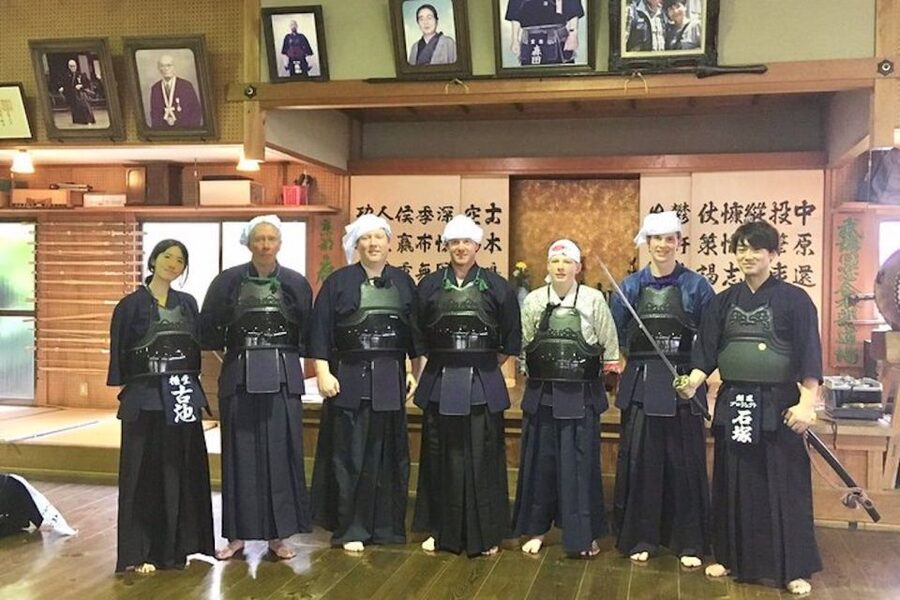
The program pauses at intervals for explanations of Kendo culture. This is valuable because the physical drills make more sense when connected to the larger practice.
You learn about Kendo not only as a competitive sport, but also as a martial art shaped by manners and discipline. The session presents ideas such as unifying your spirit and treating Kendo as a lifelong path. You do not need prior knowledge to follow this section.
For me, this is what gives the activity more weight. The lesson does not ask you to become a Kendo expert in two hours. Instead, it lets you see why the bow, the controlled posture, and the calm between strikes are important.
The cultural portion also gives your body a short change of pace. You are not moving continuously from start to finish. The alternation between explanation and practice helps beginners keep up and gives you time to remember what you have just learned.
Putting on the Men
After the early drills, you put on the Men and return to striking practice. The face protector changes the feel of the lesson. It is heavier and more enclosed than ordinary sports equipment, and it makes the practice look and sound closer to formal Kendo.
The instructor helps you use the equipment correctly. Your special Kendo towel comes into play here, as it is used when putting on the Men. Rental armor and equipment are included, which keeps the activity simple for visitors who do not own any gear.
You then strike the instructor again while wearing the protective equipment. This stage is one of the clearest markers that the program is more than a photo opportunity. You are applying the movement you learned earlier, now with the visual and physical presence of Kendo armor.
The Men can feel restrictive, particularly if you are not used to sports headgear. That is worth keeping in mind if you dislike enclosed equipment. Still, the instructors guide the process, and the session is built for people who are new to Kendo.
The match-style mini-game
The final practical challenge is a match-style mini-game. It is designed so beginners can take part, even if they have never practiced Kendo before.
Do not expect a full competition with advanced rules and long rounds. Think of this as a structured chance to use the basic stance, movement, and strikes you have just learned. The instructor sets the tone and keeps the activity within the ability of the participants.
This part adds a little friendly pressure. You must pay attention to distance and timing rather than simply repeat a drill. It also gives you a reason to remember the earlier lessons about manners and control.
The format may suit you if you like an activity with a clear finish line. If you prefer a quiet cultural class with no competitive element, the mini-game is the one portion that may feel less comfortable. It is still described as accessible to beginners, and the instructor remains involved.
Watching national-level demonstrations
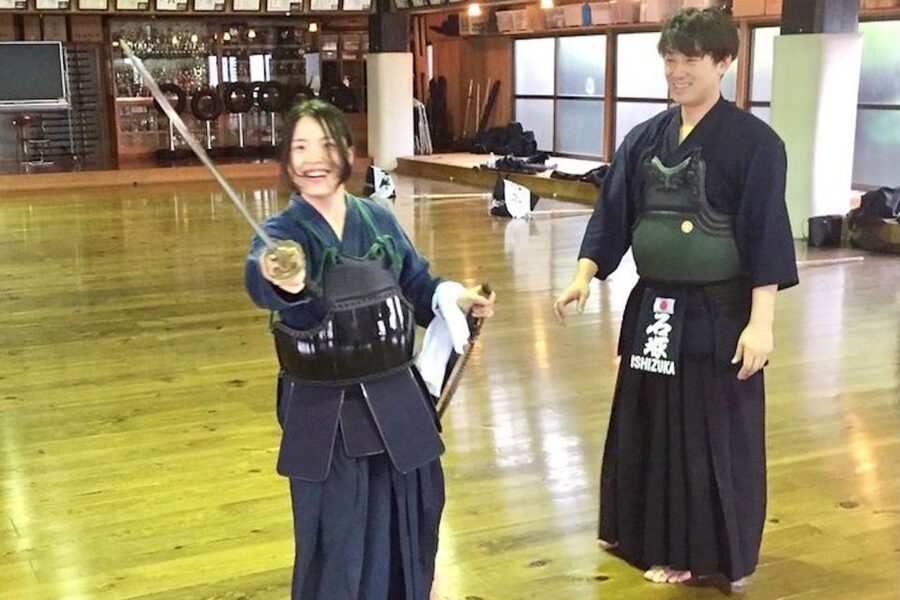
After your own practice, national-level instructors perform demonstrations. This is a chance to see the techniques at a much higher level than you can reach in a first session.
The close view is important. Kendo can look fast from a distance, with strikes appearing to happen almost at once. From nearby, you can notice the precision of the movement, the timing, and the control behind each action.
The demonstration also puts your own progress in perspective. You may have learned the basic steps, but advanced Kendo has years of practice behind it. That contrast can be encouraging rather than discouraging. You see what the art can become with long-term training.
It is also a welcome viewing break after the mini-game. You get to enjoy the sound and movement without worrying about your own footwork.
Closing manners, photos, and changing clothes
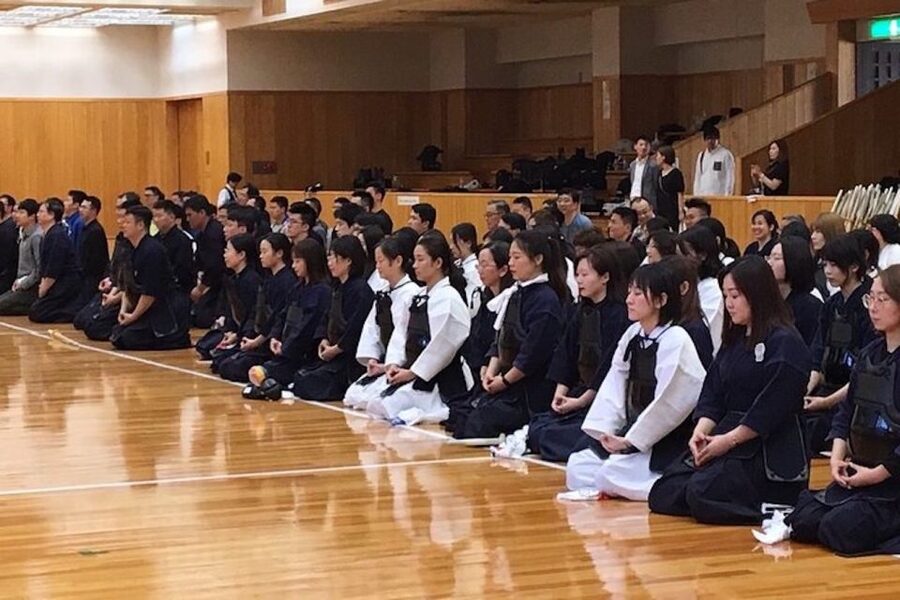
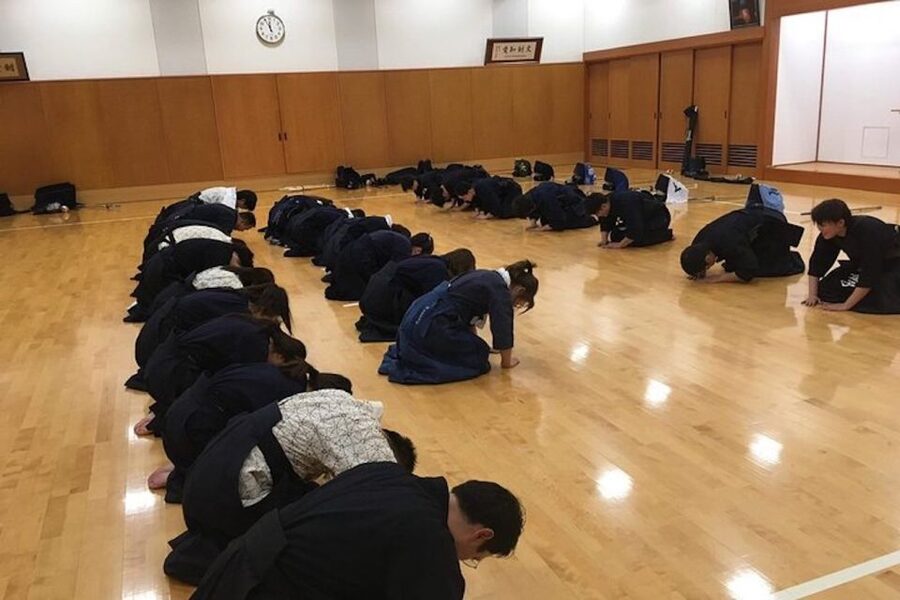
The session closes with etiquette and photographs. The photo gives you a simple souvenir, but it works best after the lesson because you have already learned what the equipment and gestures mean.
You then change out of the Kendo gear. The special towel, free mineral water, and included equipment make the practical side easy. Food is not included, and there is no hotel transfer, so plan the activity as a self-contained visit to the meeting hall.
The experience lasts two hours in total. That time includes preparation, instruction, cultural explanations, practice, the mini-game, demonstrations, photos, and changing clothes. Check the available start times when booking because the schedule is not fixed in the information provided.
Is $116 a fair price?
At $116 per person, this is not the cheapest cultural activity in Osaka. You are paying more than you would for a simple museum visit or a brief photo session.
The value comes from the private-feeling format and the amount packed into two hours. Professional instruction, rental armor and equipment, water, the Kendo towel, direct practice, a match-style activity, and national-level demonstrations are all included.
The group size is limited to two participants, and that is a major part of the price. A larger class might cost less, but you would likely receive less individual correction. Here, the instructor can focus closely on your posture and movement.
I would consider the price reasonable for someone who specifically wants to practice Kendo rather than simply watch it. It is less compelling if you only want a samurai costume photo or a general introduction to Japanese martial arts.
The booking terms also give you some flexibility. You can cancel up to 24 hours in advance for a full refund, and the reserve-now, pay-later option lets you hold a place without paying today. Those policies are useful when your Osaka schedule is still shifting.
Who should book this Osaka Kendo session?
This is best for adults and older children who want hands-on cultural practice and are comfortable with a little exertion. The age limit excludes children under nine, and the activity is not suitable for pregnant women, people with mobility impairments, or wheelchair users.
Beginners are welcome. You do not need previous Kendo experience, and the instruction covers the full basic sequence from ritual to hitting. People who have practiced Kendo before may also enjoy the chance to work with an instructor and watch advanced demonstrations.
The session is especially good for:
- Couples or two friends who want a small, focused activity
- Martial arts fans looking for more than a staged performance
- Visitors who enjoy learning manners and cultural context alongside technique
- People who want a memorable Osaka activity that does not depend on sightseeing scenery
- Anyone who likes a little friendly competition at the end of a class
It may not suit you if you dislike physical instruction, enclosed protective gear, or structured etiquette. The small group also means you should pay attention to the participant setup when choosing a date.
Ending the day with an izakaya meal
After changing clothes, you can continue the theme at a Japanese izakaya. Food is not part of the $116 price, but the experience mentions a special Samurai meal on the menu.
That makes a natural follow-up, especially if you want to talk over the lesson while the sound of bamboo swords is still fresh in your mind. Just treat the meal as a separate expense and plan accordingly.
The suggested pairing also keeps the activity connected to ordinary Japanese life. You practice a formal martial art in the dojo, then move to a casual restaurant setting. It is a pleasant way to finish without pretending that modern Osaka is a samurai movie.
Final call: book it if you want to practice, not pose
Book this Kendo workshop if you want a direct introduction to Japanese martial arts, close instruction, and a real sense of dojo etiquette. The small group, English instruction, included equipment, mini-game, and high-level demonstrations give the session more substance than a standard costume stop.
Skip it if you are looking for a passive cultural show, cannot comfortably handle the equipment, or need wheelchair access. For everyone else, $116 buys a focused two-hour lesson with enough context and practice to make the experience feel worthwhile. You leave with a Kendo towel, photographs, and a better understanding of why this art values both the strike and the bow.
FAQ
Where does the Kendo workshop take place?
The meeting point is 鴫野会館, known in English as Shigino Kaikan hall, in Osaka on Honshu.
How long does the activity last?
The Kendo workshop lasts two hours, including changing clothes, etiquette, instruction, practice, the mini-game, demonstrations, photography, and changing back.
Is the workshop taught in English?
Yes. Instruction is available in English and Japanese. Yamasaki sensei is specifically noted for providing clear English instruction.
Is Kendo equipment included?
Yes. Rental Kendo armor and equipment are included. Each participant also receives a special Kendo towel and free mineral water.
How many people can join?
The activity is described as a small-group session limited to two participants, and the program is basically arranged for two people.
Who cannot take part?
The activity is not suitable for children under nine, pregnant women, people with mobility impairments, or wheelchair users. Pets, alcohol, and drugs are not allowed.
Can I cancel or pay later?
You can cancel up to 24 hours in advance for a full refund. The reserve-now, pay-later option allows you to book without paying immediately.
Just added around Osaka
- Discover Real Osaka: A Cultural Walk with Food & Drink★ 5.0 · 13 reviews
- From Osaka/Kyoto: Kyoto & Nara Day Trip with Optional Lunch★ 4.5 · 79 reviews
- Osaka 6hr Private Walking Tour with Government Licensed Guide★ 5.0 · 174 reviews
- Private Airport transfer Kansai Intl. Airport(KIX) to OSAKA CITY★ 4.5 · 12 reviews
- Osaka: Namba Local Food Walking Tour (Taste 15 Dishes)★ 5.0 · 20 reviews
- Osaka Delights: Traditional Japanese Food Tour★ 4.5 · 33 reviews
- Badminton in Osaka & Kyoto with Locals!★ 5.0 · 15 reviews
- From Osaka or Kyoto: Kyoto and Nara 1-Day Bus Tour★ 3.5 · 141 reviews
Osaka Tours, compared.


Shinsekai Food Tour with 13-15 Dishes at 5 Eateries
Read our review →
Osaka Food Tour: 13 Dishes at 5 Local Eateries
Read our review →
Hungry Osaka Street Food Tour:15 Tastings & 3 Drinks with a Local
Read our review →



Hotspots & Hidden Gems Walking Tour Private or Group
Read our review →Browse the lists this tour appears in