
Reviewed · OSAKA TOURS
Osaka: Ramen and Gyoza Cooking Class in Dotonbori
Ramen here starts with wheat, not a packet. You knead the dough, roll it through a noodle machine, cut it into strands, build a broth with chicken bones and dried sardines, and fill gyoza with minced chicken. The meal is also the lesson, since you sit down and eat what you made.
I like the small-group setup, usually no more than eight people, and the patient coaching from instructors such as Miki, June, Yoshi, and Kasa. I also like that you receive recipes to use at home and can adjust the soup with toppings or miso. The main consideration is time: allow roughly two to three hours, and give yourself extra time to find the building entrance.
Five useful things to know
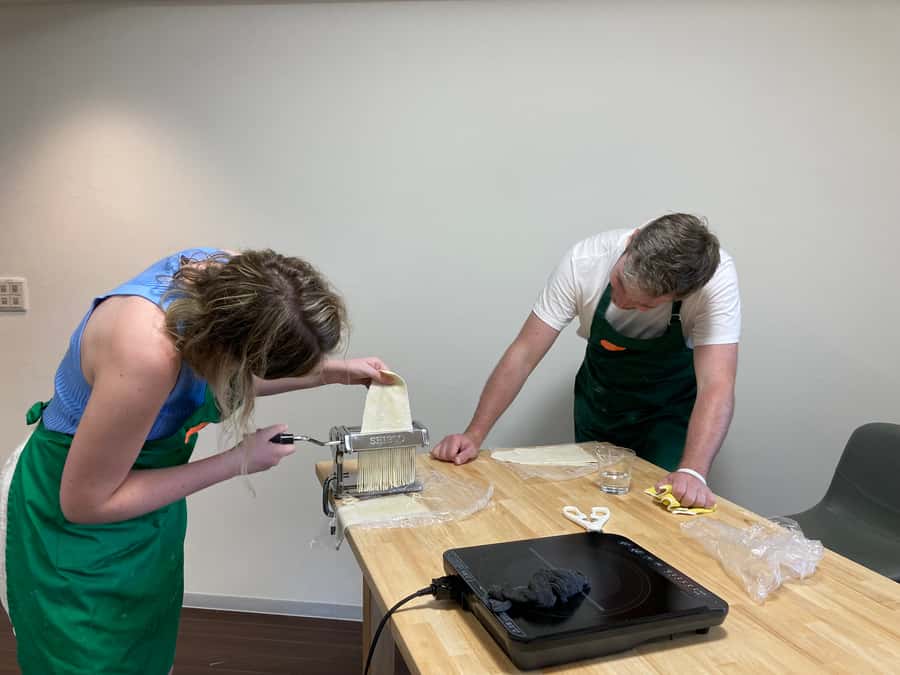
- You make the ramen noodles from wheat, then cut them with a noodle machine.
- The standard soup is soy sauce ramen, built with chicken bones and dried sardines.
- Gyoza filling uses minced chicken, with adjustments available for some dietary needs.
- Classes are small, with two instructors for groups of up to about eight people.
- Recipes go home with you, so the class has value beyond one meal.
- The meeting point can be tricky to spot, so arrive early at Cooking Sun Osaka, room 807.
Making ramen from wheat in Dotonbori
This is a cooking class first and a meal second, which is exactly why it works. You do not simply watch a chef assemble a bowl. You handle the dough, prepare the ingredients, shape the dumplings, and learn how the parts fit together.
Ramen and gyoza are commonly ordered together at Japanese ramen shops. The pairing makes sense: the soup and noodles form the main dish, while the pan-fried dumplings add another texture and flavor. Making both in one session gives you a useful look at a familiar Japanese meal rather than a single isolated recipe.
The ramen begins with wheat. You knead the dough, work it until it reaches the right texture, and then pass it through a noodle machine. Cutting the noodles is one of the class highlights because it turns a plain piece of dough into something immediately recognizable.
You will likely need to pay attention here. Noodle thickness affects cooking time and texture, so this is not just a quick demonstration. The instructors guide the process step by step and help if you fall behind. That support matters for beginners, families, and anyone who has never handled fresh noodle dough.
More cooking classes in Osaka:
- Osaka Cooking Class: Okonomiyaki &Japanese cuisines experience
★ 5.0 · 261 reviews - Osaka Sake Tasting with Takoyaki Cooking
★ 5.0 · 156 reviews - Osaka: Cooking Class Ramen & Gyoza Course in Nanba
★ 4.9 · 86 reviews
Building a soy sauce ramen bowl
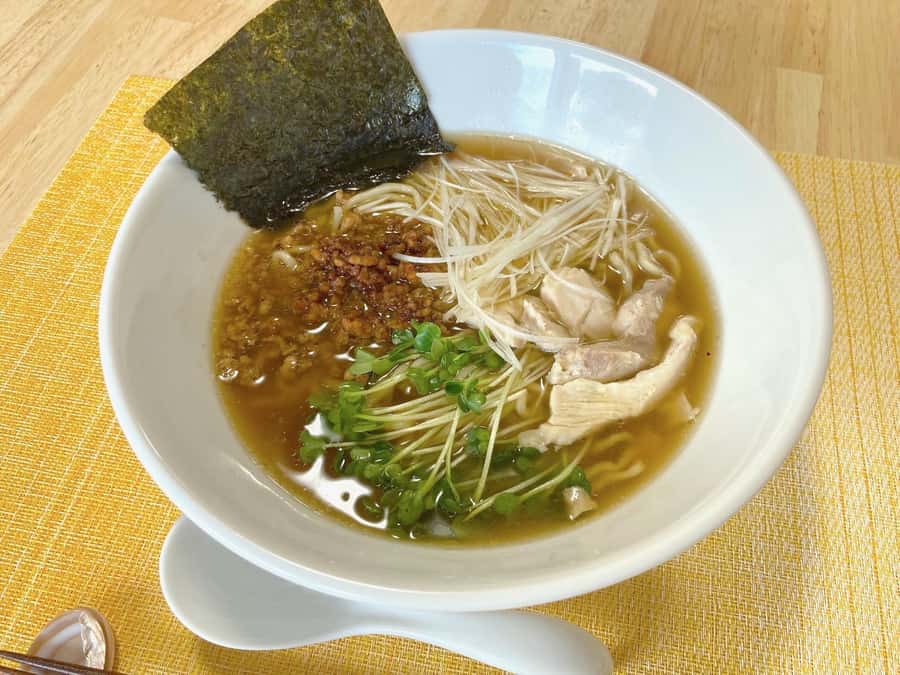
The soup uses chicken bones and dried sardines, creating a base with more character than an instant broth. The class focuses on a standard soy sauce ramen, a useful starting point because it shows how seasoning, stock, noodles, and toppings work together.
You can add toppings to make the bowl your own. The information provided does not specify every topping, so expect the class to focus on the core preparation rather than a long menu of extras. You can also add miso to the soup for a miso ramen variation, which gives you a simple way to change the flavor.
I like this part because it explains why ramen is not one fixed dish. Ramen shops serve many styles, and small changes in broth and seasoning can create a different bowl. You get to eat an original version made during the class, then use the recipe later with your own preferred toppings.
The broth also gives the class a cultural and practical angle. You learn that flavor comes from building a base carefully, not just pouring seasoning into water. For anyone who plans to cook Japanese food at home, that lesson is more useful than memorizing one restaurant-style presentation.
Shaping minced-chicken gyoza
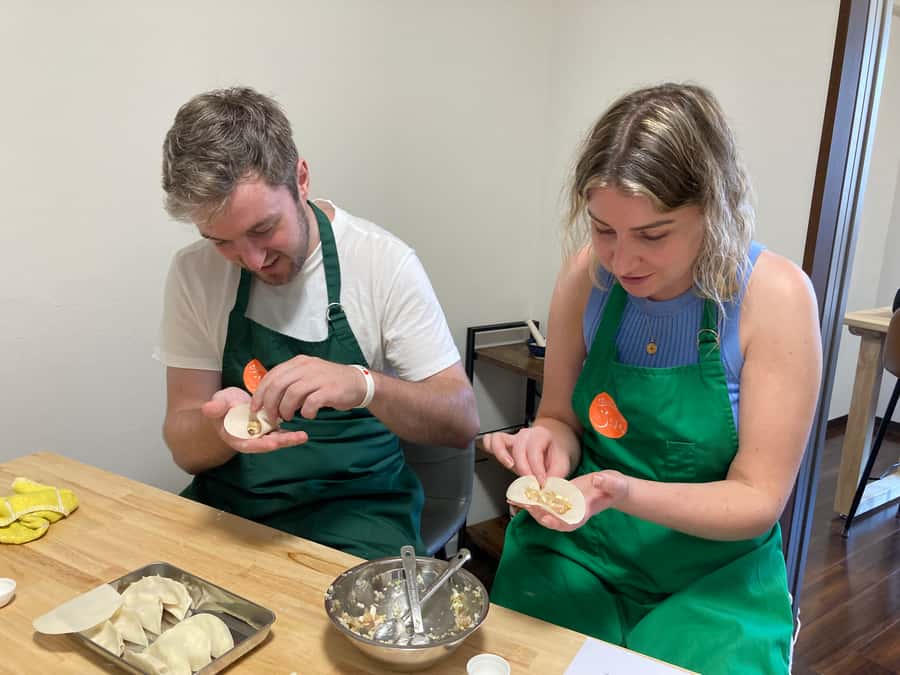
While the noodle dough rests, you prepare the gyoza. The filling uses minced chicken, and you shape the dumplings yourself rather than receiving ready-made pieces.
Gyoza can look simple, but shaping them neatly takes a little coordination. You need to add the right amount of filling, fold the wrapper, and seal it properly. The instructors stay close during this part, which helps keep the class moving at a comfortable pace.
The timing is well arranged. The dough rests while you work on the dumplings, so the class does not feel like a series of unrelated tasks. One activity fills the waiting time for another, and the meal comes together in a logical order.
The cooking class can also adjust some recipes. A plant-based option was prepared for a vegan participant, and a substitute was provided for a couple who did not want fish broth. You should still explain dietary needs when booking or as early as possible, since the supplied information does not promise every possible substitution. The useful point is that the instructors have shown flexibility.
Two instructors for a small group
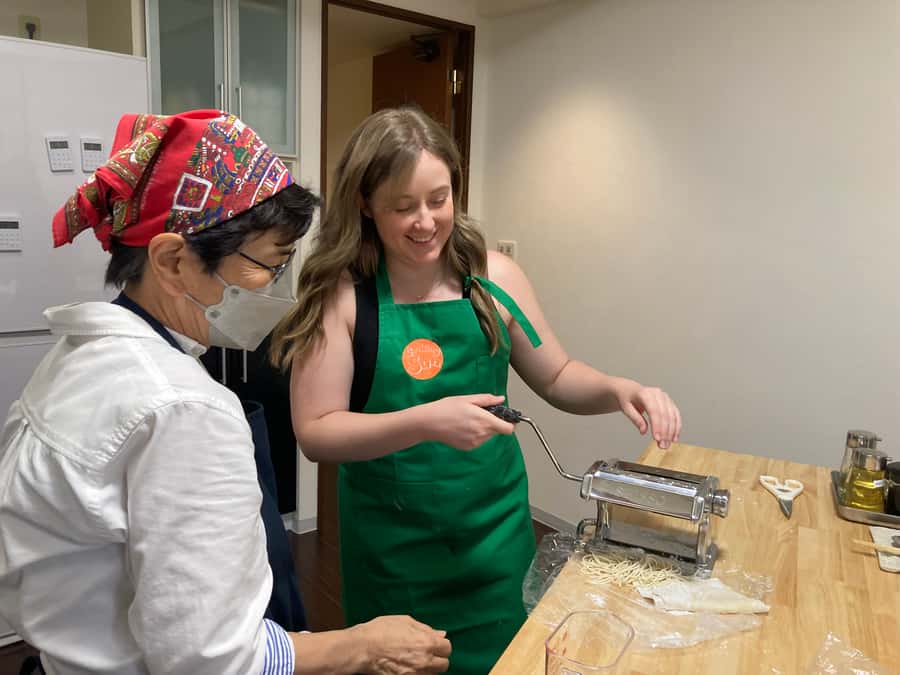
The class is conducted in English. Names connected with the teaching team include Miki, June, Yoshi, and Kasa, and the instruction is described as clear, friendly, and patient.
A small class makes a real difference here. With two instructors for up to about eight people, you can ask questions without stopping the whole room. If your dough is not behaving or your dumpling folds are going slowly, an instructor can step in and show you what to change.
The pace is another strength. The class is organized so that you keep working without feeling hurried. Parents have found it suitable for a family group, including an 11-year-old, and a 14-year-old also enjoyed the activity. That makes it a good choice for families who want something hands-on rather than another sightseeing stop.
You may also receive explanations about Japanese ingredients, different kinds of miso, eating customs, and where to buy fresh ingredients. This extra context turns the lesson into more than a recipe workshop. You get a better sense of how Japanese cooks think about broth, seasoning, and everyday meals.
The instructors may take photos when you want them, which is a thoughtful touch during a hands-on activity. Still, the main value is the help at the counter, not the photo record.
More hands-on workshops in Osaka:
- Sushi Making Osaka Roll and Authentic Japanese Sushi Class
★ 5.0 · 1,220 reviews - Matcha Making Class in Osaka with Authentic Japanese Sweets Set
★ 5.0 · 509 reviews - Osaka Sushi Making Class – Hands-On Nigiri & Rolls (Same-Day OK)
★ 5.0 · 352 reviews - Osaka: Roll and Authentic Sushi Making Class in Dotonbori
★ 4.9 · 239 reviews
A full meal at the end
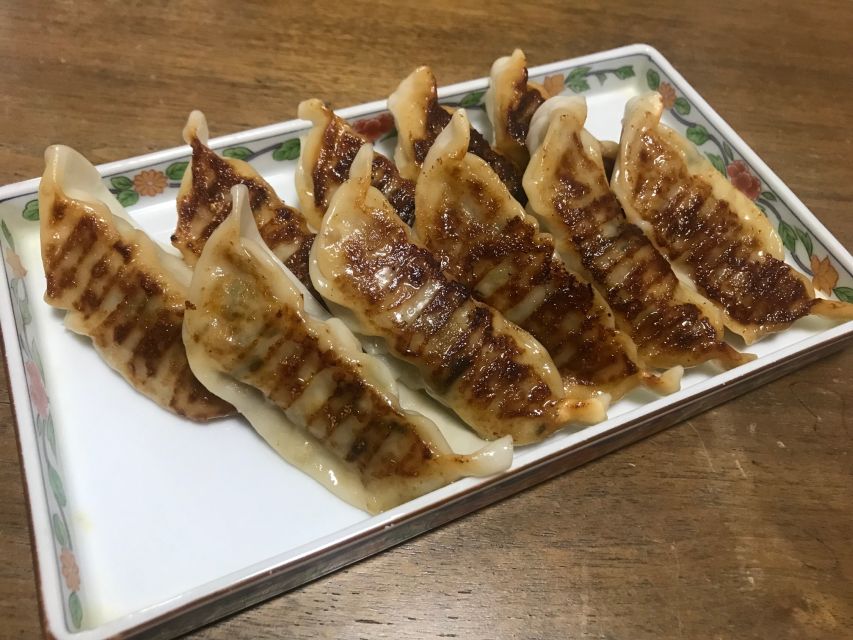
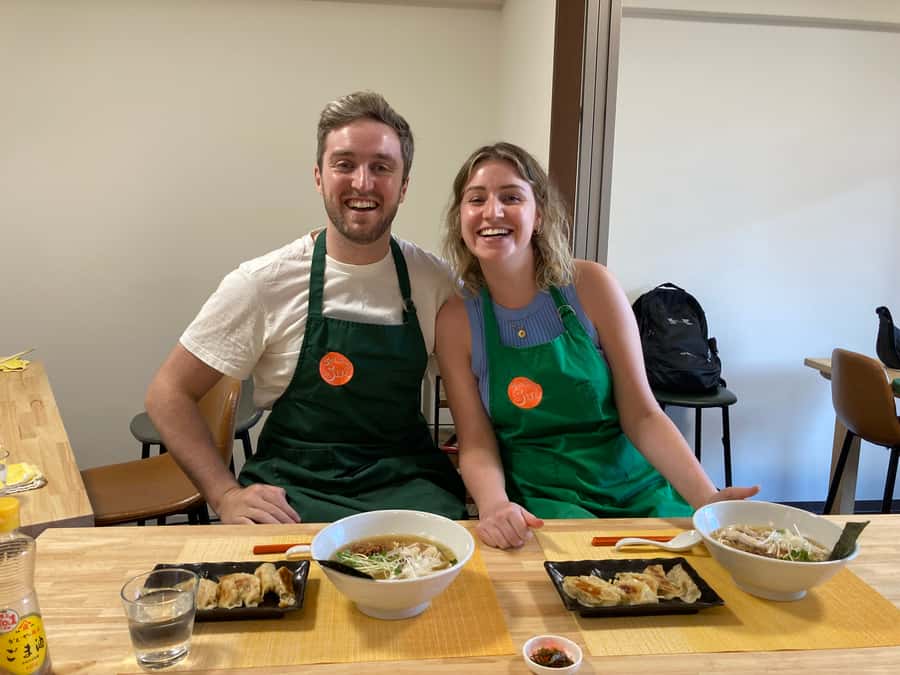
The reward arrives when the noodles and gyoza are cooked. You sit down at the meeting point and eat the meal you prepared.
This is a substantial finish. Several participants advise arriving hungry because the class ends with a proper meal, not a token tasting. The ramen is paired with the gyoza, just as it often is at a Japanese ramen shop.
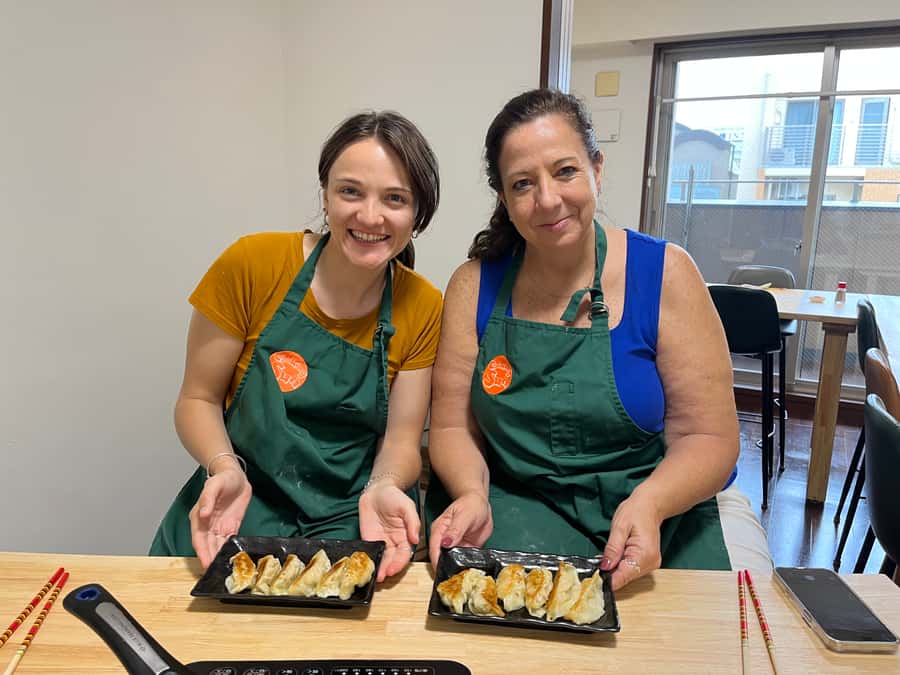
The food quality depends partly on your own technique, but the ingredients and instruction give you a strong starting point. The finished dishes have also been praised for their flavor, with particular approval for the gyoza and the ramen broth.
I see value in eating at the end rather than receiving a restaurant bowl at the start. You can connect each flavor to a step you performed. The broth is not just tasty; it is the result of the stock and seasoning work you just learned. The noodles are not just fresh; you made them.
One practical point: this is not a quick snack class. The preparation takes time, and the meal comes after the work. If you want to eat immediately before your next appointment, choose a restaurant instead.
Why the $70 price can make sense
At $70 per person, this is not the cheapest meal in Osaka. Dotonbori has plenty of quick and affordable places to eat. The price here covers more than food: it includes all ingredients, instruction in English, use of the cooking equipment, and a sit-down meal.
You are also paying for a small class rather than a large demonstration. Two instructors can offer individual help, explain ingredients, and keep the group on schedule. That matters when you are making noodles from scratch, since a short demonstration alone would not teach you much.
The recipes add lasting value. You can try the dishes at home instead of leaving with only a memory and a full stomach. The class is particularly worthwhile if you already enjoy Japanese food and want a practical skill from your time in Osaka.
The value is weaker if you dislike cooking, have very little time, or mainly want to sample restaurant ramen. In those cases, your $70 may be better spent on several meals around the city. For people who enjoy hands-on activities, the price is easier to justify because it combines food, instruction, and cultural context.
Finding Cooking Sun Osaka, room 807
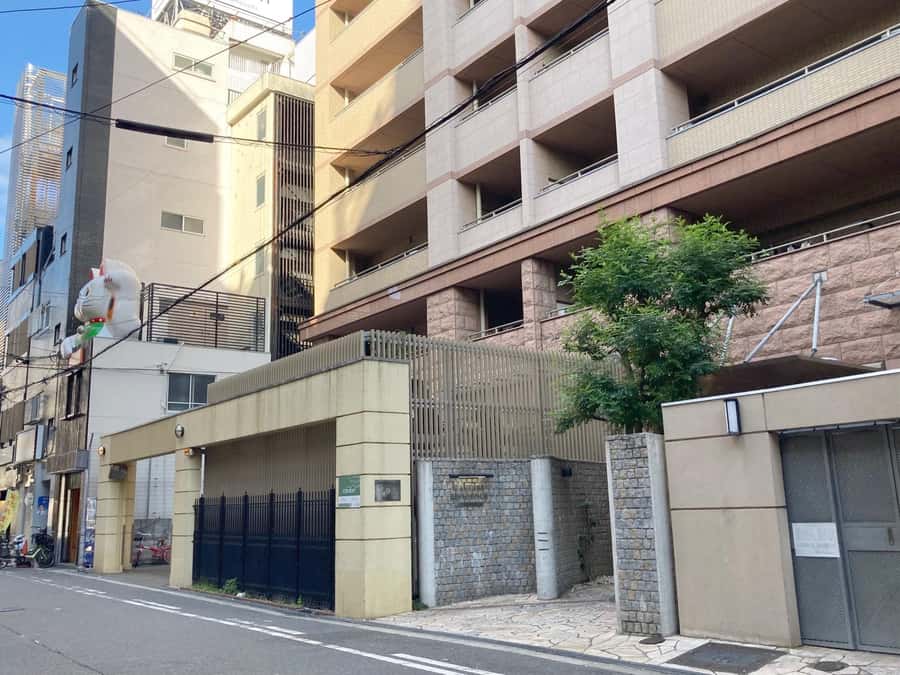
The meeting point is Cooking Sun Osaka, room 807. At the entrance, press 807 and then press the button marked 呼出, which means call.
This is the least polished part of the practical setup. The building can be hard to find, so do not arrive at the last minute. Allow time to identify the correct entrance and use the intercom. Hotel pickup and drop-off are not included, and the activity begins and ends at the meeting point.
Because Dotonbori is a busy area, it is wise to check the location before leaving your hotel. Keep the room number and the Japanese call button instruction handy on your phone. This small bit of preparation can prevent an awkward start.
The activity ends back at the same place, so you do not need to arrange a separate pickup. That also makes it easy to continue exploring Dotonbori afterward, though the exact class timing should guide your plans.
Who will enjoy this class most
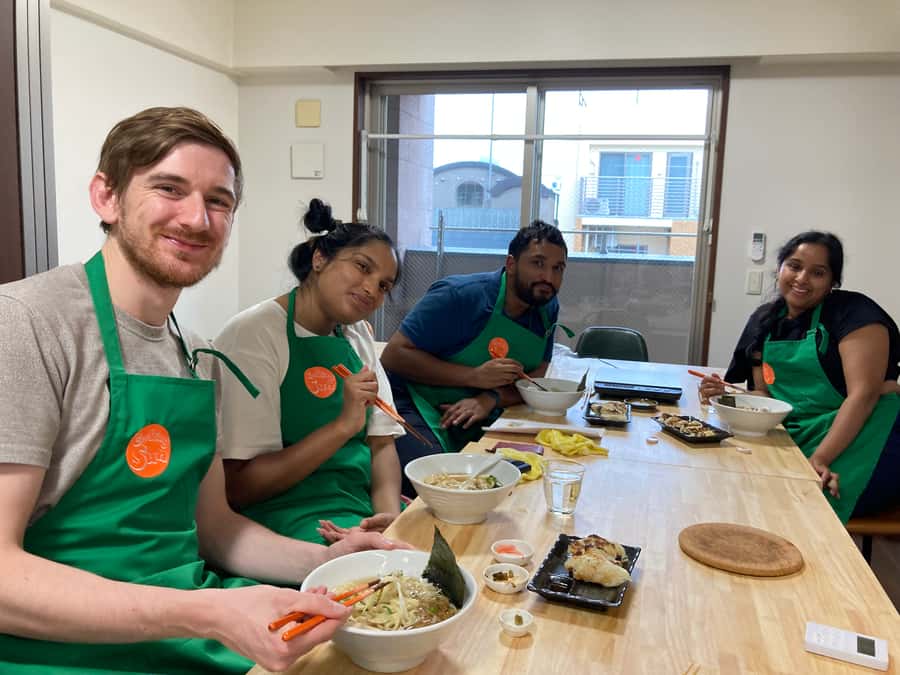
I would choose this for people who want to understand Japanese food by making it. You do not need advanced cooking skills. The teaching is designed to be followed step by step, and the instructors help if you fall behind.
It suits:
- Couples looking for a shared activity
- Families with older children and teenagers
- First-time visitors who want a food-based cultural lesson
- Home cooks who want to recreate ramen and gyoza
- Visitors who enjoy small classes over large group tours
- Anyone who wants a substantial meal after a hands-on session
It is less suitable for someone with a tight schedule or limited interest in cooking. The session takes time, and kneading dough and shaping dumplings require participation. You should also raise dietary concerns early, even though adaptations have been made for vegan and fish-free needs.
The class is conducted in English, making it a practical choice if you do not speak Japanese. The instructors are described as easy to understand, and their explanations cover both the cooking steps and the food culture behind them.
What makes it useful after Osaka
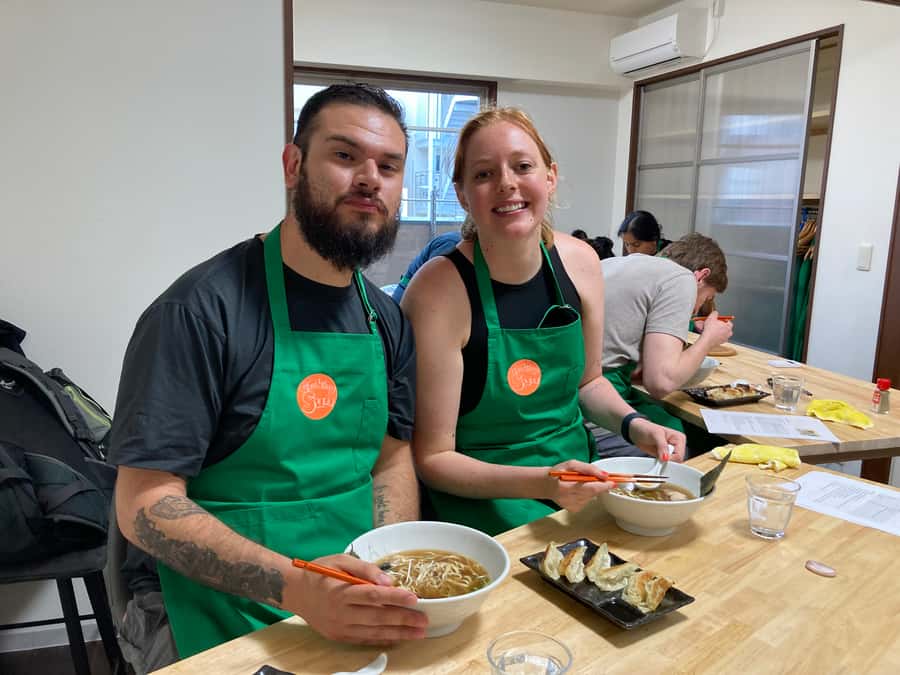
The recipes are the part you may appreciate most after your holiday. Ramen can seem difficult to recreate because the bowl combines noodles, broth, and toppings. This class breaks it into manageable stages.
You learn how the noodle dough is made and cut. You also learn how the broth starts with chicken bones and dried sardines, and how miso can change the soup. The gyoza lesson gives you another recipe that is easier to repeat at home, especially once you have practiced folding.
You may not reproduce the exact class meal on your first attempt. Ingredients, equipment, and cooking experience will differ at home. Still, the class gives you a working method rather than a vague memory of what the chef did.
That is a better souvenir for food lovers than another photograph of a bowl. You leave with a meal, recipes, and enough practice to try again.
Booking details and timing
The listed price is $70 per person. Ingredients are included, but hotel transportation is not.
The class is in English and takes place at Cooking Sun Osaka in Dotonbori. The activity returns to the meeting point when it ends. The exact duration is described differently in the available information, with one account allowing about two hours and another describing a three-hour class. Plan for a generous two to three hours rather than trying to fit it into a narrow gap.
You can reserve and pay later, which helps if your Osaka plans may change. Cancellation is allowed up to 24 hours in advance for a full refund. Those terms make it easier to book early without locking yourself into an inflexible plan.
FAQ
How much does the ramen and gyoza cooking class cost?
The price is $70 per person.
What dishes will I make?
You will make ramen noodles from wheat and prepare ramen with a standard soy sauce broth. You will also make gyoza using minced chicken.
Are ingredients included?
Yes. All ingredients used in the cooking class are included.
What language is the class taught in?
The class is conducted in English.
Where does the class meet?
Meet at Cooking Sun Osaka, room 807. At the entrance, press 807 and then the button marked 呼出, or call.
Can I cancel for a full refund?
Yes. You can cancel up to 24 hours in advance for a full refund.
Should you book this Osaka cooking class?
Book it if you want to do more than eat ramen in Osaka. The class gives you a close look at noodles, broth, gyoza, Japanese ingredients, and dining customs, all while producing a filling meal.
I especially recommend it for families, couples, and food lovers who value small groups and patient instruction. The recipes to take home and the option to adjust the soup add practical value.
Skip it if you want a fast meal, dislike hands-on cooking, or have a packed Dotonbori schedule. Also plan carefully for the meeting point and allow up to three hours.
For most visitors with the time, this is a well-organized way to turn two famous Japanese dishes into skills you can use long after you leave Osaka.
Just added around Osaka
- Discover Real Osaka: A Cultural Walk with Food & Drink★ 5.0 · 13 reviews
- Osaka 6hr Private Walking Tour with Government Licensed Guide★ 5.0 · 174 reviews
- Private Airport transfer Kansai Intl. Airport(KIX) to OSAKA CITY★ 4.5 · 12 reviews
- From Osaka/Kyoto: Kyoto & Nara Day Trip with Optional Lunch★ 4.5 · 79 reviews
- Osaka: Namba Local Food Walking Tour (Taste 15 Dishes)★ 5.0 · 20 reviews
- Osaka Delights: Traditional Japanese Food Tour★ 4.5 · 33 reviews
- Badminton in Osaka & Kyoto with Locals!★ 5.0 · 15 reviews
- From Osaka or Kyoto: Kyoto and Nara 1-Day Bus Tour★ 3.5 · 141 reviews
Osaka Tours, compared.


Shinsekai Food Tour with 13-15 Dishes at 5 Eateries
Read our review →
Osaka Food Tour: 13 Dishes at 5 Local Eateries
Read our review →
Hungry Osaka Street Food Tour:15 Tastings & 3 Drinks with a Local
Read our review →

Hotspots & Hidden Gems Walking Tour Private or Group
Read our review →Browse the lists this tour appears in