
Reviewed · OSAKA TOURS
Osaka: Roll and Authentic Sushi Making Class in Dotonbori
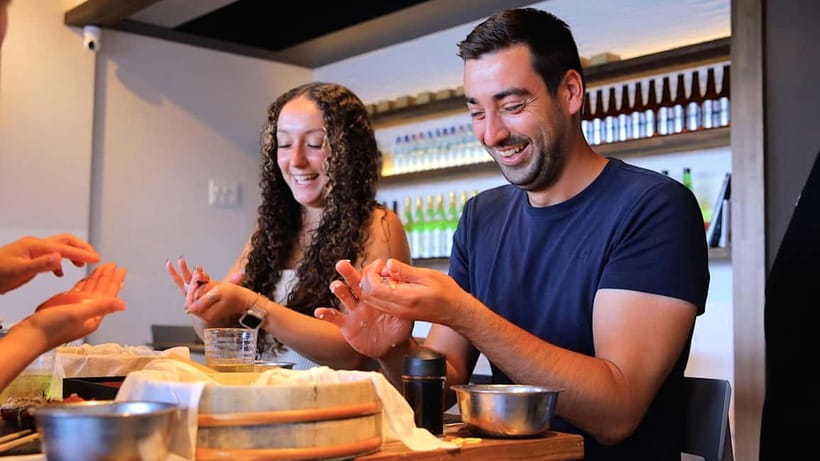
Making your own sushi in Osaka is more than a quick cooking lesson. You learn the story behind the food, shape maki rolls and nigiri, and then sit down to eat the results in the heart of the city’s food district. The light quiz and cheerful instruction keep the history lesson from feeling like school.
I like the friendly English-speaking staff, who make a point of chatting with you and offering Osaka food tips. I also like the useful menu flexibility: vegan, vegetarian, gluten-free, halal, and allergy-friendly options are available if you arrange them at least three days ahead.
The main drawback is time. The class lasts 100 minutes, and several people found the final eating period a little rushed. It is a tidy, well-run activity, but you should arrive ready to follow directions rather than expect a slow, chef-school lesson.
Key points to know before booking
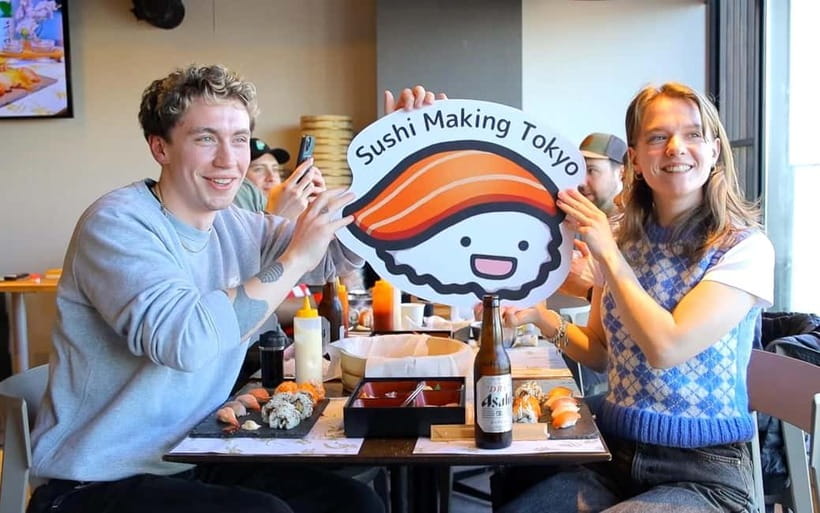
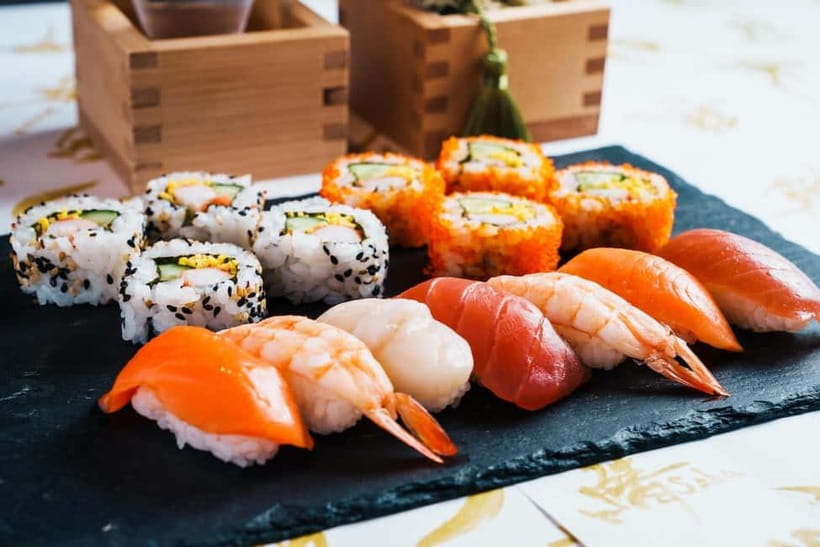
- Two sushi styles in one class: Prepare maki rolls and traditional nigiri, with reviews also referring to sashimi-style pieces.
- Sushi history comes first: A quiz, video, and live demonstrations explain how the food developed.
- English instruction is lively: Instructors including Shoki, Yui, Rika, Takara, and Fujiko are praised for clear teaching and humor.
- Your work becomes your meal: The ingredients are prepared for you, but you shape the sushi and eat what you make.
- Dietary requests need planning: Vegan, vegetarian, gluten-free, halal, and allergy menus are available with three days’ notice.
- The location is easy to pair with sightseeing: The class is near Dotonbori and Shinsaibashi, about five minutes from Shinsaibashi Station.
Why this Osaka sushi class works so well
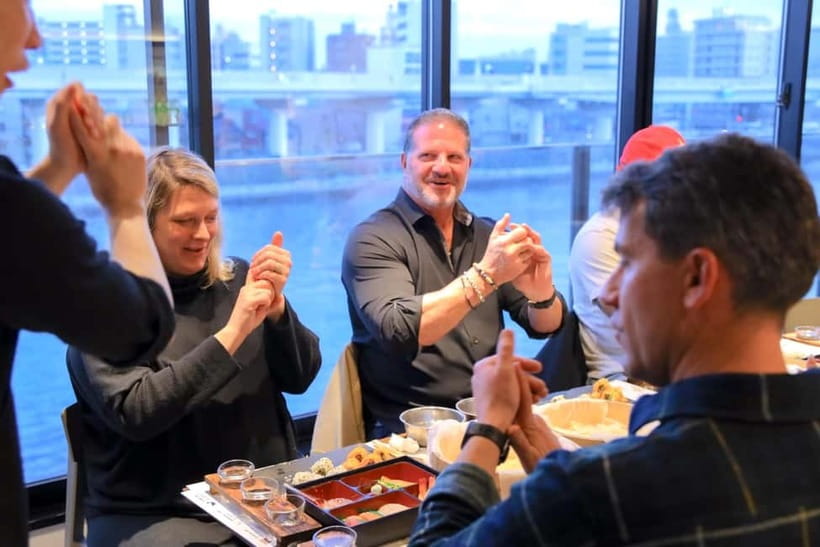
Osaka is famous for eating, but much of the city’s food culture is experienced from the customer’s side of the counter. This class gives you a small role in the process. You handle the rice, work with the ingredients, and learn why different forms of sushi are shaped in different ways.
That makes the activity useful for more than families with children. Couples can share an easy indoor break, solo visitors can meet an English-speaking local team, and food lovers can take home a few basic skills for the next time sushi cravings hit.
The setting also matters. You are in central Osaka, close to the neon signs and restaurants of Dotonbori and the shopping streets around Shinsaibashi. It is not a countryside food workshop or a visit to a fish market. It is a compact city activity that fits neatly into a day of exploring.
The class has a rating of 4.9 from 239 reviews, with praise centered on the same points again and again: upbeat instruction, simple explanations, clean surroundings, good ingredients, and the fun of eating your finished sushi. That consistency suggests the basic format is dependable, even though the exact instructor and group atmosphere can change from session to session.
More Sushi Making Classes in Osaka
- Sushi Making Osaka Roll and Authentic Japanese Sushi Class
★ 5.0 · 1,220 reviews - Osaka Sushi Making Experience
★ 5.0 · 400 reviews - Osaka Sushi Making Class – Hands-On Nigiri & Rolls (Same-Day OK)
★ 5.0 · 352 reviews
Finding the Galleria Acca Building near Shinsaibashi
The meeting point is on the third floor of the Galleria Acca Building, about a five-minute walk from Shinsaibashi Station. The building entrance can be easy to miss because it is set within a concrete structure, so give yourself a few extra minutes rather than racing in at the start time.
The location is one of the class’s best practical features. You can schedule it before an evening around Dotonbori, after shopping in Shinsaibashi, or between other central Osaka stops. There is no hotel pickup or drop-off, but you do not need one for an activity this centrally placed.
One useful detail comes from the venue itself: the building has an elevator, but it may not reach the floor where the workshop takes place. The activity is listed as wheelchair accessible, so anyone who needs step-free access should confirm the exact arrangements before booking. This is a small point, but it is much better to know it in advance.
Once you arrive, expect a dedicated cooking-class space rather than a traditional sushi restaurant. The setting has been described as clean and well organized, with visual instruction that helps you follow along even when the class moves quickly.
The quiz that turns sushi history into a conversation
The class begins with an introduction to sushi and a light, interactive quiz. This is a smart choice. You get enough background to understand what you are making, but the lesson is broken up with questions and humor instead of a long lecture.
The material covers the history of sushi and the different types you will prepare. The instructors use videos, demonstrations, and live examples, giving you more than a verbal explanation. That visual approach matters because sushi shaping is a hand skill. Watching the motion first makes the later practice much easier.
The staff also use the opening moments to ask where you are from and start a conversation. That simple welcome helps solo visitors feel included and gives couples or families a chance to meet the people at the next table. The tone is social and energetic, with several instructors known for jokes, chants, and playful encouragement.
Shoki is especially praised for combining sushi history with a positive, funny teaching style. Yui, Rika, Takara, Fujiko, and other instructors are also singled out for patience, clear English, and warmth. You may not have one of these exact instructors, but the repeated praise for the teaching team points to a shared style: explain clearly, keep the mood light, and help you correct mistakes without making a fuss.
Making maki rolls with prepared ingredients
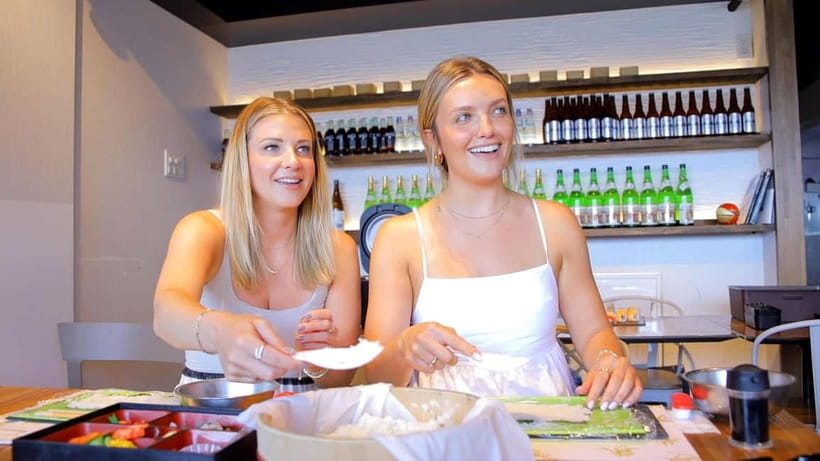
The first hands-on section focuses on maki, or rolled sushi. The rice and ingredients are prepared before you begin, which keeps the 100-minute format manageable. You are not shopping for fish, cooking rice, or spending half the class on knife work. Instead, the time goes toward the part most people want to learn: assembling and rolling.
That preparation is both a strength and a limitation. It lets beginners concentrate on technique and finish a full meal within one session. At the same time, this is not a full lesson in sushi rice preparation or fish butchery. If you are hoping to learn every step from raw ingredients to restaurant presentation, this class will feel introductory.
The instructors demonstrate the process before you try it. You then work through the steps with their help, learning how to place the ingredients, manage the rice, and form the roll. The staff keep an eye on the tables, so you are not left alone with a sticky mat and uncertain instructions.
You should expect to make about six maki pieces, based on the detailed description of the class. The finished pieces may not look perfect on your first attempt, but that is part of the charm. You get a practical feel for the balance between rice and filling, and you can repeat the basic method at home.
The ingredients receive strong praise, and one participant noted that the portions were more than generous. That is important at a $45 price point. You are not paying only for a demonstration. You receive ingredients, instruction, and the food you prepare.
More sushi classes in Osaka:
- Osaka: Sushi Class in Dotonbori
★ 4.9 · 160 reviews - Osaka Dotonbori: Sushi Making Experience
★ 4.9 · 122 reviews - Osaka: Sushi Making in Spacious Studio (SAME-DAY OK!)
★ 5.0 · 75 reviews - Sushi Making Tokyo Roll and Authentic Japanese Sushi Class
★ 5.0 · 3,971 reviews
Shaping nigiri, the simple-looking sushi that takes practice
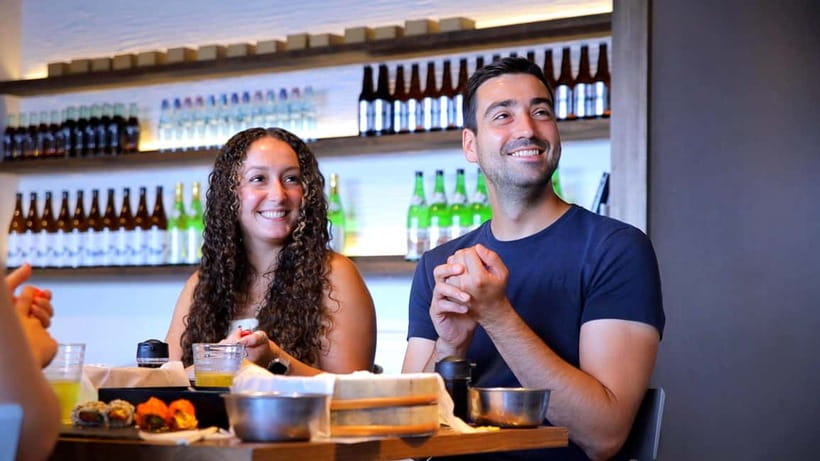
Next comes nigiri, the hand-formed sushi made by placing a topping over a small mound of rice. It looks simple when a sushi chef does it. Your hands may tell a different story.
The instructor demonstrates how to form the rice and place the topping without crushing the shape. You then make your own pieces under guidance. The detailed class description indicates about six pieces of nigiri, while some comments refer to sashimi. The clearest recurring description is that the class teaches both maki and nigiri, so expect the second technique to be the hand-shaped style rather than a long sashimi-cutting lesson.
This is where the class’s playful mood helps. The instructors encourage you to be gentle with the rice, and the repeated Hoi Hoi Hoi cheer has become part of the experience. It may sound silly on paper, but a little silliness makes beginners less worried about producing perfect sushi.
The goal is not to turn you into a professional sushi chef in one afternoon. The real gain is confidence. After making these pieces, you will understand the basic movements and feel more comfortable trying sushi at home. One participant described the recipes as something useful to take home for the next time Japan feels far away.
Eating the sushi you just made
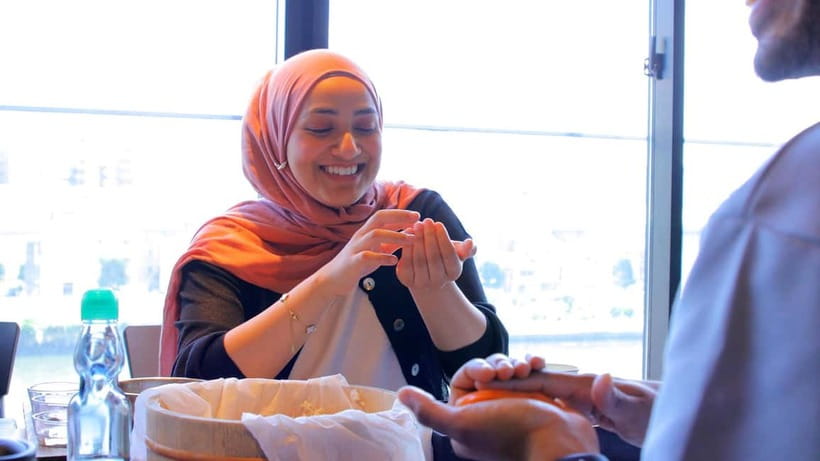
At the end, you eat your own sushi. This is the payoff, and it also changes how you judge the class. You are not simply watching a chef prepare a plate. You have been involved in each piece, so an uneven roll still feels like an achievement.
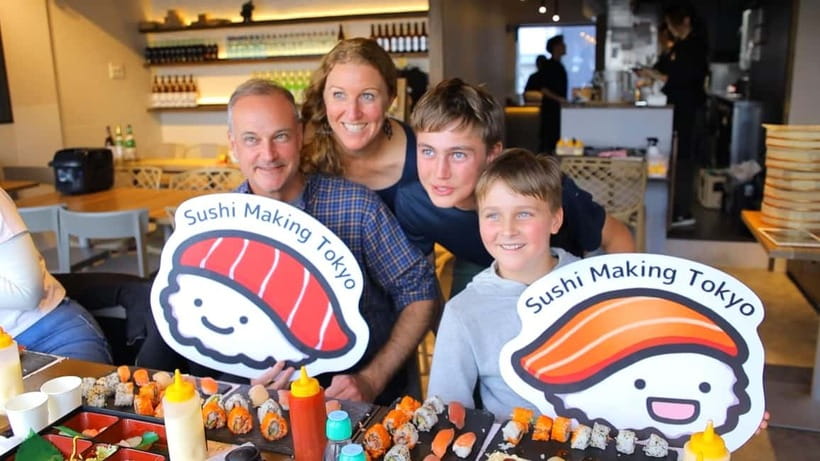
The class provides enough food to function as a light lunch for some people. A detailed account describes six maki and six sashimi-style pieces, while the wider descriptions consistently refer to maki and nigiri. Portions can depend on the menu, but you should arrive expecting a substantial tasting rather than a tiny sample.
The timing deserves attention. A few people felt rushed when the food was collected or when they were trying to finish making every piece before eating. You may want to keep condiments such as ginger and wasabi on your plate rather than leaving them on a tray that staff might clear.
This is not a serious problem for most people, but it is the one recurring practical caution. The class runs on a schedule, and the instructors have to keep everyone together. If you eat slowly, take many photographs, or want a relaxed conversation over the meal, you may wish the session lasted another ten minutes.
Still, the fact that you eat everything you make is a real value. There is no wasted cooking lesson where the chef takes over at the end. Your final plate is your lunch, your souvenir, and your proof that you paid attention.
Dietary menus and what to arrange in advance
The class can accommodate vegan, vegetarian, gluten-free, halal, and allergy-related menu changes. Meat, nuts, fruits, and dairy are not used in the listed menu, which may simplify planning for some diets.
You must contact the provider when making the reservation, and the deadline for menu changes is three days before the class. Same-day changes are not accepted, and the kitchen cannot handle requests for specific individual ingredients beyond the stated menu arrangements.
This is good flexibility, but it is not a reason to wait until the morning of your class. Put the request in at booking and make sure it is clearly recorded. One halal participant specifically found that the requested ingredients were prepared correctly, which is encouraging, but advance notice remains essential.
If you have a serious allergy, read the restrictions carefully and ask the provider for confirmation before paying. The supplied information says allergy menus are possible, but it does not promise an allergen-free kitchen or describe separate preparation areas.
The value of $45 for 100 minutes in Osaka
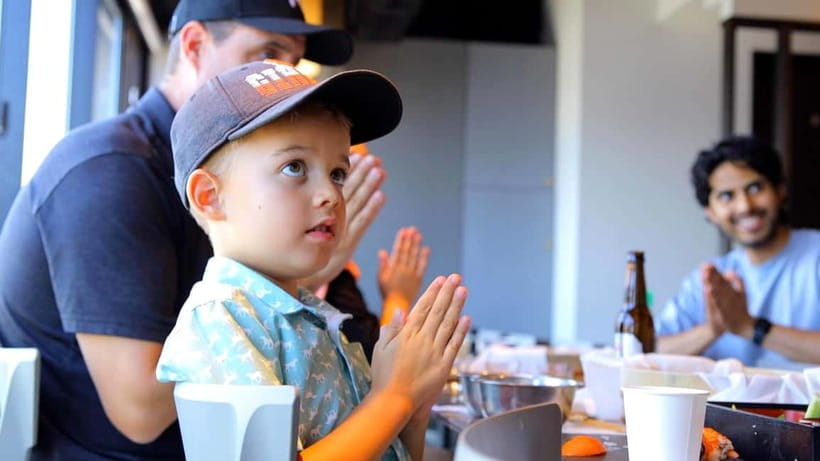
At $45 per person, this is not the cheapest way to eat sushi in Osaka. A restaurant meal may cost less, especially if you choose a simple conveyor-belt sushi spot. But a restaurant does not normally include an English-speaking instructor, sushi history, hands-on practice, prepared ingredients, and a meal you assemble yourself.
I think the price makes sense if you value participation. You are buying a food activity in a central location, not merely a plate of sushi. The class also gives you a story to remember and a technique you can try again at home.
The value is strongest for first-time visitors, families, couples, and solo visitors who want an easy social activity. It is less compelling for an experienced home sushi maker or anyone focused only on eating high-end fish. This is a beginner-friendly introduction, not an advanced chef course.
Reserve now and pay later is available, and cancellation is free up to 24 hours before the start time for a full refund. Those terms help if your Osaka schedule is still shifting, though dietary requests still need to be made three days ahead.
Who should book this Dotonbori activity?
You should consider this class if you want a break from sightseeing that still feels tied to Osaka. It works particularly well on a rainy day, although the supplied information does not promise a specific indoor sightseeing component beyond the cooking class itself.
Families can enjoy the simple steps and playful instruction. Couples get a shared task with a meal at the end. Solo visitors benefit from the staff’s habit of asking questions and creating conversation. The activity also suits people who do not cook much, since several accounts describe the instructions as patient and easy to follow.
Food lovers will appreciate the short history lesson and the chance to compare two sushi techniques. You will not need previous experience, and the English instruction removes much of the guesswork.
You may want to skip it if you dislike group participation, chants, or a lively instructor style. The energy is a major part of the class. It is friendly rather than quiet and formal.
Practical tips for getting the most from the class
Arrive early enough to find the Galleria Acca entrance. The concrete building can be less obvious than the nearby Dotonbori signs, and arriving at the last minute cuts into the short preparation period.
Tell the provider about dietary needs at least three days ahead. Do not rely on a same-day request, and do not assume that a preferred ingredient can be substituted.
Pay attention during the demonstrations. The activity is designed to be fun, but the best-looking sushi comes from following the small instructions about rice, pressure, and shaping.
Save time to eat. Take a few pictures, but do not spend the whole making section filming every step. You want enough time to enjoy the food while it is still part of the class.
Plan your next stop nearby. Afterward, you can continue toward Dotonbori or Shinsaibashi without losing time on a long transfer. Since the class does not include hotel transportation, its central location is the main logistical advantage.
Should you book the Osaka sushi-making class?
I would book it if you want an approachable, social food activity in central Osaka. The strongest reasons are the clear English instruction, the two sushi techniques, the history lesson, and the fact that you eat what you make. Staff members such as Shoki, Yui, Rika, Takara, and Fujiko are repeatedly praised for bringing patience and humor to the table.
I would hesitate only if you need a slow meal, an advanced culinary lesson, or guaranteed generous time for photographs and conversation. The 100-minute schedule can feel tight at the end, and the ingredients are prepared before you arrive.
For most visitors, though, $45 buys more than lunch. It buys a useful memory, a basic sushi skill, and a pleasant way to connect with Japanese food culture without leaving Osaka’s central dining district.
FAQ
Where is the sushi-making class held?
The class is held on the third floor of the Galleria Acca Building, about a five-minute walk from Shinsaibashi Station. It is near Dotonbori and Shinsaibashi.
How long does the activity last?
The class lasts 100 minutes. Starting times vary, so check availability when booking.
Do I need previous sushi-making experience?
No. The class is designed for beginners, and an English-speaking instructor guides you through demonstrations and each step.
What types of sushi will I make?
You will make two styles: maki rolls and authentic Japanese sushi, generally described as nigiri. The detailed class information indicates about six pieces of each style.
Can I request a special dietary menu?
Yes. Vegan, vegetarian, gluten-free, halal, and allergy-related menu changes are available. You must request the change at least three days before the class, and same-day changes are not accepted.
Is the activity wheelchair accessible?
The activity is listed as wheelchair accessible. The building has an elevator, but the workshop floor may not be reached by the elevator, so confirm the exact access arrangements before booking.
More Workshops in Osaka
- Matcha Making Class in Osaka with Authentic Japanese Sweets Set
★ 5.0 · 509 reviews - Osaka: Ramen and Gyoza Cooking Class in Dotonbori
★ 5.0 · 378 reviews - Osaka Cooking Class: Okonomiyaki &Japanese cuisines experience
★ 5.0 · 261 reviews - Osaka: Cooking Class Ramen & Gyoza Course in Nanba
★ 4.9 · 86 reviews
Just added around Osaka
- Discover Real Osaka: A Cultural Walk with Food & Drink★ 5.0 · 13 reviews
- From Osaka/Kyoto: Kyoto & Nara Day Trip with Optional Lunch★ 4.5 · 79 reviews
- Osaka 6hr Private Walking Tour with Government Licensed Guide★ 5.0 · 174 reviews
- Private Airport transfer Kansai Intl. Airport(KIX) to OSAKA CITY★ 4.5 · 12 reviews
- Osaka: Namba Local Food Walking Tour (Taste 15 Dishes)★ 5.0 · 20 reviews
- Osaka Delights: Traditional Japanese Food Tour★ 4.5 · 33 reviews
- Badminton in Osaka & Kyoto with Locals!★ 5.0 · 15 reviews
- From Osaka or Kyoto: Kyoto and Nara 1-Day Bus Tour★ 3.5 · 141 reviews
Osaka Tours, compared.


Shinsekai Food Tour with 13-15 Dishes at 5 Eateries
Read our review →
Osaka Food Tour: 13 Dishes at 5 Local Eateries
Read our review →
Hungry Osaka Street Food Tour:15 Tastings & 3 Drinks with a Local
Read our review →
Hotspots & Hidden Gems Walking Tour Private or Group
Read our review →Browse the lists this tour appears in