
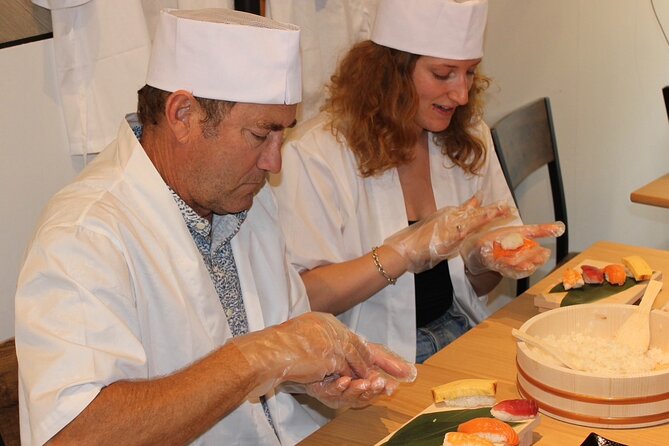
Reviewed · OSAKA TOURS
Osaka Sushi Making Experience
Making sushi in Osaka is more rewarding than simply ordering another plate of it. In this 90-minute class near Dōtonbori, you learn how to shape nigiri and gunkan-sushi, then eat the 12 pieces you prepared yourself. The work is simple enough for beginners, but hands-on enough to feel like a real activity rather than a cooking demonstration.
I like the central Namba location, which fits neatly into an afternoon or evening in Osaka. I also like the friendly, patient teaching style, with instructors such as Mika, Kosei, Toshiki, Hana, Yui, and Mako guiding participants in English, Chinese, or Korean. The main caution is that the address can be tricky to find, and one person found the class a little rushed and commercial.
Key points before you book
- Make 12 pieces yourself: The class covers nigiri and gunkan-sushi, with some sessions also including a third style.
- Learn practical proportions: Instruction can include using about 10 grams of rice per piece for a neat rice-to-topping balance.
- Dress the part: A sushi-chef costume adds a playful touch and makes for good photos.
- Choose your mealtime: Afternoon and evening sessions let you fit the class around Osaka sightseeing.
- Ask about dietary needs early: Vegetarian, vegan, and halal sushi can be arranged on request.
- Expect a small class: The maximum group size is 16 people, and some sessions may be much smaller.
Making sushi in the heart of Dōtonbori
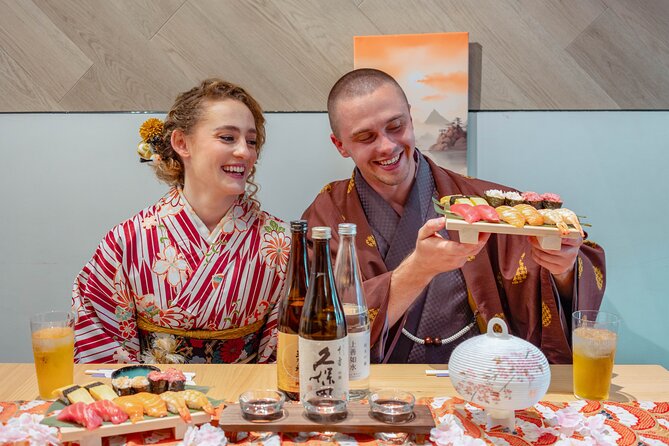
The setting is one of the strongest practical reasons to choose this experience. Sushi Making Experience Namba is at 2-chome-6-11 Nishishinsaibashi, in central Osaka, close to Dōtonbori and public transportation. You can place it before dinner, after a walk through the canal district, or between other stops around Namba.
The location is convenient once you arrive, but do not treat it as a place you can find without checking the address. One participant had trouble locating it, so I suggest allowing extra time and following the meeting information carefully. A mobile ticket is provided, and the activity both starts and ends at the meeting point.
This is not a restaurant meal with a short explanation attached. You sit down to work with the ingredients and tools, follow demonstrations, and shape the sushi yourself. That makes the experience useful for anyone who wants to take home a skill, not just a photograph of lunch.
More Sushi Making Classes in Osaka
- Sushi Making Osaka Roll and Authentic Japanese Sushi Class
★ 5.0 · 1,220 reviews - Osaka Sushi Making Class – Hands-On Nigiri & Rolls (Same-Day OK)
★ 5.0 · 352 reviews - Osaka: Roll and Authentic Sushi Making Class in Dotonbori
★ 4.9 · 239 reviews
What happens during the 90-minute class
The class begins with an introduction to sushi and the ingredients used to make it. You learn that sushi is not one single format. The session focuses on at least two types: nigiri, the hand-shaped rice topped with fish or another ingredient, and gunkan-sushi, the small wrapped form that holds a softer topping.
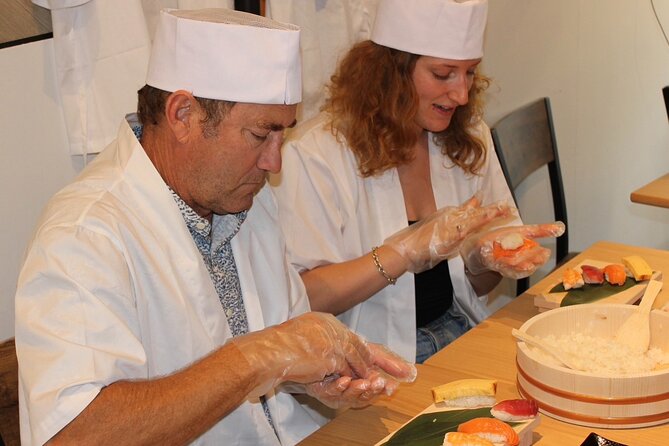
The instructors show each step before you try it. You will likely start with the rice, since portion and shape matter more than most first-time makers expect. One especially useful lesson described in the class is using roughly 10 grams of rice for the right balance. That gives you a clear target instead of leaving you to guess how large each piece should be.
Next comes shaping. Nigiri looks easy when a sushi chef does it quickly, but the rice must hold together without being packed too firmly. Gunkan-sushi brings a different challenge, since the seaweed forms a wall around the rice and topping. You get to feel the difference between the two styles rather than simply hearing their names.
The planned set includes 12 pieces. That is a good amount for a short class. You make enough to understand the method and have a satisfying meal, but not so much that the session turns into repetitive assembly-line work. Some descriptions refer to three types of sushi, while the main outline promises two, so the exact mix may vary by session.
The class is designed to be social. The instructors answer questions, offer corrections, and talk about Japanese food and culture. Past participants have also discussed Osaka, Japanese writing, and local recommendations with the teaching team. That informal conversation is part of the appeal, especially if you want more than a silent cooking lesson.
Sushi-chef costumes, photos, and a personal finish
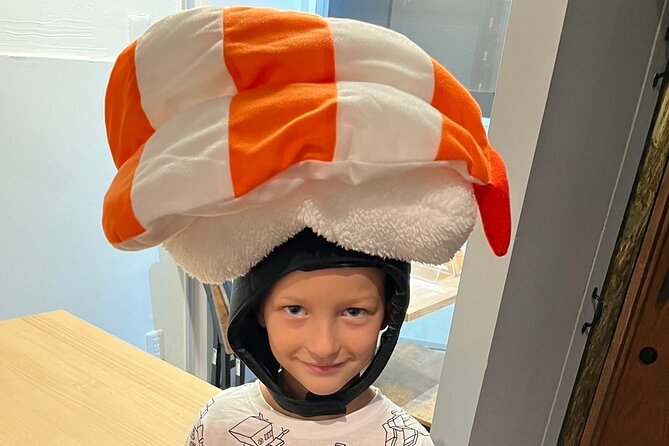
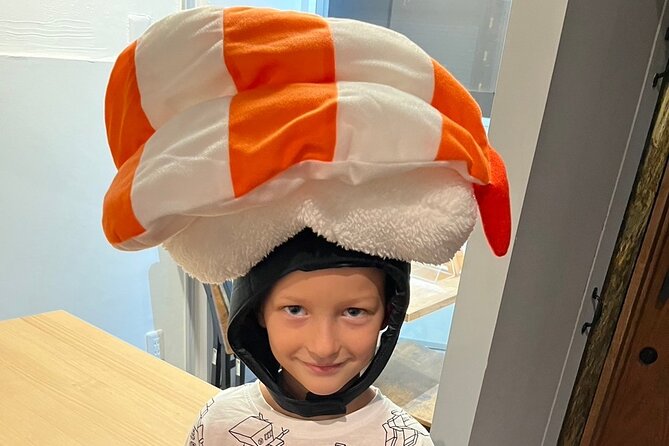
The costume is a lighthearted part of the class. You can dress as a sushi chef while making your set, which helps turn the lesson into a memory rather than another food stop. Photos are part of the experience, and some participants received a certificate with their name written in Kanji.
The certificate is not a formal culinary qualification, of course. Think of it as a souvenir and a small reward for finishing the class. Names written in Kanji, photos, and even personalized sweets have been included for some people, though these extras should not be treated as guaranteed unless the provider confirms them.
This friendly presentation works especially well for families and couples. Children have enjoyed the activity, and solo participants can take part without needing to bring a group. The maximum of 16 people keeps the class from becoming a huge workshop, though the feel can depend on how many people book your time.
How good are the instructions?
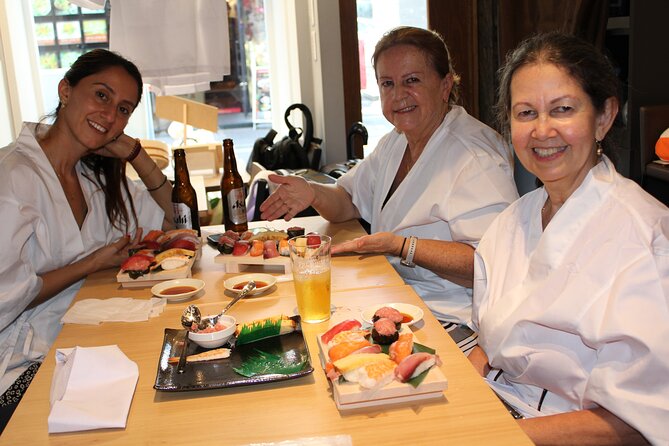
The strongest part of this experience is the teaching. The instructors are described as patient, welcoming, clear, and easy to follow. That matters in sushi making, where small hand movements can be hard to copy from a distance.
Names associated with the teaching team include Mika and Kosei, Shiori and Toshiki, Toshiki and Hana, and Yui and Mako. You may not have the same instructors, but the class is set up around direct guidance rather than a one-size-fits-all video. In a smaller session, you may receive more individual help.
The language support is another advantage. Guidance is available in English, Chinese, and Korean, making the class accessible to many international visitors. Clear communication is particularly helpful when learning rice portions, hand pressure, and the order of each step.
You should still keep your expectations realistic. This is a beginner class, not professional chef training. You will learn the basic methods and terminology, but one short session will not teach advanced knife work, fish preparation, or the full discipline of a working sushi counter.
One less positive point is the pace. Most of the feedback describes a relaxed and enjoyable class, but one person felt the hosts were trying to finish quickly. If you want a slow, highly technical lesson, this may feel more like an entertaining introduction. If you want a lively activity with food at the end, the pace will probably suit you.
More sushi classes in Osaka:
- Osaka: Sushi Class in Dotonbori
★ 4.9 · 160 reviews - Osaka Dotonbori: Sushi Making Experience
★ 4.9 · 122 reviews - Osaka: Sushi Making in Spacious Studio (SAME-DAY OK!)
★ 5.0 · 75 reviews - Sushi Making Tokyo Roll and Authentic Japanese Sushi Class
★ 5.0 · 3,971 reviews
Eating the sushi you have made
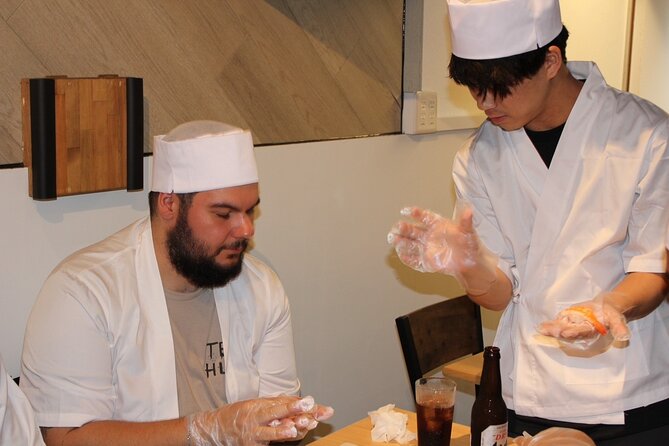
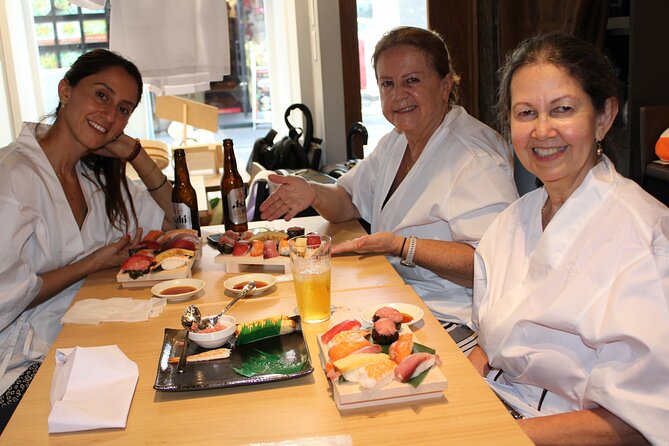
The best moment comes after the shaping: you eat the finished set. Twelve pieces provide a proper snack or light meal, especially if you schedule the class when you are hungry. The afternoon and evening options are useful because you can choose to make sushi before dinner or treat it as dinner itself.
The food has a special appeal because you made it. Your pieces may not look as tidy as those prepared by a professional chef, and that is part of the fun. You get to compare your shapes, see where the rice was too loose or too firm, and then eat the evidence.
Freshness and taste were praised repeatedly, but the class should be understood as a sushi-making activity first. If you are seeking a refined omakase meal, book a sushi restaurant instead. Here, the value comes from participation, instruction, and the satisfaction of eating your own work.
The information describes snacks of 12 pieces of sushi as included, along with fees and taxes. Alcoholic beverages are listed as not included, although the experience description also refers to Japanese sake and beer, and some participants enjoyed sake during the class. Since those details do not fully match, ask the provider what is included in your chosen booking before you count on a drink.
Vegetarian, vegan, and halal options
Dietary flexibility makes this class easier to fit into a Japan itinerary. Vegetarian sushi is available, and vegan and halal menus can also be prepared by request. You should make that request before the class rather than assuming it can be handled at the last moment.
The experience is still centered on making the same basic styles, so you can learn the technique even if your toppings differ from those used by other participants. This is a real benefit for mixed groups, where one person wants seafood and another does not.
There is one point to consider. A vegan participant felt the vegetable selection was less varied than the seafood options. That does not make the class unsuitable for vegans, but it does mean you should ask exactly what your menu will contain if variety is important to you.
Price and value at $29.85
At $29.85 per person, this is a reasonably priced Osaka activity. You receive about an hour and a half of instruction, 12 pieces of sushi, and the chance to learn methods you can repeat at home. Fees and taxes are included, so the price is easier to assess than an advertised rate that grows at checkout.
The value is best for someone who would otherwise spend money on a meal and wants an activity alongside it. You are not paying for a luxury sushi tasting, a market tour, or a long culinary course. You are paying for a compact, social lesson with food included.
The class also offers good value for families. Everyone has a task, and children can take part instead of simply waiting while adults eat. Couples and friends get a shared activity, while solo participants can join a small group and meet the instructors.
The price is less compelling if you only want to eat sushi. Osaka has many places to order sushi without making it, and a restaurant may offer more pieces or more prestigious ingredients. Book this class for the skill, the contact with the instructors, and the cheerful souvenir value.
Who will enjoy this class most?
I would recommend it to first-time visitors who want a simple cultural activity in Namba. It works well on a day built around Dōtonbori, Shinsaibashi, and nearby Osaka sights because the meeting point is central and the session is short.
Families are a strong match. Children can make the food themselves, and the costume and certificate add a little theater without requiring a long attention span. Couples also get a practical date activity that ends with a meal.
It suits sushi fans who have wondered how chefs get the rice and shape right. The lesson gives you enough technique to try at home, including a useful rice portion guide. Just do not expect to become a sushi master after one class, despite the playful certificate.
It may be less suitable for someone seeking a quiet or highly traditional setting. The tone is upbeat, the instructors are young and energetic, and the presentation can feel tourist-friendly. That is a benefit for many people, but not for anyone hoping for a solemn apprenticeship at an old sushi counter.
Timing, group size, and practical planning
The activity lasts approximately 1 hour and 30 minutes. Afternoon and evening departures let you plan around your appetite, and I would choose a time when you are ready to eat soon afterward. Twelve pieces can serve as a light meal, but your appetite and the rest of your evening plan matter.
The group maximum is 16 people. A full session will feel more like a shared workshop, while a quiet booking may feel almost private. Some participants had the instructors largely to themselves, but you should not book on the assumption that every class will be private.
The meeting point is near public transportation, and the tour returns there at the end. Service animals are allowed. Confirmation is received at booking, and the mobile ticket is convenient for a day when you are moving around Osaka.
Free cancellation is available if you cancel at least 24 hours before the start time. Changes or cancellations made inside that window are not accepted for a refund, with cut-off times based on Osaka local time.
Should you book the Osaka Sushi Making Experience?
Book it if you want a short, affordable, hands-on activity in central Osaka. The clear instruction, multilingual support, 12-piece meal, and friendly teaching style make it a good choice for families, couples, solo visitors, and beginner cooks.
Skip it if your priority is a formal sushi education, a luxury meal, or a deeply traditional restaurant setting. Also allow extra time to find the address, and confirm the details of any alcohol or dietary menu before arrival.
For most visitors, this class earns its place in a Dōtonbori day because it gives you something Osaka restaurants cannot: the chance to make your own sushi, eat it immediately, and leave with a skill you can try at home.
FAQ
Where is the Osaka sushi-making class held?
The class begins and ends at Sushi Making Experience Namba1A, 2-chome-6-11 Nishishinsaibashi, Chuo Ward, Osaka, near Dōtonbori and public transportation.
How long does the experience last?
The class lasts approximately 1 hour and 30 minutes.
How many pieces of sushi will I make?
You will make 12 pieces of sushi. The class includes at least nigiri and gunkan-sushi, with some descriptions also referring to a third style.
Is the class available in languages other than English?
Yes. Guidance is available in English, Chinese, and Korean.
Are vegetarian, vegan, and halal options available?
Yes. Vegetarian, vegan, and halal sushi can be arranged by request. Contact the provider in advance with your dietary needs.
Can I cancel for a full refund?
Yes, if you cancel at least 24 hours before the experience start time. Cancellations or changes made less than 24 hours before the start time are not accepted for a refund.
Just added around Osaka
- Discover Real Osaka: A Cultural Walk with Food & Drink★ 5.0 · 13 reviews
- From Osaka/Kyoto: Kyoto & Nara Day Trip with Optional Lunch★ 4.5 · 79 reviews
- Osaka 6hr Private Walking Tour with Government Licensed Guide★ 5.0 · 174 reviews
- Private Airport transfer Kansai Intl. Airport(KIX) to OSAKA CITY★ 4.5 · 12 reviews
- Osaka: Namba Local Food Walking Tour (Taste 15 Dishes)★ 5.0 · 20 reviews
- Osaka Delights: Traditional Japanese Food Tour★ 4.5 · 33 reviews
- Badminton in Osaka & Kyoto with Locals!★ 5.0 · 15 reviews
- From Osaka or Kyoto: Kyoto and Nara 1-Day Bus Tour★ 3.5 · 141 reviews
Osaka Tours, compared.

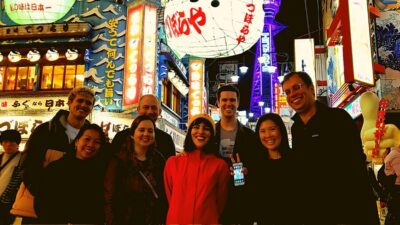
Shinsekai Food Tour with 13-15 Dishes at 5 Eateries
Read our review →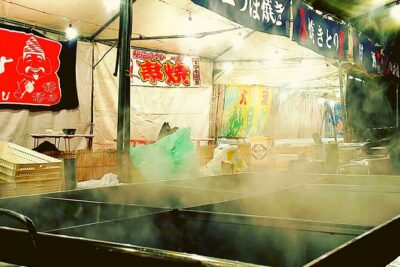
Osaka Food Tour: 13 Dishes at 5 Local Eateries
Read our review →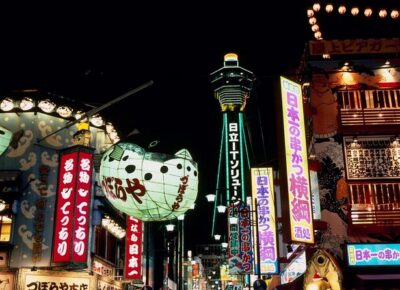
Hungry Osaka Street Food Tour:15 Tastings & 3 Drinks with a Local
Read our review →
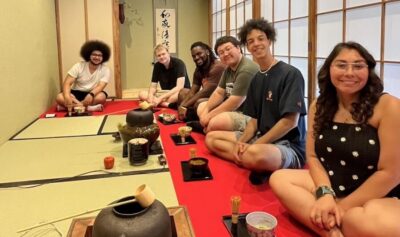
Hotspots & Hidden Gems Walking Tour Private or Group
Read our review →Browse the lists this tour appears in