
Reviewed · OSAKA TOURS
Osaka Sake Tasting with Takoyaki Cooking
Osaka’s soul food and Japan’s national drink make a fine pair. At MOMO to SAKE, Momo guides you through takoyaki cooking before pouring a changing selection of sake, with more than 10 types available. I like the hands-on cooking and the clear sake lessons from a sommelier who also worked as a brewer.
I also like the small maximum of six, which leaves room for questions and personal sake advice. The one thing to consider is that this is a tasting with real pours, not just tiny samples, so come hungry, pace yourself, and choose soft drinks if you do not drink alcohol.
Key points at a glance
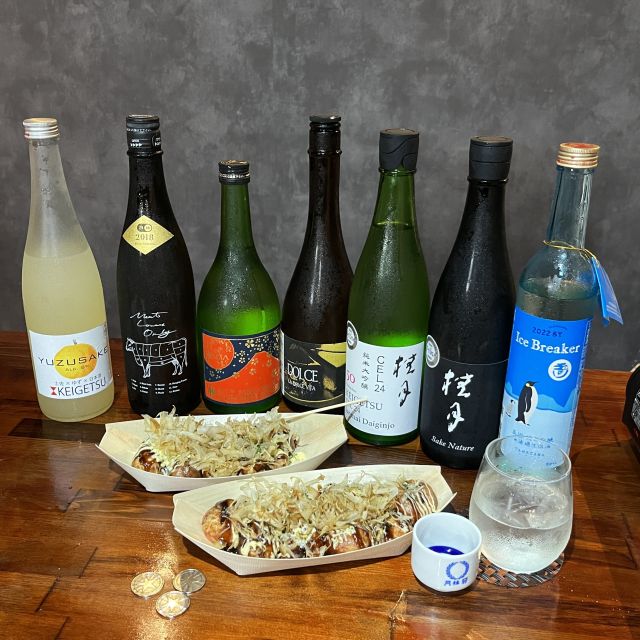
- Cook your own Osaka takoyaki: Turn batter, octopus, and fillings into crisp-edged balls with help from Momo.
- Taste more than 10 sake styles: Choose from a seasonal menu selected by a sake specialist.
- Learn from a former brewer: Momo explains sake history, culture, brewing, grading, and flavor in plain English.
- Try fillings beyond octopus: Wagyu beef, cheese, kimchi, and corn give you room to personalize the meal.
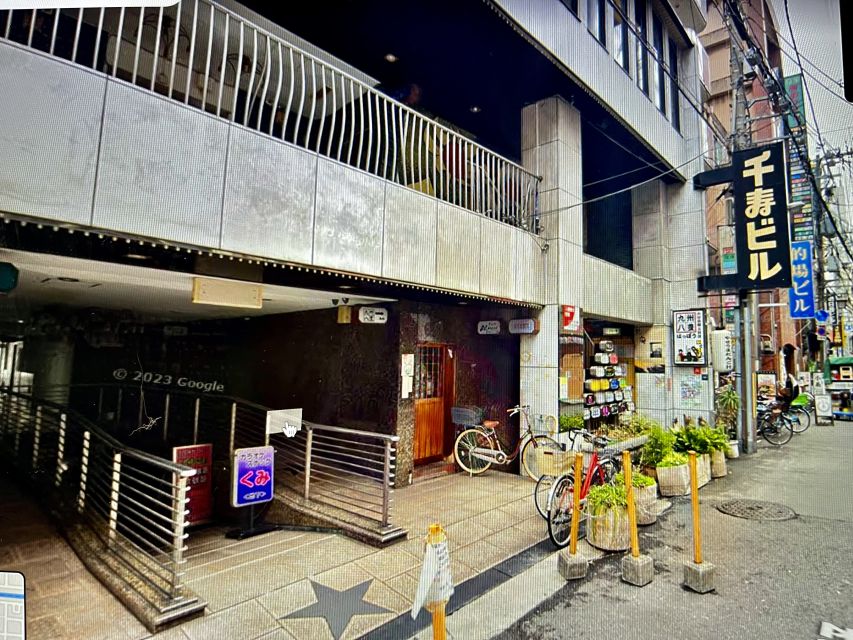
- Stay close to Namba: The meeting point is MOMO to SAKE, on the second floor of the building.
- Keep the group intimate: The class is limited to six people and lasts two hours.
Why takoyaki and sake make such a good Osaka lesson
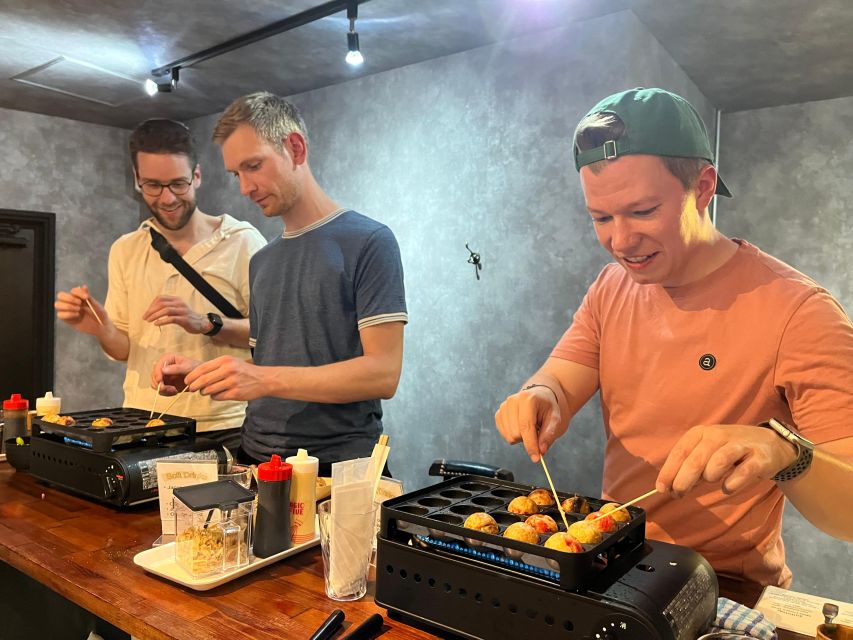
Takoyaki is more than a snack you grab from a street stall. It is one of Osaka’s signature foods, and making it yourself shows how much skill goes into those neat rows of golden balls.
The basic idea looks simple. Batter goes into a hot molded pan, then you add octopus and other ingredients. The trick is turning each piece at the right time so the outside firms up while the middle stays soft. That turning stage is where the class becomes lively, and a little kitchen chaos is part of the fun.
I like this format because you do not just eat Osaka food. You learn how it is made, then sit down with the result. Your takoyaki can be personalized with extra ingredients such as wagyu beef and cheese. Other combinations mentioned for the class include kimchi and corn, and there is an option to make versions without octopus.
The sake portion adds a second layer of local culture. Instead of treating sake as one single drink, Momo introduces its different styles and explains how production affects taste. You learn enough to make better choices later at an izakaya, restaurant, or sake bar.
More sake tastings around Osaka:
- Osaka: Cooking Class & Sake Tasting with Local Market Visit
★ 4.8 · 31 reviews - 3-Hour Kyoto Insider Sake Brewery Tour with Tastings & Pairings
★ 5.0 · 917 reviews - Arashiyama Bamboo, Temple, Monkeys, or Secret Sake Brewery
★ 4.8 · 886 reviews
Meeting Momo at MOMO to SAKE near Namba
The experience takes place at MOMO to SAKE, on the second floor of the building. Its location near Osaka Namba is useful if you are staying around Dotonbori, Shinsaibashi, or the main Namba area.
The meeting point is a store rather than a major sightseeing landmark, so allow a little time to identify the building and find the second floor. The supplied information does not give a street address, so check the exact booking details before setting out.
The group limit is six. That matters here. Takoyaki cooking works best when you can see the pan, ask for help, and get direct correction on your turning technique. A large class could turn this into a demonstration, but the small format keeps it closer to a shared cooking session.
Momo teaches in English and Japanese. Her English is described as excellent in the supplied experience details, and she can explain sake without making the subject feel stiff or overly technical. She also answers broader questions about life in Japan, which can make the evening feel more personal than a standard food demonstration.
Step one: learning the secrets of Osaka takoyaki
The cooking begins with instructions and ingredients supplied as part of the experience. You are not expected to bring anything, and the activity is designed around participation rather than watching someone else do the work.
Momo shares a local recipe and demonstrates how to fill and turn the takoyaki. You then take over. The process calls for attention, but you do not need advanced cooking skills. The appeal is in trying the technique and watching the shapes improve as you go.
The fillings are one of the best parts. Traditional octopus gives you the classic Osaka taste, while wagyu beef, cheese, kimchi, and corn change the texture and flavor. If you do not eat octopus, you are not left with an empty plate. One couple made several different versions, including beef and cheese combinations, and found the flexibility useful.
Families can also make this work. Children have been accommodated with soft drinks while adults tasted sake, and the cooking itself gives younger participants something active to do. The experience information does not set a minimum age, so check the booking conditions if you are traveling with children.
Dietary needs deserve a direct question before you book. A coeliac participant was accommodated during one session, but the general information does not promise a fixed gluten-free menu. Contact the provider in advance rather than assuming every ingredient or cooking surface will suit your needs.
Step two: turning homemade takoyaki into dinner
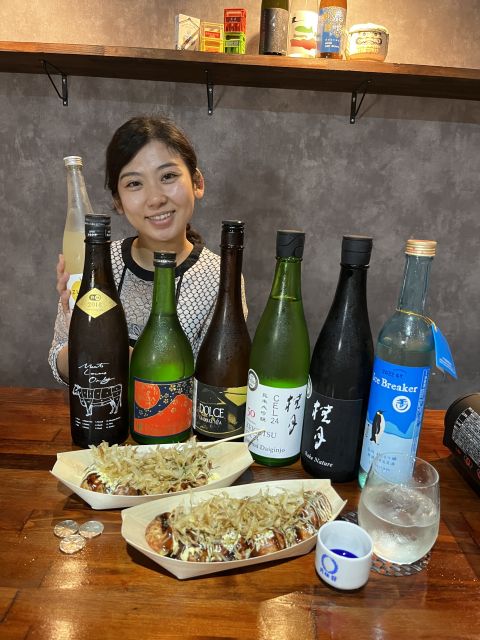
The activity is designed to end with you eating the takoyaki you made. This is important because the cooking is not a quick add-on before a separate tasting. Your food becomes the meal that accompanies the sake.
Expect a generous amount of food. The takoyaki is described repeatedly as especially tasty, and some sessions have included a dessert as well. You should arrive hungry, but not so hungry that you rush the cooking.
There is a nice sense of achievement in eating something you have just made, even if your first few pieces are not perfectly round. The result may not look like a professional street vendor’s tray, but that is part of the point. You leave with a better idea of why the vendors work so quickly and confidently.
Water and snacks have also been provided during the class. Even so, the safest plan is to treat the evening as both dinner and a sake tasting, not as a light pre-dinner activity.
More cooking classes in Osaka:
- Osaka: Ramen and Gyoza Cooking Class in Dotonbori
★ 5.0 · 378 reviews - Osaka Cooking Class: Okonomiyaki &Japanese cuisines experience
★ 5.0 · 261 reviews - Osaka: Cooking Class Ramen & Gyoza Course in Nanba
★ 4.9 · 86 reviews - Osaka: Gluten-Free Ramen and Gyoza Cooking Class
★ 5.0 · 42 reviews
Step three: understanding sake from a sommelier and former brewer
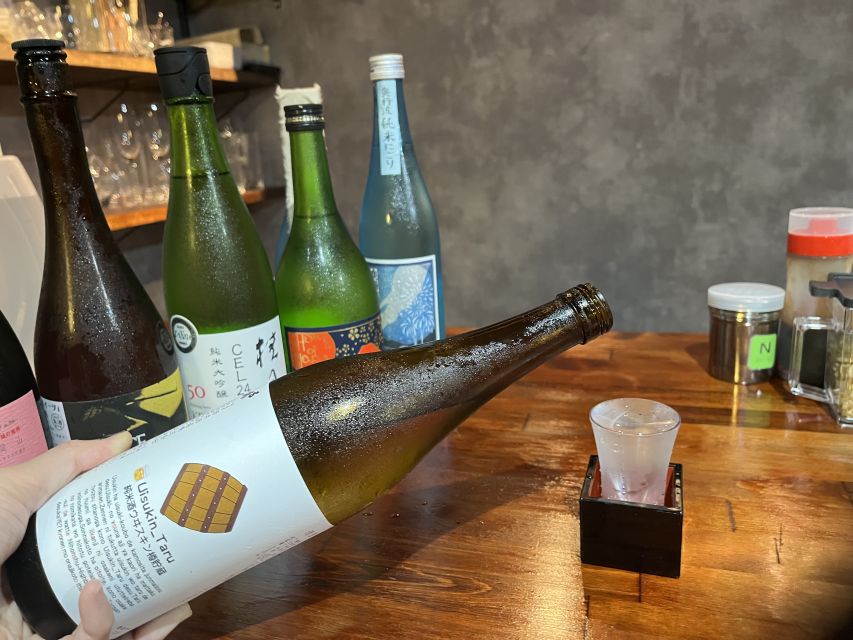
After the cooking, Momo turns to sake. Her background is a major reason to choose this experience. She is a sake sommelier and former brewer, so the explanation covers both how sake is made and how it tastes in the glass.
The lesson includes the basics of sake history, culture, and production. You learn how rice, brewing methods, and grading influence the final drink. The purpose is not to memorize technical terms. It is to give you a working vocabulary for choosing sake with more confidence during the rest of your Japan trip.
This is especially useful if you are new to sake. Menus can list names and categories without telling you what will suit your palate. Momo explains flavor profiles, texture, and the differences between styles, then helps you connect those details with what you actually enjoy.
Wine drinkers may appreciate the comparison in approach. You are encouraged to notice what you like and what you do not, rather than accept one style as the correct choice. A sweet, fragrant sake may appeal to one person, while another prefers something drier or more restrained.
The setting is informal. Momo’s teaching style is patient and conversational, with room for questions. That makes the session suitable for beginners, but it also gives experienced drinkers a chance to ask more specific questions about production and taste.
More than 10 bottles, with seasonal choices
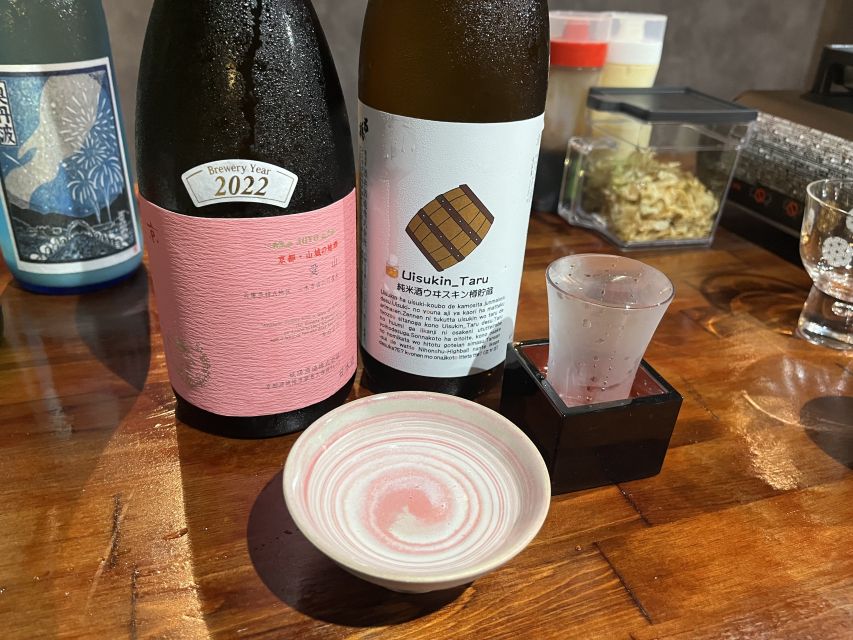
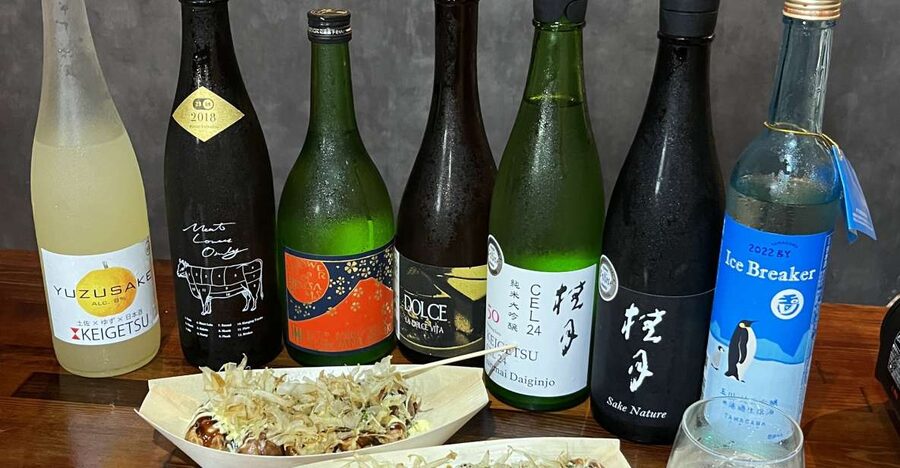
The sake menu includes more than 10 Japanese types, with seasonal selections chosen by Momo. The exact bottles can change, so you should not book expecting a particular label.
That changing menu is a strength. Sake is affected by season and availability, and a rotating selection gives you a wider picture of what Japan produces. It also means two visits may not taste exactly alike.
You will be guided through the choices rather than left to select at random. Momo can suggest samples based on your preferences, then explain why each one tastes different. Some sessions have included around seven or eight pours, while the official description promises access to more than 10 types rather than a guaranteed number of tastings.
This is worth keeping in mind when comparing the 70 dollar price. The value is not just the alcohol. You are paying for a two-hour class, all cooking ingredients, food, instruction, a small group, and expert help that you can use later in Japan.
Soft drinks are included, too. That makes the activity more flexible for nondrinkers and families, though the main focus remains sake.
How much sake will you actually drink?
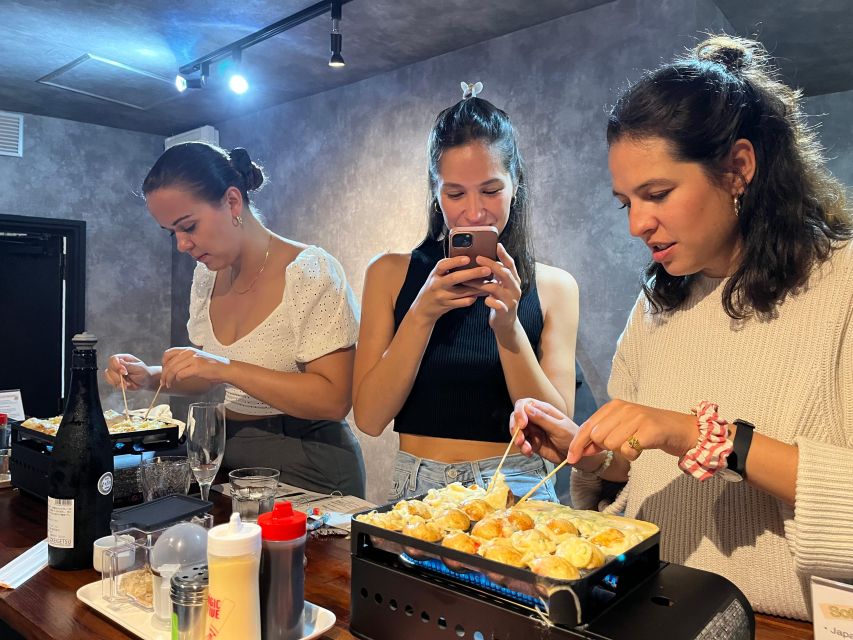
This is not a token sampling session. Individual pours can be generous, and the cooking is followed by drinking the sake with your handmade takoyaki.
If you want to taste several styles, eat first, drink water, and take the pace seriously. The two-hour schedule gives you time to compare flavors, but you do not need to finish every pour to get value from the lesson.
The timing of food and alcohol is sensible: cook first, then drink with a proper plate in front of you. Still, I would avoid scheduling a demanding activity immediately afterward. The class can finish with you feeling pleasantly full and well acquainted with Japanese sake.
You may also leave with shopping ideas. Momo can help you identify the types you prefer, which is more useful than simply naming a favorite bottle without understanding its style. One participant even bought a carafe and sake cups after the session.
What makes this experience feel personal
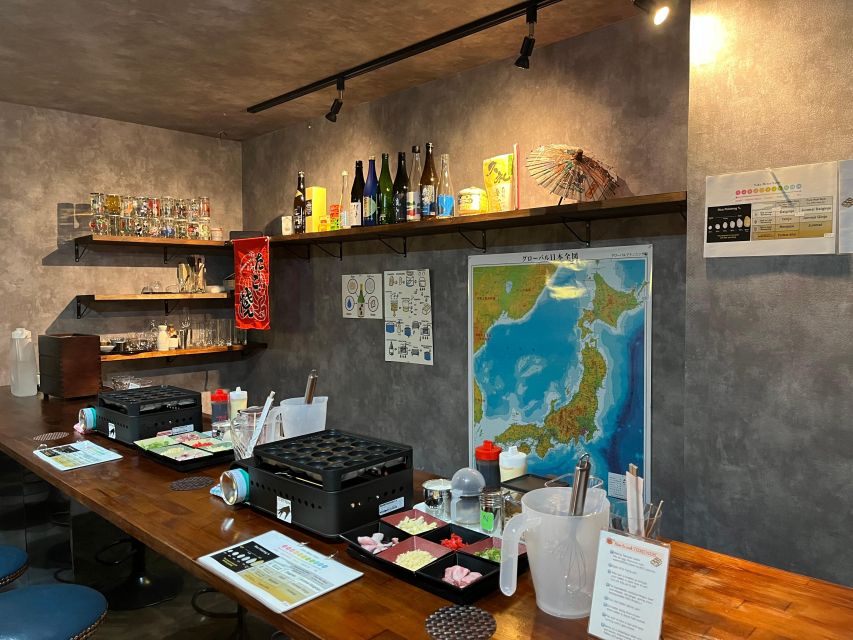
The strongest feature is Momo’s hosting. She combines sake instruction with an easy social style, and the small group leaves room for conversation. Several kinds of groups have fit the format: couples, families, older adults, solo participants, and private groups of two.
A private session is possible when no other participants have booked the same time, but it is not guaranteed. The maximum group size is six, which is the detail you can count on.
The class also works as a useful first activity in Osaka. Once you understand a few sake styles, you can approach local bars and restaurants with less guesswork. You may even ask better questions about food pairings and regional bottles.
I would not call this a formal culinary school lesson. It is friendlier and more relaxed than that. If you want advanced knife skills, a long menu, or a professional kitchen setup, this is probably not the right pick. If you want a practical introduction to two Osaka favorites, it hits the mark.
The 70 dollar price and what you receive
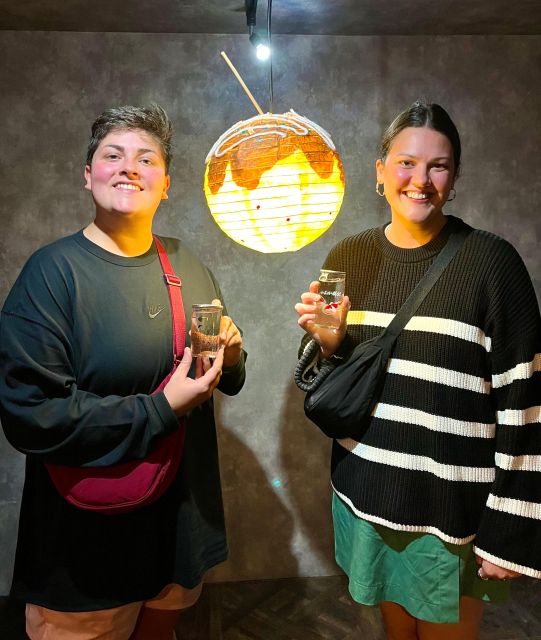
At 70 dollars per person, this is not the cheapest way to eat takoyaki or drink sake in Osaka. Street food costs far less, and you can order a glass of sake at many restaurants without taking a class.
The price makes more sense when you count the complete package. You receive all ingredients, cooking instruction, a full hands-on activity, more than 10 sake options, soft drinks, and two hours with an English-speaking sake specialist. You also get advice you can carry into the rest of your trip.
The small group adds value. A six-person maximum is much more useful for this kind of cooking than a crowded room where you only watch a demonstration. If your session is shared by only a couple of people, the experience can feel almost private.
I see the best value for people who are curious about sake but do not yet know what to order. The class can save you from spending several evenings choosing at random. It is also a good choice if you want a structured food activity that fills part of an evening without taking half a day.
Free cancellation up to 24 hours before the activity and the option to reserve now and pay later make the booking less rigid. Starting times vary, so check availability for your date.
Who should book this Osaka activity?
Book it if you want to learn by doing. The takoyaki is genuinely hands-on, and the sake lesson gives you practical guidance rather than a lecture packed with terms.
It suits:
- First-time sake drinkers who want help choosing bottles later
- Food lovers who want more than a restaurant meal
- Couples looking for a relaxed evening activity
- Families, since soft drinks are available and children can take part in cooking
- Solo visitors who like small-group conversation
- Repeat Japan visitors who want a closer look at Osaka food culture
You may want to skip it if you do not eat takoyaki ingredients and have no interest in sake. Dietary changes are possible in some cases, but you should ask before booking. You should also be comfortable with a tasting that may involve several generous pours.
Six practical questions before you go
The two-hour length is just right for a first introduction. You get enough time to cook, eat, learn, and taste without giving up an entire day of sightseeing.
Wear something you can relax in around a hot cooking pan, and arrive ready for a meal. The meeting point is on the second floor of MOMO to SAKE near Namba, not at a large public attraction, so confirm the location details carefully.
I would book this early in an Osaka stay if you enjoy sake. The advice can help you choose drinks for the rest of your visit, and Momo may also point you toward local places to continue the evening.
Should you book Osaka Sake Tasting with Takoyaki Cooking?
Yes, if you want a friendly, useful introduction to Osaka through food and drink. The combination is stronger than either part alone: you learn the technique behind takoyaki, eat your own creations, then use expert guidance to understand sake in a practical way.
The main caution is the alcohol volume. This is more than a symbolic taste, so pace yourself and use the soft drink option if needed. At 70 dollars, the experience is best value for people who care about personal instruction, a small group, and food culture rather than simply finding the cheapest snack.
For many visitors, this is an excellent early-evening choice near Namba. You leave full, better prepared to order sake, and with a new respect for the quick hands behind Osaka’s famous takoyaki stalls.
FAQ
Where does the sake and takoyaki activity meet?
It meets at MOMO to SAKE, located on the second floor of the building near the main Osaka Namba area.
How long does the experience last?
The activity lasts two hours. Starting times depend on availability for your chosen date.
How many people are in each group?
The group is limited to six participants.
What languages are available?
The instructor can teach in English and Japanese.
Is sake included in the price?
Yes. More than 10 types of Japanese sake are available, along with soft drinks. The exact tasting selection may vary because the menu is seasonal.
Can I cancel or pay later?
You can cancel up to 24 hours in advance for a full refund. You can also reserve the activity and pay later, keeping your plans flexible.
More Food Tours in Osaka
- Osaka: Shinsekai Food Tour with 13-15 Dishes at 5 Eateries
★ 4.8 · 2,204 reviews - Osaka Food Tour: 13 Dishes at 5 Local Eateries
★ 5.0 · 2,149 reviews - Hungry Osaka Street Food Tour:15 Tastings & 3 Drinks with a Local
★ 5.0 · 1,727 reviews - Hungry Osaka Street Food Tour: 15 Dishes & 3 Drinks
★ 4.9 · 694 reviews
More Drinks-Led Nights in Osaka
- Osaka Bar Hopping Night Walking Tour in Namba (3 bars, 6 tastes)
★ 5.0 · 958 reviews - Osaka: Namba Pub Bar Crawl with a Local Guide
★ 4.9 · 424 reviews - Osaka: Izakaya Bars Guided Walking Tour
★ 4.9 · 385 reviews - Osaka: Guided Pub Crawl
★ 4.4 · 331 reviews
Just added around Osaka
- Discover Real Osaka: A Cultural Walk with Food & Drink★ 5.0 · 13 reviews
- Private Airport transfer Kansai Intl. Airport(KIX) to OSAKA CITY★ 4.5 · 12 reviews
- From Osaka/Kyoto: Kyoto & Nara Day Trip with Optional Lunch★ 4.5 · 79 reviews
- Osaka 6hr Private Walking Tour with Government Licensed Guide★ 5.0 · 174 reviews
- Osaka: Namba Local Food Walking Tour (Taste 15 Dishes)★ 5.0 · 20 reviews
- Osaka Delights: Traditional Japanese Food Tour★ 4.5 · 33 reviews
- Badminton in Osaka & Kyoto with Locals!★ 5.0 · 15 reviews
- From Osaka or Kyoto: Kyoto and Nara 1-Day Bus Tour★ 3.5 · 141 reviews
Osaka Tours, compared.


Shinsekai Food Tour with 13-15 Dishes at 5 Eateries
Read our review →
Osaka Food Tour: 13 Dishes at 5 Local Eateries
Read our review →
Hungry Osaka Street Food Tour:15 Tastings & 3 Drinks with a Local
Read our review →



Hotspots & Hidden Gems Walking Tour Private or Group
Read our review →Browse the lists this tour appears in