
Reviewed · TOKYO TOURS
Tokyo: Local Foodie Adventure near Roppongi
Azabujuban gives you a very different Tokyo from the one framed by Roppongi’s towers. This old neighborhood has more than 300 shops, many with roots reaching back close to a century, and the tour uses its food stalls, family-run restaurants, shrines, and temples to tell the town’s story. Five Japanese treats are included, with possibilities such as yakitori, mame daifuku, taiyaki, and oden.
I like the small group size, usually just one to four people, because it leaves room for questions and personal conversation. I also like the mix of eating and place-based history: you are not simply moving from one snack counter to the next, but learning why this neighborhood feels different from nearby Roppongi.
The main consideration is that the food lineup changes with store availability. You should also expect a fair amount of walking, and extra food, drinks, and transportation are not covered in the $71 price.
Key points to know before booking
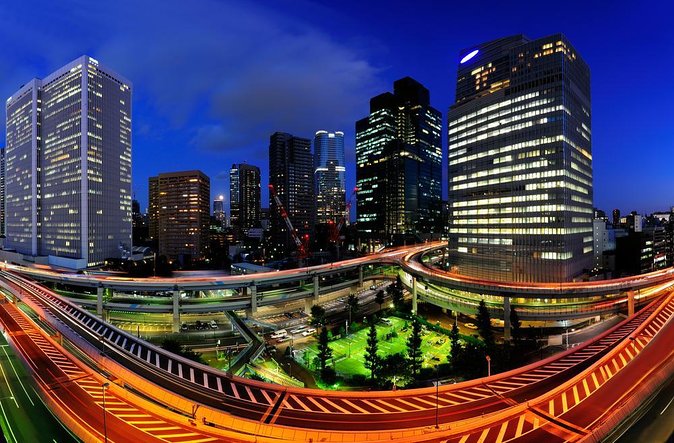
- Azabujuban offers old Tokyo close to Roppongi, with more than 300 shops and a long local history.
- Five Japanese treats are included, but the exact selection changes from day to day.
- Guide Ellen receives especially strong praise for her warmth, preparation, local knowledge, and ability to adjust stops to your interests.
- Shrines and temples add cultural context, including local folklore and good-luck traditions.
- The small group usually has one to four people, a good setup for questions and relaxed conversation.
- Sailor Moon fans get an extra reason to come, since the area inspired settings connected with creator Naoko Takeuchi.
Starting at Azabujuban Station, Exit 4
You meet at Azabujuban Station, Exit 4, in front of Oslo Coffee. Look for the Japan Hopping Tours logo and allow yourself enough time to find the exit, since large Tokyo stations can have several signs and passageways.
This starting point puts you right at the edge of the neighborhood rather than in the middle of a major sightseeing zone. That matters. Roppongi is known for nightlife, offices, galleries, and tall modern buildings, while Azabujuban feels more like a lived-in town. The contrast begins almost at once.
The tour ends back at the same meeting point, which makes the outing easier to fit into a Tokyo day. You do not need to arrange a separate pickup or work out a new station afterward. Transportation to and from Azabujuban is your responsibility, so include the subway fare when working out the total cost.
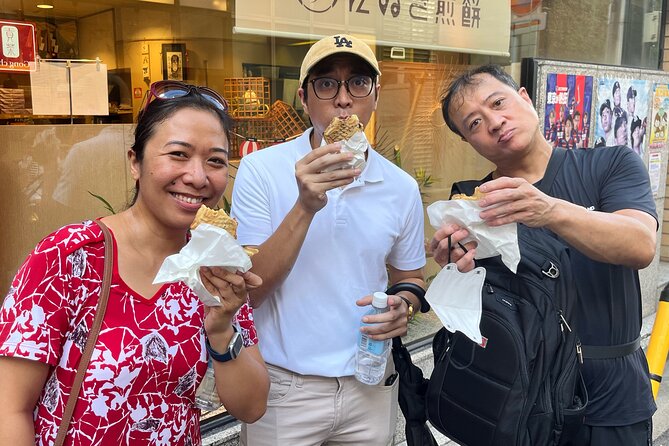
The group size is one of the best practical features. With one to four people, you can ask about an unfamiliar ingredient, stop to browse a shop, or request more explanation without holding up a large crowd. Guide Ellen is named repeatedly as a friendly and well-prepared host, and the experience appears to benefit from that personal format.
More food tours in Tokyo:
- Tokyo: Shinjuku Food Tour (13 Dishes at 4 Local Eateries)
★ 5.0 · 6,603 reviews - Tokyo Tsukiji Fish Market Food and Culture Walking Tour
★ 5.0 · 3,184 reviews - Tokyo: Shinjuku Food Tour (15 Dishes and 4 Eateries)
★ 4.9 · 2,033 reviews
Walking through a neighborhood with nearly a century of shops
Azabujuban is appealing because it gives you history at street level. Instead of relying on a single major monument, the tour points out the stores, food counters, shrines, temples, and local customs that have kept the area recognizable over many decades.
More than 300 shops remain in the neighborhood. The exact stores visited can vary, but the idea is clear: you are seeing businesses that serve local residents, not just places designed for sightseeing. That makes the shopping portion useful even if you are not looking for souvenirs. You get a feel for the kinds of small stores that help a neighborhood hold on to its identity.
The tour also includes unusual shops where you can look for gifts found specifically in Azabujuban. I would not book this as a dedicated shopping tour, since the focus remains food and culture, but it is a pleasant bonus. You may find something more personal here than in a large department store, particularly if you prefer small local purchases to standard Tokyo souvenirs.
The area’s history is another strong reason to choose this walk. You learn about the town and the stories linked to its stores, shrines, and landmarks. One guide may explain local folklore while another points out a detail you could easily pass without noticing. This kind of information gives the food more meaning. A snack is no longer just a snack when you know why people in the neighborhood value it.
Five Japanese treats, with the menu changing by the day
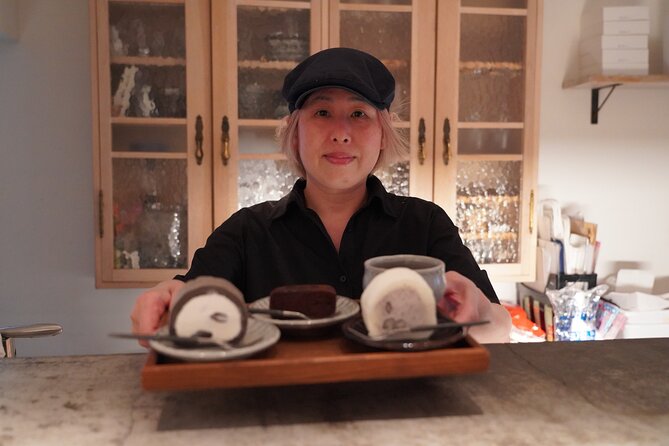
The central promise is five different Japanese treats, plus one alcoholic beverage. The selection depends on store availability, so you should treat the named foods as examples rather than a fixed menu.
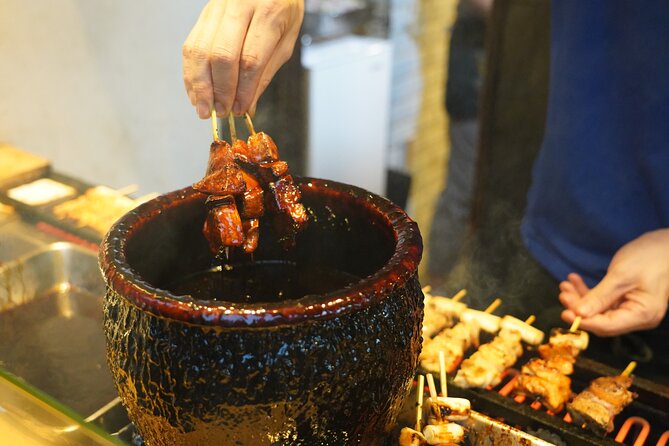
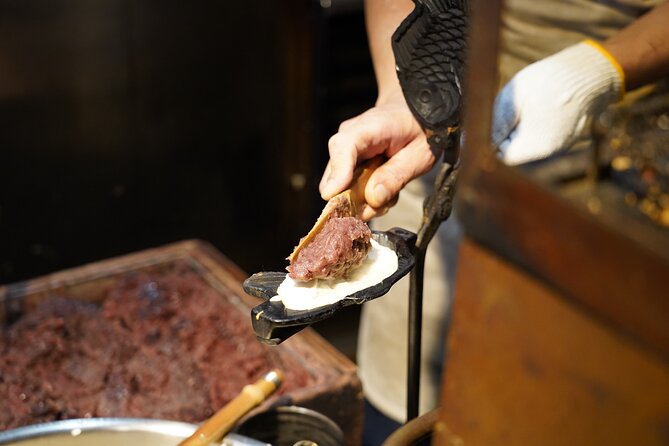
Possible stops include yakitori, grilled chicken served as a savory snack; mame daifuku, a soft rice cake with beans and filling; crisp taiyaki, the fish-shaped cake often filled with a sweet center; and homemade oden, a warm broth dish with assorted ingredients. The food described by the tour also includes other Japanese snacks, while one account of the outing mentions pastries, omelettes, and sushi.
That variety is important. You are not paying for five versions of the same sweet. The stops can move between savory, sweet, hot, and handheld foods, giving you a useful introduction to the range of everyday Japanese eating. You might try something familiar, such as grilled chicken, followed by a texture or flavor you would not have chosen alone.
The exact lineup is the main uncertainty. If you have your heart set on taiyaki or oden, there is no guarantee that either will be served on your date. Store hours, stock, and local conditions can change the plan. I see this less as a flaw than as part of the bargain of a neighborhood food walk, but you should book it for variety and guidance, not for a rigid tasting menu.
The included food is intended to be enough to fill you up. Still, additional food and drinks cost extra. If you have a large appetite, a dietary restriction, or a strong preference for a particular dish, ask before booking or plan to buy something separately.
The single alcoholic beverage is included, but other drinks are not. You should not assume that coffee, soft drinks, or extra alcoholic drinks are part of the price.
Why the food stops feel more personal
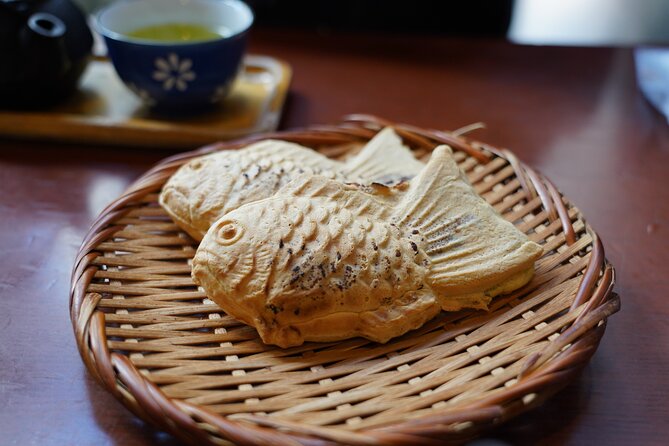
A useful food tour should help you understand how people eat, not just hand you samples. This one visits home-style restaurants and local food businesses, where the setting matters as much as the bite itself.
The small format allows time to talk with residents and restaurant staff. You may also have casual contact with people eating at the stops. That kind of exchange can be brief, but it gives the walk a human quality that is often missing from large group tastings.
Guide Ellen appears particularly well suited to this style. She is described as warm, well prepared, and ready to answer questions. More importantly, she can tailor individual stops to the group’s needs. If you are curious about traditional cuisine, neighborhood history, or the ingredients in front of you, this is the sort of guide-led conversation that makes the $71 price easier to justify.
I would not expect formal cooking lessons or a chef demonstration. The value is in access, explanation, and connection with the neighborhood. You are paying for someone to lead you to small places and explain what you are seeing, not simply for the retail cost of five snacks.
A few more Tokyo half-days to weigh up
- Mt Fuji and Hakone 1-Day Bus Tour Return by Bullet Train
★ 5.0 · 26,383 reviews - 1-Day Tokyo Bus Tour
★ 5.0 · 14,250 reviews - Tokyo: TOKYO SKYTREE® Admission ticket
★ 4.5 · 11,192 reviews - Tokyo: teamLab Planets TOKYO Digital Art Museum Entry Ticket
★ 4.6 · 9,779 reviews
Shrines, temples, folklore, and good-luck customs
The itinerary includes visits to local shrines and temples, where you learn about traditions connected with good luck. These stops break up the eating and give you a cultural frame for the neighborhood.
They also keep the experience from becoming a simple checklist of dishes. Tokyo has famous shrines and temples that attract large crowds, but smaller religious sites can show you how spiritual places fit into ordinary city life. The available information does not specify the names of each site, so you should not book this expecting a particular landmark or a major temple complex.
Folklore is part of the appeal. The walk introduces local stories and destinations that are easy to miss when you explore alone. You will get more from these stops if you are willing to listen, ask questions, and notice small details rather than rushing toward the next food sample.
Please wear comfortable shoes. You will be walking around town, and the tour calls for a moderate level of fitness. No special athletic ability is required, but this is not a seated tasting in one restaurant.
A bonus stop for Sailor Moon fans
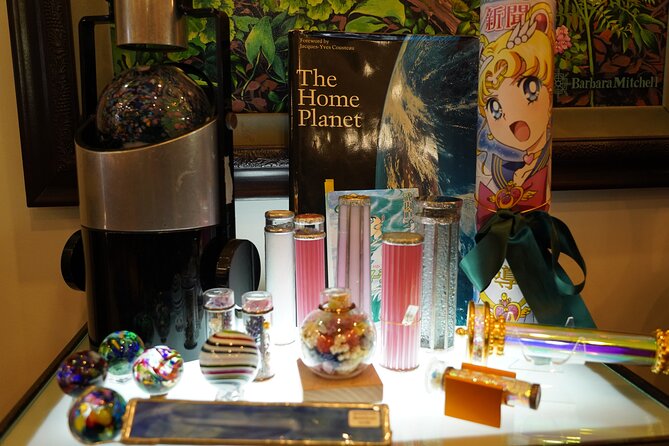
Azabujuban has a special connection for Sailor Moon followers. The neighborhood includes real-life places that inspired settings linked with manga creator Naoko Takeuchi.
The experience is not presented as a full Sailor Moon tour, so fans should keep expectations sensible. Still, seeing the source of visual ideas in an ordinary Tokyo neighborhood adds a fun layer to the walk. You can enjoy the food and local history even if you know little about the series, while longtime fans have an extra reason to pay attention to the streets and landmarks.
This is also a good reminder of what makes the tour different from a standard Roppongi outing. You are not only looking at polished city attractions. You are connecting everyday streets with food traditions, local stories, and popular culture.
Is $71 a fair price?
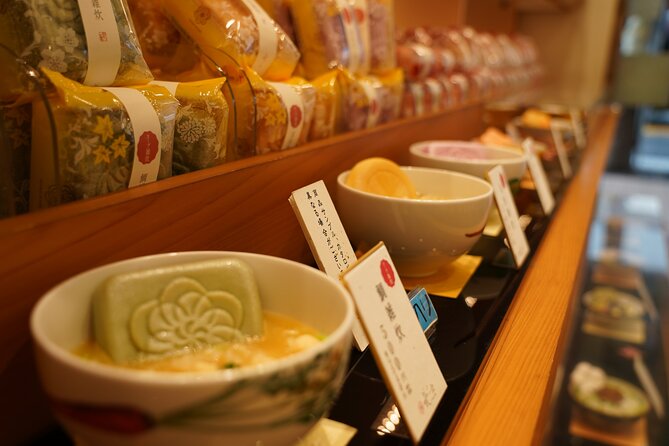
At $71 per person, this is not the cheapest way to buy five snacks in Tokyo. If you are comfortable researching shops, ordering on your own, and finding Azabujuban without help, you could spend less on food.
The price makes more sense when you count what else is included: a guide, neighborhood history, shrine and temple visits, introductions to local businesses, five food tastings, one alcoholic drink, and a small group that usually has no more than four people. You are buying context and access rather than calories alone.
The value is strongest for first-time visitors who want a gentle introduction to Japanese food. It is also strong for repeat visitors who have already seen central Tokyo and want a quieter neighborhood experience. The tour can save you the effort of choosing dishes when menus are unfamiliar, and the guide can explain what you are eating as you go.
It is less compelling for serious food specialists who want a fixed menu, premium restaurants, or extensive tastings. Since the food changes, the experience has some built-in uncertainty. I would also budget for any extra dish or drink you decide to order.
Who will enjoy this walk most?
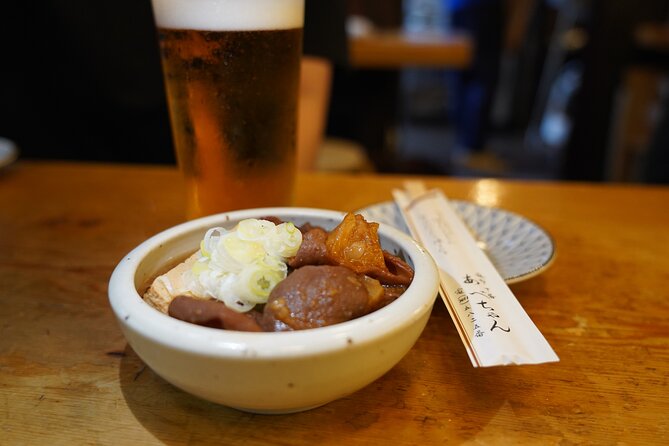
I would recommend it to curious eaters, couples, solo visitors, and small families with enough stamina for walking. The one-to-four-person format should suit anyone who prefers conversation over a large bus group.
It is especially useful if you want to:
- Try Japanese foods you might not order alone
- Learn about local customs and neighborhood stories
- Visit a part of Tokyo close to Roppongi but less focused on major attractions
- Shop for small gifts in local stores
- Meet a guide who can answer questions in English
- Add a Sailor Moon connection to a food-focused day
People over 95 are specifically excluded, and anyone with limited walking ability should think carefully before booking. Food restrictions are not addressed in the available details, so contact the provider before paying if ingredients are a serious concern.
You can reserve now and pay later, which helps if your Tokyo schedule is still changing. Cancellation is allowed up to 24 hours before the activity for a full refund. Those flexible terms are useful, but they do not change the need to plan your route to Azabujuban Station.
Should you book the Azabujuban food adventure?
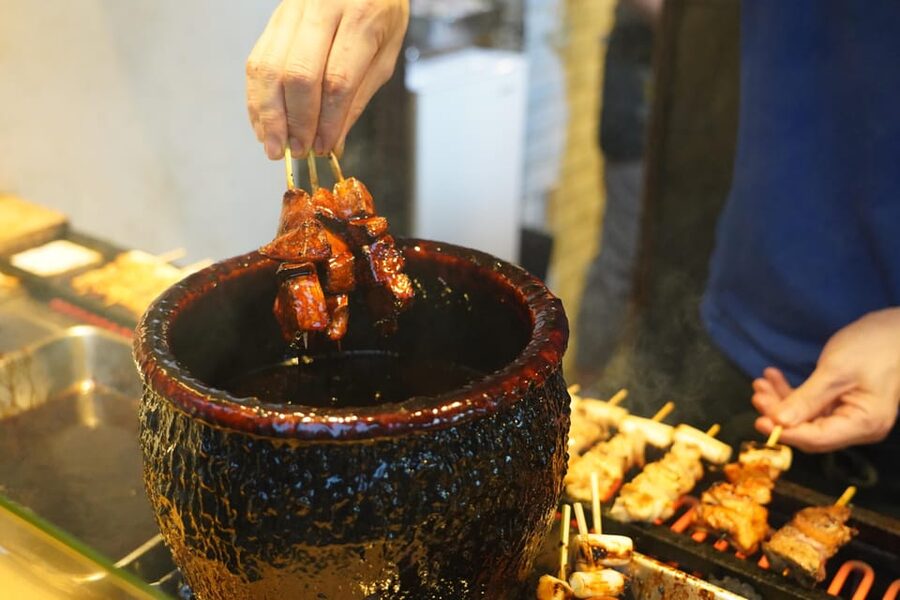
Book this tour if you want local food with a story attached. The best parts are the small group, the personal guiding style associated with Ellen, the mix of sweet and savory treats, and the chance to see Azabujuban as a real neighborhood rather than a quick stop near Roppongi.
Skip it if you need a guaranteed menu, dislike walking, or want a high-end restaurant meal. The changing food selection means you should arrive open-minded.
For most visitors, I think the tour earns its price through the guide and the setting. You eat five Japanese treats, visit shrines and temples, browse long-running local shops, and see a quieter side of Tokyo. That is a useful half-day style of experience, even though the exact length is not specified, and a good choice when you want your sightseeing to feel personal.
FAQ
Where does the tour begin?
Meet at Azabujuban Station, Exit 4, in front of Oslo Coffee. Look for the Japan Hopping Tours logo.
Where does the tour end?
The activity ends back at the same meeting point.
How many people usually join the tour?
This is a small-group activity, with one to four people expected to join.
What food is included?
Five different Japanese treats are included. The selection changes based on store availability and may include foods such as yakitori, mame daifuku, taiyaki, oden, pastries, omelettes, or sushi.
Is a drink included?
One alcoholic beverage is included. Additional food and drinks are not included.
Is transportation included?
No. Transportation costs are not included, so you must arrange and pay for your travel to and from Azabujuban Station.
Can I cancel for a refund?
Yes. You can cancel up to 24 hours in advance for a full refund.
Just added around Tokyo
- Private Arrival Transfer : Narita International Airport to Central Tokyo City★ 4.5 · 12 reviews
- Narita Airport(NRT): Private Transfer to Tokyo/Yokohama 1-9pax★ 5.0 · 47 reviews
- Private Transfer from Narita Airport to Yokohama Port and City★ 4.5 · 17 reviews
- [Narita Airport Terminals 1, 2] 40-60km Sawara Itako Historic Bike Tour★ 5.0 · 13 reviews
- 3 Day Japan Highlights Tour: Tokyo, Mt.Fuji, Nara, Kyoto, Osaka★ 5.0 · 22 reviews
- Small Town in the Big City: Tasting Tokyo’s Kichijoji★ 5.0 · 195 reviews
- Small Town in the Big City: Tasting Tokyo’s Kichijoji★ 5.0 · 16 reviews
- The 10 Tastings of Tokyo With Locals: Private Street Food Tour★ 5.0 · 48 reviews
Tokyo Tours, compared.

Mt Fuji and Hakone 1-Day Bus Tour Return by Bullet Train
Read our review →

teamLab Planets TOKYO Digital Art Museum Entry Ticket
Read our review →
Mt Fuji & Hakone Cruise, Drum Show Bullet Train 1 Day from Tokyo
Read our review →
Sumo Show Experience with Chicken Hot Pot and a Photo
Read our review →
Shinjuku Food Tour (13 Dishes at 4 Local Eateries)
Read our review →
Tokyo Mt Fuji 5th St & Hakone Cruise Bus Tour w/Bullet Train
Read our review →