
Reviewed · HOKKAIDO TOURS
Hakodate 6hr Private Tour with Government-Licensed Guide
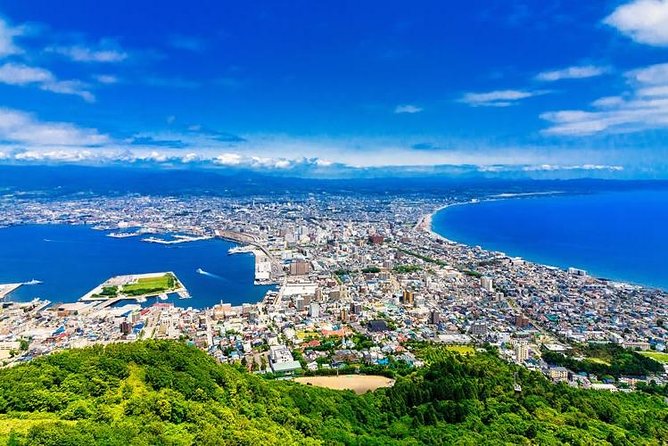
Hakodate’s best feature is its mix of old Japan, foreign influence, mountain scenery, and port-town character. In six hours, a private guide can connect the star-shaped fort at Goryokaku with Motomachi’s old foreign quarter, the red-brick waterfront, and the views from Mount Hakodate. Guides such as Akira, Keiko, Fumi, and Kazuo have led this experience, depending on availability.
I like the freedom to choose only three or four stops instead of racing through every sight. I also like the personal help with local trams, market visits, and historical context, especially on a first day in Japan. The main drawback is that transportation, meals, and admission charges are extra, and the tour does not include a private vehicle.
Key points at a glance
- Choose three or four sights: Shape the day around history, scenery, food, or architecture.
- See Hakodate’s foreign influence: Motomachi and the Kanemori Red Brick Warehouse show how the open port changed the city.
- Reach major sights without a large group: Your guide meets you on foot within the designated Hakodate area.
- Add Mount Hakodate or Onuma Park: Both offer scenery, but fitting Onuma into six hours requires careful planning.
- Use local knowledge for practical help: Guides have helped with trams, food choices, sightseeing order, and bad-weather changes.
- Budget beyond the tour price: The listed cost is $269.32 per person, before transport, food, and entrance fees.
Why a private guide suits Hakodate
Hakodate is easy to visit in pieces, but its story makes more sense when the pieces are connected. The city was one of the first Japanese ports opened to foreign trade in 1854, after Japan’s long period of limited contact with the outside world. That change left a visible mark: foreign consulates, Western-style buildings, brick warehouses, churches, and a street pattern unlike what you may see elsewhere in Japan.
A private guide gives you someone to explain why those buildings are here, not just point at them. You can ask about the port, the late Edo Period, the battle at Goryokaku, Ainu culture, or the city’s food traditions without waiting for a group to catch up.
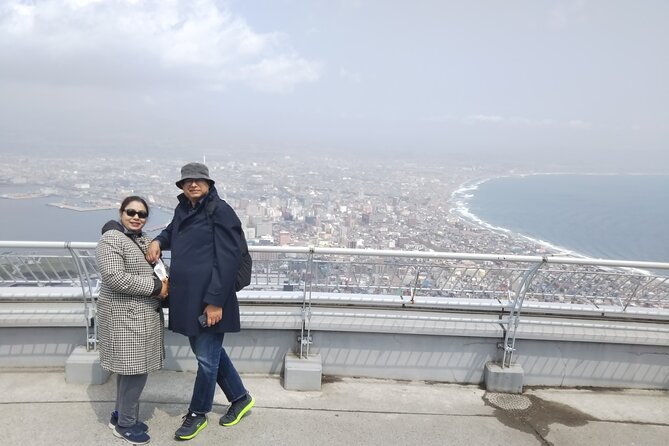
The format is especially useful if you are visiting Hakodate for the first time, arriving from a cruise ship, or traveling with older family members. One guide can adjust the pace and help you find the tram or walking route. A review of a rainy, windy outing described the guide meeting the group at the pier and making the most of the weather. Another noted that going at the group’s own pace was important for seniors.
This is a private activity, so only your party participates. That does not mean a car and driver are waiting outside. The guide meets you on foot, and transportation costs are yours to cover.
More licensed-guide days in Hokkaido:
- Tokyo 6hr Private Tour with Government-Licensed Guide
★ 5.0 · 3,902 reviews - Tokyo 4hr Private Tour with Government-Licensed Guide
★ 5.0 · 1,394 reviews - Kyoto 6hr Private Tour with Government-Licensed Guide
★ 5.0 · 1,369 reviews
Mount Hakodate: the big view, with a weather warning
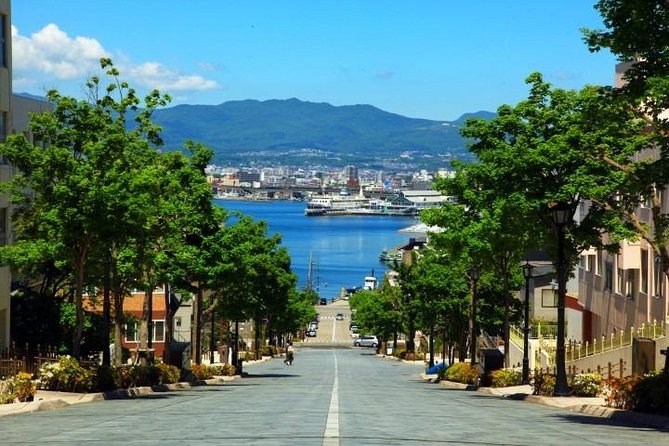
Mount Hakodate rises 334 meters at the southern end of the peninsula. Its wooded slopes lead to one of the city’s signature viewpoints, where Hakodate narrows between water on both sides. On a clear day or night, the view can be the high point of the tour.
The scheduled visit is listed as about 30 minutes, with no admission charge for the stop itself. That is enough for a quick look and photographs, but not an extended mountain visit. Your guide can help you judge whether the weather makes the trip worthwhile and how it fits with the rest of your chosen route.
Weather matters here. One outing had wind and rain, while another included light snow. A separate visit still produced spectacular views from the summit, but poor conditions can reduce the payoff or make the stop less comfortable. If Mount Hakodate is your top priority, tell the guide early and keep the plan flexible.
The mountain also creates a timing question. If you combine it with Onuma Quasi-National Park, you spend a good portion of six hours moving between distant points. For many people, Mount Hakodate pairs better with central Hakodate sights such as Motomachi, the market, and the waterfront.
Goryokaku Park and the final days of the shogunate
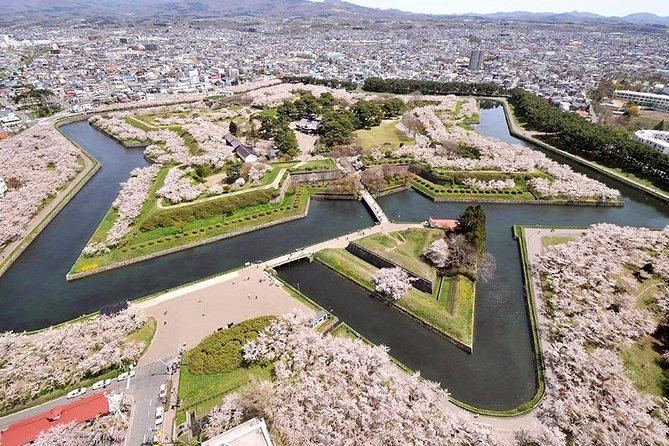
Goryokaku Park is a historic five-pointed fort, now a public park. It was built in the late Edo Period as a Western-style fortress and later became the setting for the last battle between the Tokugawa forces and the new government.
The shape is hard to grasp from ground level. If the Goryokaku Tower is open, its elevated view helps you see the star design. The tour does not include entrance fees, and tower admission is separate. One visitor found the tower closed, a useful reminder not to build your whole day around one indoor attraction.
Even without the tower, the park gives your guide room to explain the political shift that ended the shogunate. A walk here works well for visitors who want more than pretty streets and shopping. It is also a sensible stop for anyone interested in military design, modern Japanese history, or the way public parks can preserve old fortifications.
A guide can also help you combine Goryokaku with the Hakodate Morning Market by using local transport. One reported itinerary began at the market, continued by tram to Goryokaku Tower, and then explored the park on foot. That is a practical sequence if you want food first and history later.
Hakodate Morning Market: start with food and local life
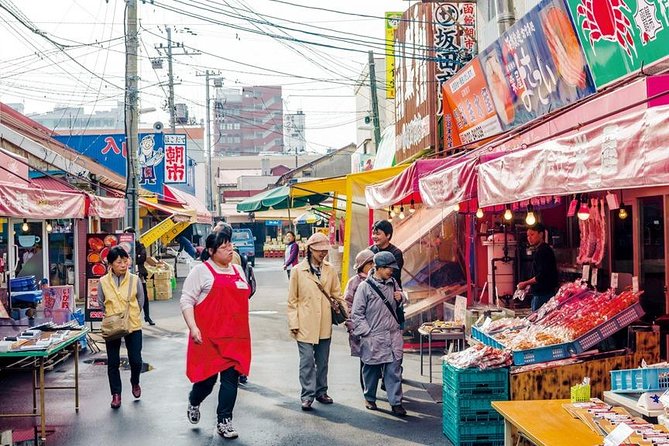
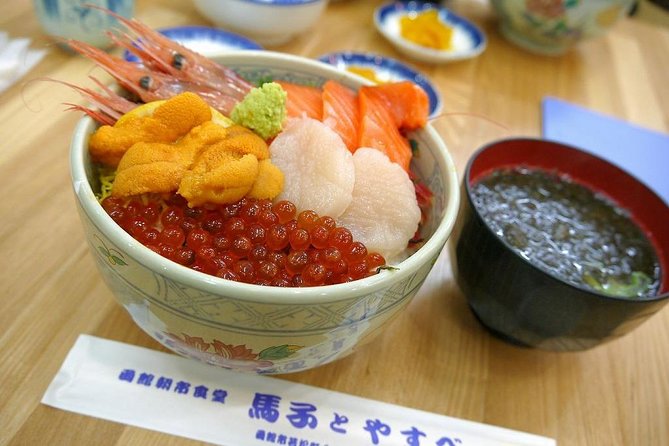
The Hakodate Morning Market sits a few steps from JR Hakodate Station. It opens daily from 5 a.m., or 6 a.m. in winter, and runs until noon. The market covers roughly four city blocks, giving you plenty to see even during a short visit.
This is the most time-sensitive stop on the tour. A six-hour outing that begins later in the day may not leave enough time for the market, so confirm your start time if fresh seafood and breakfast are important to you. The schedule also changes with the season because the opening hour is later during winter.
A guide is useful here for more than translation. You can ask for help understanding what is being sold, how to order, and which parts of the market match your interests. Food is not included, so set aside money for anything you want to eat or purchase.
The market also offers a good counterpoint to Hakodate’s formal buildings. Instead of focusing on military history or foreign trade, you get a direct look at the city’s everyday food culture. I would choose it for an early start, especially if you want a less polished and more practical introduction to Hakodate.
A few more Hokkaido half-days to weigh up
- Sapporo Bar Hopping Food Tour
★ 5.0 · 232 reviews - Hokkaido Seasonal: Lake Toya & Noboribetsu Jigokudani Valley
★ 4.7 · 173 reviews - Sapporo Private Tour with a Local – Highlights & Hidden Gems
★ 5.0 · 91 reviews - Sapporo: Hokkaido, Noboribetsu and Lake Toya Day Tour
★ 4.1 · 88 reviews
Motomachi and the city’s international character
Motomachi is where Hakodate’s port history becomes visible in the streets. After the harbor opened to foreign trade, merchants and officials from Russia, China, and Western countries came to the city. Their presence influenced the buildings, religious sites, and general appearance of the district.
The exact stops can vary because the guide helps choose three or four sites from the wider list. You might spend your time admiring European-style architecture, hearing about foreign residents, or walking between several historic buildings. The appeal is not one single monument. It is the connection between the port and the neighborhood above it.
Allow extra care with the weather. One planned walk through Motomachi had to be skipped because of bad conditions. That is another reason the private format helps: the day can shift toward indoor or more sheltered stops when necessary, though the provider cannot guarantee that every attraction will be open.
Motomachi is a strong choice for first-time visitors who want to understand why Hakodate feels different from many other Japanese cities. It also pairs naturally with the bay area and red-brick warehouses.
Kanemori Red Brick Warehouse and Bay Hakodate
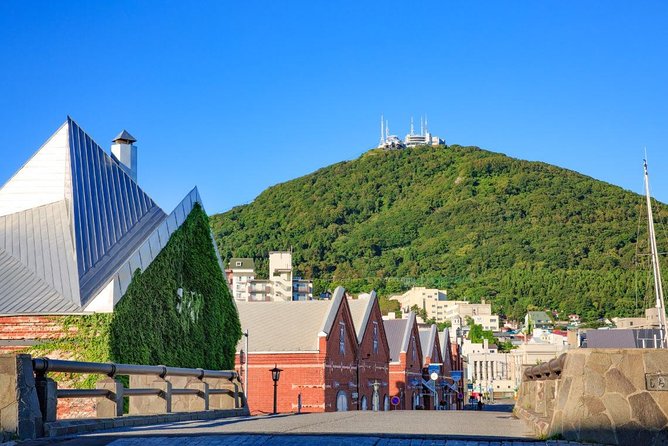
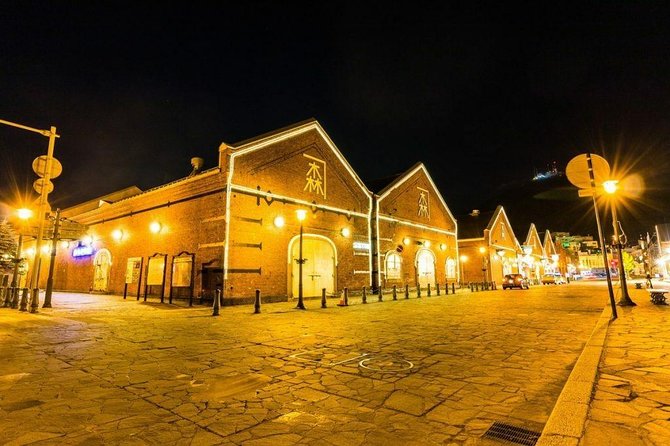
Hakodate’s waterfront preserves several red-brick warehouses from its trading era. The Kanemori Red Brick Warehouse area now includes shopping and other visitor-oriented uses, while Bay Hakodate offers broad views across the port and a row of converted brick buildings.
These stops are easy to combine with Motomachi because they tell one continuous story. Motomachi shows the people and buildings connected with foreign trade. The waterfront shows where the commercial activity took place and how old port structures have been given new uses.
The attraction here is partly visual and partly practical. You can walk by the harbor, look through shops, and use the area as a relaxed break between more demanding historical stops. Admission to the general sightseeing area is listed as free, but personal purchases are not included.
Do not expect the same historical focus as Goryokaku. The warehouses are now a shopping destination as well as a reminder of Hakodate’s trading past. That mix suits you if you want architecture, harbor views, and time to browse. If you prefer museums and detailed explanations, you may want to use one of your limited selections elsewhere.
The Hakodate Museum of Northern Peoples
The Hakodate Museum of Northern Peoples is housed in a former Japan Bank building dating from 1926. Its main focus is Ainu culture, making it one of the more distinctive choices in the suggested sightseeing list.
This stop adds a perspective that the outdoor sights cannot provide. Hakodate’s port history is often told through foreign trade and Western architecture, but the museum points toward the wider northern region and the culture of the Ainu people.
Admission is not included, and the museum is the only listed stop specifically marked with an entrance fee. Your guide’s entry fee is covered only for sights identified in the tour’s expected stops, so ask in advance how any museum admission will be handled.
At about 30 minutes, the suggested visit is brief. That can work as an introduction, but it may feel short if you want to study the exhibits closely. I would choose it when cultural history matters more to you than shopping or collecting many quick photographs.
Onuma Quasi-National Park: worth the distance?
Onuma Quasi-National Park lies about 20 kilometers north of Hakodate. It is known for lakes dotted with islands and views toward Mount Komagatake. This is the most nature-focused option in the selection.
Onuma can change the character of the day. Instead of staying within central Hakodate, you spend time reaching a quieter setting with water, islands, and mountain scenery. The suggested visit is about 30 minutes, which gives you a taste of the park but not a long outing.
That travel time is the key consideration. The tour lasts about six hours and includes only three or four chosen sites. If you select Onuma, you may need to give up several central attractions. I would choose it if outdoor scenery is a priority or if you have already seen Hakodate’s main urban sights.
I would not automatically add Onuma to a first visit simply because it appears on the list. Mount Hakodate, Goryokaku, the market, Motomachi, and the bay area are all closer to the city’s main story. Onuma works best with a clear preference for nature and a willingness to see fewer city sights.
How much does the $269.32 price buy you?
The listed price is $269.32 per person. That is a serious amount, particularly because it does not cover transportation, meals, entrance fees, or a private vehicle. The value comes from the guide’s time and the ability to shape a private six-hour day, not from included tickets or luxury transport.
For a solo visitor, the price may be difficult to justify unless you place a high value on personal guidance. For two or more people, group discounts may improve the calculation, though the exact savings are not stated. Because you cannot combine separate tour groups, each booking remains private to its own party.
I would compare this cost with what you need from Hakodate. If you are comfortable navigating trams, reading signs, and building your own route, you can visit many of these places independently for less. If you want historical explanations, help with local transport, a flexible pace, and someone to adjust the plan around weather, the fee buys convenience and context.
The tour is booked an average of 144 days ahead, so popular travel dates may require early planning. Confirmation is provided at booking, and cancellation is free up to 24 hours before the start time. Changes or cancellations inside that window are not refunded.
What the six hours may feel like
The listed sightseeing blocks are each about 30 minutes, but the day is not eight half-hour visits. You choose only three or four sites, and the time between them, along with questions, walking, meals, and transport, shapes the actual pace.
Your guide meets you on foot within the designated Hakodate area. The description also says pickup is offered, but the practical detail is that pickup is on foot rather than by private car. Clarify the meeting point and route when you book, especially if you are arriving at the pier or staying outside the central area.
A sensible central itinerary might pair the morning market with Goryokaku, then continue to Motomachi and the Kanemori or Bay Hakodate area. Another version might focus on Mount Hakodate, Motomachi, and the waterfront. Onuma requires a different balance.
The guides have different personalities and backgrounds, but the supplied information names Kazuo Sumi, Akira Matsumoto, Keiko, Fumi, Fumiko, and Heiji among those who have led tours. English and other languages are available through multilingual guides, but you should confirm the language you need before booking.
The strongest guide experiences described here involve more than reciting facts. Kazuo helped a first-time visitor manage a difficult rainy day. Keiko brought energy and local familiarity to a full day. Akira offered history and useful recommendations, while Fumi was organized and punctual for a solo introduction to the city. Those details suggest the biggest benefit is having a flexible local companion, not simply following a fixed script.
Who should book this Hakodate tour?
I would recommend it to a first-time visitor who wants orientation on arrival, a private pace, and help joining the city’s separate historical threads. It is also a good match for families, small groups, older adults, and anyone who wants to avoid figuring out every tram connection alone.
It suits you particularly well if you can name your priorities before the day begins. Tell the guide if you care most about mountain views, Ainu culture, the port, Goryokaku, food, or foreign architecture. A private tour works best when you use the flexibility instead of asking to see everything.
I would be more cautious if your main goal is a long visit to Onuma, extensive museum time, or a full day in a private vehicle. None of those is guaranteed by this format. You also need to budget for transport, food, and admission charges.
Should you book it?
Book this experience if you want a personal introduction to Hakodate and value explanation as much as sightseeing. The best use of the six hours is a focused route of three or four stops, such as the morning market, Goryokaku, Motomachi, and the bay area, with Mount Hakodate substituted in when the weather is clear.
Skip it if you prefer independent travel and are comfortable arranging your own transport. At $269.32 per person before extras, this is not a bargain sightseeing shuttle. It is a paid guide service whose value depends on your need for local context, flexibility, and help making a short Hakodate visit count.
FAQ
How long is the Hakodate private tour?
The tour lasts approximately six hours.
How many attractions can I visit?
The tour includes a customizable itinerary of three or four sites from the listed attractions.
Is transportation included?
No. Transportation fees are not included, and the tour does not provide a private vehicle. The guide meets you on foot within the designated Hakodate area.
Is hotel or pier pickup available?
Pickup is offered on foot. One guide has met visitors at the pier, but you should confirm the exact meeting point and designated area when booking.
Are entrance fees included?
Entrance fees are generally not included. The Hakodate Museum of Northern Peoples specifically lists admission as not included. Guide entry fees are covered only for sights listed under the expected stops.
Is the tour private?
Yes. Only your group participates, and separate tour groups cannot be combined.
Can I cancel for a full refund?
Yes, if you cancel at least 24 hours before the experience start time. Cancellations or changes made less than 24 hours before the start time are not refunded or accepted.
Just added around Hokkaido
- 3.5hours Primeval Forest Snowshoe hike and Wildlife Watching Tour★ 5.0 · 14 reviews
- Snowshoe Adventures and Onsen Bliss Winter Escape in Furano★ 5.0 · 12 reviews
- Half Day – Snow View Rafting in Niseko★ 5.0 · 13 reviews
- 3hours Primeval Forest and Stunning Views of Cliff Trekking Tour★ 5.0 · 20 reviews
- SkyExpress Private Transfer: New Chitose Airport – Niseko (8 Pax)★ 5.0 · 15 reviews
- Chitose Airport to Niseko Private Transfer | Licensed Driver★ 5.0 · 19 reviews
- Sapporo Winter : Asahiyama Zoo (Penguin Fun & Snowmobile)★ 5.0 · 28 reviews
- Sapporo Walking Tour★ 4.9 · 17 reviews
Hokkaido Tours, compared.
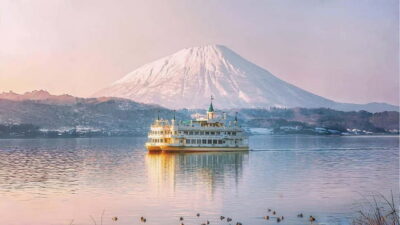
Hokkaido Seasonal: Lake Toya & Noboribetsu Jigokudani Valley
Read our review →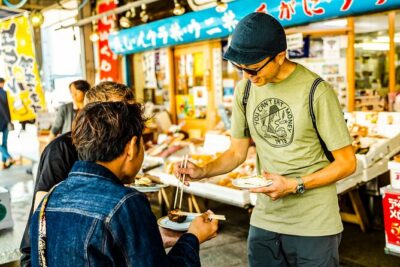
Sapporo Private Tour with a Local – Highlights & Hidden Gems
Read our review →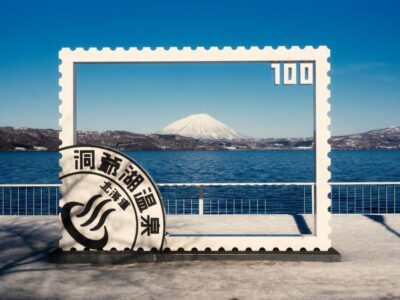

Furano Flower Sea & Biei Blue Pond Tour w/ Pickup
Read our review →
Hokkaido│Noboribetsu & Lake Toya Tour with Ropeway Ticket
Read our review →Browse the lists this tour appears in