
Reviewed · TOKYO TOURS
Tokyo: Mt. Fuji and Hakone Tour with Cable Car and Cruise
Mt. Fuji, sulfur vents, a cable-car ride, and a Lake Ashi cruise make this a big day out from Tokyo. The bus takes you from city streets to Mt. Fuji’s 5th Station at about 2,300 meters, then across Hakone’s volcanic high country. I like the mix of scenery and transport: you get the Subaru Road, ropeway, and boat rather than a string of roadside viewpoints. I also like the choice of lunch and return to Odawara or Hakone-Yumoto.
The catch is time. This is an 11-hour day, with roughly 2.5 hours to reach the Fuji area and about two hours back to Tokyo before traffic enters the picture. A few reports describe rushed stops, especially at the 5th Station and Owakudani, so book it for broad coverage, not a slow mountain day.
Key points to know before booking
- Mt. Fuji’s 5th Station sits at 2,300 meters, close to the summit but not the summit itself.
- Owakudani’s sulfur vents and black eggs add a memorable volcanic stop, though respiratory issues deserve care.
- Lake Ashi’s cruise is weather-dependent, with the best Fuji views appearing only on clear days.
- Traffic can reshape the schedule, shortening time at the main stops.
- Lunch is optional, but there may be no convenient meal stop if you skip it.
- You can finish at Tokyo Station, Hakone-Yumoto, or Odawara, depending on the option booked.
From Shinjuku to Fuji country by bus
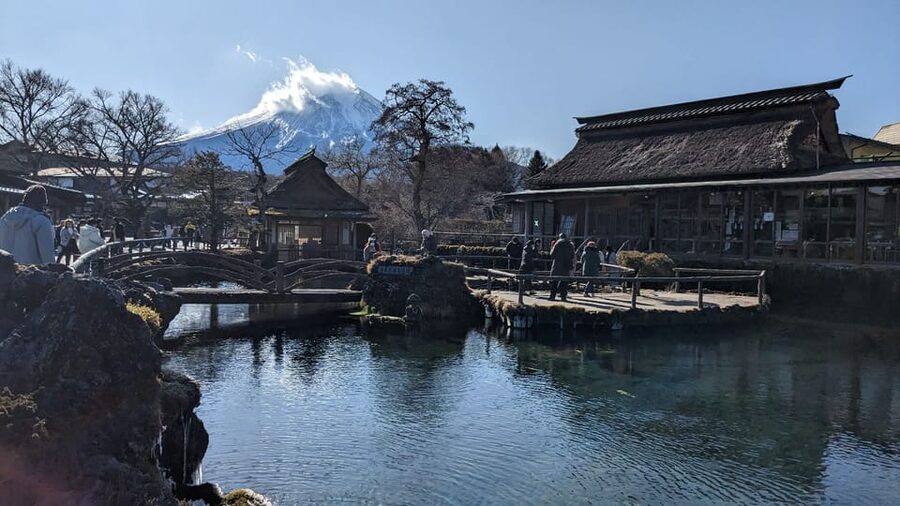
The day begins at a designated meeting point near Shinjuku Love Object. The exact meeting point can vary with the option you book, so check your confirmation carefully and arrive early. Late arrivals cannot join the group partway through the route.
The first major leg is a bus ride of about 2.5 hours toward Mt. Fuji. That sounds long, but it gives you a useful look at Japan beyond central Tokyo. The route uses the Chūō Expressway and the Subaru Road, moving from dense urban streets toward forest, mountain roads, and the Fuji area.
Traffic is the main unknown. This is a popular day-trip corridor, and a jam can take time from later stops. The ride back is usually about 120 minutes, but the total can change. I would avoid scheduling a tight dinner reservation, train connection, or evening flight after the tour.
The air-conditioned bus is practical, especially for a full day with several transfers. You do not have to navigate separate railways, buses, ropeway tickets, and cruise tickets on your own. The tradeoff is that you follow the group’s clock, and there is no promise of extra time if the roads run late.
More Mt Fuji Tours in Tokyo
- Mt Fuji and Hakone 1-Day Bus Tour Return by Bullet Train
★ 5.0 · 26,383 reviews - Mt Fuji & Hakone Cruise, Drum Show Bullet Train 1 Day from Tokyo
★ 4.0 · 7,413 reviews - Tokyo Mt Fuji 5th St & Hakone Cruise Bus Tour w/Bullet Train
★ 4.4 · 5,024 reviews
Mt. Fuji’s 5th Station at 2,300 meters
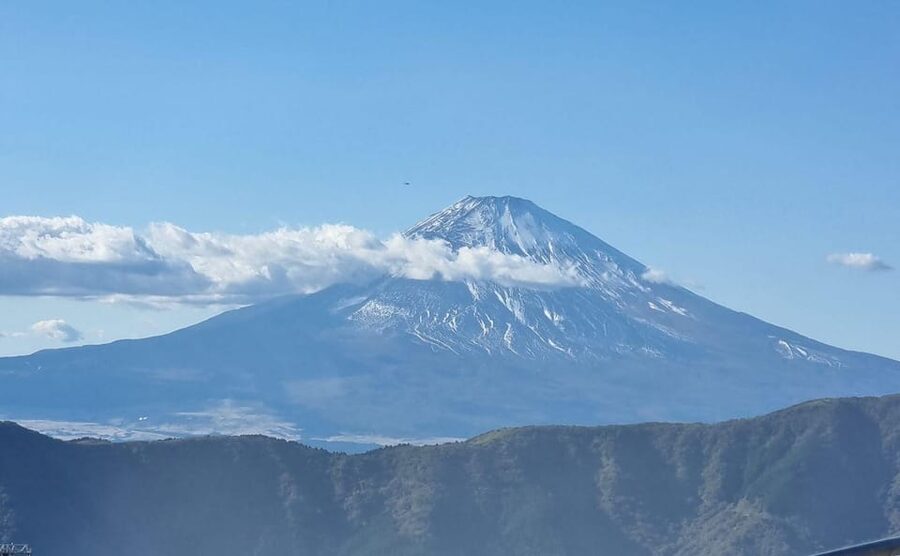
The Subaru Line brings you to Mt. Fuji’s 5th Station, the highest planned stop on this outing. At roughly 2,300 meters above sea level, you are far closer to the summit than at the lakes and towns below, but you are not climbing Mt. Fuji or reaching its peak.
This is the place to take your Fuji photos first. Clouds can move quickly, and a clear view may open for only a few minutes. Several people lost time by browsing the souvenir shops and expecting another chance later. My advice is simple: step off the bus, check the sky, and photograph the mountain before shopping.
You can also visit Komitake Shrine and look through the local souvenirs. The stop offers a feel for the high mountain setting, but time may be short. Some departures have allowed only a brief visit, especially after traffic delays. If the mountain is hidden by fog or cloud, the station can feel less rewarding, though the altitude and road journey still make it distinct from ordinary Fuji viewpoints.
Bad weather or an accident on the road may prevent the bus from reaching the 5th Station. In that case, the tour goes to the highest point possible. The weather policy matters here: Mt. Fuji may not be visible in high humidity, heavy rain, or fog, and there is no refund for weather or schedule changes.
Optional lunch and the limits of a group meal
The lunch option allows about 45 to 60 minutes for a local meal. The planned food includes a hot pot and a half buffet, giving you more than a quick convenience-store stop and a chance to try familiar Japanese meal formats in a group setting.
You should choose lunch if you want the day to run simply. Without it, there may be no place to eat during the scheduled stop. That is an important detail, particularly because the itinerary moves through rural and resort areas rather than a central shopping street.
The meal is not the strongest reason to book this outing. Portions and replenishment at the buffet can vary, and the meal may leave little time for wandering. Some departures have had about 30 minutes to order, eat, and use the facilities when traffic compressed the schedule.
Tell the operator about food restrictions at booking. Drinks are not included, so bring money for beverages. Children up to age three may join free, but they do not receive a bus seat or lunch unless you book the child rate.
The Hakone Ropeway over Owakudani
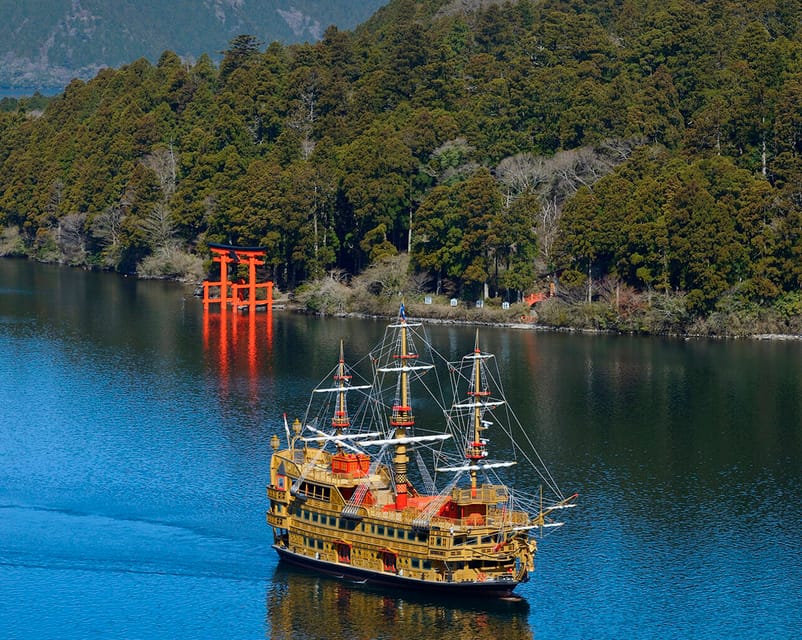
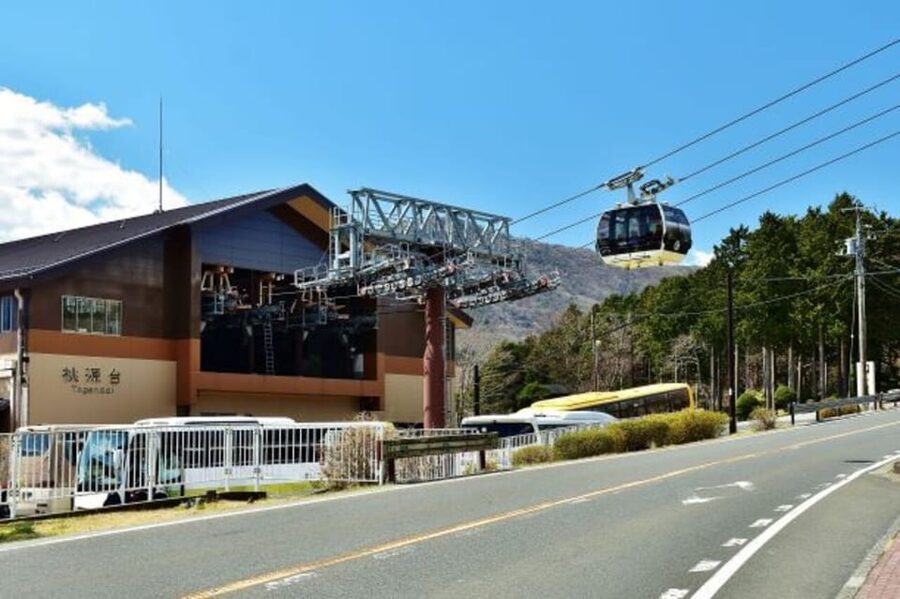
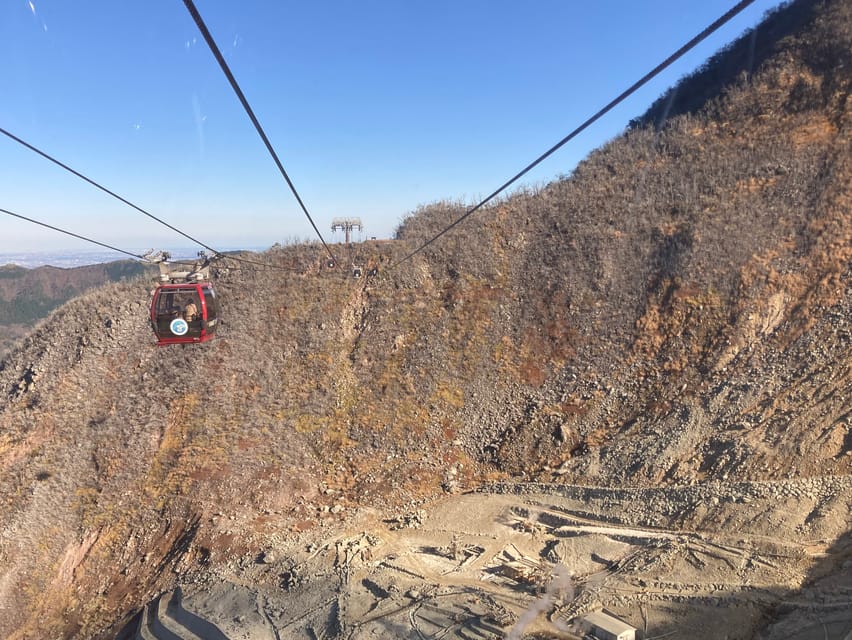
The Hakone Ropeway is the most unusual part of the day’s transport. Instead of simply arriving at Owakudani, you descend toward the volcanic area in a gondola and watch the terrain change below you. The ride gives you a high view over the Owakudani zone, where fumaroles and solfataras release volcanic gases.
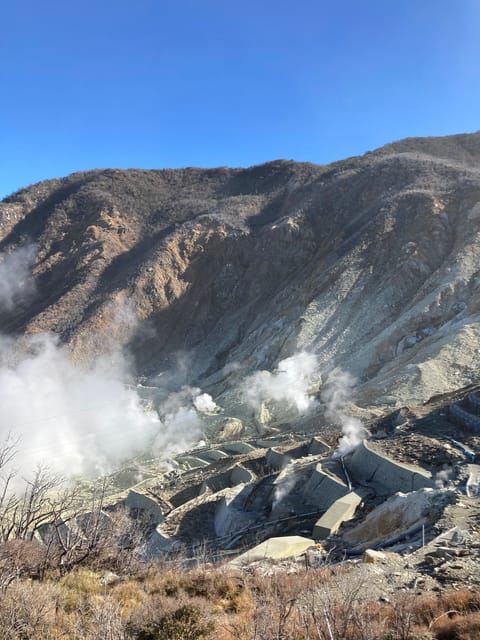
Owakudani was shaped by volcanic activity, and the sulfur smell and steaming ground make it feel very different from Mt. Fuji’s broad, quiet slopes. This is also where you can buy the famous black eggs, boiled in sulfurous water heated by volcanic activity. They cost extra, but they are an easy local snack and an amusing souvenir.
Be sensible around the volcanic area. The information for this outing specifically warns people with respiratory problems to check conditions for themselves. If fumes are strong, you may prefer to limit your time outside.
The ropeway can also be the day’s most vulnerable stop. Weather, operating conditions, congestion, or road delays can change the plan. If an activity cannot operate, the schedule may switch to another destination such as a Lake Kawaguchi cruise, Mt. Fuji Panoramic Ropeway, Mishima Skywalk, Odawara Castle, Hakone-en Aquarium, Narukawa Art Museum, Hakone Checkpoint, or Hakone Shrine.
That flexibility is useful, but it means you should not treat every listed stop as guaranteed. In poor weather, the guide may need to make quick calls. Clear communication matters, and mixed messages about the ropeway or return transport can be frustrating when your day is already tightly timed.
A few more Tokyo half-days to weigh up
- 1-Day Tokyo Bus Tour
★ 5.0 · 14,250 reviews - Tokyo: TOKYO SKYTREE® Admission ticket
★ 4.5 · 11,192 reviews - Tokyo: teamLab Planets TOKYO Digital Art Museum Entry Ticket
★ 4.6 · 9,779 reviews - Tokyo: Sumo Show Experience with Chicken Hot Pot and a Photo
★ 4.8 · 6,678 reviews
Lake Ashi by sightseeing boat
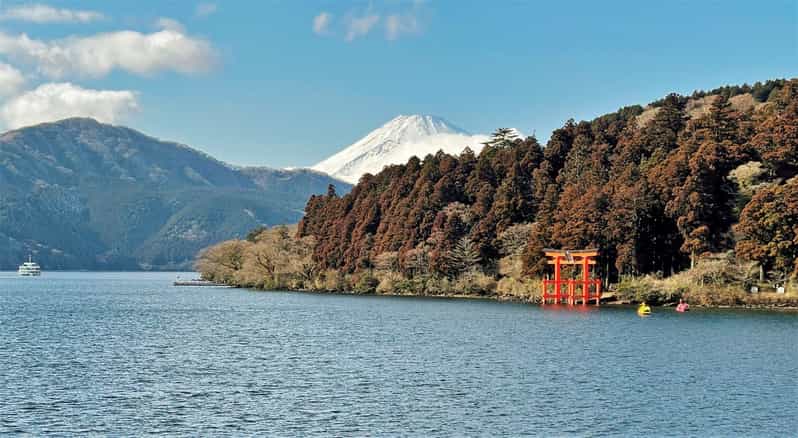
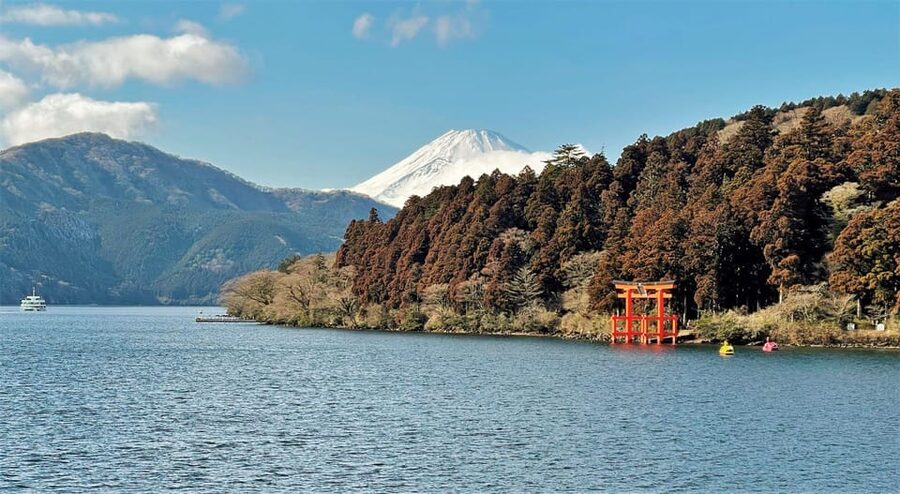
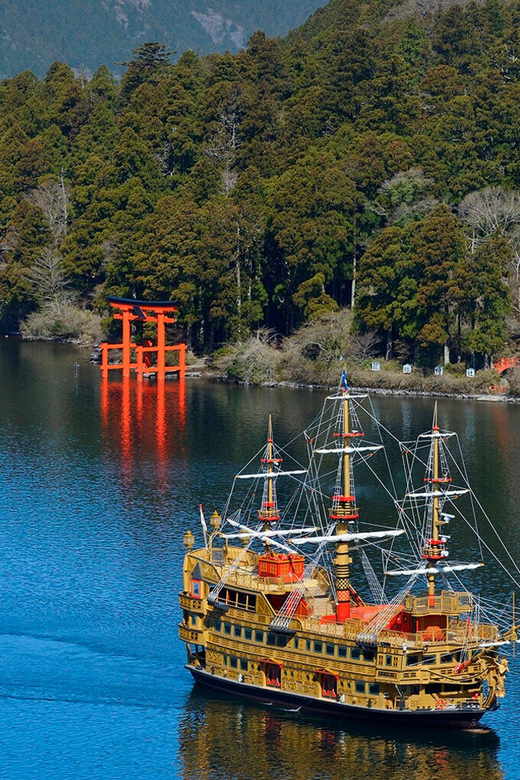
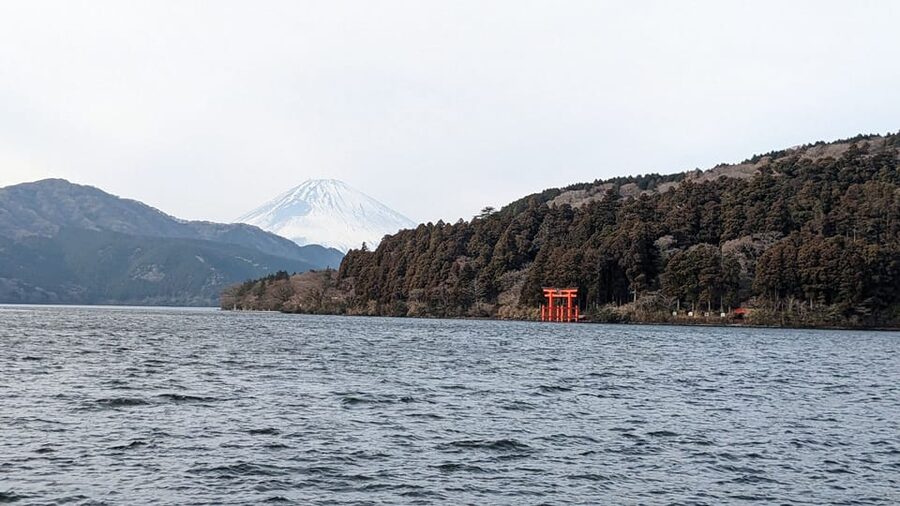
The Lake Ashi cruise provides a welcome change from the bus and ropeway. Once on board, you can watch Hakone’s wooded hills and open water from the deck. On a clear day, Mt. Fuji may appear beyond the lake, creating the classic combination of water, mountain, and sky.
Do not book this outing solely for a Fuji view from the boat. Cloud and fog can hide the mountain, and the cruise remains worthwhile mainly as a scenic break and a different way to see Hakone. The boat ticket is included, so you do not need to arrange it separately.
Time at the lake can be very brief once the cruise ends. One departure left almost no time to explore Hakone on foot after leaving the boat. Think of this as a cruise stop, not a visit to Hakone town. If you want cafés, shops, shrine visits, or a proper walk beside the lake, you need a longer stay in the area.
What the guides add to a packed schedule
The guide speaks English and leads the group through a day with several moving parts. That support is useful at the meeting point, on the bus, and when weather or traffic forces a change.
Guide names reported for this experience include Mary, Harry, and Yoko, also called Yoyo. The strongest guiding moments have included clear explanations, humor, local detail, and even the occasional singalong. A good guide can make the long bus sections more enjoyable and help you understand what you are seeing rather than simply pointing at it.
The group format has a clear benefit for solo visitors and anyone who does not want to organize Japan’s transport system alone. It also creates the day’s chief limitation: you move when the group moves. If you spend too long in a shop, at the restroom, or taking photos, you may have to hurry at the next stop.
Keep your priorities clear. At the 5th Station, photograph Mt. Fuji first. At Owakudani, follow the guide’s instructions about where to walk and how long to stay. At Lake Ashi, head to the deck if the sky opens.
Price, transport, and return choices
At $92 per person, the outing can be good value if you want three major components in one day: Mt. Fuji’s 5th Station, the Hakone Ropeway, and the Lake Ashi cruise. The ropeway and boat tickets are included, as is bus transport and an English-speaking guide. Add lunch if you prefer a planned meal and want to avoid searching for food during a short stop.
The value drops if your main goal is long, relaxed time at each location. Much of the day happens on the bus, and traffic can shorten the stops. You are paying for coverage and convenience, not a slow-paced regional visit.
The standard return is by bus to Tokyo Station, usually taking about 120 minutes. Some options allow you to finish at Hakone-Yumoto, useful if you have a hotel there, or Odawara Station, useful if you hold a JR Pass or have onward rail plans.
Check the return option closely before booking. A confirmed transport choice should match your actual plans, particularly on weekends or if you need a train connection. If you require a shinkansen ticket, this is not the correct booking by itself. A separate version of the outing offers a bullet-train return.
Cancellation is free up to 24 hours before departure, and you can reserve now and pay later. Those policies help if your Tokyo plans are still shifting, but they do not cover poor weather or changes made during the day.
Is the route suitable for wheelchair users?
All sightseeing spots are described as wheelchair-accessible, but the standard buses do not have lifts or ramps. A folding wheelchair can generally go in the luggage compartment, while electric wheelchairs may not fit because of size and weight limits.
Tell the operator when booking if you use a wheelchair. This is not a detail to leave until the morning of departure. The access at the sites may be workable, but boarding the bus is the practical issue.
Who will enjoy this Mt. Fuji and Hakone day?
I would choose this for a first visit to Tokyo when you want to see Mt. Fuji and Hakone in one outing without handling several separate tickets. It suits you if you value an English-speaking guide, included ropeway and cruise tickets, and a clear route through the region.
It is also a sensible choice for solo visitors, families with older children, and anyone who wants a broad taste of Japan’s mountain and volcanic scenery. The air-conditioned bus helps on a long day, and the return choices can fit a wider Japan itinerary.
I would hesitate if you dislike fixed schedules, need generous photo time, or want to explore Hakone village by village. Weather can erase the Fuji view, traffic can cut the stops short, and the itinerary may substitute another site when an activity is closed.
Should you book this tour?
Book it if you want maximum coverage in one Tokyo day and accept that the schedule may feel brisk. The combination of Fuji’s high station, volcanic Owakudani, ropeway, and Lake Ashi gives you a strong overview for $92, especially with the included transport and tickets.
Skip it if your priority is a quiet Fuji visit or a full day in Hakone. For the best chance at photographs, go straight to the 5th Station viewpoint before the shops, keep your schedule after the tour flexible, and confirm your return destination at booking.
FAQ
How long does the Mt. Fuji and Hakone tour take?
The experience lasts about 11 hours, or one day. The drive from Shinjuku to the Mt. Fuji area takes about 2.5 hours, and the return bus to Tokyo typically takes about 120 minutes.
What altitude does the tour reach at Mt. Fuji?
The planned stop is Mt. Fuji’s 5th Station, at about 2,300 meters above sea level. This is close to the summit but is not the summit itself.
Is lunch included?
Lunch is included only if you select the lunch option. The meal includes a hot pot and a half buffet. Drinks are not included, and you should report food restrictions when booking.
Can I see Mt. Fuji from the tour?
You may see Mt. Fuji from the 5th Station and from the Lake Ashi cruise when conditions are clear. High humidity, heavy rain, and fog can hide the mountain, and no refund is offered for weather.
What happens if the ropeway or another activity is closed?
The schedule may use an alternative destination or activity. Possibilities include a Lake Kawaguchi cruise, Mt. Fuji Panoramic Ropeway, Mishima Skywalk, Odawara Castle, Hakone-en Aquarium, Narukawa Art Museum, Hakone Checkpoint, or Hakone Shrine.
Where does the tour end?
The return option may take you by bus to Tokyo Station, Hakone-Yumoto, or Odawara Station. The available destination depends on the option you book.
Can wheelchair users join?
The sightseeing sites are wheelchair-accessible, but the standard buses do not have wheelchair lifts or ramps. Folding wheelchairs can generally be stored in the luggage compartment, while electric wheelchairs may not fit. Tell the operator when booking.
Just added around Tokyo
- Private Arrival Transfer : Narita International Airport to Central Tokyo City★ 4.5 · 12 reviews
- Narita Airport(NRT): Private Transfer to Tokyo/Yokohama 1-9pax★ 5.0 · 47 reviews
- Private Transfer from Narita Airport to Yokohama Port and City★ 4.5 · 17 reviews
- [Narita Airport Terminals 1, 2] 40-60km Sawara Itako Historic Bike Tour★ 5.0 · 13 reviews
- 3 Day Japan Highlights Tour: Tokyo, Mt.Fuji, Nara, Kyoto, Osaka★ 5.0 · 22 reviews
- Small Town in the Big City: Tasting Tokyo’s Kichijoji★ 5.0 · 195 reviews
- Small Town in the Big City: Tasting Tokyo’s Kichijoji★ 5.0 · 16 reviews
- The 10 Tastings of Tokyo With Locals: Private Street Food Tour★ 5.0 · 48 reviews
Tokyo Tours, compared.

Mt Fuji and Hakone 1-Day Bus Tour Return by Bullet Train
Read our review →

teamLab Planets TOKYO Digital Art Museum Entry Ticket
Read our review →
Mt Fuji & Hakone Cruise, Drum Show Bullet Train 1 Day from Tokyo
Read our review →
Sumo Show Experience with Chicken Hot Pot and a Photo
Read our review →
Shinjuku Food Tour (13 Dishes at 4 Local Eateries)
Read our review →
Tokyo Mt Fuji 5th St & Hakone Cruise Bus Tour w/Bullet Train
Read our review →
Flagship 2-Hours Official Street Go-Kart Tour – Tokyo Bay Shop
Read our review →Browse the lists this tour appears in