Reviewed · TOURS
From Fukuoka: Miyazaki, Takachiho Gorge and Shrines Day Tour
Takachiho Gorge is the star here: a narrow volcanic valley, a 17-meter waterfall, and cliffs that look almost too dramatic for a day trip. But the shrines give the outing its real character, linking the scenery to Japan’s oldest myths, including the story of the sun goddess Amaterasu. This is Kyushu at its most theatrical.
I like the simple logistics and the price. For $50, you get roundtrip transport, highway tolls, parking, fuel, a driver, and a multilingual guide. I also like the mix of quiet shrine paths and big natural views. The catch is the long road time: roughly six hours of the 10-hour day is spent on the bus, and some stops can feel brisk.
Key points to know before you book
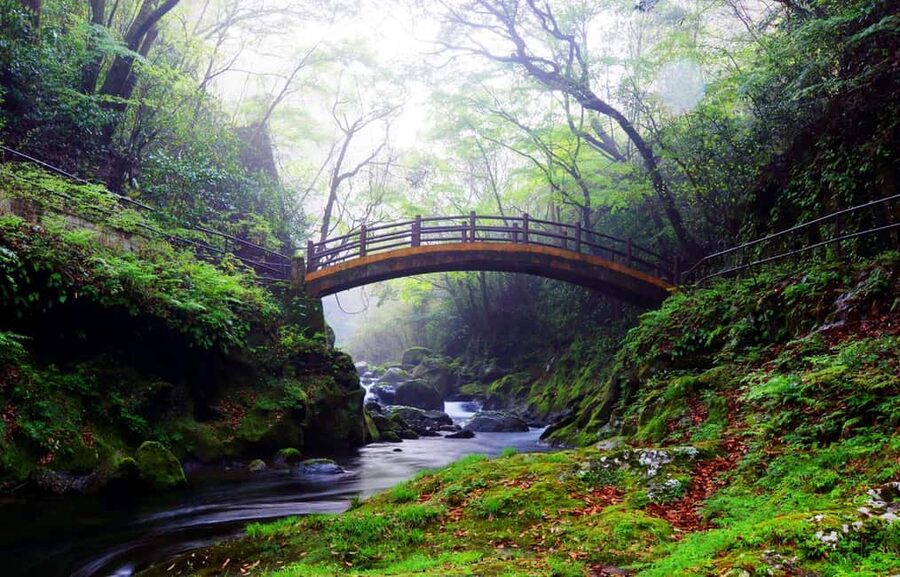
- Takachiho Gorge is the visual highlight: Walk beside tall volcanic walls and Manai Waterfall during about 80 minutes of free time.
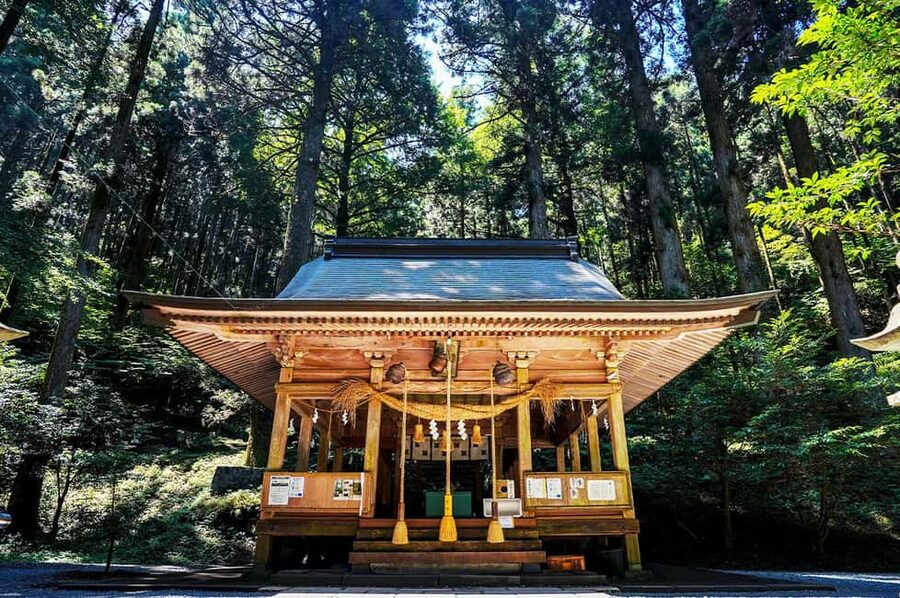
- The mythology is part of the scenery: Amano Iwato Shrine and Amano Yasugawara connect the mountain setting with the story of Amaterasu.
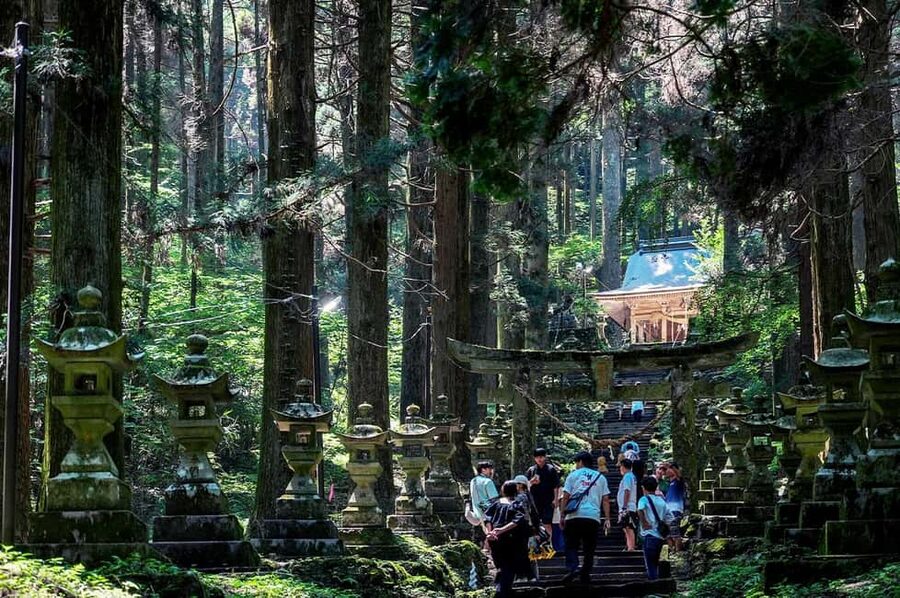
- The first shrine is highly photogenic: Kamishikimi Kumanoimasu Shrine has a lantern-lined approach and the unusual Tooriwa Rock.
- This is a long but useful bus day: You avoid renting a car, navigating rural roads, and paying tolls or parking fees.
- Boat rides are not included: Reserve separately if you want to row beneath the gorge, and do not assume a seat will be available.
- Bring walking shoes and cash: Stairs, slopes, and uneven paths are part of the day, while some rural spots may not accept cards.
Why this Kyushu day trip is worth considering
Fukuoka is an excellent base for food, shopping, and city comforts, but some of Kyushu’s most memorable sights sit far beyond the urban rail network. Takachiho is one of them. Reaching it independently means dealing with a long drive, limited public transport, toll roads, and parking. This tour trades flexibility for convenience.
The $50 price is unusually low for a full day in the mountains. Your transport costs are covered, along with the highway tolls, parking, fuel, and guide. You still pay for food, drinks, personal purchases, and any boat ticket, but the main cost of reaching these distant sights is already handled.
The trip is best for you if you want to see several major places in one day without driving. It also suits solo visitors and couples who prefer a planned route. It is less suitable if you want slow temple visits, a leisurely lunch, or a long boat ride. The schedule covers a lot of ground, and that always means compromise.
Other Japan days people book on the same trip:
- Mt Fuji and Hakone 1-Day Bus Tour Return by Bullet Train
★ 5.0 · 26,383 reviews - 1-Day Tokyo Bus Tour
★ 5.0 · 14,250 reviews - PERFECT KYOTO 1-Day Bus Tour
★ 5.0 · 13,518 reviews
Meeting the bus near Hakata Station
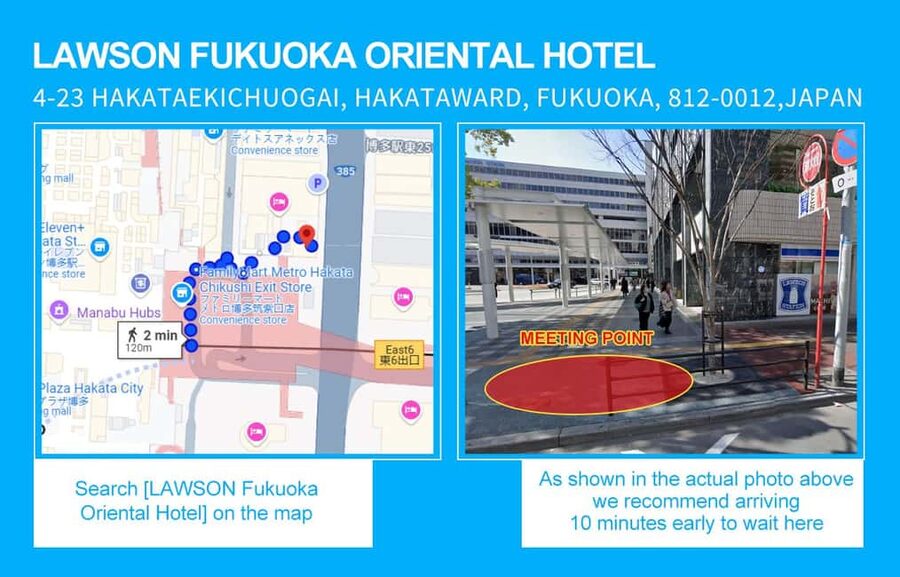
The meeting point is the Lawson Fukuoka Oriental Hotel, in front of Hakata Station’s Chikushiguchi, at 4-23 Hakataekichuogai. Pickup is scheduled for 8:00 a.m. Arrive at least 15 minutes early, even though the basic instructions say not to be late by 10 minutes. Rural day trips run on tight timing, and late arrivals or no-shows are not refunded.
The exact driver, guide, and vehicle details are sent by email around 7:00 to 9:00 p.m. the evening before. Check your inbox before bed, then check the weather. Rain, traffic, or holiday congestion can push the return later than planned and may reduce time at a stop.
This is a shared bus tour with people from several countries. Guiding is offered in English, Traditional Chinese, and Japanese. The quality of the day can depend partly on how clearly your guide switches between languages. Guides named Sun, Helen, Thomas, Emily, Jyo, and others have been praised for keeping people informed, offering food tips, and managing the clock. One useful sign of a good guide is the regular reminder about where and when to meet back at the bus.
Kamishikimi Kumanoimasu Shrine and the lantern path
After about 2 hours and 50 minutes on the road, the first stop is Kamishikimi Kumanoimasu Shrine, with around 40 minutes for a visit. The approach is the kind of place that rewards a camera, but it also rewards simply slowing down for a few minutes.
Nearly 100 lanterns line the path through the trees. Their repetition gives the shrine a dreamlike feel, especially when viewed from below along the rising route. The site has also appeared in Japanese anime, including Hotarubi no Mori e and Natsume’s Book of Friends, so fans may recognize its mood even if they do not know every detail.
The main curiosity is Tooriwa Rock, a huge stone formation with a large opening through it. Local belief connects the rock with good luck and success, and couples visit to pray for love and prosperity. The tour does not give you hours here, so I would make the lantern approach and Tooriwa Rock your priorities rather than trying to study every corner.
There is some uphill walking and stair work on the shrine visits. In hot weather, the climb can feel demanding, particularly after the long bus ride. Wear shoes with a firm sole, carry water, and avoid treating this as a quick roadside photo stop. The setting is atmospheric precisely because it takes a little effort to reach the viewpoints.
Amano Iwato Shrine and the story of Amaterasu
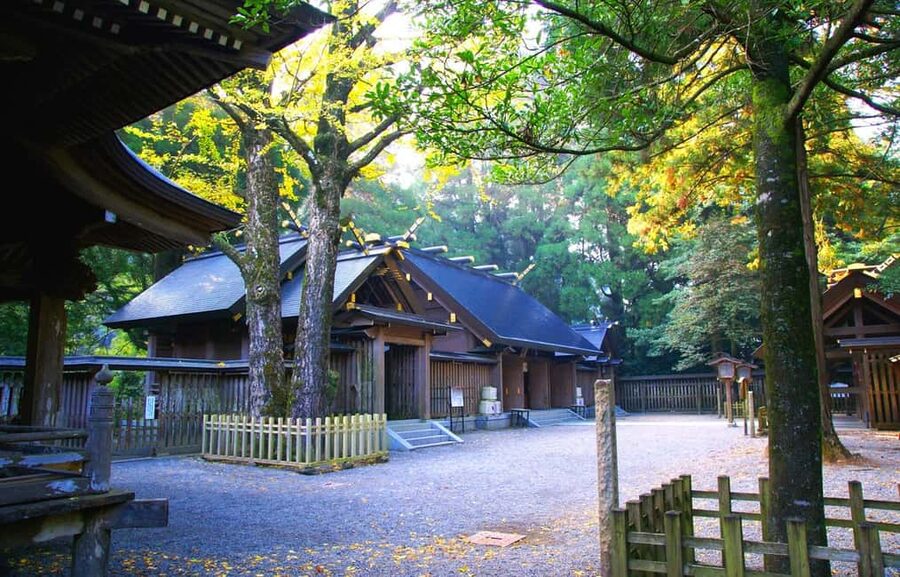
The next stop is Amano Iwato Shrine, where you receive about 30 minutes for a guided visit. This is one of the day’s most meaningful places because the surroundings are tied to one of Japan’s best-known myths.
According to the story, Amaterasu, the sun goddess, hid in a cave here after a conflict with her brother. With the sun gone, the world fell into darkness. The other gods eventually lured her out, bringing light back to the world. The story gives the shrine and its rocky setting a strong sense of place, even if you are not familiar with Shinto traditions.
A guide can add useful context in a short time, especially when explaining why the cave and nearby river valley matter. English explanations may vary by guide, though several guides have been praised for clear, energetic interpretation. The tour uses more than one language, so you may hear information repeated or presented in shorter sections.
Thirty minutes is enough to see the main area, but it is not generous. If you like reading every sign, lingering at ritual spaces, or taking quiet photographs, you may wish for another 15 minutes. Keep your expectations realistic: this is a carefully timed introduction, not an extended shrine study.
Same base, a completely different sort of day:
- Tokyo: TOKYO SKYTREE® Admission ticket
★ 4.5 · 11,192 reviews - Tokyo: teamLab Planets TOKYO Digital Art Museum Entry Ticket
★ 4.6 · 9,779 reviews - Mt Fuji & Hakone Cruise, Drum Show Bullet Train 1 Day from Tokyo
★ 4.0 · 7,413 reviews - Tokyo: Sumo Show Experience with Chicken Hot Pot and a Photo
★ 4.8 · 6,678 reviews
Amano Yasugawara and wish-making with stones
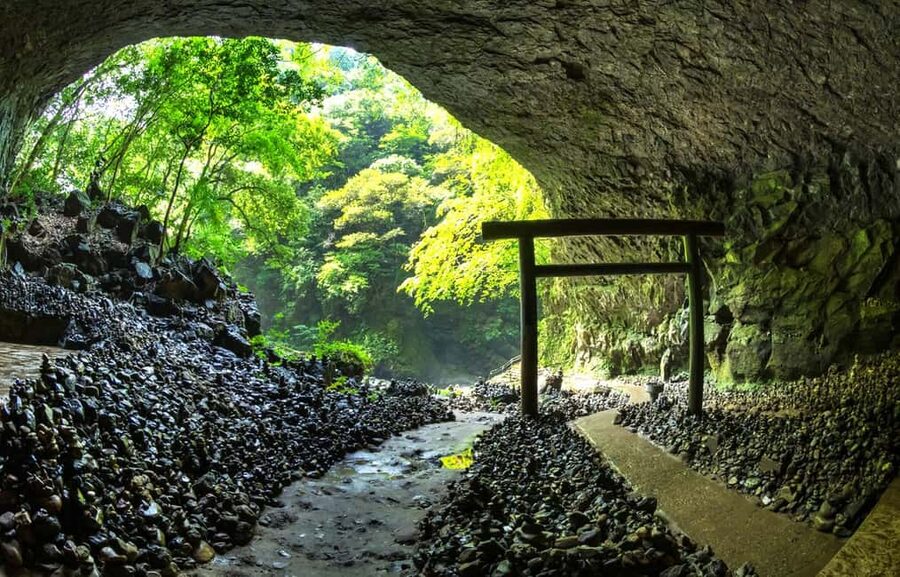
Amano Yasugawara is visited for about 30 minutes and adds a hands-on moment to the mythology. Here, people stack small stones into towers while making wishes. You can build your own modest tower, but take care not to knock over nearby stacks.
The stone piles give the river area a memorable look. They also show how a sacred site can remain part of everyday practice rather than feeling like a museum display. You are not simply looking at an old building. You are taking part in a small custom, quietly and without much ceremony.
This stop is close enough in spirit to Amano Iwato Shrine that the two work well together. One provides the myth and the other gives you a simple action connected to wishing. Again, the 30-minute allocation means you should focus on the river setting, the stone towers, and the main path.
Lunch is not included. Food stops may be available around the attractions, but buying and eating something can use a good portion of your free time. If you want to protect every minute at the shrines and gorge, bring your own lunch or choose something that can be eaten quickly. Carry some cash because cards may not work at every location.
Takachiho Gorge and Manai Waterfall
Takachiho Gorge receives about 80 minutes, making it the longest sightseeing stop and the one most people will remember. Ancient volcanic activity shaped the deep valley, leaving steep walls of dark rock beside the river. The walking route along the gorge is about 1 kilometer.
The main view is Manai Waterfall, which drops 17 meters into the river. It is listed among Japan’s top 100 waterfalls, and the setting explains why. Water, cliffs, trees, and the narrow valley come together in a scene that feels much larger than a short stop on a bus route.
You can also photograph the Three Bridges of Takachiho. Each bridge represents a different era, and their placement gives you a quick visual lesson in how the valley has been crossed over time. Onihashi Rock is another striking feature, a 200-ton boulder wrapped with sacred ropes. The 70-meter Sennin-no-Byobu Rock forms an imposing wall along the gorge.
The path is not a flat stroll. Expect hills, steps, and some climbing. In summer, heat can make the route tougher, while rain can make the experience wet and less comfortable. Bring a light rain layer and wear shoes suited to walking. The air-conditioned bus is welcome on the return journey, but do not let the comfortable transport fool you into packing city shoes.
Should you add the Takachiho boat ride?
The boat ride is not included in the $50 tour. You must pay separately, and seats can sell out. Several visitors specifically wished they had reserved ahead, while one planned boat ride could not operate because the water level was too high.
If boating is central to your plans, reserve online in advance rather than hoping to buy a ticket after arrival. The available booking window has been described as roughly two weeks to two days before the desired date, with an afternoon time around 2:30 suggested for this type of schedule. Still, conditions and availability can change.
The boat gives you a different angle on the cliffs and waterfall, but it also adds pressure to an already tight day. If you secure a ticket, confirm that the time works with the tour’s arrival and meeting schedule. Do not wander off assuming the bus can wait. The included walking route is the reliable part of the gorge visit.
The long ride back to Fukuoka
The return drive takes about three hours, traffic permitting. By the time you leave Takachiho, you will probably be glad to sit down, especially after the shrine stairs and gorge path.
The bus has air conditioning, though a tall passenger may find the seating somewhat cramped. Bring water, snacks, and headphones if you like quiet time. The group format means the guide may continue sharing facts or recommendations between stops, and some people appreciate that extra context while others prefer to rest.
Several guides have offered restaurant, ramen, shopping, and dessert suggestions for after the return to Hakata. Some have also handed out small Japanese sweet gifts at the end of the day. These touches are not the reason to book, but they can make the final hour feel personal rather than purely functional.
The advertised duration is 10 hours, but keep your evening open. Traffic, bad weather, and holiday congestion can delay the return or reduce time at an attraction. Do not schedule a flight, theater booking, or nonrefundable dinner too closely after the expected arrival.
How the $50 price compares with the effort
The value is strongest when you place a high price on saved effort. You avoid car rental, navigation, tolls, fuel, parking, and the challenge of reaching remote sights in one day. You also get a guide to connect the sites, rather than simply being dropped at a scenic overlook.
The price does not buy a relaxed pace. You pay with time on the bus and with limited freedom at each stop. Meals and drinks are extra, and a boat ticket requires another booking and payment. Still, the combination of three major shrine and nature areas makes the cost easy to justify for a first visit to this part of Kyushu.
You may get slightly less value if you have several days and can rent a car or arrange private transport. Independent travel would let you linger at Amano Iwato, eat without watching the clock, and spend longer at Takachiho Gorge. For most short stays in Fukuoka, though, this tour solves a difficult transport problem at a modest price.
Who should book this day tour?
I would recommend it to first-time visitors who want a strong taste of rural Kyushu, especially if they are staying near Hakata Station. It works well for couples, solo visitors, and families with older children who can handle hills, stairs, and a full day away from the city.
It is also a good choice for anyone nervous about driving in Japan. The route is long, but the driver handles the roads and the guide handles the schedule. The multilingual setup is useful, though English delivery can vary, and the pace of explanations may feel repetitive to some people.
I would think twice if you have limited stamina, dislike long bus rides, or care most about taking the Takachiho boat. The gorge stop can feel rushed, particularly when the area is crowded or weather slows you down. A private trip or overnight stay in the Takachiho area would offer more breathing room.
Practical tips for a smoother day
- Arrive at the Lawson meeting point 15 minutes early.
- Check the evening email for your vehicle, driver, and guide details.
- Wear sturdy walking shoes for slopes, steps, and the gorge path.
- Bring cash for food, drinks, and places that may not accept cards.
- Pack a lunch if you want to maximize sightseeing time.
- Carry water and sun protection in warm weather.
- Bring rain protection because weather can change the day’s timing and comfort.
- Reserve a boat separately if it is important to you, but remember that high water can stop departures.
- Keep your evening schedule flexible in case the bus returns late.
- Listen carefully to the meeting time at every stop. A shared bus cannot hold the route for late arrivals.
Final verdict: a big Kyushu day for a small price
Book this tour if you want to reach Takachiho Gorge and its surrounding shrines without renting a car. The combination of Japanese mythology, lantern-lined forest paths, stone wish towers, volcanic cliffs, and Manai Waterfall gives the day real variety.
The main sacrifice is time. With about 2 hours and 50 minutes going south and three hours returning, this is not an easygoing excursion. Yet for $50, the transport, guide, tolls, parking, and access to several hard-to-reach sights add up to a very good deal.
I would book it for a first look at Kyushu beyond Fukuoka, wear proper shoes, bring lunch and cash, and treat the boat ride as an optional bonus rather than a promise. If the idea of a long bus day makes you wince, stay overnight in Takachiho instead. If it sounds like a fair trade for remarkable scenery, this is one of the more practical ways to make it happen.
FAQ
Where does the tour start?
It starts at 8:00 a.m. at the Lawson Fukuoka Oriental Hotel, in front of Hakata Station Chikushiguchi, at 4-23 Hakataekichuogai, Hakata Ward, Fukuoka, 812-0012, Japan.
How long does the tour last?
The scheduled duration is 10 hours. Traffic, weather, and holiday congestion can make the return later than planned.
Which languages are available?
Guiding is available in English, Traditional Chinese, and Japanese.
Is transportation included?
Yes. Roundtrip transportation by tour bus, highway tolls, parking fees, fuel costs, and designated pickup and drop-off are included.
Is lunch included?
No. Meals and drinks are not included, so bring food or budget for purchases during the day.
Is the Takachiho Gorge boat ride included?
No. Boat tickets are not included and must be arranged separately.
How much time is spent at Takachiho Gorge?
The scheduled sightseeing time at Takachiho Gorge is about 80 minutes.
Do I need to arrive early?
Yes. Arrive at least 15 minutes before the 8:00 a.m. pickup. Late arrivals and no-shows are not refunded.
What happens if the weather is bad?
Bad weather can lead to a later return, less time at attractions, itinerary changes, or cancellation.
Can I cancel for a full refund?
You can cancel up to 24 hours in advance for a full refund.
Just added around Japan
- Private Transfer by Sedan from Itami Airport ITM to Kyoto City★ 4.5 · 31 reviews
- Private arrival Transfer from Osaka Itami Airport(ITM) to central Osaka city★ 4.5 · 14 reviews
- Kyoto private tour (Shore excursion available from Osaka or Kobe port)★ 5.0 · 39 reviews
- Full Day Tour of Kyoto with Private Transportation★ 5.0 · 130 reviews
- Osaka : Private One-way Transfers to/from Kansai Airport(KIX)★ 5.0 · 16 reviews
- Kyoto Full Day Tour from Osaka with Licensed Guide and Vehicle★ 5.0 · 29 reviews
- Private arrival Transfer from Kansai airport to Osaka city★ 4.5 · 36 reviews
- Tea ceremony experience with simple kimono in Okinawa★ 5.0 · 17 reviews
Tours, compared.
Mt Fuji and Hakone 1-Day Bus Tour Return by Bullet Train
Read our review →
Shinjuku Food Tour (13 Dishes at 4 Local Eateries)
Read our review →
Peaceful Hiroshima & Miyajima UNESCO 1 Day Bus Tour
Read our review →
Tokyo Mt Fuji 5th St & Hakone Cruise Bus Tour w/Bullet Train
Read our review →
Flagship 2-Hours Official Street Go-Kart Tour – Tokyo Bay Shop
Read our review →