
Reviewed · NAGASAKI TOURS
Nagasaki Private Customizable Half Day Tour
Nagasaki is a city where atomic-bomb history, Christian heritage, Chinese culture, and port-town trade all meet within a compact area. This private four-hour tour lets you choose the parts that matter most, rather than following a fixed sightseeing script.
I like the planning form, which asks about your interests and places you have already seen. I also like the choice between public transport and a private vehicle, since riding Nagasaki’s tram or walking between sights can give you a better feel for the city. The main drawback is time: four hours usually allows only two or three attractions, and the price of $203.80 per person is a serious spend unless you are sharing it with a group.
Key points to know before booking
- Choose your own Nagasaki: Build a route around peace history, churches, food, art, gardens, or port culture.
- Meet guides such as Yuki Kato or Satoshi Nishimura: Both are named in the tour’s guide roster through past bookings, with Yuki especially praised for careful preparation and thoughtful routing.
- Expect two or three main attractions: Four hours goes quickly, particularly if you use trams or buses.
- Public transport can be part of the experience: Your guide may take you around by local transport, or a private vehicle may be arranged.
- Hotel pickup and drop-off are included: Nagasaki Station is the stated meeting point, with pickup options available.
- Book early and read the cancellation terms closely: The operator recommends about three months ahead, and late cancellation can cost the full amount.
A private way to shape Nagasaki around your interests
The best feature here is not a single monument. It is the chance to decide what kind of Nagasaki day you want. You can ask for a serious look at the 1945 atomic bombing, a walk through the city’s foreign trading past, a food-focused outing in Chinatown, or a mix of several themes.
After booking, you receive a form covering culture, history, cuisine, nature, special events, must-see places, and sights you have already visited. Fill it out carefully. This is where you tell the planning team that you want, for example, the Atomic Bomb Museum and Peace Park but not another church, or Dejima and Meganebashi Bridge instead of a museum.
Your guide then creates a four-hour plan and can make reservations or bookings on your behalf. That preparation matters in Nagasaki, where the city’s attractions are varied enough that a random route can leave you spending too much time getting from one area to another.
The tour is private, so only your party joins. That gives you room to ask questions, slow down at a memorial, skip a display, or adjust the pace for children or older family members. It also means you are paying for personal attention rather than a low-cost group outing.
A few more Nagasaki half-days to weigh up
- Nagasaki: Private Walking Tour with a Local
★ 4.7 · 79 reviews - Nagasaki Full-Day Private Tour with Government-Licensed Guide
★ 5.0 · 66 reviews - Nagasaki Half-Day Private Tour with Government-Licensed Guide
★ 5.0 · 53 reviews
The peace sites: Nagasaki’s most important hours
For many people, the strongest half-day route begins at the Atomic Bomb Museum, Peace Park, and the atomic bomb hypocenter. These places are not casual sightseeing stops. They ask for attention and quiet, and a guide can help you understand how the separate sites fit together.
The museum presents the bombing and its aftermath through objects, documents, and displays. The nearby park offers a more open setting for reflection, while the hypocenter marks the location at the heart of the 1945 attack. A private guide is useful here because you can ask questions as they arise instead of trying to make sense of the exhibits alone.
The Shiroyama National School Building is another possible stop connected with the bombing. It adds a personal and local dimension to the story, particularly if you want to move beyond the main museum complex.
I would allow enough emotional energy for this route. Trying to combine the peace sites with five unrelated attractions would make the visit feel rushed and reduce the time you have to process what you are seeing. For a first visit, two or three carefully chosen stops are a strength, not a weakness.
Churches, martyrs, and Nagasaki’s Christian past
Nagasaki’s Christian history is one of the city’s distinctive threads. Oura Church, a historic Roman Catholic church, is one of Japan’s oldest Christian churches and a UNESCO World Heritage Site. It offers a different view of Japan from the usual temple-and-shrine circuit.
The Nishizaka area is associated with the Twenty-Six Martyrs of Japan, a major Christian memorial site. It is a meaningful choice if you want to understand the risks faced by early Christians in Japan and the long arc of the faith’s history in Nagasaki.
You can pair Oura Church with the Dutch Slope, a hillside area known for its Western-style buildings. The city’s foreign connections were not limited to one nation, and these streets help show how Nagasaki developed as an international port.
There is a practical issue here: churches and historic areas may involve slopes, stairs, or uneven walking. The tour is suitable for most people, but you should tell the operator about mobility concerns in the planning form so the route can be adjusted as far as possible.
Dejima, Dutch Slope, and a port open to the world
Dejima was an artificial island used by the Dutch East India Company from the 17th through the 19th century. During Japan’s period of restricted foreign contact, it served as a controlled link between Japan and the outside world.
A visit here works well if you enjoy trade, maps, architecture, and the practical details of cross-cultural exchange. It is less about one dramatic view and more about understanding why Nagasaki became different from many other Japanese cities.
The Dutch Slope adds another layer. Its Western-style architecture reflects the foreign presence that shaped parts of Nagasaki after the city’s port opened. You can ask your guide to connect the two areas, but in a four-hour tour you may need to choose between this theme and the peace sites.
Dejima is also a good choice for repeat visitors who have already seen the Atomic Bomb Museum. It gives you a chance to look at Nagasaki as a port and trading center rather than only through its wartime history.
Same base, a completely different sort of day:
- Visit Gunkanjima Island (Battleship Island) in Nagasaki
★ 4.0 · 32 reviews - Taste Local Life: Nagasaki’s Historical Street Walking Tour
★ 5.0 · 27 reviews - Nagasaki Full Day Tour with Licensed Guide and Vehicle
★ 5.0 · 27 reviews - Nagasaki Street Food Adventure: Private Walking Tour with a Local
★ 5.0 · 26 reviews
Chinatown and the city’s food traditions
Nagasaki Chinatown is among Japan’s oldest Chinatowns and has had a strong influence on the city. If food is high on your list, ask for time here. The tour does not include meals, food, or drinks unless specifically stated, so you pay for anything you eat.
A stop in Chinatown can also give the half-day a lighter rhythm after a morning at the peace sites. One possible plan is the Atomic Bomb Museum and Peace Park followed by Chinatown for lunch, an approach that combines history with an everyday look at the city.
Do not assume a meal reservation is automatic. The operator can arrange reservations on your behalf, but you need to state your wishes in the form, and any meal costs remain yours. If you have dietary restrictions, include them early.
Meganebashi Bridge and central Nagasaki
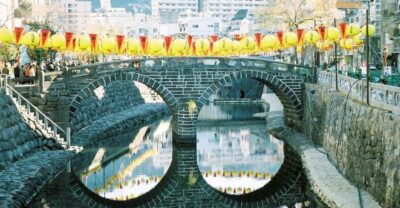
Meganebashi Bridge spans the Nakashima River and is one of Nagasaki’s familiar landmarks. Its name refers to the eyeglass shape created by the arches and their reflection in the water. It is a natural short stop for photographs and a pleasant change from indoor museums and solemn memorials.
The bridge works especially well as part of a walking route through central Nagasaki. You can combine it with Chinatown, nearby historic streets, or a temple visit, depending on your pace.
Because this is a four-hour tour, short stops such as Meganebashi Bridge can help you see more without spending the whole morning inside one attraction. The tradeoff is that a brief photo stop will not offer the same depth as a museum or guided historical site.
Sofukuji, Confucius Shrine, and Nagasaki’s Chinese connections
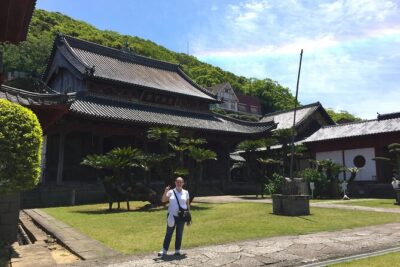
Sofukuji is a Zen Buddhist temple founded in the 14th century by a Chinese monk. Its connection with Chinese Zen Buddhism makes it a useful choice for understanding how outside influence shaped Nagasaki’s religious life.
The Confucian Shrine offers another angle. Built in the 17th century to honor Confucius, it reflects the importance of Chinese philosophy and culture in the city.
You might pair one of these sites with Chinatown, creating a half-day focused on Nagasaki’s Chinese connections. That route is a good fit if you prefer religious buildings, architecture, and cultural exchange to wartime history.
As with Oura Church and the Dutch Slope, ask about walking requirements when you submit your preferences. Your guide can plan the order and transport, but four hours still puts a natural limit on how many sites you can see properly.
Art, local history, and flower displays
The Nagasaki Museum of Art houses Japanese and Western paintings, sculptures, and ceramics. It makes sense for you if you want a quieter indoor stop or need a break from memorials and historic sites.
The Nagasaki Prefectural Museum presents the history and culture of the prefecture through artifacts, documents, and multimedia displays. It is a broad choice, useful when you want context before visiting more specialized sites.
A flower park is another possible option, especially during tulip season in spring. The supplied details identify it as a popular spot for flower displays, with tulips as a particular draw. Since seasonal flowers change, confirm what will be showing on your date before making this the main reason for booking.
These choices show why the planning form matters. A museum-and-garden route will feel very different from a peace-history route, even though both fit the same four-hour booking.
Mount Inasa and Gunkanjima require careful planning
Mount Inasa is associated with broad views, especially around sunrise and sunset. It can suit you if scenery is more important than museums and you want a break from the city center.
The timing deserves attention. The tour begins at 9:00 am, so sunset is not part of the standard morning schedule. Ask the operator about an alternate start time before booking if the view is your priority.
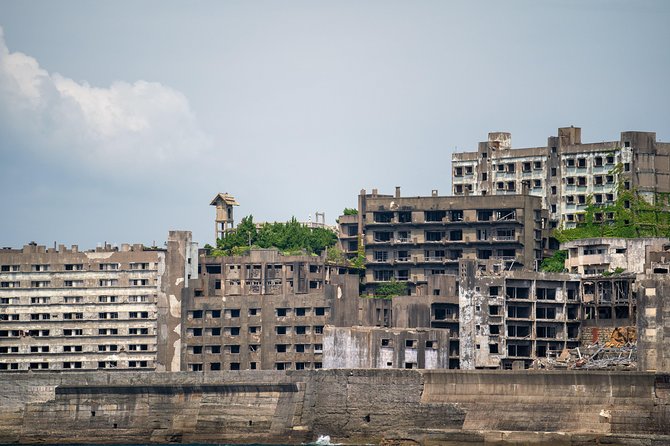
Gunkanjima, also called Battleship Island, is known for its abandoned industrial ruins. It was once a mining community and was left after the mines closed in the 1970s. The island is a compelling subject, but it is not a simple city-center stop. Optional tours and activities may carry separate fees for you and your guide, and the four-hour city tour may not provide enough time for a full island outing.
Treat Gunkanjima as a special request that needs confirmation, not as a guaranteed stop. The same applies to any attraction requiring a separate ticket, boat trip, or timed reservation.
Transport, timing, and the real value of the price
The stated price is $203.80 per person. That is expensive for a four-hour outing if you are alone or traveling as a couple. It becomes easier to justify with a larger private group, particularly since group discounts may be available and the guide, planning, city transport, reservations, and hotel pickup and drop-off are included.
The value is strongest when you have limited time. Cruise passengers, first-time visitors with a firm list of priorities, and families who do not want to manage trams, tickets, and route changes may save enough effort to make the fee worthwhile.
Transportation within Nagasaki is included, using public transport or a private vehicle based on your booking. Public transport can be a plus. One past itinerary used local transport and the tram, which gave the party a more direct feel for daily life in the city. A private vehicle may be better if your group has mobility needs or wants to cover more ground, but confirm exactly what has been arranged.
The tour begins at 9:00 am at Nagasaki Station, 1 Onouemachi. Hotel pickup is offered, and the tour ends back at the meeting point, but you should confirm the pickup location before the day. Arrive at least 10 minutes early. The guide waits up to 30 minutes after the start time, after which the tour can be canceled.
What the guide adds
The guide is the part of this experience that can make the custom format work. Yuki Kato is specifically praised for being organized, kind, helpful, and careful about matching the route to personal priorities. She has led routes that included the Shiroyama School Museum, Peace Park, the hypocenter, Meganebashi Bridge, and a Chinatown walk.
Satoshi Nishimura is another named guide associated with an enjoyable, personalized Nagasaki outing. The operator uses English-speaking guides and can offer other languages, but confirm your language request before paying.
The key benefit is preparation. A guide who has reviewed your interests in advance can spend less time asking what you want and more time explaining the places you chose. You still need to be realistic: even a well-planned private tour cannot turn four hours into a full day.
Booking rules you should take seriously
Book as early as you can. The operator recommends about three months ahead, or at least one month, especially if you want restaurant or venue reservations. Booking within seven days may not leave enough time for planning and can be canceled with a full refund if arrangements cannot be made.
Complete the Nagasaki form at least seven days before the tour. Include sights you have already visited, your must-see stops, food needs, preferred transport, and any mobility concerns.
The cancellation information needs close reading. The supplied terms describe fees of 25 percent within 30 days, 50 percent within 21 days, and 100 percent within 14 days, while the final policy also says the experience is non-refundable and cannot be changed. Once a custom itinerary has been sent, a 15 percent service fee is nonrefundable. I would confirm the exact rule with Japan Awaits before booking, then treat the payment as committed.
Should you book the Nagasaki private tour?
Book it if you want a personal route with a real human guide, have only half a day, or need help balancing Nagasaki’s peace sites, Christian landmarks, port history, and food culture. It is also a sensible choice for cruise passengers who cannot afford to lose time figuring out local transport.
Skip it if you prefer wandering alone, have a very small budget, or want to see Gunkanjima and several distant sites in one morning. The price is high, and the four-hour limit means you must choose.
My advice is to book early, name two or three priorities, and accept that a good Nagasaki tour is selective. If Yuki Kato or Satoshi Nishimura is available, their preparation and personal routing would be a useful match for this format. If not, focus on the plan rather than the name: ask for a route that gives each stop enough time to matter.
FAQ
How long is the Nagasaki private tour?
The tour lasts approximately four hours.
What time does the tour start?
The stated start time is 9:00 am.
Where does the tour begin?
The meeting point is Nagasaki Station at 1 Onouemachi, Nagasaki, 850-0058, Japan.
Does the tour include hotel pickup?
Yes. Hotel pickup and drop-off are included, but you should confirm the exact pickup details before the tour.
How many attractions can I visit?
The tour is planned around two or three attractions within the four-hour timeframe.
Is the tour private?
Yes. Only your group participates in the activity.
What type of transportation is used?
Transportation within the city is included. Depending on the booking, you may use public transportation or a private vehicle.
Is a guide included?
Yes. An English-speaking professional guide is included, and other language options may be available by request.
Are meals and entrance fees included?
Meals, food, drinks, and fees for optional tours or activities are not included unless specifically stated.
How far ahead should I book?
Booking about three months ahead is recommended, or at least one month before your travel date. Requests made within seven days may not be possible to arrange.
What happens if I arrive late?
You should arrive at least 10 minutes before the meeting time. The guide waits for up to 30 minutes after the scheduled start, after which the tour may be canceled.
Can I cancel or change the booking?
The supplied terms include cancellation charges, and the final policy states that the experience is non-refundable and cannot be changed. A 15 percent service fee is also nonrefundable after the custom itinerary has been sent. Confirm the exact terms before booking.
Just added around Nagasaki
- Nagasaki Private Historical Tour with Licensed Guide★ 5.0 · 13 reviews
- Private Ring Craft Experience in Nagasaki★ 5.0 · 14 reviews
- Traditional Kimono Experience in Nagasaki★ 5.0 · 16 reviews
- Semi Private Guided Tour of Nagasaki.★ 5.0 · 17 reviews
- Taste Local Life: Nagasaki’s Historical Street Walking Tour★ 5.0 · 27 reviews
- Nagasaki WW2 History and Culture Tour★ 5.0 · 19 reviews
- Nagasaki Full Day Tour with Licensed Guide and Vehicle★ 5.0 · 27 reviews
- Nagasaki Street Food Adventure: Private Walking Tour with a Local★ 5.0 · 26 reviews
Nagasaki Tours, compared.
Nagasaki Full-Day Private Tour with Government-Licensed Guide
Read our review →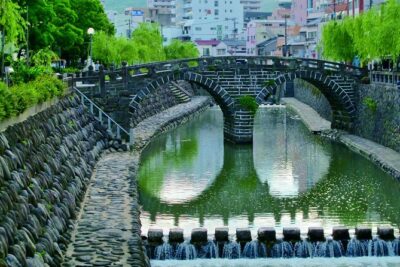
Nagasaki Half-Day Private Tour with Government-Licensed Guide
Read our review →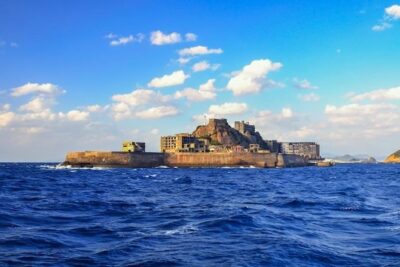
Visit Gunkanjima Island (Battleship Island) in Nagasaki
Read our review →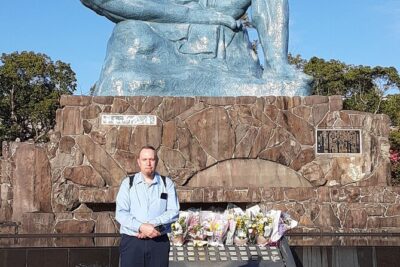
Taste Local Life: Nagasaki’s Historical Street Walking Tour
Read our review →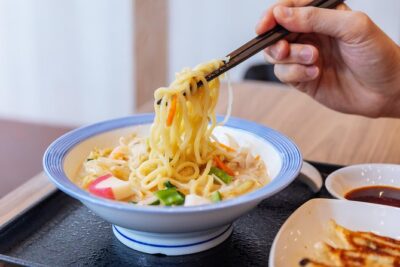
Nagasaki Street Food Adventure: Private Walking Tour with a Local
Read our review →
Nagasaki Private Tour with a Local – Highlights & Hidden Gems
Read our review →Browse the lists this tour appears in