
Reviewed · NAGASAKI TOURS
Semi Private Guided Tour of Nagasaki.
Nagasaki packs an extraordinary amount into one city: a world-famous night-view mountain, a sobering atomic-bomb memorial, Japan’s oldest Chinatown, a former Dutch trading post, and hillside Western buildings. This tour links those very different places with Pene, a long-term Nagasaki resident, who adjusts the day to your group’s interests and pace.
I like two things right away. The itinerary gives you the city’s full story, from foreign trade and Christianity to war and peace. I also like the small-group format, which makes it easier to ask questions, change the order, or spend longer at a site that matters to you.
The main catch is that this is an active day. You will walk, ride a mix of public and private transport, and deal with Nagasaki’s hills. Weather or closures can change the route, and lunch, drinks, and any emergency taxi ride back to the start are extra.
Key Points to Know Before You Book
- Pene is the named guide: He leads in English and is described as friendly, patient, clear, and flexible.
- Seven major stops are planned: Mt. Inasa, the Atomic Bomb Museum, Peace Park, Dejima, Shinchi Chinatown, Oura Catholic Church, and Glover Garden.
- The tour can be shaped around your group: Nishizaka, Suwa Shrine, or Spectacles Bridge may replace scheduled stops when needed.
- Admission and local transport are mostly covered: Public transportation costs, gratuities, and listed entrance fees are included, though Dejima’s admission is shown separately as not included.
- Expect a real day out: The published duration is about four to eight hours, with a maximum group size of 20.
- The tour has strong practical appeal for cruise visitors: Several bookings have ended near the port or within walking distance, but you should confirm pickup and drop-off arrangements before booking.
Why This Nagasaki Tour Works So Well
Nagasaki is not a city you understand from one attraction. Its importance comes from the way several histories overlap. The port connected Japan with foreign merchants during the period of national isolation. Christian communities survived persecution here. The city later became one of the two places forever linked with the atomic bomb.
This tour places those chapters side by side. You might begin above the city at Mt. Inasa, spend the middle of the day confronting the bombing at the museum and Peace Park, then move into the older port district around Dejima and Chinatown. The final stops, Oura Church and Glover Garden, show how foreign contact shaped Nagasaki’s buildings, faith, and trade.
That range is the biggest reason I see value in the $125 price. You are not paying only for transportation between sights. You are paying for someone to explain how the places connect, handle the day’s movement, and adjust the plan when your group has a special interest.
The value is strongest for a first visit or a short port call. If you have several days in Nagasaki and enjoy exploring slowly on your own, the fixed price may feel less attractive. For a group that wants one well-organized day, it can save a great deal of planning.
A few more Nagasaki half-days to weigh up
- Nagasaki: Private Walking Tour with a Local
★ 4.7 · 79 reviews - Nagasaki Full-Day Private Tour with Government-Licensed Guide
★ 5.0 · 66 reviews - Nagasaki Half-Day Private Tour with Government-Licensed Guide
★ 5.0 · 53 reviews
Mt. Inasa Gives You Nagasaki at a Glance
Mt. Inasa is the visual opener, and it is a smart choice. From the mountain, Nagasaki spreads below in a wide panorama, with the harbor and surrounding hills making the city’s unusual shape easy to understand.
The mountain is especially famous after dark, when city lights create one of Japan’s top three night views. On a daytime tour, the view still helps you get your bearings before the history-heavy stops begin. The scheduled visit is about one hour, and admission is included.
The route description refers to access by a scenic ropeway. The exact transport mix depends on group size and the operator’s decision, since the tour may use public and private vehicles. Weather matters here. Clouds, rain, or poor visibility can take much of the pleasure out of a mountain viewpoint, so the operator may substitute another stop.
The Atomic Bomb Museum Requires Time and Attention
The Nagasaki Atomic Bomb Museum is the emotional center of the day. It examines August 9, 1945, through photographs, artifacts, and personal accounts, showing what happened to the city and the people caught in the blast.
The planned visit lasts about one hour. That is enough for a meaningful introduction, though not enough for every display if you read everything closely. I would tell you to treat this as more than a quick sightseeing stop. The material is painful, and the museum asks for quiet attention.
A guide is useful here because the museum can feel dense and overwhelming. Pene’s role is not simply to move you through the building. His background in Nagasaki gives the visit a wider setting, and he can explain the city’s place in both Japanese and world history.
The pace can also be adjusted. Several groups found that Pene gave them background, then allowed time to look around independently. That balance is helpful in a museum where you may want silence rather than constant commentary.
Peace Park Turns Grief Toward Hope
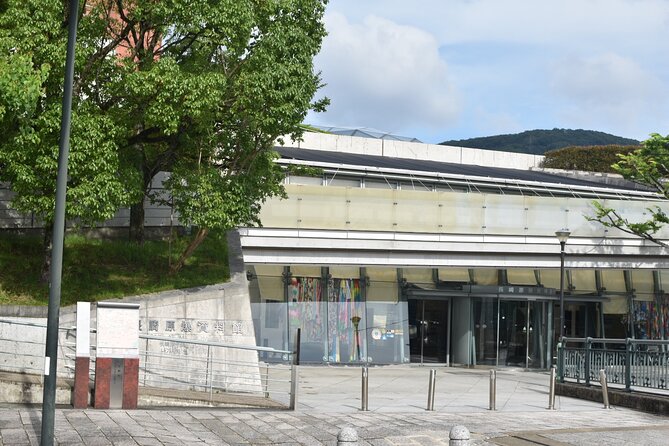
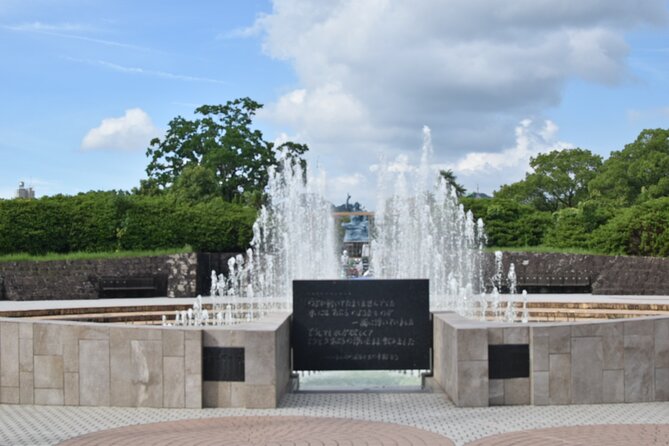
Peace Park is a shorter stop, listed at about 30 minutes, but its meaning is not small. The park honors those killed by the atomic bombing and points toward a future without nuclear war.
The Peace Statue is the main visual marker. Its raised arm calls attention to the threat from above, while the other arm extends horizontally toward peace. You will have time to walk through the park and take in the memorial setting after the museum.
The museum and park work best together. The museum supplies evidence and personal stories. The park gives you an open place to reflect. If you are traveling with older family members or a group with different energy levels, this stop offers some breathing room after the museum.
Same base, a completely different sort of day:
- Visit Gunkanjima Island (Battleship Island) in Nagasaki
★ 4.0 · 32 reviews - Taste Local Life: Nagasaki’s Historical Street Walking Tour
★ 5.0 · 27 reviews - Nagasaki Full Day Tour with Licensed Guide and Vehicle
★ 5.0 · 27 reviews - Nagasaki Street Food Adventure: Private Walking Tour with a Local
★ 5.0 · 26 reviews
Dejima Explains Nagasaki’s Foreign Connection
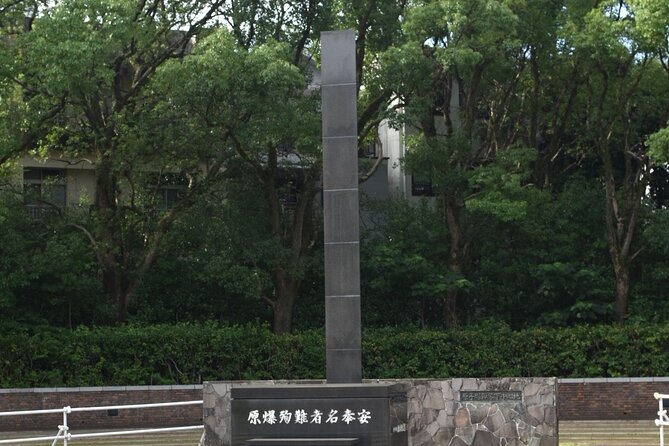
Dejima began as a Dutch trading post and served as Japan’s main window to the outside world during the isolation era. The former fan-shaped island has been reconstructed as an open-air historical area, with buildings and exhibits that show how overseas trade operated under strict controls.
The planned visit is only about 15 minutes, which is brief. You may get the essential explanation and a look at the site, but not a slow examination of every building. This is one place where you should ask Pene whether the schedule allows extra time, especially if foreign trade history is a main reason for your visit.
There is also an important cost detail. Dejima’s admission is marked as not included, even though the tour information says listed entrance fees are covered. Because those statements do not fully match, confirm the Dejima fee before you go. It may be a small extra charge, but clear expectations make for a better day.
Shinchi Chinatown Adds Food and Color
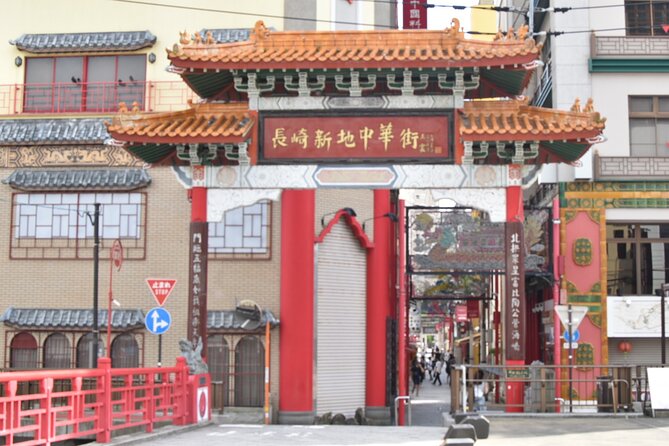
Shinchi Chinatown is Japan’s oldest Chinatown, founded more than 300 years ago. Its gates, streets, and Chinese-influenced architecture offer a sharp change from the solemn memorial district.
The scheduled stop is about 45 minutes. That gives you time to walk through the area and perhaps look at food options, but it is not presented as a food tour. Lunch is not included, and you pay for any meal or drinks yourself.
A useful feature is that the guide can arrange a lunch break or reserve a restaurant if you ask in advance. The meal cost and reservation cost are yours, but help with ordering can be valuable if you are unsure how to navigate a Nagasaki-style menu. One group was taken to a restaurant serving local food and appreciated having Pene help with the ordering.
Do not assume lunch will happen automatically. Ask before the tour if you want a proper meal rather than a quick snack between stops.
Oura Church Shows the Return of Christianity
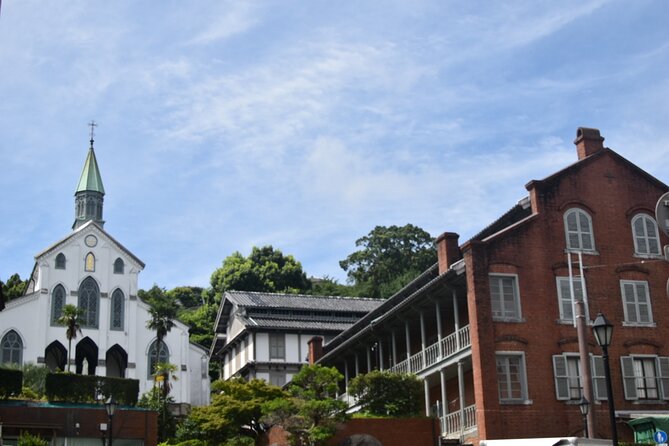
Oura Catholic Church is one of Nagasaki’s most striking historic sites. Built in 1864 by French missionaries, it is the oldest existing Christian church in Japan and a Gothic-style reminder of the foreign communities that returned to the city in the nineteenth century.
The church visit is planned for about 50 minutes, with admission included. The stop carries more weight when you have already seen Dejima, since both places show how foreign contact reached Japan under very different conditions.
Nagasaki’s Christian story is also tied to endurance. The church represents the return of open worship after long periods of persecution, making it more than a pretty building. Pene’s historical explanations are particularly useful at sites like this, where a short visit could otherwise leave you with only the architecture.
Glover Garden Puts You Among Meiji-Era Homes
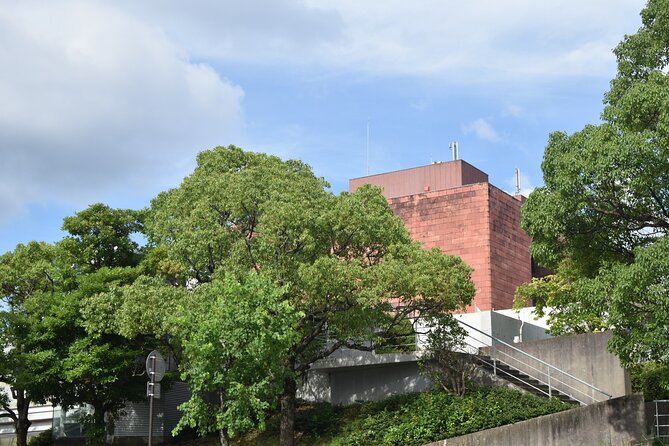
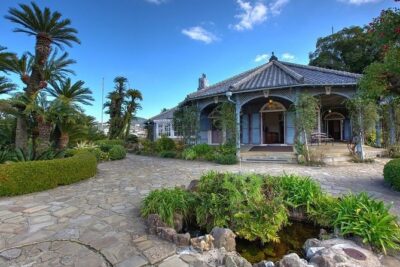
Glover Garden occupies a hillside setting and contains Western-style buildings from the Meiji era. Its centerpiece is the Glover Residence, built for Scottish merchant Thomas Glover and described as the oldest Western wooden house in Japan.
The planned visit lasts one hour, and admission is included. This is one of the tour’s more relaxed stops. You can look at the houses, enjoy the setting, and connect Nagasaki’s port trade with the foreign merchants who helped shape modern Japan.
The hillside location is worth noting if walking is difficult. Nagasaki is famously steep in places, and this tour requires a moderate level of physical fitness. Anyone with mobility concerns should contact the operator first to check if the route can be adapted.
Flexible Alternatives Keep Bad Weather From Ruining the Day
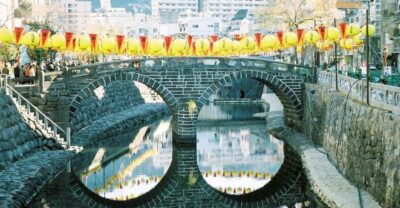
Nagasaki weather can affect the high viewpoint and other outdoor stops. If the original route cannot be used, the tour may include Nishizaka, Suwa Shrine, or Spectacles Bridge instead.
That flexibility is a real advantage, not just a backup line in the description. Nishizaka has religious and historical importance, Suwa Shrine offers another view of local tradition, and Spectacles Bridge is one of the city’s recognizable stone bridges. The exact substitute depends on weather, closures, and available time.
You should also understand that flexibility means the full seven-stop plan is not guaranteed. If Mt. Inasa is closed or the schedule runs late, the guide has permission to reshape the day rather than force every stop into a rushed checklist.
The Guide Makes the Biggest Difference
The strongest feature here is Pene’s guiding style. He is repeatedly described as easy to understand, warm, patient, articulate, and willing to explain both historical events and modern life in Nagasaki.
That matters because the city’s sights are spread across several themes. A guide who only recites dates would make the day feel fragmented. Pene appears to connect the stops and then give you room to explore on your own.
His flexibility also helps mixed-age groups. He has guided groups that included older women and was praised for being patient and helpful. Other groups appreciated spontaneous itinerary changes and the chance to visit places they specifically wanted to see.
The tour can be conducted in English or French. The maximum group size is 20, but the experience is described as semi-private and many bookings have involved only a few people. Smaller groups should have the easiest time asking questions and adjusting the pace.
Transport, Timing, and What the $125 Covers
The tour price is $125 per person. It includes the in-person guide, gratuities, public transportation costs, and entrance fees for the listed covered attractions. Transport may combine public and private modes, depending on the number of people and the operator’s choice.
The duration is approximately four to eight hours. That is a wide range, and it reflects the difference between a shorter customized visit and a full day covering nearly every major stop. Do not book it expecting a fixed minute-by-minute schedule.
Lunch, bottled water, and beverages are not included. A sudden taxi ride back to the meeting point can be arranged in an emergency, but that fare is also extra. The activity begins and ends at the meeting point, so confirm the exact location and ask about cruise-port arrangements if you are visiting on a ship.
The tour is offered from 8 a.m. to 6 p.m. during the stated operating periods. Confirmation is normally sent at booking, though bookings made within seven days may take up to 48 hours to confirm.
Free cancellation is available until 24 hours before the start time. Poor weather or failure to meet the minimum group size can lead to a new date, another experience, or a full refund.
Who Should Book This Tour
I would choose this tour if you want to see Nagasaki’s major sights in one day without building a complicated route yourself. It is particularly well suited to first-time visitors, cruise-port stops, families, and groups that want a guide who can explain difficult history in clear language.
It also suits people who prefer conversation and adjustment over a rigid bus tour. You can ask for more time at the museum, add a preferred site when the schedule permits, or arrange a restaurant stop.
I would hesitate if you want a slow, specialized visit to only one district. The schedule covers a lot of ground, and some stops, especially Dejima, may feel short. People with mobility limitations should check the walking and hill sections before paying.
Should You Book the Semi-Private Nagasaki Tour?
Book it if your priority is seeing the broad sweep of Nagasaki with a flexible local guide. The combination of Mt. Inasa, the atomic-bomb sites, Dejima, Chinatown, Oura Church, and Glover Garden gives you far more context than a simple harbor-area walk.
The $125 cost is fair when you use the included admissions, transport, and several hours of personal guidance. Just confirm the meeting point, lunch plan, Dejima admission, and cruise-port pickup before booking. If you want a focused, unhurried day, ask for a shorter custom route. If you want Nagasaki’s major chapters in one strong outing, this is a sensible choice.
FAQ
How long does the Semi-Private Guided Tour of Nagasaki last?
The tour lasts approximately four to eight hours. The actual length depends on the route, weather, closures, group interests, and how many stops can be visited.
What places are included in the planned route?
The planned stops are Mt. Inasa, the Nagasaki Atomic Bomb Museum, Nagasaki Peace Park, Dejima, Shinchi Chinatown, Oura Catholic Church, and Glover Garden.
Is an English-speaking guide provided?
Yes. The tour includes an in-person guide in English or French. Pene is the named guide associated with the experience.
Are admission fees included?
Entrance fees for the listed covered sites are included. Dejima is specifically marked as not included, so confirm that fee before the tour because the general inclusion wording is not fully consistent.
Is public transportation included?
Yes. Public transportation costs are included. The operator may also use private transport, depending on group size and the day’s plan.
Is lunch included in the tour price?
No. A lunch break or restaurant reservation can be arranged if requested, but the meal and any booking costs are not included.
Are drinks and bottled water included?
No. Food, beverages, and bottled water are not included.
What happens if the weather is poor?
The tour requires good weather. If poor weather causes cancellation, you can receive a different date or a full refund. Alternate stops may also be used when specific sites are unavailable.
How many people can join the tour?
The maximum group size is 20 people. The experience is described as semi-private and can also suit small or medium-sized groups.
Can people with mobility challenges join?
The tour requires a moderate level of physical fitness and includes walking and hillside areas. People with mobility challenges should contact the operator before booking to check suitability.
Just added around Nagasaki
- Nagasaki Private Historical Tour with Licensed Guide★ 5.0 · 13 reviews
- Private Ring Craft Experience in Nagasaki★ 5.0 · 14 reviews
- Traditional Kimono Experience in Nagasaki★ 5.0 · 16 reviews
- Taste Local Life: Nagasaki’s Historical Street Walking Tour★ 5.0 · 27 reviews
- Nagasaki WW2 History and Culture Tour★ 5.0 · 19 reviews
- Nagasaki Full Day Tour with Licensed Guide and Vehicle★ 5.0 · 27 reviews
- Nagasaki Private Customizable Half Day Tour★ 5.0 · 16 reviews
- Nagasaki Street Food Adventure: Private Walking Tour with a Local★ 5.0 · 26 reviews
Nagasaki Tours, compared.
Nagasaki Full-Day Private Tour with Government-Licensed Guide
Read our review →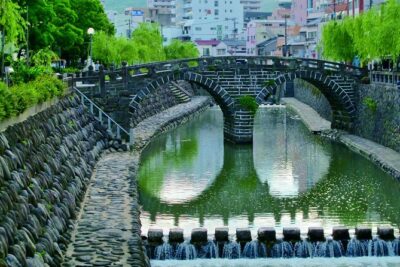
Nagasaki Half-Day Private Tour with Government-Licensed Guide
Read our review →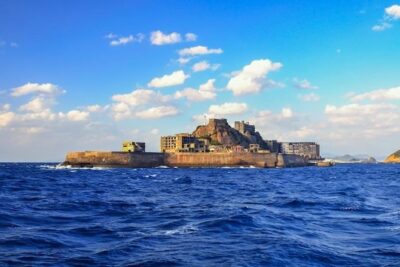
Visit Gunkanjima Island (Battleship Island) in Nagasaki
Read our review →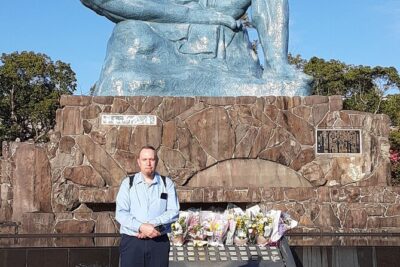
Taste Local Life: Nagasaki’s Historical Street Walking Tour
Read our review →
Nagasaki Street Food Adventure: Private Walking Tour with a Local
Read our review →
Nagasaki Private Tour with a Local – Highlights & Hidden Gems
Read our review →Browse the lists this tour appears in