
Reviewed · OKINAWA TOURS
Port Pick-Up: Naha Private Tour Licensed Guide& Vehicle
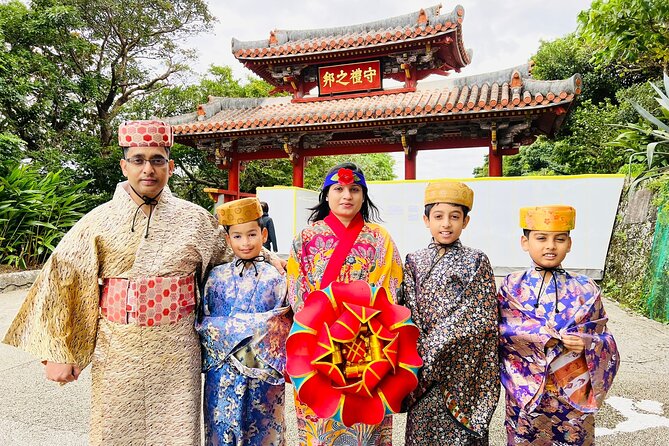
Okinawa’s story is far bigger than a quick port stop suggests. This private Naha tour lets you connect Shuri’s Ryukyu kingdom, the Battle of Okinawa, sacred sites, pottery, gardens, and local food in one carefully chosen half-day. Your guide and driver meet you at Naha Port or a nearby hotel, then shape the day around your interests.
I like the private vehicle, which saves precious port time and makes door-to-door pickups possible. I also like the range of guides, including Hiromi, Hyde, Kumiko, Michie, and Sui, who explain Okinawan customs, legends, family stories, and wartime history in English. One important catch: six hours is enough for only three or four major stops, not the entire menu.
Key points to know before booking
- Choose three or four priorities: The tour is customized, but you need to identify your must-see sites.
- Licensed English-speaking guide: Government certification requires a strong grasp of Japanese culture and history.
- Private transport matters in port: A vehicle lets you move efficiently between Naha, Shuri, and southern Okinawa.
- History can shape the day: Shuri Castle, Himeyuri, Peace Memorial Park, and the Navy Headquarters each tell a different part of Okinawa’s past.
- Allow extra money for admissions and lunch: Entrance fees, food, and personal purchases are not included.
- Good for mixed abilities: Guides and drivers have adjusted plans for people using oxygen and walkers, though you should discuss equipment needs in advance.
Why a private Naha tour works so well from a cruise ship
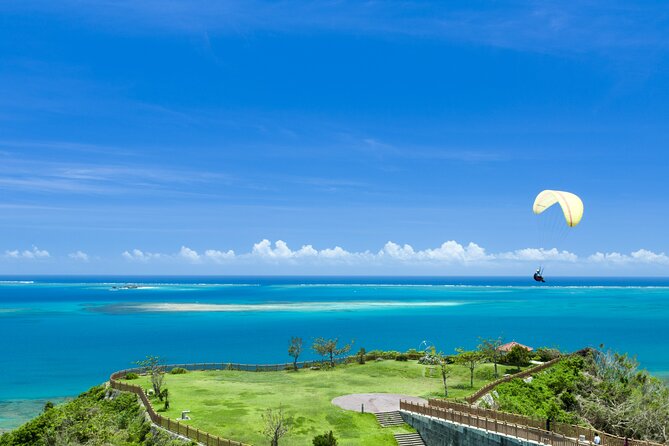
A cruise stop gives you a clock, not a leisurely week. Naha’s sights are spread across the city and southern Okinawa, and public transport is not always the easiest match for a short port call. With a private vehicle, you can leave the ship, meet your guide, and spend your limited hours seeing places rather than sorting out connections.
The tour lasts about six hours and is designed for your group alone. The advertised price is $505.58 for up to two people, so the value depends on how much you care about time, interpretation, and control. For two people, it is a substantial shore-excursion cost, but it includes a private vehicle and a licensed guide rather than a seat on a large bus. Larger groups should confirm the vehicle arrangement directly, since the booking is made as one group and separate reservations cannot be combined.
Port pickup is a major practical benefit. Cruise disembarkation and customs can take longer than expected, and guide Hyde has waited patiently for passengers delayed by the process. Guides have met passengers holding name signs and helped them move from the port to the vehicle without guesswork.
More licensed-guide days in Naha:
- Tokyo 6hr Private Tour with Government-Licensed Guide
★ 5.0 · 3,902 reviews - Tokyo 4hr Private Tour with Government-Licensed Guide
★ 5.0 · 1,394 reviews - Kyoto 6hr Private Tour with Government-Licensed Guide
★ 5.0 · 1,369 reviews
Build the day around four strong choices
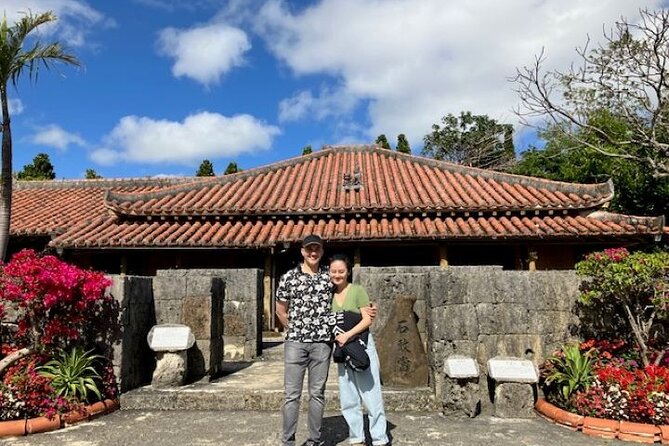
You are asked to select three or four must-see places from the available list. That instruction is important. The twelve listed stops are not twelve stops you should expect to visit in six hours. At roughly 30 minutes per stop, even the sightseeing time alone would leave no room for driving, parking, meals, or delays.
I would choose one theme, or at most two:
- Royal Okinawa: Shuri Castle, Shikinaen Garden, and Tamaudun
- World War II history: Himeyuri Peace Museum, Peace Memorial Park, and the Former Japanese Navy Underground Headquarters
- Local Naha: Kokusaidori, Makishi Public Market, and Tsuboya Pottery Museum
- Culture and religion: Sefa Utaki, Nakamura Residence, and Shuri Castle
Send your priorities clearly before the day. One unhappy experience came from a requested plan not being followed, including a hoped-for lunch at Makishi Public Market. That is a useful warning for any private tour: customization works best when your written list is confirmed in advance, and when you repeat your top priority at pickup.
The flexibility can also rescue a rainy day. Guide Hiromi rearranged stops to avoid much of the rain, and other guides have added nearby cultural shops or adjusted the route to suit the group. Still, flexibility should mean sensible changes, not replacing your essential stops without agreement.
Shuri Castle and the Ryukyu royal past
Shuri Castle is the natural starting point if you want to understand Okinawa as a place apart from mainland Japan. It was the center of the Ryukyu Kingdom, whose links with China and other parts of Asia shaped the island’s architecture, religion, trade, and court culture.
The main buildings were destroyed by fire on October 31, 2019. Reconstruction has been underway, so you should expect building work and incomplete areas rather than a fully restored palace complex. The grounds and surviving features still make the visit worthwhile, especially with a guide who can explain what the castle meant to the Ryukyu court.
A short visit of about 30 minutes is best treated as an introduction. If Shuri Castle is your top choice, ask for enough time around the grounds and Shureimon Gate. One group combined the castle grounds with a museum visit, while another made the uphill walk to the castle and the Navy Headquarters in the same day. That can be rewarding, but it requires sensible pacing.
Admission is not included. Confirm the current entry arrangement and construction status before you go.
Shikinaen, Tamaudun, and the quieter royal sites
Shikinaen Garden was built in the late 18th century as a second residence for the Ryukyu kings. Its wooden buildings, red tile roofs, pond, and garden design show a courtly style that is distinct from the better-known Japanese garden traditions of Kyoto or Tokyo.
This is a good choice if you want a calmer stop after the city streets. The grounds are not simply decorative. Your guide can connect the garden to the Ryukyu court and explain how Okinawa’s contacts with China influenced royal life.
Tamaudun is the royal mausoleum associated with the Ryukyu kings. It offers a more solemn look at the kingdom and its rulers, though renovation work has affected parts of the area and the small museum. It is worth selecting if royal history interests you more than shopping or food.
You probably should not pair every royal site with Shuri Castle in one short day. Choose Shuri Castle plus one of these, then use the remaining time for a contrasting place.
A few more Naha half-days to weigh up
- Official Street Go-Kart Tour – Okinawa Shop
★ 5.0 · 699 reviews - Naha: North Okinawa Sightseeing Tour & Churaumi Aquarium
★ 4.4 · 472 reviews - Okinawa: From Naha: Kerama Islands 1-day snorkeling tour
★ 4.4 · 423 reviews - From Naha: Tokashiki Island Day Trip by Boat
★ 4.3 · 385 reviews
Himeyuri, Peace Memorial Park, and the cost of remembering

Okinawa’s World War II sites are not light sightseeing, but they are essential for understanding the island. The Battle of Okinawa caused enormous loss of life, including more than 100,000 Okinawan civilians, and the final months of the war left a lasting mark on local memory.
The Himeyuri Peace Museum tells the story of the schoolgirls and teachers drawn into wartime medical work. The exhibits are direct and moving. I would not rush this stop, especially if you want time to read and think rather than simply collect another photograph. Admission is extra.
Peace Memorial Park offers a broader setting for remembrance, with views and memorials connected to those who died. It is free to enter. The two places work well together, but they can make the day emotionally heavy. Pair them with a gentler stop, such as Fukushu-en Garden or the market, if your group needs a change of pace.
Your guide can help with context that is easy to miss on your own. The strongest praise for this tour centers on explanations of Okinawan history, personal stories, religious traditions, and the Battle of Okinawa. That added meaning is the main reason to choose a licensed guide instead of relying only on a taxi.
The Former Japanese Navy Underground Headquarters
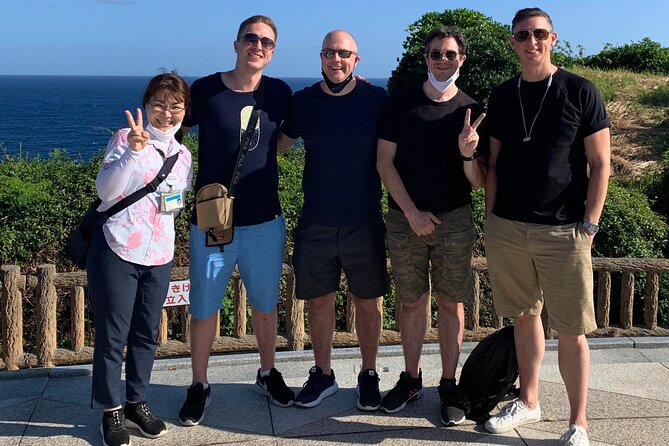
This site sits in the Tomigusuku uplands southwest of Naha and includes underground tunnels connected with the Japanese Navy command during the Battle of Okinawa. The park also provides views toward the East China Sea, the southern urban area, and Shuri Castle.
The underground passages give you a physical sense of the wartime setting. There are steps, but they have been described as manageable by one passenger who was concerned beforehand. Even so, you should tell the guide about mobility limits before setting the route.
This is a strong choice for anyone interested in military history, and it can be paired with Peace Memorial Park or Himeyuri. It is not a quick scenic stop. Give yourself time for the underground area and the emotional weight of the site. Admission is not included.
Kokusaidori, Makishi Market, and Tsuboya pottery
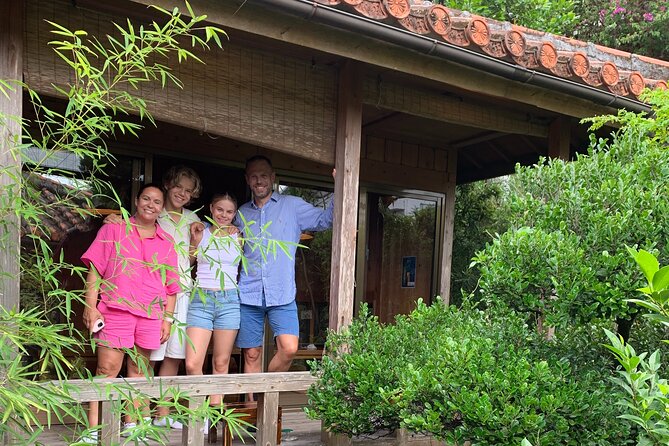
Kokusaidori, or International Street, is Naha’s main commercial artery. After World War II, its rapid rebuilding earned it the nickname miracle mile. Today, it is lined with restaurants, souvenir shops, and places to get your first taste of Okinawan specialties.
I would use it as a flexible stop rather than the central purpose of the tour. A guide can point out useful shops and local products, but you can also spend too much of your short day browsing. The street is free to visit, though purchases and meals are your responsibility.
Nearby Makishi Public Market is more rewarding if you want a look at Naha’s food culture. It is known as the city’s kitchen and has operated since 1972. A particularly good plan is to walk through the market and eat upstairs, an arrangement that has worked well for past groups. Tell your guide if lunch there is a must, since the route needs to protect time for both the market and the meal.
Tsuboya Pottery Museum offers a quieter contrast to Kokusaidori. The pottery district begins a short walk from the central street and leads into leafy back lanes with traditional craft shops. This is a smart pick for shoppers who want something more connected to Okinawan life than a standard souvenir. Admission to the museum is free, but purchases cost extra.
Sefa Utaki and Okinawa’s indigenous faith
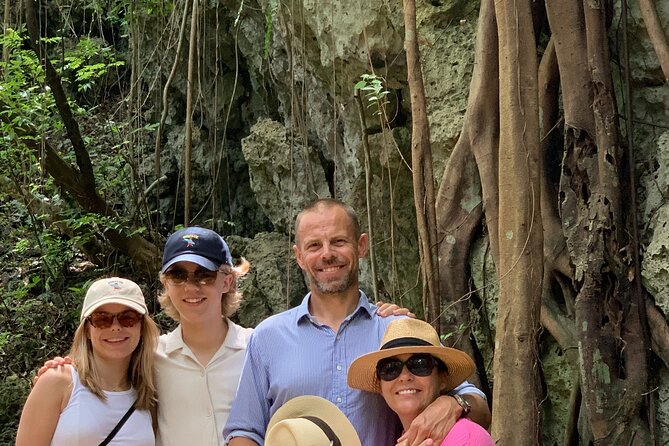
Sefa Utaki is one of the most important sacred places in the indigenous Okinawan religion. Its forested hillside setting and natural rock formations are tied to worship of nature, in a tradition with some similarities to Shinto but its own local identity.
This stop asks for a respectful attitude. It is not simply a viewpoint or photo stop. The route may include uneven ground and forest paths, so ask your guide about walking conditions if anyone in your group has mobility concerns.
Sefa Utaki makes a good choice for you if you want to understand Okinawan spirituality and the island’s older traditions. It is less useful if your priority is a quick introduction to Naha itself, since it lies away from the center and uses more of your driving time.
Fukushu-en Garden and Nakamura Residence
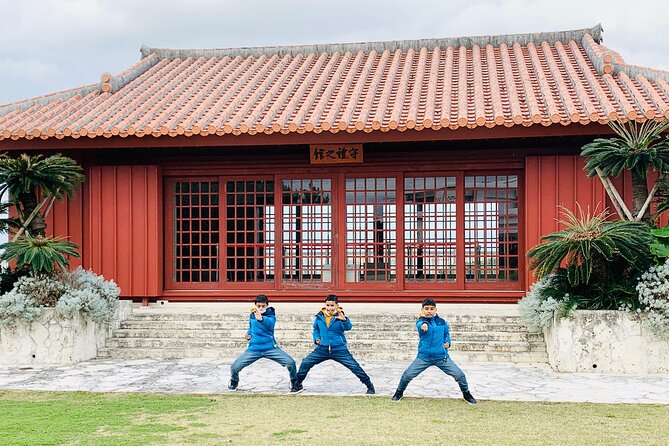
Fukushu-en is a Chinese-style ornamental garden built in 1992 to celebrate Okinawa’s long links with China. Its entrance is free, and the ponds, buildings, and plantings offer an easy, scenic break from Naha’s roads.
It is especially useful as a short stop between heavier historical visits. You can see the Chinese influence that shaped the Ryukyu Kingdom without paying another admission fee.
Nakamura Residence is an 18th-century Okinawan house and a designated cultural asset. Its traditional construction gives you a more domestic view of the island than the royal sites do. You can see how Okinawan homes differed from standard mainland Japanese houses, particularly in their use of red tile roofs and local design features.
Admission is extra. Choose this site if architecture and daily life interest you more than city shopping.
Guides, drivers, and the human side of the day
The guide makes or breaks a private tour, and this one benefits from several English-speaking guides with different strengths. Hiromi has used photos and slides to add context and has adjusted routes around bad weather. Hyde has shared both Okinawan history and personal family stories, giving the island a local voice rather than a memorized script.
Kumiko has handled highly personal plans, including a return to a childhood apartment, a visit to the wartime headquarters, Pottery Street, and a search for Ryukyu glass. Michie has helped create a local lunch stop, while Sui has combined the market, pottery, royal sites, and sake tasting around a couple’s interests.
The driver matters, too. Past itineraries have included door-to-door pickups, patient loading of walkers, and help with access at each stop. Vehicle capacity can reach seven people in at least one arrangement, but do not assume every booking uses the same vehicle. Ask about group size and equipment before paying.
Car seats and booster seats are limited. Rear-facing infant seats are not available, so families must contact the provider directly. Service animals are allowed, and most people can take part, but the walking demands differ sharply between a garden, a market, and an underground military site.
Is $505.58 good value for six hours?
For two people, $505.58 is not a bargain in the usual sense. It becomes easier to justify if you are on a cruise, have only one day in Naha, and want a private guide rather than a fixed bus route. You are paying for the vehicle, guide time, port coordination, and the ability to change the order of stops.
The value improves when your interests are specific. A family retracing an Okinawan connection, a couple focused on wartime sites, or a first-time visitor wanting royal history and local food can make good use of the format. It is less attractive if you want a cheap overview or plan to spend the day only on Kokusaidori and the market.
Admission fees, lunch, and personal expenses are extra. Build those into your budget. You also cannot combine multiple reservations to create a larger group, so one person should book for the full party.
Should you book this Naha shore excursion?
Book it if you want expert context, private transport, and a custom route during a short port call. It is particularly well suited to people who care about Okinawa’s royal culture, World War II history, local food, pottery, or family connections, and who are willing to choose only three or four priorities.
Skip it if the price feels too high for a six-hour outing, or if you want a slow day with no fixed plan. Before booking, send a short written itinerary with your top two non-negotiable stops, your preferred lunch plan, walking limits, and any child-seat needs. With that preparation, this tour can turn a rushed Naha stop into a thoughtful introduction to an island with a story all its own.
FAQ
Where does the tour pick me up?
Pickup is offered at Naha Port and at hotels near the port.
How long does the tour last?
The tour lasts approximately six hours.
How many sites can I choose?
You should select three or four must-see sites from the available options to create your customized itinerary.
Is the tour private?
Yes. Only your group participates, and multiple reservations cannot be combined into one group.
Is a guide included?
A licensed local English-speaking guide is included. The guide is a National Government Licensed Guide Interpreter.
Is a private vehicle included?
Yes. A private vehicle is included in the tour price.
Are entrance fees included?
Entrance fees are generally not included. Guide entry fees are covered only for sights listed under the tour’s included sightseeing options.
Is lunch included?
No. Lunch and other personal expenses are not included.
Can I cancel for a full refund?
You can cancel up to 24 hours before the experience start time for a full refund. Cancellations or changes made less than 24 hours before the start time are not accepted for a refund.
Just added around Naha
- Tokashiki Island Day Trip from Naha★ 4.0 · 15 reviews
- E-Bike Nature Tour in Shuri★ 5.0 · 25 reviews
- Zodiac Shrines and Naha Backstreets Cycling Tour★ 5.0 · 29 reviews
- Kintsugi Experience in Naha, Okinawa – Art from Broken Pieces!★ 5.0 · 28 reviews
- Sushi Making Experience Class in Naha Makishi Public Market★ 5.0 · 35 reviews
- Okinawa:Kerama Islands experience Diving/Snorkeling/WhaleWatching★ 4.5 · 16 reviews
- Okinawa 2-Hours Genuine Kendo/Samurai Experience in Japan★ 5.0 · 28 reviews
- Naha: Full-Day Snorkeling Experience in the Kerama Islands, Okinawa★ 5.0 · 128 reviews
Okinawa Tours, compared.


North Okinawa Sightseeing Tour & Churaumi Aquarium
Read our review →
From Naha: Kerama Islands 1-day snorkeling tour
Read our review →
Naha, Okinawa: Keramas Island Snorkeling Day Trip with Lunch
Read our review →![[Miyako Island/Half Day] Sea Turtle Snorkeling](https://media3.thejapanesetraveller.com/wp-content/uploads/miyako-island-half-day-sea-turtle-snorkeling-400x267.jpg)


Snorkeling in the Blue Cave area【Okinawa Prefecture: Free feeding & photo images!English and Chinese speaking guide available!
Read our review →Browse the lists this tour appears in