
Reviewed · TOKYO TOURS
Tokyo: Original Street Kart Experience from Akihabara
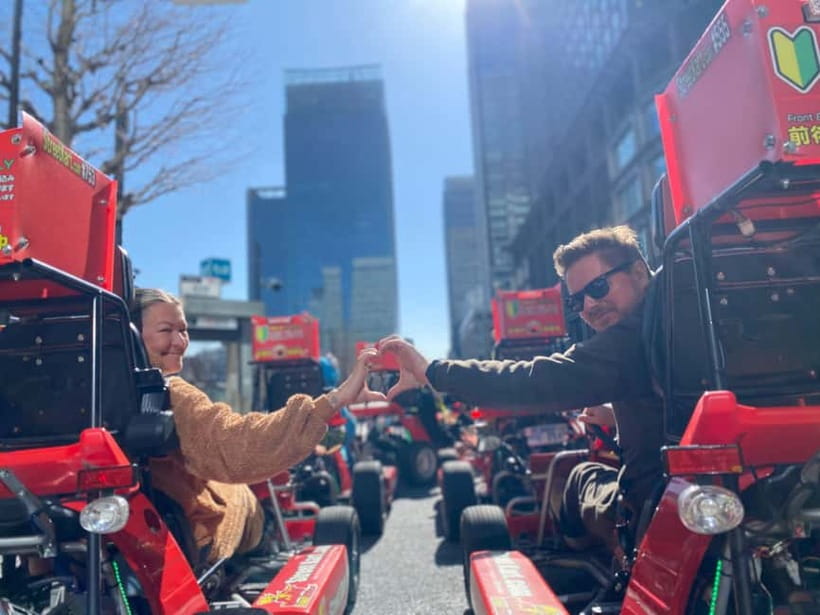
Tokyo street karting puts you in the middle of ordinary traffic, not behind a museum window. For one hour, you follow a guide through Akihabara, Marunouchi, Ginza, and Tokyo Station, dressed as a character from anime, animation, or games while people wave and take pictures.
I like the small groups of up to six, which make it easier for the lead driver to keep everyone together. I also like that costume rental, a guide, and photo data are included, so you leave with more than a quick thrill. The main catch is practical but serious: you need the correct Japanese driving documents before you arrive, and the one-hour ride may feel brief for the price.
Key points at a glance
- Real Tokyo roads: You drive among regular cars through central Tokyo, not on a closed karting track.
- Four very different districts: The route links Akihabara, Marunouchi, Ginza, and the Tokyo Station area.
- Costumes included: Choose from character costumes connected to anime, animation, and games.
- English-speaking guide: Guides such as Usama, Mads, Khan, Billy, and Mark have been praised for patient explanations, hand signals, and photo help.
- Photos are part of the package: Your guide takes pictures during the outing, and digital photo data is included.
- Documents are essential: Most drivers need a physical 1949 Geneva Convention International Driving Permit, plus a physical passport.
Driving a go-kart through central Tokyo
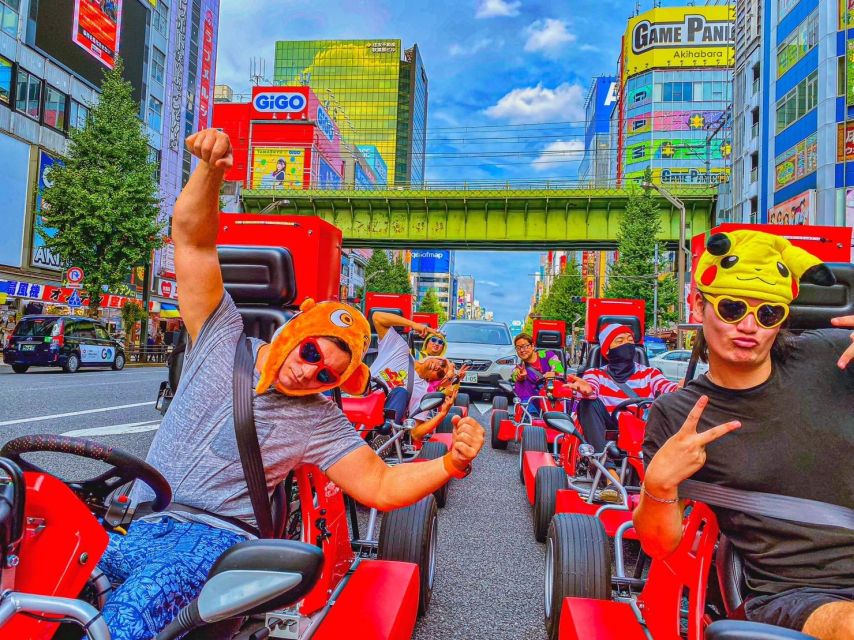
The unusual part of this outing is simple: you are driving a custom-made go-kart on public roads in one of the world’s largest cities. The guide leads the group in formation, and you handle your own kart while moving through traffic with regular vehicles around you.
That makes the ride feel far more like a city adventure than a theme-park activity. You get a low view of the road, open air around you, and plenty of attention from pedestrians. People wave, smile, and lift their cameras as the costumed group passes. I like this human part of the experience. You are not just looking at Tokyo. For a short time, you become part of the street scene.
It also means you should be comfortable driving around taller vehicles. One rider specifically noted that Tokyo roads felt safe but that drivers need to feel at ease beside larger cars. The guide stays at the front, with the group following behind, so you must pay attention and keep your place.
This is not presented as a high-speed race. The appeal is the combination of driving, city views, costumes, and public reaction. If you want a competitive karting session with tight turns and speed, this is the wrong choice. If you want a strange and memorable way to see central Tokyo, it makes much more sense.
More anime and pop-culture days in Tokyo:
- Official Street Go-Kart Tour – Akihabara
★ 5.0 · 1,578 reviews - Tokyo Go Kart: Asakusa, Skytree, and Akihabara **IDP MUST**
★ 5.0 · 988 reviews - Tokyo Studio Ghibli Museum and Ghibli Film Appreciation Tour
★ 4.5 · 421 reviews
Starting at Street Kart Akihabara
The meeting point is inside the building where you can see the Street Kart Akihabara go-karts through the glass doors. That visual clue is useful, since the activity base is not described as a large street-front attraction with a giant sign.
Allow enough time to find the building and check in. The basic process is straightforward: arrive with your required documents, receive instructions, watch the safety video, choose a costume, and prepare to drive. Several riders found the instructions clear, and one described the process as check in, safety video, costume choice, and then departure.
The activity uses an English-speaking guide, which matters when you are driving in traffic. Guides have been praised for explaining the rules carefully, using hand signals, and helping the group stay together. Usama, Mads, Mike, Khan, Billy, Mark, and others have been singled out for friendly, patient leadership and picture-taking.
Your group can have up to six participants. That is small enough for the guide to keep an eye on the line, but the final group size depends on bookings. A smaller group may feel more personal. One participant had the ride to themselves when the other bookings did not arrive and received a great many photos as a result.
Choosing an anime costume
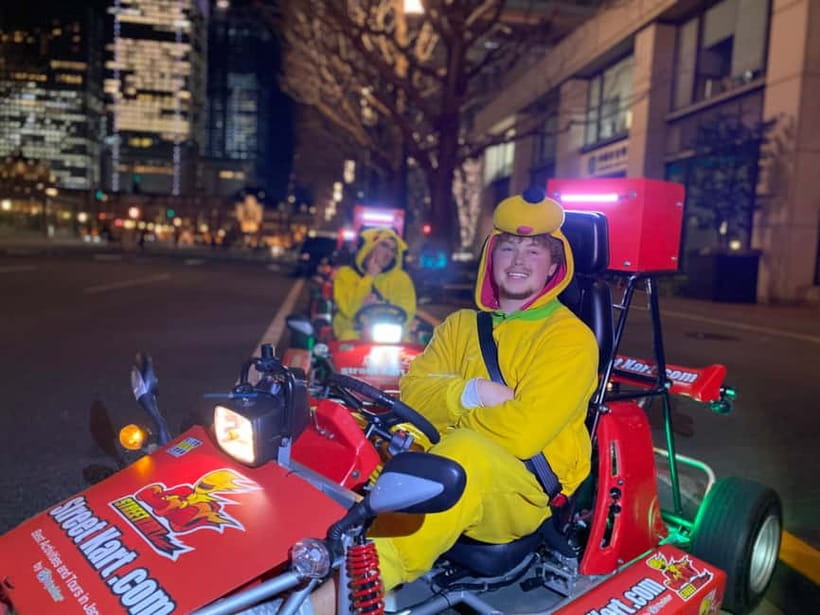
Before setting off, you choose from the available costumes. The selection is described broadly as characters from anime, animation, and games, so the exact options can vary. A Pikachu onesie was one memorable choice, and costumes clearly play a major part in the fun.
You do not need the costume to understand the route, but it changes the mood completely. Wearing a character outfit in Akihabara, Tokyo’s famous anime and game district, gives the final part of the outing a natural setting. It also explains why pedestrians pay attention as you pass through the city.
The costume is included in the price. That helps the value, since you are not paying an extra rental fee for the main visual feature. Wear practical clothing underneath, and pay attention to the footwear rules. High heels, sandals, flip flops, and slippers are not allowed.
Cellphones are also listed as not allowed. Do not plan to hold your phone while driving or use it as your main camera. The guide takes photographs, and photo data is included after the tour. If you want video, action camera rental, a Micro-SD card, and a camera mount cost extra. You cannot simply assume that your own camera and mount can be attached to the kart.
From Marunouchi to the Imperial Palace view
Once the group leaves the Akihabara base, the route takes you toward the Marunouchi business district. This is one of the more polished parts of central Tokyo, with large office buildings, broad streets, and an impressive urban scale.
You also get a glimpse of the Imperial Palace in the background. The route is not a palace visit, and there is no walking stop inside the grounds. Think of this as a passing city view while you concentrate on driving and staying with the group.
That distinction matters. The activity gives you snapshots of several famous areas, not long sightseeing stops. At stoplights, the guide may point out landmarks or share facts, as Marky did for one group. You need to keep your eyes on the road, so the information is brief rather than a full guided city tour.
The Marunouchi section works best for people who enjoy seeing how Tokyo shifts from one district to another. You move from Akihabara’s character-driven streets toward a major business center, with the Imperial Palace area adding a sense of old and new Tokyo in the same view.
A few more Tokyo half-days to weigh up
- Mt Fuji and Hakone 1-Day Bus Tour Return by Bullet Train
★ 5.0 · 26,383 reviews - 1-Day Tokyo Bus Tour
★ 5.0 · 14,250 reviews - Tokyo: TOKYO SKYTREE® Admission ticket
★ 4.5 · 11,192 reviews - Tokyo: teamLab Planets TOKYO Digital Art Museum Entry Ticket
★ 4.6 · 9,779 reviews
Tokyo Station and the grand city center
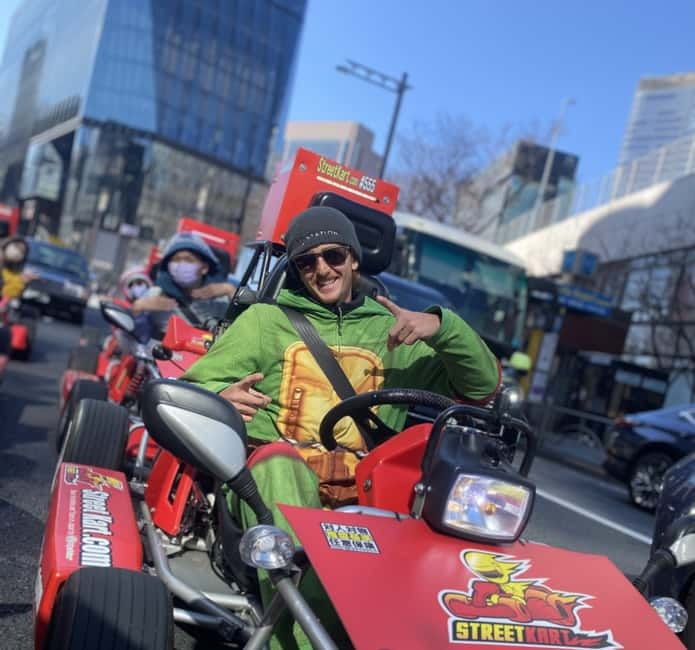
Tokyo Station is another major visual point on the route. The station is described as the hub for 28 train platforms, and its presence gives the ride a strong sense of place. Guides may stop or pause the group for photographs in front of the station, depending on the route and traffic conditions.
This is one of the better photo opportunities because the station gives the costumed karts a formal city backdrop. Several guides have taken group photographs throughout the ride, and one guide even printed photos as a souvenir. The included digital photo data is useful, but a printed picture is a welcome extra when it is offered.
You should not expect a long station visit. The kart tour is about moving through Tokyo, not getting out to explore the building. If Tokyo Station is high on your sightseeing list, plan a separate visit when you can walk around without a helmet, costume, or driving schedule.
Still, seeing the station from a kart changes the viewpoint. You are close to street level, surrounded by traffic and people, with the guide managing the group ahead. That makes a familiar landmark feel less like a postcard and more like part of your route through the city.
Ginza brings luxury shopping streets
The outing continues through Ginza, the district known for luxury shopping and polished central streets. Here, the value is less about one single landmark and more about the contrast with Akihabara.
In Akihabara, your costume fits the setting almost perfectly. In Ginza, the same costume becomes deliberately playful against the district’s upscale character. That contrast is part of the charm. You are not trying to blend in. You are enjoying the fact that you do not.
The route may also help you decide where to return later. You can look toward the shops and imagine your next stop, then come back on foot or by train for a closer look. Because the kart outing keeps moving, it works best as a preview of central Tokyo rather than a replacement for a shopping afternoon.
The main limitation is route length. One participant wished for more time in the bright downtown sections and more blocks around the city lights. Another felt the route was good but would have liked a more scenic course. These are fair points. You see several districts, but only for a short time in each.
Akihabara gives the costume its proper stage
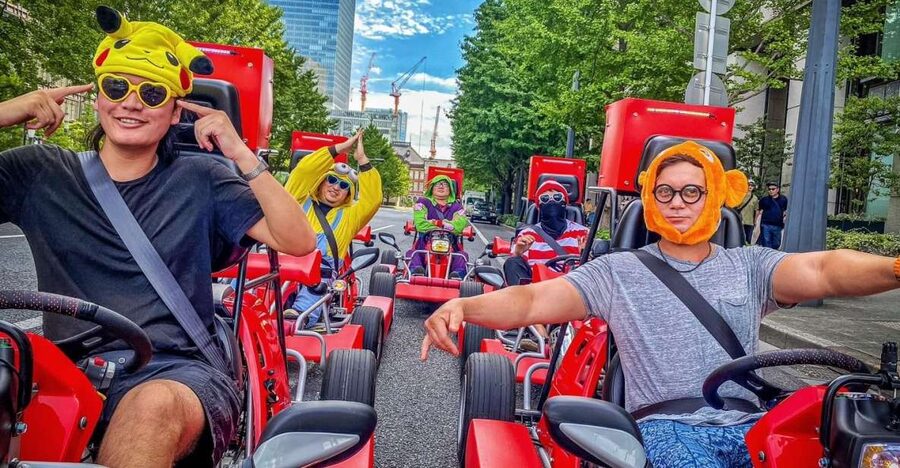
Returning through Akihabara brings the experience back to its natural home. The district is a mecca for anime and games, and a costumed kart group fits its pop-culture identity better here than anywhere else on the route.
The surrounding attention is part of the entertainment. You may find people waving, smiling, or taking pictures as you drive past. The guides also take photos of the group, giving you a record of the costume, the kart, and the Tokyo streets together.
I would treat the photography as a bonus rather than the sole reason to book. You cannot control every shot, and the guide must concentrate on leading the group. Still, the photo service solves a real problem: you cannot safely take your own pictures while driving, and cellphones are not allowed.
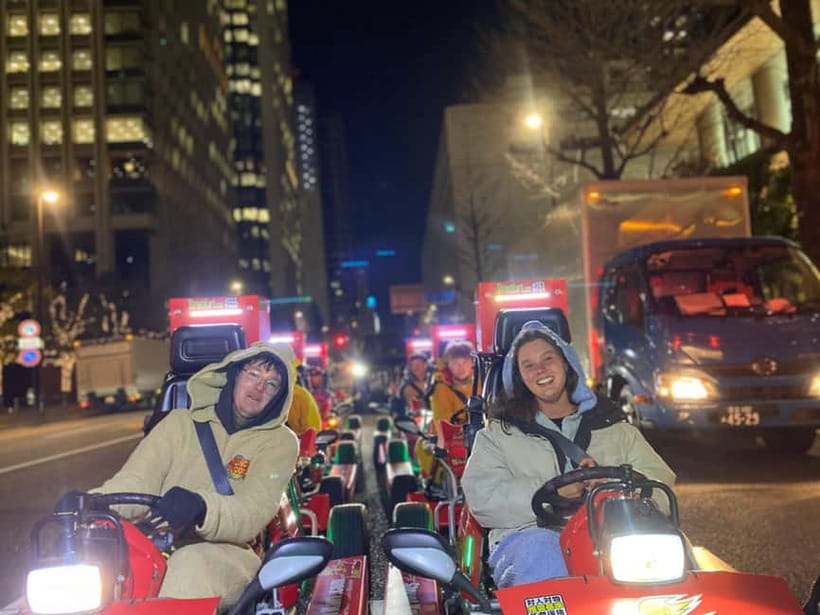
If you can choose a departure after dark, check the available starting times carefully. Night rides received especially warm praise because Tokyo’s lights add another layer to the route. Evening conditions can also make the experience feel more cinematic, though you should still choose comfort and visibility over a preferred photo effect.
Safety, driving ability, and required documents
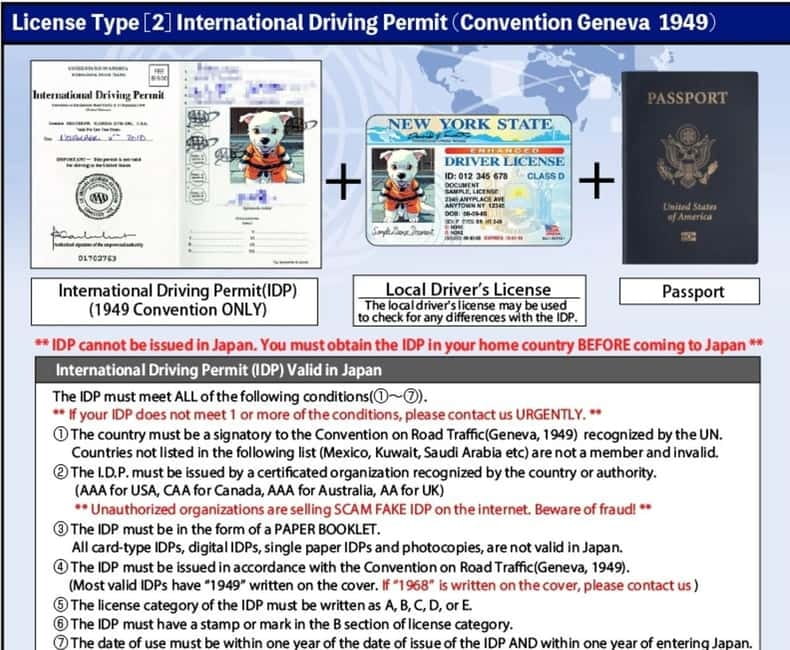
The safety rules are not a minor footnote. Every participant must obtain special documents to drive in Japan, and Street Kart sends guidance after booking about what you need.
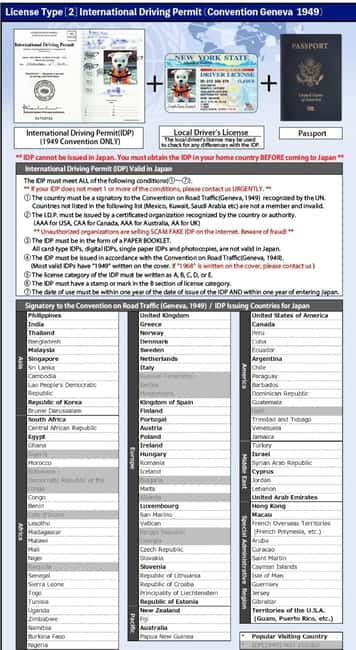
For most countries, that means a physical International Driving Permit issued in booklet form under the 1949 Geneva Convention. It must be issued by the same country that issued your domestic driving license. An online permit obtained while you are already traveling is not valid for this purpose.
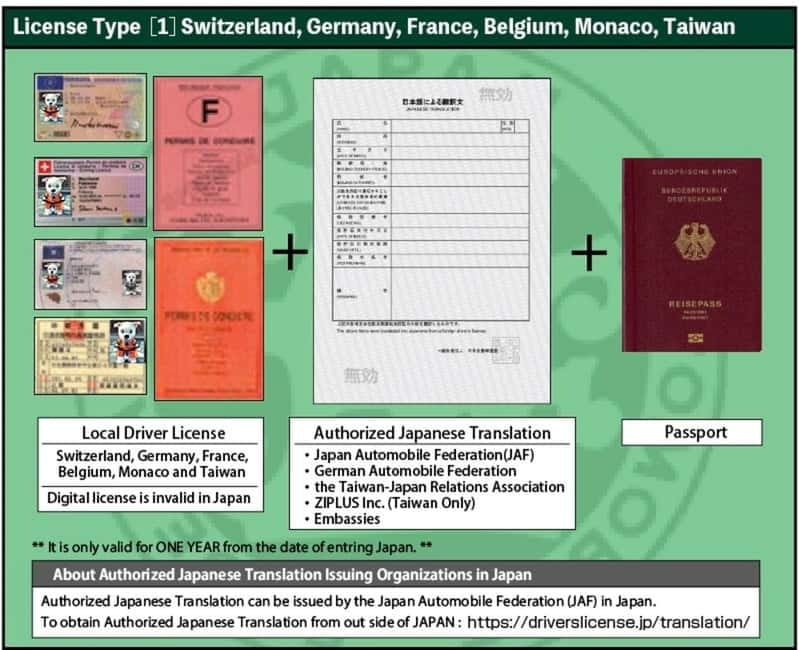
Drivers from Switzerland, Germany, France, Taiwan, Belgium, and Monaco need a Japanese translation of their license from the Japan Automobile Federation, not an International Driving Permit. You must carry the physical domestic license, the official translation, and your physical passport.
Licenses from countries not covered by the 1949 Geneva Convention, including China, Indonesia, Mexico, Qatar, and Saudi Arabia, are not permitted for driving in Japan under the stated rules. Check your eligibility before paying for the activity. This is the kind of detail that can turn an exciting plan into a wasted booking if ignored.
The tour is not suitable for children under 18, pregnant women, people with back problems, mobility impairments, wheelchair users, or people with visual or hearing impairments. You also need to wear approved footwear and leave your cellphone out of the activity.
The safety briefing and lead-driver system are reassuring, but this remains real-road driving. You should be alert, follow hand signals, and feel comfortable operating a vehicle beside larger cars. The guide can lead you, but cannot remove the normal demands of public-road traffic.
Is $51 fair for one hour?
At $51 per person, the price is reasonable if you value the full package: a custom go-kart, English-speaking guide, costume rental, and photo data. You are also paying for a route through several central districts and for the unusual chance to drive on Tokyo’s public roads.
The cost feels less attractive if you focus only on driving time. The advertised duration is one hour, and one participant felt the experience was short and a little expensive for that length. You should not expect two hours of karting or a long break at each landmark.
I see the value in the combination rather than in the minutes alone. Costume rental and photography remove two common extra costs, and the small group format gives the guide a manageable line to lead. If your main goal is a cheap way to cover distance, use Tokyo’s excellent trains. If your goal is a memorable activity that produces photos and stories, $51 is easier to justify.
Free cancellation is available up to seven days before the activity for a full refund. Check the available start times before booking, especially if you want to drive after sunset.
Who will enjoy this most?
I would choose this outing for adults who enjoy playful, unusual activities and are comfortable driving in traffic. It suits friends, couples, and families with adult children who want one energetic break from temples, shopping, and train rides.
It is also a good fit for anime and game fans, since the costumes and Akihabara setting work together. You do not need to know every character to enjoy it, but the dress-up element is central to the experience.
I would hesitate if you dislike attention, feel nervous beside larger vehicles, or want a calm sightseeing tour. The group is photographed, people react to the costumes, and the route keeps you focused on driving. This is not the best choice for someone looking for detailed commentary or extended time at each landmark.
Should you book the Akihabara street kart tour?
Book it if you want a one-hour Tokyo memory that is active, theatrical, and hard to repeat anywhere else. The strongest parts are the real-road setting, the costume choice, the small groups, and guides who take safety and photography seriously. Guides including Usama, Mads, Khan, Billy, Mike, and Marky have been praised for patient direction, clear signals, landmark information, and plentiful pictures.
Before you commit, confirm your driving documents, footwear, age, and physical ability. Also accept that the route gives you passing views rather than full sightseeing stops, and that one hour can feel quick.
My practical choice would be an evening departure if one suits your schedule, a costume that makes you laugh, and a plan to explore Tokyo Station or Ginza separately on foot. With those expectations, this is a lively add-on to a Tokyo visit and a good value for anyone who wants to see the city from an unusually low seat.
FAQ
How long does the Tokyo street kart experience last?
The activity lasts one hour. Check the available start times when booking.
Where is the meeting point?
Meet at Street Kart Akihabara. Look for the go-karts through the glass doors of the building.
What areas does the route cover?
The route travels through Akihabara, the Marunouchi business district, the Tokyo Station area, and Ginza. You may see the Imperial Palace in the background and Tokyo Station during the drive.
Is a guide included?
Yes. An English-speaking live guide leads the group and provides the tour on the road.
How many people can join the group?
The group is limited to six participants.
What driving documents do I need?
Most participants need a physical International Driving Permit in booklet form that complies with the 1949 Geneva Convention, along with a physical passport and domestic driving license. Drivers from Switzerland, Germany, France, Taiwan, Belgium, and Monaco need a physical domestic license with an official Japanese translation from the Japan Automobile Federation instead. Street Kart emails guidance after booking.
Are costumes and photos included?
Yes. Costume rental and photo data are included. Action camera rental, a Micro-SD card, and a camera mount cost extra. High heels, sandals, flip flops, and slippers are not allowed, and cellphones are not permitted during the activity.
Just added around Tokyo
- Private Arrival Transfer : Narita International Airport to Central Tokyo City★ 4.5 · 12 reviews
- Narita Airport(NRT): Private Transfer to Tokyo/Yokohama 1-9pax★ 5.0 · 47 reviews
- Private Transfer from Narita Airport to Yokohama Port and City★ 4.5 · 17 reviews
- [Narita Airport Terminals 1, 2] 40-60km Sawara Itako Historic Bike Tour★ 5.0 · 13 reviews
- 3 Day Japan Highlights Tour: Tokyo, Mt.Fuji, Nara, Kyoto, Osaka★ 5.0 · 22 reviews
- Small Town in the Big City: Tasting Tokyo’s Kichijoji★ 5.0 · 195 reviews
- Small Town in the Big City: Tasting Tokyo’s Kichijoji★ 5.0 · 16 reviews
- The 10 Tastings of Tokyo With Locals: Private Street Food Tour★ 5.0 · 48 reviews
Tokyo Tours, compared.
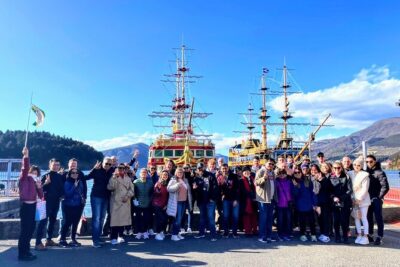
Mt Fuji and Hakone 1-Day Bus Tour Return by Bullet Train
Read our review →
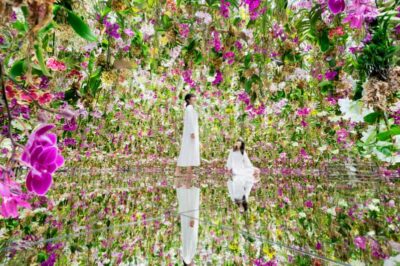
teamLab Planets TOKYO Digital Art Museum Entry Ticket
Read our review →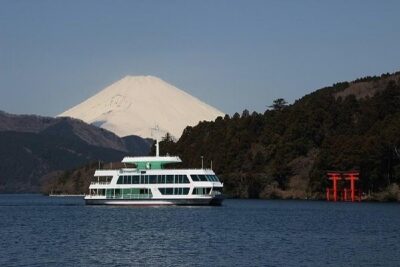
Mt Fuji & Hakone Cruise, Drum Show Bullet Train 1 Day from Tokyo
Read our review →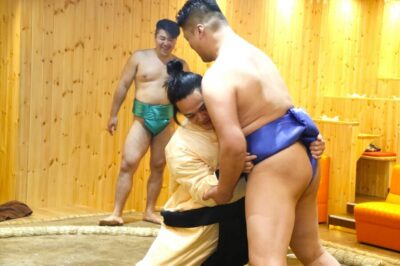
Sumo Show Experience with Chicken Hot Pot and a Photo
Read our review →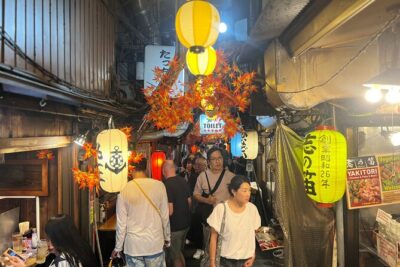
Shinjuku Food Tour (13 Dishes at 4 Local Eateries)
Read our review →
Tokyo Mt Fuji 5th St & Hakone Cruise Bus Tour w/Bullet Train
Read our review →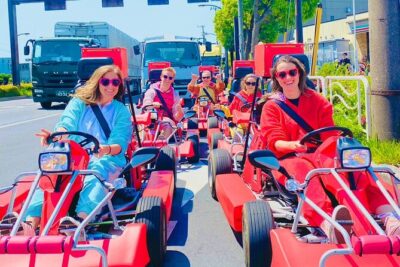
Flagship 2-Hours Official Street Go-Kart Tour – Tokyo Bay Shop
Read our review →Browse the lists this tour appears in