
Reviewed · TOKYO TOURS
Tokyo Private Sightseeing Tour by Car- English speaking chauffeur
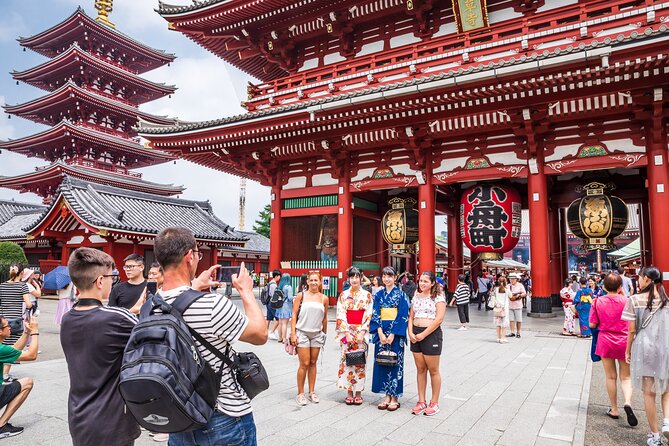
Tokyo is a huge city, and this private driving tour gives you a practical way to cover its far-flung highlights in one day. You can move from Tsukiji’s food stalls to Senso-ji Temple, then cross town to Harajuku, Shibuya, Odaiba, and Tokyo’s tower districts without learning the train system first.
I like the private car for up to four people, especially when the group wants comfort, quick transfers, and control over the day. I also like the flexible approach: drivers such as Lookman, Adam, John, Asi, and Caffrey have helped guests adjust routes, find lunch, locate shopping, and make the most of limited time.
The main thing to understand is that this is a driving tour, not a traditional walking tour with a guide beside you at every stop. Your chauffeur gives introductory information in the car, but you will usually explore each attraction on your own. The full list of stops is ambitious, and traffic or long visits can mean skipping or shortening the last few.
Key points to know before booking
- Ten major Tokyo stops in about nine hours: The route can include Tsukiji, Senso-ji, the Imperial Palace, both Tokyo towers, Ginza, Harajuku, Odaiba, Shibuya, and Omotesando.
- A private car saves effort: Your driver drops you near each area, waits while you visit, and collects you afterward, avoiding repeated train changes.
- The itinerary is flexible: You can suggest places in advance, replace stops, or ask the driver to plan the day.
- Commentary happens mainly in the vehicle: A walking guide is not included, so plan to read signs, use your own guidebook, or ask for the optional walking-guide service.
- The price works best for a small group: At $268.61 per group of up to four, the cost is easier to justify when shared by several people.
- Airport transfers cost extra: Pickup or drop-off at Haneda, Narita, or Yokohama requires an additional ¥10,000 per booking, paid in cash.
Why a private car helps in sprawling Tokyo
Tokyo sightseeing is not difficult because the attractions are hard to find. It is difficult because they are spread across a very large city, and each district has a different feel. A day that begins with old temple streets can end among neon signs and giant video screens several miles away.
A private car removes much of the transfer work. You do not have to locate the right platform, change lines with shopping bags, or work out where to meet your group after visiting a busy district. The driver handles fuel, parking, and toll fees, while you focus on the city outside the window.
That convenience matters most for families, older visitors, cruise passengers, and anyone with only one free day. It is also useful if you want to combine sightseeing with shopping. Several drivers have helped groups add stops such as a Bape store or find particular shopping areas without losing the whole day.
The vehicle is air-conditioned, with a sedan for groups of up to four and a van for groups of five to nine. The advertised price is $268.61 per group of up to four, not per person. Shared four ways, that is a reasonable price for a private nine-hour vehicle service. For one or two people, the cost is harder to compare with Tokyo’s excellent public transportation.
There is one important tradeoff. A car does not make Tokyo’s traffic disappear. The itinerary includes districts on opposite sides of the city, and Odaiba alone can take roughly 40 minutes of driving from some parts of central Tokyo. You gain comfort and simplicity, but not unlimited sightseeing time.
A few more Tokyo half-days to weigh up
- Tokyo Private Tour by Vehicle with English-Speaking Chauffeur
★ 5.0 · 504 reviews - Mt FUJI Day Tour with Private Car and English Speaking Guide
★ 5.0 · 433 reviews - Private Car Tour to Mt. Fuji Lake Kawaguchiko or Hakone
★ 5.0 · 360 reviews
Tsukiji Outer Market: start with Tokyo’s food culture
The Tsukiji stop introduces you to Tokyo through food rather than monuments. The Outer Market is a dense collection of food shops, restaurants, and vendors selling traditional Japanese ingredients and prepared dishes. It is a good place to start the day hungry.
The planned visit is about one hour, with no admission fee. That hour is enough to look around and eat something, but not enough to study every lane. You will find a mix of wholesale and retail businesses, so this is not simply a row of souvenir stalls.
Ask your driver about lunch options if you want to return later or eat somewhere else. Drivers have helped visitors locate ramen and other meals, which can be useful when you want a local recommendation without spending time searching on your phone.
Keep your pace sensible here. The market is best treated as a place to sample, browse, and take in the smells and sounds. It is not a formal food tour, and your chauffeur may provide only a short introduction before you walk around independently.
Senso-ji Temple and Asakusa: Tokyo’s oldest-feeling stop
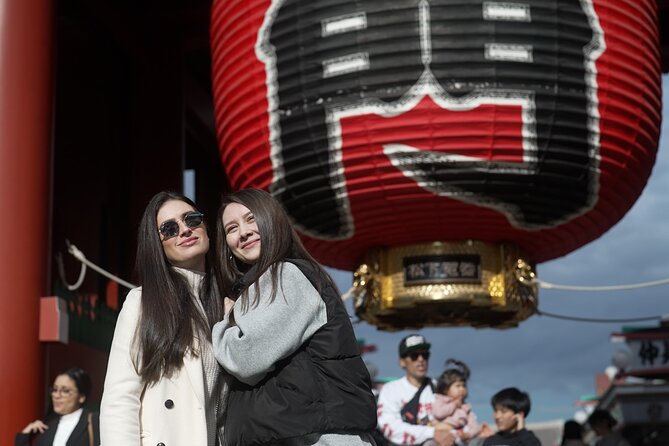
Senso-ji in Asakusa is one of Tokyo’s essential sights. The Buddhist temple is described as about 1,400 years old and is one of the city’s most visited religious sites. Its age and setting make it a sharp contrast with the glass towers and modern shopping districts later in the day.
The planned stop lasts about one hour, and admission is free. That gives you time to see the main temple area and explore the approach, but a quiet spiritual visit may require more time than the schedule allows, especially when the area is crowded.
Your chauffeur will normally leave you near the attraction, explain where to go, and arrange a pickup point. Pay close attention to that meeting place. A busy temple district is not the ideal spot for wandering around looking for a parked vehicle.
I like this stop early in the route because it gives you a sense of old Tokyo before the day turns toward shopping and city views. If you want detailed information about Buddhist customs, temple architecture, or the rituals taking place, bring your own reading material or request the optional walking-guide service.
Imperial Palace: a short look at Japan’s center of power
The Imperial Palace has been the residence of Japan’s successive emperors since 1868. The complex includes the Imperial Residence and palace grounds, though public access varies by area and occasion.
The planned visit is one hour, with no admission fee listed. In practical terms, this is often a photo and orientation stop rather than a full palace tour. Your chauffeur can bring you to suitable access points, while you take in the surrounding views and learn a little about the site in the car.
Do not expect to roam through every part of the complex. The value here is the contrast between the palace grounds and the office towers of central Tokyo. It is a useful pause in the day, but visitors seeking a long, detailed palace visit may find the scheduled hour limited.
Same base, a completely different sort of day:
- Mt Fuji and Hakone 1-Day Bus Tour Return by Bullet Train
★ 5.0 · 26,383 reviews - 1-Day Tokyo Bus Tour
★ 5.0 · 14,250 reviews - Tokyo: TOKYO SKYTREE® Admission ticket
★ 4.5 · 11,192 reviews - Tokyo: teamLab Planets TOKYO Digital Art Museum Entry Ticket
★ 4.6 · 9,779 reviews
Tokyo Skytree and Tokyo Tower: two very different city views
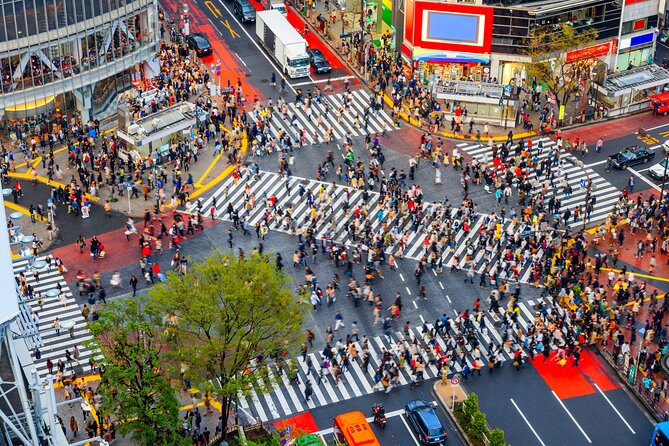
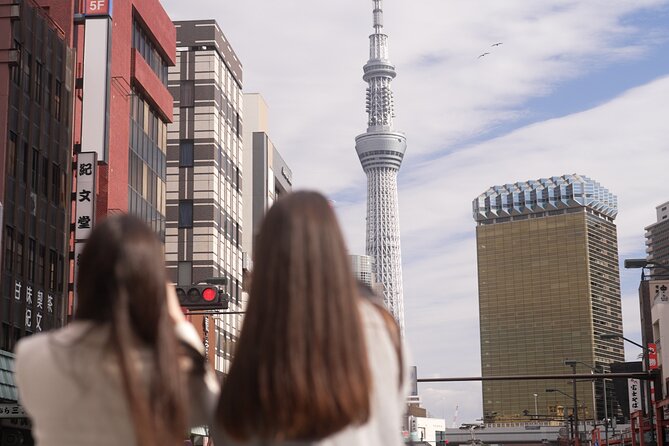
The tour includes both of Tokyo’s famous towers, which gives you a choice between modern height and postwar symbolism. Tokyo Skytree rises 634 meters and has enclosed observation decks at 350 and 450 meters. Admission is not included, and tickets should be handled separately.
A major practical tip is to arrange Skytree tickets before the tour if you want to go up. One driver, Koda, specifically helped a group choose the right ticket and time. That sort of advance planning matters because a one-hour stop can disappear quickly if you arrive without a timed entry.
The tower is impressive even from below, but the paid observation decks can add a major expense. Check the ticket cost before you decide if the view fits your budget. If the day is cloudy, the value of going to the top may also change.
Tokyo Tower is shorter at 333 meters and was completed in 1958 as a symbol of Tokyo’s recovery after World War II. The planned stop is only 30 minutes, and admission is not included. That makes it mainly a quick photo stop unless you skip another attraction or arrange extra time.
The two towers can feel repetitive if you visit both interiors. I would consider going up Skytree and using Tokyo Tower as an exterior photo stop, especially on a tight schedule. If your hotel is near Tokyo Tower, as one group found, you may prefer to use that time for another part of the city.
Ginza: polished shopping with little old Tokyo atmosphere
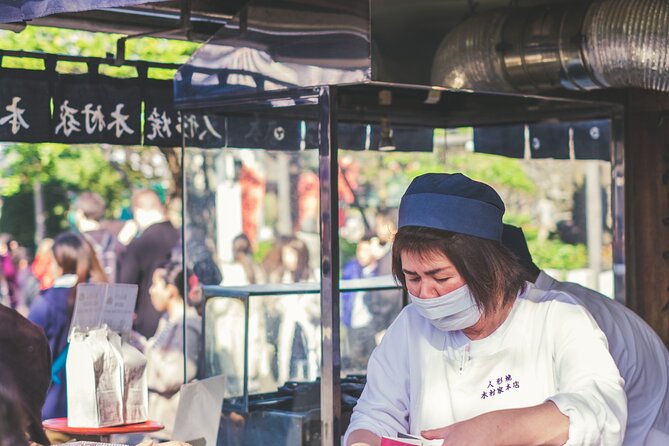
Ginza is Tokyo’s upmarket shopping district, filled with international luxury brands, department stores, restaurants, and polished streets. The scheduled visit is 30 minutes, and there is no admission fee.
That half-hour works for a quick walk, a look at the architecture, or a planned purchase. It is not enough for serious shopping. If you want Japanese design, cosmetics, department-store food halls, or luxury goods, tell the driver in advance so the stop has a clear purpose.
Ginza is also one of the easier places to shorten. If designer shopping is not on your list, the district may offer less personal appeal than Asakusa, Shibuya, or the food market. The private format lets you make that call rather than follow a fixed group route.
Takeshita Street and Omotesando: two sides of Harajuku
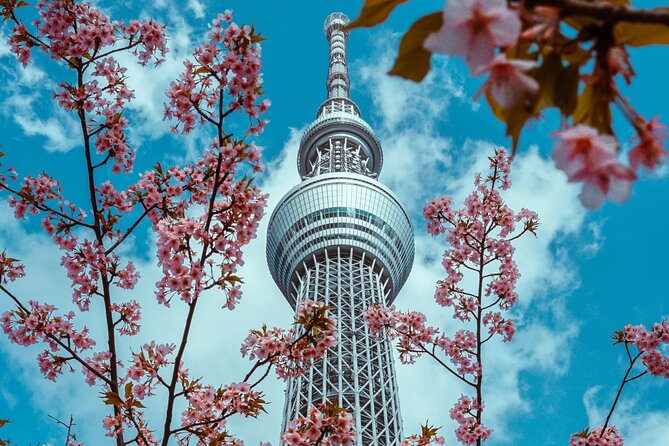
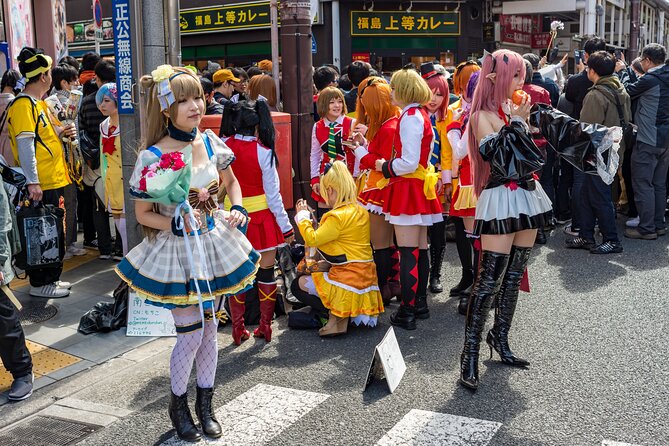
Takeshita Street is a 350-meter strip known for youth fashion, colorful accessories, pop-culture shops, and sweets. The planned visit lasts an hour, which gives you time to walk the street and browse without trying to see every shop.
It can be crowded, and the narrow shopping street is better explored on foot than from a vehicle. Wear comfortable shoes and keep your belongings close. The tour car gets you to the district, but it cannot help you move faster once you enter the pedestrian crowds.
Omotesando, scheduled for 30 minutes, offers a different mood. It is known for cafés, fashion, and international coffee brands, with broad avenues and more polished shopping. Together, the two stops show how close Tokyo’s youth culture and high-end retail can be while feeling completely different.
If you want café time, Takeshita sweets, or specific fashion stores, you may need to trim another stop. Ten locations in one day sounds generous, but the listed visit times already add up to about seven and a half hours before traffic, parking, meals, and changes between districts.
Odaiba: waterfront space and a long cross-city drive
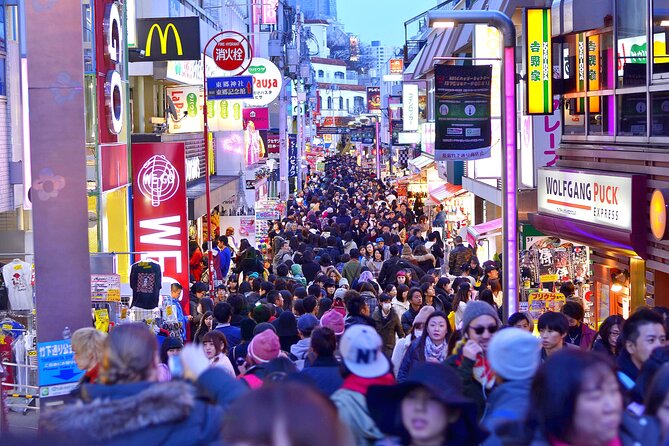
Odaiba is a man-made island in Tokyo Bay with shopping, amusement facilities, parks, and a waterfront. It gives you open space and a different view of the city after several dense urban districts.
The scheduled visit is one hour, but reaching Odaiba can take about 40 minutes of driving from some areas. That makes it a useful stop if you specifically want the bay, modern entertainment centers, or waterfront views. It is less useful if your priority is historic Tokyo or small neighborhood streets.
Because Odaiba is relatively spread out, ask the driver exactly where you will be dropped off and where the pickup will happen. A private vehicle is especially helpful here, since it saves you from working out the return route after a short visit.
Shibuya Crossing and the final Tokyo snapshot
Shibuya Crossing is the city’s most famous intersection, where large crowds move through the crossing in several directions under bright signs and giant screens. The planned visit is 30 minutes, enough to cross, take photos, and look down from a nearby vantage point if your driver recommends one.
The crossing itself is free, but the experience depends on timing and crowd levels. One driver was even praised for handling a drive through the Shibuya area at around 6 p.m., though heavy traffic can also slow the schedule.
Shibuya is best treated as a short, energetic finale rather than a full neighborhood visit. If you want shopping, cafés, or nightlife, you will need to stay longer and cut another stop. The tour’s strength is giving you an introduction, not letting you fully explore every district.
What your chauffeur does, and what you must do yourself
The English-speaking chauffeur is the key part of this experience. Drivers contact you one day before the tour, often through WhatsApp, to discuss the route. That is your chance to say what matters most: temples, food, shopping, towers, photo stops, or an airport transfer.
The strongest driver experiences described here involve prompt pickups, easy communication, practical route advice, and help finding parking. Lookman, Koda, Adam, John, Asi, Caffrey, Yannick, Jonny, and others have been singled out for being friendly, flexible, or helpful. Driver quality can vary, so do not assume every chauffeur will deliver a long running commentary.
The service is not designed around a guide walking beside you at each attraction. You receive introductory information in the vehicle, then explore independently. One option is to add a walking guide who also drives the car, for ¥15,000 per booking. That is different from having a separate guide and is intended to keep the cost lower.
This distinction is central to your decision. If you want a scholar-style explanation at every temple and palace, this is not the right format unless you add the extra service. If you want a clean car, direct transfers, flexible stops, and enough background to get oriented, it fits much better.
How to plan the nine hours well
Before the day begins, choose three priorities. The full route is possible as an overview, but you will enjoy it more if you know which stops can be shortened.
A sensible approach is to protect your time at Tsukiji, Senso-ji, one tower, and either Shibuya or Harajuku. Then use Ginza, Tokyo Tower, or Omotesando as flexible stops. If you are exhausted, it is perfectly reasonable to drive past the final locations, as one group did after a full day of walking.
Start time is 9:00 a.m. Pickup is offered, but the exact meeting arrangement should be confirmed with the operator. The tour can also suit cruise passengers, and one group used it to see Tokyo’s main sights during a nine-hour port visit.
Bring comfortable shoes, a phone, and a clear list of interests. Admission fees are not included, so budget separately for Skytree or Tokyo Tower. Airport and Yokohama pickup or drop-off adds ¥10,000 per booking in cash.
The cancellation policy is forgiving up to 24 hours before the start time, when you can receive a full refund. Changes or cancellations inside 24 hours are not accepted for a refund, and poor weather can lead to a different date or a full refund.
Who should book this Tokyo car tour?
I would choose this tour for a first day in Tokyo, a short cruise stop, a family group, or anyone who wants to see many districts without managing the train network. It is also a good fit for up to four people who can split the cost and want a private schedule.
I would be more cautious if you prefer slow neighborhood walks, long meals, or detailed cultural talks at every stop. Tokyo’s trains are excellent, and independent sightseeing may offer more time in each district for less money.
Book it if you value coverage and comfort over depth. The best version of the day comes from contacting the driver early, naming your priorities, and accepting that ten stops means short visits. Ask for a route built around your interests, and treat the listed attractions as a menu rather than a promise that you will fully explore every one.
FAQ
How long does the Tokyo private car tour last?
The tour lasts approximately nine hours and begins at 9:00 a.m.
How many people can join the tour?
The price covers a private group of up to four people in a sedan. Groups of five to nine use a van.
Is hotel pickup available?
Pickup is offered. The exact meeting arrangement should be confirmed with the tour operator before the tour.
Does the tour include airport pickup or drop-off?
Airport pickup or drop-off at Haneda, Narita, or Yokohama is available for an additional ¥10,000 per booking, paid in cash.
Are admission fees included?
No. Admission fees are not included. This applies to paid attractions such as Tokyo Skytree and Tokyo Tower.
Is a walking guide included?
No. The chauffeur provides introductory information in the vehicle, but a walking guide is not included. A walking guide who also drives the car can be arranged for ¥15,000 per booking.
Can the itinerary be changed?
Yes. The tour is private and customizable. You can discuss your preferred itinerary with the chauffeur, who contacts you one day before the tour.
What happens if the weather is poor?
The experience requires good weather. If it is canceled because of poor weather, you can receive a different date or a full refund. You can also cancel for a full refund up to 24 hours before the start time.
Just added around Tokyo
- Private Arrival Transfer : Narita International Airport to Central Tokyo City★ 4.5 · 12 reviews
- Narita Airport(NRT): Private Transfer to Tokyo/Yokohama 1-9pax★ 5.0 · 47 reviews
- Private Transfer from Narita Airport to Yokohama Port and City★ 4.5 · 17 reviews
- [Narita Airport Terminals 1, 2] 40-60km Sawara Itako Historic Bike Tour★ 5.0 · 13 reviews
- 3 Day Japan Highlights Tour: Tokyo, Mt.Fuji, Nara, Kyoto, Osaka★ 5.0 · 22 reviews
- Small Town in the Big City: Tasting Tokyo’s Kichijoji★ 5.0 · 195 reviews
- Small Town in the Big City: Tasting Tokyo’s Kichijoji★ 5.0 · 16 reviews
- The 10 Tastings of Tokyo With Locals: Private Street Food Tour★ 5.0 · 48 reviews
Tokyo Tours, compared.
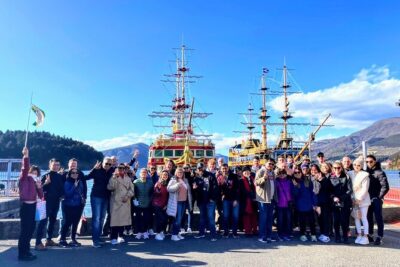
Mt Fuji and Hakone 1-Day Bus Tour Return by Bullet Train
Read our review →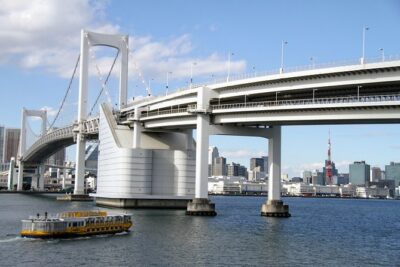
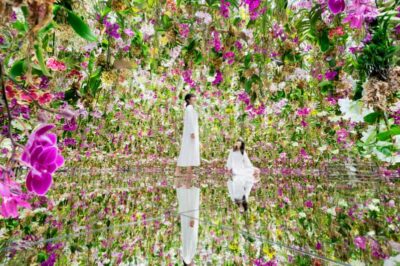
teamLab Planets TOKYO Digital Art Museum Entry Ticket
Read our review →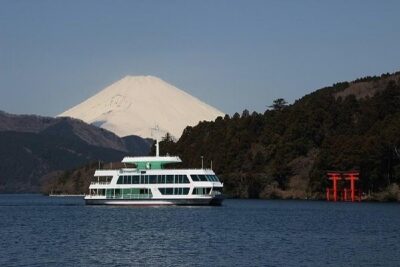
Mt Fuji & Hakone Cruise, Drum Show Bullet Train 1 Day from Tokyo
Read our review →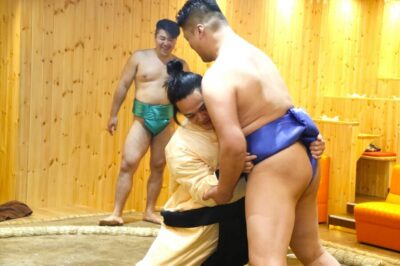
Sumo Show Experience with Chicken Hot Pot and a Photo
Read our review →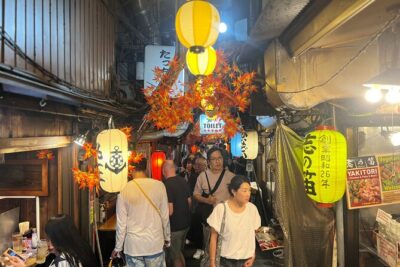
Shinjuku Food Tour (13 Dishes at 4 Local Eateries)
Read our review →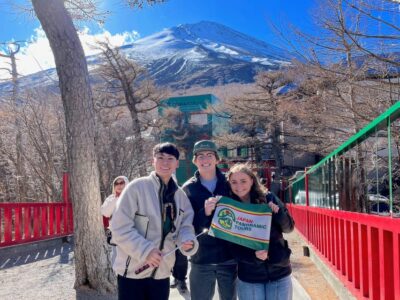
Tokyo Mt Fuji 5th St & Hakone Cruise Bus Tour w/Bullet Train
Read our review →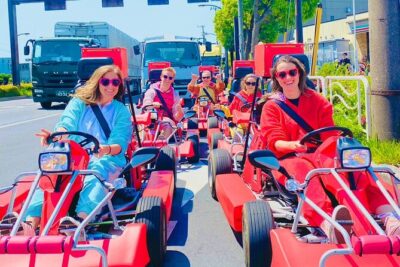
Flagship 2-Hours Official Street Go-Kart Tour – Tokyo Bay Shop
Read our review →Browse the lists this tour appears in