
Reviewed · OSAKA TOURS
Learn Zen in a class of making Matcha tea near Osaka Castle
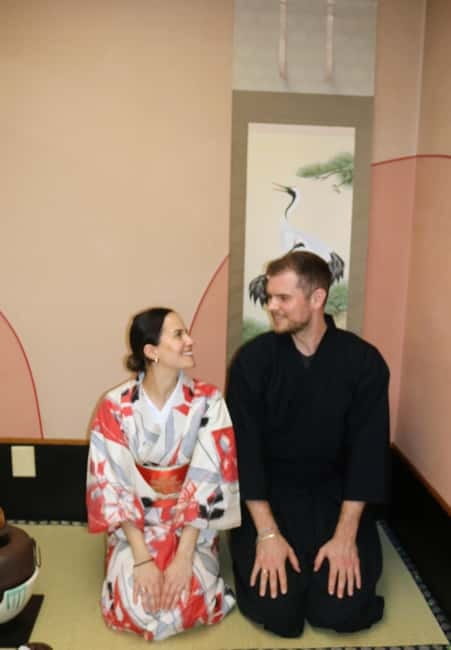
Passing through the low entrance to this tea room is meant to reset the social order: everyone is treated equally, regardless of age, nationality, gender, or status. In one focused hour, you dress in traditional Japanese clothing, learn the manners of chanoyu, eat seasonal wagashi, and prepare matcha for another participant.
I like the personal scale, with no more than six people, and I like that the lesson goes beyond whisking green tea. You learn how a bow, a turn of the bowl, and a sweet shaped like a flower connect to Japanese ideas of beauty and hospitality. The professional photography is another strong point, since you can concentrate on the ceremony instead of taking phone pictures.
The main consideration is time. One hour moves quickly, especially after arriving 30 minutes early to change clothes. Hair styling, outdoor photographs, and some traditional accessories may cost extra, so check the options before booking.
Key points to know before booking
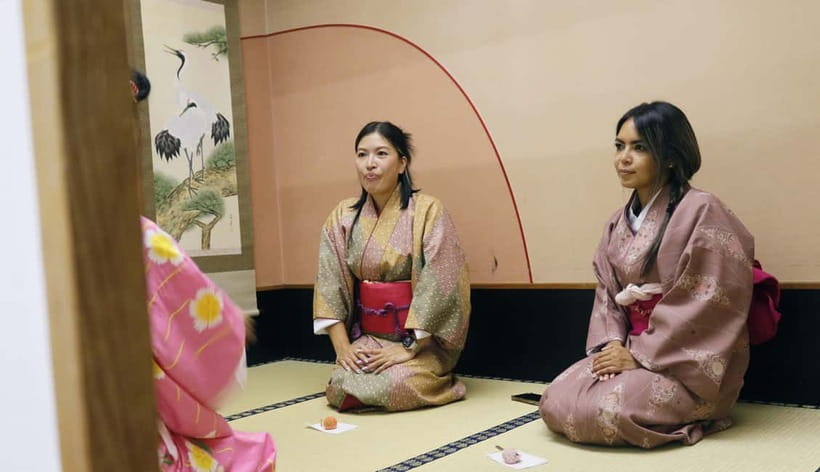
- Samurai or Yamato Nadeshiko attire: Men wear hakama and dogi, while women change into kimono.
- A small, guided class: The group is limited to six participants, with instruction in English and Japanese.
- More than a cup of tea: You learn bows, sitting, walking, serving, and receiving manners.
- Wagashi with a seasonal meaning: The handmade sweet introduces wabi, sabi, Japanese food culture, and the four seasons.
- Photos included: Images are taken during the activity and sent to your designated email address.
- A practical Osaka location: Meet at Bushi no Homare, 2-3-19 Shiginonishi, Joto-ku, using Google Maps rather than Apple Maps.
What this Osaka tea ceremony is really about
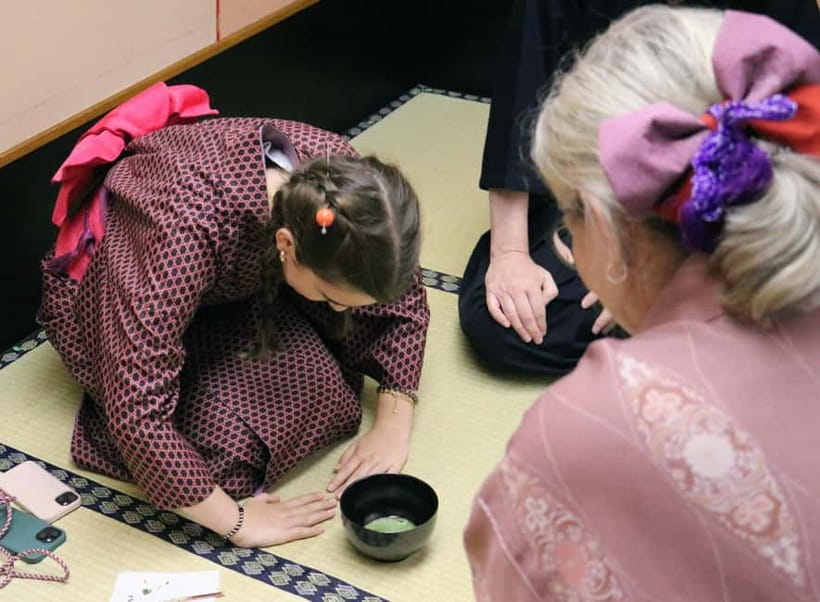
This is not simply a matcha tasting with a costume change attached. It is a short introduction to the social rules and quiet gestures that shape a Japanese tea ceremony.
The central idea is shared hospitality. The host prepares and serves the tea, but the person receiving it also has responsibilities. You respond with attention, respect, and the correct movements. The aim is a sense of unity between the person making tea and the people receiving it.
That idea gives the class more substance than a quick photo stop. You are not only shown what to do. You practice how to sit, bow, stand, walk, and accept the bowl. Some of these actions may feel formal at first, but that formality is part of the lesson.
I especially like the way the experience frames the tea room as an equal space. Once you pass through the nijiriguchi, the small entrance associated with tea rooms, social rank is left outside. The samurai theme makes this idea easy to understand: the clothing may recall status and tradition, but inside the room, each participant follows the same rules.
More hands-on workshops in Osaka:
- Sushi Making Osaka Roll and Authentic Japanese Sushi Class
★ 5.0 · 1,220 reviews - Matcha Making Class in Osaka with Authentic Japanese Sweets Set
★ 5.0 · 509 reviews - Osaka: Ramen and Gyoza Cooking Class in Dotonbori
★ 5.0 · 378 reviews
Arrive early at Bushi no Homare
The actual location is Bushi no Homare, also described as Samurai Honor. It offers martial arts, calligraphy, and tea ceremony activities, and this class takes place at Excellence Takayama 1F, 2-3-19 Shiginonishi, Joto-ku, Osaka-shi, Osaka 536-0014.
Use Google Maps for the address. Apple Maps is specifically noted as incorrect, so this is one small detail worth handling before you leave your hotel or train. The meeting landmark is a wooden sign reading Honor of the Samurai, with activity pamphlets in a rack outside. Kimonos and hakama may also be hanging nearby.
You should arrive 30 minutes before your booked start time. That extra half hour is for instructions and changing clothes, not for an additional sightseeing stop. If you arrive exactly at the scheduled time, you may feel rushed before the ceremony even begins.
Transportation is not included. You arrange your own route to the venue, and there is no hotel or train station pickup. The activity is described as near Osaka Castle, but the listed meeting address is the detail to use for navigation.
Changing into kimono or samurai dress
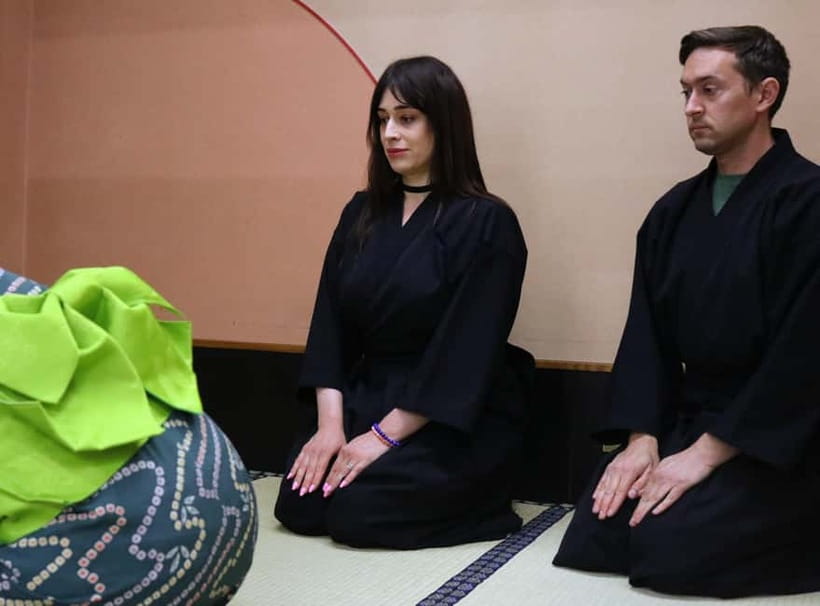
The clothing change is a major part of the experience, not a minor extra. Men wear hakama, the traditional pleated garment, together with dogi, a Japanese robe. The result is a samurai-style outfit suited to the activity’s theme.
Women wear kimono and take on the appearance of Yamato Nadeshiko, a traditional image of Japanese womanhood. The clothing helps you understand why posture and movement matter in the tea room. A kimono changes how widely you walk, how you sit, and how you turn.
Wear a T-shirt underneath. That is the only clothing instruction provided, but it is useful because the formal layers can be warm and restrictive. The listed package includes kimono clothing, but some parts of the full look are paid options.
For women, the optional package can include gathered hair with kanzashi, kimono, obi, tabi socks, zori sandals, a basket bag, and an outdoor photo shoot. For men, optional additions include kimono, obi, tabi, geta wooden clogs, and an outdoor photo shoot. The included clothing and the paid styling package are not exactly the same thing, so ask what your booking covers.
Several participants especially enjoyed choosing kimono colors and having their hair arranged with flowers. That styling was described as included in one experience, but the general activity details list Wagami, or gathered hair with kanzashi, as a paid option. I would confirm the current arrangement when booking rather than assume hair styling is included.
Learning the tea ceremony, one gesture at a time
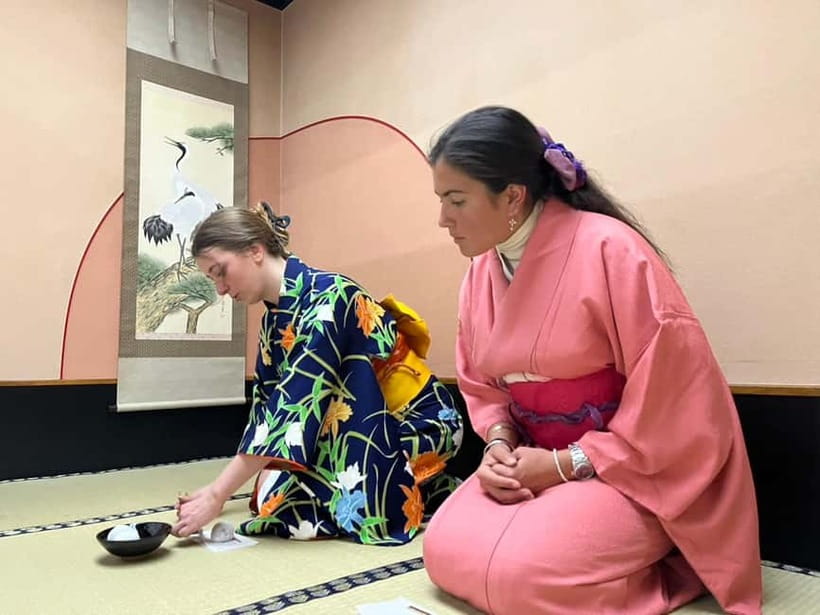
Once dressed, you meet the instructor and begin with the role of a tea ceremony guest. The host follows traditional manners while serving matcha and wagashi. The instructor explains what you are seeing and why the movements matter.
Expect lessons on how to sit, bow, stand, walk, and receive tea. You also practice the rules rather than only watching them. The class can include preparing tea for each other, which gives you a chance to experience both sides of the exchange.
This is where the small group matters. With a maximum of six participants, the instructor has more room to correct a movement or let each person take a turn. If the group is full, the hour may feel brisk, but it should still be more personal than a large demonstration.
An English interpreter guide is included, and the activity operates in English and Japanese. English is the default language for interpretation. Italian, Spanish, French, Chinese, Thai, and Indonesian interpretation may be possible, but staff schedules are limited, so you need to ask before reserving.
The teaching style can vary by instructor. Kaori is specifically noted for explaining the historical and cultural setting while showing the tea preparation step by step. Other sessions have had two instructors welcoming the group. The recurring strength is a warm, patient approach, with each person given time to try the tea-making process.
A few more Osaka half-days to weigh up
- Osaka Go Karting Tour with Funny Costume
★ 5.0 · 2,658 reviews - Osaka Castle: Museum and Tower Entry Ticket
★ 4.5 · 2,380 reviews - Osaka: Shinsekai Food Tour with 13-15 Dishes at 5 Eateries
★ 4.8 · 2,204 reviews - Osaka Food Tour: 13 Dishes at 5 Local Eateries
★ 5.0 · 2,149 reviews
Matcha, manners, and the role of the host
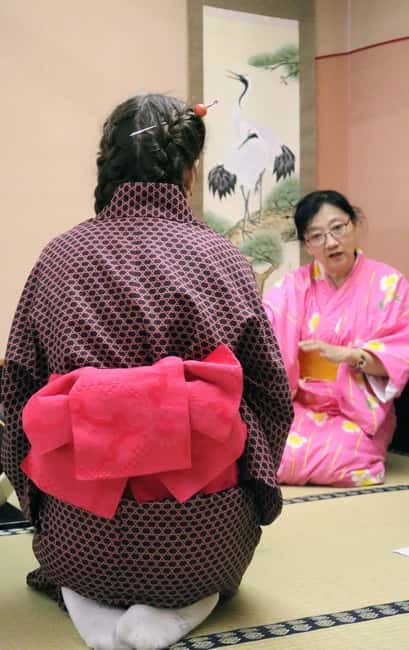
Matcha is powdered green tea whisked with hot water. Here, it is presented within chanoyu, the wider art of tea, rather than as a stand-alone drink.
You learn that hospitality is not a one-way performance. The host must prepare the room, tea, and service with care. The person receiving the tea must also pay attention and respond properly. A quiet bow or careful turn of the bowl is part of that response.
This may sound fussy if you are expecting a casual drink, but the rules give the hour its purpose. You begin to notice small details that would otherwise pass unnoticed. The ceremony asks you to slow your hands and watch what happens in front of you.
The samurai framing adds a clear story for families and first-time visitors. Men can become samurai through hakama and dogi, while women take part in the kimono presentation. Children under 10 cannot join, but families with older children can share the preparation, costumes, and photographs.
The setting also makes a useful contrast with Osaka’s faster side. You are not being asked to spend half a day in silence. You get one concentrated hour of traditional practice, which works well beside a castle visit or another activity in the city.
Wagashi brings the four seasons to the table
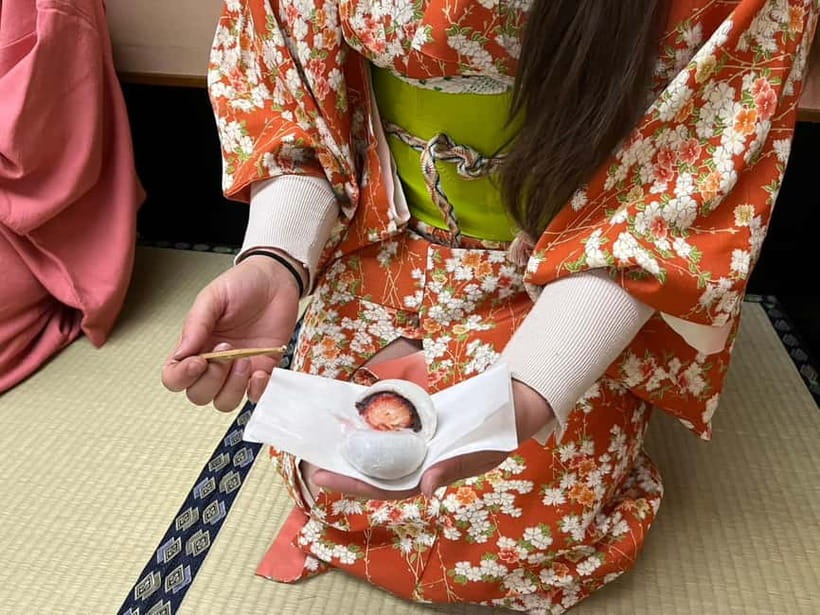
The wagashi is not just a sweet served with tea. These Japanese confections developed alongside the tea ceremony and are valued for their handmade shapes, careful colors, and seasonal designs.
You may notice flowers, leaves, or other forms connected with the time of year. The point is not only decoration. Wagashi expresses the Japanese habit of noticing spring, summer, autumn, and winter in food, art, clothing, and ceremony.
The class uses wagashi to introduce wabi and sabi, ideas linked with simplicity, quiet beauty, age, and imperfection. You do not need to master those ideas in an hour. It is enough to see that the sweet has a visual role before you taste it.
I like this part because it makes an abstract subject easy to grasp. A handmade sweet can show restraint, seasonal feeling, and care without a long lecture. You learn something about Japanese food culture while also getting a small break from the formal gestures of the ceremony.
Kimono photographs without losing the experience
Photography is included, and the staff take pictures during the ceremony before sending the data to your designated email address. This solves a common problem with cultural activities: you want a record of the moment, but constantly handling a phone can pull you away from the lesson.
The photographs can capture the kimono, hakama, tea preparation, and formal movements. Some participants received their images the same day, which is useful if you want to check them before leaving Osaka or share them with family.
The included photo service is a real part of the value, especially for children and couples. It also means you should not assume the optional outdoor shoot is necessary. If you want images outside the venue, that costs extra. Movie shooting is also a paid option.
For women who want a more finished traditional look, ask about gathered hair, kanzashi, and the optional accessories. Men should ask about geta and the full samurai-style clothing package. The base activity includes kimono clothing, but not every accessory or styling service.
Is the $40 price good value?
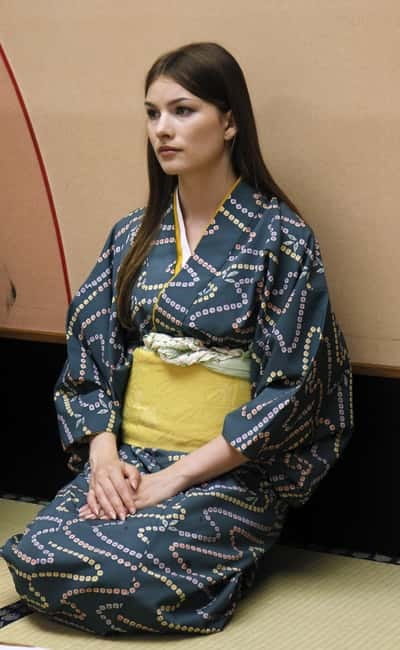
At $40 per person, the experience is priced as an accessible cultural activity rather than a long formal tea-school lesson. You receive clothing, matcha, wagashi, an English interpreter guide, a certified professional instructor, tax, tips, and photo shooting with emailed images.
That is a solid package for a one-hour activity, especially if you value the dressing and photography as much as the tea. A simple matcha drink would cost far less, but it would not include instruction in etiquette, traditional clothing, or the chance to prepare tea for someone else.
The value is strongest for first-time visitors who want a structured introduction without committing to a long ceremony. It is also strong for families with children aged 10 or older, since the costumes give younger participants a clear role and the photos create a shared souvenir.
The value is less clear if your main goal is an extended, highly formal tea-school study. The activity is short, and changing clothes uses part of the scheduled window. You should book it for a cultural snapshot with real instruction, not for advanced mastery.
Tips and tax are included, which keeps the advertised price easier to judge. Hair styling, extra accessories, outdoor photographs, and movie filming can increase the total, so decide how much of the visual package you want.
Who will enjoy this most
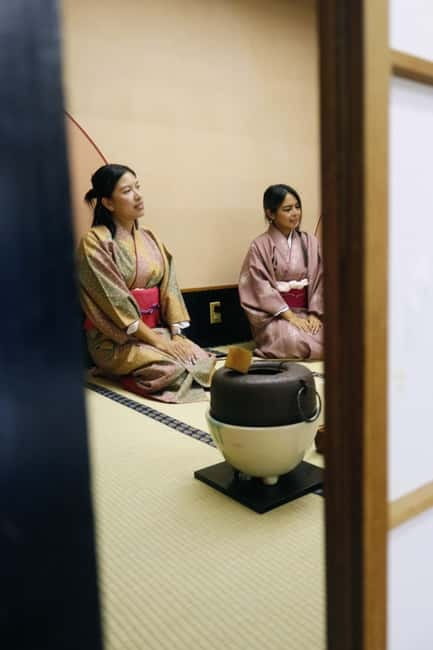
I would recommend this class to you if you want to understand Japanese customs through action rather than a museum display. You will bow, sit, receive tea, prepare matcha, taste wagashi, and wear clothing that changes how you move.
It suits couples, families with children over 10, and small groups of friends. It also works for solo visitors, since the class is organized around shared participation and may have only a few people.
It is a good choice if you want English guidance. You do not need to arrive already familiar with tea ceremony rules. The instructor explains the gestures and gives you a chance to practice them.
You should think twice if you dislike formal clothing, sitting in prescribed positions, or following a set of traditional rules. The activity is not suitable for children under 10, people with altitude sickness, or people over 95 years old. Pets, alcohol, drugs, and nudity are not allowed.
The class is also not ideal if you need door-to-door transport. Pickup and drop-off are not provided, and you must find the venue yourself using the correct map.
Booking details that can save you trouble
The group limit is six people, which keeps the class personal but also means popular times can fill. Availability determines the starting time, so check the schedule before building the rest of your Osaka day.
The activity allows free cancellation up to 24 hours in advance for a full refund. You can also reserve now and pay later, which helps if your Osaka plans are still shifting.
Bring a T-shirt for the clothing change. Arrive 30 minutes early, use Google Maps, and look for the wooden Samurai Honor sign or the pamphlet rack. Those three steps remove most of the avoidable stress.
If you need an interpreter in a language other than English or Japanese, ask about staff availability before paying. Italian, Spanish, French, Chinese, Thai, and Indonesian may be available, but they are not guaranteed.
Should you book the tea ceremony near Osaka Castle?
Book this if you want a compact, photo-friendly introduction to Japanese culture with enough instruction to make the ceremony meaningful. The kimono or samurai clothing, seasonal wagashi, and included photos give the hour more substance than a quick tea tasting.
I would especially choose it for a family with older children or for anyone who wants to connect an Osaka sightseeing day with a hands-on cultural activity. Just arrive early, confirm the hair and accessory options, and use Google Maps for Bushi no Homare.
Skip it if you want a long, silent, highly traditional ceremony or if you dislike dressing up. At $40, it offers good value for a short cultural class, but its strength is the combination of clothing, explanation, practice, and photographs, not an extended study of tea.
FAQ
How long does the tea ceremony experience last?
The activity lasts one hour. You should arrive 30 minutes before your reserved start time for instructions and changing clothes.
How much does the experience cost?
The listed price is $40 per person.
Where does the activity take place?
It takes place at Bushi no Homare, also called Samurai Honor, at Excellence Takayama 1F, 2-3-19 Shiginonishi, Joto-ku, Osaka-shi, Osaka 536-0014.
Which map should I use to find the venue?
Use Google Maps. The provided information says the address on Apple Maps is incorrect.
What is the meeting point landmark?
Look for a wooden sign reading Honor of the Samurai. A rack holding Samurai Honor activity pamphlets is in front of the store, and kimonos or hakama may be hanging nearby.
Is transportation included?
No. Transportation and pickup or drop-off at a train station or hotel are not included.
What clothing should I bring?
Bring a T-shirt to wear during the clothing change.
What languages are available?
Instruction is available in English and Japanese. English is the default language for interpreters. Italian, Spanish, French, Chinese, Thai, and Indonesian interpretation may be available if staff schedules allow.
Are photographs included?
Yes. Photo shooting is included, and the images are sent to your designated email address. Outdoor photo shoots and movie shooting are paid options.
Can children join the activity?
Children under 10 are not permitted. The activity is suitable for children aged 10 or older, subject to the other stated requirements.
Just added around Osaka
- Discover Real Osaka: A Cultural Walk with Food & Drink★ 5.0 · 13 reviews
- Private Airport transfer Kansai Intl. Airport(KIX) to OSAKA CITY★ 4.5 · 12 reviews
- From Osaka/Kyoto: Kyoto & Nara Day Trip with Optional Lunch★ 4.5 · 79 reviews
- Osaka 6hr Private Walking Tour with Government Licensed Guide★ 5.0 · 174 reviews
- Osaka: Namba Local Food Walking Tour (Taste 15 Dishes)★ 5.0 · 20 reviews
- Osaka Delights: Traditional Japanese Food Tour★ 4.5 · 33 reviews
- Badminton in Osaka & Kyoto with Locals!★ 5.0 · 15 reviews
- From Osaka or Kyoto: Kyoto and Nara 1-Day Bus Tour★ 3.5 · 141 reviews
Osaka Tours, compared.


Shinsekai Food Tour with 13-15 Dishes at 5 Eateries
Read our review →
Osaka Food Tour: 13 Dishes at 5 Local Eateries
Read our review →
Hungry Osaka Street Food Tour:15 Tastings & 3 Drinks with a Local
Read our review →



Hotspots & Hidden Gems Walking Tour Private or Group
Read our review →Browse the lists this tour appears in