
Reviewed · TOKYO TOURS
Asakusa: Geisha Performance and Tea House Experience
Meeting real geisha in a traditional Asakusa tea house gives this 75-minute experience its special appeal. You see dance, hear live shamisen music, and take part in the playful Konpira Fune Fune game rather than simply watching a staged show. I especially like the chance to ask personal questions and the small-group feel, reported at about 16 people on one visit. The main catch is the required drink purchase, which comes on top of the $106 price.
I also like the balance of polished performance and easy conversation. The geiko Chizuru, maiko Tamaaki, and shamisen performer Shisa have been named as part of the program, with an English-speaking translator helping you follow along. This suits couples, solo visitors, and families, though very young children may find the formal setting and 75-minute program a little long.
Key points at a glance
- Real geisha in Asakusa: Meet performers connected with Japan’s living cultural traditions, not just costumed entertainers posing for pictures.
- Dance with live shamisen: The performance combines graceful movement, traditional dress, music, and singing in an intimate tea-house room.
- Konpira Fune Fune: Join a classic ozashiki-asobi game that turns a formal gathering into a lively group activity.
- Matcha and seasonal sweets: Freshly whisked tea and Japanese confections add a small but fitting taste of the season.
- Questions and conversation: An English-speaking host and translator help you speak directly with the performers.
- Extra drink required: Each person must order one alcoholic or non-alcoholic drink, separate from the included matcha.
Why the Asakusa tea-house setting matters
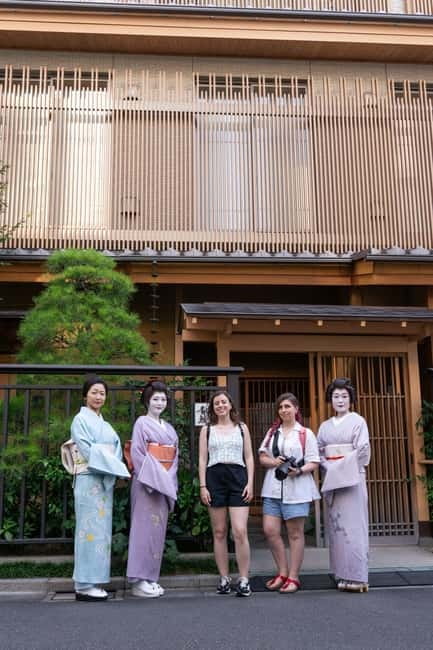
Asakusa is one of Tokyo’s best areas for traditional culture, and this experience gives you a more personal way to encounter it. Instead of stopping at a temple, taking a quick photograph, and moving on, you spend time in a tea-house setting built around hospitality, performance, and conversation.
The word geisha can bring up a lot of wrong ideas. Here, the focus is artistic training and hospitality: dance, music, formal presentation, conversation, and games. The program offers a short but useful look at that world without pretending to recreate an entire evening at a traditional banquet.
You enter Miyakodori’s Ozashiki Tea House for a carefully arranged cultural program. One account describes a hidden-door entrance, a warm welcome from the owner, and a move into the banquet area, where low stools were provided. Details may vary by session, but you should expect a refined room rather than a large theater.
That setting affects the whole mood. The performers are close enough for you to notice hand movements, fan work, fabric, and expressions. It also makes the question period feel more natural than a lecture delivered from a distant stage.
More geisha-district evenings:
- Tokyo: Traditional Geisha Experience Show & Japanese Dinner
★ 4.2 · 59 reviews - Kyoto Geisha Walking Tour: Gion District & Hidden Gems
★ 4.7 · 3,273 reviews - Kyoto: Gion Magical Night Walking Tour with Geisha Trivia
★ 4.9 · 2,393 reviews
The welcome, drinks, and first impressions
The experience begins with a welcome, followed by the chance to choose a drink. Matcha and seasonal sweets are included later, but one drink order is required for every person. You can choose an alcoholic or non-alcoholic option, so this is not only a condition for those who want sake or another alcoholic drink.
At $106 per person, this extra order is worth noting before you book. The advertised price covers a 75-minute cultural program, the performance, music, game, sweets, matcha, and commemorative photo, but not transportation or a meal. If you are watching your budget closely, count the required drink as part of the final cost.
The opening is not designed as a rushed photo stop. The hosts set the tone, explain what will happen, and introduce you to the etiquette of the room. An English-speaking host or translator helps make the program accessible, though the supplied information does not promise that every word of the performance itself will be translated.
One practical tip is to arrive early. This gives you time to find the venue in Asakusa and settle in before the performance begins. It also avoids turning the first few minutes into a hurried entrance while the room is becoming quiet.
Graceful dance, shamisen, and traditional dress
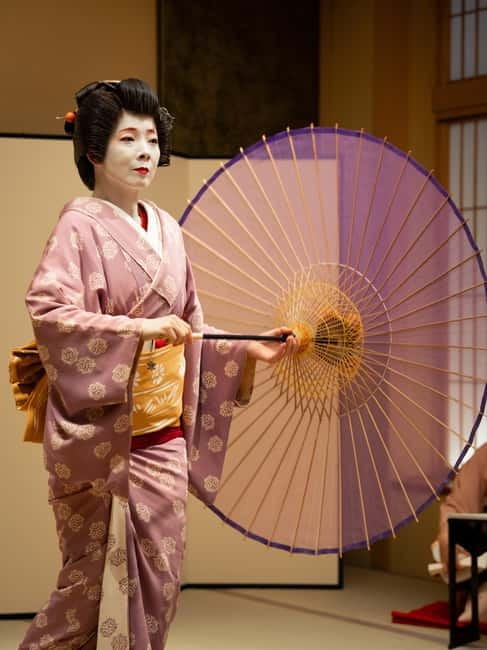
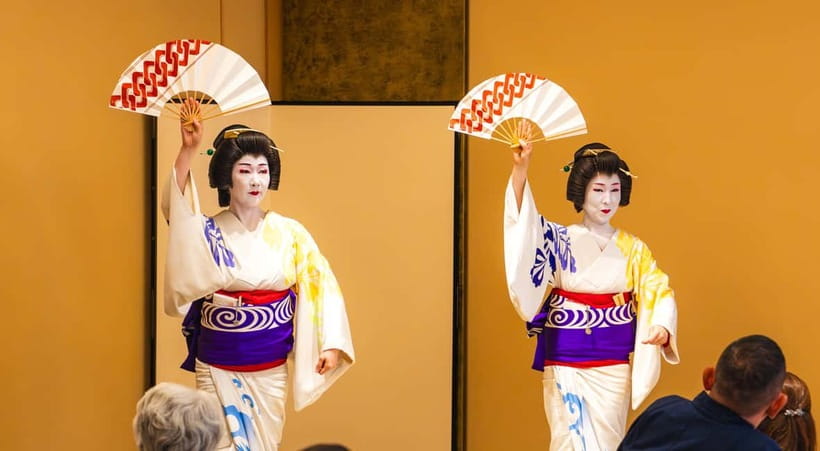
The central performance is a dance accompanied by live shamisen music. The shamisen is a three-stringed Japanese instrument, and its sharp, spare sound gives the dance a very different character from a Western stage show.
The effect depends on restraint. You will notice deliberate steps, controlled gestures, fan movements, costume details, and pauses that carry as much weight as the motion itself. The performance is brief enough to hold your attention, but substantial enough to show the discipline behind the art.
The program has included geiko Chizuru and maiko Tamaaki, accompanied by Shisa on shamisen and singing. Names and performers can change, so treat these as examples rather than a guarantee for your date. Still, the presence of named artists matters because you are seeing trained performers at work, not a generic cultural demonstration.
The tea-house room lets you watch at close range. That is a major advantage over a large theater, where the visual details disappear. The tradeoff is that the experience is not a full-length theatrical production. You get a carefully selected presentation, not an entire evening of dance and music.
I would pay attention to the contrast between the two performers if both are present. A geiko and a maiko represent different stages of artistic training, and seeing them together can give the program added interest. Do not expect a formal classroom lesson on ranks and customs unless you ask during the question period, but the setting gives you a clear starting point.
Konpira Fune Fune turns formality into fun
After the performance, the mood loosens with Konpira Fune Fune, an ozashiki-asobi game. These traditional party games were part of social entertainment in banquet settings, and this one is designed for participation rather than quiet observation.
You receive guidance before playing, so you do not need prior knowledge of Japanese games. The appeal is simple: the rules are easy to follow once demonstrated, but the pace and pressure create plenty of laughter. It is a good bridge between watching the performers and speaking with them.
This section also helps solo visitors. A solo participant does not have to sit on the edge of the room while couples or families interact. The group can take part together, and the game gives everyone a shared activity before the conversation begins.
Families can enjoy it too. A visit with children aged three to ten has worked well for one group, with the children captivated by the costumes and performance and involved in the lively game. Still, you know your own children best. The opening dance and formal atmosphere require quiet attention, while the game is the most active part.
The game can also be a small cultural lesson. It shows that traditional hospitality was not only about ceremony and silence. It included wit, skill, social timing, and the ability to make other people feel at ease.
A few more Tokyo half-days to weigh up
- Mt Fuji and Hakone 1-Day Bus Tour Return by Bullet Train
★ 5.0 · 26,383 reviews - 1-Day Tokyo Bus Tour
★ 5.0 · 14,250 reviews - Tokyo: TOKYO SKYTREE® Admission ticket
★ 4.5 · 11,192 reviews - Tokyo: teamLab Planets TOKYO Digital Art Museum Entry Ticket
★ 4.6 · 9,779 reviews
Matcha and seasonal sweets in the second half
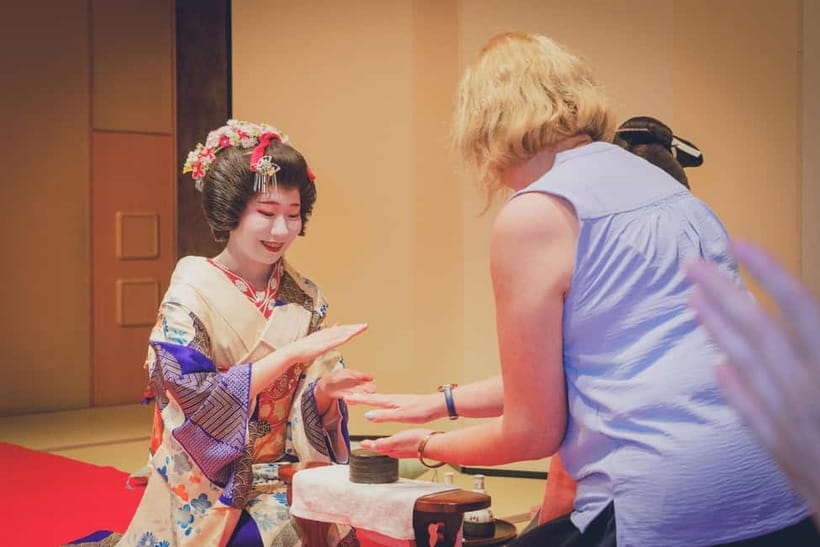
The included matcha arrives with seasonal Japanese sweets. The tea is freshly whisked, which gives you a more direct connection to Japanese tea practice than simply receiving a prepared green tea in a cup.
This is not presented as a full tea ceremony, and you should not book it expecting a detailed lesson in every tea-making movement. Instead, matcha forms part of the hospitality surrounding the entertainment. The sweets soften its bitterness and add a seasonal detail to the visit.
The sweets are light, not a substitute for lunch or dinner. Meals other than the sweets are not included, so plan to eat before or after if you need a proper meal. That timing is especially important if you book an evening session and have a hungry family in tow.
I like this pause because it gives the room a change of pace. You have watched the dance and tried the game, then you can sit with the tea and talk. The food is modest, but it fits the scale of the program and does not distract from the performers.
If you have never tried matcha, this is an easy introduction. You can taste it in a setting where it has a clear cultural place, rather than treating it as just another Tokyo drink. The host can also help explain the sweets and tea, though the exact level of explanation may depend on the session and translator.
Direct questions and a closer look at geisha life
The question period is one of the strongest reasons to choose this experience. You have a chance to speak directly with the geisha and ask about their work and daily life, with English support from the host or translator.
Prepare a few questions in advance. Ask about training, performance practice, the shamisen, the meaning of the dance, or the difference between geiko and maiko. Personal questions can be welcome, but good manners matter. You are entering someone’s workplace and cultural world, so listen carefully and avoid treating the performers as characters in a fantasy.
The translator makes a real difference here. Without language help, an elegant performance can remain beautiful but distant. With interpretation, you can connect the art to the people who practice it.
The conversation also explains why the experience feels more personal than a standard stage show. The owner and hosts take an active role in making the room welcoming, and the performers have time to respond rather than simply bow and leave. That hospitality has been one of the most praised parts of the program.
You should keep expectations sensible. Seventy-five minutes is enough for an introduction and some conversation, not a complete account of geisha culture. The value comes from the combination of direct contact, live performance, and a glimpse into a tradition that most visitors only see from the street.
The final photograph and what you take home
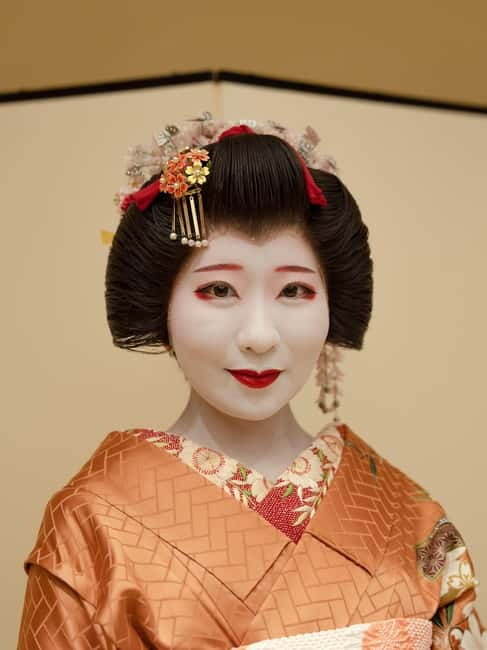
The program ends with a commemorative photo with the geisha. This gives you a clear closing moment and a keepsake that is more meaningful than a quick photograph taken from a distance.
The photo is also a practical advantage for couples and families. You can mark a honeymoon, birthday, or other special trip moment without having to arrange a separate photographer. One family had help celebrating a birthday during the visit, though special arrangements should not be assumed unless confirmed in advance.
Be respectful during photographs. Follow the host’s instructions, wait your turn, and avoid turning the final picture into a long personal photo session. The point is to remember the encounter, not to overwhelm it.
The photo should not be the main reason you book. If you want only a picture with someone in traditional dress, Asakusa offers less expensive options. The real value here is the full sequence: welcome, dance, music, game, tea, questions, and photo.
Is $106 a fair price?
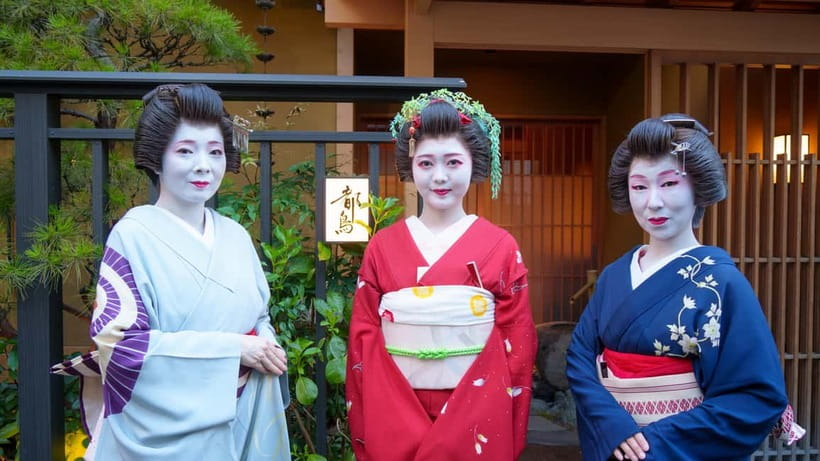
At $106 per person, this is not a bargain attraction. You are paying for a small-scale cultural program with real performers, live music, interpretation, refreshments, and a carefully managed setting.
I think the price is reasonable if you value direct access and a focused experience. A large show may give you more minutes of performance, but it will not necessarily give you the same chance to ask questions or join an ozashiki-asobi game. The small group size, reported at around 16 people in one session, can make the difference.
The price is less convincing if you want a full meal, a long tea ceremony, or a detailed academic presentation. Those are not what this program promises. You receive seasonal sweets rather than dinner, and matcha is part of the hospitality rather than a complete tea lesson.
Remember the mandatory drink. It can be alcoholic or non-alcoholic, but it is still an additional cost. Transportation to the Asakusa venue is also your responsibility.
The booking terms add useful flexibility. You can cancel up to 24 hours ahead for a full refund, and the reserve-now, pay-later option lets you hold a place without paying immediately. Check the available starting times because the program lasts 75 minutes and the schedule can affect your plans for Senso-ji, Nakamise-dori, or dinner in Asakusa.
Who will get the most from this experience?
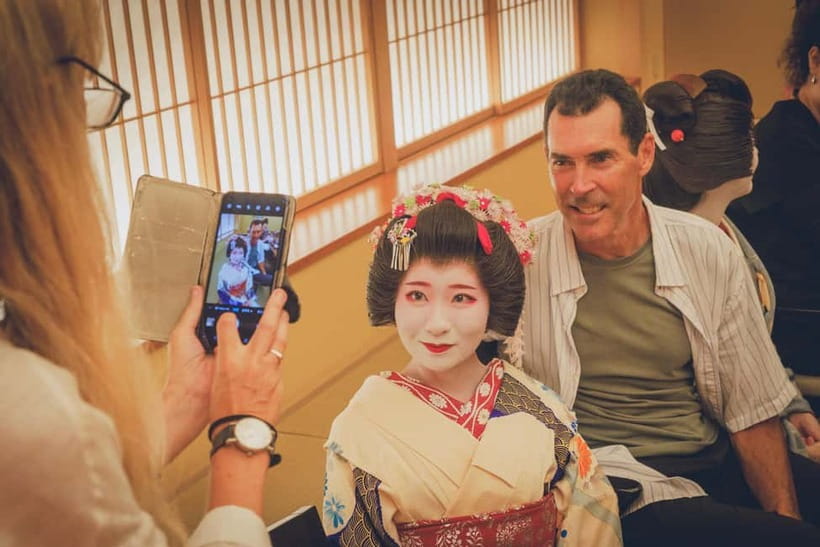
I would recommend it most strongly to:
- Couples seeking a distinctive Tokyo evening
- Solo visitors who want an easy social activity
- Small groups interested in traditional performance
- Families with children who can sit quietly for the dance
- First-time visitors who want context, not just photographs
- Anyone curious about music, dance, hospitality, and Japanese customs
It works particularly well as a special occasion activity. A honeymoon couple enjoyed the combination of dancing, games, and music, while another family used the visit to mark a birthday.
It is not ideal for someone who dislikes group participation. The game is part of the program, and you may be invited to join in. It may also disappoint visitors expecting a private meeting, a long banquet, or a full-length concert.
The English support makes the experience easier for international visitors, but the supplied information names English as the available language. If you need another language, confirm before booking.
How to prepare for the 75 minutes
Arrive early, especially if you are unfamiliar with Asakusa’s side streets. Bring a few respectful questions and be ready to take part in the game rather than only watching.
Dress neatly and comfortably. The setting is refined, but no special costume is listed as required. You will likely spend much of the program seated, so comfort matters as much as appearance.
Eat beforehand if you need a full meal. Seasonal sweets are included, but they are light. Also budget for the required drink so the final price does not surprise you.
Keep your camera ready for the closing photo, but follow the house rules during the performance. The most rewarding moments are likely to be the live music, careful dance, and conversation, not constant picture taking.
Should you book the Asakusa geisha experience?
I would book this if you want a short, well-shaped introduction to traditional Japanese performance with real human contact. The strongest parts are the live shamisen music, graceful dance, friendly question period, and Konpira Fune Fune game. That mix gives the program both dignity and humor.
I would skip it if you want a low-cost attraction, a full dinner, or a private event with no extra drink charge. At $106 plus one required drink, it asks you to pay for quality, access, and atmosphere.
For the right visitor, this can become one of the more memorable parts of a Tokyo visit. You leave with a better sense of the work behind geisha performance, a taste of matcha and seasonal sweets, and a photograph that marks a genuine cultural encounter in Asakusa.
FAQ
Where does the geisha experience take place?
It takes place at Miyakodori’s Ozashiki Tea House in Asakusa, a district of Tokyo on Honshu.
How long does the experience last?
The cultural program lasts 75 minutes.
What is included in the price?
The experience includes the meeting with real geisha, a dance performance, live shamisen music, the ozashiki-asobi game, seasonal Japanese sweets, freshly whisked matcha, and a commemorative photo with the geisha.
Is a drink included?
Matcha is included, but each person must order one additional alcoholic or non-alcoholic drink. That drink is not included in the stated price.
Is the experience available in English?
English is listed as the available language, and an English-speaking host or greeter is provided. A translator helps with communication during the program.
Can I cancel the booking?
You can cancel up to 24 hours in advance for a full refund. A reserve-now, pay-later option is also available.
Just added around Tokyo
- Private Arrival Transfer : Narita International Airport to Central Tokyo City★ 4.5 · 12 reviews
- Narita Airport(NRT): Private Transfer to Tokyo/Yokohama 1-9pax★ 5.0 · 47 reviews
- Private Transfer from Narita Airport to Yokohama Port and City★ 4.5 · 17 reviews
- [Narita Airport Terminals 1, 2] 40-60km Sawara Itako Historic Bike Tour★ 5.0 · 13 reviews
- 3 Day Japan Highlights Tour: Tokyo, Mt.Fuji, Nara, Kyoto, Osaka★ 5.0 · 22 reviews
- Small Town in the Big City: Tasting Tokyo’s Kichijoji★ 5.0 · 195 reviews
- Small Town in the Big City: Tasting Tokyo’s Kichijoji★ 5.0 · 16 reviews
- The 10 Tastings of Tokyo With Locals: Private Street Food Tour★ 5.0 · 48 reviews
Tokyo Tours, compared.

Mt Fuji and Hakone 1-Day Bus Tour Return by Bullet Train
Read our review →
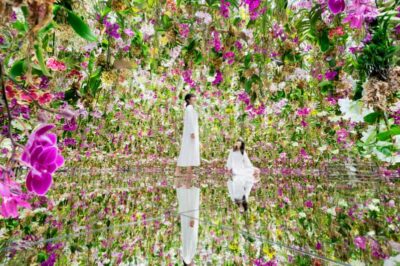
teamLab Planets TOKYO Digital Art Museum Entry Ticket
Read our review →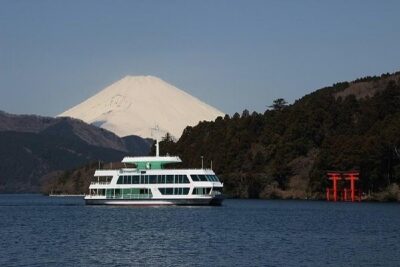
Mt Fuji & Hakone Cruise, Drum Show Bullet Train 1 Day from Tokyo
Read our review →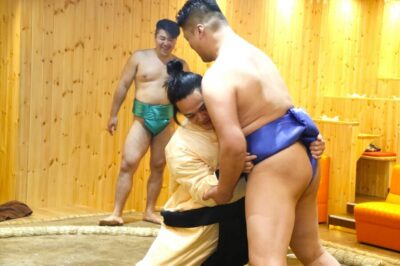
Sumo Show Experience with Chicken Hot Pot and a Photo
Read our review →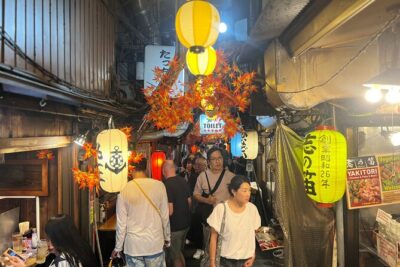
Shinjuku Food Tour (13 Dishes at 4 Local Eateries)
Read our review →
Tokyo Mt Fuji 5th St & Hakone Cruise Bus Tour w/Bullet Train
Read our review →
Flagship 2-Hours Official Street Go-Kart Tour – Tokyo Bay Shop
Read our review →Browse the lists this tour appears in