
Reviewed · TOKYO TOURS
East Tokyo Go-Kart Tour
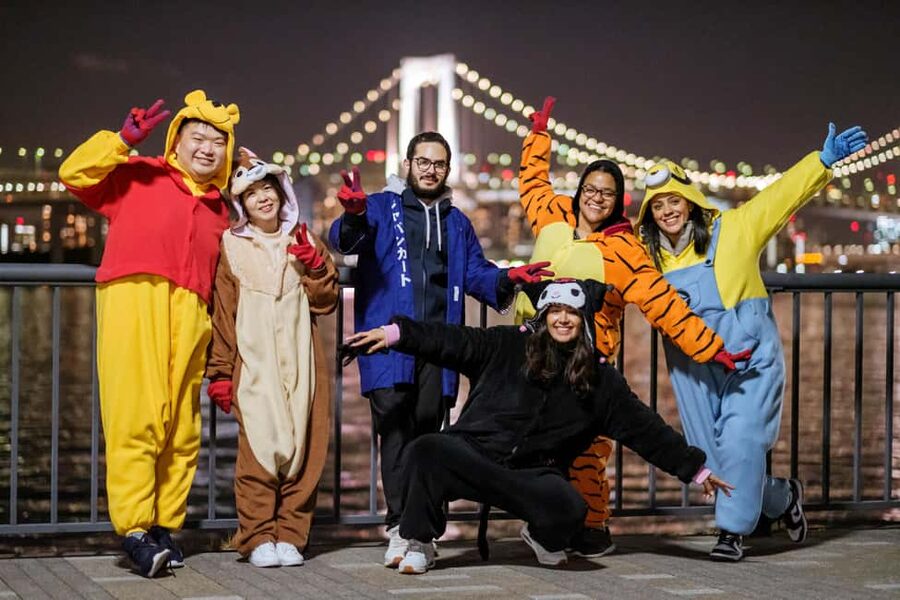
Tokyo sightseeing usually means trains, sidewalks, and necks craned toward skyscrapers. This tour changes the view: you sit low in a go-kart and drive on public roads through Tokyo Bay, Ginza, Akihabara, Ueno, and Asakusa. The Rainbow Bridge and city lights feel very different when you are part of the traffic rather than watching it from a platform.
I like the strong safety routine and the small groups, capped at 10 people. I also like that the price includes the kart, fuel, costume, taxes, and photos, so you are not paying extra for the fun extras. The main consideration is simple: you must have the correct Japanese driving documents, and driving takes enough concentration that this is not a relaxed sightseeing bus tour.
Quick points before you book
- Rainbow Bridge and Tokyo Bay: The two-hour route includes some of East Tokyo’s best open views and a photo stop near the water.
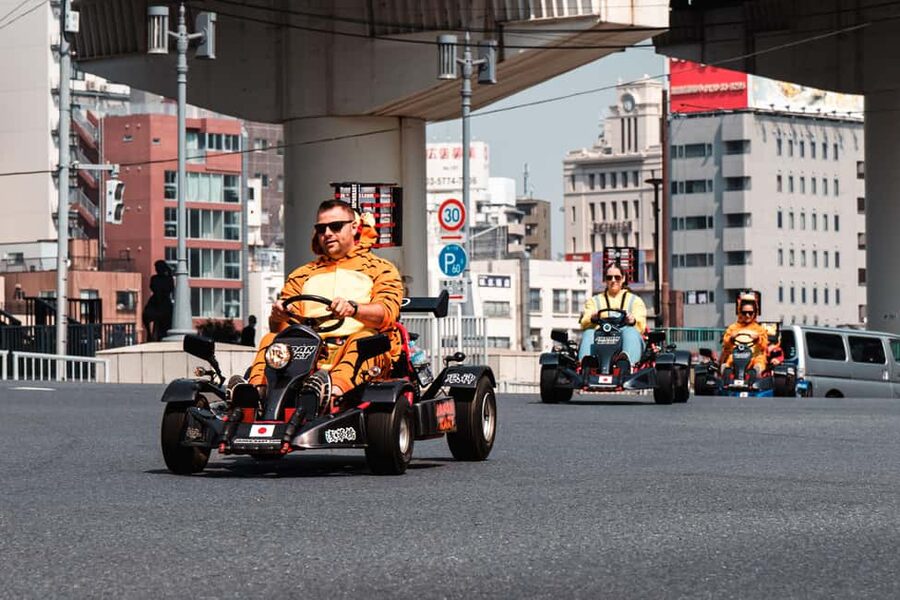
- A real public-road experience: You drive through city traffic, not around a closed amusement-park track.
- Two route lengths: Choose the longer route through Ginza and Nihonbashi, or the one-hour SkyTree route covering Asakusa, Ueno, Akihabara, and Ueno Park.
- Safety comes first: English instructions, a demonstration, lead and tail guides, and group stops help you get comfortable.
- Costumes and free photos: You can choose a costume, and staff take photos during the ride at no added charge.
- Document rules are strict: Your passport, home-country license, and accepted 1949 Geneva Convention IDP must be physically present.
What driving through East Tokyo really feels like
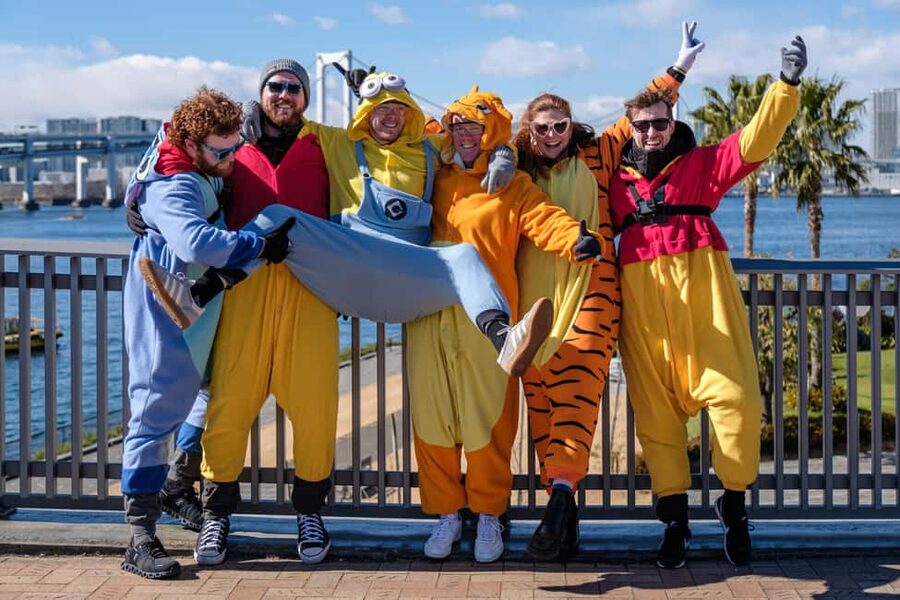
The appeal is not just the novelty of a tiny kart. You are moving through Tokyo at street level, with buildings, signs, bridges, and passing traffic arriving in quick succession. People may wave or take pictures, and the costume element adds a playful touch without turning the entire outing into a theme-park ride.
At first, the public-road setting can feel daunting. You are steering a small vehicle among regular cars, so your attention stays on road markings, signals, traffic, and the guide ahead. Several details help: the staff give a full safety briefing, demonstrate the controls, and lead the group while another guide helps keep the rear of the line together.
That setup matters. This is not the kind of activity where you simply show up, jump into a kart, and race. The guides explain how to handle the kart and how to follow Tokyo’s traffic rules. If you need part of the instructions repeated, the staff are prepared to go over it again.
The tour is limited to 10 participants, though the actual group can be smaller. A small group makes it easier for the guides to watch the line and stop if people become separated. The pace still depends on traffic, road conditions, and the size of the group, so do not expect racing or a fixed high speed.
More karting in Tokyo:
- Flagship 2-Hours Official Street Go-Kart Tour – Tokyo Bay Shop
★ 5.0 · 4,974 reviews - Official Street Go-Kart in Shibuya
★ 5.0 · 3,435 reviews - Official Street Go-Kart Tour – Akihabara
★ 5.0 · 1,578 reviews
The two-hour route from Tokyo Bay to Asakusa
The longer route is the better choice if you want a broad sample of East Tokyo. The driving portion lasts about two hours on the longer outing, though you should allow roughly two and a half hours from arrival through the end in some cases. Another practical estimate is 90 minutes to 100 minutes for the whole activity on certain departures, so check the exact route and schedule when booking.
Tokyo Bay and Rainbow Bridge
The route begins by heading toward Tokyo Bay, with a break along the way. This is one of the strongest parts of the outing because the city opens up. Instead of narrow streets and tall buildings on both sides, you get water views and a look toward the Rainbow Bridge.
The guides may stop at a scenic point for a group photo and a short rest. A toilet break can fit into this pause as well. The stop is useful because it gives you a chance to put your hands down, look around, and catch your breath after the first stretch of driving.
The best time depends on the departure. Evening rides can bring city lights and a more theatrical feel, while daylight gives you a clearer view of the bay and bridges. Sunset departures can be popular, but the exact timing is not guaranteed. Weather also matters here. Rain can make the road surface less comfortable, and the open bay section is less enjoyable in poor conditions.
Ginza
From Tokyo Bay, the route passes through Ginza, Tokyo’s polished shopping district. Here, the outing feels less like a scenic drive and more like a moving city show. Department stores, luxury storefronts, traffic signals, and office towers frame the road.
Ginza is a good reminder that this is sightseeing by motion. You will see plenty, but you will not stop at the shops or have time to study architecture. I would not choose this tour as your main way to learn about Ginza. I would choose it because you want the unusual sensation of driving through one of Tokyo’s best-known districts.
A few more Tokyo half-days to weigh up
- Mt Fuji and Hakone 1-Day Bus Tour Return by Bullet Train
★ 5.0 · 26,383 reviews - 1-Day Tokyo Bus Tour
★ 5.0 · 14,250 reviews - Tokyo: TOKYO SKYTREE® Admission ticket
★ 4.5 · 11,192 reviews - Tokyo: teamLab Planets TOKYO Digital Art Museum Entry Ticket
★ 4.6 · 9,779 reviews
Nihonbashi and Kanda
The route continues through Nihonbashi and Kanda. These sections add a different texture to the outing, with older commercial areas mixed with major roads and modern development.
You pass through rather than explore on foot, so the value lies in the sequence. Tokyo changes from bayfront openness to high-end shopping streets, then to established central neighborhoods. The guide keeps the group moving, and short pauses are used for safety or photos rather than formal historical talks.
That is an important distinction. The English-speaking instructor helps you operate the kart and follow the route, but this is not a traditional guided history walk. If you want detailed explanations of each landmark, plan separate visits to the districts afterward.
Akihabara
Akihabara brings the familiar electric-town energy, with colorful signs and shops tied to electronics, games, and pop culture. From a kart, you get a quick but memorable pass through the district.
This part works especially well for first-time visitors who want to connect several Tokyo images in one outing. The drawback is that the road itself demands attention. You may remember the signs and atmosphere more than the exact names of buildings or side streets.
Ueno
Ueno provides one of the more welcome changes in the route. The area is known for Ueno Park and its cultural attractions, and the ride gives you a glimpse of this older, greener side of central Tokyo before continuing onward.
One rider particularly enjoyed the Ueno section, and I can understand why. After the large roads and bright commercial districts, Ueno feels more grounded. Still, you are only passing through. Save time on another day if you want to visit the park, museums, or market streets properly.
Asakusa
The route finishes in Asakusa, one of the city’s best areas for seeing an older side of Tokyo. The district is associated with traditional streets, temple scenery, and the landmark Sensō-ji area, though the kart route itself is a pass-through rather than a temple tour.
Asakusa is also a smart place to build into your day. You can visit the district before or after the ride, and the shop near Tokyo Skytree makes it easy to pair the outing with that attraction. Keep in mind that the meeting point and route can vary, so confirm the exact branch before planning your sightseeing schedule.
The one-hour SkyTree route
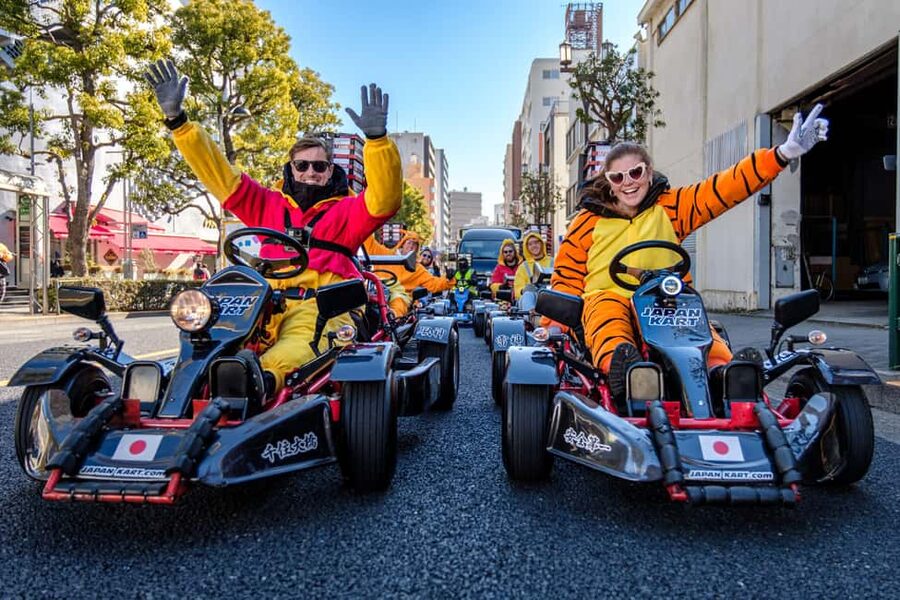
The shorter tour starts from the JAPANKART SkyTree branch at a different meeting point. It runs for about one hour and focuses on Asakusa, Ueno, Akihabara, Ueno Park, Kappabashi Kitchen Tools Street, and Tokyo Skytree.
I would choose this route if your schedule is tight or if you mainly want the kart experience without committing a large part of your day. Kappabashi is a fun addition because its shops are aimed at kitchen tools and restaurant supplies, a side of Tokyo that many first-time visitors miss.
The one-hour option gives you less time on the road and fewer districts than the longer outing. It may suit you better if you have a dinner reservation or a packed sightseeing plan. If Rainbow Bridge and Tokyo Bay are the main reason you are interested, choose the longer route instead.
The two branches should not be confused. The SkyTree route has a different starting point, so read your confirmation carefully and allow time to find the correct shop.
Safety, traffic, and the learning curve
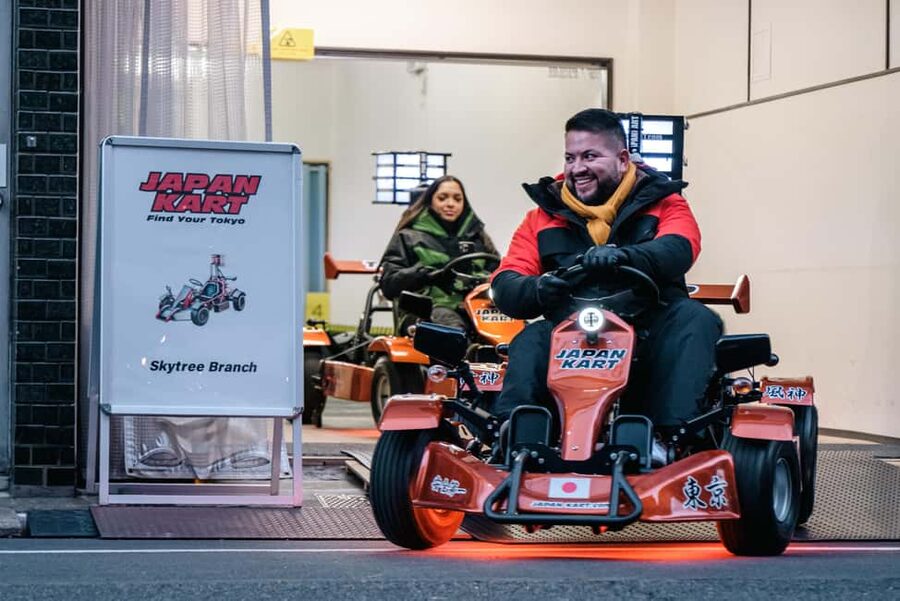
The first few minutes are the part most likely to test your nerves. A go-kart sits much lower than a car, and driving into Tokyo traffic can feel exposed. The pre-ride explanation helps, but you still need to stay alert.
The guides use a lead vehicle and a tail vehicle on at least some departures. They work to keep the line together and stop when the group gets split up. That does not remove the need for care, but it gives you a clear structure to follow.
You should also expect normal road issues. Traffic can be busy, cars may change lanes near you, and wet pavement can make handling less comfortable. One rider noted that the kart felt faster than expected and that concentrating on driving reduced the time available for sightseeing. That is a fair warning.
I would not book this if you dislike driving in traffic or want a quiet way to see Tokyo. I would book it if you enjoy driving, can follow instructions, and like an activity that puts you inside the city’s daily movement.
No high heels, sandals, flip-flops, bare feet, alcohol, or drugs are allowed. Alcoholic drinks cannot be taken in the vehicle. Wear secure, closed shoes and practical clothing.
Costumes, cameras, and what is included
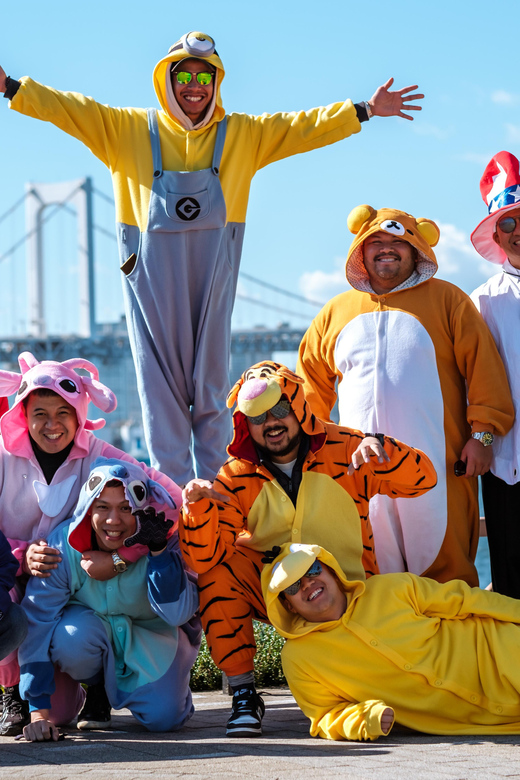
The $64 price is reasonable for the longer outing when you consider what is included. You get the kart, fuel, taxes, costume use, and photos. There is no separate charge for the staff-shot images, which improves the value because you can focus on driving rather than trying to take pictures yourself.
The costume selection adds silliness, but it is optional in spirit even if the activity is designed around a playful look. Staff have also helped with practical issues such as providing shoes when a participant arrived in sandals. I would not rely on that possibility, though. Bring suitable footwear from the start.
You can bring a phone or GoPro, and harnesses may be available for securing a camera. Ask the staff about the safest way to carry it before setting off. Taking pictures while driving is a distraction, so the included photos are a useful part of the package.
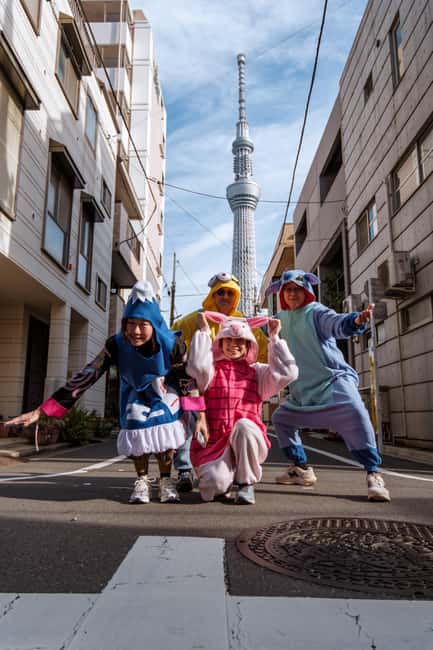
At scenic stops, the guides take group shots and individual pictures along the way. Some departures have also included a drink or snack at the end, but these should be treated as a pleasant extra rather than a guaranteed feature.
The paperwork can make or break your day
This is the most important booking issue. You must arrive with all three of the following:
- Your valid driving license from your country of origin
- An International Driving Permit issued under the 1949 Geneva Convention by an approved authority in your own country
- Your passport
Japan does not accept an IDP issued under the 1968 Vienna Convention for this activity. An online document from an unapproved company will not solve the problem. The IDP must be a physical booklet, not a loose paper printout.
If your license is from Switzerland, Germany, France, Taiwan, Belgium, Estonia, or Monaco, the required documents are different. You need your original license, an official Japanese translation from the authorized organization, and your passport.
US military personnel need a combination of an active military ID, a SOFA license, and a stateside driver’s license.
Staff can deny participation if your documents are missing or invalid, and there is no refund for forgetting your license, IDP, or required translation. Check this before paying. If you are uncertain, contact JAPANKART directly and have the documents checked in advance.
Drivers must be at least 18. The activity is offered in English, and the small-group format helps the instructor give clear directions.
Weather, timing, and the best departure
Weather can change the experience considerably. In rain, the road is less comfortable and sightseeing is harder, though a well-prepared group may still continue. If conditions are poor, the operator may cancel and offer a full refund or a rescheduled date, depending on availability.
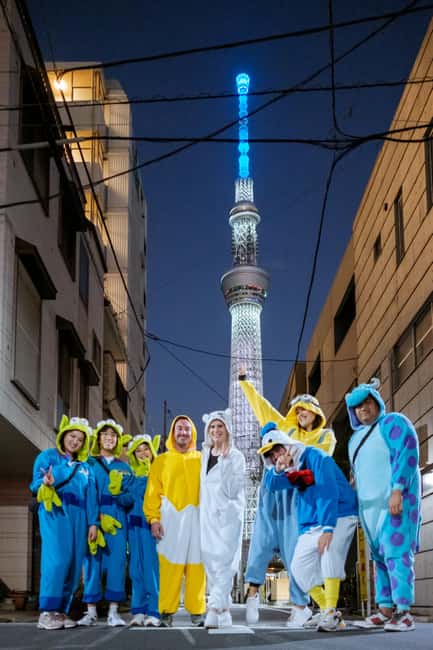
If you have flexibility, I would consider an evening departure. Tokyo’s districts take on a different mood after dark, especially around Ginza and the bay. Daytime departures make it easier to see the details of the streets and bridges. The best choice depends on your priority, photos and clear views by day, or lights and atmosphere at night.
Traffic also changes by time and day. The route is on public roads, so no departure can promise empty streets. A quieter evening slot may make the ride feel easier, but you should still expect ordinary Tokyo traffic.
Build in extra time before and after the tour. Mechanical problems can lead to schedule changes, and kart availability may require the operator to adjust bookings at full capacity.
Who should book the East Tokyo Go-Kart Tour?

I think this is best for adults who want an active, unusual way to see several districts in one outing. It works well for couples, friends, families with adult children, and anyone who enjoys driving more than sitting through a standard city tour.
It is also useful when your feet need a break. The kart covers in two hours what would take far longer on foot, and you still get a quick look at several parts of East Tokyo.
You should skip it if you want in-depth landmark explanations, long photo stops, or a calm sightseeing pace. You should also skip it if you cannot secure the correct documents, dislike traffic, or are not comfortable driving in changing weather.
At $64, the value is strongest on the two-hour route. The included fuel, costume, photos, and small-group guidance keep the extra charges down. The one-hour route makes sense for a tighter itinerary, but the longer ride gives you more variety and a better chance to enjoy the bay section.
Should you book it?
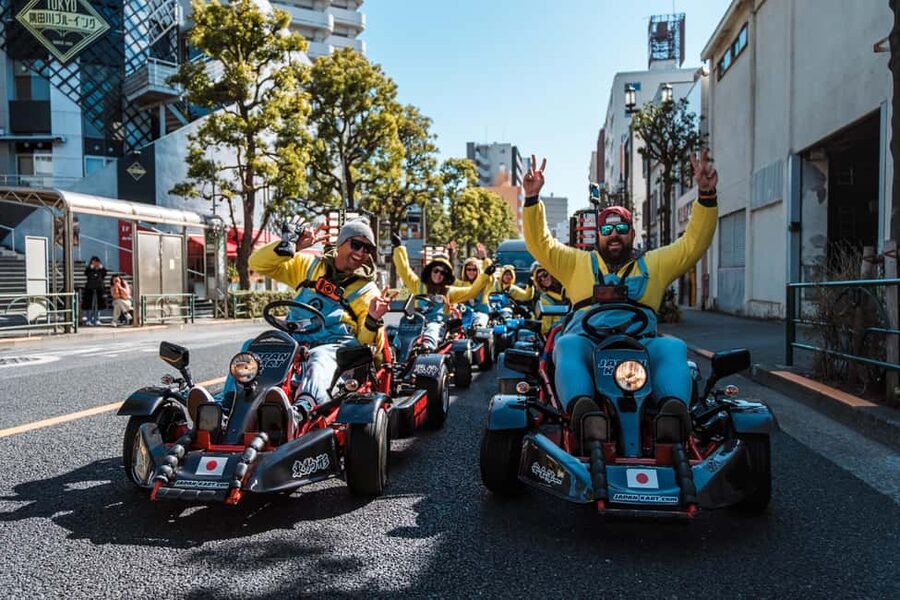
Book this tour if you want to feel Tokyo rather than simply look at it. The Rainbow Bridge views, costume photos, helpful guides, and route through Ginza, Akihabara, Ueno, and Asakusa create a memorable two hours.
My advice is to choose the two-hour tour, wear closed shoes, bring every original document, and avoid scheduling it on a day when rain would ruin your plans. If you meet those conditions and enjoy a little controlled road excitement, this is a strong use of $64.
FAQ
How much does the East Tokyo Go-Kart Tour cost?
The listed price is $64 per person. Go-kart use, fuel, taxes, costumes, and photos are included.
How long does the tour last?
Available tour times range from about 90 to 150 minutes. The longer route includes about two hours of driving, while the SkyTree branch offers a route of about one hour.
Where does the tour meet?
The meeting point is at the activity provider’s shop near Tokyo Skytree Tower. The one-hour SkyTree route uses a different branch and meeting point, so check your booking details carefully.
What areas does the two-hour route visit?
The longer route passes through Tokyo Bay, Ginza, Nihonbashi, Kanda, Akihabara, Ueno, and Asakusa. It includes a break and scenic photo opportunities.
What areas does the one-hour route visit?
The one-hour SkyTree route covers Asakusa, Ueno, Akihabara, Ueno Park, Kappabashi Kitchen Tools Street, and Tokyo Skytree.
What driving documents do I need?
You need your home-country driving license, a physical International Driving Permit issued under the 1949 Geneva Convention by an approved authority in your own country, and your passport.
Are 1968 Vienna Convention international driving permits accepted?
No. International Driving Permits issued under the 1968 Vienna Convention are not accepted for this activity.
Can drivers under 18 participate?
No. Drivers must be at least 18 years old.
What happens if bad weather cancels the tour?
You can receive a full refund if the operator cancels because of bad weather. Rescheduling may also be possible, depending on availability.
Just added around Tokyo
- Private Arrival Transfer : Narita International Airport to Central Tokyo City★ 4.5 · 12 reviews
- Narita Airport(NRT): Private Transfer to Tokyo/Yokohama 1-9pax★ 5.0 · 47 reviews
- Private Transfer from Narita Airport to Yokohama Port and City★ 4.5 · 17 reviews
- [Narita Airport Terminals 1, 2] 40-60km Sawara Itako Historic Bike Tour★ 5.0 · 13 reviews
- 3 Day Japan Highlights Tour: Tokyo, Mt.Fuji, Nara, Kyoto, Osaka★ 5.0 · 22 reviews
- The 10 Tastings of Tokyo With Locals: Private Street Food Tour★ 5.0 · 48 reviews
- Small Town in the Big City: Tasting Tokyo’s Kichijoji★ 5.0 · 195 reviews
- Small Town in the Big City: Tasting Tokyo’s Kichijoji★ 5.0 · 16 reviews
Tokyo Tours, compared.
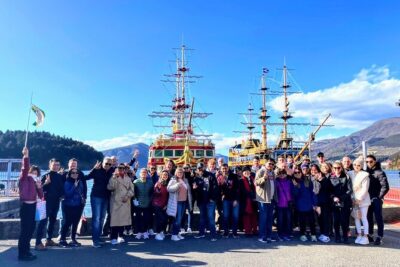
Mt Fuji and Hakone 1-Day Bus Tour Return by Bullet Train
Read our review →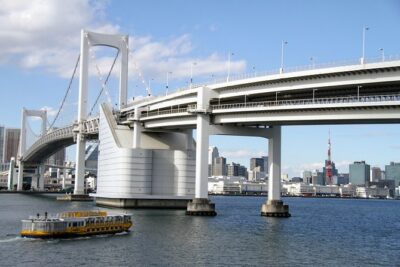
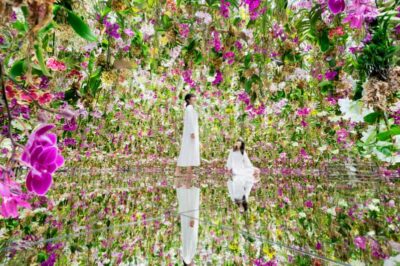
teamLab Planets TOKYO Digital Art Museum Entry Ticket
Read our review →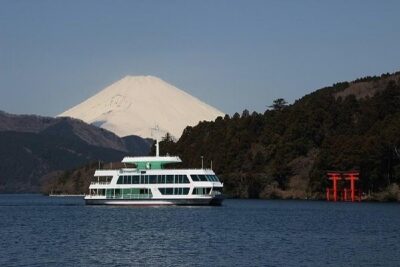
Mt Fuji & Hakone Cruise, Drum Show Bullet Train 1 Day from Tokyo
Read our review →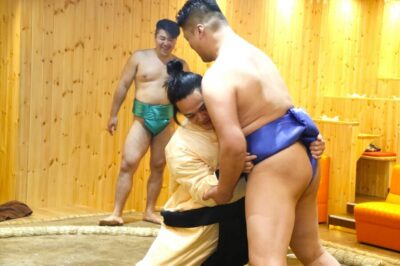
Sumo Show Experience with Chicken Hot Pot and a Photo
Read our review →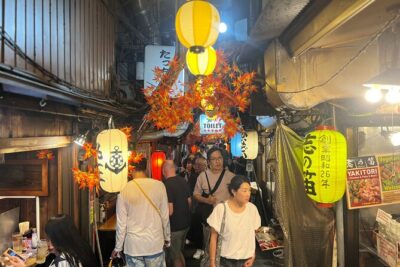
Shinjuku Food Tour (13 Dishes at 4 Local Eateries)
Read our review →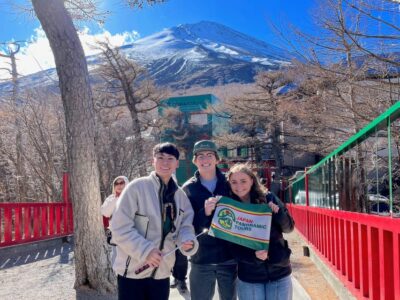
Tokyo Mt Fuji 5th St & Hakone Cruise Bus Tour w/Bullet Train
Read our review →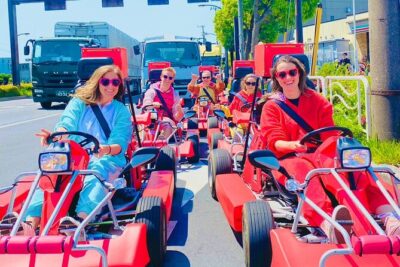
Flagship 2-Hours Official Street Go-Kart Tour – Tokyo Bay Shop
Read our review →Browse the lists this tour appears in