
Reviewed · KAMAKURA TOURS
From Tokyo: Kamakura & Enoshima 1-Day Bus Tour
Kamakura gives you samurai-era Japan, quiet shrines, a giant bronze Buddha, and an easy taste of the coast without leaving Tokyo for an overnight trip. This tour packs those sights into one long day, then adds Enoshima Island, where narrow lanes, seafood restaurants, shrines, and ocean views provide a change of pace.
I like the efficient route and the useful mix of guided visits and free time. I also like that the Great Buddha and Hase-dera entrance fees are included, along with roundtrip bus transport. The main catch is time: traffic can make the return slow, and Enoshima involves plenty of stairs if you try to reach every viewpoint and cave.
Key points to know before booking
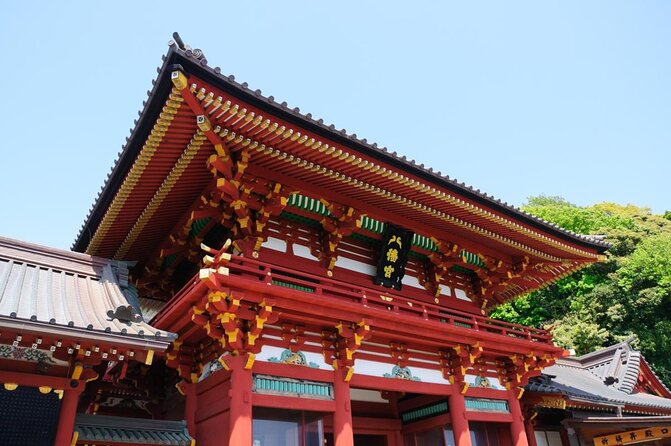
- Four major stops in one day: See Tsurugaoka Hachimangu, the Great Buddha, Hase-dera, and Enoshima without changing trains or planning several local connections.
- Komachi Street adds local flavor: Use the shopping time for snacks, small crafts, souvenirs, and lunch options near Kamakura’s main shrine.
- Enoshima is the scenic finale: Clear weather may bring views toward Mt. Fuji, while the island’s shrines and Samuel Cocking Garden offer plenty to explore.
- The guide can shape the day: Guides including Omar, Yuki, Chen, Mitsuko, and Koji have been praised for clear explanations, kindness, and practical advice, though the quality of commentary can vary.
- Expect a strict schedule: The bus leaves on time, and delays are not accommodated. Arrive at least 10 minutes early at the exact pickup point.
- The price is reasonable for transport and admissions: At about $66.05 per person, the tour is good value if you want convenience more than a slow, independent visit.
Why Kamakura makes such a good escape from Tokyo
Tokyo is exciting, but it can wear you down. Kamakura offers a very different day: shrine paths, old religious sites, small shops, and the sea. It was once the center of Japan’s first major warrior government, and that samurai connection gives the town a strong sense of place.
I especially like this tour for first-time visitors to the Tokyo area. You get a broad introduction without having to work out the train changes, local buses, admission tickets, and walking route yourself. The air-conditioned bus is also welcome after several hours on your feet.
The tradeoff is that this is an overview, not a slow cultural study. You will see several important places, but you will not have unlimited time at any one of them. The day lasts about nine to ten hours, and the drive back to Tokyo can become long when traffic builds.
A few more Kamakura half-days to weigh up
- Tokyo: Kamakura & Enoshima Day Trip including Temple Tickets
★ 4.5 · 1,375 reviews - Exciting Kamakura – One Day Tour from Tokyo
★ 5.0 · 40 reviews - Mt Fuji and Hakone 1-Day Bus Tour Return by Bullet Train
★ 5.0 · 26,383 reviews
Tsurugaoka Hachimangu and Komachi Street
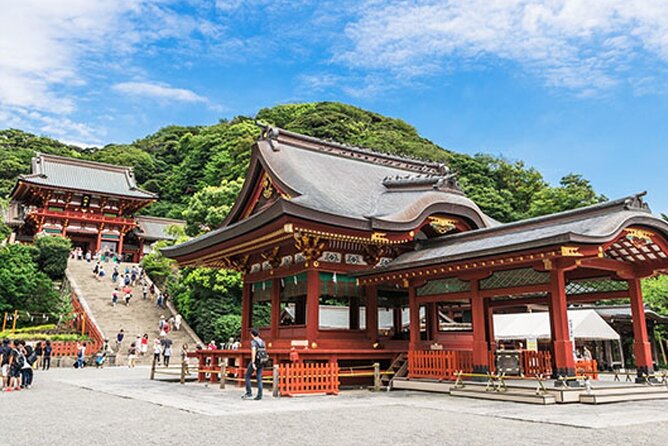
The day begins at Tsurugaoka Hachimangu, Kamakura’s main Shinto shrine and one of its most important religious sites. A large torii gate marks the approach, which leads toward ponds, koi, shrine buildings, and broad walkways.
The suggested two-hour stop gives you enough time to see the shrine properly rather than making a quick photo stop. Your guide may explain the shrine’s connection to Minamoto no Yoritomo, the founder of the Kamakura shogunate, and point out smaller buildings such as Shirahata Shrine near Yanagihara Pond.
This is a good place to pay attention to the difference between a shrine and a temple. Tsurugaoka Hachimangu is Shinto, with torii gates and shrine rituals, while later stops introduce Buddhist traditions. That contrast helps make the day more than a string of attractive buildings.
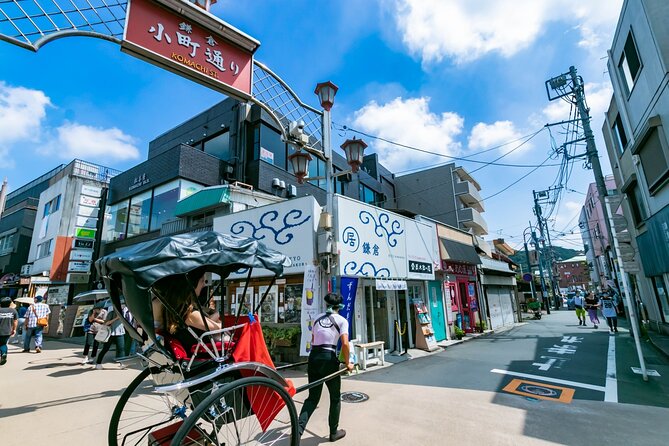
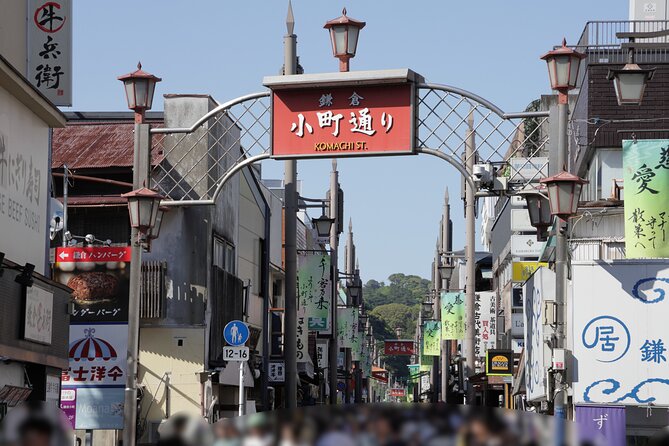
Komachi Street is part of this first visit. The shopping street runs toward the shrine and is lined with snack shops, restaurants, handmade goods, and Kamakura souvenirs. You might find it crowded, but it is useful for buying small gifts or sampling local treats.
Allow time to eat here if you prefer a quick snack or want to browse. Still, do not spend the whole stop shopping. The shrine grounds are the cultural anchor of the morning, and the walking route offers more than the storefronts.
The Great Buddha at Kotoku-in
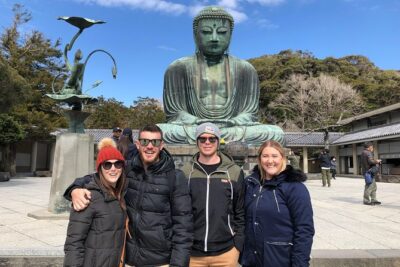
Kotoku-in is home to Kamakura’s famous Great Buddha, a bronze Amida Buddha that has sat outdoors for centuries. The statue is the reason many people first add Kamakura to their Tokyo plans, and it is genuinely impressive when you approach it through the temple grounds.
The visit is scheduled for about 30 minutes. That is enough to see the statue, take photographs, and absorb its scale, but it is not generous if the grounds are crowded. One small detail is especially useful: an additional 50-yen payment allows you to enter the space inside the Buddha from the rear. Bring a few coins if you want that option.
Crowds can also affect your plans if you want a goshuin, the temple seal and calligraphy often collected at Japanese religious sites. Lines may be too long during a short stop, so treat the seal as optional rather than a must-have.
The included admission fee makes this stop easy. You do not need to sort out payment while the group is moving, and the guide can tell you exactly where to meet afterward. Keep track of the meeting time. This is one of the places where a few extra minutes spent browsing can make the rest of the day stressful.
Hase-dera, Kannon, and the hilltop views
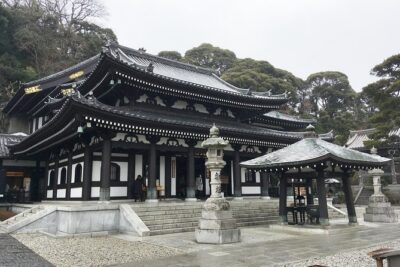
Hase-dera Temple usually receives about 50 minutes. The temple is known for its eleven-headed statue of Kannon, the Buddhist Goddess of Mercy. The image is housed inside, so the visit gives you a different experience from the open-air Great Buddha.
The temple grounds also rise up a hillside, with gardens and viewpoints over the Kamakura area. You should expect steps here. The walking is manageable for most people, but this is not a flat sightseeing day. Comfortable shoes matter, and hot or rainy weather can make the climb feel harder.
This stop often becomes a favorite because it combines religious art with outdoor space. You can follow the guide for context, then spend a few minutes on your own looking through the gardens or taking in the views. The admission fee is included.
The time limit is worth keeping in mind. If you want to study the statue, wander every path, and stop for photographs, 50 minutes can pass quickly. I would focus first on the main temple buildings and Kannon, then use any remaining time for the garden and viewpoint.
Same base, a completely different sort of day:
- Kamakura Historical Walking Tour with the Great Buddha
★ 5.0 · 129 reviews - Kamakura Private Tour: Temples, Nature, and the Great Buddha
★ 5.0 · 121 reviews - Kamakura Walking Tour – The City of Shogun
★ 5.0 · 100 reviews - Kamakura 4hr Private Trip with Government-Licensed Guide
★ 5.0 · 58 reviews
Enoshima Island brings the sea into the day
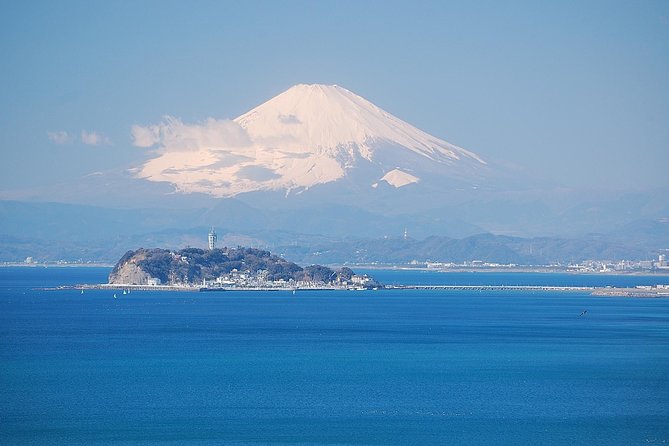
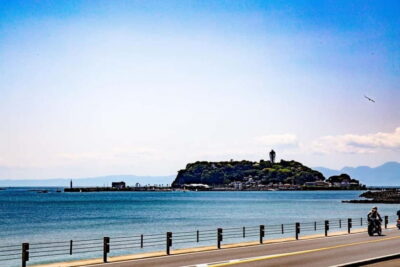
Enoshima is the final major stop and usually lasts around two hours. The island has a completely different feel from the formal shrine grounds in Kamakura. Its approach leads into a narrow shopping street filled with souvenirs, restaurants, and food shops, followed by steps and lanes climbing toward the shrine complex.
Enoshima Shrine is dedicated to Benzaiten, a goddess associated with music, wealth, and wisdom. The complex includes three shrines: Hetsu-no-miya, Nakatsu-no-miya, and Okutsu-no-miya. You can visit the shrines at your own pace, but remember that reaching the higher sections means walking uphill and climbing stairs.
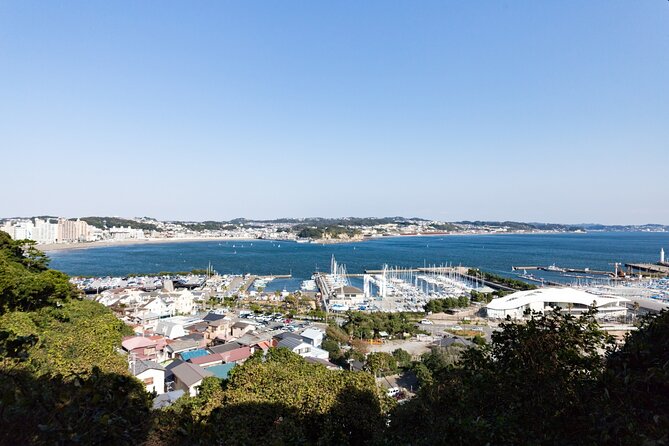
The island’s main reward is its coastal setting. On a clear day, you may see far across the water toward Mt. Fuji. The Samuel Cocking Garden and its observation lighthouse provide another viewpoint. The lighthouse rises 59.8 meters, with the top reaching 119.6 meters above sea level.
You may need to pay extra for the escalators, garden, or lighthouse if you choose to use them. The tour includes temple admission at Hase-dera and Kotoku-in, but Enoshima’s optional attractions are not listed as included. Keep some cash available and check the timing before committing to a long side route.
The island can be more tiring than it first appears. One route involving the escalators, stairs, and Iwaya Cave required a great deal of walking, with one account estimating more than 600 steps. The cave is not essential to enjoy Enoshima, so do not feel obliged to force it into a short stop.
Lunch takes planning
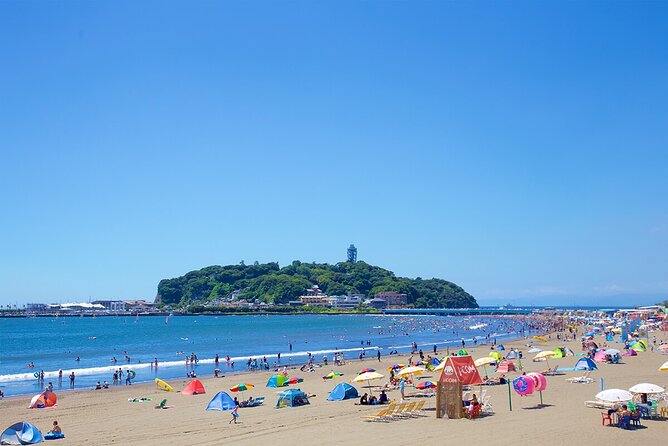
Lunch is not included, which is fair for a tour that allows you to choose your own food. Enoshima offers seafood and other restaurant choices, while Komachi Street has snacks and casual food near Tsurugaoka Hachimangu.
The timing may not always land perfectly. If traffic forces the route to change, you could reach Enoshima around 11 a.m., before some restaurants are fully open. A quick snack from Komachi Street or the island shopping lane can help bridge the gap.
I would not wait until the last minute to decide where to eat. Ask your guide for practical suggestions early in the day. Several guides, including Yuki and Mitsuko, have been praised for helping with food choices and giving clear directions.
What the guide adds to the day
The best version of this tour depends heavily on the guide. Omar has been praised for his humor, historical explanations, and professional manner. Yuki has been described as attentive, quick to help, and warm with the group. Chen, Mitsuko, Koji, and other guides have also received praise for clear directions and friendly service.
The guide usually helps with timing, meeting points, cultural context, and practical decisions such as where to eat. That support is valuable when you are moving through four different sites in one day.
There is one important qualification: commentary may be given in both English and Chinese on the same bus, depending on the group. That can mean less English explanation time than you expect. Guide quality can also vary. One departure was criticized for providing mostly logistics and very little history, while another guide’s English was difficult for some passengers to follow.
If cultural explanation is your main reason for booking, ask at the start how the commentary will work. If you mainly want transport, entry to the key temples, and help staying on schedule, the tour still serves that purpose well.
The bus, group size, and return to Tokyo
The tour uses an air-conditioned vehicle and can include up to 90 people. Actual group size may be smaller, and some departures have felt manageable rather than oversized. The bus may have USB charging ports, though vehicle comfort is not guaranteed to be identical on every departure.
One issue to watch is seating. A poor seat over a wheel arch or at the back of an older bus can make a long day less comfortable. If you are traveling as a group, arrive early and follow the assigned seating directions.
The bus returns only to the Shinjuku area near the West Exit. It does not return to Ikebukuro. Build this into your evening plans, especially if you have a dinner reservation, theater booking, or airport transfer.
Traffic is the biggest uncertainty. The outward journey may be reasonable, but the return can take much longer than expected. The tour operates in rain and other ordinary weather unless the local operator cancels it, and road conditions can change the order of the stops.
Meeting point rules are strict
The listed meeting point is Shinjuku Post Office at 1-chome-8-8 Nishishinjuku, Shinjuku City. The general tour description refers to two centrally located Tokyo pickup choices, so check your booking confirmation carefully for the pickup you selected.
Look for a guide holding a pale blue flag. Arrive at least 10 minutes early, and use the exact Google Maps location supplied with your booking. The bus leaves on time and will not wait for late arrivals, even if you have called ahead.
This is not the kind of tour where you should rely on finding the group at the last second. Contact details may not be responsive outside weekday business hours, listed as 9:30 a.m. to 6 p.m. Japan time. If you may be late or need to change the pickup point, contact the operator at least 24 hours ahead.
One piece of luggage per person is allowed. Luggage stored in the trunk must fit within a combined height, width, and depth of 155 centimeters, and you cannot access it between stops. Keep passports, medicines, cameras, and other valuables with you.
Is $66.05 good value?
At about $66.05 per person, I consider this a fair price for a full day from Tokyo. You receive roundtrip bus transportation, an English or Chinese-speaking guide, taxes, and admission to Hase-dera and Kotoku-in.
The value is strongest if you want to avoid planning. Train travel to Kamakura and Enoshima is possible, but you would need to organize the route, manage several local connections, buy admissions, and keep an eye on the clock. The bus handles the long-distance movement and gives you a clear framework for the day.
Independent visitors may spend less and gain more time at a favorite site. You will also have less control over lunch, the order of stops, and how long you stay at Enoshima. The tour is best viewed as a convenient introduction, not the cheapest or slowest way to experience the area.
Free cancellation is available up to 24 hours before the start time. Cancellations made inside that window are not refunded, and the operator may cancel if the minimum group size of 10 is not reached.
Who should book this day trip?
I would choose this tour if you have limited time in Tokyo and want to see Kamakura’s main sights plus Enoshima in one outing. It suits families, first-time visitors, and anyone who prefers a guide and fixed transport.
It also works well if you like a balance of explanation and personal time. You can walk with the guide for history, then break away to shop, eat, or photograph the sites, as long as you return on time.
I would think twice if you dislike group schedules, stairs, long bus rides, or crowded religious sites. You should also consider an independent visit if your priority is spending half a day at one temple, collecting goshuin, or exploring Enoshima’s cave and lighthouse without watching the clock.
FAQ
How long does the Kamakura and Enoshima tour last?
The tour lasts approximately nine to ten hours, including transportation from Tokyo and the return journey.
Where does the tour begin?
The listed meeting point is Shinjuku Post Office at 1-chome-8-8 Nishishinjuku, Shinjuku City, Tokyo. Check your booking details carefully because the general description refers to two Tokyo pickup locations.
Where does the tour end?
There is one drop-off point near Shinjuku Station’s West Exit. The bus does not return to Ikebukuro.
What sights are included?
The day includes Tsurugaoka Hachimangu Shrine, Komachi Street, Kotoku-in and the Great Buddha, Hase-dera Temple, and Enoshima Island with its shrine complex and ocean viewpoints.
Are admission fees included?
Admission to Hase-dera and Kotoku-in is included. The tour does not list all optional Enoshima attractions, such as the lighthouse or other paid facilities, as included.
Is lunch included?
No. Lunch is not included, so you need to pay for your own food at Kamakura or Enoshima.
What languages are available?
An English or Chinese-speaking guide is provided. Depending on the number of participants, English and Chinese commentary may be given on the same bus.
How early should I arrive?
Arrive at least 10 minutes before departure at the exact meeting point shown in your booking details. The bus departs on time and cannot wait for late arrivals.
Can I bring luggage?
One piece of luggage per person is allowed. Trunk luggage must not exceed 155 centimeters when its height, width, and depth are added together, and you cannot access it between stops.
Should you book it?
Book this tour if you want a practical, good-value introduction to Kamakura and Enoshima without handling the transport yourself. The combination of the Great Buddha, Hase-dera, Tsurugaoka Hachimangu, Komachi Street, and island views gives you a lot in one day.
Go in with the right expectations: this is a brisk group outing, not a private guide or a leisurely temple retreat. Arrive early, wear shoes suited to stairs, keep lunch flexible, and leave your evening open in case Tokyo traffic slows the return. With those points in mind, the tour is a sensible way to trade one busy Tokyo day for shrines, samurai-era landmarks, and fresh coastal air.
Just added around Kamakura
- When Emperors Reigned and Shoguns Ruled★ 5.0 · 43 reviews
- First time in Kamakura? Enjoy a Tour of All Must-sees!★ 5.0 · 15 reviews
- Your Own HANKO Name Seal Activity in Kamakura.★ 5.0 · 24 reviews
- Kamakura Bamboo Forest and Great Buddha Private Tour★ 5.0 · 12 reviews
- Kamakura 4hr Private Trip with Government-Licensed Guide★ 5.0 · 58 reviews
- Kamakura Walking Tour – The City of Shogun★ 5.0 · 100 reviews
- Exciting Kamakura – One Day Tour from Tokyo★ 5.0 · 40 reviews
- Kamakura Tours Half Day or Full Day Tours with a local guide.★ 5.0 · 12 reviews
Kamakura Tours, compared.
Kamakura & Enoshima Day Trip including Temple Tickets
Read our review →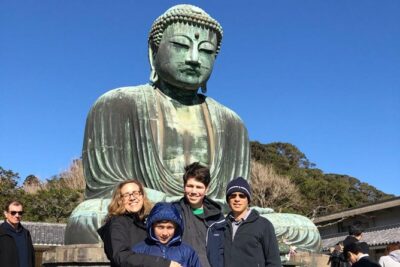
Kamakura Historical Walking Tour with the Great Buddha
Read our review →
Kamakura Private Tour: Temples, Nature, and the Great Buddha
Read our review →
Kamakura 4hr Private Trip with Government-Licensed Guide
Read our review →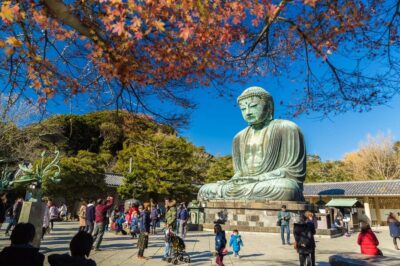
Kamakura Full Day Tour with a Local Expert Guide
Read our review →
Browse the lists this tour appears in