
Reviewed · KAMAKURA TOURS
Tokyo: Kamakura & Enoshima Day Trip including Temple Tickets
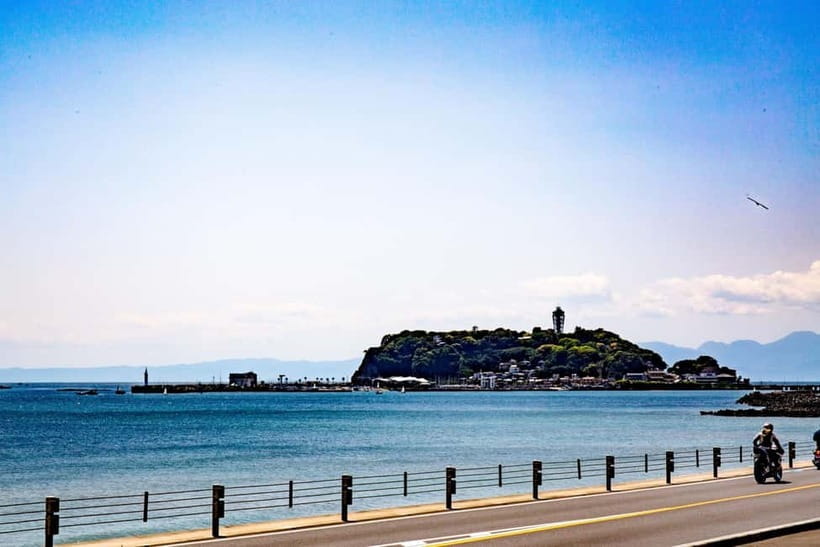
Kamakura gives you samurai-era shrines, flower-filled temple grounds, and Japan’s most famous seated Buddha, while Enoshima adds sea views, seafood, caves, and a chance to see Mt. Fuji. This 9-hour day trip from Tokyo packs both places into one well-organized outing.
I like the mix of culture and local life: you get major religious sites, an old shopping street, regional snacks, and the Shonan coast in one day. I also like that Hasedera and Kōtoku-in admission is included, so the $58 price is not just paying for a ride. The tradeoff is simple: the schedule is brisk, especially at Kōtoku-in and Enoshima, where you may wish for another hour.
Key points to know before booking
- Tsurugaoka Hachimangu links Kamakura to samurai history: This major shrine gives the day a strong cultural start.
- Komachi Street is your food stop: About 250 shops sell local snacks, souvenirs, clothing, and shirasu dishes.
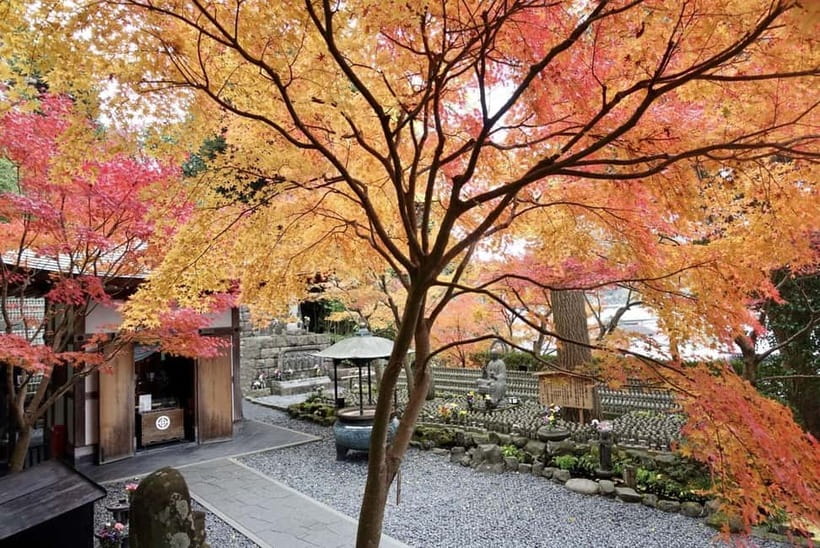
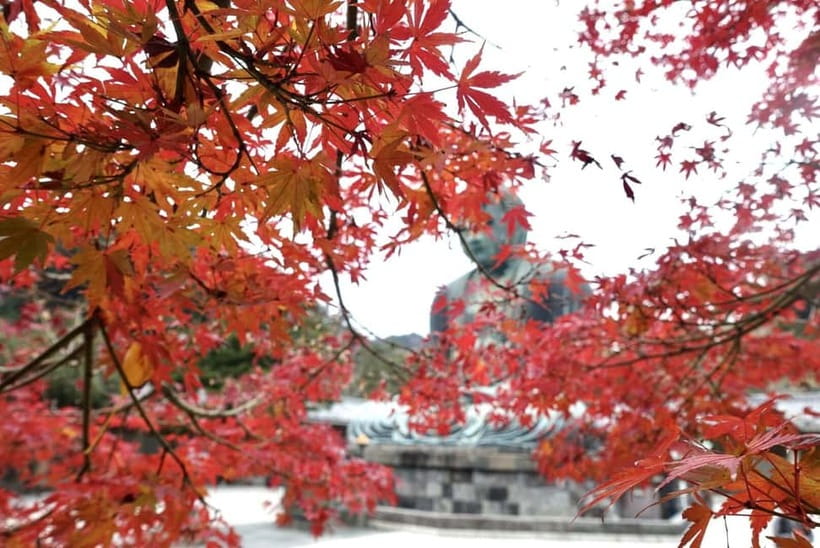
- Hasedera changes with the seasons: Expect cherry blossoms, peonies, hydrangeas, or autumn leaves depending on your date.
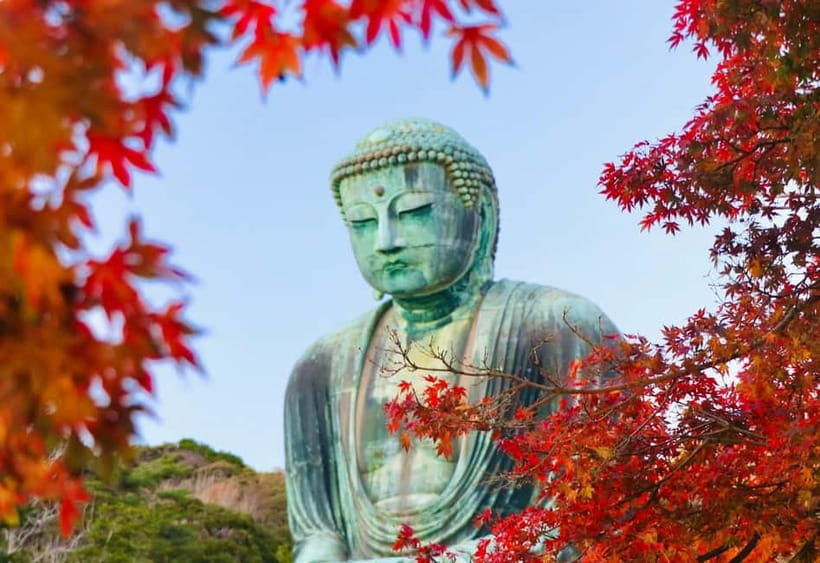
- The Great Buddha is more than a photo stop: You can inspect the National Treasure from outside and enter its interior.
- Enoshima supplies the coastal finish: The island combines shrines, caves, gardens, seafood, and views toward Mt. Fuji.
- The guides shape the experience: English and Chinese service is available, with guides including Eric, Yuki, Mitsuko, Omar, Koji, and others.
Why this Tokyo day trip works
Tokyo can keep you happily occupied for a week, but it does not show you everything Japan is about. Kamakura offers a different scale: lanes, temple bells, wooded paths, old religious sites, and the memory of a city that once directed the country. Enoshima then shifts the mood from inland history to ocean air and island walking.
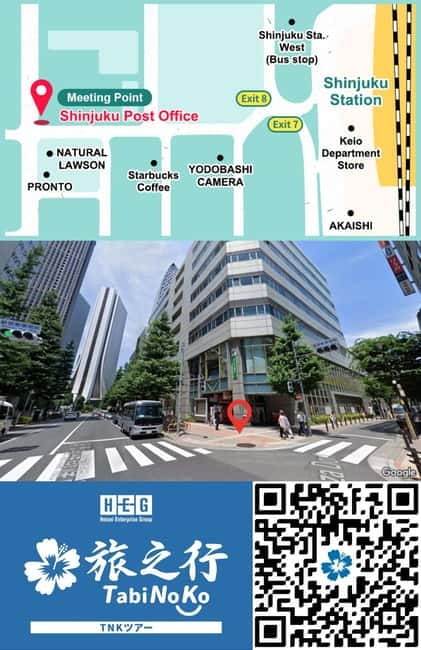
This tour is built for you if you want to see those two destinations without planning several train journeys, finding temple entrances, and working out the best order. An air-conditioned vehicle collects the group from one of two possible starting points, either Shinjuku Post Office or GLOBAL RING CAFÉ, depending on your booking option. The day ends with a return to the Shinjuku area.
The price is $58 per person. That is a fair deal for nine hours of transport, a live English or Chinese-speaking guide, Hasedera admission, and Kōtoku-in admission. You still pay for your own food, drinks, and any extra attractions at Enoshima, but the included tickets remove two small costs and save you time at the entrances.
The main issue is not value. It is pace. You are covering several important places in one day, and traffic around Kamakura can affect the schedule. If the vehicle runs late, time at the stops may be shortened. Arrive at least 10 minutes early, since the vehicle leaves on time.
A few more Kamakura half-days to weigh up
- From Tokyo: Kamakura & Enoshima 1-Day Bus Tour
★ 4.5 · 189 reviews - Exciting Kamakura – One Day Tour from Tokyo
★ 5.0 · 40 reviews - Mt Fuji and Hakone 1-Day Bus Tour Return by Bullet Train
★ 5.0 · 26,383 reviews
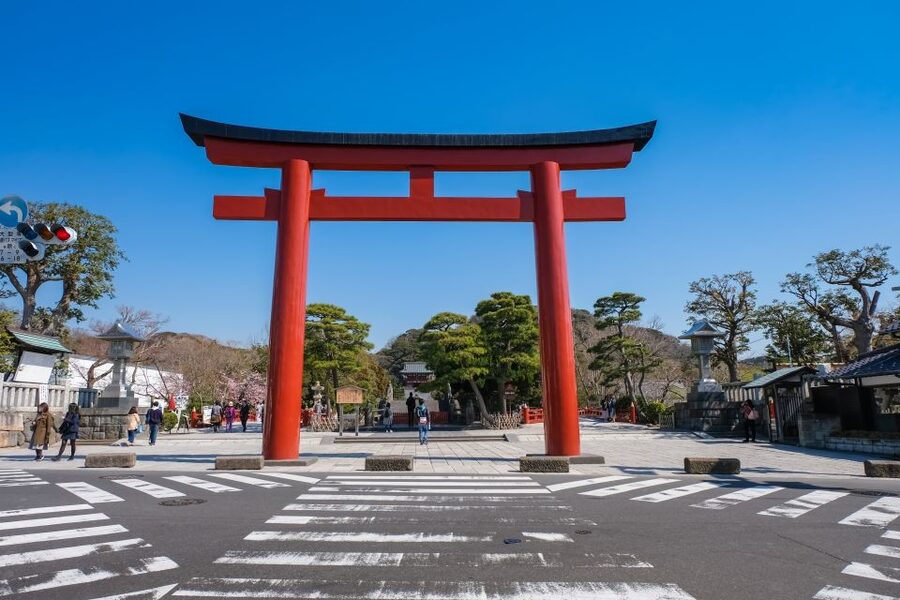
Tsurugaoka Hachimangu starts the day with samurai-era Kamakura
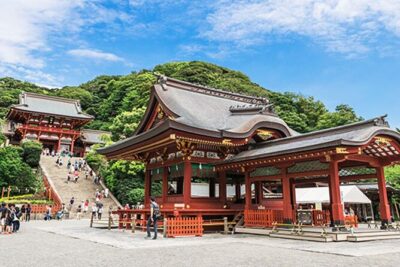
Tsurugaoka Hachimangu is the symbolic heart of Kamakura. During the Kamakura period, when the city served as Japan’s political and cultural center, this shrine provided a spiritual focus for the warrior government. More than 800 years later, it remains one of the country’s most visited shrines.
You have about an hour here for sightseeing, photos, and free time. That gives you enough room to see the central approach and major shrine areas, though not enough for a slow examination of every corner. The broad approach helps you understand the shrine’s scale, while the surrounding grounds give the first clear sense that Kamakura is not simply a beach town with a famous statue.
Tsurugaoka Hachimangu is especially important during New Year celebrations. About 2.5 million people come for hatsumode, the first shrine visit of the year. You will not experience that crowd on an ordinary tour date, but knowing this adds weight to what might otherwise seem like a pretty entrance and a few buildings.
Guides such as Eric, Mitsuko, Yuki, and Omar have been praised for making the historical background easy to follow. The quality of explanation can vary by guide, and some guides speak quickly, so stay close if you want the full context. You can also choose to explore independently and meet back at the agreed time.
Komachi Street turns sightseeing into lunch
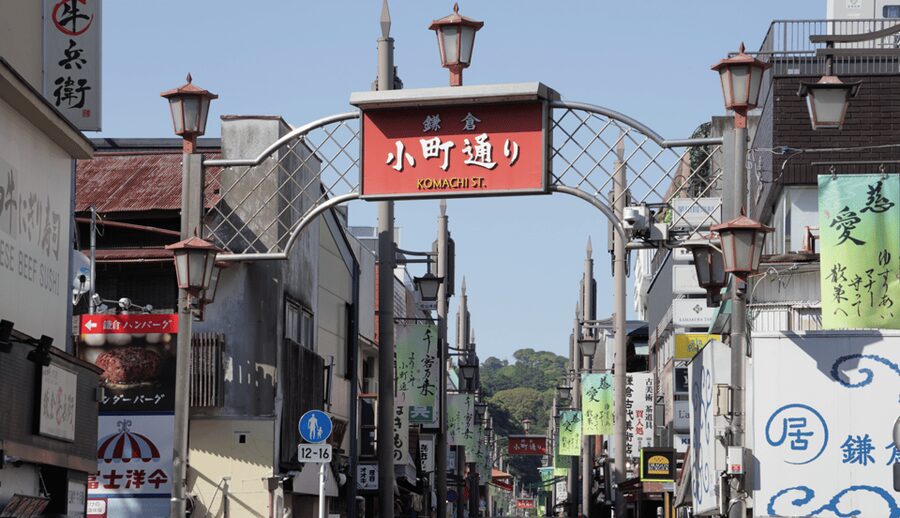
From Kamakura Station toward Tsurugaoka Hachimangu, Komachi Street runs for roughly 360 to 600 meters and contains around 250 shops. This is where the day becomes less formal. Instead of only looking at buildings, you can taste Kamakura.
The hour here is useful for browsing souvenirs, buying small gifts, and trying local food. Look for shirasu dishes, dumplings, croquettes, and other regional snacks. Restaurants and cafés line the route, but a sit-down meal can consume much of your allotted time.
I would use this stop for quick food rather than a long restaurant lunch. One practical tip from the experience is particularly useful: if you want to see the Enoshima caves, consider buying food from a vendor instead of sitting down for a full meal later. Enoshima’s two hours disappear quickly, and a portable snack gives you more freedom to walk.
Komachi Street has a modern shopping feel, so do not expect a quiet preserved street from end to end. Its appeal is the combination of traditional goods, current fashion, sweets, and local dishes. You get a lively slice of present-day Kamakura alongside the temples.
Hasedera combines flowers, views, and small details
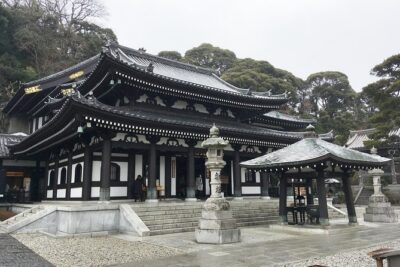
Hasedera is one of Kamakura’s oldest temples, founded in 736. Its best feature is the way the grounds rise above the city, opening views toward Sagami Bay. The temple also houses a 9.18-meter Eleven-Headed Kannon statue, an important figure in Japanese Buddhist devotion.
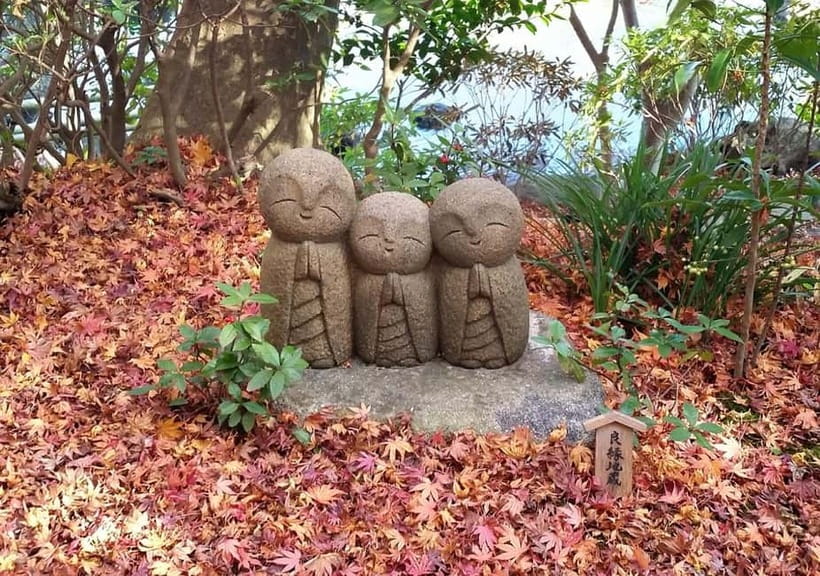
You have about 50 minutes here. That is enough to walk through the main grounds, take photographs, enjoy the outlook, and notice the many small Jizo statues. It is not enough for an unhurried temple study, particularly if you stop often for flowers or views.
Season matters at Hasedera. Cherry blossoms mark spring, hydrangeas are a major attraction in early summer, peonies appear in another part of the seasonal cycle, and autumn leaves bring a different color to the grounds. The tour does not guarantee a particular display, so treat the flowers as a bonus rather than the central reason to book.
The footing and paths make comfortable shoes worthwhile. You will be walking between stops, and the summer heat can be intense. Bring water and sun protection if you visit in warm weather. The air-conditioned vehicle helps between sites, but it cannot make the temple paths cool.
Same base, a completely different sort of day:
- Kamakura Historical Walking Tour with the Great Buddha
★ 5.0 · 129 reviews - Kamakura Private Tour: Temples, Nature, and the Great Buddha
★ 5.0 · 121 reviews - Kamakura Walking Tour – The City of Shogun
★ 5.0 · 100 reviews - Kamakura 4hr Private Trip with Government-Licensed Guide
★ 5.0 · 58 reviews
Kōtoku-in brings you face to face with the Great Buddha
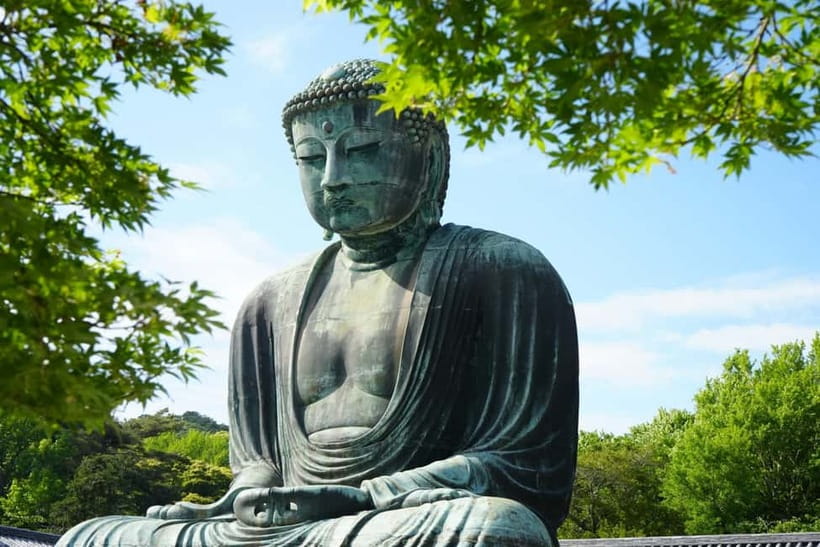
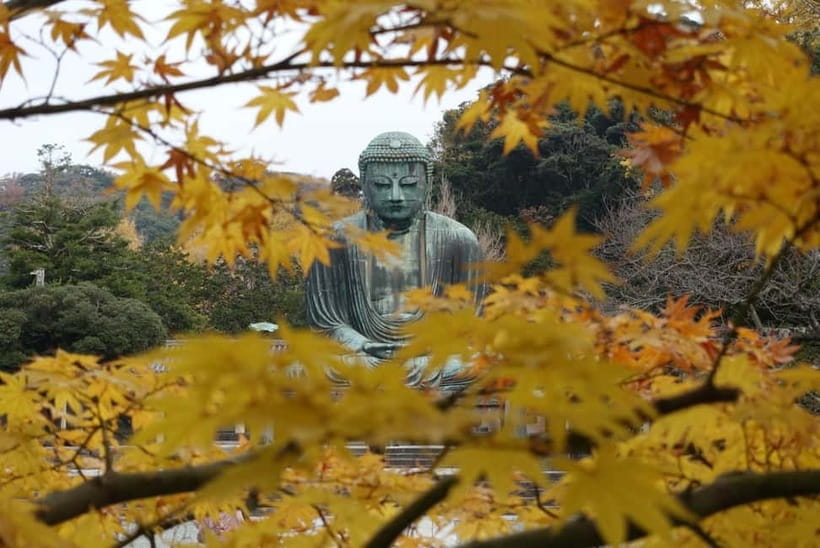
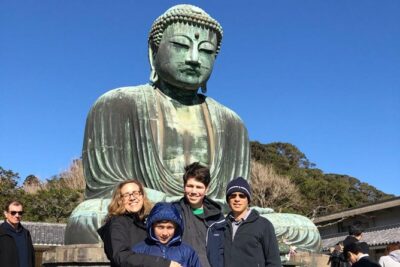
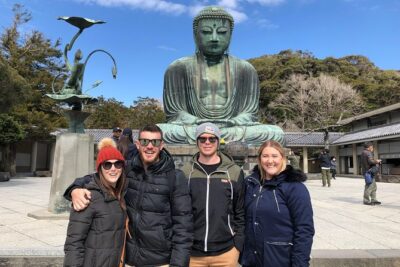
Kōtoku-in is the day’s most recognizable stop. The bronze Amida Buddha measures about 13.3 meters in height and weighs roughly 121 tons. It is a National Treasure and one of Japan’s most important Buddhist images.
The scheduled visit lasts around 30 minutes. That is enough to circle the statue, take photographs, look closely at its construction, and enter the interior if access is operating as expected. The interior visit is brief, but it gives you a different way to understand the statue. You are not simply looking at a giant outdoor figure. You can see something of how it was made.
The surrounding temple grounds are calm and attractive in their own right. Cherry blossoms make spring especially appealing, while autumn foliage adds color later in the year. Still, the Great Buddha is the main event, and half an hour can feel short if the grounds are crowded or you want time for the interior.
I would not treat this as a deep visit to Kōtoku-in. It is a well-chosen introduction. If the Buddha is high on your personal list, note the time carefully and return to the vehicle promptly. The guide may provide background before or after the visit, depending on the group and the day’s traffic.
Enoshima supplies the coastal change of pace
The final major stop is Enoshima, a scenic island and coastal destination connected with the Shonan area. You have about two hours here, including time for the shrine, observation tower, caves, shopping street, food, and free walking.
That sounds generous until you see how much the island offers. Enoshima Shrine is more than 1,000 years old, and its different areas are spread along paths that rise and fall. The Enoshima Sea Candle provides a high viewpoint, while the Samuel Cocking Garden offers pleasant walking routes. The Enoshima Iwaya Caves add a darker, more atmospheric stop near the far end of the island.
The views are one of the strongest reasons to save energy for Enoshima. On a clear day, Mt. Fuji may appear across the water. Visibility depends entirely on weather, so nobody can promise the view. Even without Fuji, the coast and island setting give the last part of the day a clear change from Kamakura’s temple grounds.
You should plan your priorities before leaving the vehicle. If the caves matter most, head that way early. If food and shopping are your priority, stay near Enoshima Benzaiten Shopping Street. Trying to do every attraction, eat a full meal, and take long photographs in two hours will feel rushed.
Enoshima Sea Candle and the island’s higher paths
The Sea Candle is Enoshima’s observation tower and one of the best places for wide views. The activity includes a visit and free time here, but the supplied details do not state that admission to the tower is included. Plan your spending with that in mind and confirm the current entry arrangements when booking.
The Samuel Cocking Garden surrounds the tower and gives you a pleasant place to walk between viewpoints. The area is also a good spot for photographs when the weather is clear. You might find that the view matters more than the tower itself, especially if Mt. Fuji is visible.
The island is not flat and effortless. You will encounter walking paths and climbs, and the two-hour window rewards a sensible route. Follow the guide for orientation, then use free time for the attractions that interest you most.
Enoshima Shrine and Iwaya Caves need a plan
Enoshima Shrine has more than 1,000 years of history and is one of the island’s central cultural sights. It is easy to combine with the shopping street, but reaching the caves takes more walking and leaves less time for food.
The Iwaya Caves are a good choice for you if you want something different from another shrine or viewpoint. Their location at the far end of the island makes them harder to squeeze in at the last minute. Buy a quick snack rather than sitting down if you want to visit them, especially if the group is already on a tight schedule.
Enoshima Benzaiten Shopping Street provides the easiest place to sample seafood and local specialties. Cafés, restaurants, shops, and street food give you plenty of choice, but the tour does not include meals. Keep an eye on the meeting time while browsing, since a missed departure creates a serious problem on a group outing.
How the transport and guide setup affects your day
The air-conditioned vehicle is a major reason to consider this tour instead of handling the route alone. Kamakura’s narrow streets can be difficult for a large vehicle, and traffic jams are possible. The driver’s skill matters here, particularly during busy periods.
The guide service is available in English or Chinese. Names assigned to different departures include Eric, Yuki, Mitsuko, Omar, Koji, Sumi, Yumi, and others. Their approach may differ. Some provide detailed historical stories and photo tips, while others give the essential information and allow you to explore independently.
That flexibility suits people who dislike being marched from one sight to the next. You can follow the guide or use the free time on your own, but you must return to the vehicle promptly. People booking different language options may be placed in the same vehicle, and the vehicle size can change based on group numbers or conditions that day.
The only stated drop-off area is Shinjuku. Check your chosen meeting point carefully, since the starting location can vary. The booking instructions also require you to scan the correct QR code for that meeting point. These are small details, but they matter on an early departure.
The best seasons and practical preparation
Spring brings cherry blossoms at Hasedera and Kōtoku-in, although exact timing changes each year. Hydrangeas are a strong reason to visit Hasedera in their season, while autumn brings leaves to both temple grounds. Enoshima works best on a clear day, when coastal views and Mt. Fuji have the greatest chance of appearing.
Summer can be very hot. Several departures have taken place in intense heat, so bring water, a hat, and sun protection. Winter offers cooler walking and can provide sharp views, but dress for a long day outdoors.
Wear comfortable shoes. You will walk through shrine and temple grounds, along a shopping street, and around an island with slopes and caves. Keep lunch flexible, and do not spend all your time at Komachi Street if Enoshima’s caves or Sea Candle are priorities.
You can cancel for a full refund up to 24 hours before departure, and the reserve-now, pay-later option keeps your plans flexible. Those terms are useful if your Tokyo schedule is still changing, but check the exact conditions attached to your selected option.
Who should book this $58 Kamakura and Enoshima tour?
I would choose this trip if you have limited time in Tokyo and want a first look at Kamakura and Enoshima without arranging the route yourself. Families can benefit from the simple transport, and the guides have helped groups with children and even a baby feel at ease. The mix of food, religion, scenery, and famous sights also works well for first-time visitors to Japan.
I would be more cautious if you prefer slow temple visits. A dedicated Kamakura day could give you more time at Hasedera, Kōtoku-in, and smaller shrines. Enoshima alone could fill a relaxed day, especially if you want the caves, tower, seafood, and long coastal walks.
At $58, this is a strong preview of the area. You receive transport, two temple tickets, a guide, and a carefully ordered route for less than the cost and effort of piecing together every stop yourself. Just accept that the day favors breadth over lingering.
FAQ
How long is the Kamakura and Enoshima day trip?
The experience lasts 9 hours, or 570 minutes. The exact departure time depends on availability and the option you book.
Where does the tour start?
There are two possible starting locations: Shinjuku Post Office and GLOBAL RING CAFÉ. Your meeting point may vary by booking option, so check the selected option carefully.
Where does the tour end?
The available drop-off location is in the Shinjuku area, at Shinjuku Post Office according to the stated return information.
Which languages are available?
Live guiding is available in English and Chinese. People who book different language options may sometimes travel in the same vehicle.
Are temple tickets included?
Yes. Admission tickets for Hasedera and Kōtoku-in are included.
Is food included in the price?
No meals are listed as included. You can buy street food, snacks, seafood, and other local dishes at Komachi Street and Enoshima.
Can I explore independently during the stops?
Yes. Free time is provided at the attractions, and you may follow the guide or explore on your own. Tell the guide in advance if you plan to leave the group partway through the day and complete the required departure form.
What happens if traffic delays the vehicle?
The vehicle may be delayed by traffic or other unexpected conditions. If that happens, the time available at attractions may be adjusted. Arrive 10 minutes early because the tour departs on time.
Should you book it?
Book this tour if you want the major Kamakura sights, a taste of Enoshima, and useful historical context in one day from Tokyo. The strongest reasons are the included temple tickets, air-conditioned transport, flexible free time, and the chance to see Mt. Fuji from the island on a clear day.
Skip it if you already know you want a slow, detailed visit. For most first-time visitors with only one free day, though, this is a practical and good-value introduction to two of Honshu’s most rewarding stops beyond Tokyo.
Just added around Kamakura
- When Emperors Reigned and Shoguns Ruled★ 5.0 · 43 reviews
- First time in Kamakura? Enjoy a Tour of All Must-sees!★ 5.0 · 15 reviews
- Your Own HANKO Name Seal Activity in Kamakura.★ 5.0 · 24 reviews
- Kamakura Bamboo Forest and Great Buddha Private Tour★ 5.0 · 12 reviews
- Kamakura 4hr Private Trip with Government-Licensed Guide★ 5.0 · 58 reviews
- Kamakura Walking Tour – The City of Shogun★ 5.0 · 100 reviews
- Exciting Kamakura – One Day Tour from Tokyo★ 5.0 · 40 reviews
- Kamakura Tours Half Day or Full Day Tours with a local guide.★ 5.0 · 12 reviews
Kamakura Tours, compared.
Kamakura Historical Walking Tour with the Great Buddha
Read our review →
Kamakura Private Tour: Temples, Nature, and the Great Buddha
Read our review →
Kamakura 4hr Private Trip with Government-Licensed Guide
Read our review →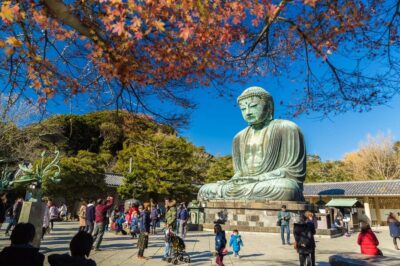
Kamakura Full Day Tour with a Local Expert Guide
Read our review →
Browse the lists this tour appears in