
Reviewed · NAGASAKI TOURS
Nagasaki: Private Tour with Local Guide
Nagasaki is not a city you want to rush through. Its story stretches from international trade and Christian faith to the atomic bombing and a determined call for peace. This private walking tour lets you connect those pieces with a local guide instead of simply ticking off sights.
I like the freedom to choose your focus, and I like starting at your hotel, which helps you get your bearings quickly. Guides such as Yoshi, Rikako, and Kuribayashi-san have tailored days around personal interests, adding local context and, in some cases, personal details about life in Nagasaki.
The main thing to consider is that the $109 price covers your guide, not admissions, meals, or transport during the tour. English ability may also vary by guide, so it is wise to clarify your interests and language needs before the day.
Key points at a glance
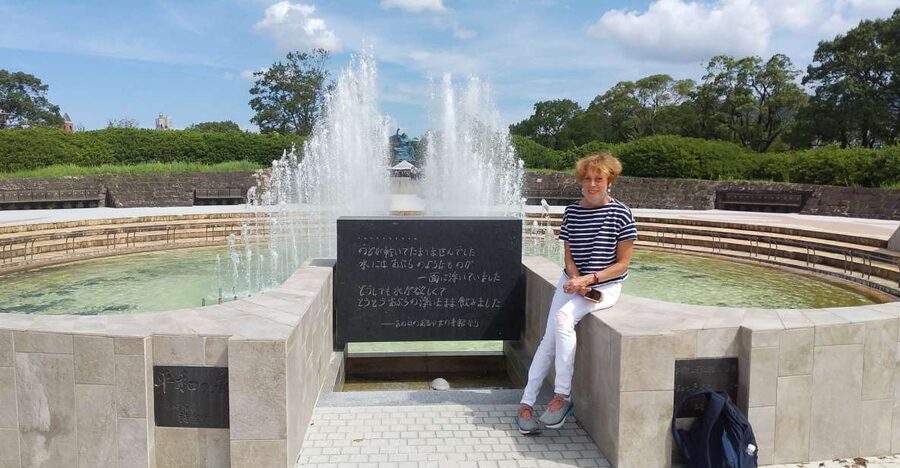
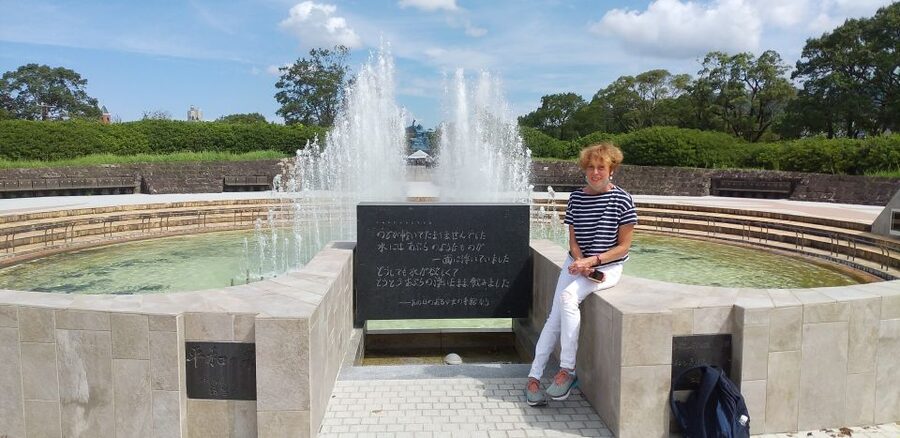
- Peace Park and the atomic bombing sites: Visit the Peace Statue, the Hypocenter Park, the cenotaph, and part of the former Urakami Cathedral wall.
- A genuinely private format: Your group receives a personal itinerary rather than joining a large sightseeing crowd.
- Choice of four or six hours: Use four hours for a focused visit, or six hours for the peace sites plus Chinatown and the western-influenced southern district.
- Local guides with different strengths: Past bookings have included Yoshi, Rikako, and Kuribayashi-san, each bringing a personal approach to the city.
- Nagasaki food and foreign connections: Make time for Chinatown, chanpon noodles, sara udon, Oura Church, and Glover Garden.
- Extra costs matter: Entrance fees, lunch, taxis, and public transport are not included in the tour price.
Why a private guide helps in Nagasaki
Nagasaki can look compact on a map, but its major sights tell very different stories. The peace memorials are in the northern Urakami area, while Chinatown, Oura Church, and Glover Garden are farther south. A guide helps you understand how these places fit together.
You can request particular sights, ask for a certain start time, or let the guide plan the route. That flexibility is useful if you are arriving from a cruise ship, have already seen one or two attractions, or want to spend more time on a subject such as Japan’s Christian history.
The group is private, so you can ask questions without holding up strangers. That matters at the Atomic Bomb Museum, where the material is serious and sometimes difficult. You can pause, discuss what you are seeing, or move on when you have had enough.
The tour lasts four or six hours. Four hours gives you time for a focused route, while six hours is the better choice if you want both the peace sites and the older port districts. Since the tour is primarily on foot, wear comfortable shoes and expect a fair amount of walking.
A few more Nagasaki half-days to weigh up
- Nagasaki: Private Walking Tour with a Local
★ 4.7 · 79 reviews - Nagasaki Full-Day Private Tour with Government-Licensed Guide
★ 5.0 · 66 reviews - Nagasaki Half-Day Private Tour with Government-Licensed Guide
★ 5.0 · 53 reviews
Starting at Peace Park and the Hypocenter
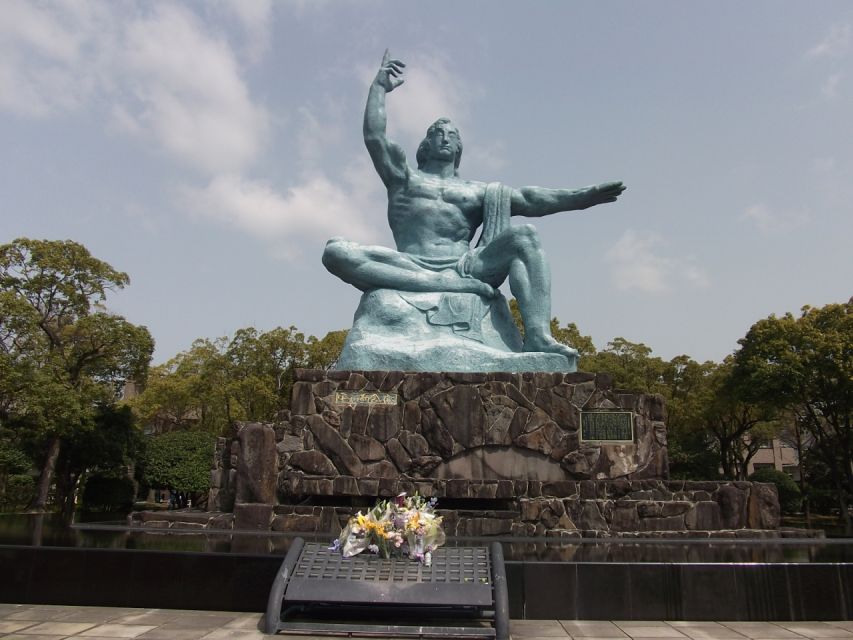
The sample six-hour route begins at your hotel, then heads to Nagasaki Peace Park. The Peace Statue is the first major marker of the city’s public message: remembrance paired with a call for world peace.
A guide can give the statue more meaning than a quick photograph does. You will learn why this location matters and how Nagasaki presents the bombing not only as a local tragedy, but also as a warning about the human cost of war.
Nearby, Hypocenter Park marks the point directly below the atomic bomb’s explosion on August 9, 1945. The setting is quiet and restrained. That is part of its force. You are not being led through a theatrical attraction. You are standing at a place where the city’s history changed in an instant.
The cenotaph and the surviving wall from Urakami Cathedral add physical detail to an event that can otherwise feel too large to grasp. The cathedral wall is especially affecting because it shows how an ordinary building was caught in the destruction.
This part of the tour can be emotionally heavy. If your group prefers a lighter introduction to Nagasaki, tell the guide before starting. If the peace sites are your main reason for visiting, the private format gives you the time and space to approach them at your own pace.
The Atomic Bomb Museum’s difficult lessons
The Nagasaki Atomic Bomb Museum adds facts, objects, and personal evidence to the outdoor memorials. You can expect exhibits about the bombing, its aftermath, and later efforts to promote peace between nations.
This is not a quick photo stop. Allow time to read and think. The museum contains artifacts recovered after the bombing, along with displays that show the scale of the destruction and its effect on civilians.
I would place this near the start of a six-hour visit because it gives the rest of the day a stronger frame. When you later see Nagasaki’s churches, trading districts, and food culture, you understand more clearly what survived and what was rebuilt.
The museum may be hard for children or anyone who finds war exhibits distressing. A private guide cannot change the subject matter, but can help you decide how long to stay and explain points that are unclear. Guides Yoshi and Rikako have been praised for giving the memorial and museum visits a thoughtful human context.
Chinatown and the food that belongs to Nagasaki
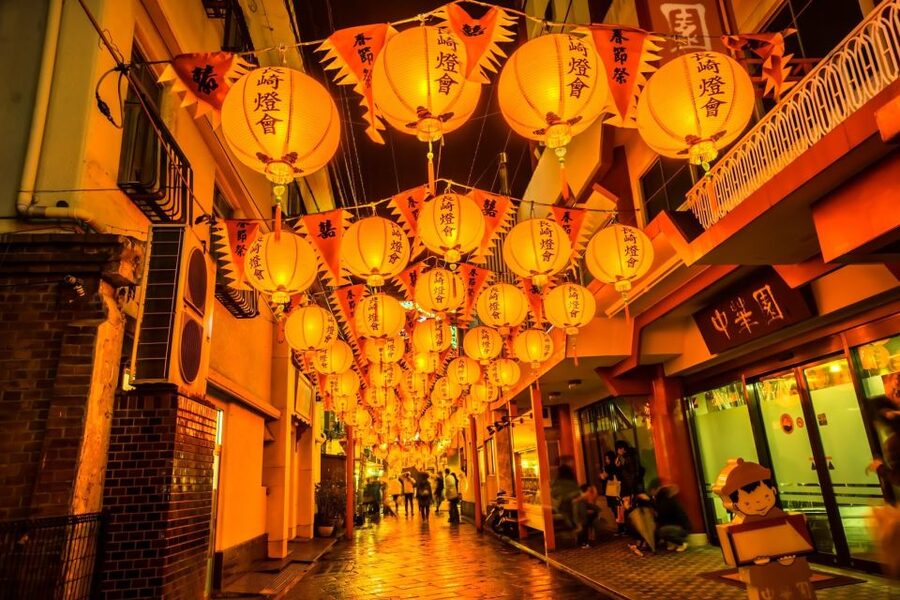
The route then shifts from remembrance to Nagasaki’s long connection with overseas trade. Chinatown helps show how the port brought cultural exchange between East and West over many centuries.
This is one of the useful changes of mood in the day. Nagasaki is not only a memorial city. It is also a place shaped by merchants, foreign visitors, imported ideas, and local adaptations.
Lunch is not included, but Chinatown is a natural place to stop for food. Two local dishes to look for are chanpon noodles and sara udon. Chanpon is a noodle dish associated with Nagasaki, while sara udon is served with crisp noodles and toppings.
Your guide can help explain the dishes and point you toward a local restaurant, but you pay for the meal yourself. If you have food allergies, dietary restrictions, or a strong preference about lunch, mention this when arranging the tour. The supplied details do not promise a particular restaurant or menu.
The meal also gives you a useful break from walking. On a six-hour tour, that pause can make the afternoon much more comfortable. On a four-hour tour, Chinatown may need to be shortened or left out if the peace sites are your priority.
Same base, a completely different sort of day:
- Visit Gunkanjima Island (Battleship Island) in Nagasaki
★ 4.0 · 32 reviews - Taste Local Life: Nagasaki’s Historical Street Walking Tour
★ 5.0 · 27 reviews - Nagasaki Full Day Tour with Licensed Guide and Vehicle
★ 5.0 · 27 reviews - Nagasaki Street Food Adventure: Private Walking Tour with a Local
★ 5.0 · 26 reviews
Oura Church and Nagasaki’s Christian past
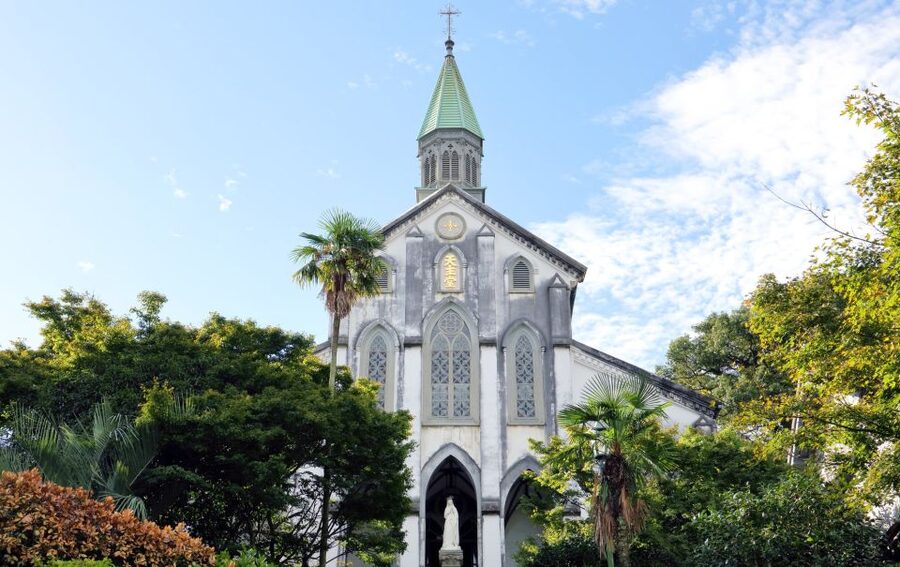
Oura Church brings another side of Nagasaki’s story into view. Built in the mid-1800s, it served the city’s Christian residents and is recognized as a National Treasure. It is also described as Japan’s oldest surviving church.
The church matters because Christianity has a long, complicated history in Japan. Nagasaki became one of the country’s key points of contact with foreign traders and missionaries, but Christian practice also faced periods of severe restriction. A local guide can explain that background in plain terms and help you see the church as part of the city’s wider international story.
This stop is especially useful for people interested in religion, architecture, or the foreign communities that developed around the port. It also offers a strong contrast with the atomic bomb memorials. Nagasaki’s identity was shaped by both international contact and terrible wartime destruction.
Entrance fees are not part of the $109 tour cost, so set aside extra money for Oura Church and other paid sights. The tour information does not give a fixed admission total, and fees can change.
Glover Garden and the old foreign settlement
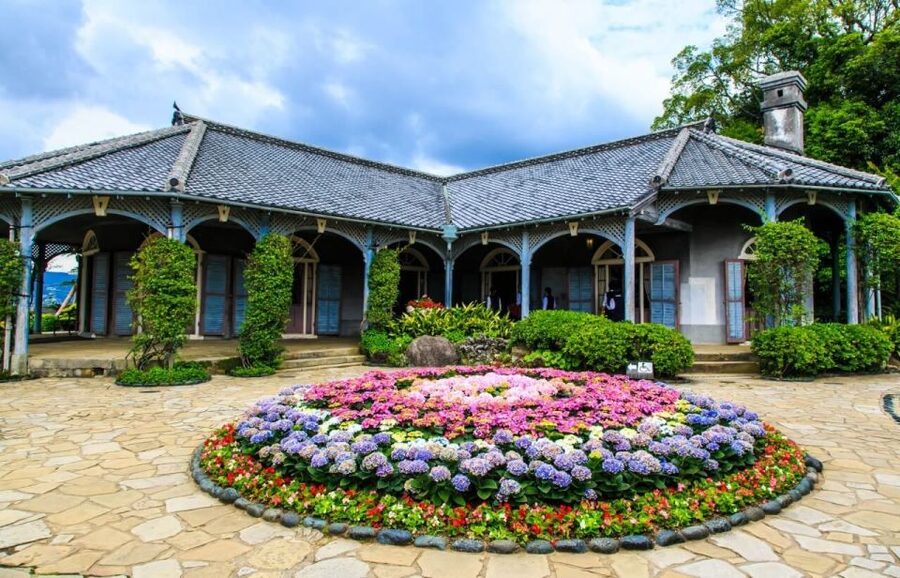
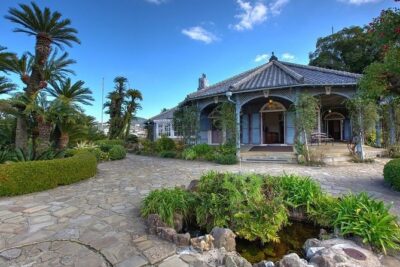
Glover Garden gathers historic Western-style homes and buildings on the hillside around the former home of Scottish entrepreneur Thomas Blake Glover. The buildings were reassembled here, creating a concentrated look at the foreign merchants and business people who helped shape modern Nagasaki.
This is a good place to understand the city’s port economy. The homes are not simply decorative old buildings. They point to a period when Nagasaki was one of Japan’s key windows to the outside world.
The hillside setting may require more effort than the name garden suggests. Expect walking and some changes in level. The payoff is the collection of historic buildings and the chance to see a different side of Nagasaki after the serious memorials farther north.
A guide can connect Glover’s role to the city’s trade, foreign residents, and changing relationship with the outside world. Rikako, in particular, has been praised for combining historical explanation with language and cultural context, as well as sharing personal details about living in Nagasaki.
Four hours or six hours?
Choose four hours if you want a compact introduction or have limited time in port. You might focus on Peace Park, Hypocenter Park, and the Atomic Bomb Museum, or choose Oura Church and Glover Garden for a shorter look at Nagasaki’s international past.
Choose six hours if you want the full sample route. That allows time for:
- Peace Park
- Hypocenter Park
- The Atomic Bomb Museum
- Chinatown
- Lunch
- Oura Church
- Glover Garden
The six-hour plan is full. It combines serious museums, outdoor memorials, a meal, historic buildings, and a good deal of walking. Your guide may adjust the order, shorten a stop, or use public transport or a taxi to make the route workable.
The tour does not include public transport or taxi fares. You can arrange other transport at an additional cost, but that cost is separate from the tour price. Ask the local partner about the planned route before the day so you are not surprised by extra fares.
The guides make the biggest difference
The best feature here is not a single monument. It is the chance to have a local person shape the day around your questions.
Kuribayashi-san has contacted guests before the tour to confirm their interests, then used that information to plan a more personal route. That is exactly the sort of preparation you want from a private guide. It means you can say in advance that you care most about the bombing, Christian history, food, architecture, or daily life.
Yoshi has been praised for selecting activities that suited the group and for sharing a strong personal connection to Nagasaki’s peace message. Rikako has been described as personable and attentive, with useful explanations of Japanese language and culture. These details suggest that the guide can add far more than directions between sights.
There is one caution. One booking included a guide whose English was difficult to understand and who appeared uncertain about some locations. That seems to be an exception among the available feedback, but it is worth addressing directly. Send a clear note about your interests, ask about the guide’s language ability, and request confirmation before the tour.
The experience is offered in English or Japanese. The exact guide is not guaranteed at the time of booking, since the tour is only confirmed after a guide accepts it.
Is $109 per person a fair price?
At $109 per person, this tour costs more than exploring Nagasaki alone. The price pays for a licensed local guide and a private four or six-hour experience, but not for meals, admissions, or transport.
For a solo visitor, the cost may feel high. You could visit some sights independently by using public transport and reading signs or guidebooks. The private tour makes more financial sense for couples, families, and small groups who can share the guide’s time.
The value comes from the connections. A guide can explain why the Peace Park and Hypocenter are separate experiences, link Chinatown to Nagasaki’s port history, and place Oura Church and Glover Garden within the city’s foreign contact and Christian past.
Cruise passengers may find the price easier to justify because the guide can meet you at your accommodation and help organize a limited day. Still, confirm timing carefully. The listed pickup is on foot when your accommodation is within a reasonable distance, and the guide waits in the hotel lobby ten minutes before the scheduled pickup time.
Admissions and transport can add to the final cost. Treat the advertised price as the guide fee, not the total cost of the day.
Who should book this Nagasaki tour?
I would recommend it to first-time visitors who want to understand the city rather than simply collect photographs. It is also a strong choice if you want to discuss difficult historical subjects in private, or if you are unsure how to combine sights spread across Nagasaki.
Families may appreciate the ability to adjust the pace. So may older visitors, though the walking and hillside sections should be discussed with the guide in advance. The experience is wheelchair accessible, but the route should still be planned carefully because the tour may include walking and changes in level.
History-minded visitors can center the day on Peace Park, Hypocenter Park, and the Atomic Bomb Museum. Food lovers can ask for more time around Chinatown. People interested in architecture and international exchange can give priority to Oura Church and Glover Garden.
You may not need this tour if you prefer complete independence, already know Nagasaki well, or only want to visit one attraction. In that case, the guide fee may not bring enough extra value.
Practical planning before you go
Contact the local partner with a short wish list. Name your top two or three interests, your preferred start time, your walking limits, and any food or language concerns.
If you have only four hours, decide what matters most. Trying to force every major sight into a short route will leave you hurrying through the places that deserve time.
The tour runs rain or shine, so bring suitable clothing and shoes. Since the experience is mainly a walking tour, weather can affect comfort even when the itinerary continues as planned.
Pickup is included on foot from your accommodation if it is within a reasonable distance. Otherwise, you will need to arrange transport to the meeting point. Public transport or a taxi can be used during the tour, but you pay those fares separately.
You can cancel up to 24 hours before the start for a full refund, and reserve now while paying later. The booking is not final until a guide accepts it, so watch for the partner’s message. Most guides make contact within seven days, but confirmation can take longer.
Should you book it?
Book this tour if you want a thoughtful introduction to Nagasaki and value a guide who can connect the city’s peace memorials, port history, food, churches, and foreign settlements. The private format is particularly helpful for a first visit, a cruise stop, or a group with different interests.
Choose six hours for the broadest picture, and four hours for a focused route. Before paying, confirm the guide’s language ability and ask exactly which admissions and transport costs you will need to cover.
The price is fair for a private, personalized day, but only if you use the flexibility. Tell the guide what you want to learn. If you do, this can be more than a sightseeing walk. It can give you a clear way into one of Japan’s most complicated and moving cities.
FAQ
How long does the Nagasaki private tour last?
You can book either a four-hour or six-hour private tour. Starting times depend on availability.
What sights can the tour include?
A sample six-hour route includes Nagasaki Peace Park, Hypocenter Park, the Atomic Bomb Museum, Chinatown, Oura Church, and Glover Garden. The route can be personalized.
Is hotel pickup included?
Your guide can meet you at your accommodation on foot if it is within a reasonable distance. The guide waits in the hotel lobby ten minutes before the scheduled pickup time.
Are meals, entrance fees, and transport included?
No. Food, drinks, entrance fees, and public or private transport during the tour are not included. Taxis or public transport can be arranged at an additional cost.
What languages are available?
The tour is offered with a live guide in English or Japanese.
Is the tour wheelchair accessible?
Yes, the experience is listed as wheelchair accessible. Tell the local partner about your needs so the route can be planned appropriately.
Just added around Nagasaki
- Nagasaki Private Historical Tour with Licensed Guide★ 5.0 · 13 reviews
- Private Ring Craft Experience in Nagasaki★ 5.0 · 14 reviews
- Traditional Kimono Experience in Nagasaki★ 5.0 · 16 reviews
- Semi Private Guided Tour of Nagasaki.★ 5.0 · 17 reviews
- Taste Local Life: Nagasaki’s Historical Street Walking Tour★ 5.0 · 27 reviews
- Nagasaki WW2 History and Culture Tour★ 5.0 · 19 reviews
- Nagasaki Full Day Tour with Licensed Guide and Vehicle★ 5.0 · 27 reviews
- Nagasaki Private Customizable Half Day Tour★ 5.0 · 16 reviews
Nagasaki Tours, compared.
Nagasaki Full-Day Private Tour with Government-Licensed Guide
Read our review →
Nagasaki Half-Day Private Tour with Government-Licensed Guide
Read our review →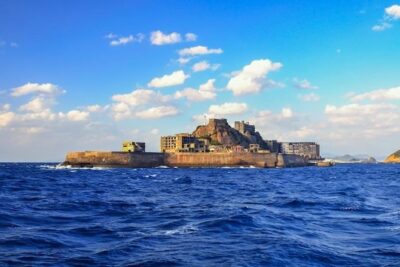
Visit Gunkanjima Island (Battleship Island) in Nagasaki
Read our review →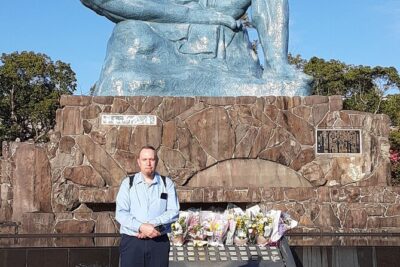
Taste Local Life: Nagasaki’s Historical Street Walking Tour
Read our review →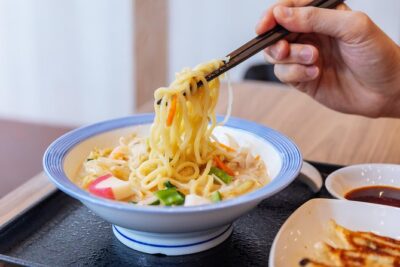
Nagasaki Street Food Adventure: Private Walking Tour with a Local
Read our review →
Nagasaki Private Tour with a Local – Highlights & Hidden Gems
Read our review →Browse the lists this tour appears in