
Reviewed · OSAKA TOURS
Osaka Daruma Workshop — Paint Your Own Good-Luck Daruma
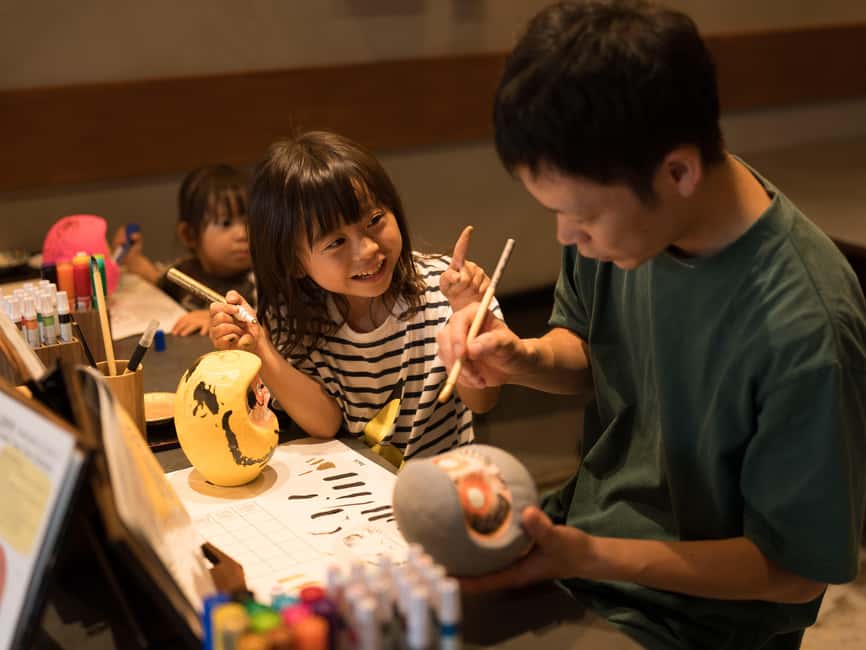
A Daruma workshop gives you something Osaka sightseeing rarely does: a quiet hour with your hands busy and your mind slowing down. At DARUMA CLUB, you learn why the round, red-faced figure represents perseverance, then choose one of 10 colors and create a design tied to your own wishes.
I like the easy central location, within walking distance of Dotonbori and Kuromon Market, and I like that your finished Daruma becomes a personal souvenir rather than another factory-made trinket. The main consideration is that this is a focused, seated activity. Children must be at least six and able to sit calmly, and large bags or suitcases are not allowed.
Key points to know before booking
- Choose from 10 Daruma colors: Your starting color gives the doll a personal feel before you add your own artwork.
- Learn the meaning first: An introductory video and guidance explain the Daruma tradition and its link to perseverance.
- Paint at your own pace: The session lasts 90 to 110 minutes, with tools, materials, and support provided.
- Make a souvenir with a purpose: Daruma symbolizes the idea of falling seven times and rising eight.
- Fit it between major Osaka sights: DARUMA CLUB is at 2-10-9 Nipponbashi, near Dotonbori and Kuromon Market.
- Suitable for many kinds of groups: Private sessions welcome solo participants, couples, families, and children age six or older.
A hands-on break in central Osaka
Osaka can fill your day with bright signs, packed streets, shopping arcades, and constant food decisions. This workshop gives you a different rhythm. You sit down, learn a little about a familiar Japanese symbol, and spend time making something with no need to rush from one sight to the next.
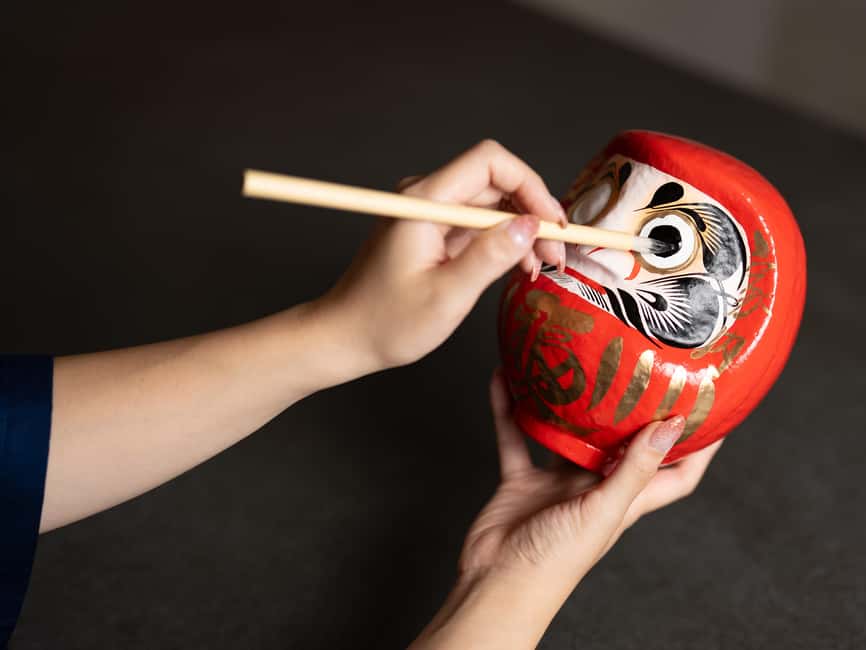
The Daruma is more than a cute round doll. It represents a goal, a wish, or a promise to keep going after a setback. The familiar saying is fall seven times, rise eight. That idea gives the activity more weight than ordinary craft painting, even if your main goal is simply to make a fun keepsake.
You do not need to be an artist. The point is not perfect brushwork. The point is choosing colors, marks, words, or patterns that feel like yours. If you are worried about drawing a face, one session has offered the option of starting with the face already painted, so you can focus on the rest of the design. Ask about the options when you arrive.
More hands-on workshops in Osaka:
- Sushi Making Osaka Roll and Authentic Japanese Sushi Class
★ 5.0 · 1,220 reviews - Matcha Making Class in Osaka with Authentic Japanese Sweets Set
★ 5.0 · 509 reviews - Osaka: Ramen and Gyoza Cooking Class in Dotonbori
★ 5.0 · 378 reviews
What happens during the 90 to 110 minute session
The workshop begins with an introduction to Daruma and its cultural meaning. An easy-to-follow video explains where the idea came from and why the doll is connected with wishes, goals, and persistence. You then receive guidance on how to approach the painting.
This opening matters because it gives your craft a little context. Without it, you might see Daruma as a colorful souvenir. With it, you understand why many people associate the figure with setting an aim and working steadily toward it.
Next comes the choice of your Daruma. You can pick from 10 colors, then plan how you want to decorate the surface. The broad choice of color is helpful for families and couples who want different-looking dolls, and it gives solo participants a simple starting point if a blank object feels intimidating.
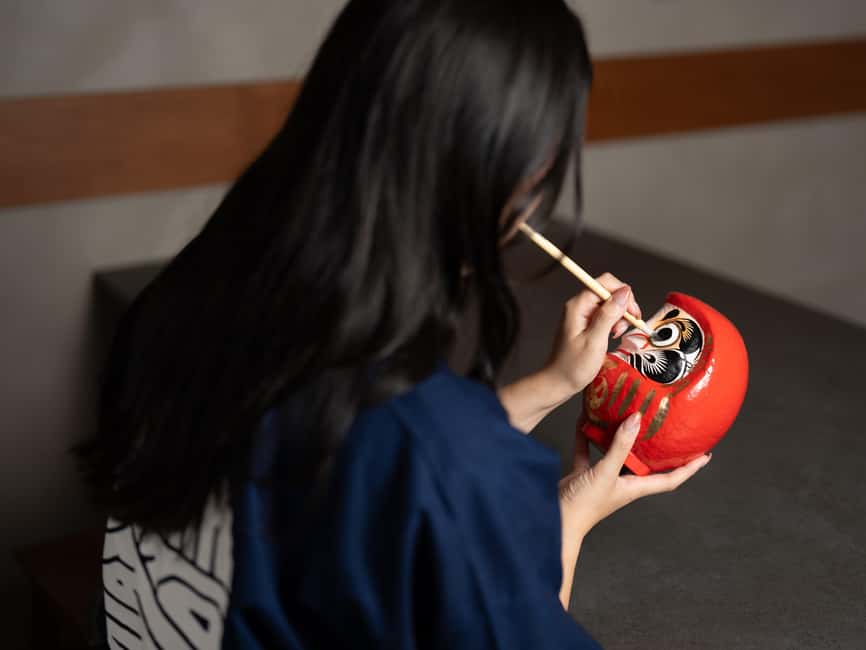
Painting is the longest part of the activity. You receive the Daruma and a complete set of painting tools for rental. The format is relaxed, with a guidebook and support available as you work. English and Japanese guidance is offered, and the experience is designed so you can spend time on your own design rather than copying one fixed example.
Some people will finish quickly. Others will want to pause, test ideas, and adjust small details. The session cannot be extended if you arrive late, so arrive at least five minutes early. That small cushion helps you settle in and get the full creative period.
At the end, you take your completed Daruma home. Some participants have also customized a box for their doll, though you should confirm what is included in your selected plan. The main included item is the complete painting setup, including the Daruma itself.
Why the Daruma symbolism adds value
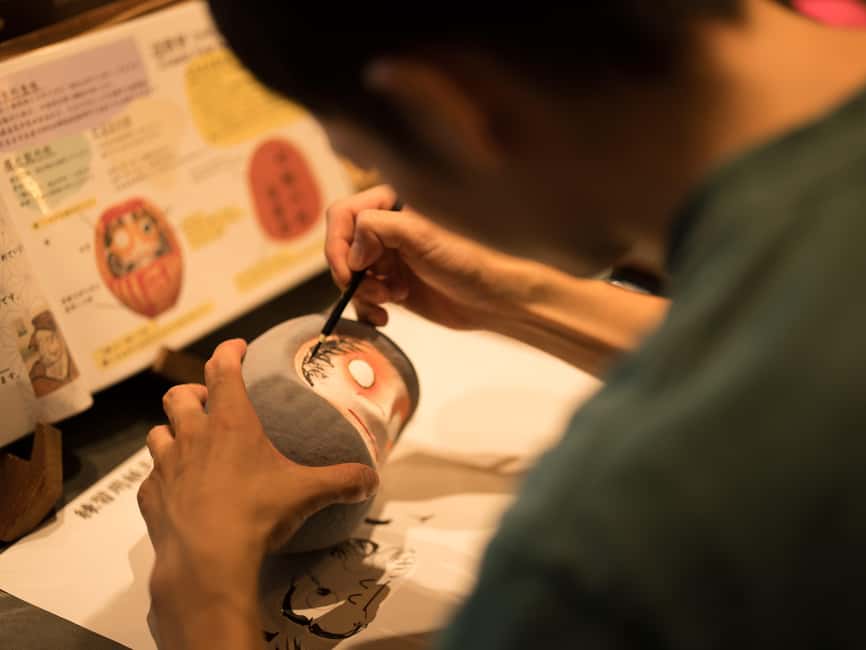
A craft class can be enjoyable without a cultural lesson, but the Daruma tradition gives this one a clear purpose. The doll is tied to Bodhidharma, the figure traditionally linked with the origin of Zen Buddhism, and its rounded shape is associated with resilience. The supplied experience focuses on the accessible idea of perseverance rather than asking you to master a complicated religious practice.
You can treat your Daruma as a goal marker. Think of something you want to complete, improve, or remember from your time in Japan. The workshop does not require you to announce that wish to anyone, so the meaning can stay private.
This is also why the activity works well near the end of an Osaka stay. After several days of sightseeing, you may appreciate a souvenir that records not only where you went, but also what you were thinking about at the time. The doll becomes a small reminder of a personal intention, not simply an object with Osaka printed on it.
Do keep the symbolism in proportion. This is a tourist-friendly craft experience, not a formal religious ceremony. That is part of its appeal. You get a clear introduction to an old Japanese tradition, then use it in a creative and personal way.
The creative process is calmer than the city outside
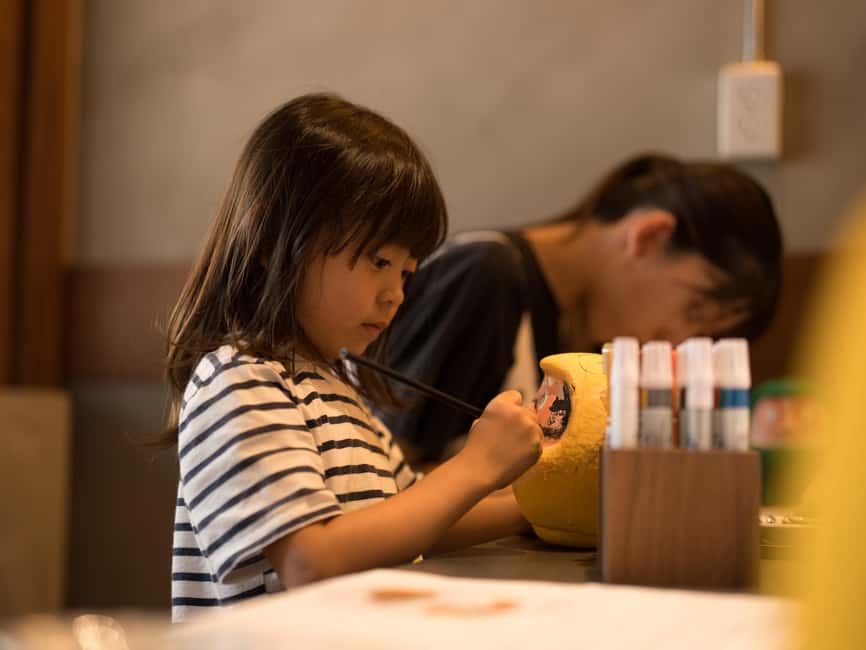
The strongest feature here is the change of pace. You are still in central Osaka, but the activity asks you to focus on a small object rather than on traffic, crowds, menus, or shopping displays. Painting can become a quiet, almost Zen-like pause in the middle of a busy itinerary.
That calm depends partly on how you approach the session. The rules ask you to keep conversation and photography to a minimum so you do not disturb others. Food and alcohol are not allowed, although non-alcoholic drinks are permitted. These limits may feel strict if you expect a loud social class, but they help preserve the peaceful mood.
The private group format is useful for couples, families, or friends who want to share the activity together. Seating is provided only for the number of people included in the reservation, and unbooked companions or observers cannot enter. If your family group includes someone who only wants to watch, make sure that person understands the entry rule before booking.
Children age six and older can take part if they can sit calmly. Younger children are not accepted, and a restless child may find the 90 to 110 minute format demanding. For an older child who likes drawing or crafts, though, the activity offers a good way to participate in Japanese culture without needing advanced language skills.
A few more Osaka half-days to weigh up
- Osaka Go Karting Tour with Funny Costume
★ 5.0 · 2,658 reviews - Osaka Castle: Museum and Tower Entry Ticket
★ 4.5 · 2,380 reviews - Osaka: Shinsekai Food Tour with 13-15 Dishes at 5 Eateries
★ 4.8 · 2,204 reviews - Osaka Food Tour: 13 Dishes at 5 Local Eateries
★ 5.0 · 2,149 reviews
Guidance, tools, and room for imperfect artwork
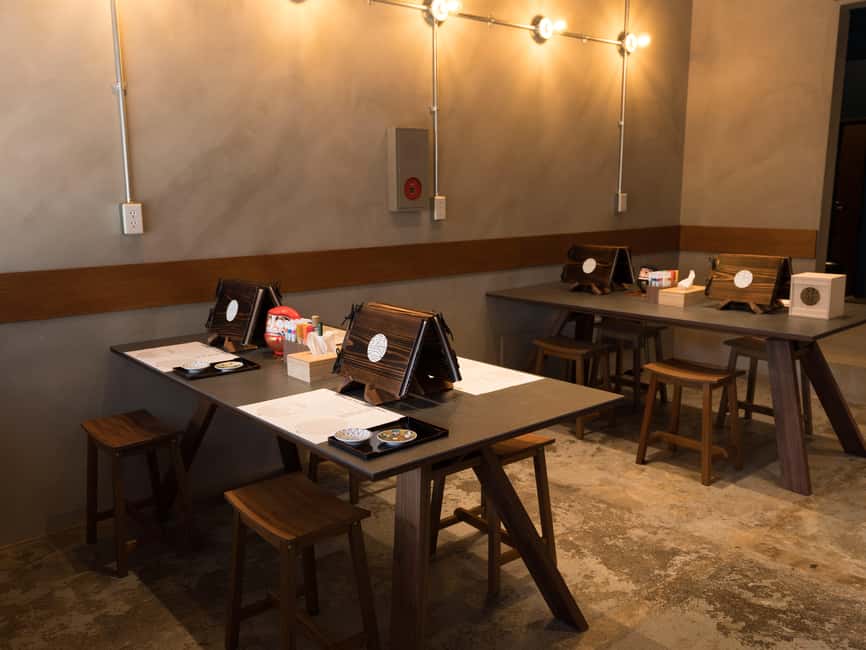
The workshop provides the tools you need, so you do not have to carry paintbrushes or buy supplies in Osaka. Support is available in English and Japanese, which makes the process easier if you want help with technique or with understanding the Daruma’s meaning.
The teaching style appears intentionally light. You first watch an introduction, consult a guidebook, and then work with assistance rather than following a long, formal demonstration. That lets you make decisions for yourself, which is important when the aim is a one-of-a-kind design.
A practical benefit is that you do not have to arrive with an artistic plan. You can begin by choosing a color and letting the design develop. If your brushwork goes slightly crooked, that is not a disaster. A hand-painted Daruma should look made by you, not stamped out by a machine.
Support can be especially useful when you want to add Japanese characters or a meaningful word. You should ask the guide for help rather than guess at a character. The available information confirms English and Japanese guidance, but it does not promise translation of every possible phrase, so keep a complicated message for another setting.
One instructor named Kelly has been singled out for attentive help, including replacing brushes during the session. Staff names and availability can change, but that detail gives you a useful sense of the hands-on support intended here. You can ask for a fresh tool if your brush is not working well.
Location: Nipponbashi between food and neon
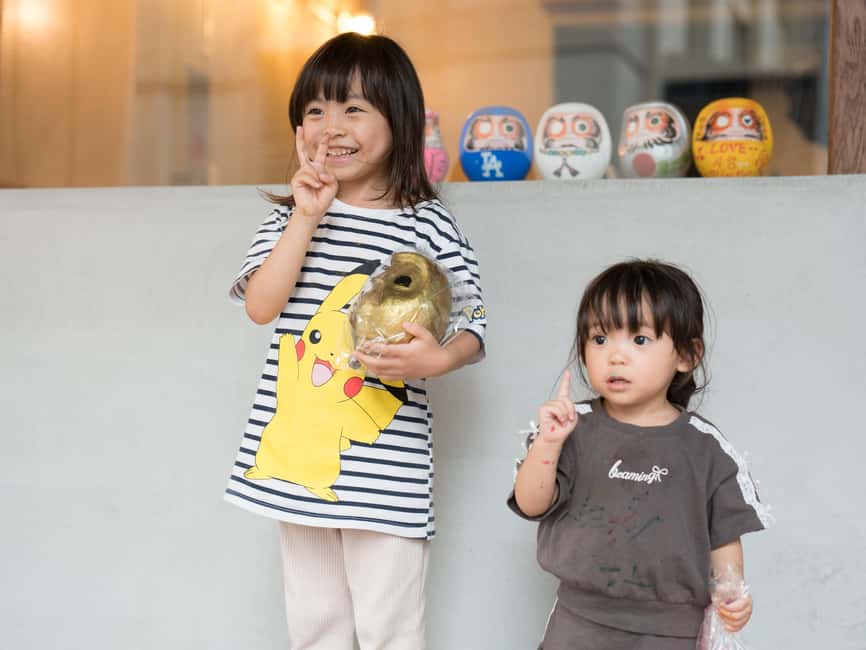
DARUMA CLUB is located at 2-10-9 Nipponbashi in Chuo Ward, Osaka City. The workshop is within walking distance of Dotonbori and Kuromon Market, making it easy to pair with some of Osaka’s best-known central attractions.
That location is a practical advantage. You can plan the painting around a market visit, a meal, or an evening around Dotonbori without setting aside a full day for transport. Transportation costs are not included, but the central address means the activity works well as part of a self-guided Osaka schedule.
Think carefully about what you carry. Large luggage, oversized luggage, suitcases, and large bags are not permitted. Leave your main luggage at your accommodation or another suitable location before coming. A small personal bag may still need to meet the venue’s rules, so avoid arriving with shopping bags from a full day out.
The workshop is also wheelchair accessible. Seating is provided according to the reservation, so enter the correct number of participants when booking. Since entry without a reservation is not allowed, including for companions, do not plan on adding someone at the last minute.
Is $35 a fair price?
At $35 per person, this is not the cheapest way to spend an hour in Osaka. You could visit a market, buy a Daruma, and spend less. The value comes from the combination of instruction, materials, a private-group setting, and the chance to create the item yourself.
The Daruma is included, as are the painting tools for rental. That matters because you are paying for a finished object plus the time and guidance needed to make it. You also avoid the problem of carrying craft supplies through Japan.
The price makes the most sense if you value experiences over purchases. A store-bought Daruma can be attractive, but it does not carry the same memory as one you designed after learning what the figure represents. If your main goal is bargain shopping, skip the workshop. If you want a meaningful activity and a souvenir in one, $35 is reasonable.
Remember that the price is per person. A couple needs two places, and a family needs a place for each participant. Transportation and personal purchases are extra. If a customized box is available in your plan or at the venue, confirm any additional cost before choosing it.
Who will enjoy this workshop most?
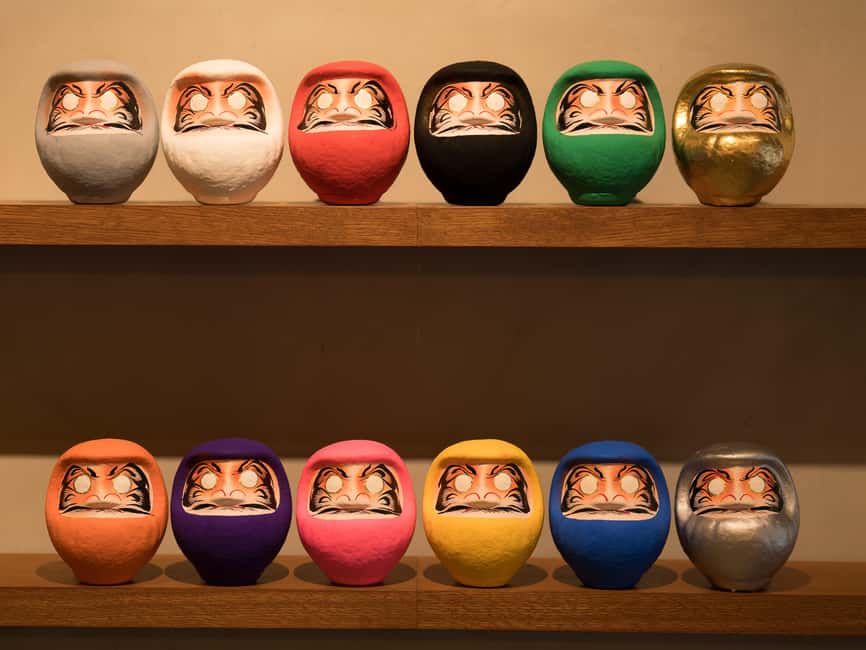
I would recommend it to solo visitors who want a calm cultural activity, especially after a few crowded days in Osaka. You have enough structure to avoid feeling lost, but enough freedom to make the design your own.
Couples can use the session as a shared project. You can choose different colors and compare how two people interpret the same tradition. Families with children age six and up can also enjoy it, provided everyone understands that this is a seated activity and the room should remain quiet.
It suits art-minded children and adults particularly well. You do not need strong drawing skills, but you should enjoy making choices and working carefully. If you dislike crafts, paint, or sitting in one place for a long stretch, the activity may feel slow.
It is less suited to someone with an overloaded day and a tight connection between attractions. The session lasts 90 to 110 minutes, and late arrival does not extend the end time. Build in the full time rather than assuming you can squeeze it into a short gap.
Practical planning notes for a smooth visit
Book ahead. The venue does not accept unreserved entry, including companions or observers, and a time slot may be unavailable when it is full. Reserve a place for every person who plans to enter.
Arrive at least five minutes early. You will have more time to settle in, and you will not lose part of the painting period if the introduction begins promptly.
Wear something you can relax in and keep your luggage light. The supplied information does not specify a dress code, but painting is easier when you are not worried about carrying large bags or protecting delicate clothing.
Allow your design to be simple. A bold color, a few symbols, and a carefully chosen word can look better than an overworked pattern. The workshop is about personal expression, not a test of fine art.
If you have mobility needs, the venue is wheelchair accessible. If you have a question about seating or the exact plan you selected, check before arrival because seating is limited to the number of reserved participants.
Cancellation is flexible: you can cancel up to 24 hours in advance for a full refund, and reserve now while paying later. That is helpful when Osaka plans may change with weather or family energy levels.
Should you book the Osaka Daruma Workshop?
Book it if you want a hands-on cultural experience, a personal souvenir, and a quiet break near Dotonbori and Kuromon Market. The strongest reasons are the 10 color choices, the clear introduction to Daruma symbolism, the English and Japanese support, and the freedom to create a design that means something to you.
Skip it if you only want to see traditional objects, if you are carrying large luggage, or if your schedule cannot spare 90 to 110 minutes. It is also not a good fit for a child who cannot sit calmly.
For most solo participants, couples, and families with older children, this offers solid value at $35. You leave with more than a painted doll. You leave with a small reminder of a goal, a wish, or the simple decision to keep going.
FAQ
Where is the Osaka Daruma Workshop held?
It is held at DARUMA CLUB, 2-10-9 Nipponbashi, Chuo Ward, Osaka City, Osaka Prefecture. The venue is within walking distance of Dotonbori and Kuromon Market.
How long does the Daruma painting experience last?
The activity lasts 90 to 110 minutes, depending on the selected plan and starting time. The end time cannot be extended if you arrive late.
What languages are available?
Live guidance is available in English and Japanese.
What is included in the price?
The price includes the Daruma and a complete set of painting tools for rental. Transportation and personal expenses, including merchandise purchases, are not included.
Can children participate?
The minimum age is six. Children must be able to sit calmly during the activity.
Is the workshop wheelchair accessible?
Yes, the experience is wheelchair accessible. Seating is provided only for the number of participants included in the reservation.
Just added around Osaka
- Discover Real Osaka: A Cultural Walk with Food & Drink★ 5.0 · 13 reviews
- From Osaka/Kyoto: Kyoto & Nara Day Trip with Optional Lunch★ 4.5 · 79 reviews
- Osaka 6hr Private Walking Tour with Government Licensed Guide★ 5.0 · 174 reviews
- Private Airport transfer Kansai Intl. Airport(KIX) to OSAKA CITY★ 4.5 · 12 reviews
- Osaka: Namba Local Food Walking Tour (Taste 15 Dishes)★ 5.0 · 20 reviews
- Osaka Delights: Traditional Japanese Food Tour★ 4.5 · 33 reviews
- From Osaka or Kyoto: Kyoto and Nara 1-Day Bus Tour★ 3.5 · 141 reviews
- 1 Day Takoyaki Making and Osaka Castle Walking Tour★ 5.0 · 15 reviews
Osaka Tours, compared.


Shinsekai Food Tour with 13-15 Dishes at 5 Eateries
Read our review →
Osaka Food Tour: 13 Dishes at 5 Local Eateries
Read our review →
Hungry Osaka Street Food Tour:15 Tastings & 3 Drinks with a Local
Read our review →



Hotspots & Hidden Gems Walking Tour Private or Group
Read our review →Browse the lists this tour appears in