
Reviewed · OSAKA TOURS
Osaka: Sashiko Japanese Craftsmanship Workshop
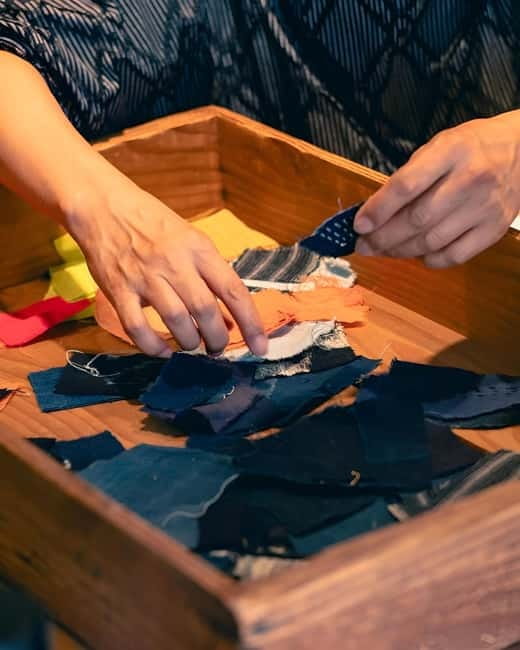
Sashiko turns simple running stitches into neat geometric art, and this Osaka workshop lets you try the craft rather than just admire it behind glass. You’ll learn how an old method for mending and warming work clothes became a beloved Japanese textile tradition, then make your own coasters to take home.
I like the small group of up to eight, which gives the instructor room to help with your thread and stitch tension. I also like the calm, creative pace, plus the chance to see original JunAle goods, sewing kits, hand-dyed threads, and clothing beside the workshop. The one consideration is that two hours is enough for a satisfying introduction, not mastery, and solo bookings may require a date change or a ¥3,000 supplement if no second participant joins.
Key points to know before booking
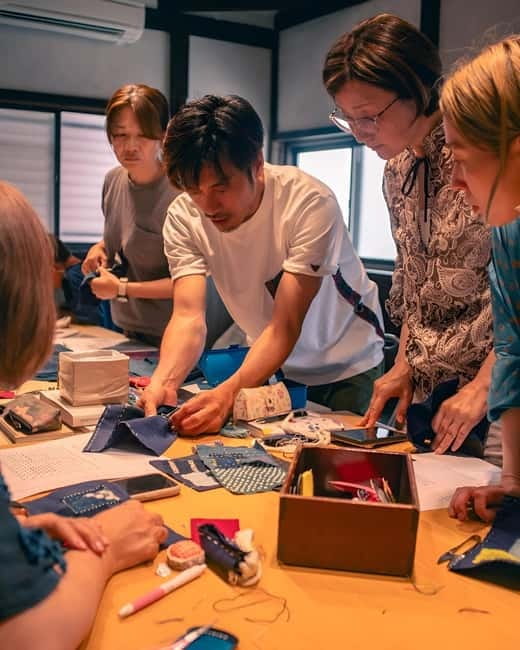
- Make geometric Sashiko coasters: You practice the basic stitch on a useful, portable project rather than a large piece of cloth.
- Learn with personal guidance: Instructor June, also referred to as Jun in the workshop information, teaches in English and Japanese.
- See craft in its cultural setting: The session covers Sashiko’s Edo-period roots, practical purpose, and pattern symbolism.
- Enjoy a quiet two-hour activity: This suits a slower afternoon, a family outing, or anyone who wants time away from Osaka’s busy streets.
- Take home a handmade keepsake: Your finished textile reflects your own work, not a factory souvenir.
- Plan around the small-group rule: The maximum is eight, but a solo booking needs a minimum of two participants unless you accept another option.
What Sashiko means beyond pretty stitching

Sashiko translates roughly as little stabs, a plain name for a patient craft built from repeated needlework. During the Edo period, from 1603 to 1868, rural families used it to repair clothing and reinforce weak fabric.
That original purpose matters. Farmers and fishermen needed garments that could survive hard use and help retain warmth during cold winters. Layer after layer of small stitches strengthened cloth, turning repair into something practical and attractive.
Over time, Sashiko developed beyond mending. Different parts of Japan formed their own patterns and motifs, and some designs came to carry cultural or symbolic meanings. In this workshop, you get an introduction to that change from useful repair technique to recognized art form.
I appreciate that the history is tied to the activity itself. You are not simply hearing a short cultural talk, then moving on to a generic craft. The pattern you sew connects directly to the way Japanese families once made clothing last longer.
More hands-on workshops in Osaka:
- Sushi Making Osaka Roll and Authentic Japanese Sushi Class
★ 5.0 · 1,220 reviews - Matcha Making Class in Osaka with Authentic Japanese Sweets Set
★ 5.0 · 509 reviews - Osaka: Ramen and Gyoza Cooking Class in Dotonbori
★ 5.0 · 378 reviews
Your first few minutes at the Osaka workshop
The two-hour session begins with an introduction to Sashiko and its background. You’ll learn why the stitches are arranged in geometric forms and how the method was used in everyday life.
June then demonstrates the basic stitching technique. This is the important moment for beginners, since Sashiko looks simple but rewards even spacing and a steady rhythm. You will see how to guide the needle through the fabric and how the individual stitches combine into a larger pattern.
The workshop provides the fabric, needles, thread, and other tools. That makes the experience easy to fit into a Japan itinerary. You do not need to buy supplies beforehand or pack a sewing kit in your luggage.
Instruction is offered in English and Japanese. Past participants have found the English guidance clear and supportive, and one sewing-focused participant received an additional stitch to try after finishing quickly. That suggests the session can stretch a little for people who already sew, while still staying approachable for first-timers.
Making the Sashiko coasters
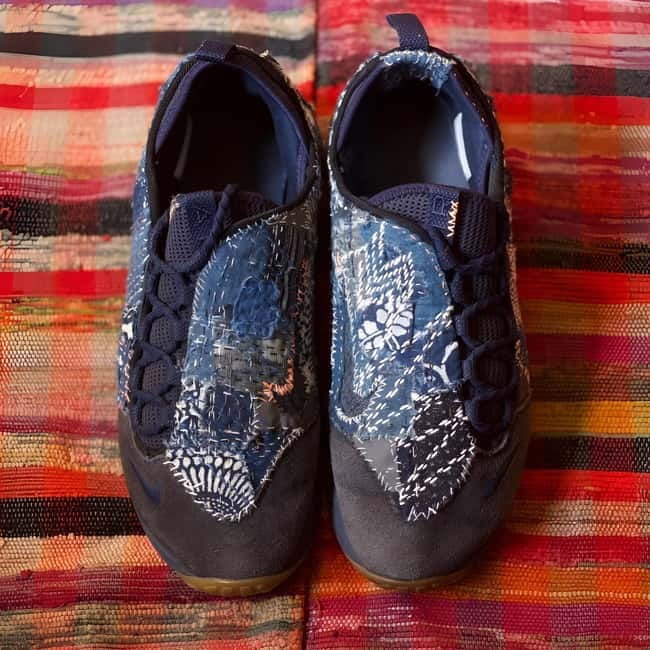
Your main project is a set of Sashiko coasters using geometric patterns. This is a smart format for a short workshop. A coaster is small enough to finish during the session, yet large enough to show the character of the stitching.
You’ll practice the technique on fabric, placing careful stitches along the pattern. The work is repetitive in a good way. Once your hands settle into the motion, the task becomes quiet and focused rather than rushed.
I would not book this expecting every stitch to look machine-perfect. The appeal is in learning the method and producing something with your own hands. Small differences in spacing are part of the learning process, and the finished item carries a clearer memory of the workshop because you made it yourself.
The project also gives you a useful test of your interest. If you find the stitching calming and want to continue, you can look for more supplies or patterns after the class. If you decide that hand sewing is not your thing, you have still spent two hours trying a distinctly Japanese craft and leave with a small memento.
Why the small group matters
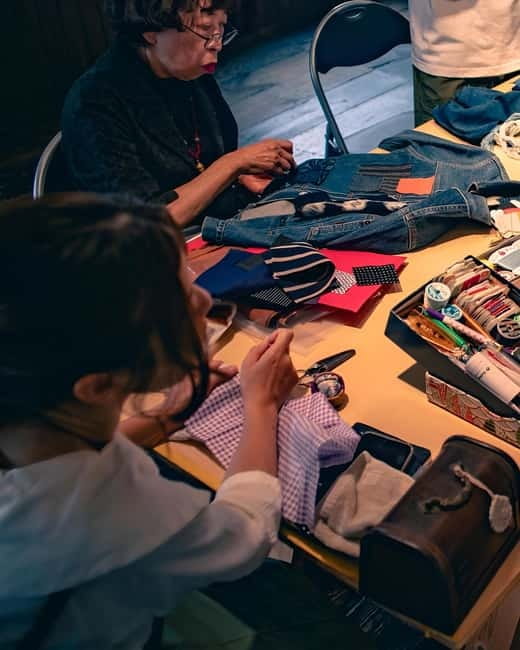
The class is limited to eight participants. That number keeps the session more personal than a large demonstration, especially when everyone is working with a needle and thread at a different pace.
A beginner may need help with thread placement, stitch length, or the direction of the pattern. An experienced sewer may finish the basic work early and ask for an extra technique. A small class makes both situations easier for the instructor to handle.
The atmosphere is described as open, friendly, and relaxed. That is important here. Sashiko requires patience, and a hurried or crowded room would work against the craft’s appeal.
The workshop has also suited families and groups of different ages. One participant attended with teenagers, and the activity worked well for all of them. It can also fit a birthday outing or a quieter break from sightseeing.
A few more Osaka half-days to weigh up
- Osaka Go Karting Tour with Funny Costume
★ 5.0 · 2,658 reviews - Osaka Castle: Museum and Tower Entry Ticket
★ 4.5 · 2,380 reviews - Osaka: Shinsekai Food Tour with 13-15 Dishes at 5 Eateries
★ 4.8 · 2,204 reviews - Osaka Food Tour: 13 Dishes at 5 Local Eateries
★ 5.0 · 2,149 reviews
The character of the setting

The workshop takes place in an old house with wooden stairs and visible framework. The interior adds something that a plain modern classroom would not: you are learning a traditional Japanese craft in a setting with its own sense of age and structure.
The studio is described as homely and easy to reach by train. Exact route details are not provided, so you should confirm the venue instructions after booking. With advance notice, the provider can meet you at Kyobashi Station, which is useful if you want help finding the workshop.
Do not assume that a station meeting is automatic. It requires advance notice, so arrange it before the day of the class. You are responsible for getting to and from the venue, and transportation is not included in the $67 price.
The historic house is part of the charm, but it may also matter to anyone with mobility concerns. The activity is listed as wheelchair accessible, so ask the provider for the most current access details if the old-house setting raises questions about stairs or room layout.
What the $67 price gets you
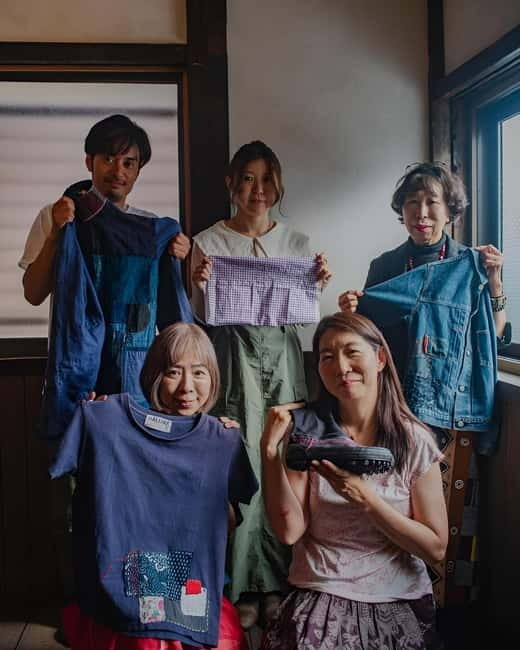
At $67 per person, this is not the cheapest way to spend two hours in Osaka. Its value depends on what you want from a souvenir and from your time.
The fee includes all fabrics, needles, threads, and Sashiko-specific tools. It also includes instruction, cultural background, and a completed handmade project. If you were to buy a kit and supplies separately, you might spend less or more depending on quality, but you would not receive the guided explanation or the workshop setting.
I see the strongest value in the combination. You get an activity, a cultural lesson, and a finished object in one booking. The coaster is modest in size, yet it is more personal than a standard shop purchase because you formed the stitches yourself.
The class is a better buy for anyone who likes crafts, sewing, textile art, or hands-on cultural activities. It is less suitable if you prefer fast sightseeing, large attractions, or a polished finished souvenir with no effort required.
There is also a small shopping corner beside the workshop. It carries JunAle original goods, sewing kits, hand-dyed threads, and clothing. Cash discounts are available, so bring cash if you think you may want supplies or an extra item. Purchases are not included in the workshop price.
Who will enjoy this most
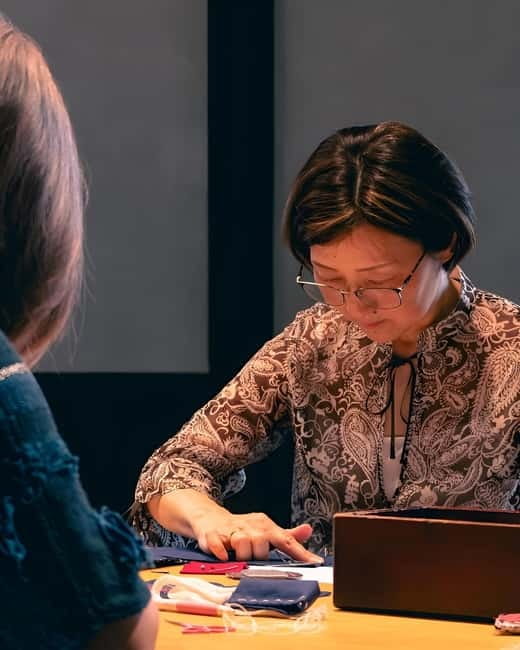
I would recommend this activity to:
- First-time crafters who want patient instruction
- People already interested in embroidery, hand sewing, or textile design
- Families with older children or teenagers
- Couples and friends looking for a calm shared activity
- Visitors who prefer a handmade souvenir to a mass-produced one
- Anyone wanting to understand a Japanese tradition through practical work
It also works well for a rainy day or for a pause between more demanding sightseeing stops. Two hours is long enough to feel purposeful, but short enough to fit around other plans.
Sewing experience is not required. The basic patterns and guided demonstration give beginners a clear starting point. At the same time, experienced sewers may enjoy asking for an additional stitch or working more quickly through the first exercise.
This may not suit very young children who struggle with needles or anyone who dislikes repetitive handwork. The class is calm by nature. If you need constant movement and rapid changes of scenery, Sashiko may feel slow.
The cultural value of making your own souvenir
Many Japanese craft experiences let you watch an artisan work. This one asks you to take part. That difference changes how you see the finished object.
After learning that Sashiko began with repairing clothing, you can understand the balance of usefulness and beauty in the coaster. It is decorative, but it is also an object meant for daily use. The geometric design is not separate from the craft’s practical roots.
The instructor also explains the meanings connected with different patterns. You may not become an expert in Sashiko symbolism during one class, but you leave with a better sense that these designs are not random decoration.
For me, this is the strongest reason to choose the workshop over simply buying a Sashiko item. You gain a little cultural context, a new hand skill, and a memory tied to the work of making. The piece in your luggage may be small, but it can call back the quiet concentration of the class long after you leave Osaka.
Timing, language, and booking details
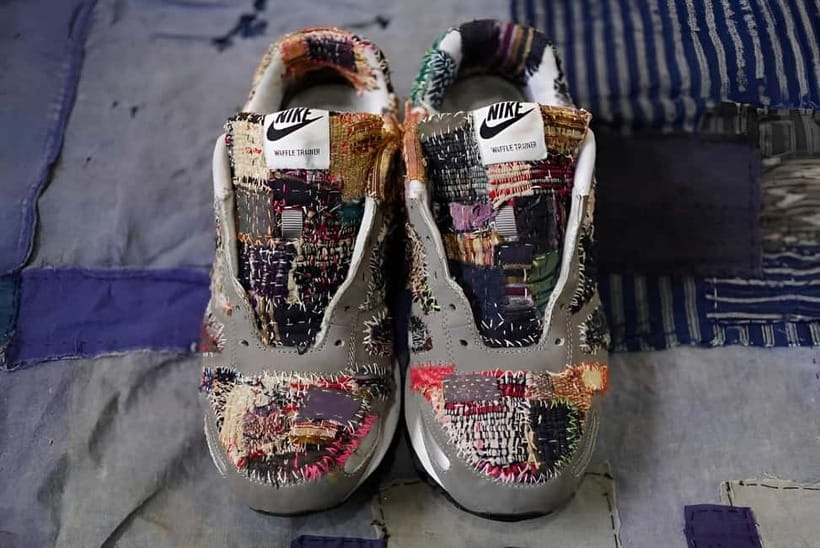
The workshop lasts two hours, with starting times based on availability. Check the available date and time before building the rest of your Osaka schedule.
Instruction is available in English and Japanese. The provider is Junale, and the instructor is identified as June, with Jun also used in the workshop details. One separate class account refers to Nene, so the exact instructor may vary. If meeting a particular teacher matters to you, confirm this when you book.
You can cancel up to 24 hours in advance for a full refund. A reserve-now, pay-later option is available, which helps if your Japan plans are still changing.
The activity is listed as wheelchair accessible. Transportation and insurance are not included, so you need to arrange your own route and any personal cover.
Solo bookings need special attention. The provider aims not to charge more to solo participants, but the class requires at least two participants to run. If that minimum is not reached, you may be offered another date, asked to pay a ¥3,000 solo supplement, or given a full refund.
Is this Osaka craft class worth booking?
Book it if you want a calm, personal activity with a clear result at the end. The small class, helpful instruction, cultural background, and handmade coaster make the $67 fee reasonable for people who value participation over passive sightseeing.
I would especially choose it for a couple, family with teenagers, sewing enthusiast, or solo visitor who does not mind the minimum-participant condition. The old house and adjacent JunAle shop add character, while the English instruction removes much of the worry for international participants.
Skip it if you dislike hand sewing, need a highly active outing, or want to finish a large and elaborate textile in two hours. Sashiko asks you to slow down. For the right person, that is exactly the point.
FAQ
How long does the Sashiko workshop last?
The workshop lasts two hours.
How much does the workshop cost?
The listed price is $67 per person.
Is the workshop suitable for beginners?
Yes. You receive a demonstration of basic Sashiko stitches and guided help, and no previous sewing experience is required.
What will I make?
You will make Sashiko coasters with geometric patterns and take home your completed handmade piece.
Are tools and materials included?
Yes. Fabric, needles, thread, and other Sashiko-specific tools are provided.
What languages are available?
Instruction is available in English and Japanese.
How many people can join the class?
The small group is limited to eight participants.
Can I be met at Kyobashi Station?
Yes, but you need to request this in advance.
Is the workshop wheelchair accessible?
Yes, the activity is listed as wheelchair accessible.
What happens if I book alone and the minimum group is not met?
You may choose another date, pay a ¥3,000 solo supplement, or receive a full refund.
Can I cancel for a full refund?
Yes. You can cancel up to 24 hours in advance for a full refund.
Can I buy Sashiko supplies at the venue?
Yes. The adjacent shopping corner sells JunAle original goods, sewing kits, hand-dyed threads, and clothing. Cash discounts are available.
Just added around Osaka
- Discover Real Osaka: A Cultural Walk with Food & Drink★ 5.0 · 13 reviews
- From Osaka/Kyoto: Kyoto & Nara Day Trip with Optional Lunch★ 4.5 · 79 reviews
- Osaka 6hr Private Walking Tour with Government Licensed Guide★ 5.0 · 174 reviews
- Private Airport transfer Kansai Intl. Airport(KIX) to OSAKA CITY★ 4.5 · 12 reviews
- Osaka: Namba Local Food Walking Tour (Taste 15 Dishes)★ 5.0 · 20 reviews
- Osaka Delights: Traditional Japanese Food Tour★ 4.5 · 33 reviews
- Badminton in Osaka & Kyoto with Locals!★ 5.0 · 15 reviews
- From Osaka or Kyoto: Kyoto and Nara 1-Day Bus Tour★ 3.5 · 141 reviews
Osaka Tours, compared.


Shinsekai Food Tour with 13-15 Dishes at 5 Eateries
Read our review →
Osaka Food Tour: 13 Dishes at 5 Local Eateries
Read our review →
Hungry Osaka Street Food Tour:15 Tastings & 3 Drinks with a Local
Read our review →



Hotspots & Hidden Gems Walking Tour Private or Group
Read our review →Browse the lists this tour appears in