
Reviewed · TOKYO TOURS
Private Edo-Tokyo Open Air Architectural Museum Tour
Tokyo’s best architecture tour may be outside the city center, where old homes, shops, a bathhouse, and a train car are gathered under open skies. At the Edo-Tokyo Open Air Architectural Museum, you can trace Japan’s move from samurai-era traditions to Western-influenced modern design without spending the day chasing scattered buildings across Tokyo.
I like the private format, since your guide can shape the walk around your interests. I also like the train-and-bus journey, even though it takes extra effort: guides such as Yuichi and Yuki have helped visitors understand Tokyo’s transit while adding useful history along the way. The main drawback is the price, $193 per person before local transportation, which is a serious spend for a museum visit.
Key points to know
- Kunio Maekawa’s wartime home: See the sophisticated residence of a Japanese architect who worked with Le Corbusier and Antonin Raymond.
- European ideas in Japanese rooms: Sutemi Horiguchi’s 1925 house blends Dutch influence, Art Deco, De Stijl, and traditional Japanese spaces.
- Mitsui family luxury: Step inside a residence linked to one of Japan’s wealthiest families and study its polished interior details.
- A private, interest-led visit: Your guide can focus on tea rooms, gardens, architectural history, or Tokyo’s social changes.
- A Ghibli-like final stretch: The Shitamachi area, old bathhouse, and vintage train create a storybook mood, but this is not the Ghibli Museum.
- Plan for shoes and transit: You will use trains and buses, and several buildings require shoes to be removed.
Why this open-air museum matters
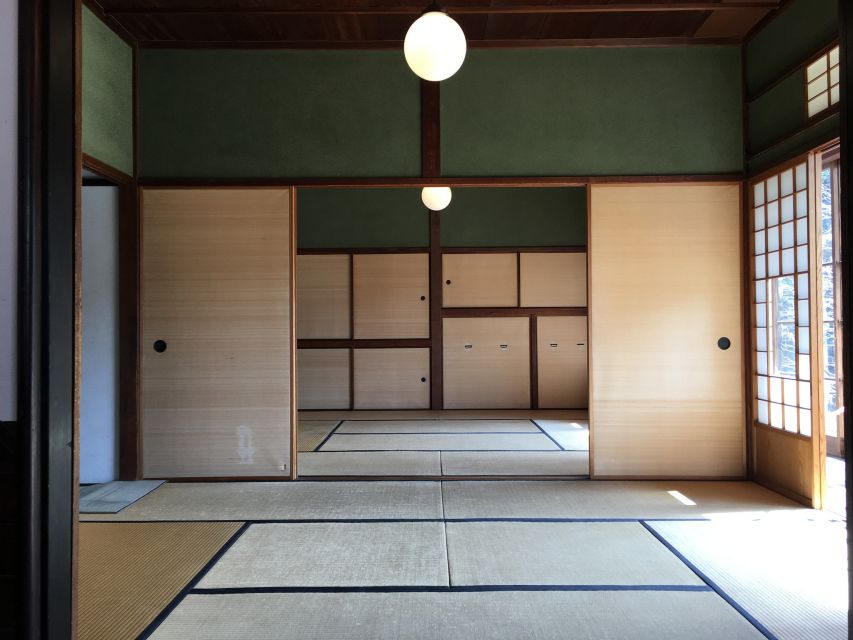
The Edo-Tokyo Open Air Architectural Museum gives you something most city tours cannot: a side-by-side look at buildings from different eras. Instead of seeing one preserved house and moving on, you can compare traditional Japanese design with early modern homes and Western-inspired architecture in a single visit.
That comparison is the real value. Japan did not simply replace old design with European design. Architects borrowed, adjusted, and combined ideas. A room may use Western composition on one wall and retain tatami flooring, sliding doors, or a tea-room layout nearby.
The tour also helps explain Tokyo itself. The buildings reflect changes brought by the end of the samurai period, the Meiji Restoration, industrial growth, and the Showa era. You are not just looking at handsome houses. You are seeing how work, family life, status, and foreign influence changed over time.
More museums and galleries in Tokyo:
- Tokyo: teamLab Planets TOKYO Digital Art Museum Entry Ticket
★ 4.6 · 9,779 reviews - Tokyo: Samurai Ninja Museum Guided tour and Experience
★ 4.6 · 1,010 reviews - Ninja Experience (Family Friendly) at Samurai Ninja Museum TOKYO
★ 5.0 · 441 reviews
Starting with Kunio Maekawa’s wartime modernism
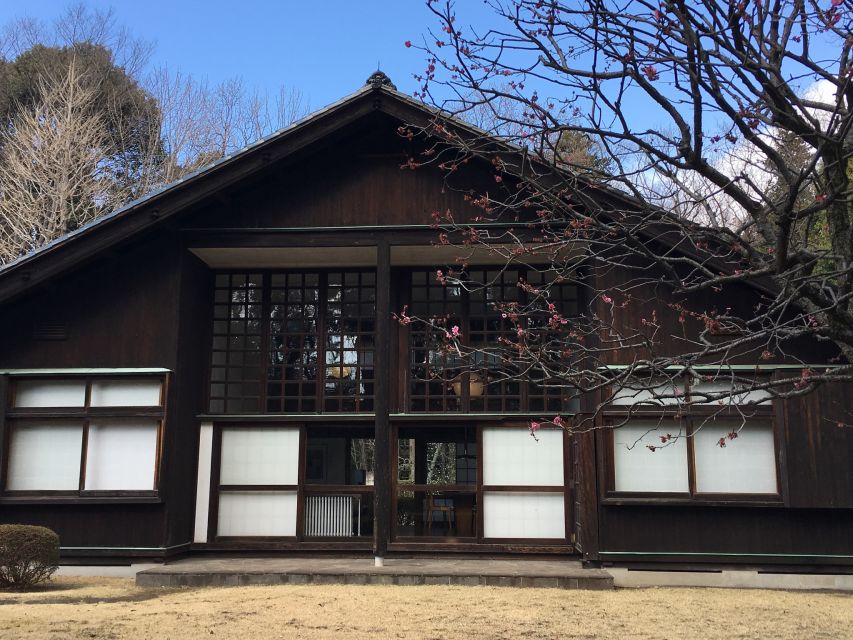
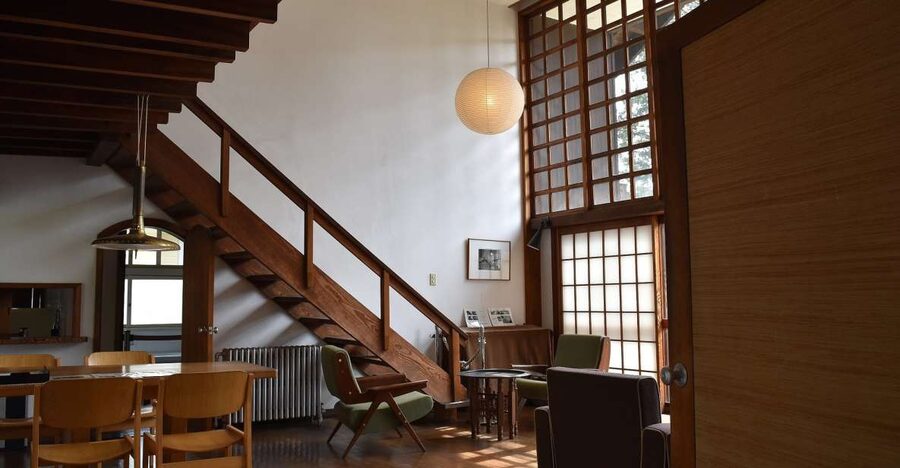
The first major stop is a house designed by Kunio Maekawa, a key figure in modern Japanese architecture. Maekawa worked under Le Corbusier and Antonin Raymond, two major influences on modern design, before helping shape architecture in Japan.
The house was built during the Second World War, which makes its design especially striking. It was created during a difficult period, yet it shows careful planning and a refined sense of space. Your guide can help you see how Maekawa adapted international modernism rather than copying it outright.
I would pay attention to the contrast between the building’s date and its design language. The house feels forward-looking, but it remains tied to Japanese ways of organizing domestic space. This is a useful introduction to the tour because it raises the central question: what happens when a country takes outside ideas and makes them its own?
Architecture newcomers should not worry about technical terms. A good guide can point out the features that matter without turning the visit into a lecture. Yuichi, who has led this tour, speaks excellent English and has been especially helpful to visitors interested in architectural history and tea rooms.
Horiguchi’s 1925 meeting of Japan and Europe
The next highlight is a house designed by Sutemi Horiguchi. Built in 1925 after his return from Europe, it reflects his interest in Dutch architecture and other European design movements.
Horiguchi introduced Dutch architecture to Japan, and the building also shows Art Deco and De Stijl influences. De Stijl, sometimes called The Style, is known for strong geometric compositions and a restrained visual order. Here, those ideas appear alongside traditional Japanese rooms.
That combination is more interesting than a simple European-style house would be. You can see how Horiguchi worked with Japanese habits rather than pushing them aside. The result gives you a clear picture of Japan’s architectural conversation with Europe in the early 20th century.
This stop will suit you if you enjoy design details. Look at how the house moves between formal and relaxed spaces, and notice how modern decoration can sit beside familiar Japanese elements. Your guide’s explanation is important here, since the connections between Art Deco, De Stijl, Dutch design, and Japanese interiors may not be obvious at first glance.
The Mitsui residence and the language of wealth
The Mitsui family residence offers a different lesson. The Mitsui family was said to be among the richest in Japan, and the home reflects the resources available to a family at the top of society.
Here, the focus shifts from architectural experimentation to luxury and social position. Interior decoration gives you clues about how an influential family presented itself, received visitors, and arranged private life. The house is worth seeing slowly rather than treating it as another quick photo stop.
A private guide can add useful context about why certain rooms feel formal and why materials or decorative choices mattered. You may also notice that luxury does not erase Japanese design. Traditional rooms remain part of the residence, showing how status and modern taste could coexist with established customs.
For me, this house helps balance the tour. Maekawa’s home shows professional modernism. Horiguchi’s home shows European influence. The Mitsui residence shows how wealth shaped domestic architecture. Together, they give you more than a collection of attractive buildings.
A few more Tokyo half-days to weigh up
- Mt Fuji and Hakone 1-Day Bus Tour Return by Bullet Train
★ 5.0 · 26,383 reviews - 1-Day Tokyo Bus Tour
★ 5.0 · 14,250 reviews - Tokyo: TOKYO SKYTREE® Admission ticket
★ 4.5 · 11,192 reviews - Mt Fuji & Hakone Cruise, Drum Show Bullet Train 1 Day from Tokyo
★ 4.0 · 7,413 reviews
Shitamachi, an old bathhouse, and a vintage train
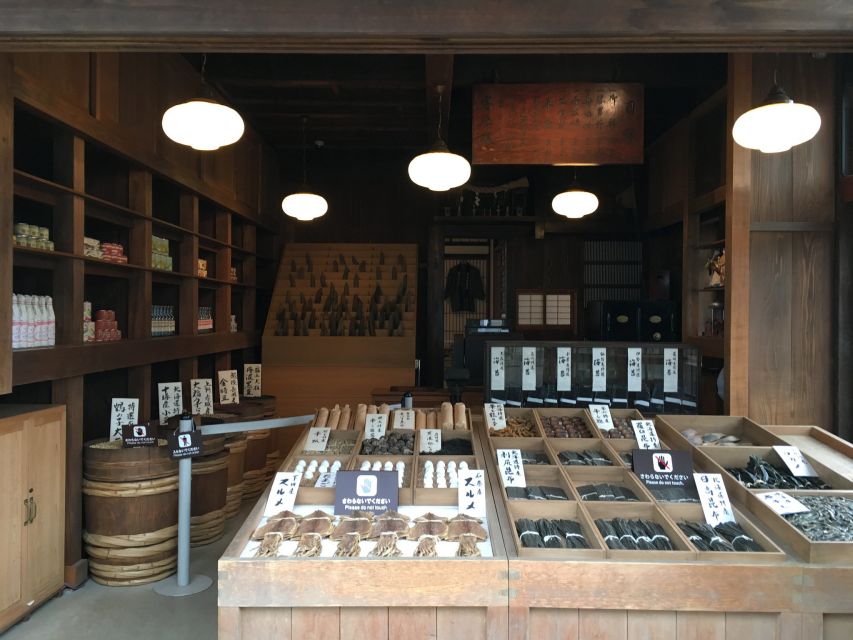
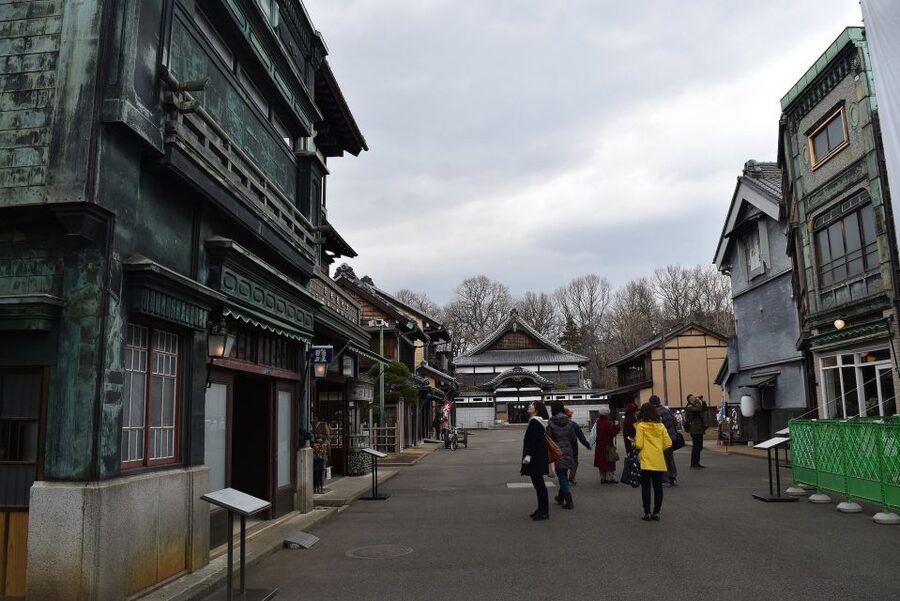
The latter part of the visit moves into an area designed to resemble Shitamachi, the older eastern side of Tokyo. Buildings here have a more everyday character, and the mood changes from grand residences to streets and structures associated with ordinary city life.
This is where many visitors who enjoy Studio Ghibli films will feel a familiar atmosphere. The old buildings can look as if they belong in an animated story, especially when you walk among them rather than viewing them from a road or train window.
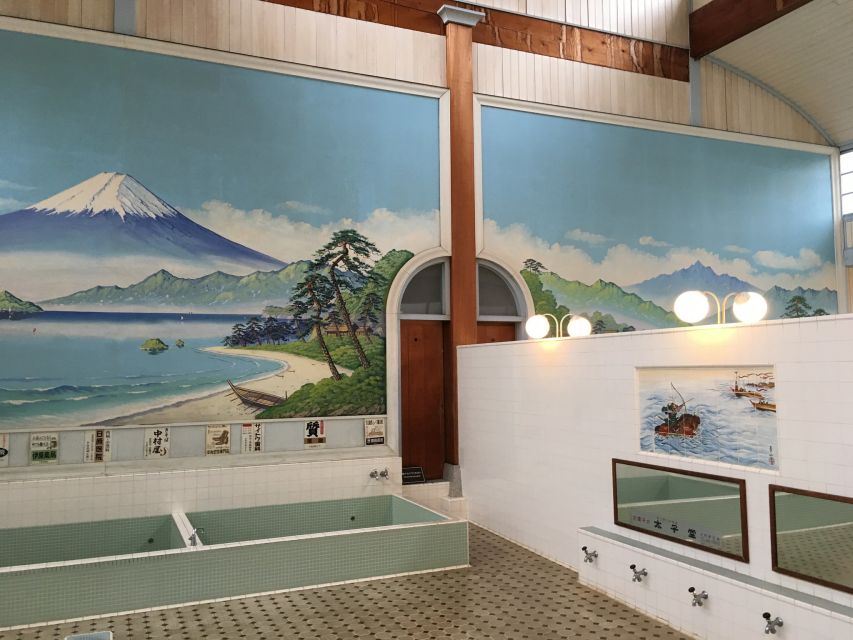
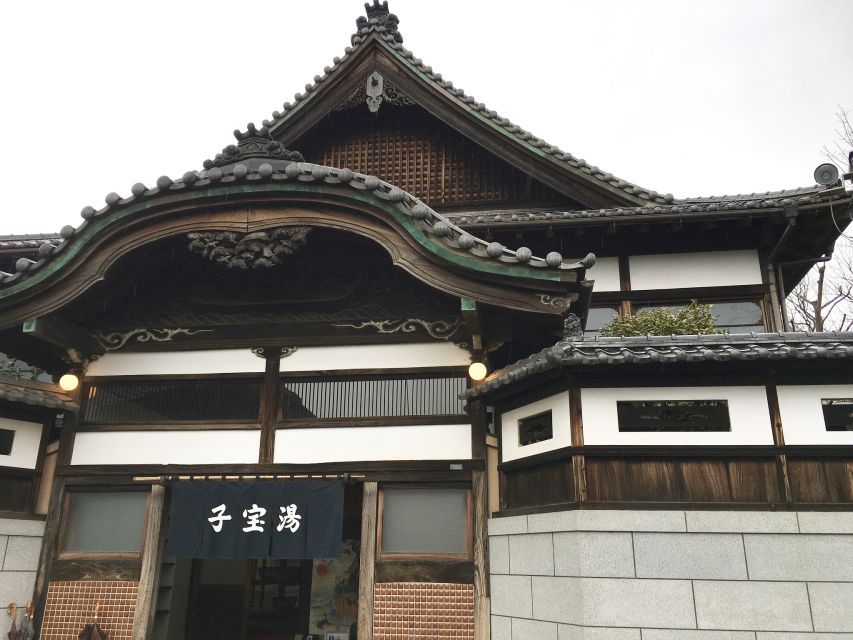
The tour includes a beautiful traditional bathhouse. A bathhouse offers a glimpse into a social world that is easy to miss in modern Tokyo. It was not simply a place to wash. It was also part of neighborhood life, and its design tells you something about how shared spaces once functioned.
You will also see an old train that once ran through Tokyo. It is a small but effective reminder that the city’s transport system has a long past. The train adds movement to the museum’s collection of fixed buildings and helps connect the preserved structures to the wider city.
This section may be the most photogenic part of the afternoon, but it is not the same as visiting the Ghibli Museum. The Ghibli Museum is not included, and this tour does not take you there. Book this experience for architecture and atmosphere, not for animation exhibits or film memorabilia.
The train and bus ride is part of the lesson
Transportation to Tatemono-en is not included in the $193 price. You will use trains and buses, with the local fare listed at about 700 yen each way.
That extra cost is modest compared with the tour price, but the transit time and transfers matter. You are leaving central Tokyo, so this is not a quick walk from Tokyo Station. The guide meets you at either JR Tokyo Station or JR Shinjuku Station and escorts you by public transportation.
The meeting point at Tokyo Station is the Marunouchi Front Plaza. After leaving through the JR Tokyo Station Marunouchi Central Gates, head toward the center of the station building. Look for the carriage porch used for VIP arrivals, marked by a Japanese national flag on each side. The guide carries a bag with an illustration of the Nakagin Capsule Tower.
This arrangement is practical, especially if Tokyo transit feels confusing. Yuki, one guide who has led the tour, has explained the subway and bus routes while adding stories about the city. Another guide, Yuichi, has been praised for kindness, flexibility, and tailoring the visit to individual interests.
Still, you should not book this expecting a private car. The public transportation is part of the outing. Some people will enjoy seeing how Tokyo works beyond the tourist center. Others may find the journey tiring, particularly after several hours of walking.
What the private format adds
The private group is the strongest reason to choose this tour instead of visiting the museum alone. Architecture can be hard to read without context. A guide can show you why one building matters, explain a designer’s background, and connect a room to wider changes in Japan.
The best use of the private format is to state your interests early. If you care about traditional Japanese architecture, tea rooms, gardens, modernism, or the connection between Japan and Europe, say so. The guide may be able to spend more time on those subjects instead of giving every building equal attention.
A private tour also gives you more help with practical matters. You can ask questions as they come up, move at a comfortable pace, and get assistance if the transit system feels difficult. One guide even helped a sick visitor reach a hospital after the tour had to end early. That is not something you should expect as part of the standard itinerary, but it shows the level of personal support this format can provide.
The five-hour duration is long enough for a meaningful visit but short enough to fit into a busy Tokyo plan. You should still allow energy for walking, standing, public transportation, and repeated shoe removal.
Price, value, and who should book
At $193 per person, this is not a budget museum outing. You still pay about 700 yen each way for transportation, and the tour does not include the Ghibli Museum.
The price makes more sense if you value interpretation and private attention. You are paying for an English-speaking licensed guide, admission, help with Tokyo transportation, and a visit shaped around your interests. A self-guided visit will cost less, but you may miss the links between the buildings and the larger story of Tokyo.
I think the tour offers good value for architecture fans, first-time visitors who find Tokyo transit intimidating, and anyone who wants more than a quick look at traditional houses. It is also a strong choice for couples or families who want a slower, more personal outing.
It is less suitable if you want central Tokyo sights, a short museum stop, or a dedicated Studio Ghibli experience. The museum is outside the main sightseeing core, and the tour’s appeal depends on your interest in buildings, design, and social history.
Wear shoes that slip on and off easily. Several historic buildings require you to remove your shoes, and complicated laces will become an irritating little enemy by the end of the day.
Should you book the Edo-Tokyo architecture tour?
Book it if you want to understand how Japanese architecture changed from traditional homes to modern design, and if you value a guide who can connect buildings to people and periods. The Maekawa, Horiguchi, and Mitsui residences provide strong variety, while the bathhouse and old train add a more local, storybook feel.
Skip it if your main goal is the Ghibli Museum, a luxury vehicle transfer, or the cheapest possible way to see historic buildings. For the right visitor, the private guide is what turns a pleasant open-air museum into a useful lesson in Tokyo’s past.
Free cancellation is available up to 24 hours before the tour, and you can reserve now and pay later. That flexibility helps, but the bigger decision is simple: if architecture interests you, this is one of the more thoughtful ways to spend five hours outside central Tokyo.
FAQ
Where does the tour begin?
The stated meeting point is Tokyo Station Marunouchi Front Plaza. After exiting through the JR Tokyo Station Marunouchi Central Gates, go toward the center of the station building and look for the carriage porch with a Japanese flag on each side.
Can I meet the guide at Shinjuku Station?
Pickup is available at either JR Shinjuku Station or JR Tokyo Station. Confirm the selected meeting point when booking.
Is transportation to the museum included?
No. You will use trains and buses to reach Tatemono-en, and the transportation cost is about 700 yen each way.
How long does the experience last?
The tour lasts five hours. Starting times depend on availability.
Is the Ghibli Museum included?
No. The tour visits the Edo-Tokyo Open Air Architectural Museum. It does not go to the Ghibli Museum.
What language is the tour conducted in?
The tour is conducted in English by a licensed English-speaking guide.
Is this a private tour?
Yes. The experience is arranged for a private group, allowing the guide to focus on your interests.
Should I wear special footwear?
Wear comfortable shoes that are easy to remove and put back on. Several historic buildings require you to take off your shoes before entering.
Just added around Tokyo
- Private Arrival Transfer : Narita International Airport to Central Tokyo City★ 4.5 · 12 reviews
- Narita Airport(NRT): Private Transfer to Tokyo/Yokohama 1-9pax★ 5.0 · 47 reviews
- Private Transfer from Narita Airport to Yokohama Port and City★ 4.5 · 17 reviews
- [Narita Airport Terminals 1, 2] 40-60km Sawara Itako Historic Bike Tour★ 5.0 · 13 reviews
- 3 Day Japan Highlights Tour: Tokyo, Mt.Fuji, Nara, Kyoto, Osaka★ 5.0 · 22 reviews
- Small Town in the Big City: Tasting Tokyo’s Kichijoji★ 5.0 · 195 reviews
- Small Town in the Big City: Tasting Tokyo’s Kichijoji★ 5.0 · 16 reviews
- The 10 Tastings of Tokyo With Locals: Private Street Food Tour★ 5.0 · 48 reviews
Tokyo Tours, compared.

Mt Fuji and Hakone 1-Day Bus Tour Return by Bullet Train
Read our review →
teamLab Planets TOKYO Digital Art Museum Entry Ticket
Read our review →
Mt Fuji & Hakone Cruise, Drum Show Bullet Train 1 Day from Tokyo
Read our review →
Sumo Show Experience with Chicken Hot Pot and a Photo
Read our review →
Shinjuku Food Tour (13 Dishes at 4 Local Eateries)
Read our review →
Tokyo Mt Fuji 5th St & Hakone Cruise Bus Tour w/Bullet Train
Read our review →
Flagship 2-Hours Official Street Go-Kart Tour – Tokyo Bay Shop
Read our review →Browse the lists this tour appears in