
Reviewed · TOKYO TOURS
Shibuya & Harajuku: Hidden Gems & Highlights Private Tour
Shibuya Scramble Crossing is only the beginning. This private walking tour uses the famous crossing, Hachiko, Harajuku, and Takeshita Street as a starting frame, then takes you toward the side streets, cafés, food stops, shrines, and shops that match your interests. Your host could be Shoko, Veronica, Alberto, Kay, or another local chosen after your pre-tour questionnaire.
I like two things here: the route changes to fit you, and the host can help with details that are hard to manage alone, from ordering at a local restaurant to handling Tokyo’s metro. I also like the mix of modern youth culture with quieter places such as Meiji Jingu, family-run cafés, small shrines, and old drinking streets.
The main consideration is that this is a walking tour, not a private-car tour. You may use trains or taxis between areas, but those costs are extra, and a short two-hour booking can feel rushed if you want both districts plus food and shopping.
Key points at a glance
- Your questionnaire shapes the day: Tell the operator about fashion, anime, food, history, shopping, photography, or dietary needs before meeting your host.
- The famous sights are only the opening act: Expect Shibuya Crossing, Hachiko, Takeshita Street, or Meiji Jingu, then a route toward quieter local spots.
- Food is part of the experience: One café or izakaya drink and a food tasting are included, while extra meals and snacks cost more.
- Tokyo’s transport becomes less daunting: Hosts can ride the metro with you and help you navigate stations, but fares are not included.
- You can choose the length: Two hours works for an introduction, while four to six hours gives you room for several neighborhoods and a meal.
- It suits private groups: The experience is offered for your own group, and one booking accommodated a party of 15.
A personal route through Shibuya and Harajuku
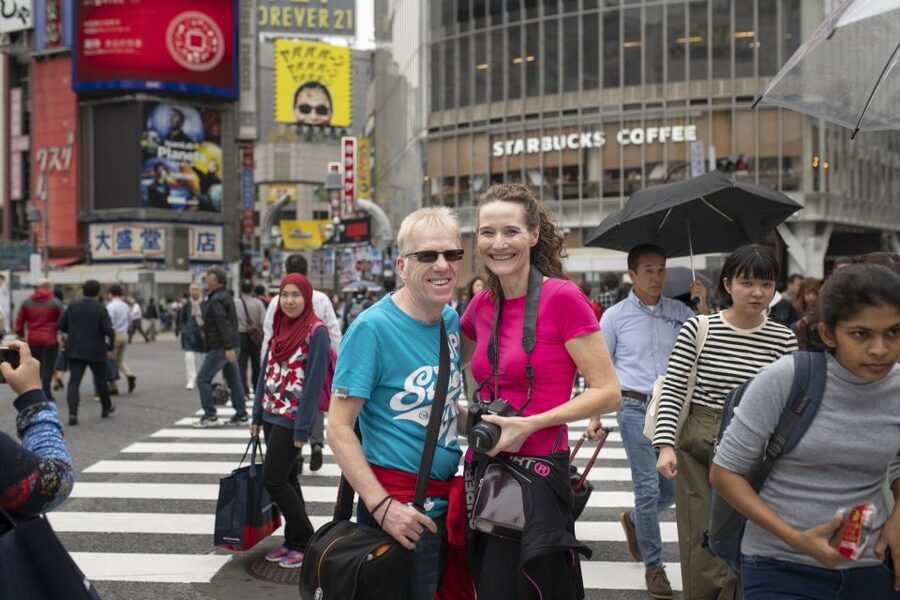
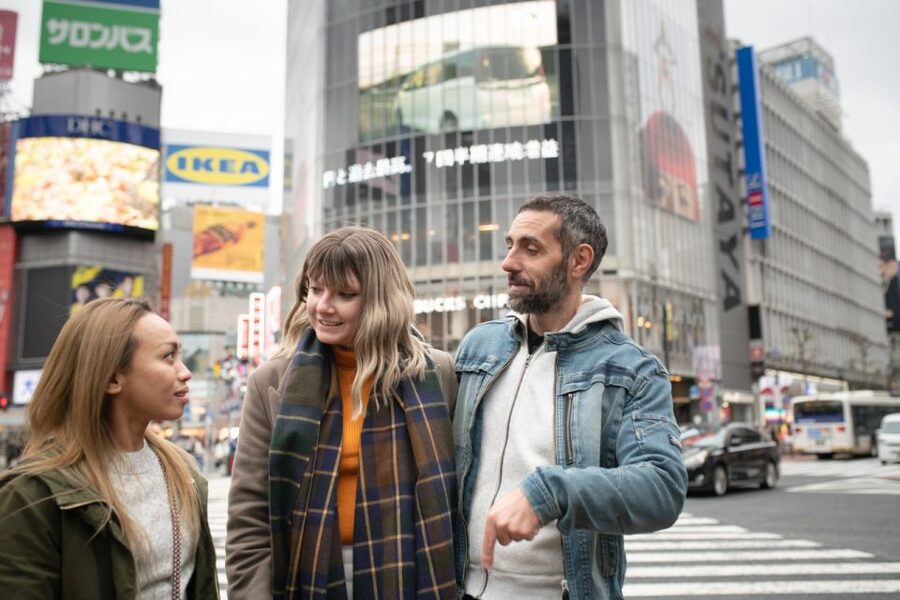
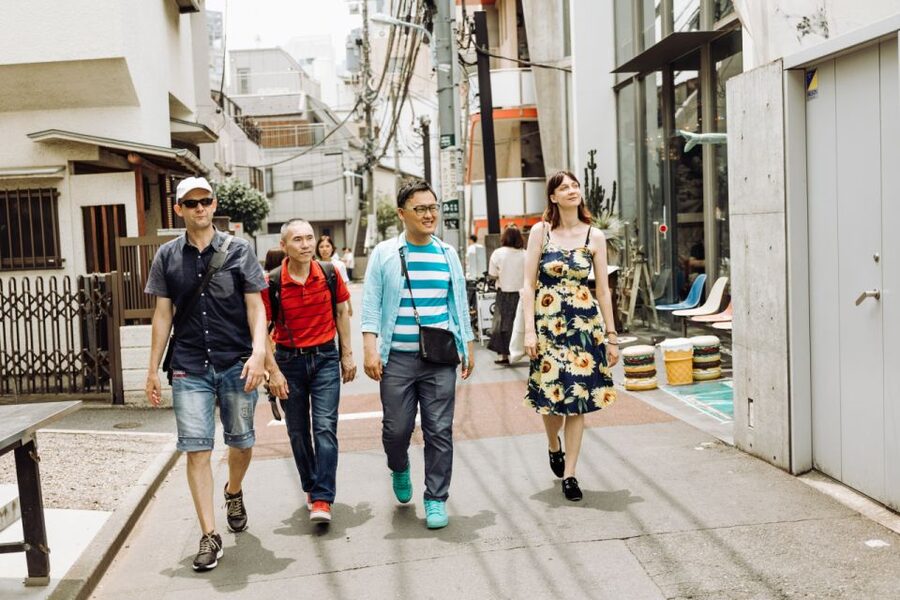
This experience is less about following a fixed checklist and more about spending time with a local who knows how to adjust the day. Before you meet, you answer questions about your personality and interests. That matters in Tokyo, where two streets can offer completely different experiences a few minutes apart.
If you want fashion, your host can focus on Harajuku’s youth style, vintage shops, Takeshita Street, Cat Street, or Omotesando. If food matters more, the route can include taiyaki, crepes, ramen, a café stop, or a recommended restaurant. If you have already seen the headline sights, your host can reduce time at the obvious stops and show you places locals use instead.
You should still expect some familiar Tokyo landmarks. They give you a clear sense of place and help you understand how Shibuya and Harajuku fit together. The value comes from what happens between those landmarks.
More Hidden Gems Walks in Tokyo
- 3h Tokyo E-Bike Tour: Hidden Gems, and Local Life with guide
★ 5.0 · 670 reviews - Tokyo: Custom Hidden Gems & Highlights Tour with Local Guide
★ 4.7 · 272 reviews - Tokyo: 3-hour Guided E-Bike Tour of the City’s Hidden Gems
★ 4.8 · 251 reviews
Starting at Shibuya Crossing and Hachiko
The usual meeting point is SHIBU HACHI BOX at 2 Chome-1-1 Dogenzaka, near the heart of Shibuya. Hotel pickup can also be arranged from any central Tokyo hotel, which is useful if you are still getting used to the city’s train system.
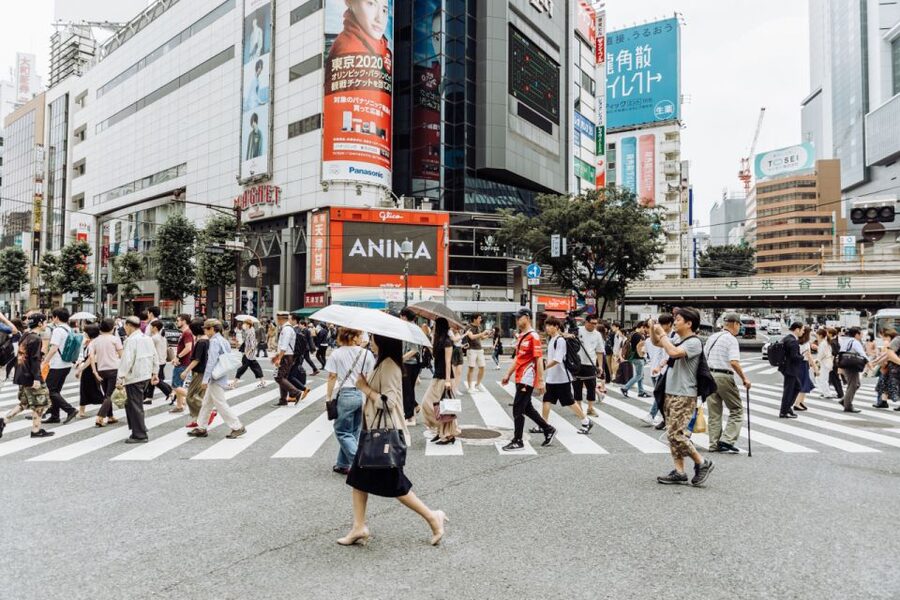
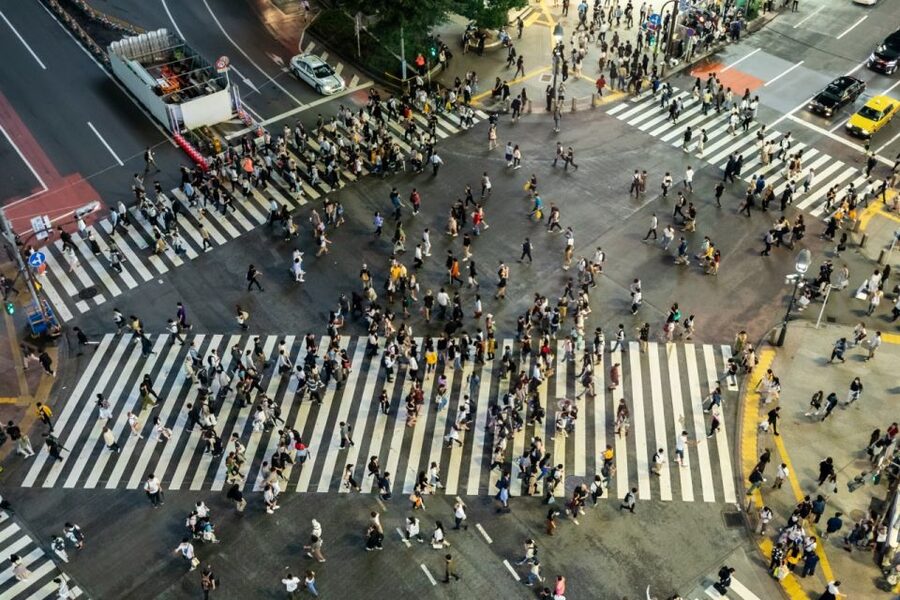
Shibuya Crossing is the natural first stop. The famous scramble gives you an instant picture of Tokyo’s scale, speed, and order. It is busy, photogenic, and worth seeing, but it is not a quiet place for a long explanation. Your host’s job is to help you take it in, get oriented, and then move on before the crossing becomes the whole tour.
Nearby, the Hachiko statue offers a smaller, more personal landmark. It is a practical meeting point and a quick photo stop, but the surrounding station area is also useful for understanding Shibuya’s role as a transport and shopping center.
From here, your host can take you away from the main avenues. Several people had the best time when their hosts adjusted the route to avoid sights they had already visited. That is one of the strongest reasons to book this instead of simply joining a standard city walk.
Harajuku, from Takeshita Street to quieter lanes
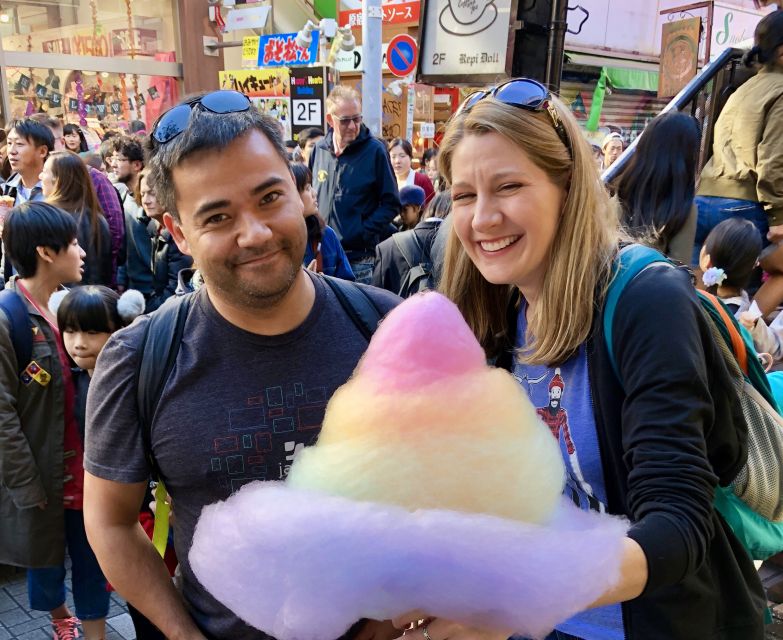
Harajuku has several personalities. Takeshita Street is the loudest and most youthful, with shops, sweets, fashion, and plenty of people moving in both directions. It can feel packed, especially when you stop to look at something, so do not expect a slow stroll down the middle of the street.
The famous Harajuku crepes are an obvious food choice. They are fun, easy to share, and closely tied to the district’s public image. Fresh taiyaki offers another simple taste of Japan, with a warm filled pastry made in a fish shape. Your included food tasting gives you a sample, but you should budget extra if you want a full meal or several snacks.
Your host may also guide you toward Cat Street, vintage clothing shops, gaming arcades, themed cafés, or smaller shopping areas. These stops are more useful when they match your interests. A fashion-focused visitor might spend time comparing shops, while a family with teenagers may prefer arcades and colorful food stops.
One particularly useful example came from a guest who wanted shopping, fashion, and Harajuku culture. The host, Alberto, added favorite shops and even shared a convenience-store snack. That is the kind of small, personal touch you can get from a private guide, though exact stops depend on the host and your answers.
Meiji Jingu for a quieter change of pace
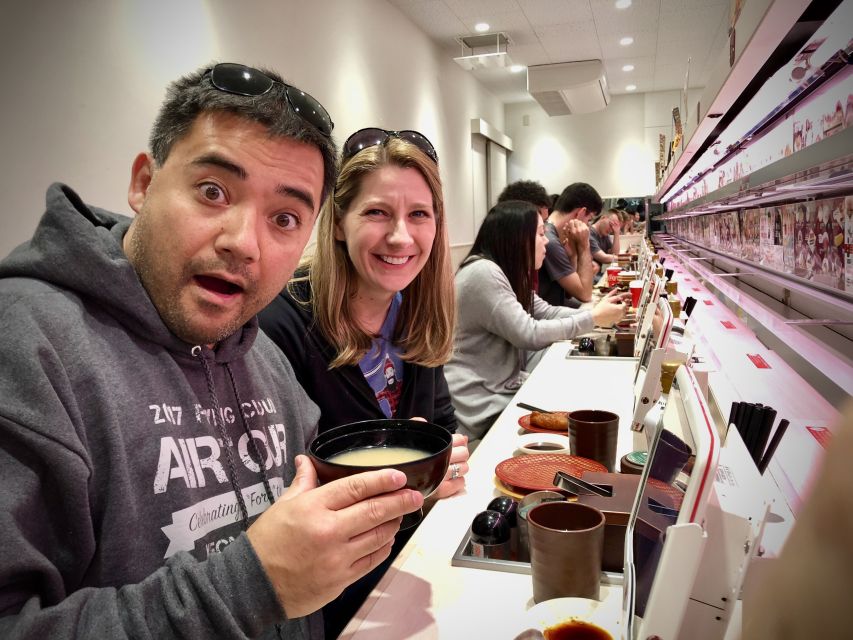
Meiji Jingu provides a sharp contrast to Shibuya and Takeshita Street. It is a major shrine, but on this tour it also works as a place to slow down and learn about Japanese customs.
A host named Veronica suggested buying a goshuincho to collect goshuin, the calligraphy and stamps associated with shrines and temples. This is a smart idea if you are continuing to Kyoto or other parts of Japan, since the book can become a record of places visited during your trip. It also turns a short shrine visit into something you can continue after the tour.
Your guide can explain what you are seeing and how to behave respectfully, rather than leaving you to guess. That is especially helpful if this is your first visit to a Japanese shrine. Still, Meiji Jingu is a popular sight, and the tour cannot guarantee solitude.
More off-the-list walks in Tokyo:
- Private Mt Fuji Tour from Tokyo: Scenic BBQ and Hidden Gems
★ 5.0 · 146 reviews - Tokyo: 3-Hour Bike or E-Bike Tour of City’s Hidden Gems
★ 4.7 · 81 reviews - Tokyo: Full Course Tour: Explore 10 Must-Sees & Hidden Gems
★ 5.0 · 35 reviews - Tokyo: Private Customized Hidden Gems Tour with Local Guide
★ 5.0 · 30 reviews
Food stops, cafés, and the included tasting
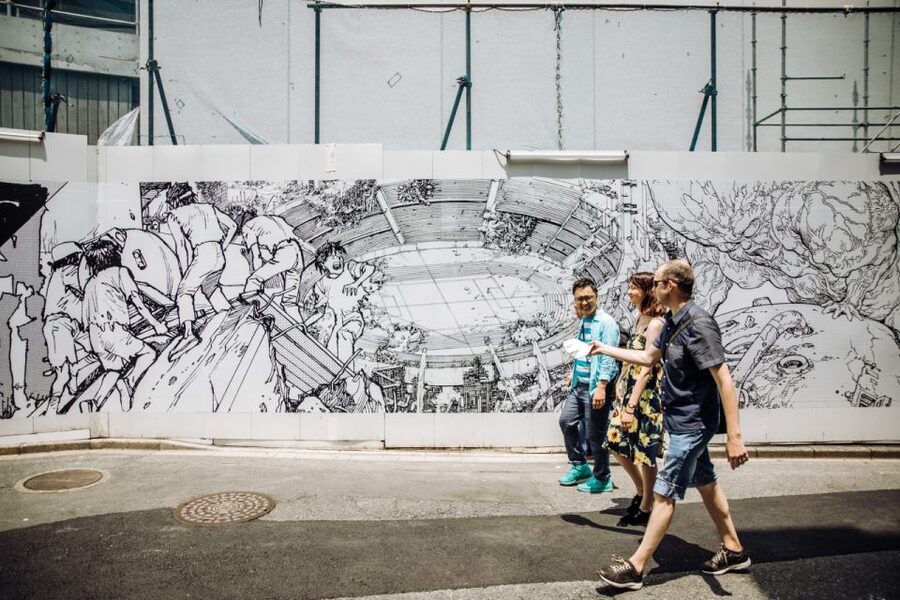
The price includes one drink at a café or izakaya and a food tasting along the way. This is enough to add flavor to the walk, but it does not cover every meal. Additional food, drinks, and attraction tickets are your responsibility.
The food element works best when you tell your host what you can and cannot eat. One host found a vegan ramen restaurant for a guest, while another helped arrange a meal with both vegan choices and wagyu beef. These examples show the practical value of giving clear information before the tour.
You might stop for crepes in Harajuku, taiyaki from a street stall, ramen, or a café with city views. One route included a less obvious vegan ramen restaurant and a rooftop café stop. Another host recommended a restaurant, helped with the order, and stayed until the group was settled.
That kind of assistance can be worth more than a list of restaurants. Menus may be difficult to read, queues can be confusing, and the best place for one person may not work for another. Just remember that the included tasting is modest. If food is central to your plans, choose four to six hours and allow money for a proper meal.
Side streets, rooftop views, and local Tokyo
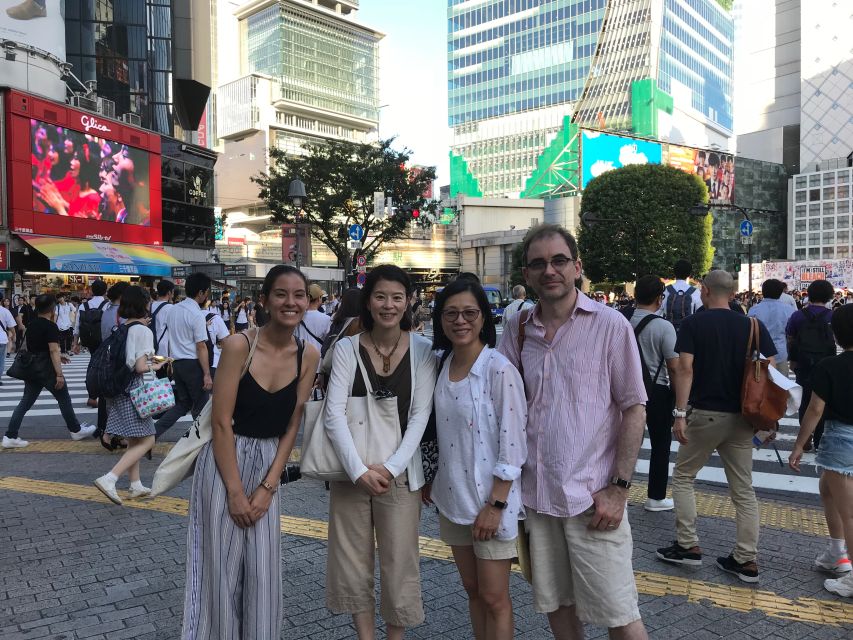
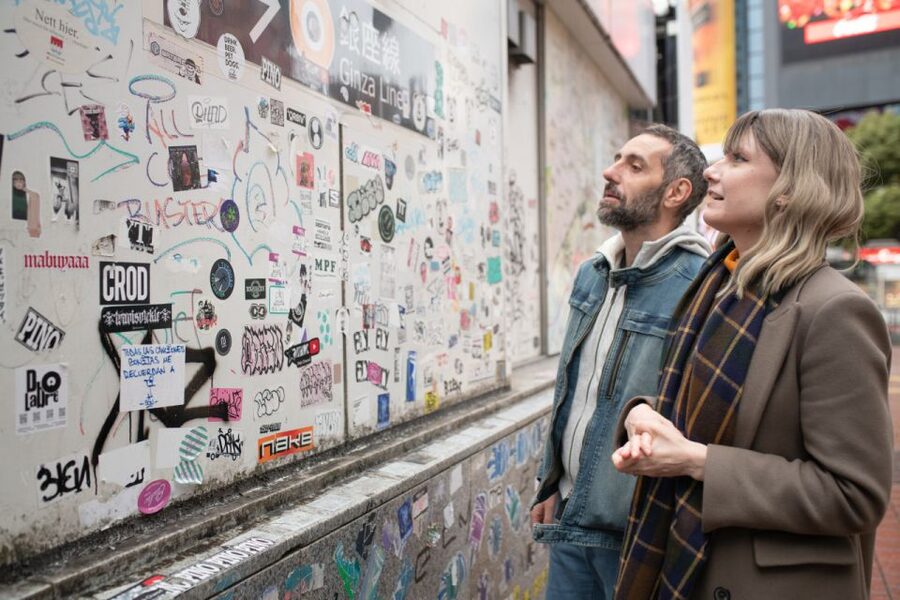
The phrase hidden gems is overused, but this tour does have a clear strength: it can take you beyond the most photographed streets. Possible stops include a tucked-away family café, a quiet shrine, a secret rooftop with broad city views, vintage shops, old eating and drinking lanes, and areas that are less geared toward international visitors.
The exact route is not guaranteed, and that is both the appeal and the tradeoff. You are paying for a host’s judgment and flexibility rather than a fixed set of admissions. If you want a specific museum, shop, shrine, or food stop, name it in the questionnaire and confirm it with your host.
Some routes may extend beyond the two named districts. Shoko took one group through Shibuya, Harajuku, and Shinjuku, using local trains between areas. That gave the group a useful look at busy stations, lively streets, quiet lanes, historical eating places, and adult-oriented areas that are not usually part of a first-time sightseeing route.
You should be clear about your comfort level. If you want only family-friendly stops, say so. If you want nightlife, local drinking streets, or unusual Tokyo culture, say that too. The questionnaire is not a formality. It is the main tool for making this experience fit.
What the guides add to the day
The guide can make or break a private tour, and the feedback here is unusually consistent. Hosts named in the feedback include Shoko, Seichi, Veronica, Leonardo, Alberto, Kay, Hiroko Kitagawa, Marc, Tomo, Yuta, Ayaka, Lauren, Toshiki, Mufar, and others.
The best descriptions focus on warmth, flexibility, clear communication, and local insight. Hiroko covered a lot in three hours, moved efficiently through crowded areas, and rode the metro back toward the hotel with the group. Yuta helped with photos and stayed at a restaurant to assist with ordering. Marc helped one guest plan the route to the Hokusai Museum after the tour.
These details matter because Tokyo can be easy to admire and hard to manage. Stations are large, neighborhoods connect in confusing ways, and a short wrong turn can cost valuable time. A host who can explain the next train, suggest a restaurant, or adjust the pace adds real value.
The guide style is not formal for everyone. One family described the outing with Toshi as relaxed, more like spending time with a friend. That will suit many people, especially families and teenagers, but if you want a tightly scripted historical lecture, tell the operator in advance.
How much time should you book?
The experience lasts from two to six hours. I would choose based on your goals:
- Two hours: Best for a quick introduction, a few landmarks, and one focused interest. You will need to keep the route tight.
- Three hours: A sensible middle choice for Shibuya and Harajuku, with time for a shrine, shopping street, food tasting, and side streets.
- Four to six hours: Better for families, serious shoppers, food-focused outings, multiple districts, or anyone who dislikes rushing.
One group covered a great deal in three hours, while another wished they had booked longer. That difference makes sense. Shibuya and Harajuku are dense, but the crowds, shops, food queues, and train transfers all take time.
The tour is private, so your group controls the pace. You can stop for photos, take a break, spend longer in a shop, or change direction. The cost of that freedom is that there is no fixed promise of exactly how many sights you will cover.
Price, transport, and practical value
At $64 per person, the experience is reasonably priced for a private, flexible walking tour, especially if you are traveling as a small group and plan to use the host for orientation, food advice, and transport help. The value is weaker if you only want someone to point out Shibuya Crossing and Takeshita Street, since those are easy to locate on your own.
The price includes a private host, one drink, a food tasting, planning through the questionnaire, and direct contact before the tour. It does not include extra food, drinks, attraction tickets, train fares, or taxis.
Public transport may be used between sites. This is important because a route that includes Shibuya, Harajuku, and Shinjuku can involve more than walking. Ask your host about likely fares after booking so you are not surprised.
The tour is wheelchair accessible, but it remains a walking experience through crowded urban districts. If you need a slower pace, regular seating, or a route with fewer transfers, state that clearly before the day begins.
Who should book this experience?
I would recommend it most strongly to first-time visitors who want help getting oriented without being trapped in a group schedule. It is also a good choice for returning visitors who have already seen the major sights and want a more personal route.
Families can benefit from the flexibility. Hosts have kept teenagers engaged with shopping, food, fashion, and local stories, and guides have helped children try unfamiliar dishes such as octopus-filled takoyaki.
Food-focused visitors should explain dietary needs early. Vegan diners have been accommodated, and the host can recommend a restaurant, but the additional meal is not included.
It also suits larger private groups. A party of 15 was accommodated with one host, although a group that size should confirm the arrangements and expect slower movement through crowded streets.
I would be less keen to book it if you want guaranteed entry to several paid attractions, a private vehicle, or a precise historical schedule. This is a flexible neighborhood walk, not a museum tour or chauffeur service.
Should you book Shibuya and Harajuku with a private host?
Book it if you want Tokyo to feel less like a set of famous photographs and more like a place you can navigate, eat in, and understand. The strongest part is the personal adjustment: hosts have arranged art visits, special shopping stops, vegan meals, birthday surprises, photography help, and metro assistance.
Choose at least three hours if you want both districts without hurrying. Complete the questionnaire carefully, name your must-see stops, explain food restrictions, and say what you have already visited. At $64 per person, the tour earns its price through guidance and flexibility, not through the number of monuments checked off.
For a first day in Tokyo, or for a return visit when the obvious sights are already familiar, I would book it. Just keep your expectations clear: you are buying time with a local walking host, with transport and extra eating paid separately.
FAQ
Where does the tour meet?
You can meet your host at SHIBU HACHI BOX, 2 Chome-1-1 Dogenzaka, Shibuya City, Tokyo 150-0043. Hotel pickup can be arranged from any central Tokyo hotel.
How long does the tour last?
You can choose a duration from two to six hours when booking. Availability and start times depend on the selected date.
Is the tour private?
Yes. It is offered as a private group experience, so the route and pace are designed for your group.
Which languages are available?
Live guiding is available in English and Japanese.
Can the tour be tailored to my interests?
Yes. After booking, you receive a questionnaire about your personality and interests. Your responses help the operator match you with a suitable host and plan the route.
What areas can I visit?
The experience focuses on Shibuya and Harajuku. Depending on your interests and timing, the route may also include places such as Shinjuku, Meiji Jingu, Takeshita Street, Cat Street, Omotesando, and quieter nearby areas.
Is food included?
One drink at a café or izakaya and a food tasting are included. Extra food and drinks are not included.
Are transportation costs included?
No. This is a walking experience, but public transport or local taxis may be used between locations. Those costs are paid separately.
Can I cancel the booking?
You can cancel up to 24 hours before the experience for a full refund. You can also reserve now and pay later.
Just added around Tokyo
- Private Arrival Transfer : Narita International Airport to Central Tokyo City★ 4.5 · 12 reviews
- Narita Airport(NRT): Private Transfer to Tokyo/Yokohama 1-9pax★ 5.0 · 47 reviews
- Private Transfer from Narita Airport to Yokohama Port and City★ 4.5 · 17 reviews
- [Narita Airport Terminals 1, 2] 40-60km Sawara Itako Historic Bike Tour★ 5.0 · 13 reviews
- 3 Day Japan Highlights Tour: Tokyo, Mt.Fuji, Nara, Kyoto, Osaka★ 5.0 · 22 reviews
- Small Town in the Big City: Tasting Tokyo’s Kichijoji★ 5.0 · 195 reviews
- Small Town in the Big City: Tasting Tokyo’s Kichijoji★ 5.0 · 16 reviews
- The 10 Tastings of Tokyo With Locals: Private Street Food Tour★ 5.0 · 48 reviews
Tokyo Tours, compared.

Mt Fuji and Hakone 1-Day Bus Tour Return by Bullet Train
Read our review →

teamLab Planets TOKYO Digital Art Museum Entry Ticket
Read our review →
Mt Fuji & Hakone Cruise, Drum Show Bullet Train 1 Day from Tokyo
Read our review →
Sumo Show Experience with Chicken Hot Pot and a Photo
Read our review →
Shinjuku Food Tour (13 Dishes at 4 Local Eateries)
Read our review →
Tokyo Mt Fuji 5th St & Hakone Cruise Bus Tour w/Bullet Train
Read our review →
Flagship 2-Hours Official Street Go-Kart Tour – Tokyo Bay Shop
Read our review →Browse the lists this tour appears in