
Reviewed · TOKYO TOURS
Tokyo: Custom Hidden Gems & Highlights Tour with Local Guide
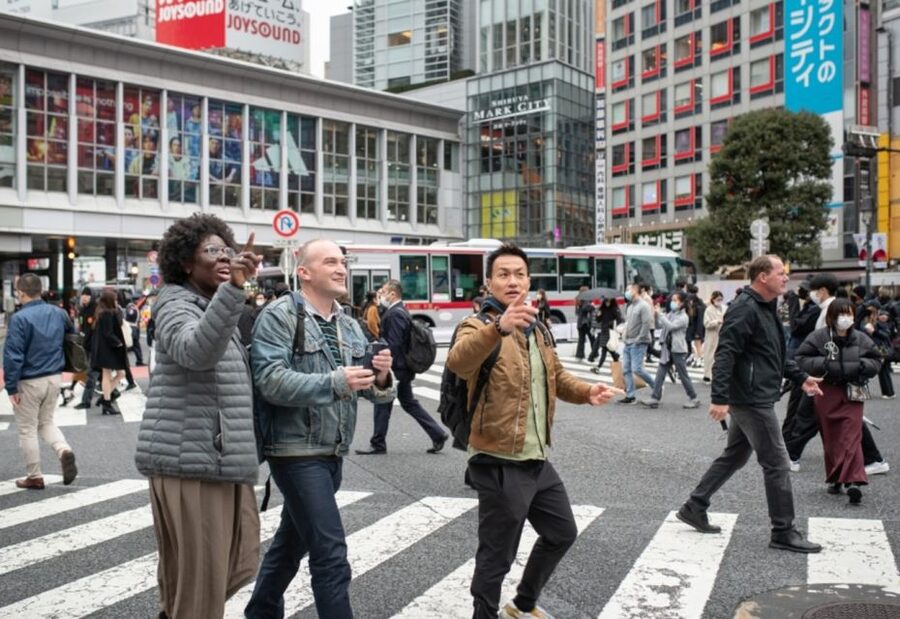
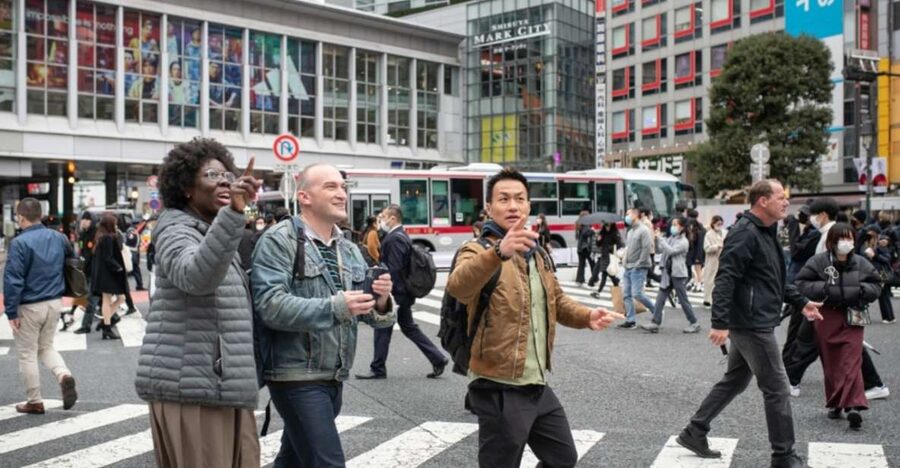
Tokyo’s best moments may happen far from the famous crossing and giant towers. This private walking tour lets you shape the day around what you actually care about, from anime and manga to temples, gardens, food, local rituals, or simply learning how to use the subway. Your host builds the route around you, not around a fixed checklist.
I especially like the pre-tour questionnaire and the freedom to change plans as you go. Guides have helped visitors reach Harajuku fashion streets, quiet gardens, sumo areas, neighborhood shrines, and restaurants they would not have found alone. The main drawback is that this is a walking tour, so long routes can become tiring, and trains, taxis, food, and admission fees cost extra.
Key points at a glance
- A route made for your interests: Ask for anime, manga, old Tokyo, gardens, temples, food, fashion, or modern city life.
- Private time with one local host: You can ask questions freely and change the plan without keeping pace with another group.
- Useful Tokyo orientation: Several guides have helped visitors understand subway lines, station exits, ticket machines, and neighborhood layouts.
- Flexible from two to eight hours: A short session works for a layover or first look, while a longer booking can connect several districts.
- Hotel pickup is possible: Your host can meet you at a centrally located hotel, or at the Asakusa Culture Tourist Information Center.
- Good, but not all-inclusive value: The $64 per-person starting price covers the private guiding service, not meals, tickets, or transport.
A Tokyo day that follows your interests
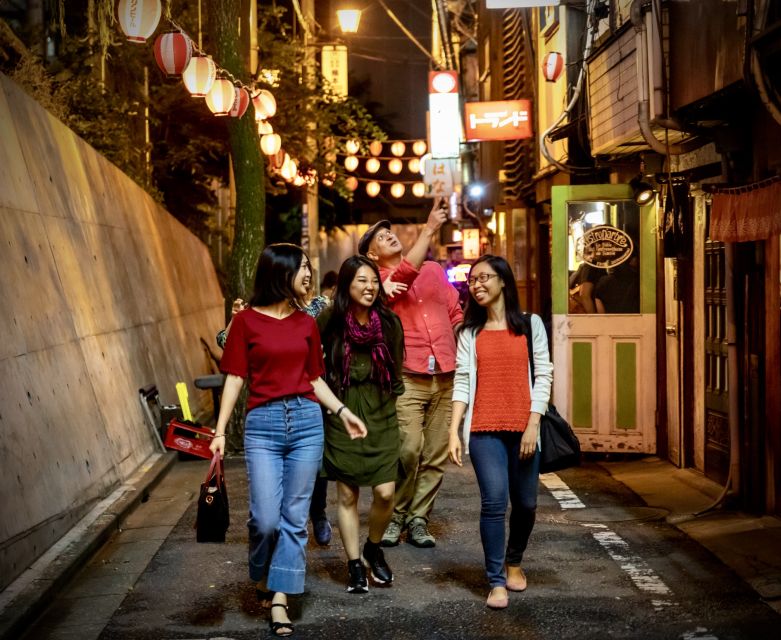
The best feature here is not a particular temple or shopping street. It is the conversation before you meet. You fill out a questionnaire about your personality and interests, then communicate directly with your host about the kind of day you want.
That matters in Tokyo because the city is spread across many separate districts. A first-time visitor can easily waste half a day crossing town for sights that do not fit together. A host who understands your priorities can keep the route sensible, suggest nearby alternatives, and explain what is realistic in two, four, six, or eight hours.
You might ask for traditional Tokyo and spend time around shrines, temples, gardens, and old residential streets. You might prefer pop culture and focus on anime, manga, kawaii fashion, or quirky shops. You can also ask for food suggestions, local customs, nightlife advice, or help planning the rest of your stay.
The itinerary is not fixed, so you should think of this as a private orientation with a local companion rather than a standard sightseeing circuit. That is its strength. It is also why the final quality depends heavily on the match with your host and on how clearly you explain what you want.
More Hidden Gems Walks in Tokyo
- 3h Tokyo E-Bike Tour: Hidden Gems, and Local Life with guide
★ 5.0 · 670 reviews - Tokyo: 3-hour Guided E-Bike Tour of the City’s Hidden Gems
★ 4.8 · 251 reviews - Private Mt Fuji Tour from Tokyo: Scenic BBQ and Hidden Gems
★ 5.0 · 146 reviews
Yanaka, old neighborhoods, and quieter Tokyo
Yanaka is one of the clearest examples of the kind of district that suits this experience. Its old-fashioned streets, small shops, temples, and slower pace provide a sharp change from Tokyo’s high-rise centers. A host can help you notice the details that are easy to miss when walking alone, then point out nearby places that fit your interests.
The same approach can work in tiny lanes lined with independent businesses. You might pause at a small shrine, browse a shop, or stop for matcha in a quiet teahouse. These stops are not guaranteed, but the tour is designed to leave room for them if they suit your preferences and the day’s route.
I like this style of sightseeing because it gives context to ordinary-looking places. A shrine tucked beside a street or an old garden can be more memorable when you understand how it fits into neighborhood life. You are not simply collecting famous addresses. You are learning how different parts of Tokyo feel and function.
Still, you should not book this expecting a guaranteed list of major sights. If you want a fixed visit to a particular museum, tower, or paid attraction, confirm the plan with your host and remember that entrance tickets are not included.
Harajuku, anime, manga, and modern city culture
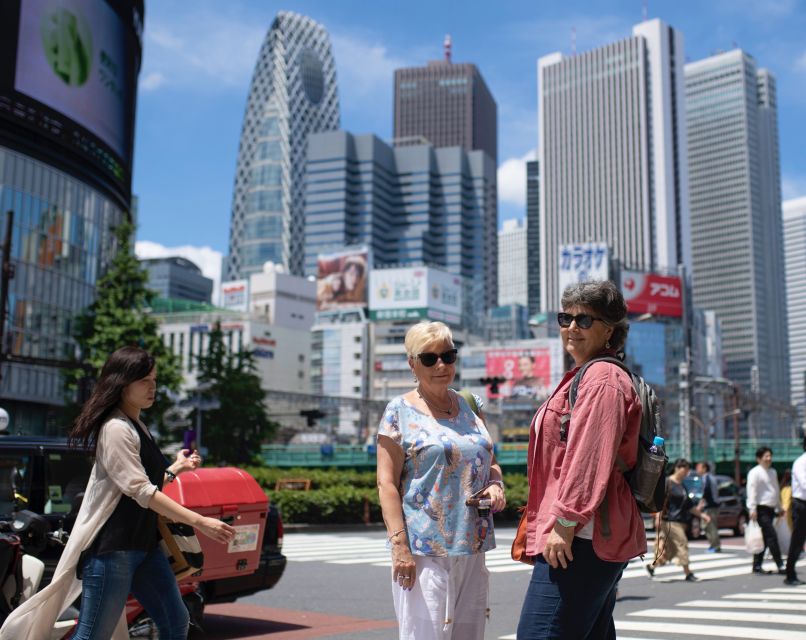
The custom format is particularly useful for visitors with specific interests. One guest asked for anime and manga-related places, and guide Kay shaped the outing around that request. Another guide, Martina, took a visitor through Harajuku’s kawaii fashion scene, showed how to reach the area by train, and explained the contrast between the busy Takeshita area and nearby luxury shopping streets.
That contrast is one of Harajuku’s pleasures. A short walk can take you from youthful fashion and novelty shops to polished storefronts and striking architecture. A local host can help you understand the change instead of treating the district as one long shopping strip.
Pop-culture fans should state their exact interests in the questionnaire. Anime shops, manga, fashion, gaming, character goods, and youth culture can lead to different routes. The more precise you are, the easier it is for your host to plan a useful afternoon.
You can also ask for modern Tokyo mixed with older sights. Several past routes combined temples, shrines, city views, and fashion streets. That kind of pairing gives you a better sense of Tokyo than spending an entire day in only one type of district.
Temples, gardens, and local customs
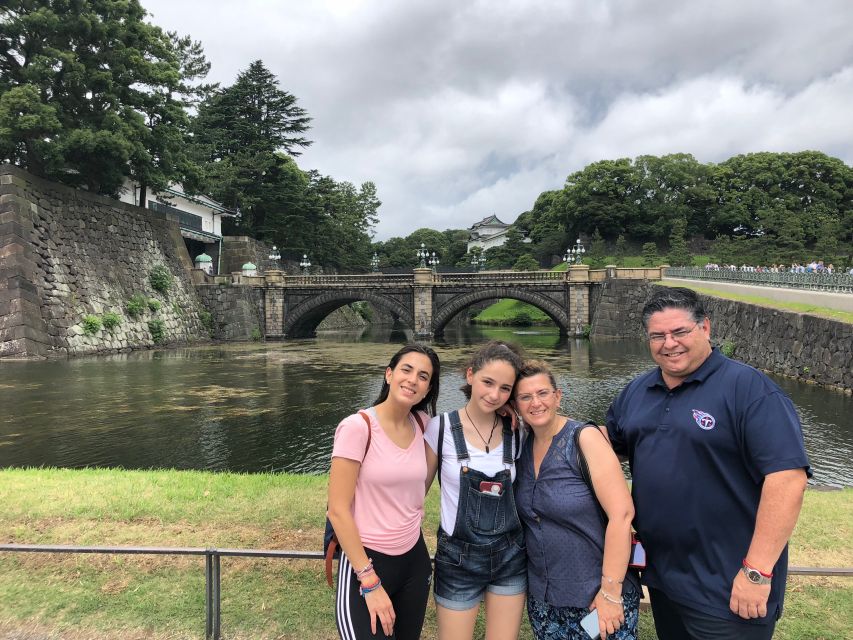
This tour can take a quieter turn. One four-hour outing focused on parks, hidden gardens, temples, and an old Himalayan cedar. Another guide helped a visitor explore local rituals, while others explained Buddhism and Japanese culture during visits to temples and modern city areas.
Those examples point to a real advantage: you can request a theme rather than a location. Ask for nature in the city, Buddhist traditions, Shinto shrines, Japanese design, or the everyday customs you keep noticing but do not understand.
A guide can also explain the practical side of visiting religious places, such as how to behave respectfully, what you are seeing, and why a site matters to the neighborhood. The experience will not replace a specialist history tour, but it can make your independent sightseeing easier afterward.
Keep your expectations sensible. A walking host can explain and interpret, but admission fees are separate, and the tour does not promise entry to every attraction. If your priority is a specific museum or temple interior, ask about opening hours and tickets before the day begins.
More off-the-list walks in Tokyo:
- Shibuya & Harajuku: Hidden Gems & Highlights Private Tour
★ 4.7 · 139 reviews - Tokyo: 3-Hour Bike or E-Bike Tour of City’s Hidden Gems
★ 4.7 · 81 reviews - Tokyo: Full Course Tour: Explore 10 Must-Sees & Hidden Gems
★ 5.0 · 35 reviews - Tokyo: Private Customized Hidden Gems Tour with Local Guide
★ 5.0 · 30 reviews
Food stops and the value of local help
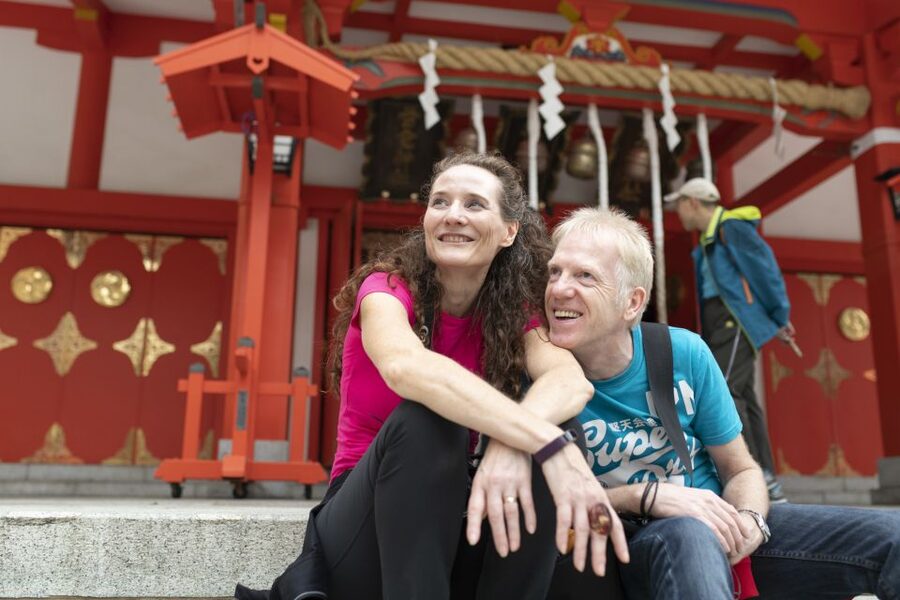
Food is not included, but it can become part of the route. One guide brought a visitor to a sushi restaurant and helped communicate with the chef when English was limited. Other hosts have offered suggestions for places to eat and spend the evening.
This is useful in Tokyo, where a small restaurant may have little English signage and a menu that feels difficult to decode. Your host can suggest an area or type of food that matches your budget and tastes. You pay for the meal yourself, so you remain in control of the cost.
I would treat food help as advice and local assistance, not as a dedicated food tour. If eating is your main reason for booking, say so clearly in advance. Otherwise, food may be one stop within a broader day.
The same applies to shopping. A host can point out independent shops, fashion streets, specialty areas, or unusual boutiques, but the value comes from guidance and conversation rather than included purchases.
Learning Tokyo’s subway without panic

Tokyo’s rail system is one of the city’s great tools, but the first few journeys can be confusing. The tour can serve as a practical lesson in buying tickets, choosing lines, reading station signs, and finding the correct exit.
That may sound basic, but it can save you time for the rest of your trip. Tokyo stations are large, and the wrong exit can put you several blocks from where you expected to be. A host who walks the route with you can explain the system in real time, using the exact places you want to visit.
Public transportation may be used to move between districts, but the fare is extra. Taxis may also be used, with the cost discussed with your host after booking. Since no private vehicle is included, a route with many distant stops will involve more train time, more walking, or additional taxi expense.
For that reason, I would avoid trying to see every corner of Tokyo in one six-hour session. One past guest found six hours too long for a walking day in poor weather and wished they had stayed in one area. That is sound advice: choose a compact theme unless you are comfortable with a fast pace.
How much can you cover in two, four, or eight hours?
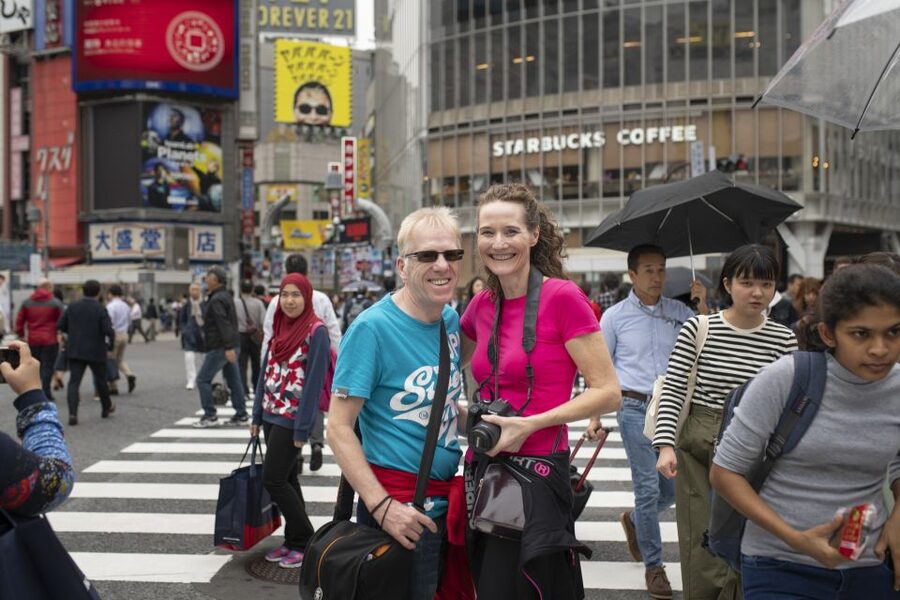
The shortest two-hour option is best for a focused introduction. You could use it to learn a neighborhood, get help with the subway, explore a particular shopping area, or make the most of a short stopover. A visitor with a 12-hour layover used a brief visit to see sumo culture and less obvious sights.
Four hours gives you room to explore one district at a relaxed pace, or connect two nearby areas. It is a sensible choice for families, older visitors, and anyone who wants time for conversation and unplanned stops.
Six to eight hours can cover several parts of the city, but distance becomes the main issue. Tokyo is enormous, and a full day with too many ambitions may turn into a race between stations. You can cover a lot, as one guest did in six hours, but you will need to accept a quicker pace and likely use public transport.
Start times are flexible, subject to availability. Hotel pickup can be arranged at a centrally located hotel. Otherwise, the stated meeting point is the Asakusa Culture Tourist Information Center beside Kaminarimon in Taito City.
The local host makes or breaks the day
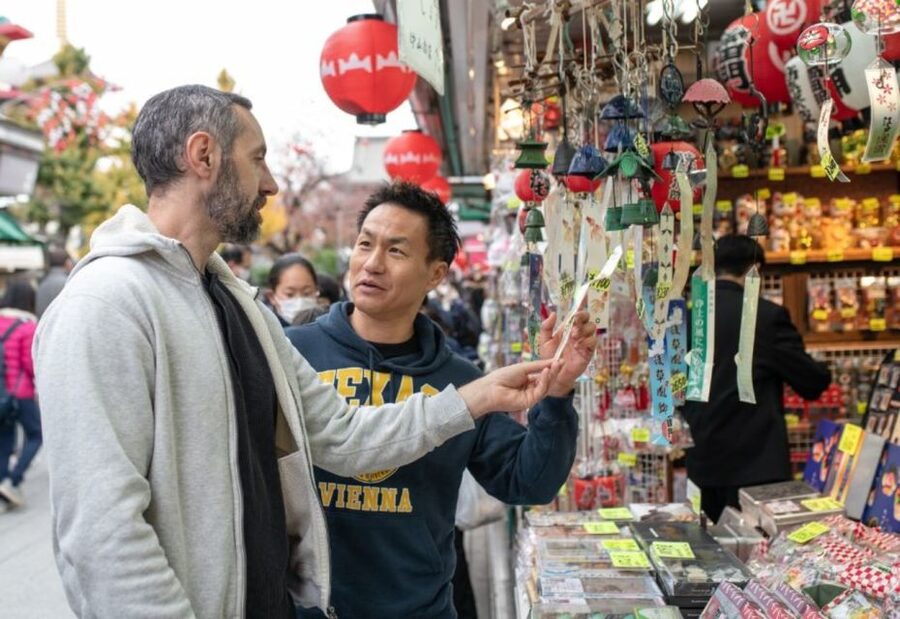
The strongest pattern across the experience is the host’s personal attention. Guides named in past bookings include Kay, Suzuno, Yohei, Momoko, Yayoi, Kento, Martina, Lauren, Kyoko, Giovanni, and many others. Their backgrounds vary, including Japanese natives and people who have lived in Tokyo for years.
That variety can work in your favor. A Japanese host may offer a personal view of local customs and daily life. A long-term resident from another country may be especially good at explaining the things that confuse first-time visitors. Language ability also varies by host, though English and Japanese are the listed tour languages.
The best guides listen well, ask what you want to do next, and adjust when the weather changes. Lauren changed plans during rain, while another host kept checking with a family throughout an action-packed day. This is the sort of flexibility you should expect from the format, but it is still smart to communicate clearly.
Do not assume every host will be a specialist in every subject. Put your priorities in the questionnaire, then use the direct planning conversation to confirm the proposed route. If you have mobility needs, mention them early. The activity is listed as wheelchair accessible, but a walking route through Tokyo can still involve long distances and transfers.
Price, inclusions, and what you will actually spend
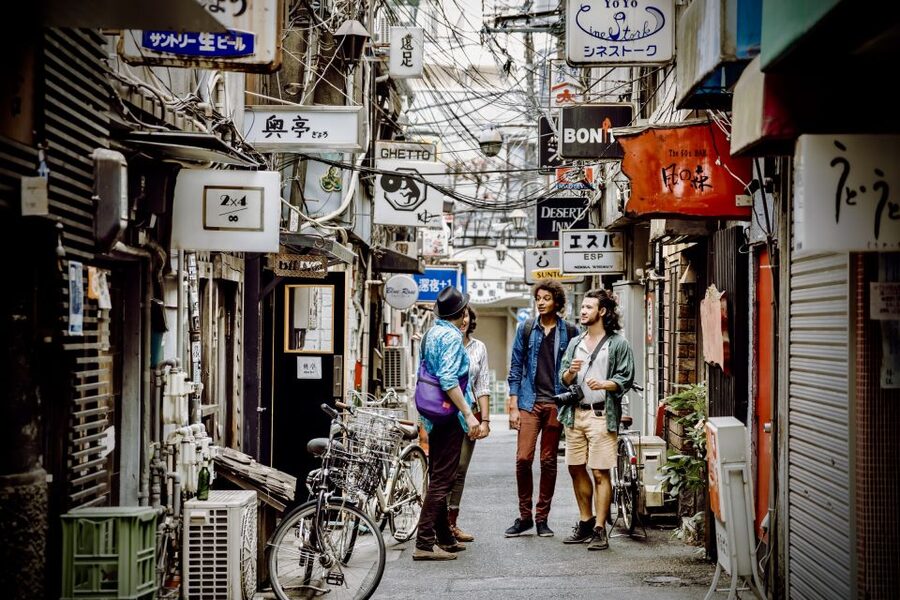
At $64 per person, the starting price is reasonable for a private service, especially if you are sharing it with family or friends and want help during your first day in Tokyo. You are paying for planning, a personal host, local advice, and the ability to shape the route.
The price does not cover food, drinks, attraction tickets, or transportation. That distinction matters. A route that uses several train journeys or taxis will cost more, and a day built around paid museums will need a separate ticket budget.
The value is highest when you use the tour to improve the rest of your trip. Learn the subway, ask for restaurant areas, get neighborhood suggestions, and leave with a clearer plan for your remaining days. If you only want a guide to one famous landmark, a fixed sightseeing tour may be a better comparison.
Free cancellation is available up to 24 hours before the start time, and you can reserve now and pay later. These policies help if your Tokyo schedule is still shifting.
Who should book this experience?
I would recommend it most strongly to first-time visitors who feel unsure about Tokyo’s size, solo visitors who want company, families with mixed interests, and people who dislike rigid group itineraries.
It also suits repeat visitors who have already seen the major sights and want a more personal angle. Ask for old neighborhoods, gardens, local rituals, independent shops, or a specific pop-culture theme.
It is less suitable if you dislike walking, want a luxury vehicle, need every attraction ticket included, or prefer a fixed schedule with guaranteed stops. It is also not ideal to cram every major Tokyo district into one day. Pick a small number of priorities and let the route breathe.
Should you book the Tokyo custom walking tour?
Book it if you want Tokyo explained by a person who can adapt to your interests, energy, and questions. The best use is a four-hour first or second day, focused on one area or theme, with enough flexibility for a food stop or an unexpected shrine.
Choose six to eight hours only if you enjoy walking and accept train transfers. For a layover, two hours can provide a useful taste of the city without exhausting you.
Before you pay, write down three must-see interests, one thing you do not care about, and your preferred walking pace. Ask your host to keep nearby districts together. Do that, and the $64 starting price can buy more than sightseeing: it can give you the confidence to handle Tokyo on your own afterward.
FAQ
How long is the Tokyo custom walking tour?
You can book a private experience lasting from two to eight hours. Starting times depend on availability.
Is the tour private?
Yes. It is offered as a private group experience, so the itinerary can be shaped around your group rather than a shared public schedule.
Can the itinerary focus on anime, manga, or fashion?
Yes. The experience is tailored to your interests, and past routes have focused on anime, manga, Harajuku’s kawaii fashion, and other pop-culture interests. Tell your host what you want in the questionnaire and planning messages.
Is hotel pickup available?
Hotel pickup can be arranged from any centrally located Tokyo hotel. If you do not use hotel pickup, the meeting point is the Asakusa Culture Tourist Information Center at 2-chōme-18-9 Kaminarimon, Taito City.
Are food, attraction tickets, and transportation included?
No. You pay separately for food, drinks, admission tickets, public transportation, and any local taxi rides. The tour itself is a walking experience, though trains or taxis may be used between areas.
Is the tour wheelchair accessible?
The activity is listed as wheelchair accessible. Since it is a walking tour and may include public transportation, discuss your mobility needs with your host while planning the route.
Just added around Tokyo
- Private Arrival Transfer : Narita International Airport to Central Tokyo City★ 4.5 · 12 reviews
- Narita Airport(NRT): Private Transfer to Tokyo/Yokohama 1-9pax★ 5.0 · 47 reviews
- Private Transfer from Narita Airport to Yokohama Port and City★ 4.5 · 17 reviews
- [Narita Airport Terminals 1, 2] 40-60km Sawara Itako Historic Bike Tour★ 5.0 · 13 reviews
- 3 Day Japan Highlights Tour: Tokyo, Mt.Fuji, Nara, Kyoto, Osaka★ 5.0 · 22 reviews
- The 10 Tastings of Tokyo With Locals: Private Street Food Tour★ 5.0 · 48 reviews
- Small Town in the Big City: Tasting Tokyo’s Kichijoji★ 5.0 · 195 reviews
- Small Town in the Big City: Tasting Tokyo’s Kichijoji★ 5.0 · 16 reviews
Tokyo Tours, compared.

Mt Fuji and Hakone 1-Day Bus Tour Return by Bullet Train
Read our review →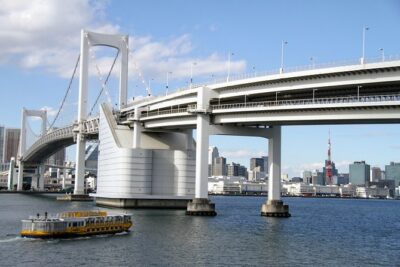

teamLab Planets TOKYO Digital Art Museum Entry Ticket
Read our review →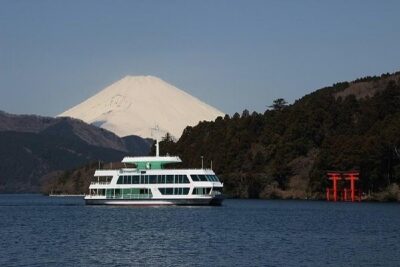
Mt Fuji & Hakone Cruise, Drum Show Bullet Train 1 Day from Tokyo
Read our review →
Sumo Show Experience with Chicken Hot Pot and a Photo
Read our review →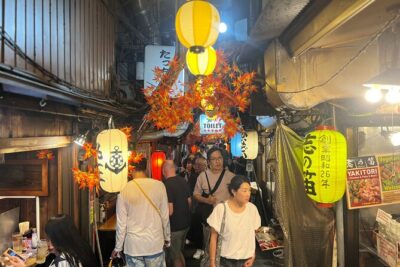
Shinjuku Food Tour (13 Dishes at 4 Local Eateries)
Read our review →
Tokyo Mt Fuji 5th St & Hakone Cruise Bus Tour w/Bullet Train
Read our review →
Flagship 2-Hours Official Street Go-Kart Tour – Tokyo Bay Shop
Read our review →Browse the lists this tour appears in