Reviewed · TOKYO TOURS
Tokyo: Art Aquarium Museum GINZA Entry Ticket
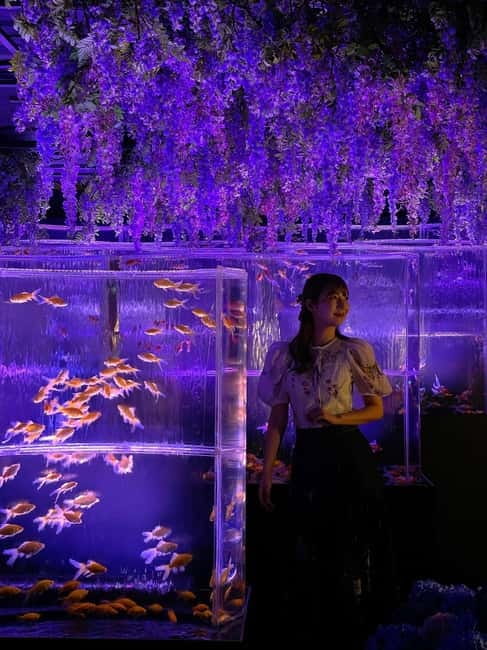
The most striking thing here is the way ordinary goldfish become the center of a carefully staged art show. At Art Aquarium Museum GINZA, fish glide through sculptural tanks while colored light, music, and scent change the mood around them.
I like the clever link to Edo-period goldfish appreciation, and I like how the displays shift with the seasons at this permanent Ginza venue. The main consideration is size: you may finish in 30 minutes, though most people will want 45 minutes to an hour.
Key points at a glance
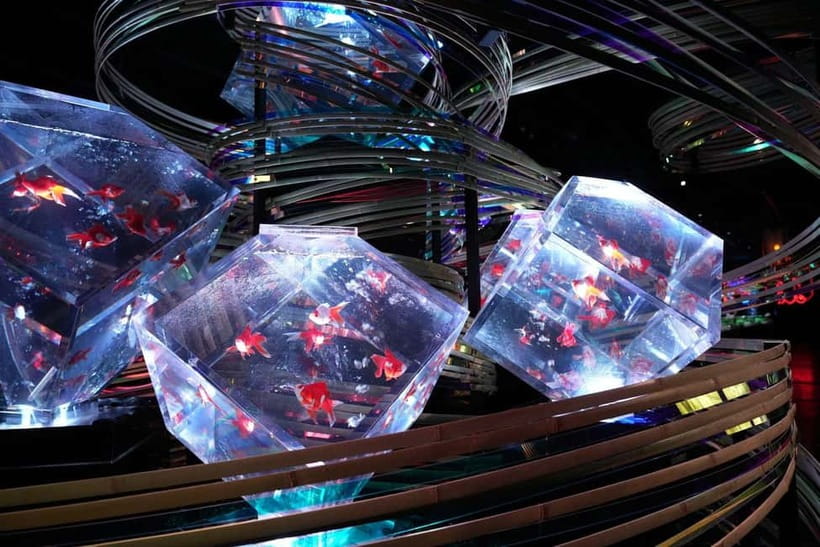
- Goldfish as living art: Watch the fish move through unusual tanks and spatial displays rather than a standard aquarium layout.
- A sensory visit: Light, background music, and aromatherapy-style scents shape the mood as you walk through the museum.
- Easy Ginza location: The entrance and same-day ticket counter are on the 9th floor of the new building at Ginza Mitsukoshi.
- Good for photography: Photos are allowed, but tripods, monopods, strobes, and extra lighting are not.
- A short cultural stop: The viewing time is about 45 minutes to an hour, making it easy to fit into a Ginza shopping day.
- Good value for some visitors: At $17, the ticket works best if you enjoy visual art, Japanese design, and unusual photo settings.
What Art Aquarium Museum GINZA actually is
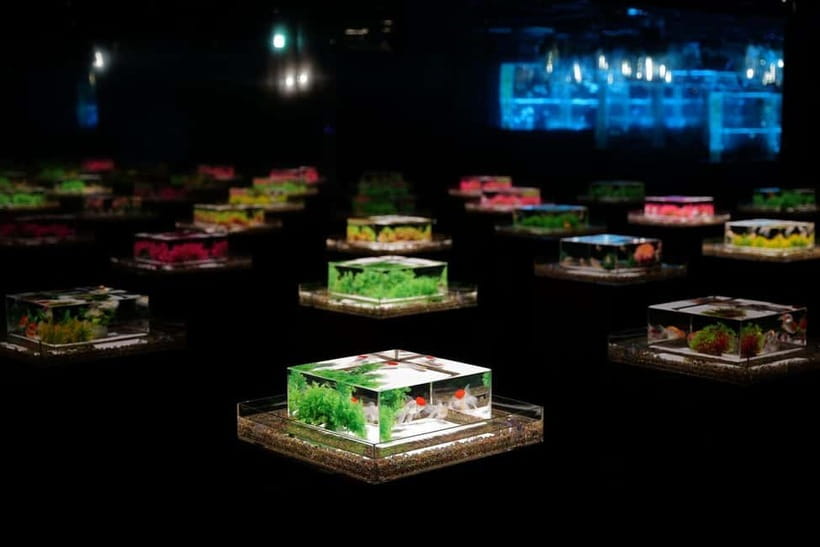
Art Aquarium Museum GINZA is not a traditional aquarium where you study a long list of marine species. It is an art exhibition built around goldfish, with the fish serving as the moving part of each display.
The museum presents goldfish in tanks and vessels designed for visual effect. Light falls across the water, colors shift around the fish, and music helps set the pace. Scent is part of the experience too, including aromatherapy-style fragrances noted by visitors.
This concept draws on Edo-period goldfish appreciation. Goldfish were admired in Japan not just as pets, but as beautiful objects to observe and enjoy. The museum gives that old custom a modern setting, using theatrical rooms and carefully arranged tanks instead of a quiet garden pond.
You will spend your time walking from one display to another. Some exhibits are likely to catch you for only a few seconds, while others invite you to wait for the fish to pass through the light. The effect is closer to a gallery show than a full-day attraction.
More museums and galleries in Tokyo:
- Tokyo: teamLab Planets TOKYO Digital Art Museum Entry Ticket
★ 4.6 · 9,779 reviews - Tokyo: Samurai Ninja Museum Guided tour and Experience
★ 4.6 · 1,010 reviews - Ninja Experience (Family Friendly) at Samurai Ninja Museum TOKYO
★ 5.0 · 441 reviews
Entering through Ginza Mitsukoshi
The museum is inside Ginza Mitsukoshi, a major department store at 4-6-16 Ginza in Chuo-ku. Admission reception and same-day ticket sales are on the 9th floor of the new building, so do not stop at the department store entrance and expect the museum to be immediately visible.
The easiest access is Ginza Station. Take the Tokyo Metro Ginza, Marunouchi, or Hibiya Line and use Exit A7. From Ginza 1-chome Station on the Yurakucho Line, it is about a five-minute walk from Exit 9.
Higashi Ginza Station is also convenient. The Toei Asakusa Line and Tokyo Metro Hibiya Line connect there, and you can reach Ginza Mitsukoshi through an underground passage toward Ginza Station in about two minutes.
That location is useful on a rainy day and easy to pair with shopping or a meal. One practical point: the museum can feel less like a separate attraction because it sits inside a department store. Give yourself a few extra minutes to find the 9th-floor reception area.
A short walk through light, music, and scent
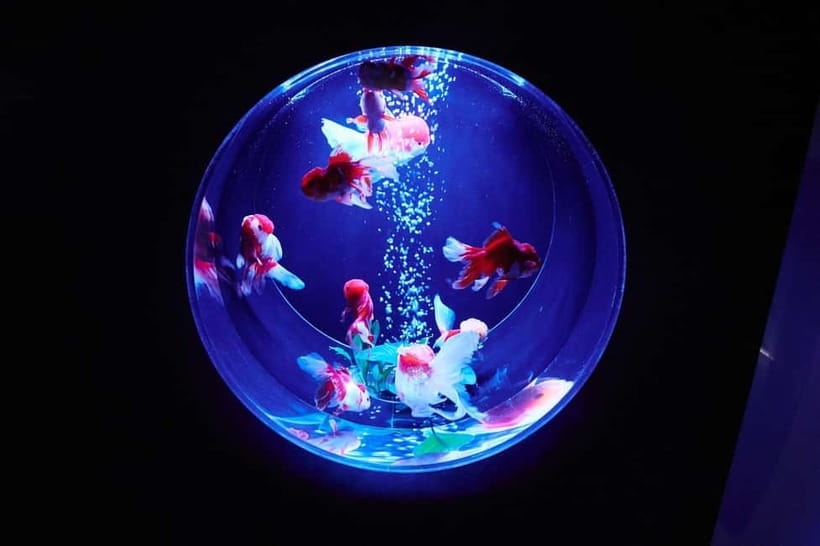
Once inside, the visit is built around atmosphere rather than a fixed guided route. You move through a series of aquarium displays, each using the fish, tank shape, color, and surrounding space in a different way.
The lighting is the star of the show. Goldfish that might look familiar in a plain bowl take on a different character when viewed through colored water, reflective surfaces, or dramatic illumination. The displays are designed to make you pause and watch how the fish move.
Music plays in the background and gives the rooms a calm, dreamlike quality. It is not simply decoration. It changes how you read the displays, slowing the visit and making the fish feel part of a moving composition.
Scent adds another layer. If you are sensitive to fragrance, keep this in mind before booking. For most people, it is a small part of the overall mood, but it does mean the museum is more than a visual exhibition.
There is no guide named in the activity information, and this is not presented as a guided tour. You explore at your own pace, reading the available information about the goldfish and taking photographs where permitted.
Why the goldfish displays work
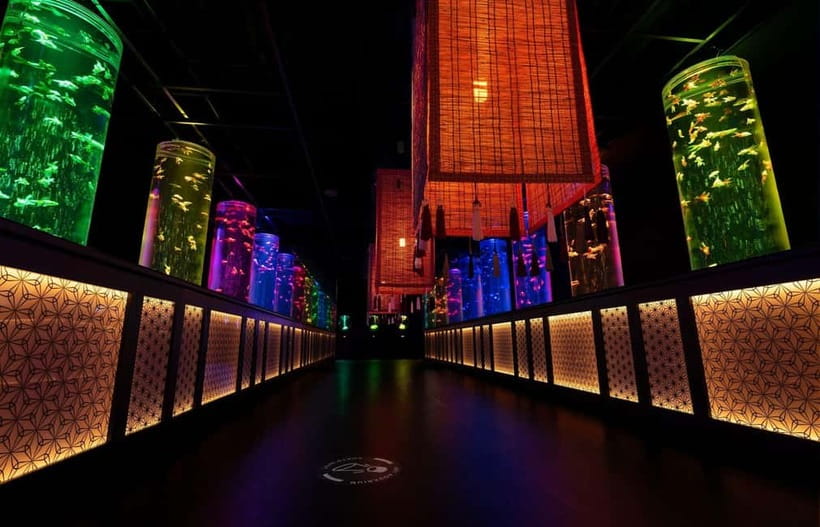
The museum’s best idea is simple: it makes you look closely at a familiar animal. Goldfish are common, but their colors, flowing fins, and slow movement work well with the museum’s lighting and sculpture.
The fish are not displayed in one large tank. Instead, the exhibition uses multiple installations and spatial presentations. This gives the visit a sense of discovery as you move from one visual arrangement to the next.
The goldfish information is available in English, which helps you understand more than just the surface beauty. You can learn about the different types of fish on display while also seeing how Japanese culture has treated goldfish as objects of admiration.
The Edo connection gives the experience more meaning than a room full of pretty tanks. You are seeing a modern interpretation of a traditional pastime, even if the presentation is highly contemporary and theatrical.
Still, the show is designed first for visual impact. If you want detailed information about aquatic care, natural habitats, or a large range of marine animals, this is not the right aquarium. If you enjoy Japanese aesthetics, lighting design, and photography, the unusual format makes more sense.
More aquariums in Tokyo:
- Tokyo: Sumida Aquarium Entry Ticket
★ 4.6 · 70 reviews - Tokyo: Sunshine Aquarium Entry Ticket
★ 4.6 · 55 reviews - Naha: North Okinawa Sightseeing Tour & Churaumi Aquarium
★ 4.4 · 472 reviews - Okinawa: Churaumi Aquarium, Ryukyu Village & Manza Bus Tour
★ 4.5 · 118 reviews
Photography tips for a cleaner visit
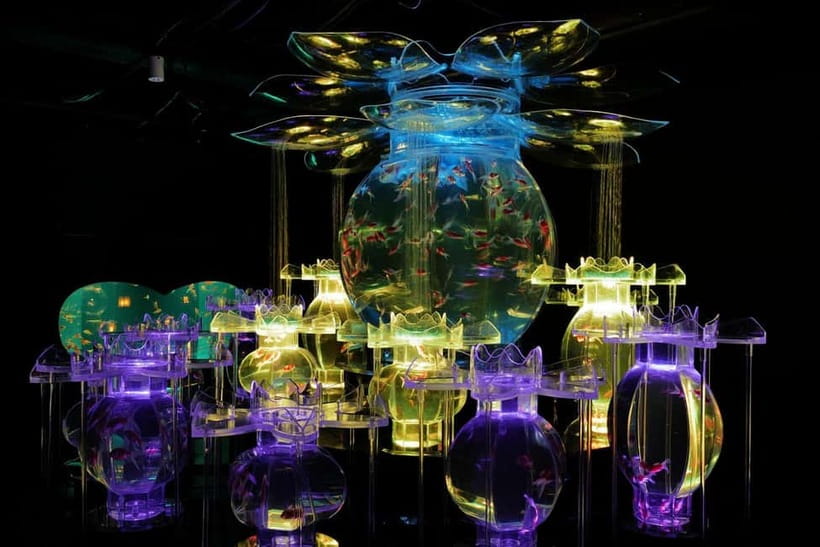
Photography is permitted, and the displays are clearly designed with cameras in mind. The low light, glowing colors, and moving fish can produce beautiful images, but you will need patience.
Fish do not pose. You may need to wait for one to swim into the best patch of light, and a crowded room can make that harder. The good news is that the museum is compact, so you can return to a display if you want another attempt.
Tripods, monopods, and similar equipment are not allowed. Strobes and other lighting equipment are also prohibited. Bring a handheld camera or phone and rely on the existing illumination.
For the best chance at uncluttered photographs, consider a weekday morning. One visit at 10:30 a.m. on a midweek day was especially quiet, with enough room to take pictures without interrupting other people. Conditions change, but the timing is a sensible choice if photography matters to you.
Do not expect every photo to match what your eye sees. The lighting is part of the atmosphere, and moving fish can blur in dark rooms. Take a few pictures, but also spend time watching the displays without a screen in front of you.
How long should you allow?
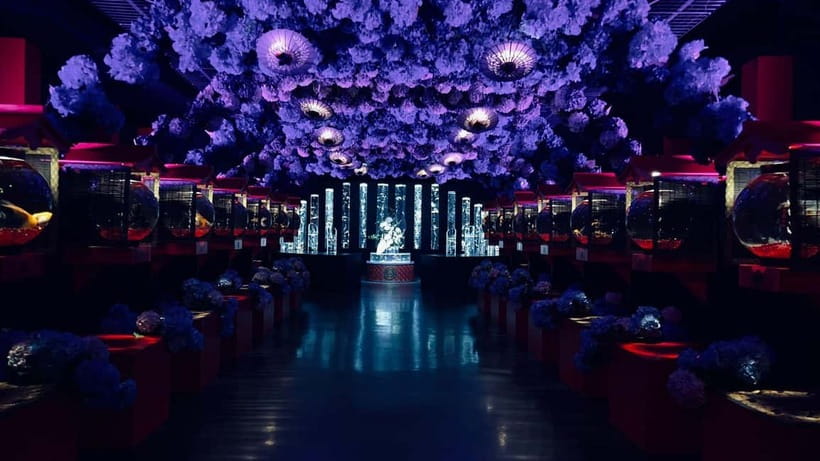
The official estimated viewing time is one hour. In practice, you can see the museum in about 30 minutes if you walk steadily and take only a few pictures.
I would allow 45 minutes to an hour. That gives you time to read some of the English information, wait for fish to move into position, and revisit the displays you like best.
The compact size is both a benefit and a limitation. It is easy to fit before lunch, after shopping, or between other Ginza plans. It will not fill half a day, so do not treat the $17 ticket as an all-day museum pass.
A short visit can be a good thing in Tokyo. After crowded streets, department stores, and busy train stations, this offers a quiet visual pause without demanding hours of your schedule. Just keep your expectations in line with the format.
Seasonal changes at a permanent Ginza venue
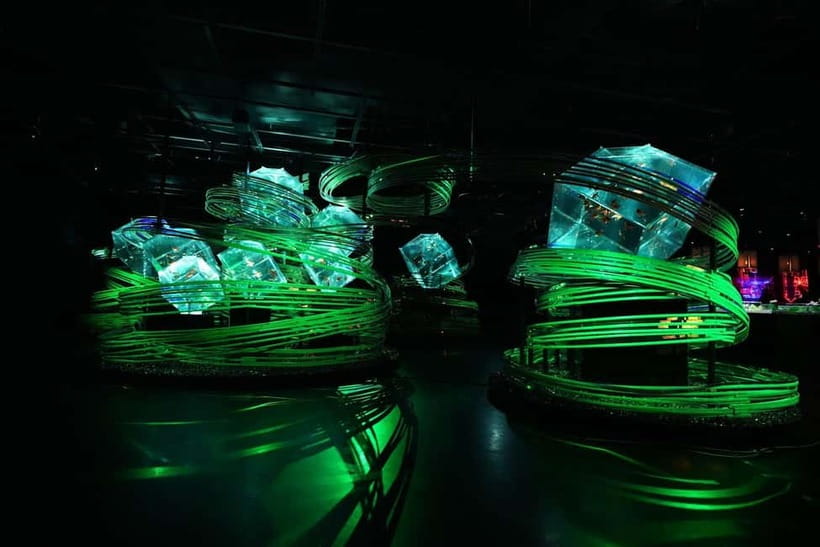
Art Aquarium Museum GINZA is a permanent venue that opened at Ginza Mitsukoshi in May 2022. The displays change with the seasons, so the atmosphere is not meant to remain identical throughout the year.
That makes the museum more interesting for repeat visits. A return visit two years later included more than half new art, which suggests that the exhibition does not simply leave the same installations in place forever.
The seasonal approach also fits the Japanese idea of enjoying changes in light, color, and nature throughout the year. You might find spring, summer, autumn, or winter themes reflected in the colors and decoration, though the exact displays depend on when you go.
If this is your first Tokyo visit, one ticket is probably enough. If you return to Ginza in another season, the changing art gives you a reason to consider visiting again, especially if you enjoyed photographing the first set of displays.
Is $17 a fair price?
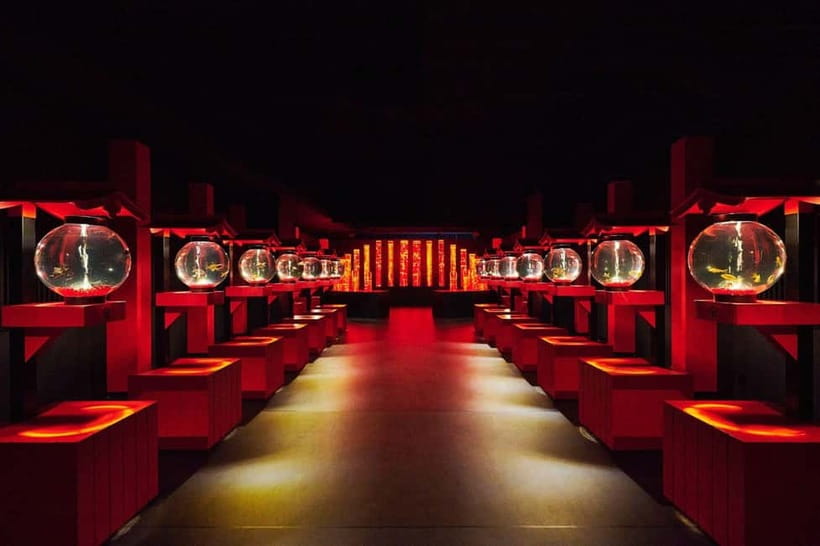
At $17 per person, the ticket is reasonable for a polished, one-hour art attraction in central Tokyo. The value depends on what you want from a museum.
I think the price works well if you enjoy photography, Japanese design, unusual exhibitions, or calm sensory experiences. You are paying for a designed presentation, not simply access to aquariums with fish inside.
The ticket is less convincing if you expect a large aquarium, a long cultural program, or several hours of entertainment. The museum is compact, and some people may be finished in 30 minutes.
The location helps the value. You do not need a separate trip across Tokyo, and the museum sits near several Ginza train lines. You can combine it with department-store shopping and other plans in the area.
Up to two children under elementary school age may enter free with one paying adult. That can make the visit more appealing for families with very young children, although the dark rooms, music, and scent may not suit every child.
What I like, and what gives me pause
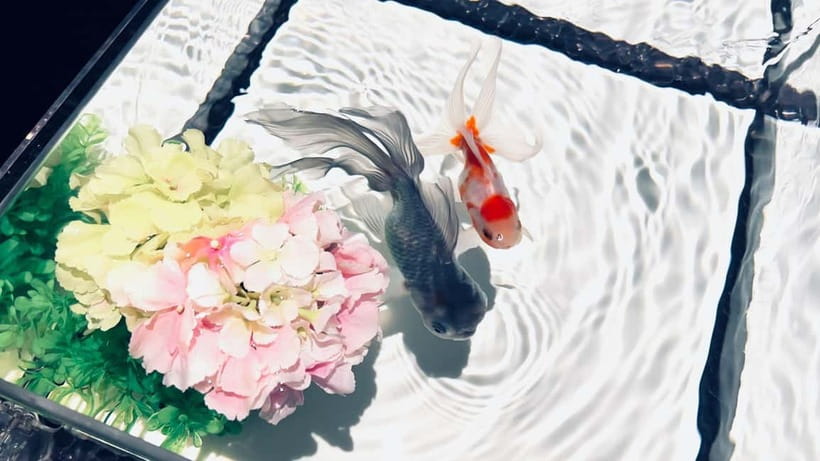
I like the consistency of the concept. The light, sound, fragrance, tank design, and fish all point toward the same goal, so the museum feels carefully planned rather than like a standard aquarium with decorative lighting added afterward.
I also like the English information about the goldfish. It gives you a cultural and natural point of reference, so you can understand the subject while enjoying the art.
The best displays are genuinely beautiful. Colors reflect in the water, fins trail behind the fish, and the music makes the rooms feel calm. The experience has enough variety to hold your attention during a short visit.
The main pause is the treatment of the fish. One visitor felt that some fish appeared maltreated. The supplied information does not establish a welfare problem, but it is a fair concern to keep in mind if animal care strongly affects your choice of attractions.
Another limitation is the compact scale. If you want a broad, educational aquarium with many types of animals, choose a conventional aquarium instead. Art Aquarium Museum GINZA is about presentation and mood first.
Who should visit Art Aquarium Museum GINZA?
You are a good match if you like:
- Japanese visual culture and modern interpretations of older traditions
- Photography and colorful low-light displays
- Short museum visits with strong atmosphere
- Art that combines sound, scent, and moving subjects
- Central Tokyo attractions that fit into a shopping or dining day
- Seasonal exhibitions that may change when you return
Families can also consider it, especially with the free admission allowance for up to two children under elementary school age per adult. The visit is short, but check whether your children are comfortable with dark rooms, music, and fragrance.
You may want to skip it if you dislike staged lighting, prefer factual aquarium displays, or need a full-day attraction. The experience is polished and pretty, but it is not a substitute for a major aquarium or a traditional art museum.
Practical details before you go
Check the date carefully because closing days and business hours can vary. The ticket is valid for one day, and starting times should be checked when you look at availability.
Admission is non-refundable, so make sure your Tokyo schedule is firm before purchasing. Reception and same-day tickets are handled on the 9th floor of the new building at Ginza Mitsukoshi.
Bring a phone or handheld camera if you want pictures. Leave the tripod, monopod, strobes, and lighting equipment behind, since those are not allowed.
Plan on about one hour, but do not be surprised if you finish sooner. A weekday morning may give you more room for photographs, while the seasonal displays give repeat visitors a reason to return at another time of year.
Should you book this Ginza art experience?
Book it if you want a visually focused break in central Tokyo and the idea of goldfish presented through light, music, scent, and sculpture appeals to you. The $17 price is fair for a well-designed 45-minute to one-hour stop, especially when paired with Ginza shopping or a meal.
Skip it if you want a large aquarium, a long guided visit, or extensive natural-history information. For photographers and fans of Japanese design, it is an easy recommendation. For everyone else, check your schedule, accept the compact size, and decide if a carefully staged goldfish exhibition is worth an hour of your day.
FAQ
Where is Art Aquarium Museum GINZA located?
It is inside Ginza Mitsukoshi at 4-6-16 Ginza, Chuo-ku, Tokyo. Admission reception and same-day ticket sales are on the 9th floor of the new building.
How do I reach the museum by train?
From Ginza Station, use Exit A7 on the Tokyo Metro Ginza, Marunouchi, or Hibiya Line. It is about a five-minute walk from Ginza 1-chome Station Exit 9, and about two minutes through the underground passage from Higashi Ginza Station toward Ginza Station.
How long does the visit take?
The estimated viewing time is one hour. Depending on how long you spend taking photographs and reading the displays, you may finish in about 30 minutes or stay for 45 minutes to an hour.
Are children admitted free?
Up to two children under elementary school age may enter free of charge with one adult.
Can I take photographs inside?
Yes. Photography is permitted, but tripods, monopods, similar equipment, strobes, and lighting equipment are not allowed.
Does the museum open every day?
Closing days and business hours may vary. Check the available date and starting times before you go.
Just added around Tokyo
- Private Arrival Transfer : Narita International Airport to Central Tokyo City★ 4.5 · 12 reviews
- Narita Airport(NRT): Private Transfer to Tokyo/Yokohama 1-9pax★ 5.0 · 47 reviews
- Private Transfer from Narita Airport to Yokohama Port and City★ 4.5 · 17 reviews
- [Narita Airport Terminals 1, 2] 40-60km Sawara Itako Historic Bike Tour★ 5.0 · 13 reviews
- 3 Day Japan Highlights Tour: Tokyo, Mt.Fuji, Nara, Kyoto, Osaka★ 5.0 · 22 reviews
- Small Town in the Big City: Tasting Tokyo’s Kichijoji★ 5.0 · 195 reviews
- Small Town in the Big City: Tasting Tokyo’s Kichijoji★ 5.0 · 16 reviews
- The 10 Tastings of Tokyo With Locals: Private Street Food Tour★ 5.0 · 48 reviews
Tokyo Tours, compared.

Mt Fuji and Hakone 1-Day Bus Tour Return by Bullet Train
Read our review →
teamLab Planets TOKYO Digital Art Museum Entry Ticket
Read our review →
Mt Fuji & Hakone Cruise, Drum Show Bullet Train 1 Day from Tokyo
Read our review →
Sumo Show Experience with Chicken Hot Pot and a Photo
Read our review →
Shinjuku Food Tour (13 Dishes at 4 Local Eateries)
Read our review →
Tokyo Mt Fuji 5th St & Hakone Cruise Bus Tour w/Bullet Train
Read our review →