
Reviewed · TOKYO TOURS
Tokyo: Sumida Aquarium Entry Ticket
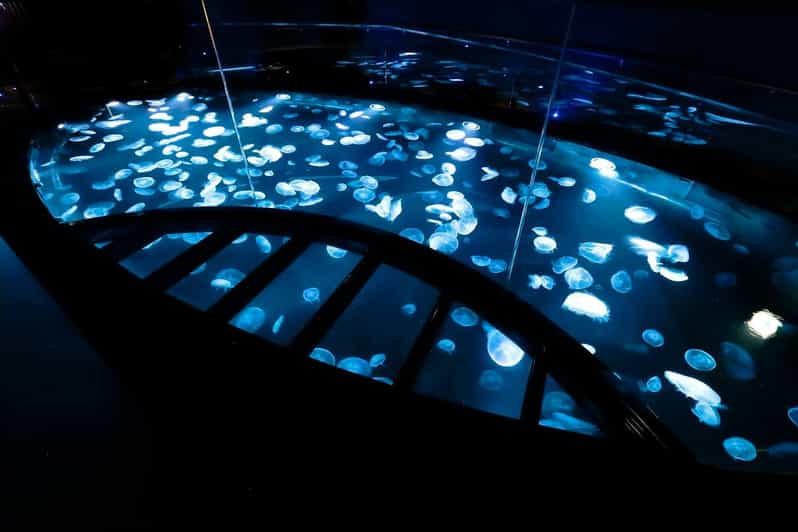
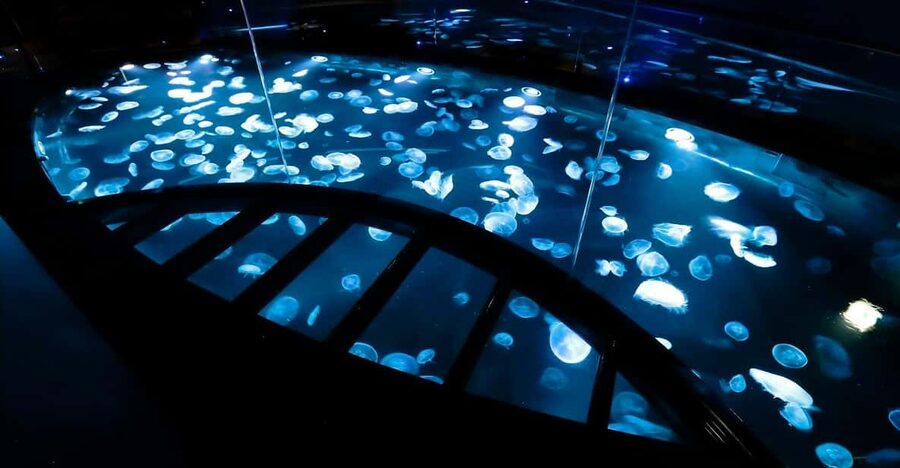
Sumida Aquarium is built less like a formal museum and more like a daily-life park beside the water. You can sit in front of the tanks, watch the changing movement of the water, stop at the cafe, and shape your visit around your own pace. I especially like the chairs placed for lingering and the chance to speak with breeding staff about penguin behavior, Chinese eels, and goldfish. The calm setting also gives you a welcome pause from Tokyo’s busy streets.
I like the quiet, flexible rhythm and the personal touch of staff sharing small facts about the animals. The main consideration is size: one recent booking described the aquarium as pleasant but smaller than expected, so this is better for a peaceful aquatic break than for a huge, all-day aquarium expedition.
Key points to know before you go
- A relaxed aquarium layout: Chairs let you sit close to the tanks instead of rushing from exhibit to exhibit.
- Staff conversations add character: Ask about penguins, Chinese eels, or goldfish for details you might miss on your own.
- A cafe beside the exhibits: You can pause with a drink while continuing to look at the aquatic life.
- A compact visit with flexible timing: The ticket is valid for one day, but re-entry is not allowed.
- Late opening hours: Standard hours are 10:00 AM to 8:00 PM on weekdays and 9:00 AM to 9:00 PM on weekends and holidays.
- A few firm restrictions: Large bags, pets, smoking, and flash photography are not allowed.
A calmer way to see an aquarium in Tokyo
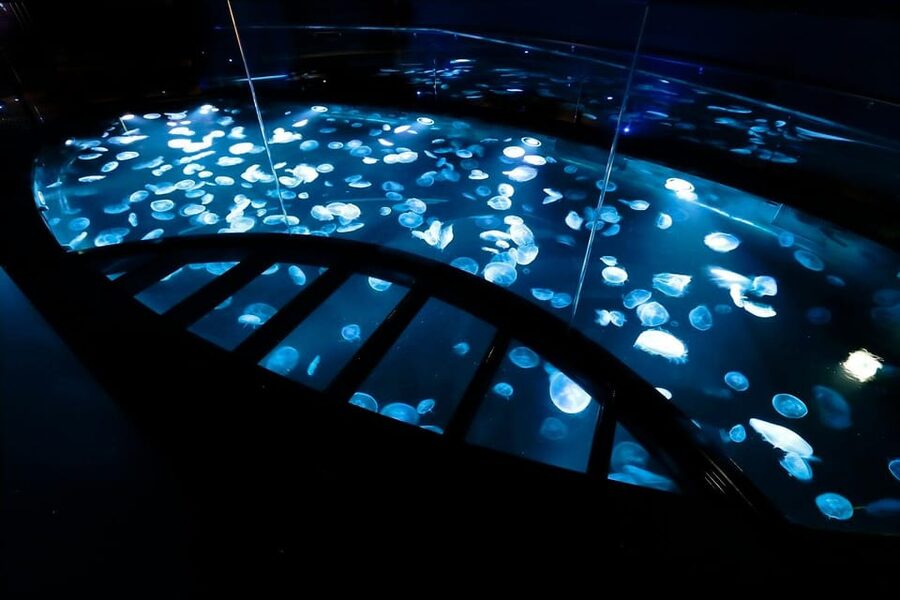
Many aquariums push you along a set path. Sumida Aquarium takes a softer approach. The idea is to give you room to sit, look, and stay as long as a particular tank holds your attention.
That matters in Tokyo. After a morning of stations, crowds, signs, and shopping, a seat facing slow-moving water can feel like a reset button. You are not expected to hurry through every display. Instead, you can stop in front of an animal, take a break at the cafe, or simply watch the light and water shift.
The setting is designed to support peace and relaxation. That does not mean the aquarium is silent or empty, but its tone is more restful than showy. I would plan this as a gentle stop during a day around Honshu, especially if you want something indoors and easy to fit around other plans.
The aquarium is also a good match for people who enjoy small details. You may notice a penguin’s behavior, a goldfish’s shape, or the movement of an eel, then ask a staff member about it. That simple exchange can make the visit feel more personal than reading a short label and moving on.
More aquariums in Tokyo:
- Tokyo: Art Aquarium Museum GINZA Entry Ticket
★ 4.5 · 278 reviews - Tokyo: Sunshine Aquarium Entry Ticket
★ 4.6 · 55 reviews - Naha: North Okinawa Sightseeing Tour & Churaumi Aquarium
★ 4.4 · 472 reviews
What the one-day ticket gives you
The $17 ticket covers entry to Sumida Aquarium for one day. It is not a guided tour, so you decide how quickly or slowly to move through the space.
That flexibility is useful if you are combining the aquarium with other Tokyo activities. You can arrive during the listed opening hours, see the exhibits at your own pace, and spend more time in the areas that interest you. Since the ticket is valid for one day, you do not need to commit to a fixed tour length.
There is one important limit: re-entry is prohibited. If you leave, you cannot use the same ticket to return later that day. I would plan your visit in one continuous stretch rather than treating the aquarium as a place to drop into several times.
The booking is non-refundable and cannot be changed. You also need to make the reservation by 11:59 PM the day before your visit. That makes this ticket simple, but not especially forgiving. Check your Tokyo schedule before booking, particularly if you are arranging several timed activities.
The price is fair if you value a calm indoor stop, a cafe break, and the freedom to linger. It is less compelling if you judge an aquarium only by its size or by the number of large exhibits. A smaller venue can be satisfying, but you should not arrive expecting a giant marine park.
Sitting beside the tanks instead of rushing past them
The chairs are one of the most useful features here. They change the visit from a quick circuit into something closer to an ordinary break in your day.
You can sit before the aquarium and watch the water fluctuate around the animals. That makes the visit work well for different energy levels. If you are alert and curious, you can move through the exhibits and ask questions. If you are tired, you can take a seat and let the aquarium provide a quiet half hour.
I appreciate this kind of design because it does not treat rest as wasted time. The water itself becomes part of the experience. You may find that the best part of your visit is not checking off every display, but spending several minutes with one view.
The chairs are also practical for families and mixed-age groups, although the supplied information does not specify family facilities or seating capacity. If someone in your group needs a slower pace, the aquarium’s layout gives you a natural way to pause without ending the visit.
The tradeoff is that a relaxed design can make the venue feel smaller than expected. One recent booking rated the different spaces positively but was surprised by the aquarium’s size. Keep that in mind when you compare this ticket with larger aquariums in Tokyo.
The cafe adds a useful pause
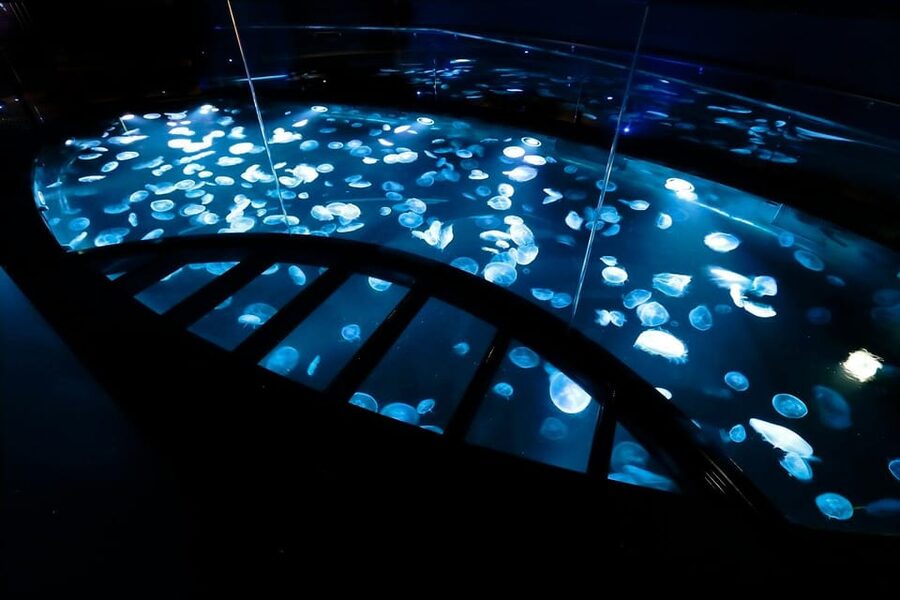
The cafe lets you chat while continuing to admire the creatures. That is a small feature, but it gives the aquarium a social side without forcing you to leave the exhibits for a break.
You can use the cafe as a midpoint in your visit. Start with the tanks, stop for a drink and conversation, then return to the displays within the same continuous entry. Lunch is also allowed inside the aquarium, according to the stated rules, so you have some flexibility if the timing works for you.
No food or drink menu is provided here, so I would not book this specifically for a meal. Think of the cafe as part of the aquarium’s unhurried rhythm rather than a destination restaurant.
This is also useful if you are visiting with someone who is less interested in every tank. One person can keep looking at the aquatic life while another has a seat and chats. The experience does not require everyone to move at exactly the same speed.
A few more Tokyo half-days to weigh up
- Mt Fuji and Hakone 1-Day Bus Tour Return by Bullet Train
★ 5.0 · 26,383 reviews - 1-Day Tokyo Bus Tour
★ 5.0 · 14,250 reviews - Tokyo: TOKYO SKYTREE® Admission ticket
★ 4.5 · 11,192 reviews - Tokyo: teamLab Planets TOKYO Digital Art Museum Entry Ticket
★ 4.6 · 9,779 reviews
Talking with the breeding staff
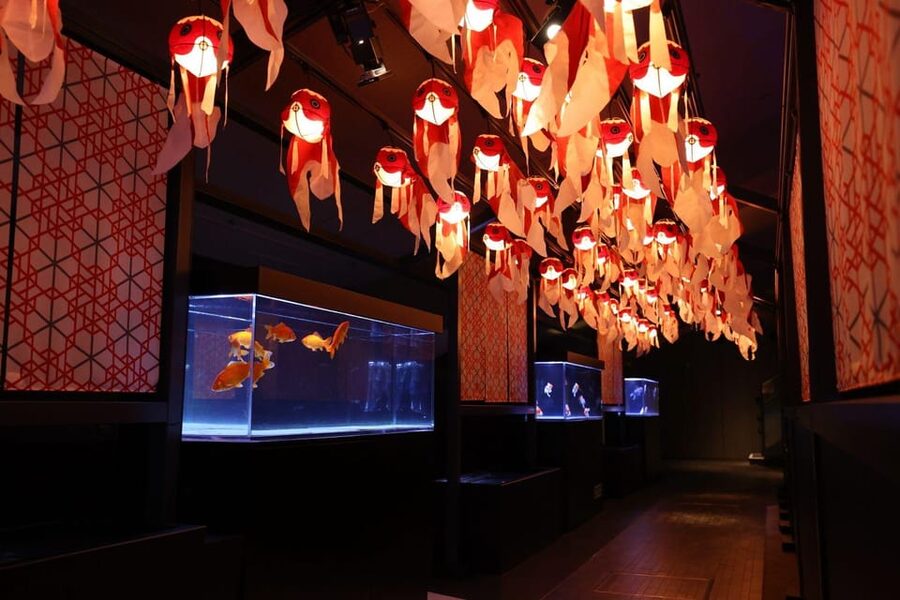
The breeding staff are open to questions, and this is where the aquarium can offer more than a visual visit. If a creature catches your attention, ask about it. The staff are especially ready to share information about the affection between penguins, the battles of Chinese eels, and the secrets of goldfish.
Those subjects sound unusual, which is part of the appeal. You may already know the broad facts about penguins or goldfish, but small observations about behavior can change how you see an animal. A short conversation may help you notice details that would otherwise pass by.
There are no named guides and no scheduled guided tour described, so you should think of these conversations as informal staff interactions. Their availability may vary, and the information does not promise a private talk for every visitor. Still, the invitation to ask questions is worth using.
I would prepare one or two questions before arriving. Ask what makes the penguins different from one another, what the Chinese eels compete over, or what people often misunderstand about goldfish. The exact discussion will depend on the staff member and the animals on view, but curiosity is rewarded here.
Penguins, Chinese eels, and goldfish
The animal highlights give the aquarium a clear personality. Penguins provide an easy point of connection because their social behavior is familiar and entertaining. The promise of learning about their affection suggests that the staff focus on individual behavior, not only basic species facts.
Chinese eels offer a less expected subject. Their battles sound more dramatic than the aquarium’s quiet mood, and that contrast may make the discussion memorable. If you enjoy animals that are not always the first thing people seek out, spend time asking about them.
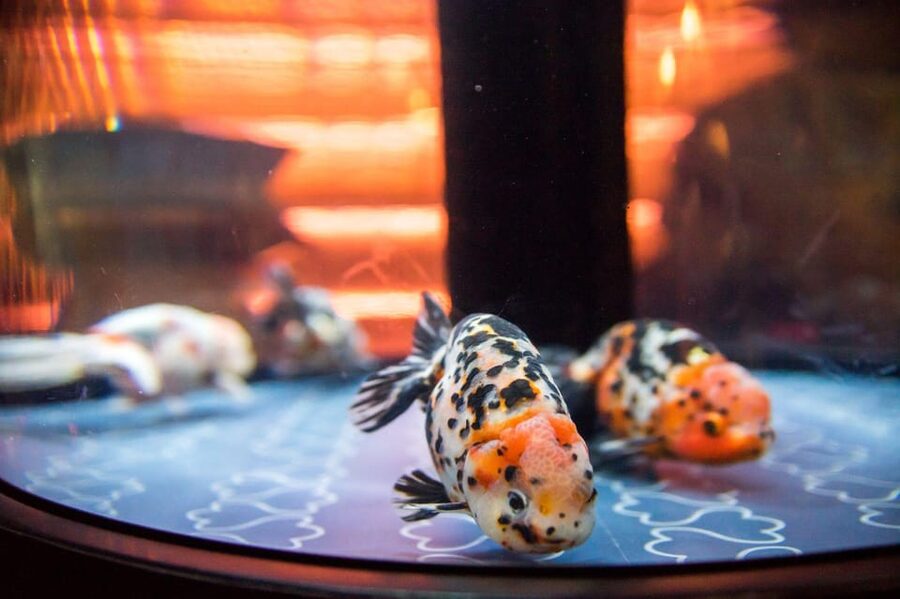
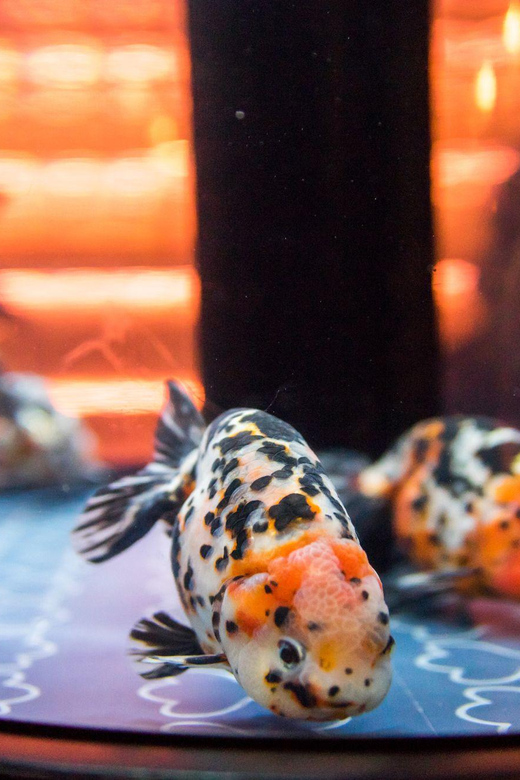
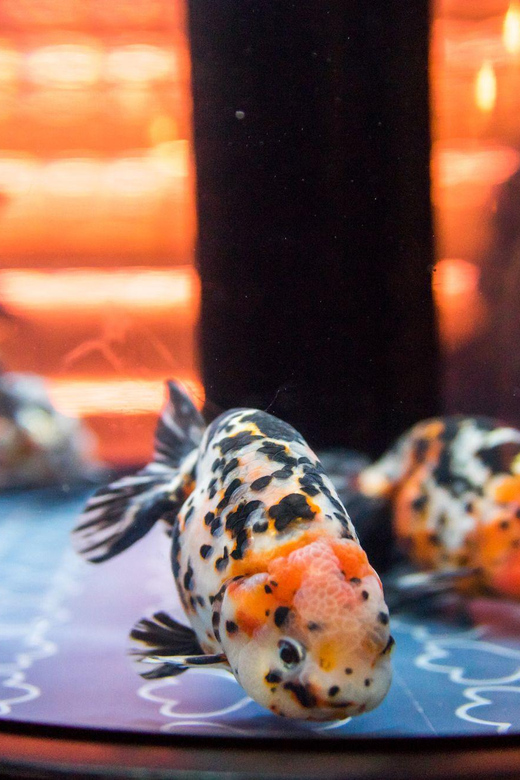
Goldfish bring a different kind of interest. They are common in homes and shops, yet the aquarium points to hidden details about their care, form, and behavior. That makes them a good reminder that familiar animals can still reward close attention.
The information does not list every species or exhibit, so I would not plan your visit around a complete animal checklist. Go for the chance to see aquatic life in a calm setting and learn more when a particular creature catches your eye.
Hours, timing, and the best way to plan your visit
On weekdays, standard business hours are 10:00 AM to 8:00 PM. On weekends and holidays, the aquarium opens from 9:00 AM to 9:00 PM. Last entry is one hour before closing, so do not leave your arrival until the final minutes.
The long hours make the ticket easy to fit into a Tokyo schedule. A late afternoon visit could work after other sightseeing, while a morning visit gives you more time to sit and explore. Since the ticket lasts for one day but does not allow re-entry, choose a time when you can stay without needing to leave for another appointment.
A special schedule applies on Friday, May 23, 2025: the aquarium is open from 10:00 AM to 6:00 PM because of a private reservation. If that date applies to you, check the hours carefully and plan to arrive before the earlier last entry.
The meeting point may vary by the option booked. The listed coordinates are 35.7102333, 139.8115747, which you can use as a map reference, but follow the exact meeting or entry instructions attached to your booking.
Bags, cameras, pets, and other practical rules
Large or long luggage is not allowed. The rule specifically includes items such as kickboards and carry-on bags, and staff may ask you to store unsuitable luggage elsewhere. I would arrive with only a small, manageable bag.
Smoking is prohibited, and pets are not allowed inside. Assistance dogs, including guide dogs, are permitted. These rules are straightforward, but they matter if you are carrying shopping, sports equipment, or traveling with an animal.
Photography is allowed, but flash photography is not. That protects the wildlife and also makes the aquarium more pleasant for people looking at the tanks. Photos and videos are for personal use only, since commercial photography is strictly prohibited.
You can bring lunch inside the aquarium. Since no further dining details are supplied, bring only what fits comfortably within the venue’s rules and avoid pairing lunch with bulky luggage.
Other coupons, complimentary tickets, discounts, and promotional offers cannot be combined with this ticket. At $17 per person, the value rests in the admission and the freedom to use the space at your own pace, not in stacking extra discounts.
Who will enjoy Sumida Aquarium most
I would choose this aquarium if you want a quiet Tokyo interlude rather than a major half-day attraction. It suits solo visitors who like to sit and observe, couples who want a gentle shared activity, and families who appreciate a place where not everyone has to move at the same speed.
It is also useful on a rainy day or when you want a break from outdoor sightseeing. The cafe, chairs, and late opening hours give you practical ways to slow down.
You may want to skip it if your main goal is the largest possible aquarium or a long itinerary packed with many major displays. The available information does not give the total exhibit count or a suggested visit length, and the compact size may surprise you.
The staff conversations are a strong reason to choose it, but they are not presented as a guaranteed scheduled feature. If you need a formal tour, fixed commentary, or a named guide, this ticket does not promise that format.
Should you book the $17 ticket?
Book Sumida Aquarium if you value calm more than scale. The chairs, cafe, and informal talks with breeding staff give the visit a human pace, and the penguin, Chinese eel, and goldfish subjects offer more than a quick look at tanks.
Skip it if you want a huge aquarium or need flexible re-entry. Check your date, confirm the hours, leave large luggage behind, and reserve by the previous night because the ticket cannot be canceled or changed.
For the right visitor, this is a pleasant place to let Tokyo slow down for a while. Just set your expectations correctly: it is a compact, restful aquarium with room to linger, not an enormous aquatic park.
FAQ
How much does the Sumida Aquarium entry ticket cost?
The ticket costs $17 per person.
How long is the ticket valid?
The ticket is valid for one day. Re-entry is not allowed after you leave the aquarium.
What are the regular opening hours?
The aquarium is open from 10:00 AM to 8:00 PM on weekdays. On weekends and holidays, it is open from 9:00 AM to 9:00 PM, with last entry one hour before closing.
Are there any special opening hours?
Yes. On Friday, May 23, 2025, the aquarium has adjusted hours from 10:00 AM to 6:00 PM because of a private reservation.
Can I bring lunch inside?
Yes, lunch is allowed inside the aquarium.
Can I take photographs?
Photography is allowed, but flash photography is prohibited. Photos and videos must be for personal use, and commercial photography is not allowed.
Can I bring luggage or pets?
Large or long luggage, including kickboards and carry-on bags, is prohibited. Pets are not allowed, except for assistance dogs such as guide dogs.
Just added around Tokyo
- Private Arrival Transfer : Narita International Airport to Central Tokyo City★ 4.5 · 12 reviews
- Narita Airport(NRT): Private Transfer to Tokyo/Yokohama 1-9pax★ 5.0 · 47 reviews
- Private Transfer from Narita Airport to Yokohama Port and City★ 4.5 · 17 reviews
- [Narita Airport Terminals 1, 2] 40-60km Sawara Itako Historic Bike Tour★ 5.0 · 13 reviews
- 3 Day Japan Highlights Tour: Tokyo, Mt.Fuji, Nara, Kyoto, Osaka★ 5.0 · 22 reviews
- The 10 Tastings of Tokyo With Locals: Private Street Food Tour★ 5.0 · 48 reviews
- Small Town in the Big City: Tasting Tokyo’s Kichijoji★ 5.0 · 195 reviews
- Small Town in the Big City: Tasting Tokyo’s Kichijoji★ 5.0 · 16 reviews
Tokyo Tours, compared.

Mt Fuji and Hakone 1-Day Bus Tour Return by Bullet Train
Read our review →

teamLab Planets TOKYO Digital Art Museum Entry Ticket
Read our review →
Mt Fuji & Hakone Cruise, Drum Show Bullet Train 1 Day from Tokyo
Read our review →
Sumo Show Experience with Chicken Hot Pot and a Photo
Read our review →
Shinjuku Food Tour (13 Dishes at 4 Local Eateries)
Read our review →
Tokyo Mt Fuji 5th St & Hakone Cruise Bus Tour w/Bullet Train
Read our review →
Flagship 2-Hours Official Street Go-Kart Tour – Tokyo Bay Shop
Read our review →Browse the lists this tour appears in