
Reviewed · TOKYO TOURS
Tokyo: Meiji Shrine, Asakusa, Skytree Bus Tour and Cruise
Tokyo is huge, and this 10-hour coach tour tackles its classic sights from one side of the city to the other. In a single day, you’ll visit Meiji Shrine, the Imperial Palace, Asakusa, Tokyo Skytree, and Odaiba, with matcha, lunch, and a short bay cruise folded into the route.
I like the air-conditioned bus, especially in Tokyo’s hot, humid months, and I like the mix of old and new: quiet shrine paths in the morning, traditional Asakusa at midday, then a 350-meter view from Skytree. The main tradeoff is pace. You may walk more than expected, often reaching 11,000 steps, and the cruise can be replaced without a refund.
Key points to know before booking
- See Tokyo’s major districts in one long day: The route links Meiji Shrine, Harajuku, the Imperial Palace, Asakusa, Skytree, and Odaiba.
- Ride between sights instead of mastering every train connection: The air-conditioned coach gives your feet a break while covering a lot of ground.
- Try Uji matcha in Asakusa: Choose a matcha drink or matcha gelato, with sweet matcha gelato and matcha beer available as options.
- Choose lunch carefully: The standard set meal features Japanese fried chicken and tofu, while vegetarian and gluten-free choices must be requested when booking.
- Reach Skytree’s 350-meter Tembo Deck: Admission is included, with skip-the-line access listed as part of the experience.
- Expect a possible change at the end: The Tokyo Bay cruise may be replaced by Hamarikyu Gardens or the Fukagawa Edo Museum because of tides, maintenance, or the Tuesday schedule.
A useful first day in Tokyo
This tour is best understood as a city sampler. You won’t study any one neighborhood at length, but you will get a strong first look at Tokyo’s religious traditions, imperial past, shopping streets, modern architecture, and giant skyline.
That makes it useful if you have only a few days in Tokyo, are visiting for the first time, or simply don’t want to spend your opening day sorting out train routes. The bus also helps connect places that are spread far apart. You’ll pass through Kabukicho, Harajuku, Omotesando, Akihabara, Ueno, Kappa-Bashi, and Odaiba along the way.
The route is organized around a live English-speaking guide. Guides named Aya, Yuty, Tsubasa, Hiro, Sora, Yui, Lisa, Levin, and Lovely have been praised for clear explanations, humor, patience, and practical advice. The best guides do more than announce the next stop. They explain shrine customs, Japanese culture, city history, and how to navigate Tokyo after the tour.
Spanish, French, Italian, German, Portuguese, and Ukrainian audio headsets are also available. The live guide speaks English, so the audio system is useful if you prefer information in another language.
A few more Tokyo half-days to weigh up
- Mt Fuji and Hakone 1-Day Bus Tour Return by Bullet Train
★ 5.0 · 26,383 reviews - 1-Day Tokyo Bus Tour
★ 5.0 · 14,250 reviews - Tokyo: TOKYO SKYTREE® Admission ticket
★ 4.5 · 11,192 reviews
Meiji Shrine: Tokyo’s quiet forest opening
The day begins at Meiji Shrine, dedicated to Emperor Meiji and Empress Shoken. The shrine sits inside a large wooded area, a striking contrast to the city beyond its gates.
You’ll have about an hour here. That is enough time to walk through the forest, see the shrine buildings, and learn basic Shinto customs. Your guide can also explain how to approach the shrine, bow, cleanse your hands, and pray respectfully.
This is one of the strongest stops on the day because it gives you cultural context before the city’s more commercial sights. The walk is peaceful, but it is still a walk. Wear shoes that can handle uneven paths and extended standing.
Some people would prefer more time here and less time later at Skytree. If Meiji Shrine is your main reason for booking, remember that this is an overview tour, not a slow spiritual visit.
Harajuku, Omotesando, and the National Diet Building
After Meiji Shrine, the coach passes Harajuku and Omotesando. These areas are not full walking stops, but the drive helps show the shift from shrine woodland to Tokyo shopping streets and polished modern avenues.
You’ll also pass the National Diet Building, Japan’s parliament. Its symmetrical design dates from 1936 and makes a good sight from the coach window. This part of the route is brief, but it helps you see how Tokyo places major public buildings, fashion districts, and historic religious sites close together.
Do not expect free time in Harajuku or Omotesando. If you want Takeshita Street, Omotesando shops, or the surrounding cafes, plan to return on your own.
The Imperial Palace: two different views
The Imperial Palace stop lasts about 30 minutes. The palace grounds occupy the former site of Edo Castle, the seat of the shogun during the city’s earlier period, and they remain the residence of Japan’s imperial family.
The exact visit can be either the East Garden or Niju-bashi Bridge in the Outer Garden. These are quite different experiences. The East Garden offers traditional gardens and stone remnants linked to the old castle. Niju-bashi gives you the familiar palace approach and a classic photo opportunity.
Because the choice can vary, you should not book this tour expecting a full palace visit. The time is short, and the palace itself is not generally an interior sightseeing stop.
Still, the stop works well in a first-day itinerary. It places modern Tokyo beside the city’s political and imperial center, then sends you toward older shopping and temple districts.
Same base, a completely different sort of day:
- Tokyo: teamLab Planets TOKYO Digital Art Museum Entry Ticket
★ 4.6 · 9,779 reviews - Mt Fuji & Hakone Cruise, Drum Show Bullet Train 1 Day from Tokyo
★ 4.0 · 7,413 reviews - Tokyo: Sumo Show Experience with Chicken Hot Pot and a Photo
★ 4.8 · 6,678 reviews - Tokyo: Shinjuku Food Tour (13 Dishes at 4 Local Eateries)
★ 5.0 · 6,603 reviews
Passing Akihabara, Ueno, and Kappa-Bashi
The coach then crosses several distinct parts of Tokyo. Akihabara is associated with electronics, games, anime, and pop culture. Ueno is known for major cultural attractions and a busy local district. Kappa-Bashi is the practical shopping street for kitchen equipment.
Kappa-Bashi is especially fun from a coach because you can spot shop windows filled with Japanese knives, dishes, restaurant supplies, and remarkably realistic plastic food. You probably won’t have time to shop here, so treat it as a preview rather than a proper stop.
This drive is one of the hidden benefits of taking a bus. You get a sense of Tokyo’s scale and see districts you might not reach during a shorter, neighborhood-based tour.
Asakusa: matcha, lunch, and Nakamise Street
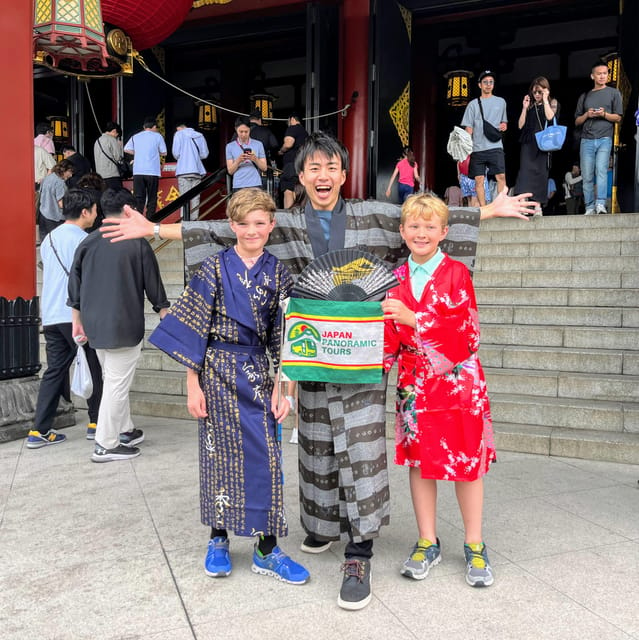
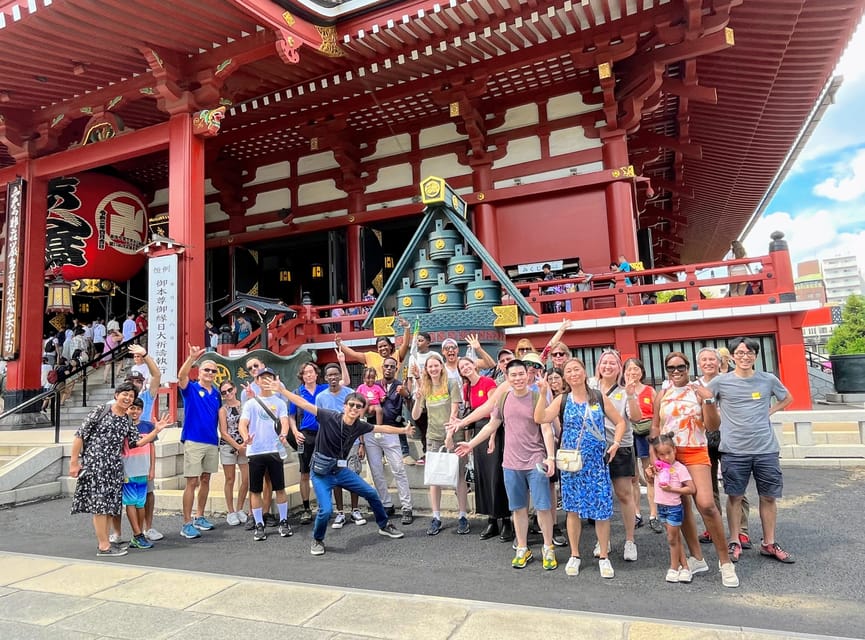
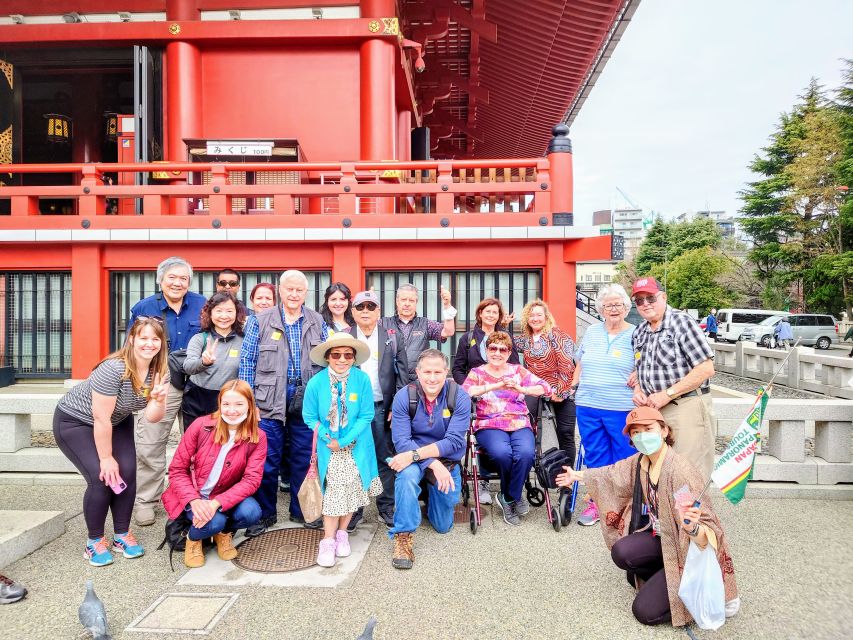
Asakusa is the heart of the day’s traditional Tokyo experience. The red lantern at Kaminari-mon Gate is one of the city’s most recognizable sights, and Nakamise Avenue leads from the gate toward Senso-ji Temple and its surrounding stalls.
The schedule gives you about 30 minutes for the matcha experience, 50 minutes for lunch if selected, and another hour of free time. That is a useful block, but it goes quickly. You’ll want to take photos at the gate, browse Nakamise, see the temple area, and keep track of the meeting time.
The matcha stop focuses on Uji tea from Kyoto. The tour describes it as a less bitter, premium matcha made with first-flush tea. You can choose a matcha drink or matcha gelato, with matcha beer also listed as an option. This is not a formal tea ceremony. It is a short, accessible introduction to one of Japan’s best-known flavors.
The lunch option is an izakaya-style set meal with Japanese fried chicken, tofu, and a soft drink. The tofu is made fresh at the shop from locally produced soybeans. Some people rate the meal highly, while one traveler found the food disappointing, so I would treat lunch as convenient rather than a destination meal.
Vegetarian meals and gluten-free meals must be requested when you book. The gluten-free option includes grilled chicken, rice, and tofu. The standard meal contains no pork, seafood, nuts, or crustaceans, but its dashi stock contains fish broth. Serious allergies, Muslim-friendly meals, lactose-free meals, and other special diets are not supported, so booking without lunch is the safer choice.
Use your free time for small purchases, temple photos, snacks, and a look at the side streets around Asakusa. The area rewards wandering, but the tour’s fixed departure means you cannot linger.
Tokyo Skytree: the biggest view of the day
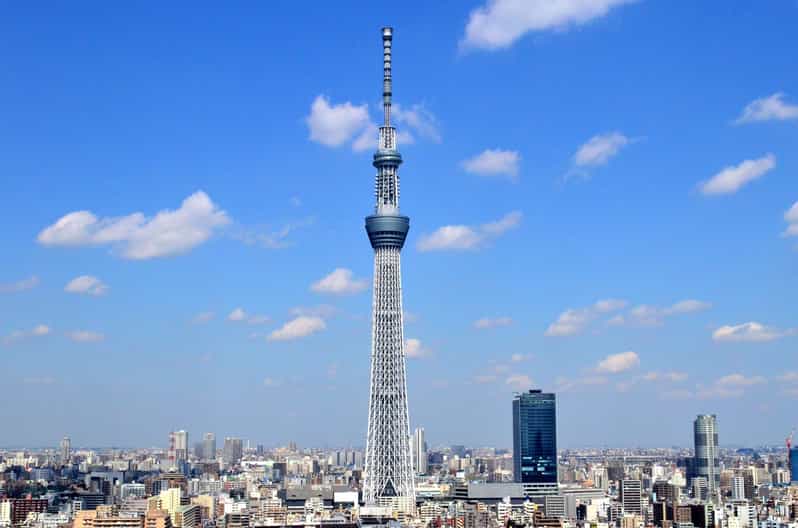
Tokyo Skytree is the tour’s modern showpiece. You’ll go to the 350-meter Tembo Deck, with admission included and skip-the-line entry listed in the package. The total stop lasts about 90 minutes, including time for the tower and Sora-machi shopping complex.
The view is the reason to come up. On a clear day, you can see Tokyo spreading in every direction, from dense central districts to distant edges of the metropolitan area. The 360-degree outlook gives you a much better sense of the city than street level does.
Skytree is also a practical orientation tool. After seeing the city from above, neighborhoods that seemed disconnected on the morning drive start to make more sense.
The drawback is time allocation. Some people would trade part of the 90 minutes here for more time at Meiji Shrine. If you love city views, shopping, and modern Tokyo, Skytree may be your highlight. If temples and old neighborhoods matter more, the stop may feel long.
The tower can also be affected by weather and visibility. The tour still provides access, but cloudy conditions may limit the view. Keep your expectations tied to the weather rather than the ticket alone.
Odaiba and the short Tokyo Bay cruise
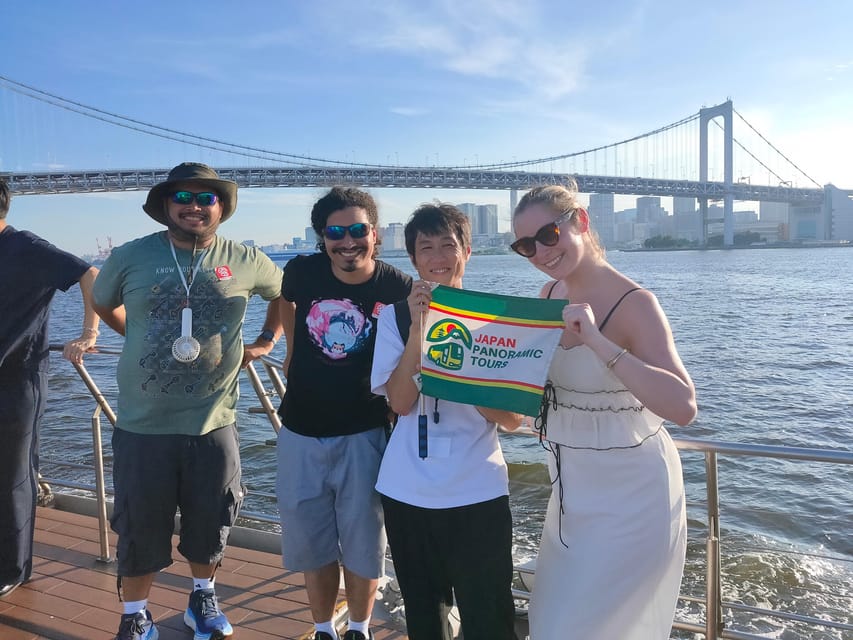
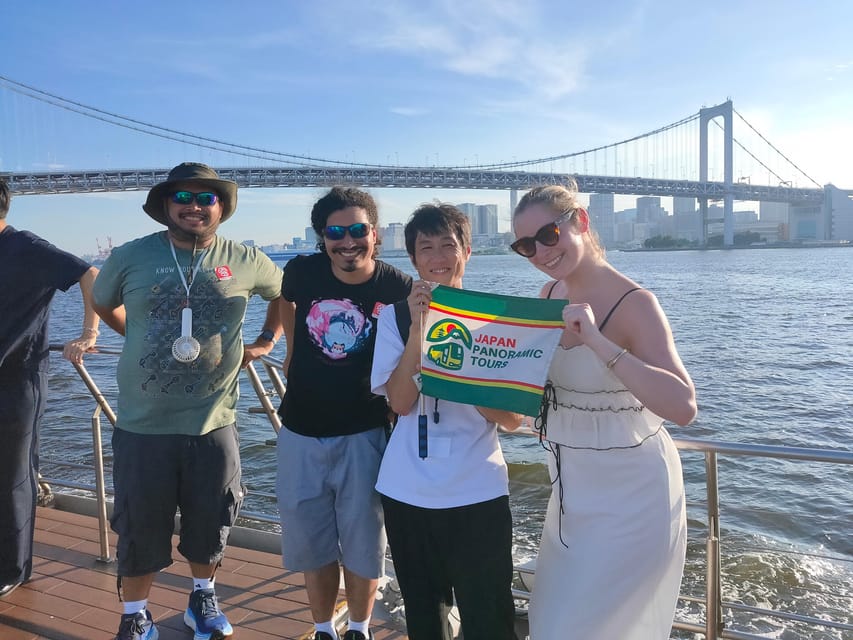
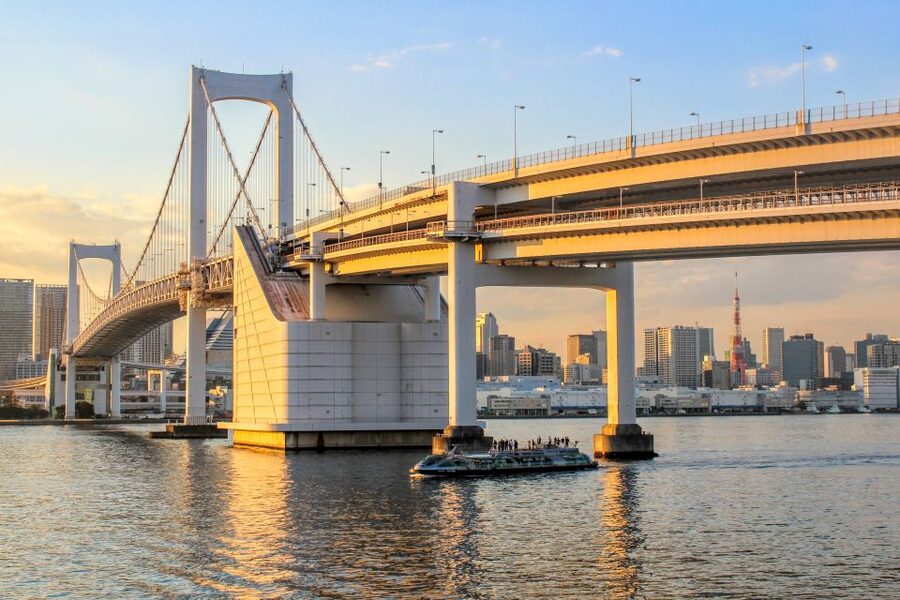
The final planned activity takes place around Odaiba, followed by a boat ride of roughly 15 to 20 minutes. The cruise passes beneath Rainbow Bridge and gives you a different view of Tokyo’s waterfront towers.
This is a pleasant way to finish a long day because you can sit down and watch the city slide past. Sunset can make the ride especially attractive, but timing depends on traffic and the day’s schedule.
The cruise is not guaranteed. High tide or technical maintenance can cancel it, and the tour may substitute Hamarikyu Gardens or the Fukagawa Edo Museum. On Tuesdays, the cruise is excluded from the listed inclusions, with one of those alternatives planned instead.
No refund is given if the cruise is replaced. That matters if the boat ride is your main reason for booking. Think of it as a welcome final extra, not the core value of the day.
After the final stop, the coach returns toward central Tokyo and finishes at Tokyo Mode Gakuen. You should not count on hotel drop-off.
How the coach changes the Tokyo experience
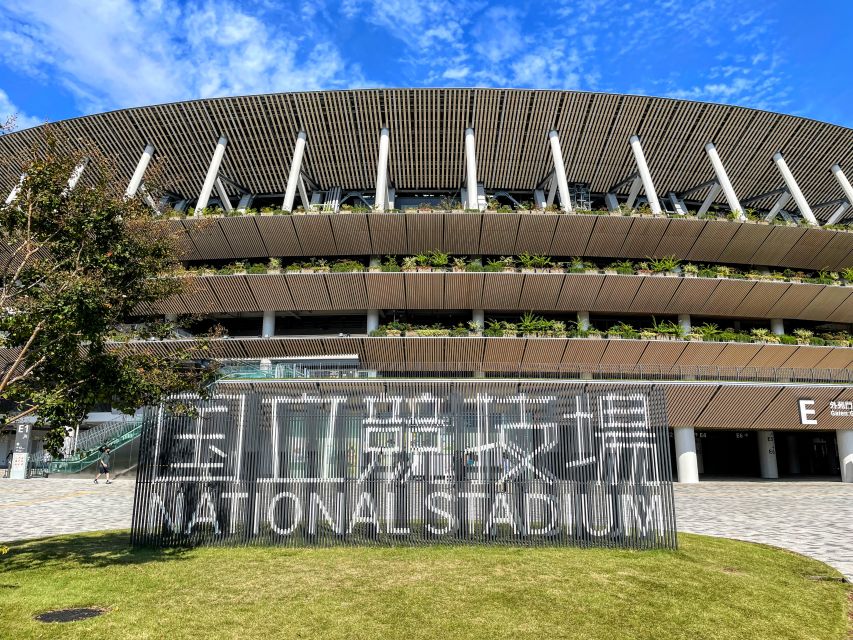
Tokyo’s trains are excellent, but a first full day on the rail network can still be tiring. This coach handles the long jumps between western Tokyo, the palace district, Asakusa, Skytree, and Odaiba.
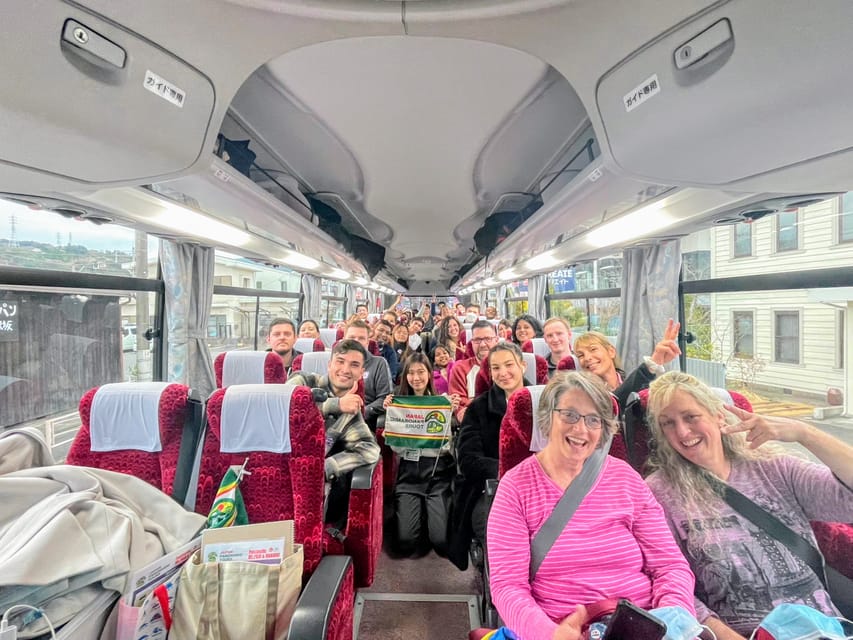
The bus has air conditioning and Wi-Fi, giving you a place to rest between stops. That is particularly helpful during summer, when the combination of heat, humidity, and walking can wear you down.
The tradeoff is traffic. Tokyo roads can slow the schedule, and the itinerary order may change because of traffic, weather, or operational problems. You also need to return to the coach on time at every stop.
There is plenty of walking once you leave the bus. Several people report more than 11,000 steps, so comfortable shoes are not optional advice. This tour is not suitable for people with mobility impairments, and you must handle your own luggage, stroller, or wheelchair loading and unloading.
Is $122 good value for a full day?
At $122 per person, this is not a cheap sightseeing day. It becomes better value when you add up the coach transportation, English guide, audio equipment, Skytree admission, matcha experience, and the possible cruise. Lunch is included only if you choose that option.
I see the price as reasonable for a first visit when you value convenience. You are paying to cover a wide area without planning each transfer, while also getting explanations at the main stops.
It is less attractive if you already know Tokyo’s train system, prefer long visits in one neighborhood, or want to choose every restaurant and temple yourself. You could visit many of these places independently for less, but you would spend more time organizing the day and changing trains.
The tour also gives you useful ideas for later independent exploring. Guides often offer suggestions for restaurants, shopping, and getting around Tokyo. I would use this day to get oriented, then return to the places that deserve more time.
Who should book this Tokyo tour?
I recommend it most for first-time visitors with limited time, families who want a simple transport plan, and people who prefer historical and cultural explanation in English. It also suits anyone visiting during hot weather, when an air-conditioned coach is a real comfort.
The tour is a good match if you want a broad introduction rather than a slow neighborhood walk. You’ll see the major symbols of Tokyo, try familiar Japanese foods, and finish with a high view or waterfront ride.
I would hesitate if you dislike fixed schedules, group travel, or long days. The route is fast by design, and Asakusa, Meiji Shrine, and the palace each deserve more time than the schedule allows.
Book lunch in advance if you want it, and state vegetarian or gluten-free numbers at booking. Check the exact pickup point for your selected option, since departures may use the Love statue in Shinjuku or Matsuya Ginza. The tour offers free cancellation up to 24 hours ahead and reserve-now, pay-later booking, which helps if your Tokyo plans are still shifting.
FAQ
How long is the Tokyo sightseeing tour?
The tour lasts 10 hours. The itinerary begins at a central Tokyo meeting point and finishes at Tokyo Mode Gakuen.
Which sights are included?
The route includes Meiji Shrine, the Imperial Palace area, Asakusa, Tokyo Skytree’s 350-meter Tembo Deck, and Odaiba. The coach also passes Harajuku, Omotesando, the National Diet Building, Akihabara, Ueno, and Kappa-Bashi.
Is lunch included?
Lunch is included only if you select the lunch option. The standard meal is a set with Japanese fried chicken, tofu, and a soft drink.
Can I request a vegetarian or gluten-free meal?
Yes. You must give the number of vegetarian or gluten-free meals when booking. The gluten-free meal includes grilled chicken, rice, and tofu. The standard dashi broth contains fish.
Is the Tokyo Bay cruise guaranteed?
No. High tide or technical maintenance can cause a replacement with Hamarikyu Gardens or the Fukagawa Edo Museum. The cruise is also not included on the Tuesday schedule, and no refund is given when it is replaced.
Is the tour suitable for someone with limited mobility?
The tour is not suitable for people with mobility impairments. Expect substantial walking, and you must handle the loading and unloading of your own luggage, stroller, or wheelchair.
Just added around Tokyo
- Private Arrival Transfer : Narita International Airport to Central Tokyo City★ 4.5 · 12 reviews
- Narita Airport(NRT): Private Transfer to Tokyo/Yokohama 1-9pax★ 5.0 · 47 reviews
- Private Transfer from Narita Airport to Yokohama Port and City★ 4.5 · 17 reviews
- [Narita Airport Terminals 1, 2] 40-60km Sawara Itako Historic Bike Tour★ 5.0 · 13 reviews
- 3 Day Japan Highlights Tour: Tokyo, Mt.Fuji, Nara, Kyoto, Osaka★ 5.0 · 22 reviews
- Small Town in the Big City: Tasting Tokyo’s Kichijoji★ 5.0 · 195 reviews
- Small Town in the Big City: Tasting Tokyo’s Kichijoji★ 5.0 · 16 reviews
- The 10 Tastings of Tokyo With Locals: Private Street Food Tour★ 5.0 · 48 reviews
Tokyo Tours, compared.
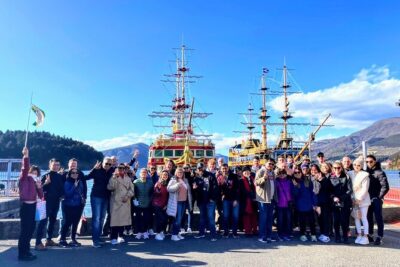
Mt Fuji and Hakone 1-Day Bus Tour Return by Bullet Train
Read our review →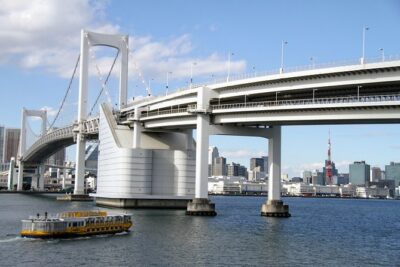
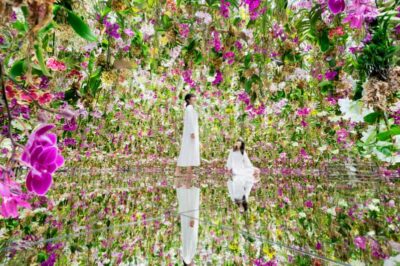
teamLab Planets TOKYO Digital Art Museum Entry Ticket
Read our review →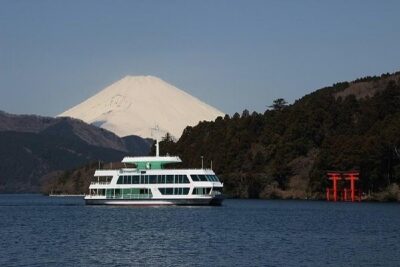
Mt Fuji & Hakone Cruise, Drum Show Bullet Train 1 Day from Tokyo
Read our review →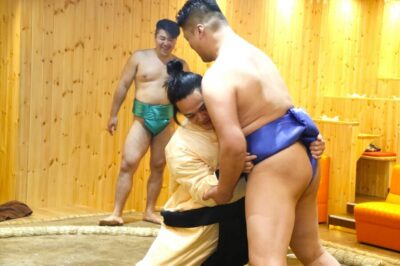
Sumo Show Experience with Chicken Hot Pot and a Photo
Read our review →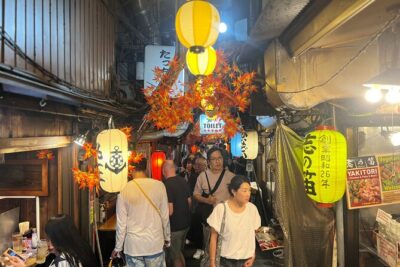
Shinjuku Food Tour (13 Dishes at 4 Local Eateries)
Read our review →
Tokyo Mt Fuji 5th St & Hakone Cruise Bus Tour w/Bullet Train
Read our review →
Flagship 2-Hours Official Street Go-Kart Tour – Tokyo Bay Shop
Read our review →Browse the lists this tour appears in