
Reviewed · TOKYO TOURS
Tokyo: Not a show- a professional sumo practice with experts
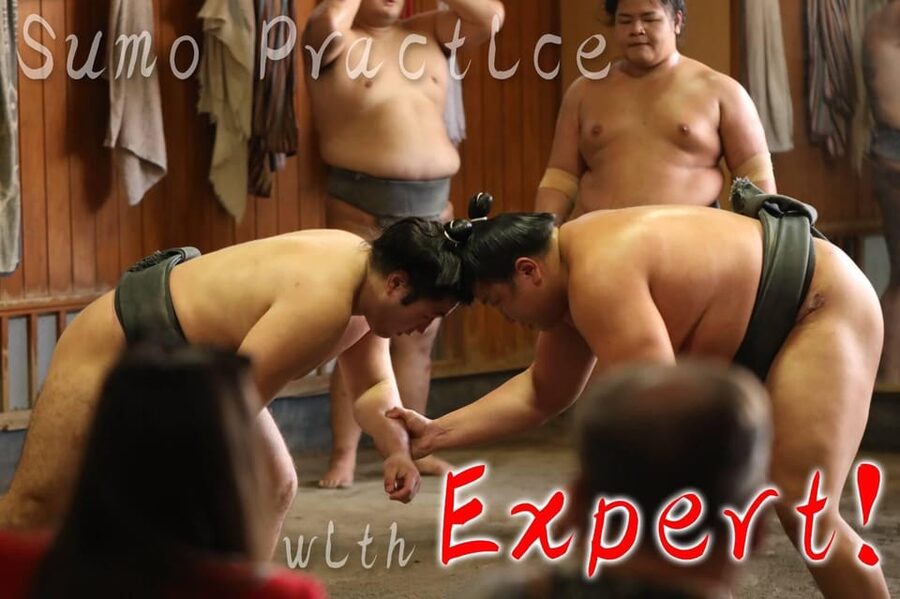
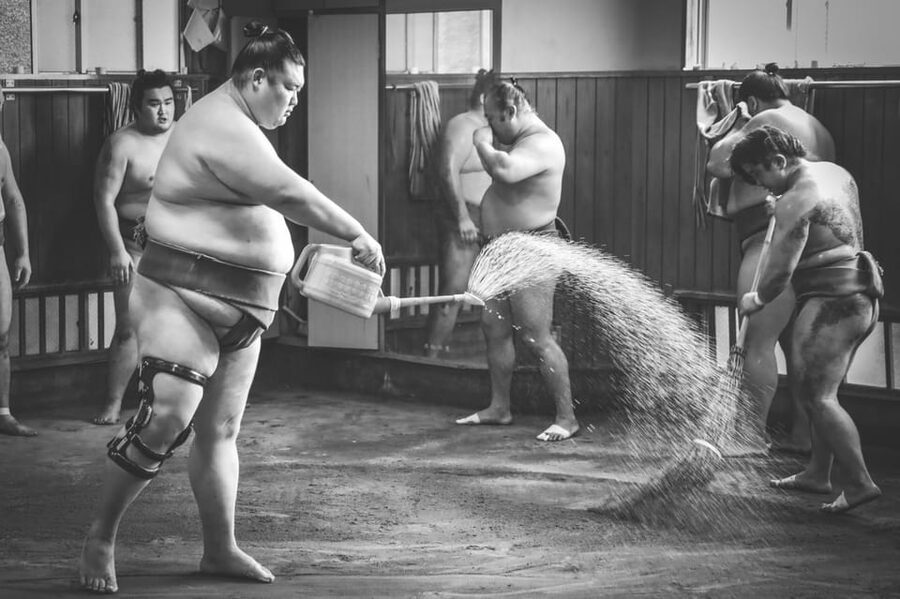
This is not a staged sumo show with oversized costumes and comic routines. You sit quietly inside Takasago-beya, a working sumo stable, and watch professional wrestlers train at close range. The practice can be intense, repetitive, and surprisingly absorbing, with warmups, drills, bouts, and cooldowns unfolding only a few feet away.
I like the access to a part of Japanese life that even many locals never see, and I like the chance to ask serious questions afterward. Guide Shinya, a sumo specialist and national newspaper journalist, adds useful context about the sport, its customs, and the wrestlers. The main drawback is simple: you sit on the floor for much of the visit, and the long walk, early start, and quiet viewing rules may not suit everyone.
Key Points to Know Before Booking
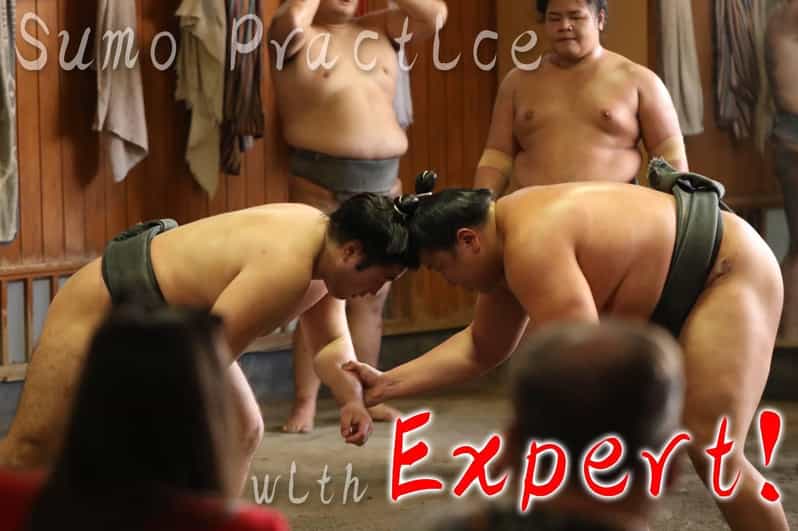
- Watch real morning practice: See professional wrestlers train inside a functioning sumo stable, rather than watching a tourist performance.
- Sit close to the action: Floor-level seating puts you near the wrestlers, but cushions and low stools may be hard on your knees, hips, or back.
- Ask Shinya about the sport: His work as a sumo reporter gives the question-and-answer session unusual depth.
- Ryogoku is the right setting: The district around the Kokugikan is Tokyo’s traditional home of sumo.
- Small group format: The group is limited to 10 people, which helps during the explanation and photo session.
- Allow three hours: The stable visit lasts about two hours, followed by short stops at Ryogoku Kokugikan and Ryogoku Edo Noren.
Why Real Sumo Practice Beats a Staged Show
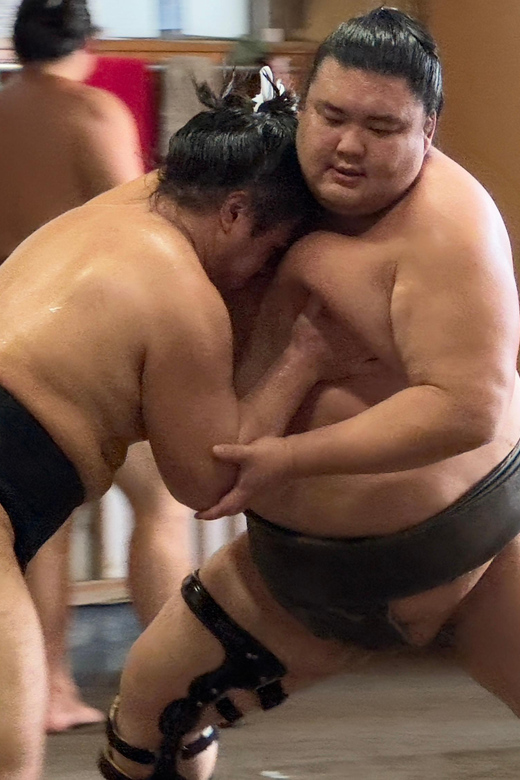
Sumo is easy to misunderstand if you only see the final match. The bout itself may last seconds, but a wrestler’s day depends on repetition, discipline, ritual, and physical hardship. This visit lets you see the work behind the spectacle.
At Takasago-beya, you are not watching a performance designed for applause. The wrestlers train whether you are there or not. That changes the mood. You are expected to be quiet, respectful, and attentive. Phones should be turned off, and you should follow the guide’s instructions closely.
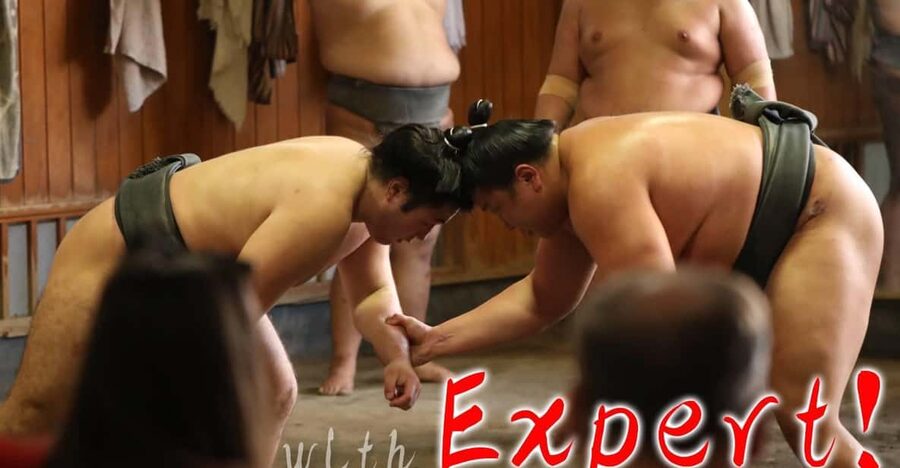
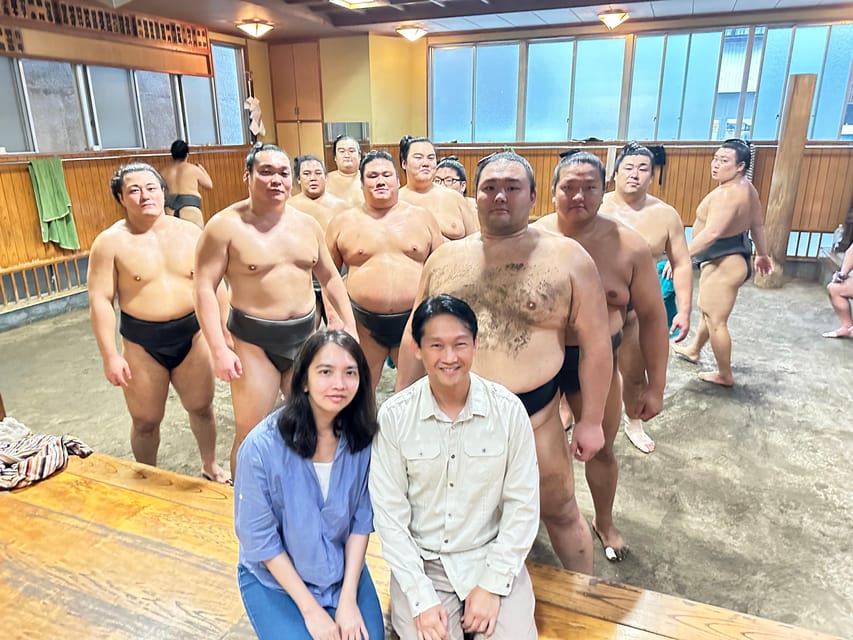
The best part is the closeness. One person described being roughly five inches from the wrestlers, which gives you a sense of how intimate the room can feel. You can see the force of the collisions, the concentration before a bout, and the difference between experienced wrestlers and younger members still learning the routine.
You might also see the older wrestlers correcting or mentoring younger ones. That detail helps explain sumo as a stable-based culture, not simply a collection of individual athletes. The morning session shows a chain of instruction, discipline, and tradition.
This is also a better choice than a theatrical sumo package if you already have an interest in the sport. Several people with years of experience watching or studying sumo found that Shinya could answer detailed questions, not just explain the basic rules.
More Sumo Experiences in Tokyo
- Tokyo: Sumo Show Experience with Chicken Hot Pot and a Photo
★ 4.8 · 6,678 reviews - Tokyo: Sumo Show and Dining Experience
★ 4.8 · 2,742 reviews - the SUMO show
★ 5.0 · 1,960 reviews
What Happens During the Two-Hour Stable Visit
The tour begins near Ryogoku Station, where you meet your English-speaking guide. From the meeting point, you walk to Takasago-beya. The walk is listed as about five minutes, though one person found the pace difficult at traffic crossings. Stay with the group and allow a little extra time rather than arriving at the last second.
Before entering, Shinya explains the setting and the basic customs. You will want to understand the difference between watching a practice and attending a tournament. There is no cheering section here, no announcer guiding you through every exchange, and no guarantee that a particular wrestler or training sequence will appear.
That lack of showmanship is part of the value. You are seeing a private working environment made available through special permission from the stable. The privilege comes with responsibilities. Keep your voice down, avoid distracting movement, and respect any instructions about photography.
The practice may include warmups, stretching, strength work, sparring, and recovery. The exact rhythm can vary, so you should not expect a fixed show lasting precisely the same number of minutes. Some sessions build slowly, while others become gripping once the bouts begin.
The action can also be repetitive. That is not a flaw, but it is worth understanding before you book. Sumo training is built on doing the same movements again and again, often with great force. If you want constant commentary or a neatly arranged program, a staged performance may feel easier.
If you are willing to watch closely, the repetition becomes the point. You see how much effort goes into stance, balance, footwork, timing, and pushing power. One person arrived expecting a tourist activity and remained captivated for about an hour of practice, even as the session continued until the wrestlers themselves indicated that it was finished.
Sitting on the Floor: The Most Important Practical Detail
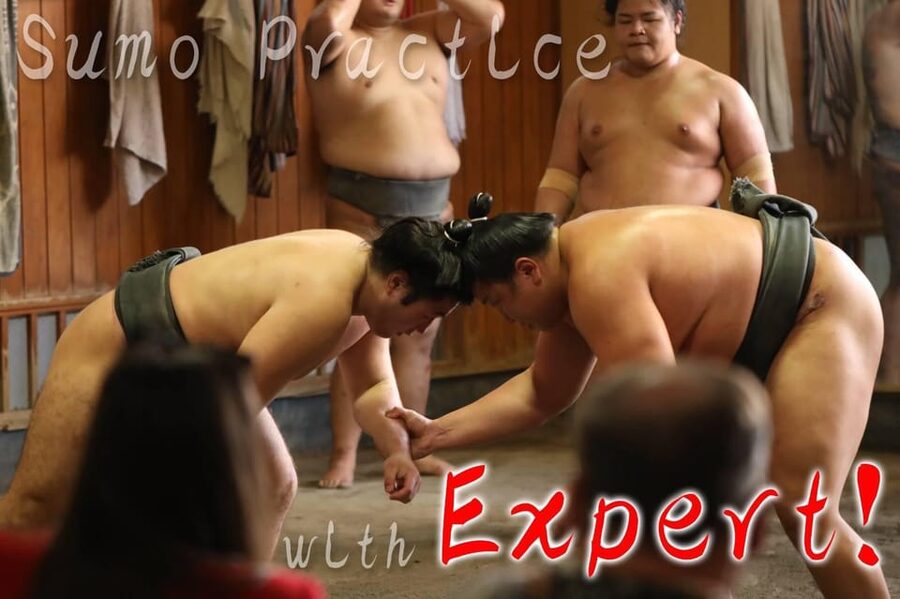
You watch from the floor, using a cushion. Low stools may also be used in parts of the experience. The seating puts you close to the training, but it is not comfortable for every body.
After more than 90 minutes, a larger or less flexible person may find legs and feet numb. If you have knee, hip, or back problems, think carefully about this before paying. The stable is not described as a standard chair-seated attraction, and the floor position is central to the experience.
Wear clothing that lets you sit comfortably. Keep your belongings compact, and be prepared to remain still for long stretches. The rule against indoor smoking is straightforward, but the more important etiquette is quiet observation.
Children under five cannot join. Families with older children have enjoyed the experience, but you should decide honestly if your children can sit quietly and follow instructions during a serious training session.
Shinya’s Explanation Adds More Than Basic Sumo Rules
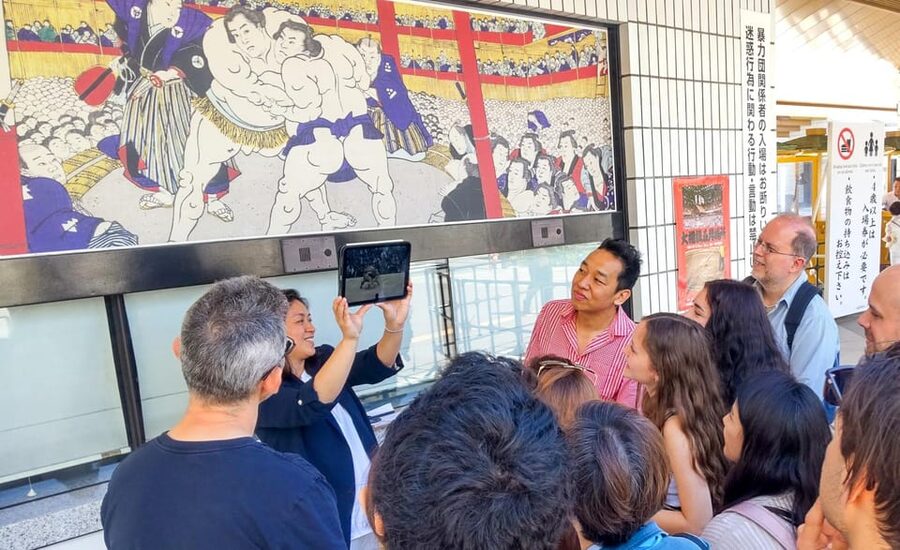
The stable visit would still be unusual without a guide, but the explanations make it easier to understand what you are seeing. Shinya works as a sumo journalist and has covered the sport closely. He also brings experience as a reporter and photographer, according to the details shared during the tour.
You can ask about rituals, training, the wrestlers, tournaments, ranks, and the customs that shape daily life in a stable. His value is especially clear if you already know the basics and want answers to harder questions that are not easy to find in a guidebook.
His style is enthusiastic and personal. He uses stories, examples, and observations from his work around professional sumo. One useful tip is to bring your questions. The Q and A is not just a short formality, and the specialist is prepared to discuss more than the broad history of the sport.
The guide speaks English and Japanese. English explanations are generally clear and engaging, though his English may not sound perfectly polished to every listener. The content and enthusiasm carry the session, but you should not expect a formal lecture with a script.
A fair criticism is that commentary during practice can be limited. That is understandable because the stable is a working space and visitors must not interrupt the wrestlers. Still, if you want every ritual and technique explained as it happens, you may leave with questions for the later discussion.
For that reason, listen closely to the introduction and write down anything you want to ask. If time allows, raise those questions before the group moves on to the next stop.
More sumo mornings and shows:
- Tokyo Shinjuku Sumo Show & Experience with Photo
★ 5.0 · 1,750 reviews - Tokyo: Sumo Show and Experience in Shinjuku
★ 4.8 · 1,001 reviews - Tokyo: Sumo Tournament Tour with Chair Seat Tickets
★ 4.6 · 753 reviews - Tokyo:Luxury Sumo Show Experience & Japanese cuisine & Drink
★ 4.7 · 577 reviews
Meeting a Wrestler and Taking a Photo
A photo with a sumo wrestler is included. It gives you a tangible memory of the morning and offers a brief personal moment after watching the training.
Keep your expectations sensible. You are not booking a long private meeting with a wrestler, and the schedule does not promise a particular person. The photo is best understood as a short courtesy connected to the stable visit, not the central event.
The central event is watching the practice. The photo works because you have already seen the effort and discipline behind the sport. You are not simply posing beside a performer at a themed attraction.
Follow the guide’s directions carefully during the photo opportunity. The stable remains a serious workplace, and good manners matter more than getting an elaborate pose.
Ryogoku Kokugikan in 15 Minutes
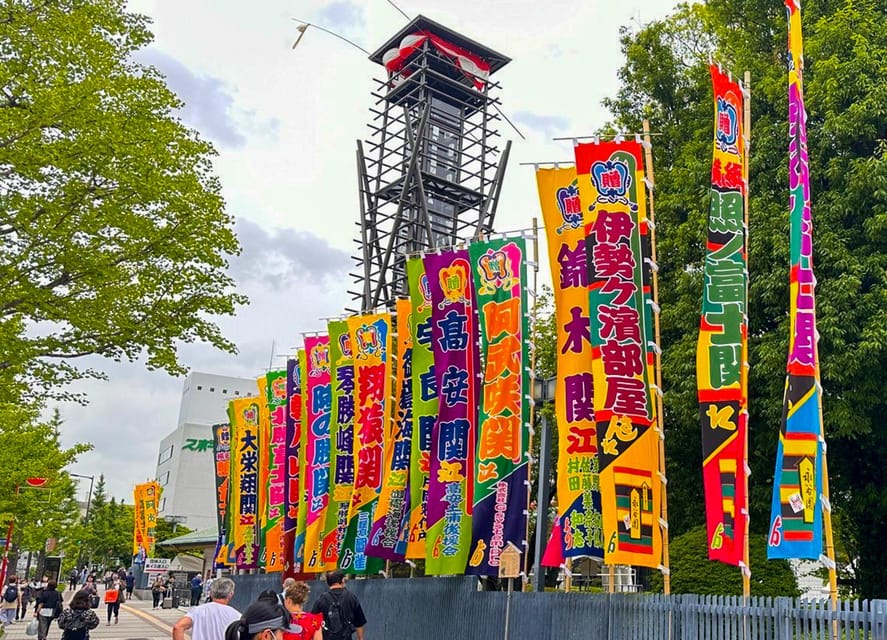
After the stable, the group makes a short guided visit to Ryogoku Kokugikan, Tokyo’s best-known sumo arena. The scheduled stop lasts about 15 minutes, so think of it as an orientation rather than a full museum visit or tournament experience.
The location helps connect the morning practice with professional sumo’s public side. At the stable, you see the daily labor. At the Kokugikan, you get a sense of the arena and the wider world in which the wrestlers compete.
Do not book this tour expecting tournament tickets. The experience is especially useful for people who could not obtain a tournament seat, but it does not replace attending a live tournament. Instead, it gives you background that may help you appreciate one if you attend later.
The short timing is both good and limiting. It keeps the three-hour tour moving, but you will not have time for a long museum visit or a detailed architectural tour.
Ryogoku Edo Noren for Food and Local Atmosphere
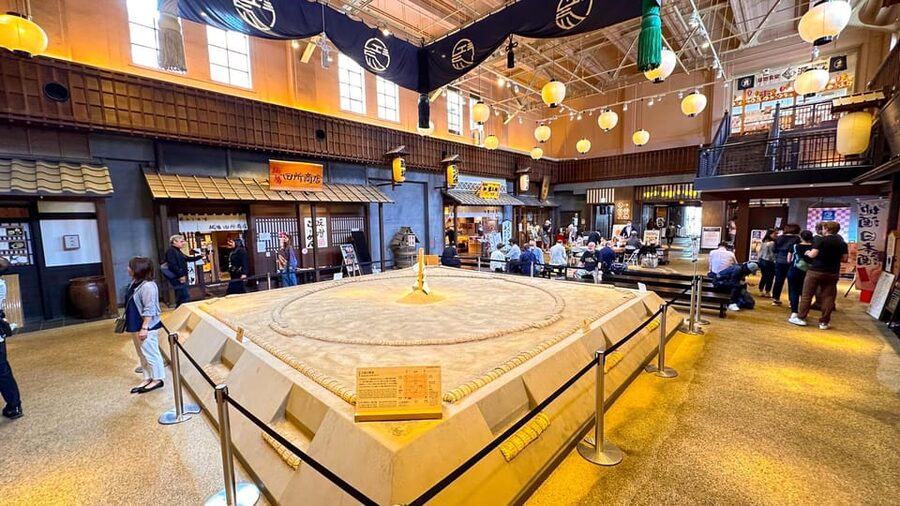
The final portion takes you to Ryogoku Edo Noren, where you receive a short guided introduction followed by about 30 minutes for shopping and sightseeing. This stop gives the morning a relaxed finish after the intense concentration required inside the stable.
The area is connected to Ryogoku’s sumo identity and offers a practical place to look around after the main activity. Food and drinks are not included, so this is where you may want to buy something at your own expense.
The time is enough for a quick look and perhaps a purchase, but not a long meal. If you want a proper lunch, plan it separately after the tour. The official finish is at Ryogoku Station, making the end point convenient for continuing around Tokyo.
One person also described a nearby pond visit and a look at older sumo videos after practice. That may depend on the guide and the day, so treat it as a possible extra rather than a guaranteed stop.
Is $103 a Fair Price?
At $103 per person, this is not a cheap way to fill three hours in Tokyo. You are paying for special access, a small group of no more than 10 people, an English-speaking guide, the wrestler photo, and the time of a sumo specialist with professional reporting experience.
The value depends on what you want. If you only want to see a large athlete in a costume, this is too expensive. If you want to enter a real stable and understand the training, etiquette, and culture around professional sumo, the price is easier to justify.
The strongest value is the access. Tournament tickets can be difficult to obtain, and tourist sumo shows can feel artificial. This experience offers a closer look at the working side of the sport, which is hard to arrange independently.
The price also includes more than the two hours inside the stable. Shinya’s explanations, the question session, the photo, and the short Ryogoku stops create a fuller introduction to sumo. Still, you should know that food, drinks, and tips are extra.
I would call it good value for a sumo enthusiast and reasonable value for a curious first-time visitor who wants one distinctive Tokyo experience. It is less attractive if your budget is tight or if you prefer active sightseeing with lots of walking.
Timing, Groups, and Cancellation
The full experience lasts three hours, with starting times depending on availability. Morning practice means you should expect an early beginning. One person arrived at 7:46 a.m. after taking the wrong train, so plan your route carefully and avoid relying on a last-minute connection.
Meet at Exit A2 of Ryogoku Station on the Toei Oedo Line, at ground level. The meeting point is also about a five-minute walk from the east exit of JR Ryogoku Station. The operator sends further meeting details before the date.
The group limit of 10 matters here. A large crowd would make a quiet stable visit harder, while a small group gives you a better view and more room for questions. Even so, the seating area can feel crowded if more than one group is brought into the room.
You can cancel up to 24 hours before the activity for a full refund. You can also reserve and pay later, which helps if your Tokyo plans are still shifting.
Who Will Like This Sumo Experience Most?
I recommend it most strongly to:
- People with a real interest in sumo, Japanese sports, or traditional customs
- Visitors who could not get tournament tickets
- Adults who prefer working cultural settings to staged entertainment
- Families with children aged five and older who can sit quietly
- People who want a small group and plenty of time for questions
- Visitors who appreciate expert explanation rather than a quick photo stop
I would be cautious if you dislike floor seating, struggle with early mornings, or need constant narration during a performance. The activity is respectful and fascinating, but it asks you to observe rather than participate.
It also suits repeat visitors to Tokyo. Ryogoku gives the experience a clear sense of place, and the stable visit offers something different from the city’s major temples, shopping districts, and observation decks.
Should You Book It?
Book this tour if you want real training, close viewing, and serious context. The combination of special stable access and Shinya’s experience gives you a rare look at how professional sumo is practiced, not just how it is presented to an audience.
Think twice if you need comfortable chairs, a fully narrated session, or a low-cost activity. The floor seating can be tiring, practice is not a polished show, and the three-hour price is a splurge.
For the right person, this can become a highlight of a Tokyo visit. You leave with more than a photograph. You understand why sumo depends on discipline, silence, ritual, and countless hard repetitions before the brief clash in the ring.
FAQ
Where does the sumo practice tour meet?
Meet at Exit A2 of Ryogoku Station on the Toei Oedo Line, at ground level. The meeting point is about a five-minute walk from the east exit of JR Ryogoku Station.
How long does the experience last?
The complete activity lasts three hours. About two hours are spent visiting Takasago-beya Sumo Stable, followed by short guided stops at Ryogoku Kokugikan and Ryogoku Edo Noren.
Can I watch a real sumo practice?
Yes. The main activity is watching a live morning practice inside Takasago-beya, a professional sumo stable.
Will I be able to take a photo with a sumo wrestler?
Yes. A photo with a sumo wrestler is included in the activity.
Is an English-speaking guide provided?
Yes. The tour includes an English-speaking guide, and the listed guide languages are English and Japanese. Shinya leads the experience and provides sumo expertise and a question-and-answer session.
Do I sit on the floor?
Yes. You sit on the floor to watch the practice, and a floor cushion is available. Low seating may be difficult if you are not comfortable sitting for an extended period.
Are children allowed to join?
Children under five are not permitted. Children aged five and older may join, but they must be able to follow the stable’s quiet and respectful viewing rules.
Are food and drinks included?
No. Food and drinks are not included. The tour ends at Ryogoku Station after time for shopping and sightseeing at Ryogoku Edo Noren.
More Shows in Tokyo
- Mt Fuji & Hakone Cruise, Drum Show Bullet Train 1 Day from Tokyo
★ 4.0 · 7,413 reviews - Tokyo: Samurai Restaurant Show Ticket with 2 Drinks
★ 4.5 · 1,307 reviews - Mt Fuji & Hakone Cruise, Drum Show Bus 1 Day from Tokyo
★ 4.0 · 1,287 reviews - Tokyo Bay Yakatabune Dinner/Day Cruise with Japan Show and Drinks
★ 4.5 · 473 reviews
Just added around Tokyo
- Private Transfer from Narita Airport to Yokohama Port and City★ 4.5 · 17 reviews
- Private Arrival Transfer : Narita International Airport to Central Tokyo City★ 4.5 · 12 reviews
- Narita Airport(NRT): Private Transfer to Tokyo/Yokohama 1-9pax★ 5.0 · 47 reviews
- [Narita Airport Terminals 1, 2] 40-60km Sawara Itako Historic Bike Tour★ 5.0 · 13 reviews
- 3 Day Japan Highlights Tour: Tokyo, Mt.Fuji, Nara, Kyoto, Osaka★ 5.0 · 22 reviews
- Small Town in the Big City: Tasting Tokyo’s Kichijoji★ 5.0 · 195 reviews
- Small Town in the Big City: Tasting Tokyo’s Kichijoji★ 5.0 · 16 reviews
- The 10 Tastings of Tokyo With Locals: Private Street Food Tour★ 5.0 · 48 reviews
Tokyo Tours, compared.

Mt Fuji and Hakone 1-Day Bus Tour Return by Bullet Train
Read our review →

teamLab Planets TOKYO Digital Art Museum Entry Ticket
Read our review →
Mt Fuji & Hakone Cruise, Drum Show Bullet Train 1 Day from Tokyo
Read our review →
Sumo Show Experience with Chicken Hot Pot and a Photo
Read our review →
Shinjuku Food Tour (13 Dishes at 4 Local Eateries)
Read our review →
Tokyo Mt Fuji 5th St & Hakone Cruise Bus Tour w/Bullet Train
Read our review →
Flagship 2-Hours Official Street Go-Kart Tour – Tokyo Bay Shop
Read our review →Browse the lists this tour appears in