
Reviewed · TOKYO TOURS
Tokyo: Ramen Tasting Tour with 6 Mini Bowls of Ramen
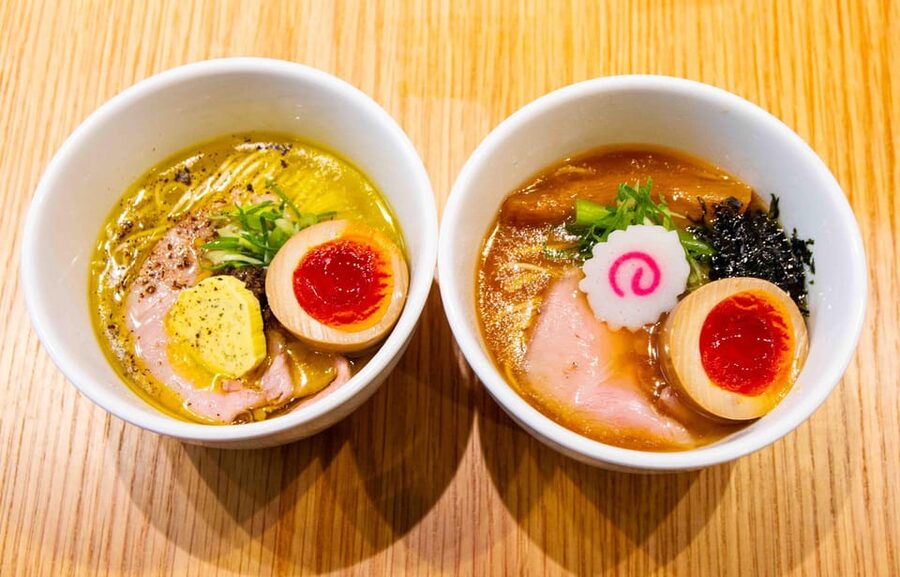
Six small bowls are the clever idea here. Instead of committing to one full serving, you can compare six different ramen styles in one afternoon, choosing two at each of three shops. The quarter-size bowls are made for this tour and let you sample unusual options such as curry, tsukemen, squid ink, pesto, chicken paitan, and classic tonkotsu.
I especially like the small group of eight or fewer, which makes it easier to ask questions and watch how each bowl is prepared. I also like the walking between shops: roughly 3 kilometers, enough time to settle one bowl before the next arrives. The catch is the price, $122 per person, and this is a lot of food even in miniature. You may want to skip lunch.
Key points at a glance
- Six exclusive mini bowls: Each is about one-quarter the size of a regular ramen serving.
- Choose your own tasting: Pick six bowls from 11 or 12 choices, usually two at each shop.
- Three Tokyo neighborhoods: Routes may cover Shibuya, Shinjuku, or Ueno, with the exact meeting point depending on your booking.
- Three distinct ramen styles: Expect a mix of classic regional recipes and newer creations.
- English-speaking guide: Guides including Sahori, Bunga, Makayla, Daisy, Brian, and Manny have been praised for clear explanations and lively personalities.
- Plenty of walking: The route covers about 3 kilometers, and a train ticket may be needed.
Why six mini bowls work better than one big bowl
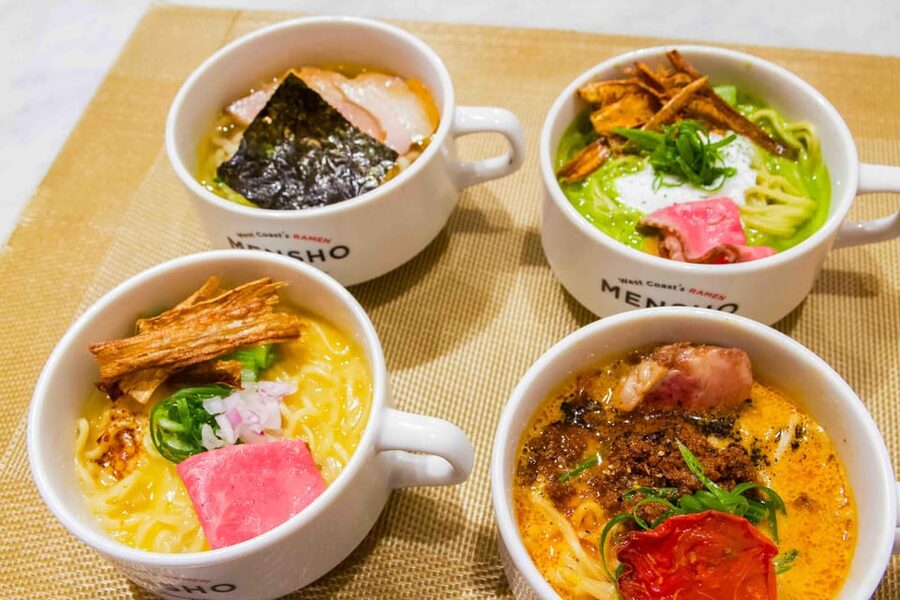
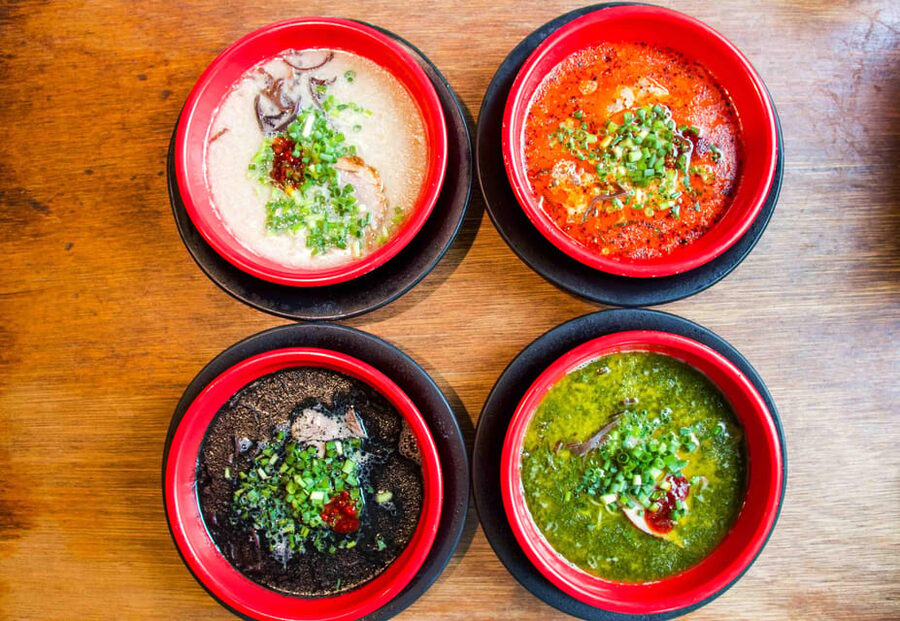
Ramen is not one dish with a few toppings. It is a broad family of soups, noodles, broths, sauces, and regional habits. A full bowl can be filling enough to stop your experiment after the first taste. Six mini bowls turn the meal into a useful comparison.
You may begin with a light, soy-based Tokyo style, then move to a creamy pork broth, a curry variation, or a dipping noodle dish. The portions are small, but not token tastes. You get enough to notice the broth, noodle texture, aroma, toppings, and aftertaste.
You choose six bowls from a list of 11 or 12. That matters because your group can follow different interests. One person can choose traditional recipes, while another tries modern or unusual bowls. If the group is small, you may have more room to sample additional varieties, but the standard promise is six bowls per person.
The pacing also helps. You do not eat six bowls back to back in one room. You visit three shops and walk between them, giving you time to talk, look around, and make space for the next tasting. Still, six bowls add up. One person described the final bowl as a challenge, and that is a fair warning. Arrive hungry, but not so hungry that you rush the first tasting.
More food tours in Tokyo:
- Tokyo: Shinjuku Food Tour (13 Dishes at 4 Local Eateries)
★ 5.0 · 6,603 reviews - Tokyo Tsukiji Fish Market Food and Culture Walking Tour
★ 5.0 · 3,184 reviews - Tokyo: Shinjuku Food Tour (15 Dishes and 4 Eateries)
★ 4.9 · 2,033 reviews
What the three-shop route teaches you
The tour is built around contrast. Each restaurant has its own style, and the guide explains why the bowls taste different rather than simply handing you food.
At each stop, you generally select two varieties. The exact choices depend on the route and what is available, but the published routes offer a useful picture of the range.
Shibuya route: Hokkaido, tonkotsu, and curry
The Shibuya route begins with classic Hokkaido ramen. Hokkaido is strongly associated with miso ramen, though the exact bowl offered can vary. This style often brings a fuller, more savory taste and a noodle with enough body to hold up to the broth.
The second stop focuses on fusion tonkotsu, or pork bone ramen. Tonkotsu is known for a creamy, substantial broth made from pork bones. A fusion version may add other ingredients or techniques, giving you a chance to compare a familiar Japanese style with a newer interpretation.
The final stop is savory curry ramen. This is a good example of why a tasting format is useful. Curry and ramen are both familiar, but their combination creates a very different bowl from a standard soy, salt, or pork broth. If you usually order the safest option, this may be the stop that expands your list of favorites.
The Shibuya route starts in Shibuya and ends in Ebisu. One particularly useful feature is the walk through Shibuya between tastings. You get more than a series of restaurant visits, though the amount of walking can feel tiring if you have already spent the day on your feet.
Shinjuku route: Tokyo, chicken paitan, and a luxurious bowl
The Shinjuku route opens with classic Tokyo ramen. Tokyo-style ramen is commonly linked with a soy-based broth, often lighter and more sharply seasoned than creamy pork ramen. It gives you a clean reference point before the richer bowls arrive.
Next comes modern tori paitan, a creamy chicken ramen. It can resemble tonkotsu in texture, but the base is chicken rather than pork. This is an especially useful comparison if you want to understand how broth ingredients change the flavor and feel of a bowl.
The third stop features a more luxurious chicken or fish ramen. The precise bowl depends on the day and the shop, so you should think of this as a chance to try a refined modern style rather than a fixed recipe. It may be the most polished tasting of the three, but your own favorite could easily be the simpler first bowl.
The Shinjuku route gives you a classic progression: traditional Tokyo ramen, a modern chicken broth, then a premium chicken or seafood direction. It is a good pick if you want a clear lesson in how ramen has changed while remaining tied to familiar forms.
A few more Tokyo half-days to weigh up
- Mt Fuji and Hakone 1-Day Bus Tour Return by Bullet Train
★ 5.0 · 26,383 reviews - 1-Day Tokyo Bus Tour
★ 5.0 · 14,250 reviews - Tokyo: TOKYO SKYTREE® Admission ticket
★ 4.5 · 11,192 reviews - Tokyo: teamLab Planets TOKYO Digital Art Museum Entry Ticket
★ 4.6 · 9,779 reviews
Ueno route: Kyushu, tsukemen, and modern Tokyo
The Ueno route starts with classic Kyushu ramen. Kyushu is closely associated with tonkotsu, so this stop may offer a strong pork-bone contrast to the other routes. The style is often more direct and hearty, making it a good first taste if you already know you enjoy creamy ramen.
The second shop serves contemporary tsukemen, or dipping ramen. This is not simply ramen with less soup. The noodles and concentrated dipping broth are served separately, and you dip each bite before eating it. That changes the temperature, texture, and balance of noodles and broth.
The final stop offers modern Tokyo ramen. This gives you a chance to compare a newer Tokyo approach with the classic Tokyo bowl found on the Shinjuku route. The Ueno route may appeal most to people who want to try a clear change in format, not only different broths.
Because routes and meeting points vary, check the exact option before booking. The neighborhood is not just scenery. It determines the order and selection of ramen styles you are likely to taste.
The guide turns a meal into a lesson
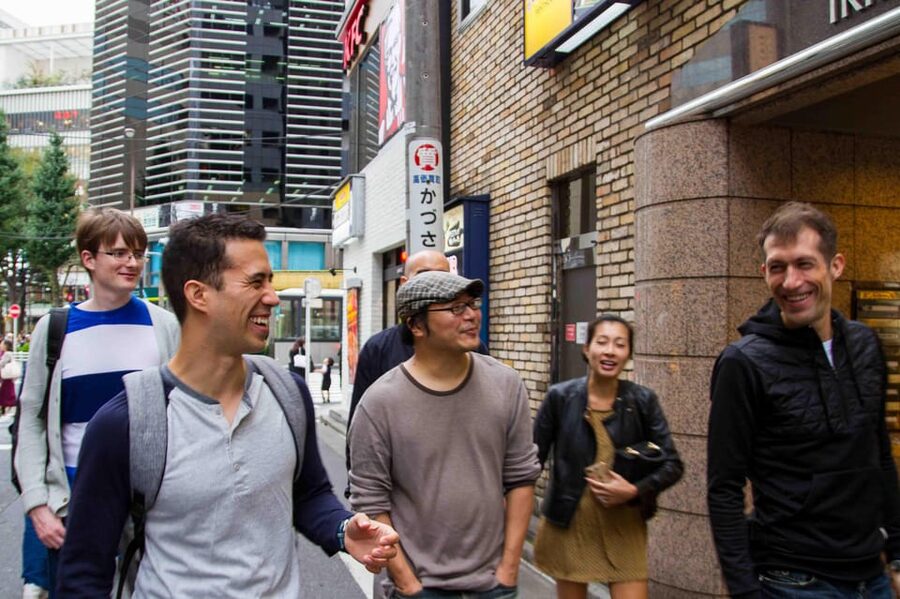
The food is the main reason to book, but the guide is what gives the tastings shape. Guides use colorful slides and handouts to explain ramen origins, types, ingredients, and preparation. Several guides have received especially warm praise for making the subject easy to follow.
Sahori has been described as friendly, clear, and highly comfortable explaining ramen in English. Bunga brings strong enthusiasm and has answered questions about both ramen and everyday life in Japan. Makayla has used an iPad presentation to show how ramen arrived in Japan and changed over roughly the last century.
Other named guides include Daisy, Brian, and Manny. Daisy has been appreciated for patience and for adding useful Tokyo suggestions. Brian is noted for clear presentations, while Manny has been praised for creating an easygoing group atmosphere. Guide assignments can change, so book this for the format and food rather than for a particular person.
The guide should explain what to notice in each bowl: the broth base, the noodle style, the seasoning, and the toppings. You will also learn the difference between a traditional recipe and a modern variation. This information is not just background. It helps you order with more confidence at the next ramen shop you visit on your own.
The small group matters here. With a limit of eight people, you can ask why one broth is cloudy, how dipping noodles differ from soup ramen, or which regional style you should seek out next. A large group would make that conversation harder.
Walking through Tokyo between bowls
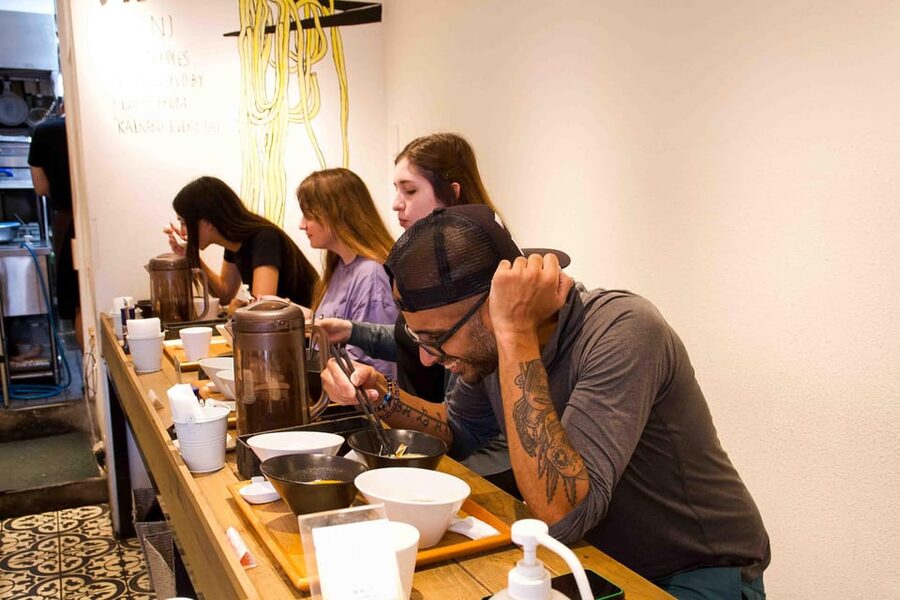
Expect about 3 kilometers of walking, plus possible train travel. The route starts in Shibuya and ends in Ebisu, or starts and finishes according to the Shinjuku or Ueno option booked. A train ticket, if required, is not included.
The walking is practical rather than a separate sightseeing tour, but it adds context. You move through three distinct Tokyo areas instead of staying beside one station. One past experience included a useful walk through Shibuya, while another noted that the restaurants did not seem chosen only for easy transport.
That can be a good sign for food quality, but it requires sensible planning. Wear comfortable shoes and leave space in your schedule afterward. On a rainy day, the route may feel less pleasant, although one guide arranged a taxi for the final leg when heavy rain made walking unreasonable. Do not count on that as a standard inclusion.
The route is not suited to anyone with a low level of fitness. The walking, stairs or station connections, standing, and repeated meals can be tiring. Families can enjoy it, and one child as young as nine managed well with a guide, but each person should be ready for a full three-hour outing.
How much ramen will you really eat?
The bowls are about one-quarter the size of regular ramen bowls, but six quarter bowls equal one and a half full servings. You also receive one beverage. That makes the tour more filling than the word tasting might suggest.
I would skip lunch or eat a very light meal beforehand. The walking helps, but it does not erase the amount of noodles and broth. If you are sensitive to rich food, use your choices carefully. You can ask about the available bowls and avoid selecting six especially heavy options if lighter choices are offered.
The choice of six from 11 or 12 gives you control, but do not treat the menu as an unlimited buffet. The tour includes six bowls, and the exact list can change by route or day. On an unusually small tour, some people have been able to try more than the standard number, but you should not book expecting that.
The beverage is included, which gives you one break from the food and helps make the meal feel complete. Any additional drinks or food are not listed as included.
Is $122 per person good value?
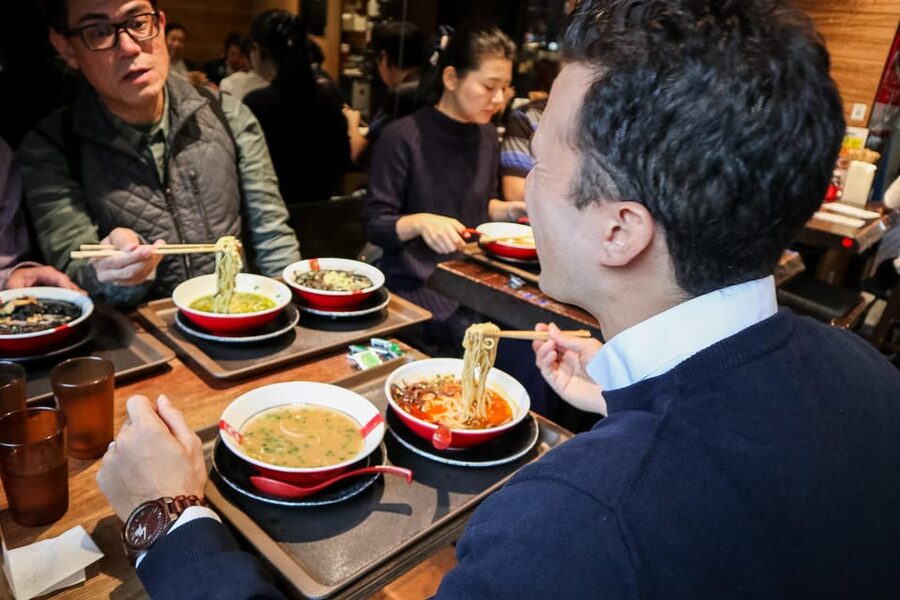
At $122, this is not a cheap ramen lunch. You could eat a single bowl for far less, and independent diners can explore Tokyo ramen shops without paying a guide fee.
The value comes from access and structure. You get six special mini bowls that are only available on the tour, a choice among 11 or 12 styles, three restaurants, an English-speaking guide, a presentation about ramen, and a route through several Tokyo neighborhoods. Finding six suitable bowls on your own would require research, multiple restaurant visits, careful portion planning, and some luck.
I think the price makes sense if ramen is a major reason you are in Japan or if you want a strong introduction early in your trip. It is less convincing if you only want a quick meal or already know the shops and styles you prefer. The cost is also easier to justify for a small group that values explanations and local food guidance.
Several people have considered it pricey but still worthwhile. That is the fairest assessment. You are paying for the tasting format, the planning, and the guide, not simply for six inexpensive bowls of noodles.
Dietary limits and practical concerns
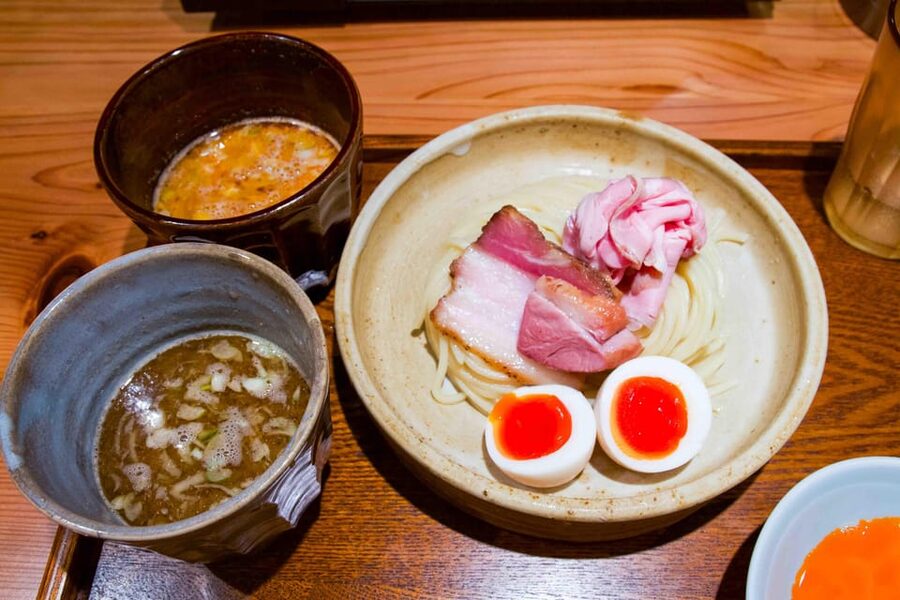
All ramen broths on this tour contain chicken, pork, and fish. This is important even if you do not eat meat but are comfortable with seafood, because the soups may include more than one animal ingredient.
Vegans and vegetarians should book the separate Vegan/Vegetarian Ramen Tasting Tour. Do not assume you can adjust this standard tour at the restaurant.
The tour is conducted in English. The meeting point varies by option, so check the route you select and allow time to reach the correct neighborhood. Since trains may be required and tickets are not included, carry a transit card or be prepared to buy the needed ticket separately.
You can cancel up to 24 hours before the experience for a full refund, and the reserve-now, pay-later option helps if your Tokyo schedule is still changing. The activity lasts three hours, but you should allow extra time for getting to the meeting point and continuing from the final stop.
Who should book this ramen tour?
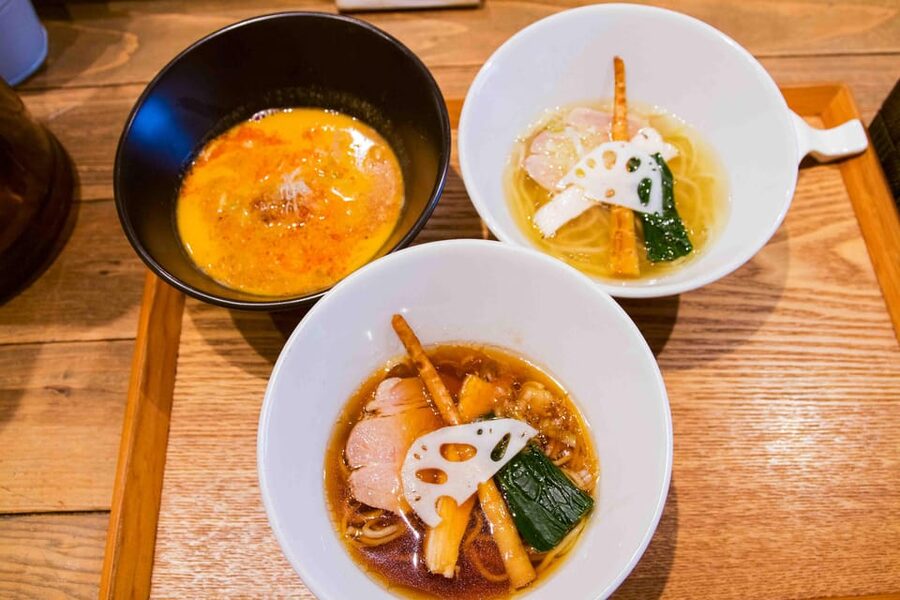
You should book it if you want to compare styles rather than simply eat one familiar bowl. It is especially useful for first-time ramen explorers, food-focused visitors, and anyone who wants an English explanation of what makes regional and modern bowls different.
It also suits people who enjoy small groups and walking routes. The guide can answer questions, explain Japanese food customs, and sometimes offer broader Tokyo suggestions. If you are building your food plans early in your visit, the lesson may help you choose better ramen shops later.
I would think twice if you dislike rich soups, have limited stamina, need strict dietary control, or prefer to spend $122 on several independent meals. The tour is also not ideal as a casual stop between major sightseeing plans because the three-hour schedule, walking, and food volume demand attention.
Should you book it?
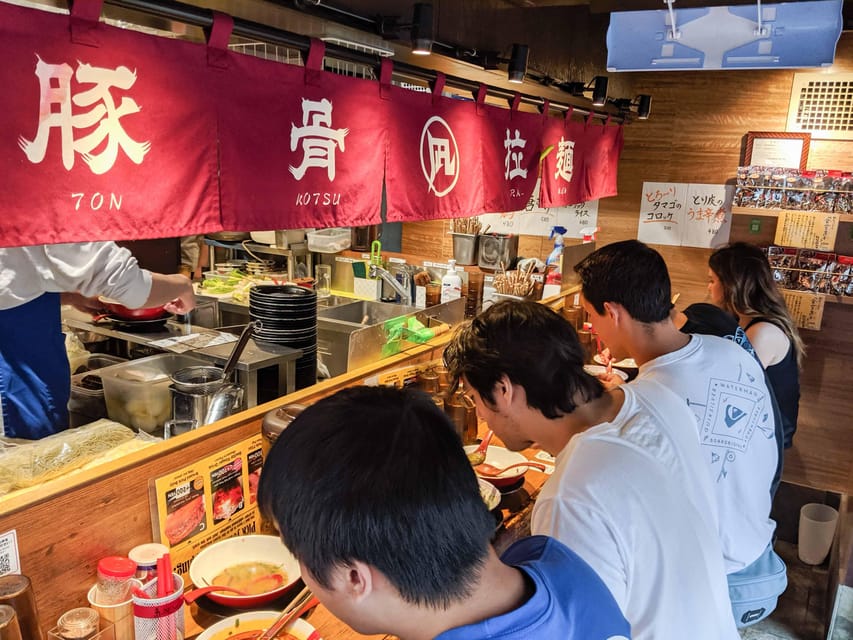
For ramen fans, yes, particularly near the start of a Tokyo stay. The six-bowl format lets you test classic and unusual styles without gambling on one full serving, and the guide gives you a useful vocabulary for ordering later.
Book with realistic expectations. You will walk about 3 kilometers, eat a substantial amount, pay a premium, and follow the route assigned to your option. If those points suit you, this is a smart, tasty way to turn a favorite comfort food into a clearer understanding of Tokyo and Japan.
FAQ
How many bowls of ramen are included?
The tour includes six mini bowls of ramen. Each bowl is about one-quarter the size of a regular ramen bowl.
Can I choose which ramen I taste?
Yes. You choose six ramen varieties from a selection of 11 or 12 choices, usually selecting two at each of the three shops.
How many ramen shops does the tour visit?
The tour visits three award-winning ramen shops, each with its own ramen style.
Which Tokyo neighborhoods does the tour cover?
Available routes include Shibuya, Shinjuku, and Ueno. The exact neighborhood route and meeting point depend on the option you book.
Is the tour suitable for vegetarians or vegans?
No. The standard tour uses broths containing chicken, pork, and fish. Vegans and vegetarians should book the separate Vegan/Vegetarian Ramen Tasting Tour.
How much walking is involved?
The tour includes approximately 3 kilometers, or 1.86 miles, of walking. It is not recommended for people with a low level of fitness.
Is transportation included?
Train tickets are not included if the route requires one. You should check the meeting and ending points for your selected option before setting out.
Just added around Tokyo
- Private Arrival Transfer : Narita International Airport to Central Tokyo City★ 4.5 · 12 reviews
- Narita Airport(NRT): Private Transfer to Tokyo/Yokohama 1-9pax★ 5.0 · 47 reviews
- Private Transfer from Narita Airport to Yokohama Port and City★ 4.5 · 17 reviews
- [Narita Airport Terminals 1, 2] 40-60km Sawara Itako Historic Bike Tour★ 5.0 · 13 reviews
- 3 Day Japan Highlights Tour: Tokyo, Mt.Fuji, Nara, Kyoto, Osaka★ 5.0 · 22 reviews
- Small Town in the Big City: Tasting Tokyo’s Kichijoji★ 5.0 · 195 reviews
- Small Town in the Big City: Tasting Tokyo’s Kichijoji★ 5.0 · 16 reviews
- The 10 Tastings of Tokyo With Locals: Private Street Food Tour★ 5.0 · 48 reviews
Tokyo Tours, compared.

Mt Fuji and Hakone 1-Day Bus Tour Return by Bullet Train
Read our review →

teamLab Planets TOKYO Digital Art Museum Entry Ticket
Read our review →
Mt Fuji & Hakone Cruise, Drum Show Bullet Train 1 Day from Tokyo
Read our review →
Sumo Show Experience with Chicken Hot Pot and a Photo
Read our review →
Shinjuku Food Tour (13 Dishes at 4 Local Eateries)
Read our review →
Tokyo Mt Fuji 5th St & Hakone Cruise Bus Tour w/Bullet Train
Read our review →
Flagship 2-Hours Official Street Go-Kart Tour – Tokyo Bay Shop
Read our review →Browse the lists this tour appears in