
Reviewed · TOKYO TOURS
Tokyo: Shinjuku Nightlife & Secret Backstreets Walking Tour
Shinjuku changes character after sunset. Neon signs flare above narrow lanes, tiny bars crowd into Golden Gai, and the smoky food stalls of Omoide Yokocho offer a sharp contrast to the giant towers nearby. This 90-minute night walk gives you a useful first look at Kabukicho and its backstreets without asking you to find the right alley on your own.
I like the way the route mixes well-known sights with lesser-seen lanes, and I like the practical food and bar advice from guides such as Sota, Rinna, Akira, and Ai. You also get one vending-machine drink chosen with the guide, though this small inclusion has occasionally been missed. The main thing to consider is pace: there is a lot to cover, so you will see places and hear background rather than spend long periods inside them.
Key points before you book
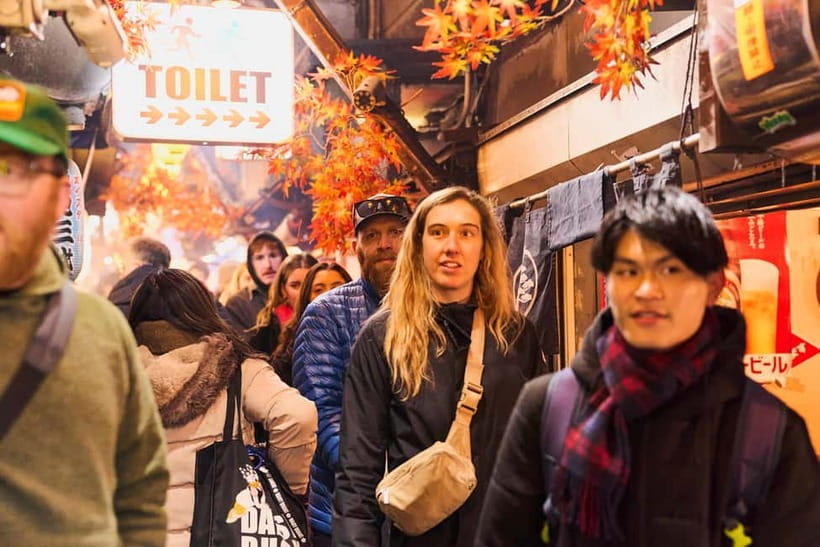
- Omoide Yokocho offers a quick look at old-style Shinjuku, with tightly packed restaurants and bars near the station.
- Kabukicho’s backstreets reveal a more complicated side of Tokyo nightlife, including its past as a red-light district.
- Tokyu Kabukicho Tower receives the longest stop, with about 30 minutes to look around.
- Golden Gai is best treated as a preview, since this tour does not give you a long bar visit.
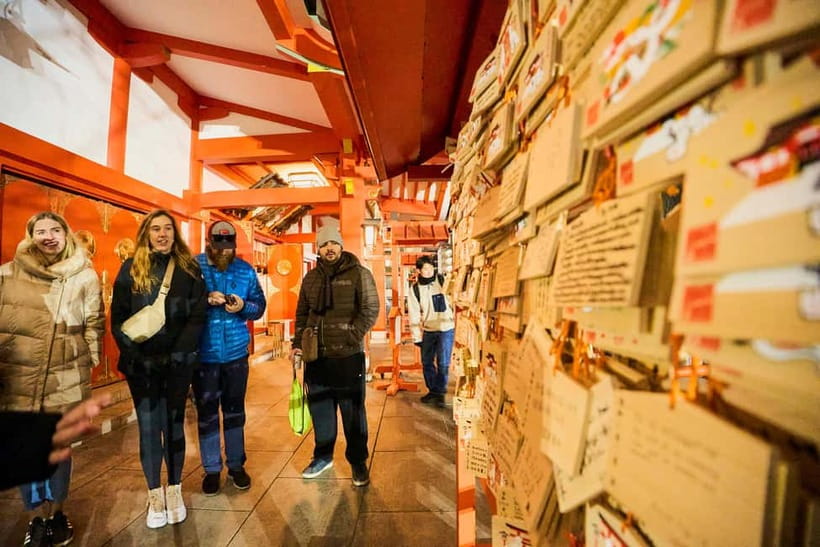
- Hanazono Shrine feels especially atmospheric at night, offering a quiet pause after the neon streets.
- The guide’s restaurant advice may be the most useful takeaway, especially if Shinjuku feels too large to tackle alone.
Why this short Shinjuku walk is useful
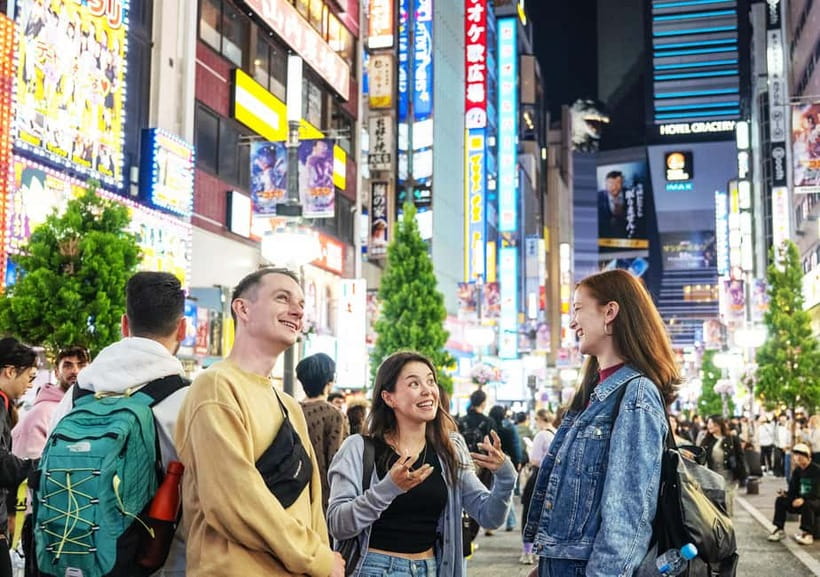
Shinjuku can be hard to read at first. The station has many exits, Kabukicho spreads across several blocks, and the most interesting places are often hidden behind plain doorways or down lanes too narrow for cars. A guide gives the area some order.
This is not a formal food tour, and it is not a pub crawl. You walk, listen, ask questions, and make notes for later. That format works well if you have just arrived in Tokyo and want to understand the neighborhood before choosing your own dinner or evening out.
The price is $22 per person. I consider that good value if you use the tour as a practical introduction rather than expecting a long series of admissions or meals. The included vending-machine drink is modest, but the real value is the local advice: where to eat, what kinds of places suit your interests, and which spots may not be right for you.
The guides adjust their explanations to the group. One guide may focus more on culture and local customs, while another may spend more time on restaurants, nightlife, or neighborhood changes. Several guests with children found the guides accommodating, and solo visitors also received a warm welcome. Still, the subject is Shinjuku nightlife, so the tone and content are likely to suit older teenagers and adults best.
More walking tours in Tokyo:
- Tokyo Tsukiji Fish Market Food and Culture Walking Tour
★ 5.0 · 3,184 reviews - Tokyo: Imperial Palace and Shogun Historical Walking Tour
★ 5.0 · 2,251 reviews - Tokyo: Shinjuku Local Bar and Izakaya Guided Walking Tour
★ 4.9 · 1,794 reviews
Meeting at the East Exit Police Box
The walk starts at the Shinjuku Station East Exit Police Box, at 3-38-1 Shinjuku, Shinjuku-ku. The coordinates are 35.69178459999999, 139.7011327. Look for a guide holding a sign marked Local Guide Stars.
This meeting point is practical once you are outside, but Shinjuku Station itself can be confusing. Give yourself extra time to reach the East Exit, especially if this is your first visit. One person had trouble finding the meeting point through the station, so do not cut it close.
The police box is a clear landmark, but the surrounding station area is busy. Keep the meeting address and the guide’s sign in your phone. Once the group gathers, the tour begins with a short guided look at the area around the station and East Exit.
Omoide Yokocho: a narrow start with plenty of atmosphere
The first major stop is Omoide Yokocho, reached after roughly 10 minutes of guided walking. The name is often translated as Memory Lane, though its atmosphere is less polished than that English title might suggest. This is a tight cluster of small restaurants and bars, close to the railway tracks and packed with visual detail.
You will get an explanation of how this part of Shinjuku developed and why these narrow eating lanes matter. The stop is brief, so do not expect to sit down for a full meal. Instead, use it to notice the scale of the restaurants, the close-set counters, and the way traditional-looking food spots sit beside modern Tokyo.
I like this early stop because it establishes the contrast that defines the tour. Shinjuku is not only giant screens and high-rise buildings. Within a few minutes, you can move from a major railway hub into a lane where small restaurants occupy very little space.
If you plan to return for dinner, ask your guide for advice. The tour is particularly useful here because choosing a tiny restaurant can feel intimidating when you cannot read the menu or understand the house rules. The guide can offer suggestions, but the tour does not include a meal.
Kabukicho and the story behind the neon
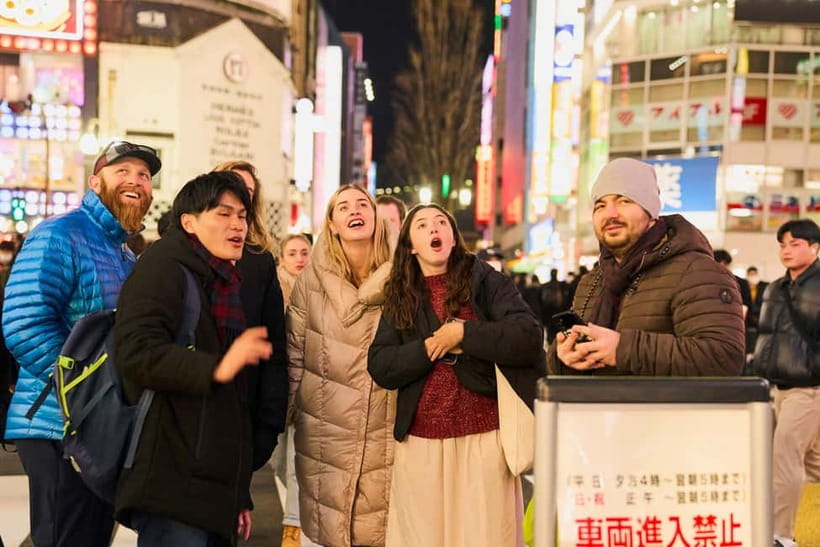
The walk then continues into Kabukicho, with about 10 minutes devoted to guided explanation. Kabukicho is now one of Tokyo’s best-known entertainment districts, but its identity has changed over time. Your guide explains its movement from a former red-light district toward a large nightlife center filled with restaurants, bars, entertainment venues, and hotels.
That background matters. Without it, Kabukicho can look like a wall of advertisements and bright signs. With some context, you can see how the district has been reshaped while still retaining a reputation for late-night entertainment.
The supplied description calls the nearby backstreets Tokyo’s only slum area. That wording deserves care. This is not a poverty tour, and the walk does not present residents as a spectacle. The useful point is that the guide takes you through less polished streets and explains the area’s social and cultural character instead of showing only the glossy frontage.
You should stay close to the group here. Kabukicho is crowded, and one guest specifically noted that a guide did a good job keeping everyone together. Guides such as Mike’s guide Hannah were also praised for managing groups in busy streets. This is one reason a short guided walk can be easier than wandering with your phone in hand.
More nights out in Tokyo:
- Tokyo Bar Hopping Tour in Shinjuku (All-You-Can-Drink + Dinner)
★ 5.0 · 3,587 reviews - Shibuya Meltdown Nightlife Tour: All-You-Can-Drink Bar Hopping
★ 5.0 · 1,058 reviews - Tokyo: Pub Crawl and Bar Tour
★ 4.5 · 951 reviews - Tokyo: Shinjuku Bar Hopping with All-You-Can-Drink & Dinner
★ 4.9 · 440 reviews
Tokyu Kabukicho Tower and a pause above street level
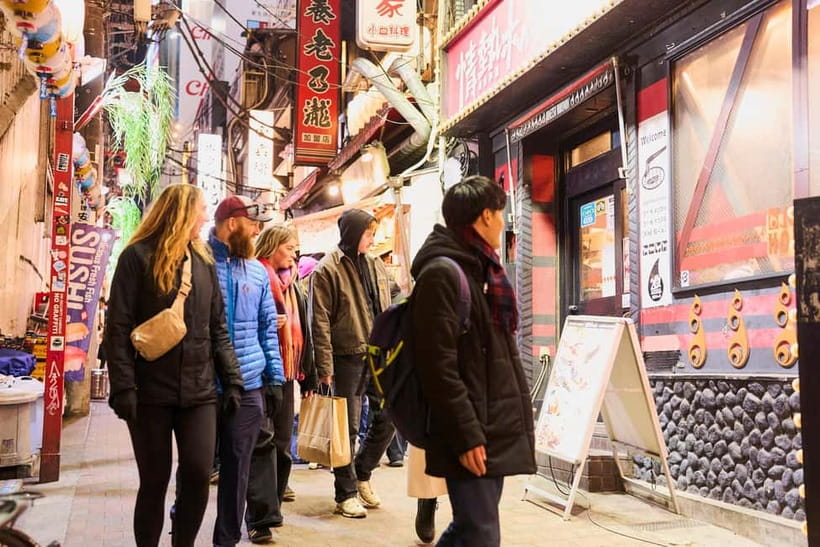
The longest stop is Tokyu Kabukicho Tower, with about 30 minutes to visit. This gives the tour a change of scale after the narrow lanes and crowded streets.
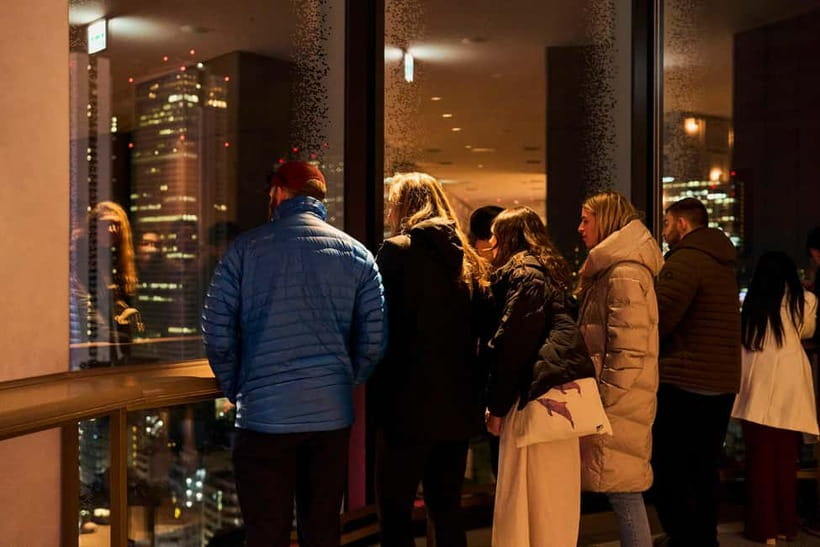
The building is a newer part of the district, so it helps you see how Shinjuku continues to change. Guides have also taken groups to an observation deck that some people had not known about before, and one group found itself with the deck largely to itself. The exact experience may depend on the route and timing, so treat this as a chance to see the building and its views rather than a guaranteed private viewing.
This stop may be the most useful for photographs. From higher up, you can better understand how the small entertainment lanes fit into the much larger city. You also get a break from walking, though 30 minutes is still not enough for a long meal or a full exploration of every floor.
If you enjoy modern architecture, city views, or seeing old and new Tokyo side by side, this part adds balance. If your main interest is historic streets, it may feel like the least personal stop. I would still keep it in the route because the contrast makes the rest of the walk easier to understand.
Golden Gai: small bars in a maze of lanes
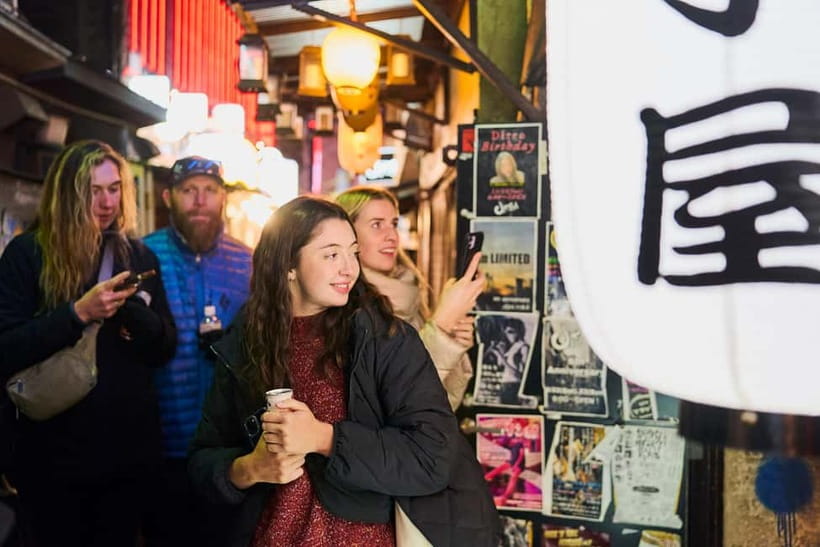
Next comes Golden Gai, with about 10 minutes of guided time. Golden Gai is famous for its collection of tiny bars, many of which have only a few seats. The lanes are close, atmospheric, and easy to miss if you do not know where to turn.
The guide explains how the district works and points out places that may suit different tastes. This is not a bar-hopping session, and you should not expect to enter several establishments during the short stop. Think of it as an orientation walk that helps you return later with a better idea of what you are seeing.
Golden Gai can feel more approachable after a guide explains the basics. Some bars may have their own entry rules, cover charges, or customer preferences, and a local guide can help you avoid an awkward choice. Since the tour includes insider tips on restaurants and bars, this is a good moment to ask direct questions.
The short timing is also the main limitation. You will have enough time to see the lanes and take in the mood, but not enough to study every doorway. If you want a full evening in Golden Gai, plan to come back separately.
Hanazono Shrine after dark
The route ends with about 15 minutes at Hanazono Shrine. After Kabukicho’s signs and Golden Gai’s cramped lanes, the shrine offers a calmer setting. At night, its gates, lanterns, and wooded grounds can feel particularly atmospheric.
This stop shows why the walk is more than a nightlife orientation. Shinjuku contains places of worship and quiet corners alongside its restaurants and entertainment venues. A guide can explain the shrine’s place in the neighborhood and help you notice details that might otherwise blur into the darkness.
I especially like the order of the route. You first move through the station area and old food lanes, then enter the nightlife district, see the newer tower, pass through Golden Gai, and finish at a shrine. It feels like a shift from public noise to a more reflective setting.
After Hanazono Shrine, you walk about five minutes back to the East Exit Police Box. The total route lasts 90 minutes, so the final return is close to the starting point rather than a separate destination.
The guide makes the difference
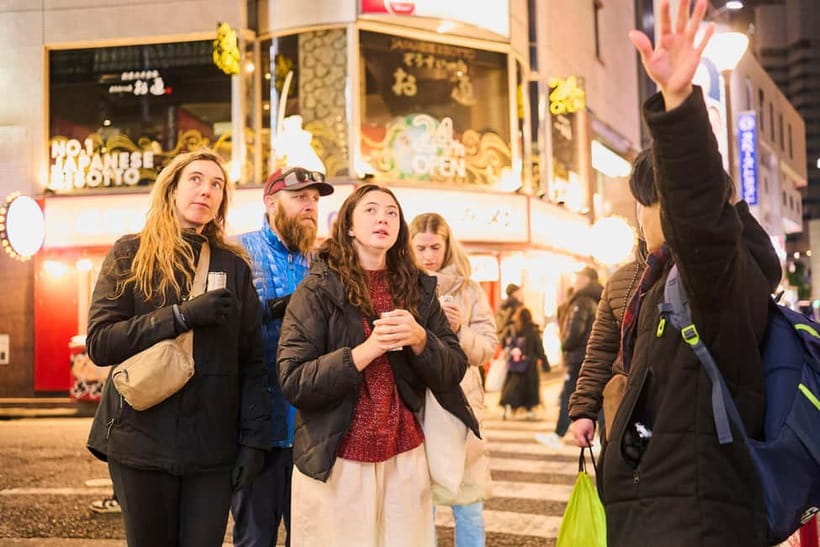
The experience depends heavily on who leads your group. The operator uses local guides who speak English or Japanese, and many guides have been praised for clear English, good humor, and the ability to answer questions. Sota, Rinna, Akira, Ai, Mao, Noa, Chihiro, Kawa, and Sakura are among the guides singled out for friendly service and strong local insight.
That does not mean every guide will give the same talk. It means you should use the live format well. Ask where to eat after the tour, which parts of Shinjuku match your interests, what customs to keep in mind, and what to avoid. One guest with a previous Tokyo visit still learned new things, while another said the walk covered far more than independent wandering had revealed.
The best guides do not simply recite facts. They ask what you want to know and adjust the discussion. Kawa, for example, tailored the walk around his group’s interests. That flexibility is valuable in a mixed group, where one person may want history and another may want food advice.
Practical details that affect your evening
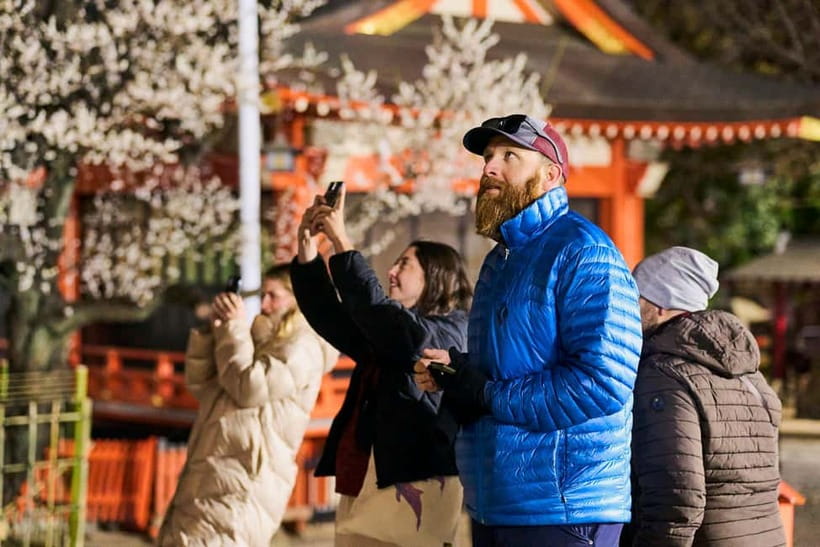
The tour runs rain or shine. Bring an umbrella or raincoat when rain is forecast, and wear comfortable walking shoes. Warm clothing is also advised, since the tour takes place outdoors after dark.
The activity is listed as wheelchair accessible. The route includes station surroundings, streets, alleys, a shrine, and a tower visit, so if you have particular mobility needs, confirm the current route and meeting arrangements before booking.
The tour costs $22 per person and lasts 90 minutes. That makes it a low-cost way to get oriented, especially early in a Tokyo stay. It is less useful if you want a seated meal, several drinks, or long stops at each location.
You receive one vending-machine drink recommended by the guide. The drink is a fun local detail, particularly because vending machines are part of daily life in Japan, but one booking did not receive it. I would treat it as a pleasant extra rather than the reason to book, and remind the guide politely if it is overlooked.
You can cancel up to 24 hours ahead for a full refund, and the reserve-now, pay-later option keeps your plans flexible. Starting times vary, so check availability for your date.
Who will get the most from this walk
I would choose this tour for a first evening in Shinjuku, particularly if you want a clear introduction before exploring alone. It is also a good fit for solo visitors, couples, small groups, and families with older children who can manage a steady 90-minute walk.
You will get the most from it if you enjoy local context, small food streets, nightlife districts, and practical advice. It suits people who want to ask questions rather than follow a silent photo route.
I would look elsewhere if your priority is a full dinner, a serious bar crawl, extensive shrine history, or a private tour with complete control over the pace. The route covers many places quickly, and some people would prefer more time for photographs or quiet observation.
Should you book the Shinjuku Nightlife and Secret Backstreets Walking Tour?
Book it if you want a friendly, affordable introduction to Shinjuku’s nighttime character. The strongest parts are the local guide, the restaurant and bar recommendations, the mix of old lanes and new buildings, and the closing visit to Hanazono Shrine.
Go in with the right expectations. You are buying orientation, stories, and useful local pointers, not food or nightlife admission. Wear good shoes, arrive early at the East Exit Police Box, stay with the group, and save your favorite recommendations for later.
At $22, this is a sensible first step for Shinjuku. It helps you see more than neon lights, and it gives you a map in your head before you set off on your own.
FAQ
Where does the tour meet?
The meeting point is the Shinjuku Station East Exit Police Box at 3-38-1 Shinjuku, Shinjuku-ku, Tokyo. Look for a guide holding a sign that says Local Guide Stars.
How long does the walking tour last?
The tour lasts 90 minutes and returns to the Shinjuku Station East Exit Police Box.
What languages are available?
Live guides are available in English and Japanese.
What places does the route include?
The route includes the Shinjuku Station East Exit area, Omoide Yokocho, Kabukicho, Tokyu Kabukicho Tower, Golden Gai, and Hanazono Shrine.
Is a drink included?
One vending-machine drink recommended by the guide is included.
Is the tour wheelchair accessible?
Yes, the activity is listed as wheelchair accessible.
What happens if it rains, and can I cancel?
The tour runs rain or shine, so bring an umbrella or raincoat in wet weather. You can cancel up to 24 hours in advance for a full refund.
Just added around Tokyo
- Private Arrival Transfer : Narita International Airport to Central Tokyo City★ 4.5 · 12 reviews
- Narita Airport(NRT): Private Transfer to Tokyo/Yokohama 1-9pax★ 5.0 · 47 reviews
- Private Transfer from Narita Airport to Yokohama Port and City★ 4.5 · 17 reviews
- [Narita Airport Terminals 1, 2] 40-60km Sawara Itako Historic Bike Tour★ 5.0 · 13 reviews
- 3 Day Japan Highlights Tour: Tokyo, Mt.Fuji, Nara, Kyoto, Osaka★ 5.0 · 22 reviews
- The 10 Tastings of Tokyo With Locals: Private Street Food Tour★ 5.0 · 48 reviews
- Small Town in the Big City: Tasting Tokyo’s Kichijoji★ 5.0 · 195 reviews
- Small Town in the Big City: Tasting Tokyo’s Kichijoji★ 5.0 · 16 reviews
Tokyo Tours, compared.

Mt Fuji and Hakone 1-Day Bus Tour Return by Bullet Train
Read our review →
teamLab Planets TOKYO Digital Art Museum Entry Ticket
Read our review →
Mt Fuji & Hakone Cruise, Drum Show Bullet Train 1 Day from Tokyo
Read our review →
Sumo Show Experience with Chicken Hot Pot and a Photo
Read our review →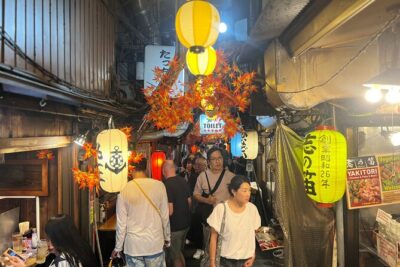
Shinjuku Food Tour (13 Dishes at 4 Local Eateries)
Read our review →
Tokyo Mt Fuji 5th St & Hakone Cruise Bus Tour w/Bullet Train
Read our review →
Flagship 2-Hours Official Street Go-Kart Tour – Tokyo Bay Shop
Read our review →Browse the lists this tour appears in