
Reviewed · NAGOYA TOURS
Nagoya: Traditional Japanese Sweets-Making Workshop
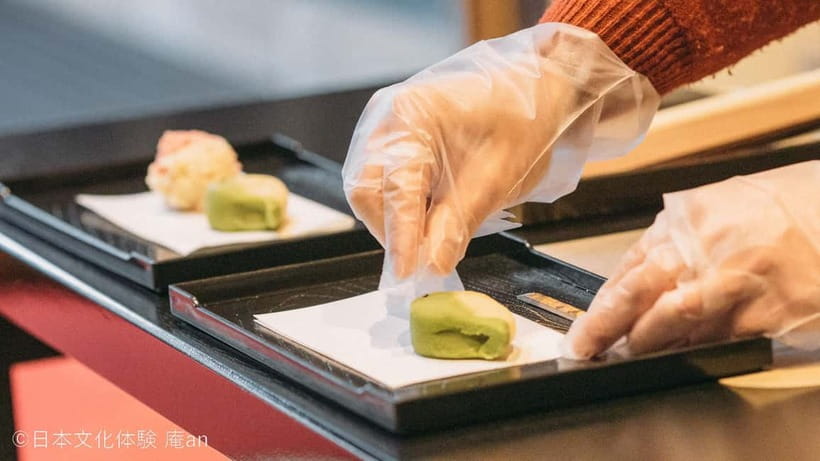
The best part of this Nagoya workshop is that you work with real Kyoto-made white and red bean paste, then turn it into two seasonal nerikiri sweets. These small Japanese confections are meant to look like art, not just taste sweet, so the finished plate gives you a clear sense of the care behind traditional wagashi.
I like the seasonal focus and the modest $11 price, which makes this an easy cultural activity to add between sightseeing stops. I also like that you eat the sweets on the spot instead of carrying fragile food around town. The main consideration is communication: the instructor teaches in Japanese, and English support is provided as much as possible, so you should be comfortable following a visual demonstration.
Key points to know before you book
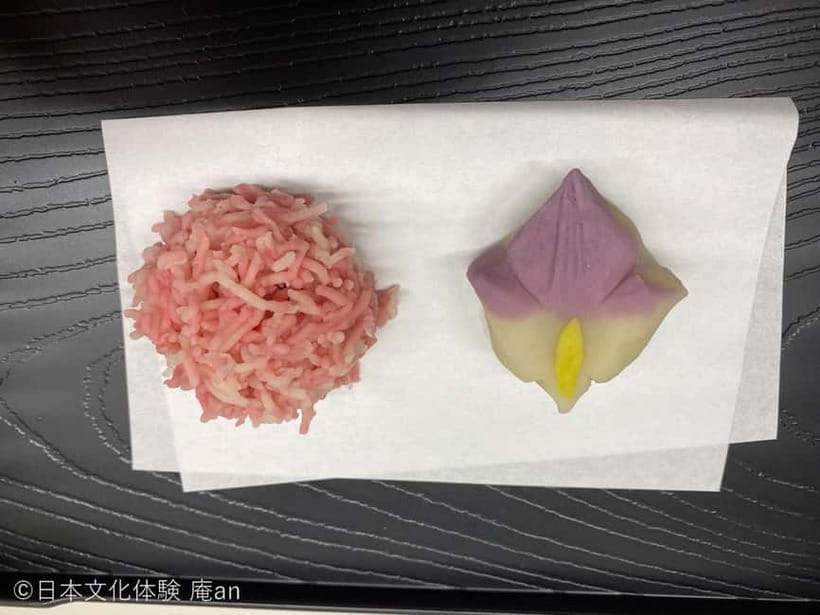
- Two seasonal nerikiri sweets: You shape two Japanese sweets based on the season, giving the class a creative purpose rather than a routine cooking task.
- Kyoto-made bean paste: The white and red bean paste comes from long-established Kyoto shops, an important detail for anyone interested in traditional ingredients.
- Only 65 minutes: The short class fits neatly into a Nagoya day and does not require a major time commitment.
- One minute from Kokusai Center Station: Exit 3 of the Sakura-dori Line puts you very close to the venue.
- Japanese instruction with English help: Demonstrations are clear, and English translation can be added as much as possible if you contact the provider.
- Eat your sweets immediately: A take-out box costs an extra 100 JPY, but the basic experience lets you enjoy your work in the room.
Shaping seasonal nerikiri in central Nagoya
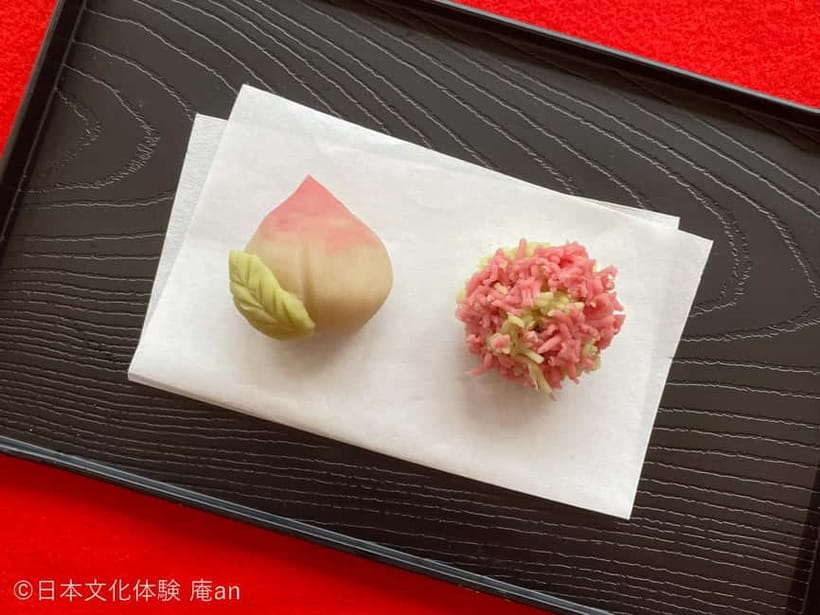
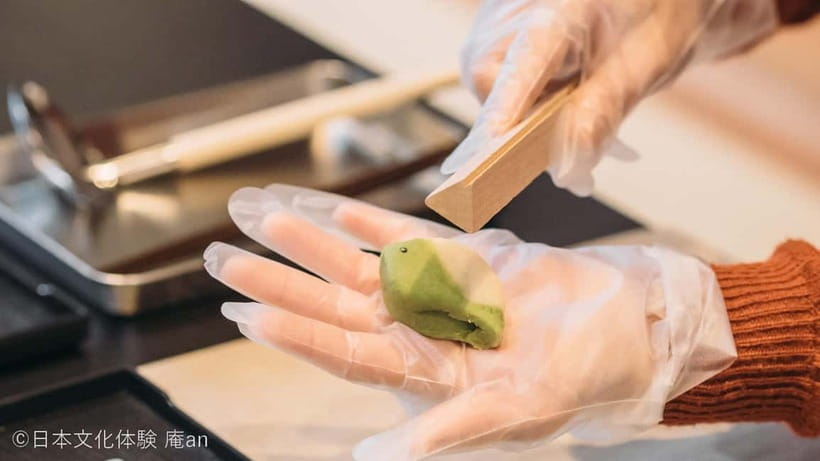
Nerikiri is one of Japan’s most attractive traditional sweets. The outside is made from a soft, moldable mixture, usually based on white bean paste, while the filling may include red bean paste. The surface is shaped and colored to suggest a seasonal flower, leaf, fruit, or other natural image.
This class gives you two sweets to make, not just one. That matters because the second attempt usually feels less mysterious than the first. You can pay attention to the shape, the pressure of your fingers, and the way the paste responds instead of trying to understand everything at once.
The activity uses white and red bean paste produced by established shops in Kyoto. That gives the class a stronger connection to Japanese confectionery than a generic sweet-making demonstration. You are not simply assembling a souvenir. You are handling the main material used in a traditional craft.
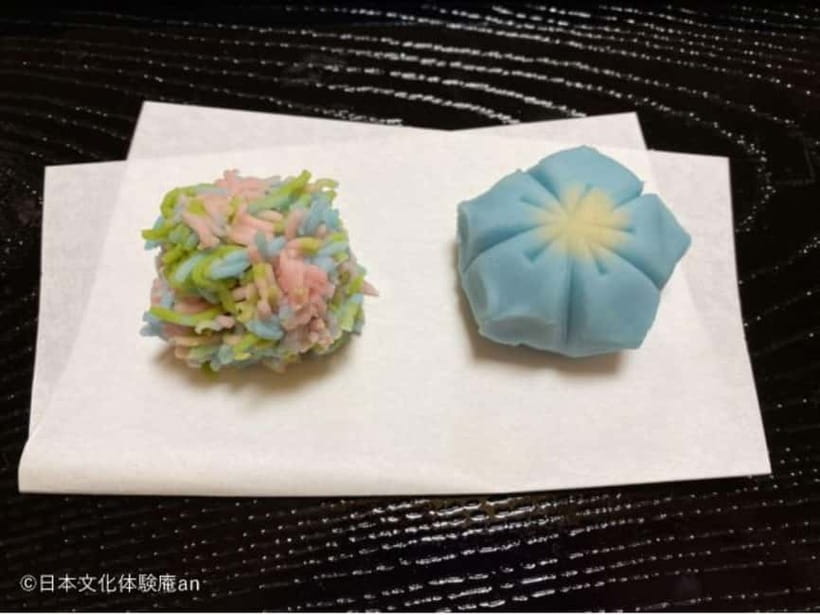
The seasonal design is also a useful window into Japanese food culture. Wagashi often changes with the calendar, and its appearance can suggest the time of year even before you take a bite. The exact designs are not specified in advance, so the two sweets you make will depend on the season of your visit.
A few more Nagoya half-days to weigh up
- Nagoya: Japanese Traditional Sweets making and Tea Ceremony
★ 4.9 · 76 reviews - Matcha Making Class in Tokyo with Authentic Japanese Sweets Set
★ 5.0 · 744 reviews - Matcha Making Class in Osaka with Authentic Japanese Sweets Set
★ 5.0 · 509 reviews
What happens during the 65-minute class
The experience follows a compact classroom format. You arrive at the venue, take your place, and watch the instructor demonstrate the basic process before making your own sweets.
The demonstrations are important because nerikiri is less about complicated cooking and more about touch and form. You need to see how the paste is handled, divided, wrapped, pressed, and shaped. The instructor has been described as gentle and clear, with explanations given in Japanese and English during some sessions.
After the demonstration, you make two sweets yourself. The wording of the activity allows for creativity, but you should not expect an entirely free-form art class with unlimited ingredients. The instructor will guide you through seasonal designs, and your job is to reproduce the main shape and finish.
The class has been held in a classroom setting with around 20 people. That size keeps the cost low and gives the activity a social feel, but it may not provide the one-to-one attention of a private lesson. If you need extra help, watch the demonstration closely and ask for English assistance before the shaping begins.
At the end, you place the two sweets on a plate. This simple step is part of the fun. Nerikiri is designed to be appreciated with the eyes, so the presentation matters almost as much as the taste.
You can eat both sweets at the venue. If you prefer to save them, a take-out box is available for 100 JPY. Since the sweets are handmade and potentially delicate, eating them there is the simpler choice.
Why the Kyoto bean paste matters
The quality of a traditional sweet depends heavily on its paste. White bean paste provides the pale, smooth base used for shaping, while red bean paste adds the familiar sweet filling associated with many Japanese confections.
Using paste from long-established Kyoto shops gives you a meaningful ingredient story without making the activity feel like a lecture. Kyoto is closely associated with wagashi, tea culture, and refined seasonal presentation. The paste links your short Nagoya class to that wider confectionery tradition.
You should also keep your expectations sensible. This is a hands-on introduction, not a professional pastry course. You will learn how the materials feel and how a seasonal sweet is formed, but the 65-minute schedule does not leave room for an extensive history lesson or advanced techniques.
That short format is part of the value. At $11 per person, the experience costs less than many paid attractions and takes about an hour. You receive a cultural activity, ingredients, instruction, and two sweets to eat. For a first encounter with Japanese confectionery, that is a useful package.
The instructor and language question
The official language is Japanese. English translation is provided as much as possible, and the experience provider asks visitors who want added English support to contact them.
This does not mean every explanation will be delivered in polished, continuous English. The most reliable part of the lesson is the visual demonstration. You can follow the hand movements, copy the sequence, and compare your work with the instructor’s example.
Past sessions have included clear English guidance, and the instructor has been described as friendly and easy to understand. Still, language support can vary, so I would not book this expecting a fully English-led cooking class.
If you have questions about the instructions, contact the provider before arrival and request English assistance. This is especially useful for families or anyone who feels uneasy about a Japanese-language class.
The workshop works well for solo visitors because the process is structured and the class setting gives you something to do right away. Couples and friends can compare their finished sweets. Children may enjoy the hands-on shaping, though the supplied information does not give a general child age policy. Children under two who sit on a parent’s lap are free.
More hands-on workshops in Nagoya:
- Sushi Making Tokyo Roll and Authentic Japanese Sushi Class
★ 5.0 · 3,971 reviews - Kyoto: 45-Minute Tea Ceremony Lesson Experience
★ 4.3 · 2,378 reviews - Tokyo: Roll and Authentic Sushi Making Class in Asakusa
★ 4.9 · 1,957 reviews - Ramen Cooking Class at Ramen Factory in Kyoto
★ 5.0 · 1,937 reviews
Getting to the third-floor venue
The venue is at 35.1715323, 136.891893, and the easiest route is from Kokusai Center Station on Nagoya’s Sakura-dori subway line. From Exit 3, it is about a one-minute walk.
You can also walk from Nagoya Station. The route takes about 13 minutes from the Sakura-dori side of the station. That makes the workshop practical if you are already exploring the station area or connecting it with a central Nagoya sightseeing plan.
The venue is on the third floor, and there is no elevator. You need to use the stairs, so keep that in mind if anyone in your group has difficulty climbing them. The location is otherwise convenient, especially for an activity that lasts only 65 minutes.
Arrive on time. The class cannot be held for delayed participants, and the provider does not compensate travel expenses if you miss the activity. I would allow extra time to find Exit 3 and locate the building, particularly if you are walking from Nagoya Station.
Who will enjoy this Japanese sweets workshop
I would recommend this class to anyone who wants a short, affordable activity with a clear connection to Japanese culture. It is especially suitable if you have already seen temples, shopping streets, and city sights and want something more active.
Families may appreciate the simple goal of making two sweets. You do not need to spend half a day in a kitchen, and the finished food gives children a direct result. The lack of an elevator and the Japanese-first instruction are the main points to check before booking with young children.
Solo visitors can join without needing to organize a private group. Couples and friends will find plenty of room for comparison, since handmade sweets rarely come out exactly alike.
This is less suitable if you want a long cooking lesson, a large meal, or a guided tour of Nagoya. You will not be moving through several locations, and the activity focuses narrowly on nerikiri. That narrow focus is a strength if you want one memorable craft, but it may feel brief if you expect a full Japanese food tour.
A matcha-making introduction has been included in at least one session, but it should not be treated as the main promise of the booking. The stated activity is making two traditional sweets.
Price, extras, and practical value
At $11 per person, the basic price is low enough to make this an easy add-on. You receive the full sweet-making experience and can eat your two creations at the venue.
There are only two listed extras. A take-out box costs 100 JPY, and an experience completion certificate costs 300 JPY. If you want a named certificate, provide the names in advance. Otherwise, the name section will be left blank.
The certificate is optional and mainly useful if you enjoy collecting small records of your activities. The box is more practical, but eating the sweets immediately avoids the risk of damaging their shape on the way to your next stop.
The experience also allows you to reserve now and pay later, which can help if your Nagoya schedule is still changing. Free cancellation is available up to 24 hours in advance for a full refund. After that point, cancellation charges apply, and changing the date or time after a fee has been incurred can bring another specified charge.
Check the timing carefully. Operating hours are 10:00 to 17:00, and reservations received after 17:00 are processed the next day. The provider asks you to contact them if you want to reserve the property, so do not leave special requests until the last minute.
A realistic look at the class atmosphere
The classroom format creates a friendly, organized setting. You are not left to guess what to do, and the instructor demonstrates the process before you handle the paste.
Around 20 participants can make the room feel more like a group lesson than a private cultural appointment. That is useful for keeping the price down and giving the activity some energy. The tradeoff is that individual corrections may be limited.
The strongest praise has focused on the instructor’s manner and clarity. English and Japanese guidance has been used, and the class has been described as easy to understand, friendly, and fun. Those qualities matter here because the shaping process is delicate, and a rushed explanation would make the activity frustrating.
The sweets themselves have also received strong approval for appearance and taste. That balance is worth noting. Some craft workshops produce attractive objects that are not especially good to eat. Here, the focus is on both presentation and flavor, with Kyoto bean paste providing the foundation.
The overall rating is 4.6 out of 5 from 14 ratings. That is a positive result, though the sample is not large enough to promise that every session will feel identical.
Booking advice for a smooth visit
Choose a start time that gives you a buffer before another fixed reservation. The class is short, but the provider will not wait for late arrivals.
Use Kokusai Center Station if you want the simplest arrival. If you are coming from Nagoya Station, begin from the Sakura-dori side and allow more than the stated 13-minute walking time if you need to check maps or find the building.
If English matters to you, contact the provider in advance. The instructor may be able to add more translation, but the official language remains Japanese.
Wear something that lets you work comfortably with your hands. The supplied details do not list a dress code or special equipment, so you do not need to prepare a cooking uniform or bring tools.
Finally, decide before class if you want the take-out box or certificate. The box is inexpensive, and the certificate requires your names in advance if you want it personalized.
Should you book the Nagoya nerikiri workshop?
Book it if you want an affordable, hands-on introduction to Japanese sweets in a central location. The Kyoto-made paste, seasonal designs, clear demonstrations, and chance to eat your own work make the activity more meaningful than a simple tasting stop.
I would choose it for a first visit to Japan, a family-friendly break between city sights, or a short cultural activity near Nagoya Station. I would be more cautious if you need a fully English-led lesson, cannot climb stairs, or want a detailed food history tour.
For $11 and 65 minutes, the value is strong. Just arrive early, expect Japanese-first instruction with English help, and treat the class as a focused introduction to nerikiri rather than a full cooking course.
FAQ
Where is the traditional Japanese sweets workshop held?
It is held at AN Japanese Culture Experience, about one minute on foot from Exit 3 of Kokusai Center Station on Nagoya’s Sakura-dori subway line. It is also about a 13-minute walk from the Sakura-dori side of Nagoya Station.
How long does the workshop last?
The experience lasts 65 minutes.
How many sweets will I make?
You will make two seasonal Japanese traditional sweets called nerikiri.
Can I eat the sweets at the venue?
Yes. You can eat your handmade sweets on the spot. A take-out box is available for an additional 100 JPY.
Is the workshop taught in English?
The official language is Japanese. English translation is provided as much as possible, and you can contact the provider if you would like additional English support.
Is the venue accessible by elevator?
No. The venue is on the third floor, and there is no elevator.
What is the cancellation policy?
You can cancel up to 24 hours in advance for a full refund. Cancellation fees apply after that point, and the provider cannot hold the event for late arrivals.
Just added around Nagoya
- Walking Small-Group Nagoya City Tour★ 5.0 · 13 reviews
- Nagoya Endoji Food and Cultural Tour★ 5.0 · 12 reviews
- Pub Crawl in Nagoya★ 5.0 · 15 reviews
- Sumo Tournament Experience in Nagoya★ 5.0 · 12 reviews
- Nagoya Street Food Walking Tour of Osu★ 5.0 · 28 reviews
- Nagoya: 2026 Hida Takayama Shirakawa-go Light-up Winter Tour★ 3.5 · 16 reviews
- Private Full-day Nagoya City Tour★ 5.0 · 22 reviews
- Specialties of Nagoya Food Tour★ 5.0 · 12 reviews
Nagoya Tours, compared.

![Hiking the Historic Nakasendo Trail [1 Day Tour from Nagoya]](https://media3.thejapanesetraveller.com/wp-content/uploads/hiking-the-historic-nakasendo-trail-1-day-tour-from-nagoya-400x267.jpg)
Hiking the Historic Nakasendo Trail [1 Day Tour from Nagoya]
Read our review →
Nagoya Highlight Tour guided by a friendly local
Read our review →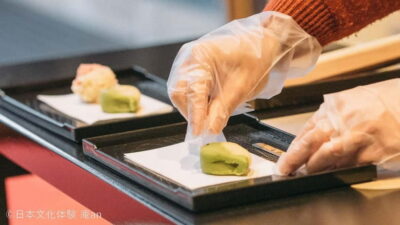
Japanese Traditional Sweets making and Tea Ceremony
Read our review →
Magome-juku, Tsumago-juku & Ena-kyo 1d Bus Tour from Nagoya
Read our review →
Nagoya Full-day Private Custom Tour with National Licensed Guide
Read our review →Browse the lists this tour appears in