
Reviewed · MARKETS
Osaka: Wakayama Cat Train, Seafood market, Hot Springs Tour
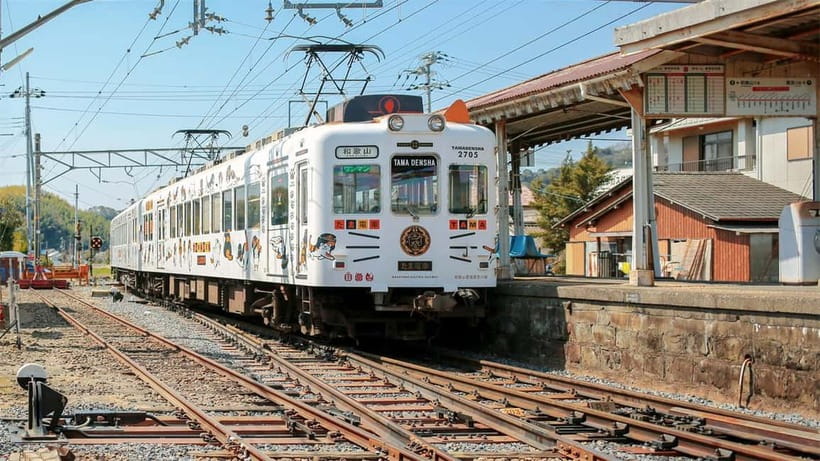
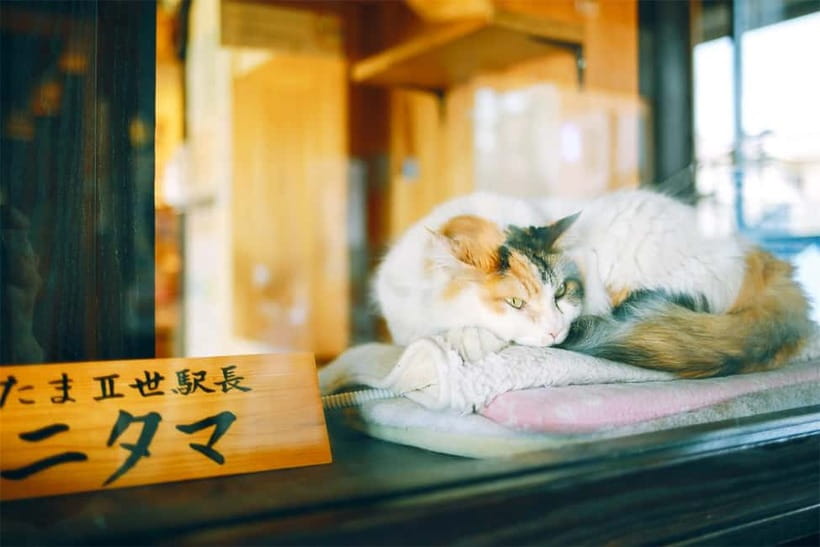
Wakayama’s cat train is the charming hook, but the real appeal is the mix of small-town Japan, a serious seafood market, and Pacific coast scenery in one long day. At Kishi Station, you’ll hear how Tama, a calico cat, helped save a rural rail line simply by greeting passengers as stationmaster.
I like the easy all-in-one transport from Osaka, and I like the day’s variety: a short, quirky rail ride in the morning, then fresh tuna, ocean cliffs, and an optional hot spring. The drawback is the amount of time spent on the road, up to four hours by bus, with traffic able to shorten stops.
Quick takeaways for your Wakayama day

- Kishi Station’s feline story: Meet Nitama, Tama’s successor, and see a station shaped like a cat’s face.
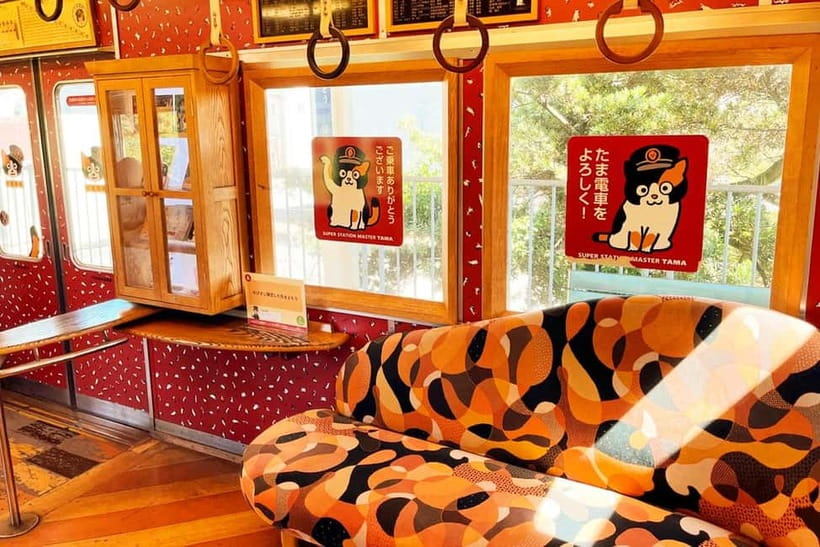
- Three possible train designs: The Tama Train, Strawberry Train, or Toy Train runs according to the day’s schedule.
- Fresh tuna at ToreTore Market: A live cutting show may run two or three times daily, but the timing is random.
- Shirahama’s optional hot spring: Toretore Onsen has more than 1,300 years of history, though admission costs extra.
- Two Pacific viewpoints: Senjojiki’s layered rock shelves and Sandanbeki’s sea caves give the afternoon a dramatic finish.
- Good value at $83: Transportation, guide, driver, tolls, parking, and the cat train are included, but lunch and optional admissions are not.
Why Kishi Station’s cat story matters
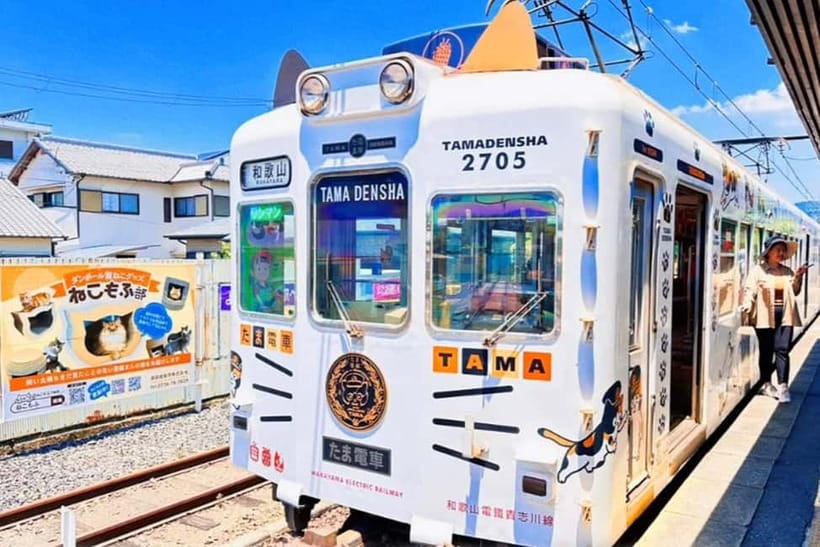
The first stop is not just a photo opportunity. Kishi Station became famous because Tama, a calico cat, was made honorary stationmaster when the local line faced closure. Her daily presence drew attention, passengers, and new life to a quiet rural railway.
Today, Nitama, meaning Second Tama, carries on the role. You’ll have time to look around the cat-themed station, visit the Tama Shop, collect cat stamps, and browse small souvenirs. The station itself is designed with feline touches, including a cat-face roofline that makes the stop easy to remember.
I like this part because it gives you a glimpse of a Japanese community trying to keep a local rail service alive. It is a small story, but it says something useful about Japan’s rural lines and the creative ways communities support them.
Do not expect a large attraction. Kishi Station is compact, and the visit is built around atmosphere, photos, souvenirs, and the Tama story. If you want a major museum or a long railway journey, this stop may feel brief.
More rail days around Japan:
- Mt Fuji and Hakone 1-Day Bus Tour Return by Bullet Train
★ 5.0 · 26,383 reviews - Mt Fuji & Hakone Cruise, Drum Show Bullet Train 1 Day from Tokyo
★ 4.0 · 7,413 reviews - Tokyo Mt Fuji 5th St & Hakone Cruise Bus Tour w/Bullet Train
★ 4.4 · 5,024 reviews
The cat train is cute, but keep expectations realistic
You may board the Tama Train, Strawberry Train, or Toy Train. The design depends on the operating schedule, so you cannot choose a specific one in advance. Each has its own playful style, making the ride feel more like a local oddity than a polished theme-park attraction.
The cat-themed portion lasts about 15 minutes. The wider rail portion in the day’s schedule is listed as about 70 minutes, so your exact train time and route can vary. I would treat the cat train as one memorable piece of the morning rather than the main event.
That distinction matters. One traveler found the train less substantial than expected, and that is a fair warning. The train is charming because it is part of an active local line, not because it offers a long themed show. You’ll get more from it if you enjoy small details, local railways, and the Tama story.
The bus then takes you onward toward the Nanki Shirahama area. The vehicle is air-conditioned, and its size depends on the number of people booked. Several passengers specifically appreciated the comfortable coach and careful driving, which matters on a day with long road sections.
ToreTore Market turns lunch into an event
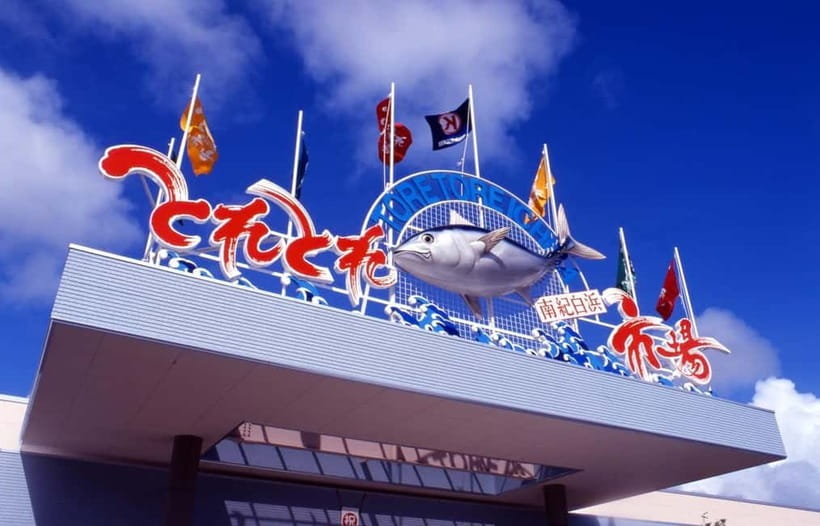
ToreTore Ichiba is the food center of the day. It is described as the largest seafood market in western Japan, with fresh catches arriving two or three times daily. The market is practical rather than formal: you walk around, compare food, choose what appeals to you, and pay for lunch yourself.
You might find tuna sashimi bowls, grilled seafood, octopus rice, seasoned products, and other local specialties. Some market areas also offer seafood that can be cooked at barbecue tables, giving you a more hands-on lunch than a standard restaurant stop.
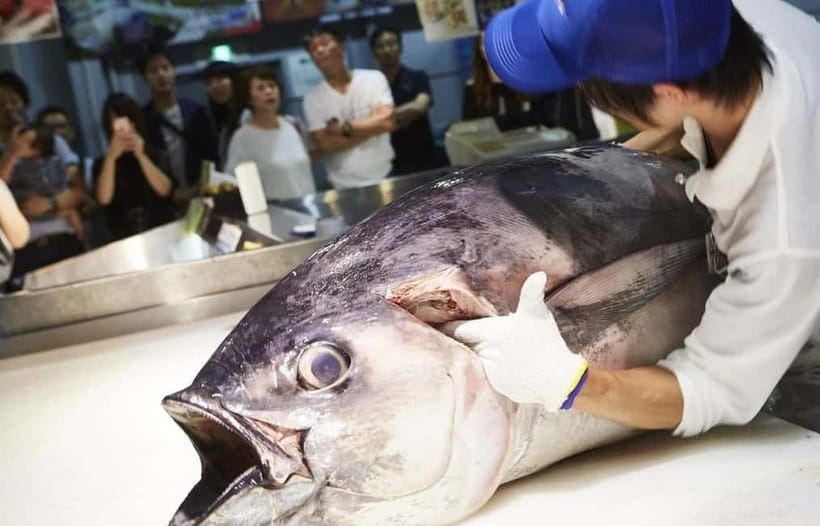
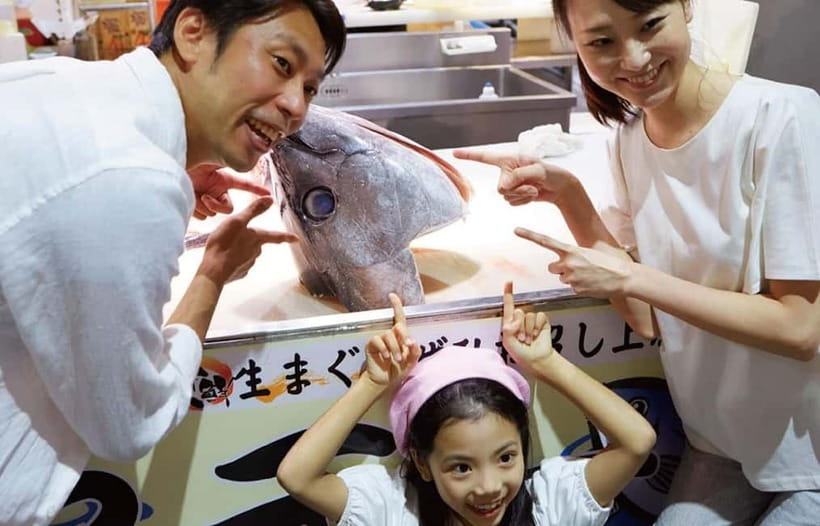
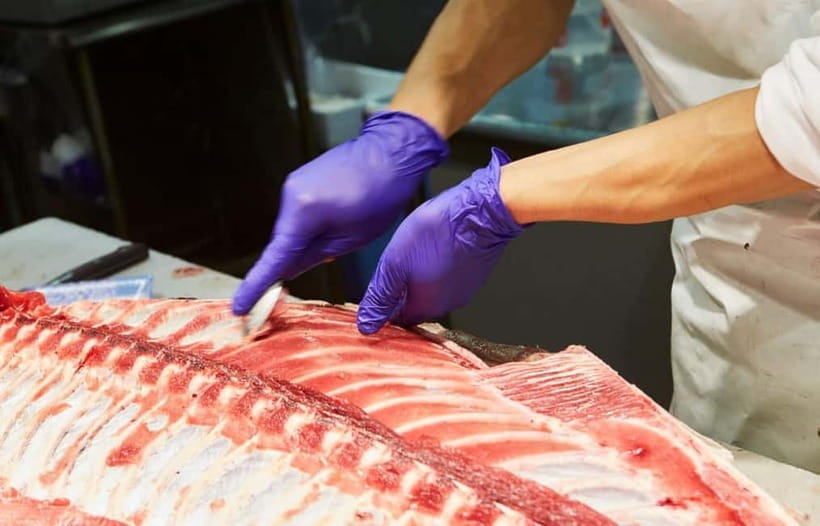
The best moment is the tuna cutting show. A large tuna is broken down in front of you with fast, precise cuts, while the presenter explains the fish’s structure. The show is entertaining, but it also helps you see how much skill goes into turning one fish into the neat portions sold at the counters.
The timing is not fixed. The cutting show can happen two or three times a day, and it may be canceled because of weather or other unforeseen conditions. Do not plan your entire visit around seeing it. Enjoy the market even if the demonstration does not run.
You receive about two hours here, which is useful. You have time to watch the cutting, eat, shop, and find your way around without rushing every purchase. Lunch is not included, so bring cash and keep room in your budget for the food and souvenirs. This is one stop where your own choices shape the experience.
Toretore Onsen is an optional pause
After the market, the tour includes a hot spring visit in the Shirahama area. Entry is optional and costs extra, so confirm the current arrangement with the guide on the day.
Toretore Onsen is associated with Shirahama’s more than 1,300-year-old bathing tradition. The spring is known for sodium bicarbonate water that is described as gentle on the skin, along with a salt-stone bedrock bath. The area’s hot springs have links to old Japanese texts and visits by emperors, giving the stop more weight than a quick modern spa break.
For you, the main question is time and comfort. A hot spring can be a welcome reset after the market and bus ride, but it may not suit everyone. If you have tattoos, entry can be restricted. The tour is also not suitable for wheelchair users, and you should bring comfortable shoes for the day’s uneven outdoor stops.
Because the hot spring is optional, you can decide if it fits your interests and budget. If bathing in Japan is high on your list, this is a useful chance to try a historic resort area. If you would rather spend more time outdoors, ask how the schedule works before paying for entry.
More market mornings in Japan:
- Tokyo Tsukiji Fish Market Food and Culture Walking Tour
★ 5.0 · 3,184 reviews - Tokyo: Tsukiji Fish Market Food and Walking tour
★ 5.0 · 1,724 reviews - Tokyo: Tsukiji Fish Market Guided Walking Tour
★ 4.9 · 1,397 reviews - Nishiki Market Brunch Walking Tour (7 Tastings + Brunch)
★ 5.0 · 1,355 reviews
Senjojiki shows Shirahama at its wildest
Senjojiki Rock Plateau is a short stop, about 30 minutes, but it gives you a strong change of scene. Massive layers of rock spread toward the Pacific, shaped by waves and weather over time. You stand above the ocean on broad slabs rather than on a manicured viewing platform.
The name refers to the idea of enough rock space for many tatami mats. You do not need to know the name’s origin to appreciate the setting. The wide stone shelves, open sea, and force of the surf make this one of the most memorable photo stops.
Wear shoes with a firm sole. The rocks can be uneven, and your time is limited. Stay alert near edges and wet surfaces. If the schedule reaches Shirahama near sunset, the light can be especially good, but sunset timing is not guaranteed because traffic and the day’s order can change.
I like Senjojiki because it is not overcomplicated. You get out, walk, look across the water, and feel the scale of the coast. After the indoor market and possible bath, that open air is welcome.
Sandanbeki adds caves and old pirate stories
The final major stop is Sandanbeki Cave, reached by an elevator that descends 36 meters to sea level. The caves were once used by pirates during the Heian period, and displays recreate parts of that story. Natural erosion has also shaped the rock walls and passages.
Admission is optional and not included. If you enter, allow enough time for the elevator, underground walk, displays, and return to the surface. The cave gives you a different view of Shirahama than Senjojiki: one stop looks across the ocean from above, while the other takes you down beside it.
The visit lasts roughly 30 minutes. That is enough for a taste, but not for a slow, extended cave tour. You will want to listen carefully to the guide’s instructions about timing, especially if the group has a firm departure schedule.
Some people may find the cave more interesting than the hot spring, particularly if you enjoy coastal geology and old stories. Others may prefer to save the admission fee. Since the tour already includes two scenic stops, you can make that choice without losing the main shape of the day.
Guide support makes the long day easier
The listed guide languages are English, Japanese, and Chinese. Guide Tiger received especially strong praise for clear explanations, careful organization, and regular WhatsApp updates in English and Chinese. One English-speaking participant also received extra help at the seafood market, including advice about what to buy and cook.
That kind of support matters here. The tour moves through a station, train, market, hot spring, rock plateau, and cave. A well-organized guide can explain where to meet, how long you have, and what is worth seeing before you set off on your own.
Tiger also gave restaurant suggestions for the evening after returning to Osaka. You should not assume he will be your guide on every departure, but the provider does send the guide, driver, vehicle, and meeting details by email the evening before.
The meeting point is Nipponbashi Station Exit 2, at 1-chōme-3-6 Nipponbashi, near the Namba and Shinsaibashi area. Arrive at least 15 minutes early. This is important because several groups may gather in the same area, and late arrivals or no-shows are not refunded.
The $83 price is strongest for transport and variety
At $83 per person, the tour offers solid value if you want to reach Wakayama without arranging several separate connections. The price includes round-trip transportation, an air-conditioned vehicle, professional driver, guide, expressway tolls, fuel, parking, and the cat-themed train ride.
You still pay for lunch, personal purchases, the hot spring, and Sandanbeki Cave. That means the true cost depends on how much seafood you order and which optional activities you choose. Still, the included transport is valuable. A self-planned day would require coordinating the train to Kishi, transport to the Shirahama coast, market timing, and the return journey.
The tradeoff is efficiency over independence. You do not control every stop or linger as long as you might on your own. Weekend and holiday traffic can also force the guide to adjust the order, shorten a visit, or reduce the number of stops.
The planned return to Osaka is around 6:40 pm, but this is only an estimate. The drive back is listed at about two and a half hours, and road conditions can affect arrival. Do not schedule a tight evening reservation or airport transfer after the tour.
Who will enjoy this Wakayama day?
I would recommend this trip to you if you want several distinctly Japanese experiences in one day and prefer a guide to handle the transport. It suits couples, families, first-time visitors, cat fans, seafood lovers, and anyone who wants to see beyond central Osaka.
It is especially good for people who enjoy a fast-moving day. You will see a rural station, a local train, a seafood market, a hot spring option, and two coastal formations. The variety keeps the day interesting, but it also means no single stop receives a full afternoon.
You may want a different plan if you dislike long bus rides, need flexible meal times, or want a quiet day at one destination. The tour is not suitable for wheelchair users, and the outdoor rock areas require comfortable footwear and careful walking.
Bring cash, a camera, and shoes you can walk in for several hours. Food is not allowed in the vehicle, so finish market purchases before boarding again or keep them packed away as directed.
Should you book this tour?
Book it if you want a convenient introduction to Wakayama and value a guide who keeps a complicated day on track. The strongest combination is the Tama story, the fresh seafood market, and the Pacific coast. At $83, the included bus service and train ride make the price reasonable, especially if you would otherwise spend much of the day arranging transport.
Book with realistic expectations about the cat train. It is short and the design varies by day. Also treat the tuna show as a bonus, not a guarantee, since its timing is random and cancellation is possible.
If you can accept the long drive and optional extra costs, this is a lively, well-filled day from Osaka. If you want the deepest experience of Shirahama, stay overnight instead. If you want a broad taste of Wakayama without changing hotels, this tour makes the better case.
FAQ
Where does the tour depart from?
The meeting point is Nipponbashi Station Exit 2, at 1-chōme-3-6 Nipponbashi, Chuo Ward, Osaka, near the Namba and Shinsaibashi area.
What time should I arrive?
The pickup time is 8:30 am. You should arrive at least 15 minutes before departure because several groups may be near the meeting point, and late arrivals or no-shows are not refunded.
What languages are available?
The tour provides live guides in English, Japanese, and Chinese.
Which cat train will I ride?
The operating train depends on the day’s schedule. The three possible designs are the Tama Train, Strawberry Train, and Toy Train.
How long is the cat train ride?
The cat-themed train experience is approximately 15 minutes. The broader panoramic train section in the schedule is listed as about 70 minutes, so the exact rail timing can vary.
Is lunch included?
No. Lunch is at your own expense at ToreTore Market, where you can choose from seafood dishes and other market foods.
Is the tuna cutting show guaranteed?
No. The show usually takes place two or three times daily, but the time is random. It may also be canceled because of weather or special circumstances.
Are the hot spring and Sandanbeki Cave included?
No. Toretore Onsen entry and Sandanbeki Cave admission are optional and cost extra. If you have tattoos, hot spring entry may be restricted.
More Spas and Hot Springs in Japan
- From Osaka: Himeji Castle, Arima Onsen & Mt. Rokko Day Tour
★ 4.6 · 339 reviews - Osaka: Nara and Uji Day Trip with Deer Park and Hot Spring
★ 4.4 · 302 reviews - From Tokyo: Private Tour to Fuji/Hakone – Onsen, Art, Nature
★ 5.0 · 116 reviews - Tokyo: Mount Fuji 5th Station & Onsen Day Trip
★ 4.3 · 75 reviews
More Shopping in Japan
- Tsukiji Fish Market Guided Tour and Sushi Making with Pro Chef
★ 5.0 · 775 reviews - Tokyo: Tsukiji Fish Market Food and Culture Walking Tour
★ 4.7 · 757 reviews - Tsukiji Fish Market: Street Food & Culture Walking Tour
★ 5.0 · 669 reviews - Tsukiji Fish Market Small-Group Food Walking Tour
★ 5.0 · 621 reviews
Just added around Japan
- Private Arrival Transfer : Narita International Airport to Central Tokyo City★ 4.5 · 12 reviews
- Narita Airport(NRT): Private Transfer to Tokyo/Yokohama 1-9pax★ 5.0 · 47 reviews
- Private Transfer from Narita Airport to Yokohama Port and City★ 4.5 · 17 reviews
- [Narita Airport Terminals 1, 2] 40-60km Sawara Itako Historic Bike Tour★ 5.0 · 13 reviews
- 3 Day Japan Highlights Tour: Tokyo, Mt.Fuji, Nara, Kyoto, Osaka★ 5.0 · 22 reviews
- Private Nara Tour and Sake Tasting (Departing from Kyoto/Nara)★ 5.0 · 40 reviews
- Hammer a Pattern on Your Ring Workshop★ 5.0 · 57 reviews
- All must-sees in 3 hours – Nara Park Classic Tour! From JR Nara!★ 5.0 · 108 reviews
Markets, compared.
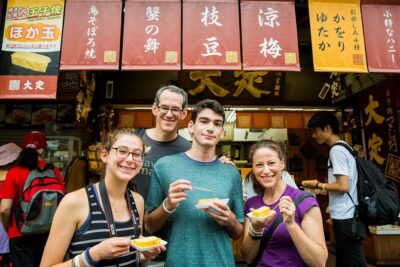
Tokyo Tsukiji Fish Market Food and Culture Walking Tour
Read our review →
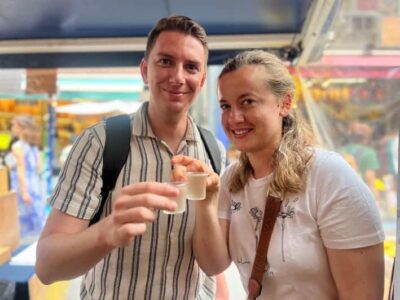
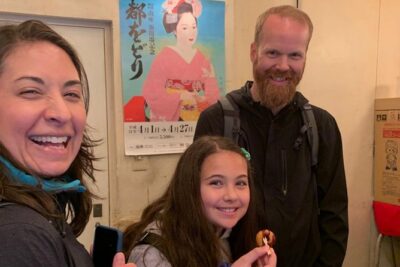
Nishiki Market Brunch Walking Tour (7 Tastings + Brunch)
Read our review →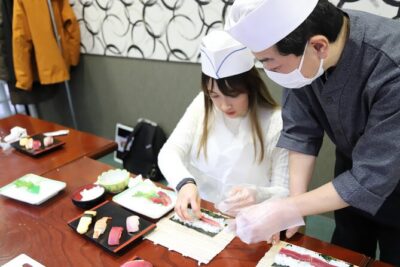
Tsukiji Fish Market Guided Tour and Sushi Making with Pro Chef
Read our review →Tsukiji Fish Market Food and Culture Walking Tour
Read our review →
Tsukiji Fish Market: Street Food & Culture Walking Tour
Read our review →
Tsukiji Fish Market Small-Group Food Walking Tour
Read our review →Browse the lists this tour appears in