
Reviewed · KYOTO TOURS
Sacred Pathways: Discover the Philosopher’s Path of Kyoto
Kyoto’s Philosopher’s Path is best enjoyed slowly, and this four-hour walk gets that part right. You follow a tree-lined canal beneath the Eastern mountains, then visit Ginkakuji’s carefully arranged garden and Nanzenji’s grand temple grounds and stone aqueduct. The calm pace leaves room for photos, questions, and the small details that are easy to miss alone.
I like the small groups of no more than eight, which make it easier to hear your guide and move quietly through residential lanes and temple grounds. I also like that entrance fees are included, so you can leave your wallet tucked away. The main drawback is the 5-kilometer walk, which calls for moderate fitness and may feel long in hot, wet, or crowded seasonal weather.
Key points at a glance
- A 5-kilometer walk beside the canal: The route is scenic, gentle in spirit, and long enough to require sensible shoes.
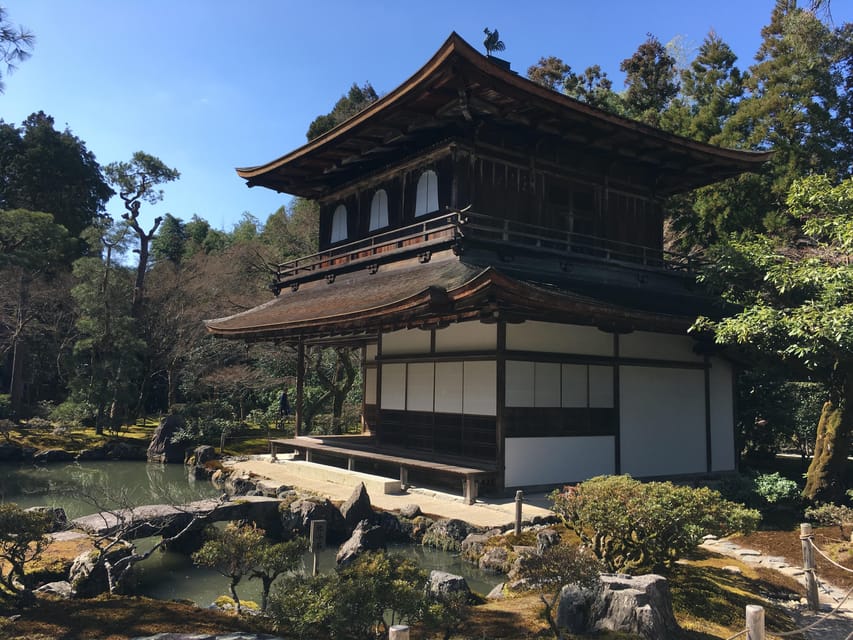
- Ginkakuji’s garden is a major highlight: The Silver Pavilion itself is less flashy than its name suggests, but the grounds are the real prize.
- Nanzenji adds scale and drama: Expect imposing temple architecture and the famous aqueduct, a striking contrast to the quiet path.
- Guides bring cultural context: Kevin and Craig are among the guides named in recent bookings, and both have extensive experience living in Kyoto.
- Small groups keep the walk personal: With up to eight people, you can ask questions without shouting over a microphone.
- Entry fees are included: Food and drinks are extra, but you do not need cash for the listed temple admissions.
Why the Philosopher’s Path works so well on foot
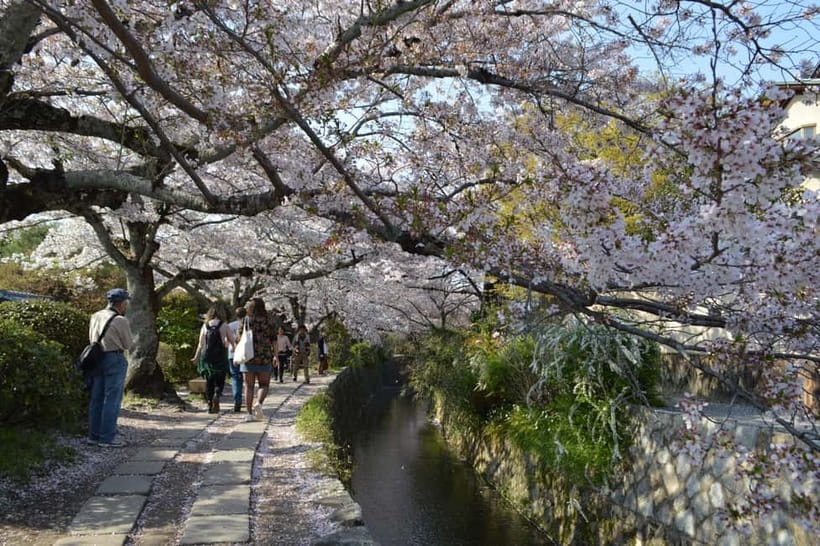
The Philosopher’s Path follows a canal at the foot of Kyoto’s Eastern mountains. It is not a grand avenue or a single dramatic viewpoint. Its appeal comes from the steady change of scene: water beside you, trees overhead, temple gates appearing between homes, and small cafes offering a place to pause.
The path is especially pleasant for anyone who wants a break from Kyoto’s busiest sightseeing zones. You are still in one of the city’s important cultural areas, but the walk gives the day a quieter rhythm. The sound of flowing water and leaves underfoot can make the temples feel more connected to their surroundings.
I would not book this as a quick temple checklist. The point is the movement between the major stops. Your guide helps explain how Zen ideas shaped gardens, buildings, tea culture, and the arts, so the walk has a clear thread rather than feeling like a series of unrelated visits.
The route covers about 5 kilometers, or 3 miles. That distance is manageable for most people with moderate fitness, but it is not a short stroll. You will spend much of the four hours on your feet, and the combination of walking and temple visits can feel tiring in summer heat or steady rain.
A few more Kyoto half-days to weigh up
- PERFECT KYOTO 1-Day Bus Tour
★ 5.0 · 13,518 reviews - Kyoto: Fushimi Inari, Kinkakuji, Bamboo Grove 1 Day Bus Tour
★ 4.8 · 4,316 reviews - Kyoto: Tea Ceremony in a Traditional Tea House in Kiyomizu
★ 4.9 · 3,519 reviews
Ginkakuji and the garden that matters most
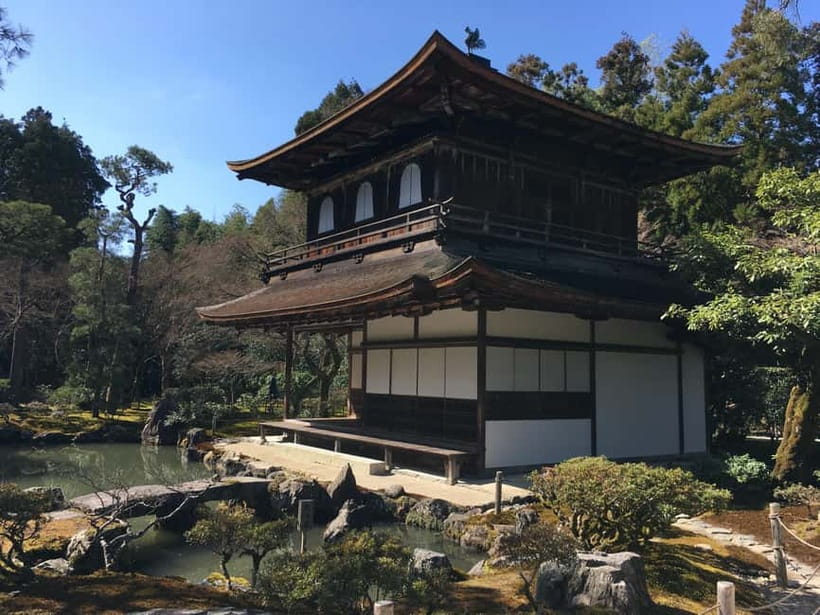
Ginkakuji is commonly called the Silver Pavilion, although the building is not covered in silver. That small surprise is useful context, because the temple’s appeal is less about glitter and more about restraint.
The garden is the star here. Raked gravel, shaped plants, moss, stones, and water features create a controlled sense of calm. The design rewards patience. Instead of rushing toward one spectacular object, you look at how the parts relate to one another.
This is where a guide can make a real difference. Without some explanation, a Zen garden may appear simply neat and attractive. With context, you can start to notice the balance between empty space and carefully placed forms, and understand why simplicity can require so much work.
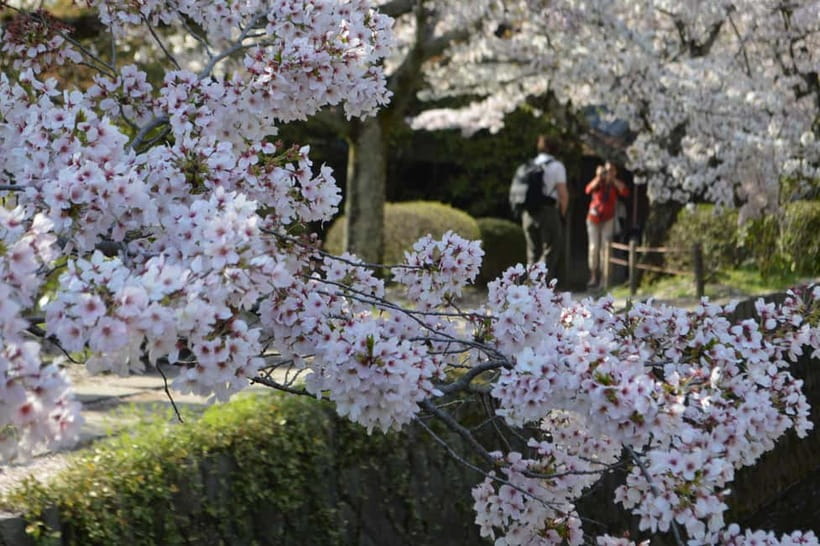
The grounds also change with the season. Spring brings blossoms along the route, summer gives the garden a heavy green feel, autumn adds color, and winter can reveal the structure of the garden more clearly. The supplied information does not promise a particular seasonal display, so you should book for the setting and ideas rather than one exact photo opportunity.
Allow time to look around rather than treating Ginkakuji as a brief stop. The tour’s relaxed pace helps here. You are not simply led to the entrance, given a quick explanation, and hurried onward. The format allows pauses for photos and questions, according to the experience described by past participants.
The canal walk between major sights
The stretch between the temple visits is not filler. It is the part of the tour that lets you see how Kyoto’s sacred places sit within everyday life.
The canal provides a constant reference point, while trees soften the route. Small shops and cafes line parts of the way, giving you the option of a warm drink or a look at handmade goods. Food and drinks are not included, so any cafe stop is at your own expense, but that can be a pleasant choice rather than an inconvenience.
I like this kind of route because it leaves space for ordinary details. You might notice a garden wall, a quiet side lane, or the way moss changes the feeling of a temple entrance. A guide who lives in Kyoto can also answer the practical questions that rarely appear on a sign, from local customs to restaurant ideas for later in your trip.
The path can be popular at certain times of year, especially when seasonal scenery draws large crowds. The small-group format helps your party move without a flag, bus, or loudspeaker, but it cannot remove other people from a public walkway. If avoiding crowds is important to you, ask about the starting time before booking.
Nanzenji brings a different kind of grandeur
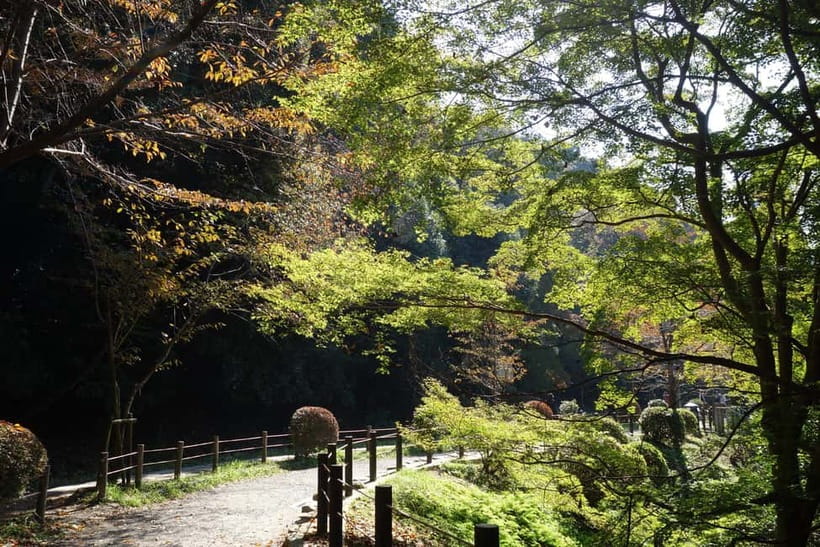
Nanzenji gives the tour a strong architectural counterpoint to the quiet canal. It is one of Kyoto’s major Zen temples, and its scale feels different from the intimate garden setting at Ginkakuji.
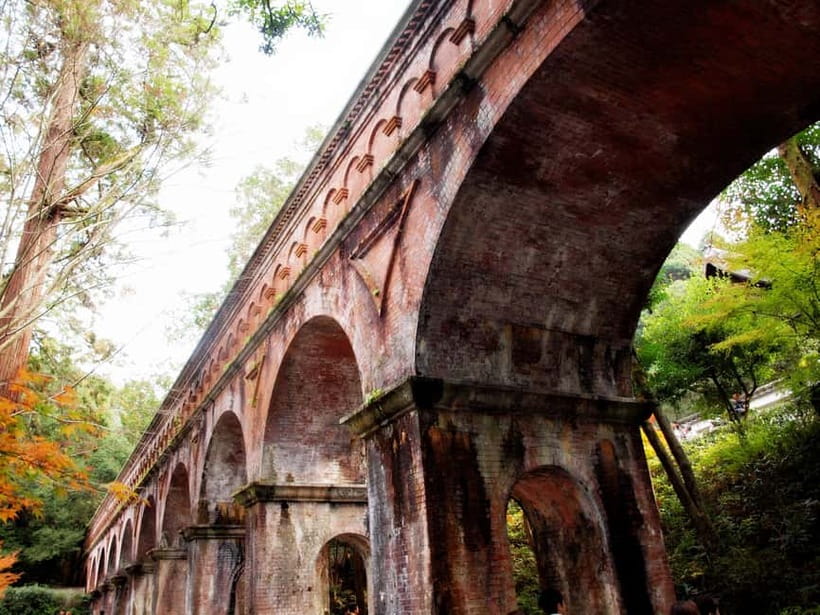
The temple complex is known for imposing gates, broad grounds, and a large brick aqueduct. The aqueduct is particularly memorable because it looks quite different from the traditional wooden and tiled structures around it. Its arches create a memorable photograph and show how older religious sites can contain layers from different periods of Kyoto’s development.
This stop also helps explain that Zen is not limited to spare gardens and silent meditation. Zen institutions shaped architecture, painting, tea practice, landscaping, and daily discipline. The guide’s role is to connect those subjects without turning the visit into a lecture.
You should expect some walking across temple grounds and uneven surfaces common to historic sites. The activity information does not provide detailed accessibility specifications, so anyone with mobility concerns should ask the operator for current route details before reserving.
Same base, a completely different sort of day:
- Kyoto Geisha Walking Tour: Gion District & Hidden Gems
★ 4.7 · 3,273 reviews - Kyoto: Tea Ceremony Ju-An at Jotokuji Temple
★ 4.9 · 3,207 reviews - Kyoto: Gion Magical Night Walking Tour with Geisha Trivia
★ 4.9 · 2,393 reviews - Kyoto: 45-Minute Tea Ceremony Lesson Experience
★ 4.3 · 2,378 reviews
What your guide adds to the visit
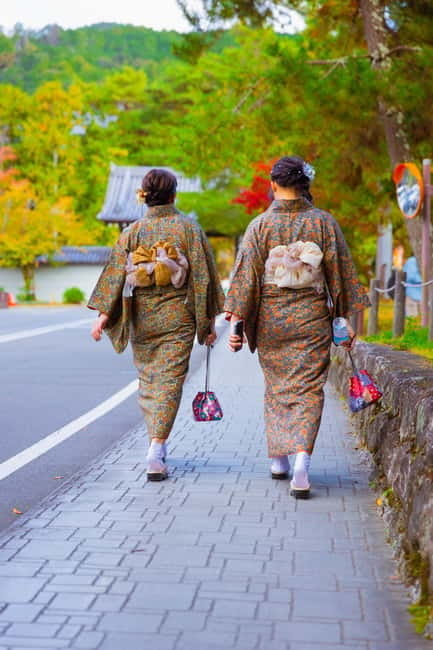
The strongest part of this experience is the human explanation. Kyoto’s temples can be beautiful while remaining difficult to understand. A guide gives you a framework for what you are seeing and helps you ask better questions.
Kevin is named repeatedly in the supplied material. He is described as personable, fun, and able to explain Kyoto’s history and Japanese culture in a clear way. He also adjusts his pace to the group, which matters on a walk of this length.
Craig is another named guide. He has lived in Kyoto for 13 years and brings the perspective of a long-term local resident. His easy manner makes it comfortable to ask questions, and that is useful when you want more than dates and architectural labels.
The company also offers tours in English and French. Guides are bilingual, but you should confirm your preferred language when booking. Private tours are available, as are small-group options.
A small party of up to eight people is a real advantage here. You can hear explanations without a microphone, stop for a photograph without holding up a coach, and ask about subjects that interest you. The tradeoff is that the experience depends more on the guide match than a large standardized tour would. The guide names and language options give you useful points to check before you pay.
Is $64 good value for four hours?
At $64 per person, this is not the cheapest way to walk the Philosopher’s Path. You could follow the canal independently and pay temple admissions yourself. The price makes more sense if you want interpretation, a planned route, and help finding the best way through the area.
Entrance fees are included, which removes one small task and makes the final cost easier to understand. You still pay for food and drinks, and any cafe stop is optional. A digital city guide is also included, along with restaurant recommendations and other local suggestions.
The value is strongest for a first visit to Kyoto, when you may recognize the major names but not yet understand how they fit together. A good guide can save you from moving through Ginkakuji and Nanzenji without grasping why the gardens, buildings, and religious traditions matter.
It is also a reasonable choice if you prefer a calm walking tour rather than a bus-based sightseeing trip. There are no flags, microphones, or long group bathroom breaks. That keeps the experience nimble and less disruptive in a quiet neighborhood.
If you are confident navigating Kyoto, have already studied Zen gardens, and mainly want to walk at your own speed, the fee may be harder to justify. Independent visitors can enjoy the path without a guide. The tour earns its price through the stories and the ease of having someone else handle the admissions and route.
Fitness, weather, and what to bring
Plan for a proper walking morning or afternoon, not a gentle ten-minute outing. Comfortable shoes are essential, and you should be ready to remain outdoors for much of the four-hour period.
The path is attractive in changing weather. Rain can make moss and gardens look especially atmospheric, though wet surfaces may also make walking less comfortable. A light rain layer, water, and protection from the sun are sensible choices, even though the operator does not list a specific packing requirement.
Children under 10 are not accepted on the regular activity. Families with younger children are asked to inquire about a private tour. The experience is also listed as unsuitable for people over 95, and the walking distance should be taken seriously by anyone with limited stamina.
Drones are not allowed. That is unlikely to affect most participants, but it is worth knowing if aerial photography is part of your holiday plans.
The meeting point can change with the option you choose. Check the exact meeting instructions carefully after booking, and arrive on time so the group does not lose part of its walking period.
Who will enjoy this Kyoto walk most?
I would choose Sacred Pathways if you want Kyoto explained at a human pace. It suits first-time visitors who want a clear introduction to Zen, temple design, and the eastern side of the city without spending the day on a large group bus.
It also suits repeat visitors who have seen Kyoto’s headline sights but want a quieter route. The combination of canal scenery, gardens, and local streets gives you a different side of the city than the busiest temple approaches.
Photography-minded visitors should like the many pauses and changing textures: water, moss, gravel, stone, timber, foliage, and the aqueduct at Nanzenji. The guide can also help you avoid rushing from one photo to the next.
This is less suitable if you dislike walking, want a private vehicle, or prefer to spend only a short time at each temple. It may also disappoint anyone expecting a Silver Pavilion covered in silver. Ginkakuji is subtle, and the garden carries much of the visual weight.
The tour is available as a private or small-group experience. A private booking is worth considering for families with younger children or for anyone who needs a slower, more flexible pace. The supplied information asks families with children under 10 to inquire about a private tour rather than booking the standard version.
Should you book Sacred Pathways?
Book it if you want the Philosopher’s Path to be more than a pretty canal walk. The strongest reasons are the relaxed pace, small groups, included admissions, and guides such as Kevin and Craig, who can connect Kyoto’s temples to Japanese culture and the arts.
I would skip it if you would rather explore independently or if 5 kilometers of walking sounds uncomfortable. For everyone else, $64 is a fair price for four hours of well-structured sightseeing, especially early in a Kyoto visit when helpful context can improve every temple you see afterward.
FAQ
How long is the Sacred Pathways tour?
The tour lasts four hours and includes about 5 kilometers, or 3 miles, of walking.
Which temples are included?
The experience includes Ginkakuji Temple, also called the Silver Pavilion, and Nanzenji Temple, including its notable aqueduct.
Are entrance fees included?
Yes. All entrance fees are included. Food and drinks are not included.
What languages are available?
The tour offers live guides in English and French.
How many people are in each group?
Small groups have no more than eight people. Private tours are also available.
Can children under 10 join the tour?
The regular activity is not suitable for children under 10. Families who want to book with younger children are asked to inquire about a private tour.
Just added around Kyoto
- Kyoto: Zen Meditation at a Private Temple with a Monk★ 5.0 · 25 reviews
- Kyoto: Gion Geisha District & Sake-in-Hand Walking Tour★ 5.0 · 37 reviews
- Private Pewter Sake Cup Experience with a Kyoto Artisan★ 5.0 · 31 reviews
- Your Private Vacation Photography Session In Kyoto★ 5.0 · 110 reviews
- Private Guided Traditional Buddhist Cooking in Japan★ 5.0 · 16 reviews
- Kyoto Wagashi(Japanese sweets) Cooking Class near Fushimiinari★ 5.0 · 60 reviews
- Traditional Japanese Music show & Experience Tour in Kyoto★ 5.0 · 57 reviews
- Kyoto:Family-Friendly Kimono & Yukata Experience at WARGO★ 5.0 · 147 reviews
Kyoto Tours, compared.


Fushimi Inari, Kinkakuji, Bamboo Grove 1 Day Bus Tour
Read our review →
Tea Ceremony in a Traditional Tea House in Kiyomizu
Read our review →
Kyoto Geisha Walking Tour: Gion District & Hidden Gems
Read our review →

Gion Magical Night Walking Tour with Geisha Trivia
Read our review →
